
Extinction does not always move at a slow, predictable pace. Some species decline over centuries, but others collapse in shockingly short windows once pressures reach a tipping point. Scientists often believe a population has time to recover, only to watch it disappear within a few decades. These are species that vanished far faster than researchers originally expected.
1. Passenger Pigeon

The passenger pigeon once filled North American skies in flocks so massive they darkened daylight for hours. In the early 1800s, their population was estimated in the billions, making them one of the most abundant birds on Earth. By 1914, the last known individual, Martha, died at the Cincinnati Zoo.
Commercial hunting and large-scale habitat destruction wiped them out in less than a century. Scientists at the time assumed a species so numerous could never collapse completely. Their rapid disappearance remains one of the most dramatic examples of how abundance can create false security.
2. Thylacine (Tasmanian Tiger)
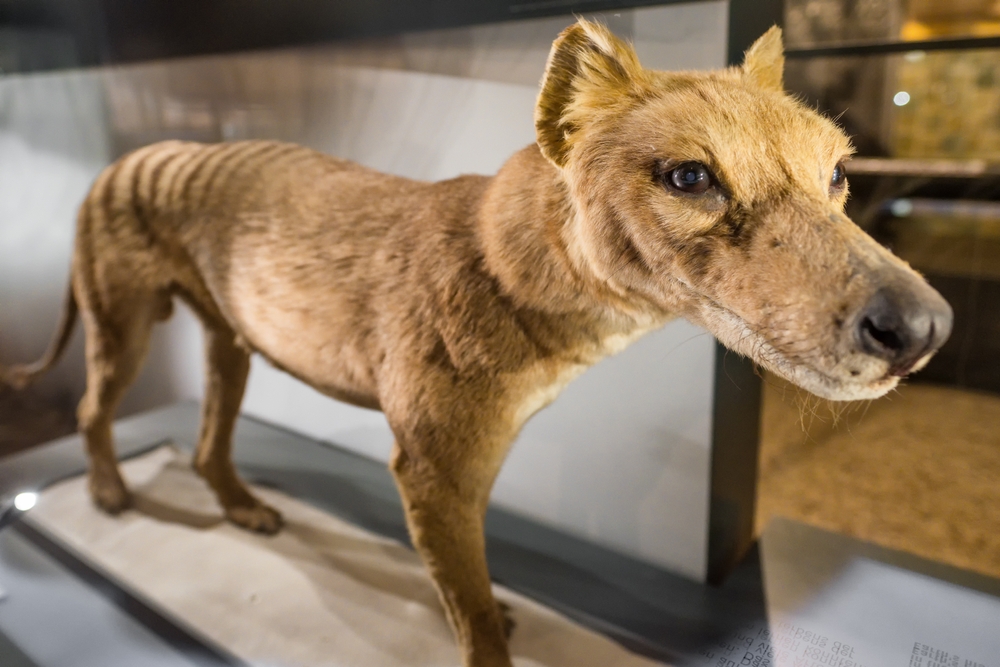
The thylacine was Australia’s largest carnivorous marsupial in modern times. Although populations were already shrinking due to habitat loss and competition with dingoes, European settlement accelerated their decline rapidly. Government bounty programs in the late 1800s paid hunters to kill them.
The last confirmed thylacine died in captivity in 1936, just decades after systematic hunting began. Researchers once believed small populations might persist in remote areas. No verified sightings have been confirmed despite ongoing searches.
3. Steller’s Sea Cow
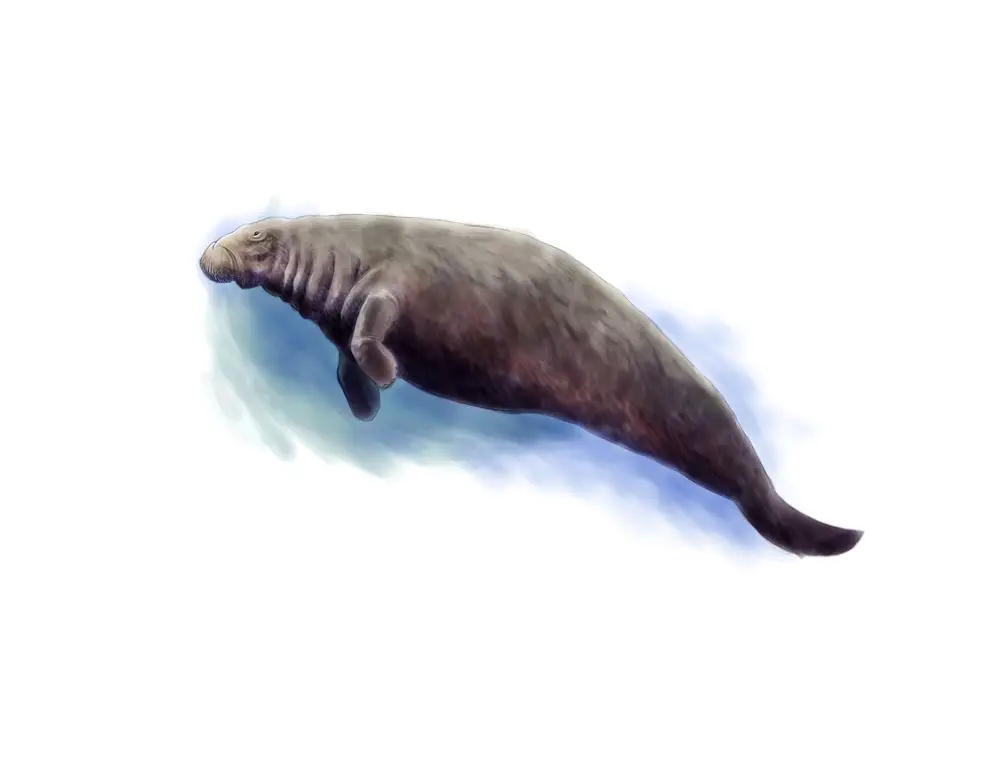
Discovered in 1741 in the Bering Sea, Steller’s sea cow was a massive marine herbivore related to manatees. It had survived in isolated Arctic waters for thousands of years before human contact. Within 27 years of its discovery, it was hunted to extinction.
Sailors killed them for meat, fat, and hides, as they were slow-moving and easy targets. Scientists were stunned at how quickly a large marine mammal disappeared. Its extinction remains one of the fastest recorded for a newly documented species.
4. Great Auk
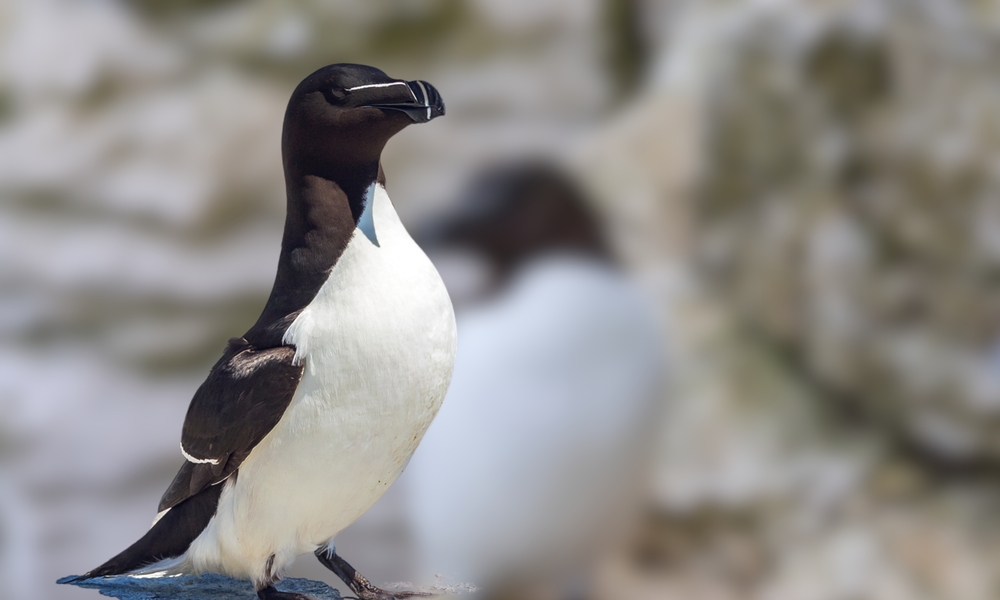
The great auk was a flightless seabird that lived across the North Atlantic. It nested in dense colonies on remote islands, making it highly vulnerable to hunters. By the 1700s and early 1800s, it was slaughtered for feathers, meat, and oil.
The last confirmed pair was killed in 1844 on an Icelandic island. Conservationists were already beginning to recognize its rarity, but protections came too late. Its decline accelerated rapidly once demand for feathers surged.
5. Golden Toad
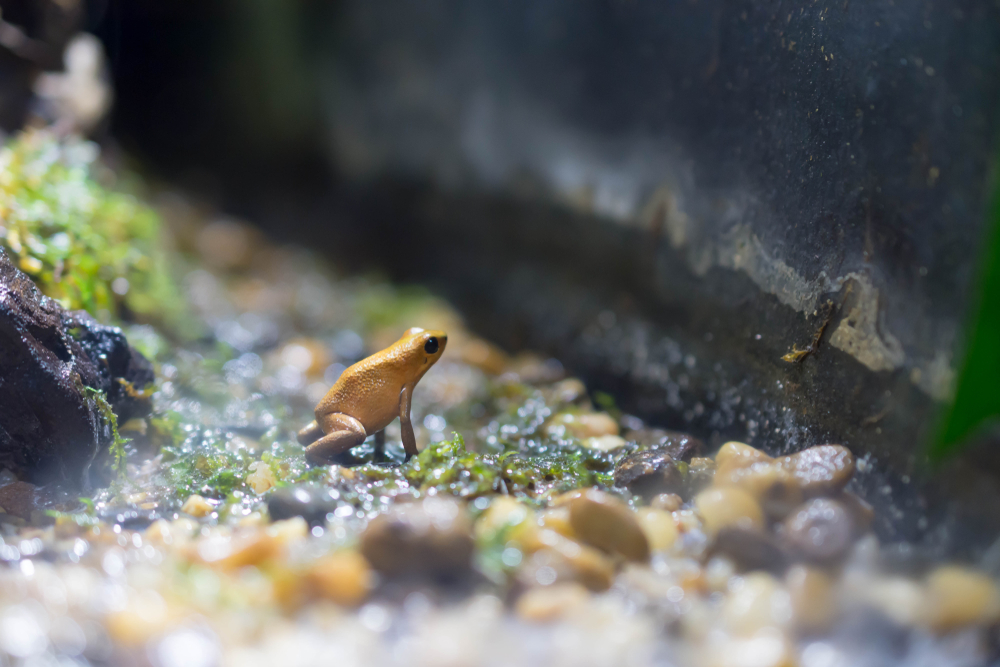
The golden toad was discovered in Costa Rica in 1966 and was already rare at the time. It lived in a small, isolated cloud forest habitat. Within just a few decades, it vanished completely.
By 1989, no individuals could be found despite repeated surveys. Climate change, disease, and habitat shifts are believed to have contributed. Its disappearance shocked scientists who had expected small amphibian populations to persist longer.
6. Baiji (Yangtze River Dolphin)
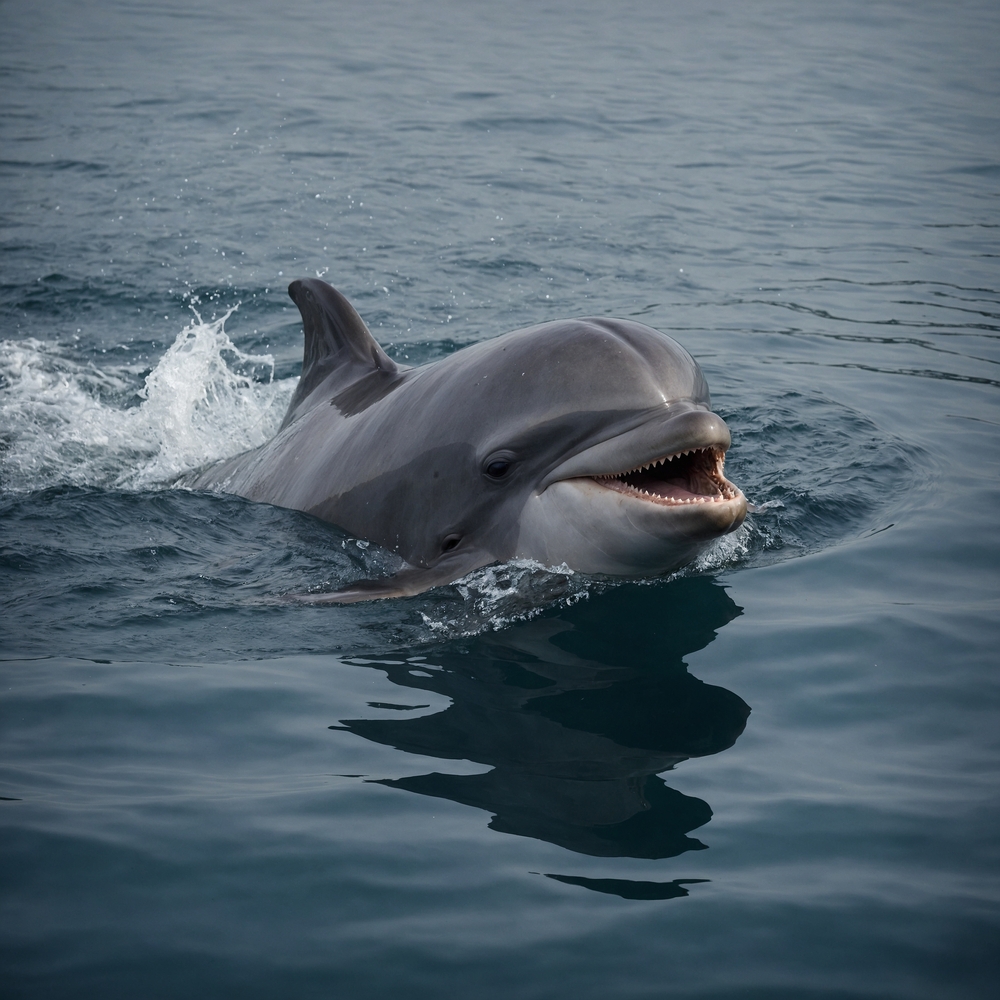
The baiji dolphin lived exclusively in China’s Yangtze River. Industrialization, shipping traffic, and pollution intensified rapidly during the 20th century. Despite conservation warnings, development pressures continued.
In 2006, scientists declared the baiji functionally extinct after extensive surveys failed to locate survivors. Just a few decades earlier, small but stable populations were still recorded. Its disappearance marked the first known extinction of a dolphin species in modern history.
7. Caribbean Monk Seal
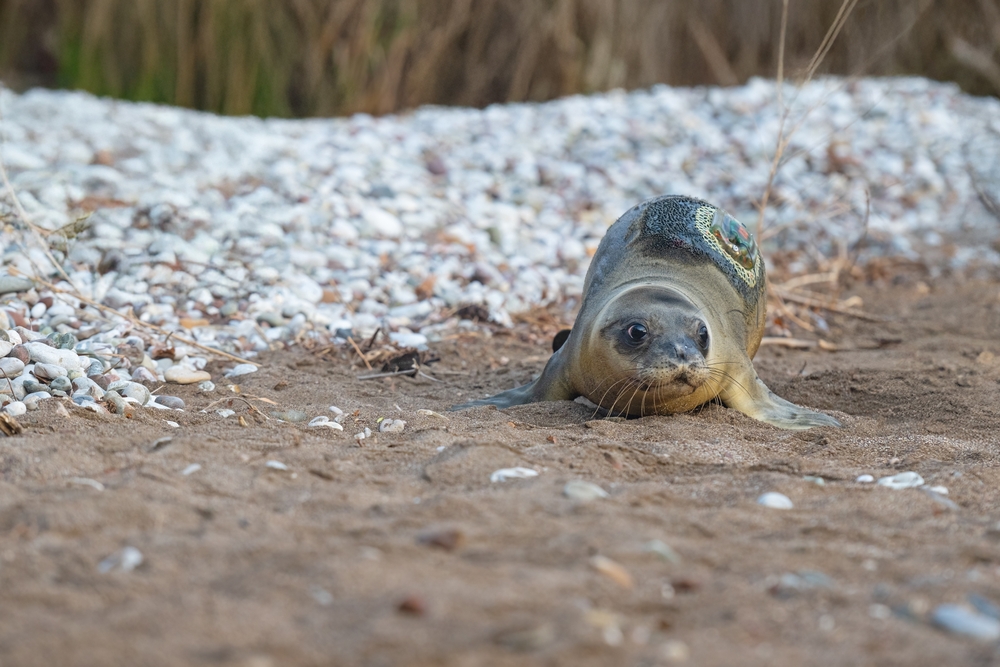
The Caribbean monk seal once inhabited warm waters throughout the Gulf of Mexico and Caribbean Sea. European hunters heavily exploited the species for oil during the 1700s and 1800s. Populations declined steadily but were not believed to be at immediate risk.
The last confirmed sighting occurred in 1952, and the species was officially declared extinct in 2008. Scientists underestimated how severely hunting and overfishing had impacted food sources. By the time formal protections were considered, the species was already gone.
8. Pinta Island Tortoise
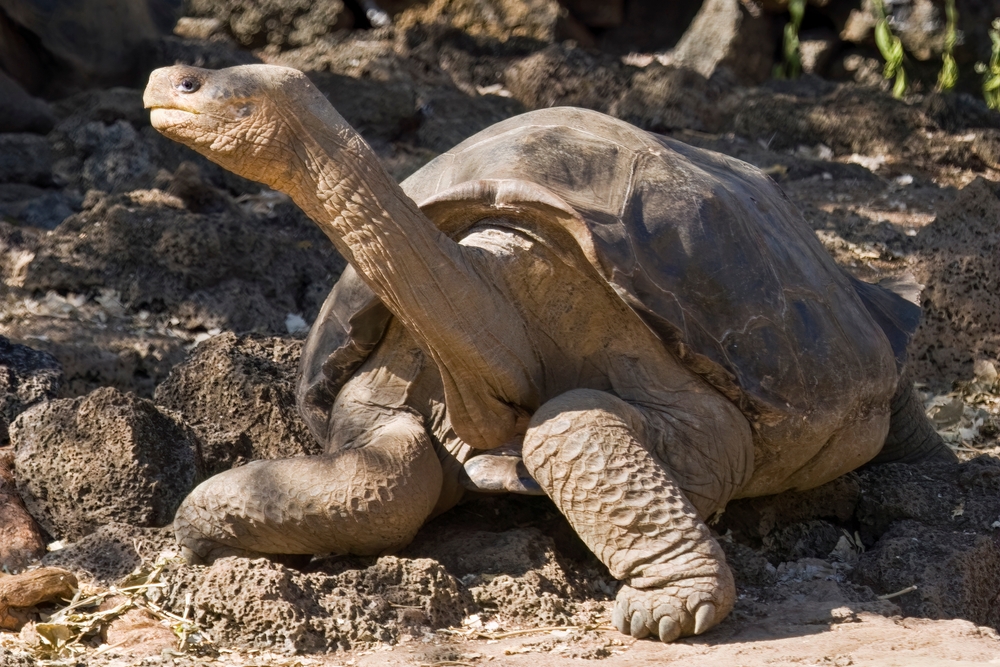
The Pinta Island tortoise was one of several Galápagos tortoise subspecies. Introduced goats devastated vegetation on its island habitat, leaving little food. Hunting by sailors further reduced numbers.
By the 1970s, only one known individual remained, nicknamed Lonesome George. Despite extensive breeding efforts, he died in 2012 without producing offspring. The speed of habitat destruction made recovery impossible.
9. Western Black Rhinoceros
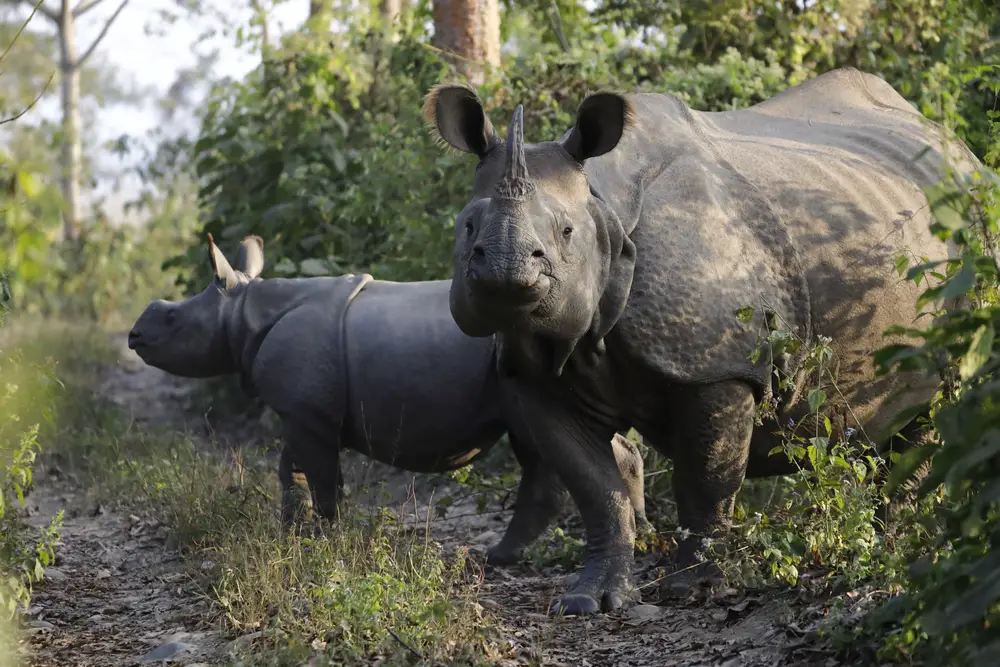
The western black rhinoceros once roamed across parts of central Africa. Poaching for horns intensified dramatically in the late 20th century. Populations plummeted far faster than predicted.
Despite surveys in the early 2000s suggesting small surviving groups, none were found. The subspecies was declared extinct in 2011. Conservationists underestimated the scale of illegal hunting networks.
10. Bramble Cay Melomys

The Bramble Cay melomys was a small rodent living on a single island near Australia’s Great Barrier Reef. Rising sea levels and storm surges repeatedly flooded its habitat. Scientists were monitoring the population, but the timeline accelerated.
By 2016, surveys confirmed it was extinct. It became one of the first mammals declared extinct due directly to climate change impacts. The collapse occurred in just a few decades.
11. Tecopa Pupfish
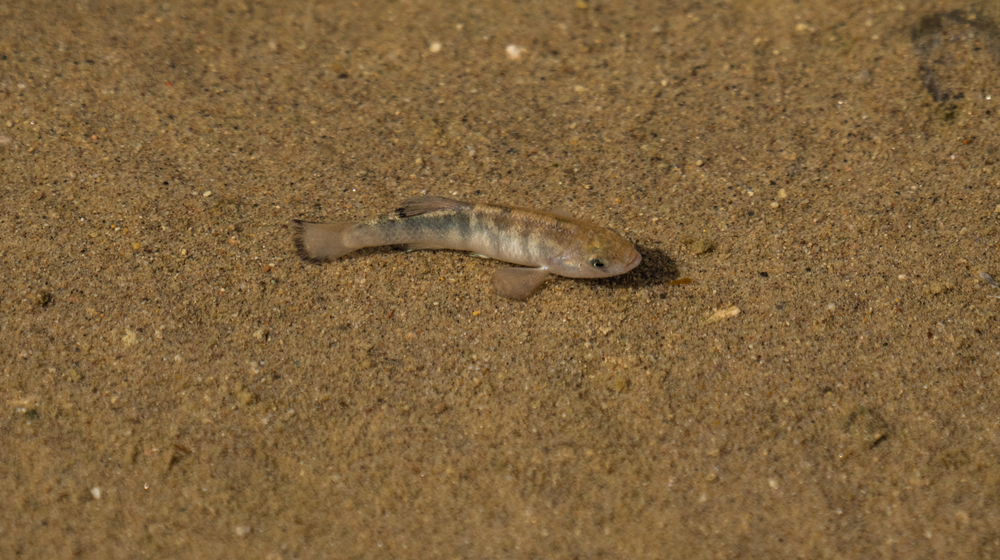
The Tecopa pupfish lived in desert hot springs in California. Human modification of the springs for agriculture and recreation altered water temperatures and chemistry. Within a short time, the species could no longer survive.
It was declared extinct in 1981. Biologists had expected small, isolated fish populations to adapt to gradual changes. Instead, environmental alterations proved too rapid.
12. Pyrenean Ibex
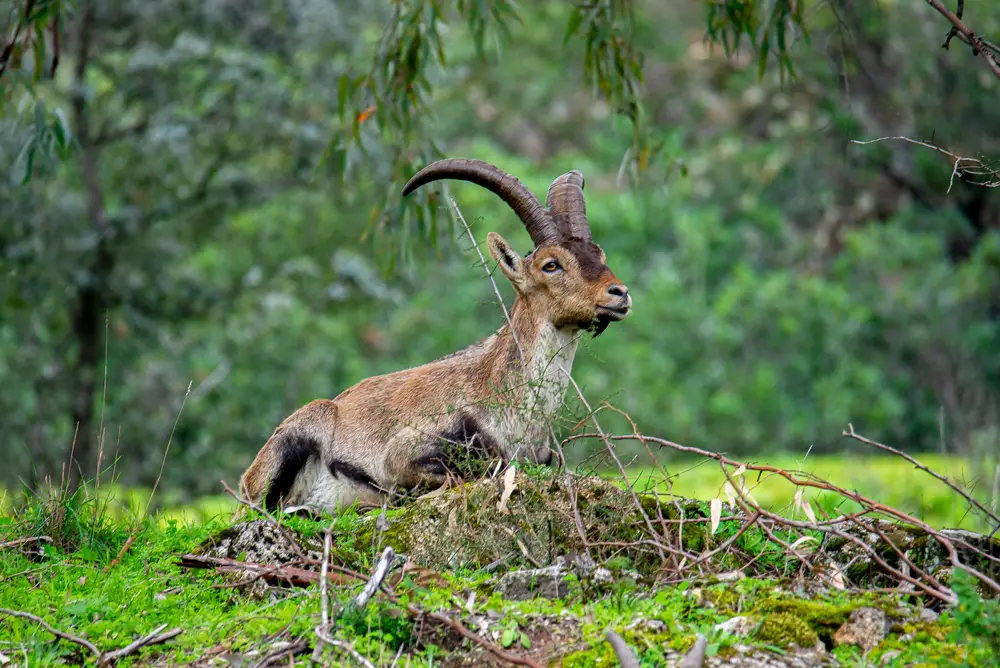
The Pyrenean ibex was a subspecies of wild goat native to the Pyrenees mountains. Hunting and habitat loss reduced numbers sharply during the 19th and 20th centuries. Conservation efforts came late.
The last known individual died in 2000. A cloning attempt in 2003 briefly produced a calf, but it survived only minutes. The speed of decline surprised researchers who had hoped captive breeding could intervene.
13. Alaotra Grebe
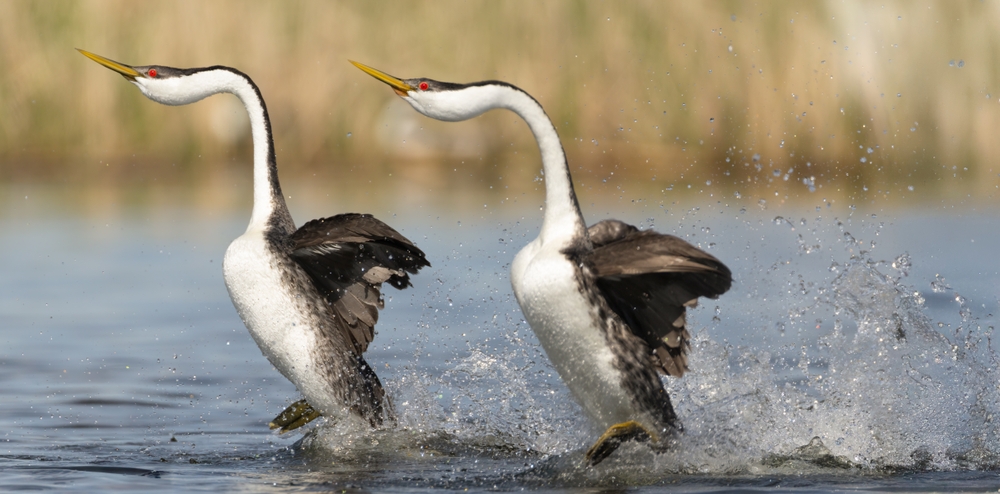
The Alaotra grebe was a diving bird native to Madagascar’s Lake Alaotra. Habitat destruction, fishing nets, and introduced predators drove rapid population collapse. By the 1980s, sightings had become rare.
It was declared extinct in 2010 after years without confirmed observations. Scientists initially believed its remote habitat might offer refuge. Instead, human pressures proved overwhelming within a short time frame.