
The 2010s and early 2020s marked a sobering chapter in conservation history, with several species disappearing from Earth entirely. While some extinctions made headlines, many others slipped away with little fanfare, their losses noticed only by dedicated researchers and local communities. These twelve species represent the quiet erosion of biodiversity happening in our lifetimes.
1. Splendid Poison Frog (2020)
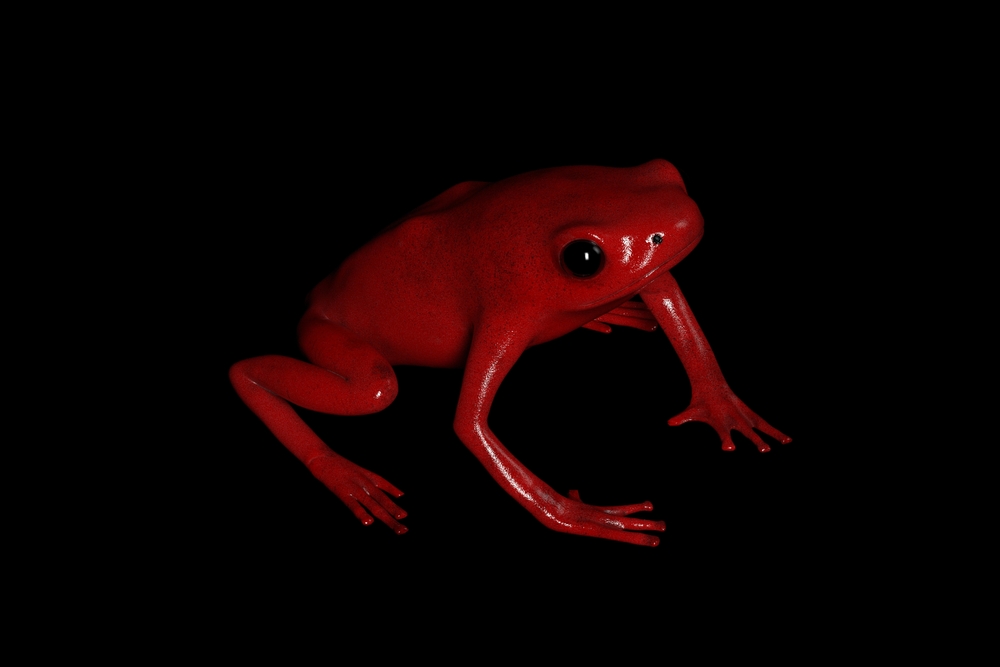
The splendid poison frog, with its striking black and orange coloration, was last seen in the wild in 2004 in the cloud forests of western Panama. Despite extensive searches throughout its limited range, no individuals have been found since, and the species was officially declared extinct in 2020. The culprit was chytridiomycosis, a devastating fungal disease that has decimated amphibian populations across Central and South America.
Researchers had attempted captive breeding programs with related species, but never managed to secure any splendid poison frogs before they vanished. The loss is particularly tragic because these frogs occupied such a small area—just a few square miles of forest. Their extinction underscores how vulnerable species with restricted ranges are to diseases and environmental changes.
2. Bramble Cay Melomys (2016)
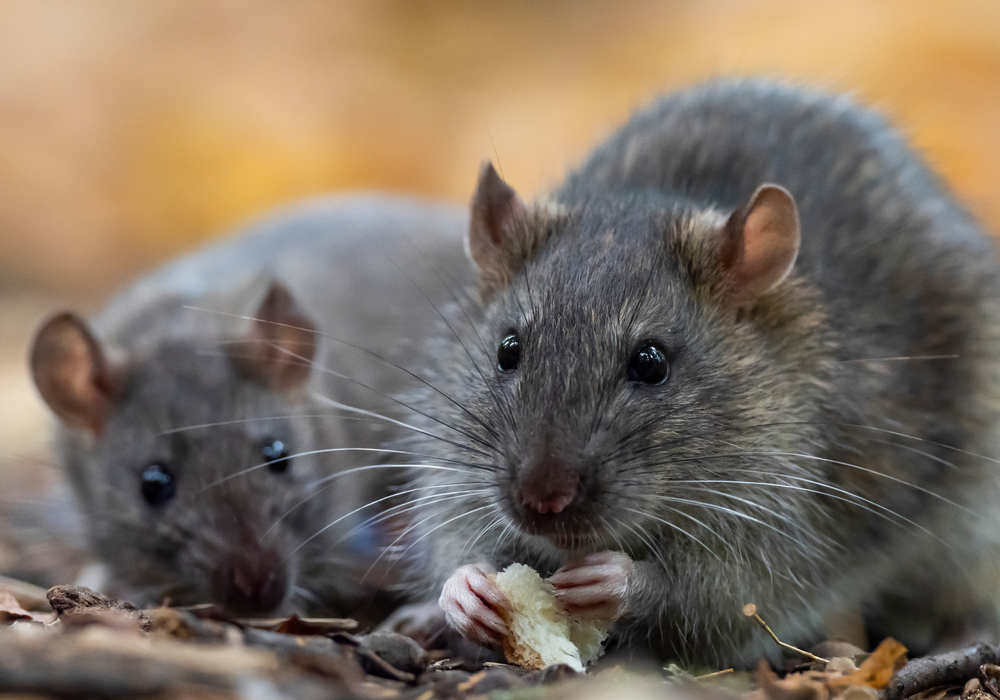
This small rodent holds the grim distinction of being the first mammal extinction directly attributed to human-caused climate change. The Bramble Cay melomys lived exclusively on a tiny coral cay in the Torres Strait between Australia and Papua New Guinea, an island that measured just over four acres. Rising sea levels and increasingly severe storm surges gradually inundated the cay, destroying the vegetation the melomys depended on for food and shelter.
The last confirmed sighting occurred in 2009, and after extensive surveys found no trace of the species, it was declared extinct in 2016. Indigenous communities in the Torres Strait had known these animals for generations, calling them “aygulu” in their language. Scientists warn that the Bramble Cay melomys is likely just the first of many island-dwelling species that will be lost to rising seas.
3. Cryptic Treehunter (2019)
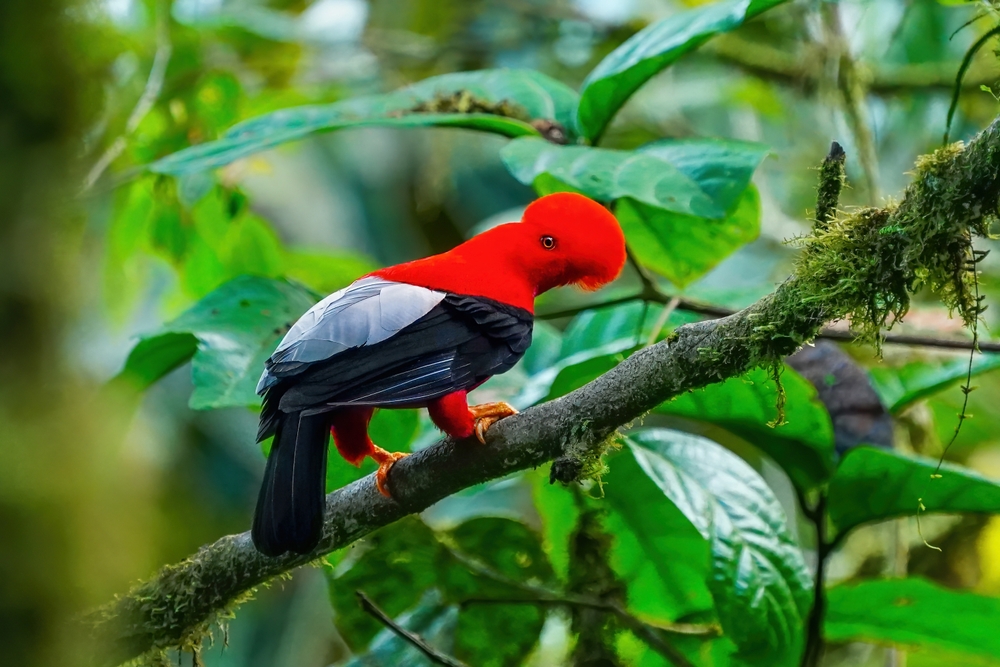
This elusive Brazilian bird was known from only a handful of sightings in the Atlantic Forest of northeastern Brazil. The cryptic treehunter lived up to its name—it was incredibly difficult to spot, moving quietly through dense vegetation in search of insects. By the time ornithologists realized how rare it was, deforestation had already claimed most of its habitat.
The last confirmed observation came in 2002, and despite targeted searches in remaining forest fragments, no individuals have been found since. Its extinction was officially recognized in 2019 after years without any credible sightings. The Atlantic Forest has lost roughly 90% of its original coverage, making it one of the most threatened ecosystems on Earth.
4. Sumatran Rhino (Malaysian Population, 2019)
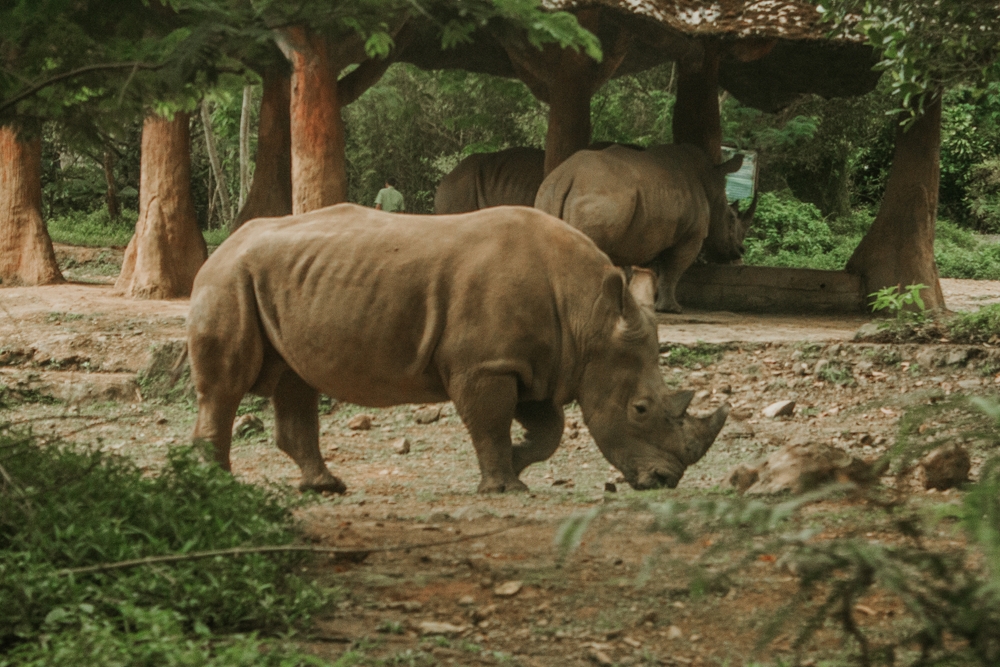
While Sumatran rhinos still cling to existence in Indonesia, the Malaysian population was declared extinct in 2019 with the death of Iman, the last remaining individual in the country. Malaysia had lost its last male, Tam, just months earlier, ending any hope of natural reproduction. These rhinos once roamed across Southeast Asia, but habitat loss and poaching reduced them to scattered, isolated populations too small to sustain themselves.
Iman died from cancer at a wildlife reserve in Sabah, Borneo, where conservationists had cared for her for years. Malaysia’s loss of the Sumatran rhino represents a failed conservation effort despite millions spent on protection and breeding attempts. Fewer than 80 Sumatran rhinos are believed to survive anywhere in the world.
5. Alagoas Foliage-Gleaner (2019)
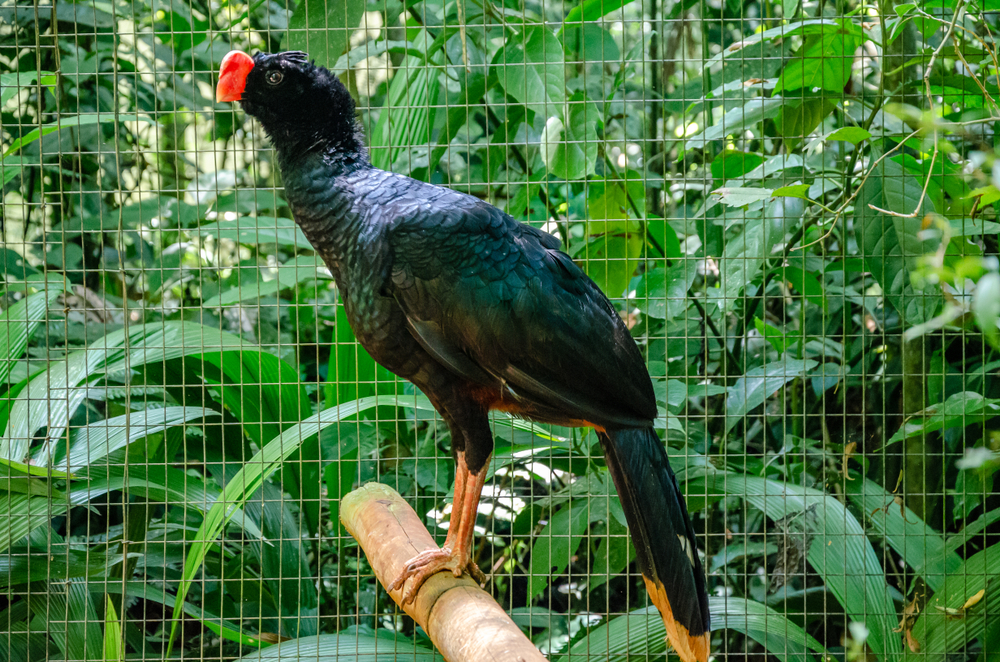
This small brown bird was endemic to coastal Brazil, where it inhabited the understory of Atlantic Forest remnants. The Alagoas foliage-gleaner was a specialized insectivore that foraged by flipping through dead leaves on branches and vines. It was never abundant, even in historical records, and occupied an extremely limited range in northeastern Brazil.
The last confirmed sighting was in 2011, and subsequent surveys of all potential habitat found no evidence of surviving birds. Its extinction, declared in 2019, was primarily driven by sugarcane plantations that replaced nearly all the coastal forests in its range. Only about 2% of the original forest remains in the region where this species once lived.
6. Po’ouli (2019)
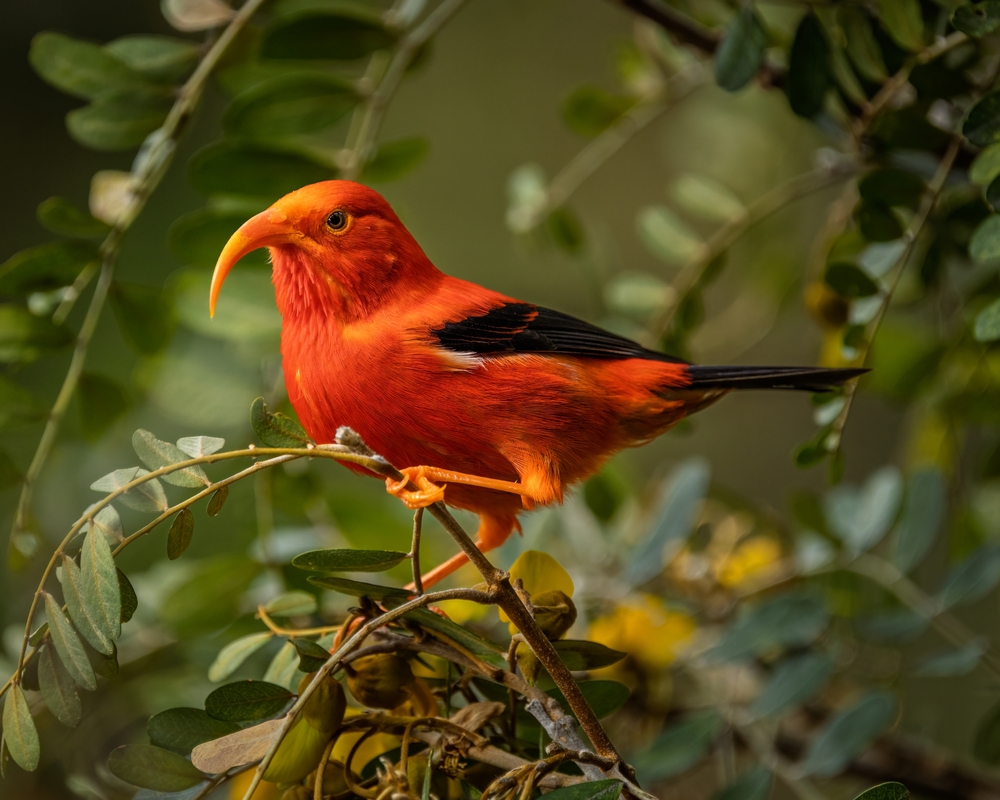
The Po’ouli was a Hawaiian honeycreeper discovered only in 1973 in the remote forests of Maui. Within just three decades of its discovery, the species had dwindled to three known individuals. By 2004, all three birds had died—one in captivity during a last-ditch capture-for-breeding attempt, and the others disappearing from the wild.
The extinction wasn’t officially declared until 2019, after years of waiting to ensure no survivors existed. The Po’ouli’s rapid decline was caused by a perfect storm of threats: habitat destruction, predation by invasive species, and avian diseases carried by introduced mosquitoes. Hawaii has lost more bird species than anywhere else in the United States, and the Po’ouli’s story exemplifies this ongoing crisis.
7. Christmas Island Pipistrelle (2017)

This tiny bat, weighing less than a nickel, was once common across Christmas Island in the Indian Ocean. In the early 2000s, researchers noticed the population crashing at an alarming rate, declining by more than 80% in just five years. Despite urgent calls for intervention, including proposals to bring individuals into captivity, Australian authorities moved too slowly.
The last confirmed echolocation call was recorded in 2009, and the species was declared extinct in 2017. Scientists still don’t know exactly what caused the collapse, though introduced predators and disease are suspected. The Christmas Island pipistrelle’s extinction represents a conservation failure—the species vanished despite being well-documented and monitored.
8. Pinta Island Tortoise (2012)
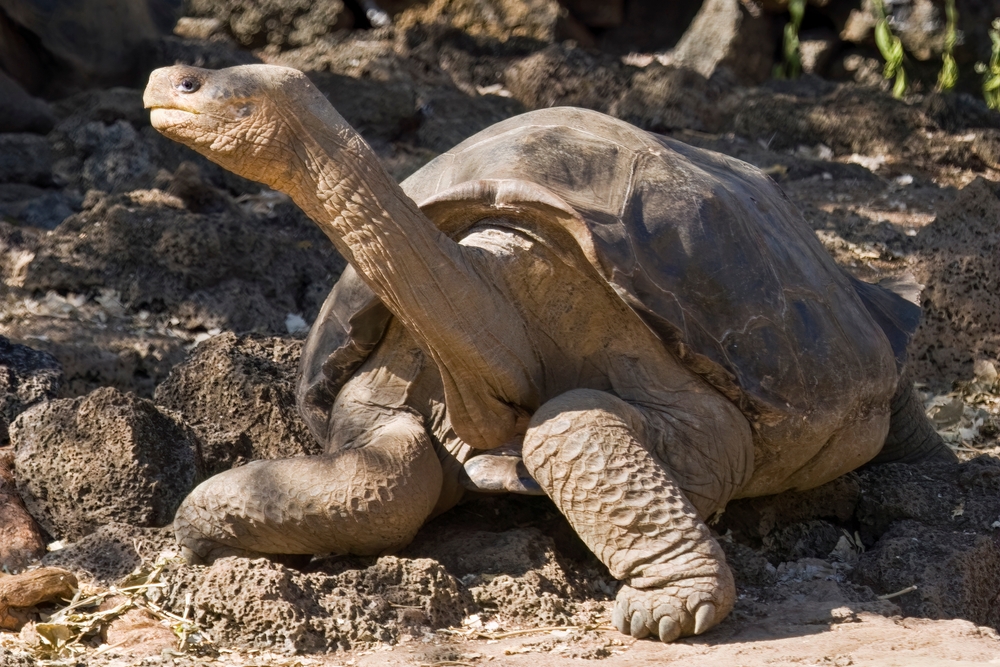
Lonesome George, the last Pinta Island tortoise, died in 2012 at an estimated age of over 100 years. He had been the sole survivor of his subspecies since his discovery in 1971, living at a research station in the Galápagos Islands. Scientists made numerous attempts to breed George with females from closely related subspecies, but none of the eggs proved viable.
George’s death marked the end of a unique evolutionary lineage shaped by isolation on Pinta Island. The subspecies had been decimated by whalers and introduced goats that destroyed the island’s vegetation. While George became an international symbol for conservation, his story also highlights the limitations of captive breeding when only a single individual remains.
9. Chiriqui Harlequin Frog (2020)
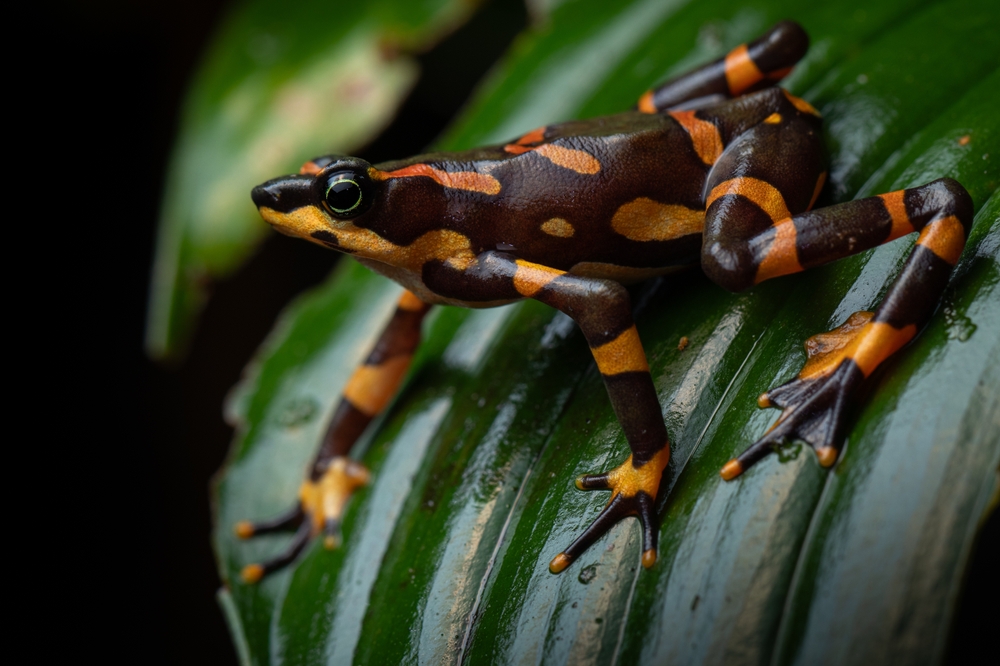
This vibrant yellow and black frog was once abundant in the cloud forests of Costa Rica and western Panama. Like the splendid poison frog, the Chiriqui harlequin frog fell victim to the chytrid fungus pandemic that swept through Central American mountains. The last reliable sighting occurred in 1996, though unconfirmed reports trickled in for several more years.
After decades without any verified observations despite extensive searches, the species was declared extinct in 2020. Researchers had hoped to find a resistant population, as has happened with a few other harlequin frog species. The loss is part of a broader collapse of Neotropical amphibians, with dozens of species disappearing within just a few years as the fungus spread.
10. Spix’s Macaw in the Wild (2019)
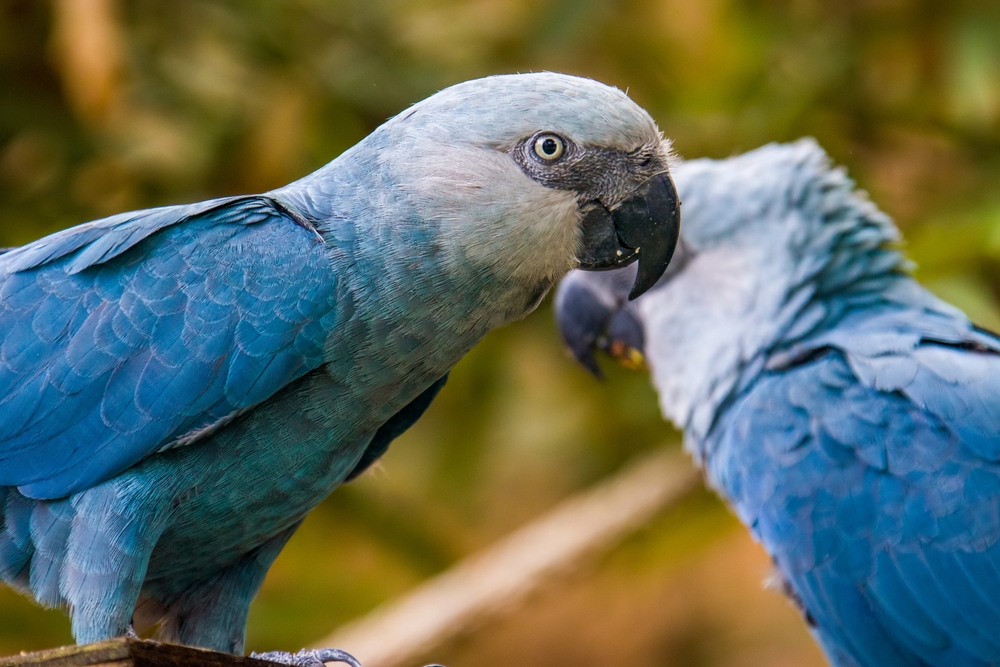
The brilliant blue Spix’s macaw was declared extinct in the wild in 2019, though a small captive population survives in breeding programs. The last known wild individual, a lone male, was observed until 2000 in Brazil’s Caatinga region. The species’ downfall came from habitat destruction combined with intensive trapping for the illegal pet trade, which intensified after the birds became famous in the animated film “Rio.”
Breeding programs have successfully produced over 150 birds, and there are plans to reintroduce them to protected areas in Brazil. However, their natural habitat has been so degraded that creating suitable conditions for release poses enormous challenges. The Spix’s macaw exists now only through human intervention, a living ghost of the wild population that once soared over Brazilian thornforest.
11. Formosan Clouded Leopard (2013)
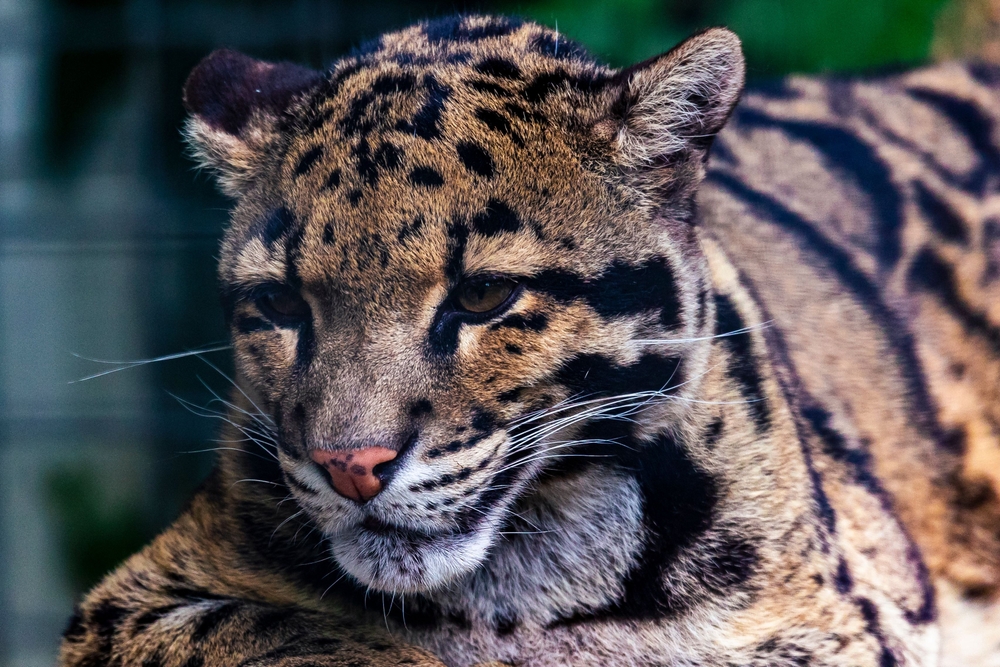
This leopard subspecies was endemic to Taiwan, where it held deep cultural significance for indigenous communities. By the 1980s, sightings had become exceedingly rare, and despite occasional unconfirmed reports from hunters and hikers, no physical evidence emerged. After a comprehensive camera trap survey in the early 2000s failed to document a single individual, scientists concluded the population was gone.
The extinction was formally recognized in 2013, though debate continues about whether any individuals might survive in the island’s most remote mountains. Deforestation and hunting throughout the 20th century eliminated most of the leopard’s habitat and prey base. Some indigenous Taiwanese still report sightings, but these remain unverified and are likely cases of misidentification or wishful thinking.
12. Rabbs’ Fringe-Limbed Treefrog (2016)
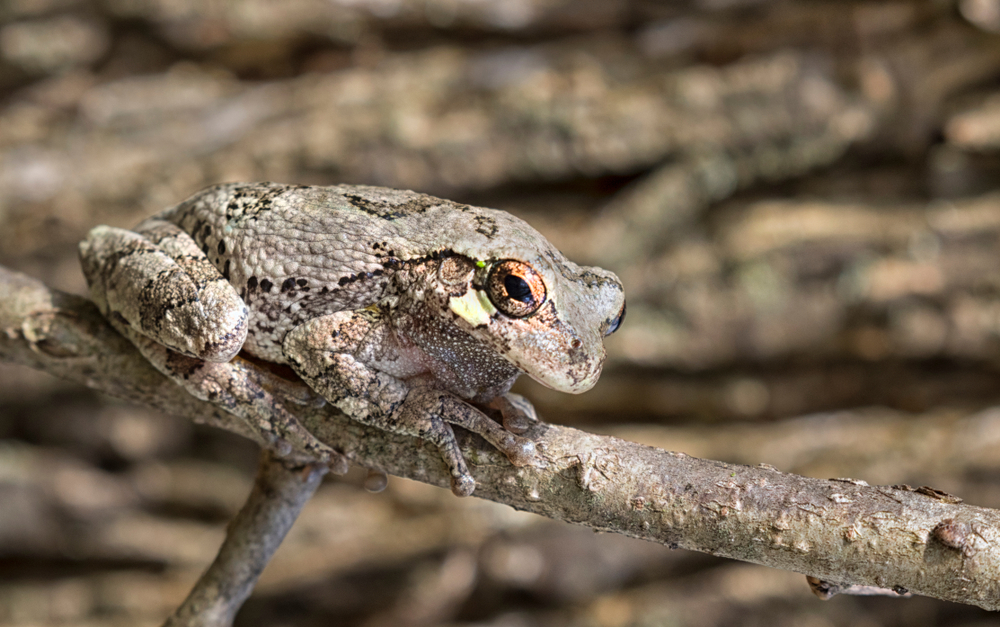
This extraordinary frog could glide between trees using its oversized webbed feet and was discovered in Panama only in 2005. Within just a few years of its description, the species had been wiped out in the wild by chytrid fungus. A single male, named “Toughie,” survived in captivity at the Atlanta Botanical Garden, where he lived alone as the last of his kind.
Toughie died in 2016, and with him went the entire species, making the Rabbs’ fringe-limbed treefrog one of the fastest declines from discovery to extinction ever documented. Researchers recorded Toughie’s calls in hopes of preserving some record of the species, though without a female, those calls went forever unanswered. The tragedy lies not just in the extinction itself, but in how little time scientists had to even understand this species before it vanished.