
Wildlife isn’t just declining in numbers—many species are fundamentally altering behaviors that have been consistent for thousands of years in response to human activities and presence. These adaptations range from shifts in feeding times to changes in migration patterns to entirely new behaviors that didn’t exist a generation ago. The speed of these changes is remarkable, happening within decades rather than the evolutionary timescales typically required for behavioral shifts, revealing both the enormous pressure humans place on wildlife and the remarkable adaptability some species possess.
1. Coyotes Becoming Nocturnal in Suburban Areas
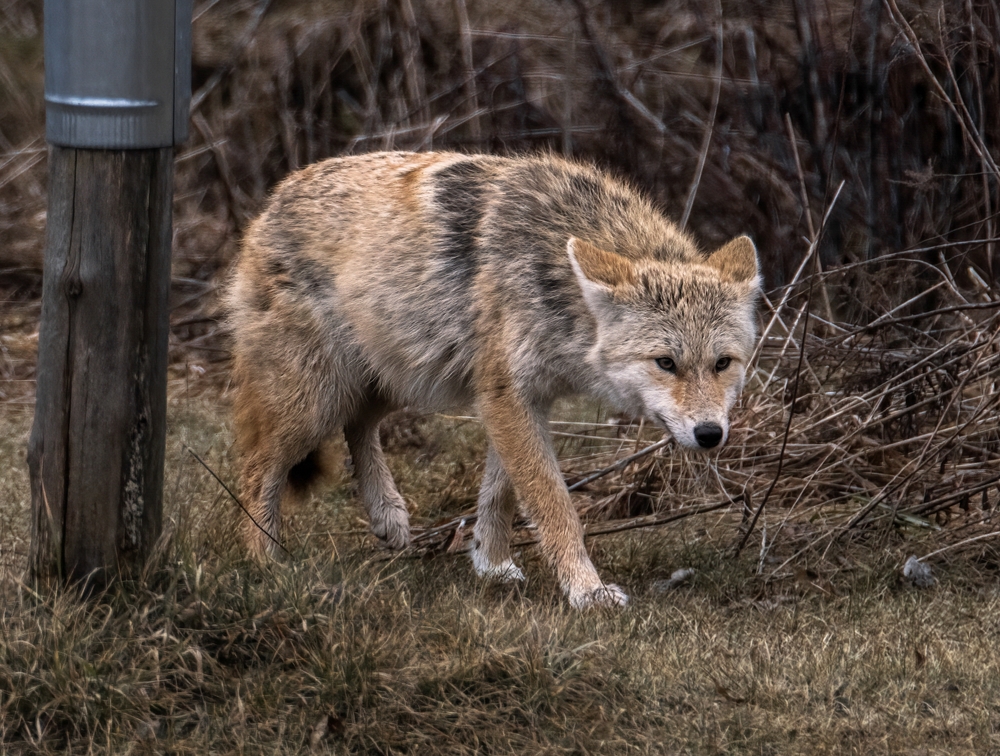
Coyotes historically hunted during dawn and dusk when prey was most active, but in areas with heavy human presence they’ve shifted almost entirely to nighttime activity to avoid encounters. Research using GPS collars shows that suburban coyotes now do 90% of their hunting and movement between 10 PM and 5 AM, compared to more evenly distributed activity in wilderness areas. This behavioral shift happened within just 20-30 years as coyotes expanded into suburban environments, demonstrating remarkable plasticity in response to human activity patterns.
The nocturnal shift creates cascading effects throughout ecosystems as coyotes now overlap temporally with different prey species than they historically hunted, and they avoid encounters with domestic dogs that are active during daylight hours. Some coyotes have become so adapted to human schedules that they time their movements to garbage collection schedules, waiting for trucks to depart before scavenging. The behavior modification allows coexistence in areas where human-coyote conflict would otherwise be severe, but it represents a fundamental change in the species’ natural activity patterns driven entirely by human presence.
2. Urban Birds Singing at Higher Frequencies and Volumes

Birds in noisy urban environments have altered their songs to be heard over traffic, construction, and human activity, singing at higher frequencies that penetrate ambient noise more effectively. Studies of species like white-crowned sparrows and great tits show that urban populations sing 5-10 decibels louder and at frequencies up to 30% higher than their rural counterparts, changes that have occurred within just a few generations. Some species have shifted their peak singing times to early morning hours before traffic increases, fundamentally altering daily activity patterns.
The vocal changes affect mate selection and territory establishment since songs serve these critical functions, and there’s evidence that some birds no longer recognize songs of rural populations of their own species due to the divergence. The modification demonstrates rapid behavioral adaptation but also reveals the stress urban environments place on wildlife—birds expend more energy producing louder songs and potentially suffer hearing damage from chronic noise exposure. Young birds learn songs from adults, meaning these human-induced changes are now being culturally transmitted to new generations.
3. Elephants Going Tuskless to Avoid Poachers
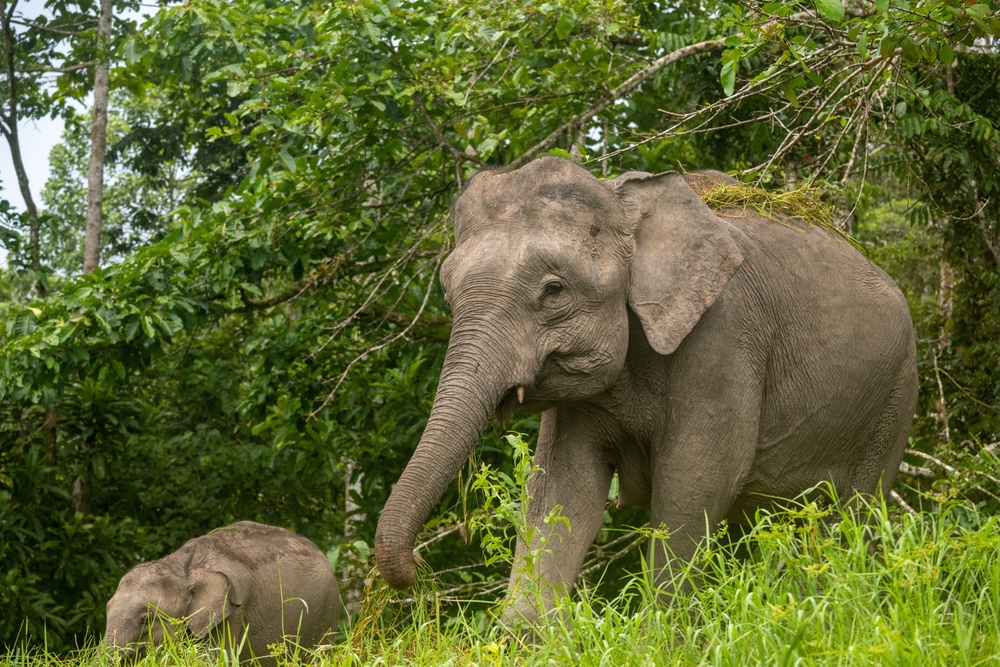
African elephant populations in heavily poached areas show dramatically increased rates of tusklessness, with some populations going from 2-5% naturally tuskless females to 30-50% in just two generations. This isn’t random—poachers selectively kill elephants with large tusks, leaving tuskless individuals to reproduce and pass on genes for absent or reduced tusks. The speed of change reflects the intense selection pressure where tusked elephants have very low survival rates while tuskless elephants survive and reproduce.
The behavioral and ecological consequences extend beyond just missing tusks. Elephants use tusks to strip bark, dig for water and minerals, and defend against predators, meaning tuskless elephants must alter their behaviors and may access different food sources. The genetic change is likely permanent even if poaching stops since tuskless elephants now make up large portions of breeding populations. This represents evolution in real-time driven by human activity, with a species fundamentally changing within decades to survive human persecution.
4. Fish Learning to Avoid Hooks and Lures
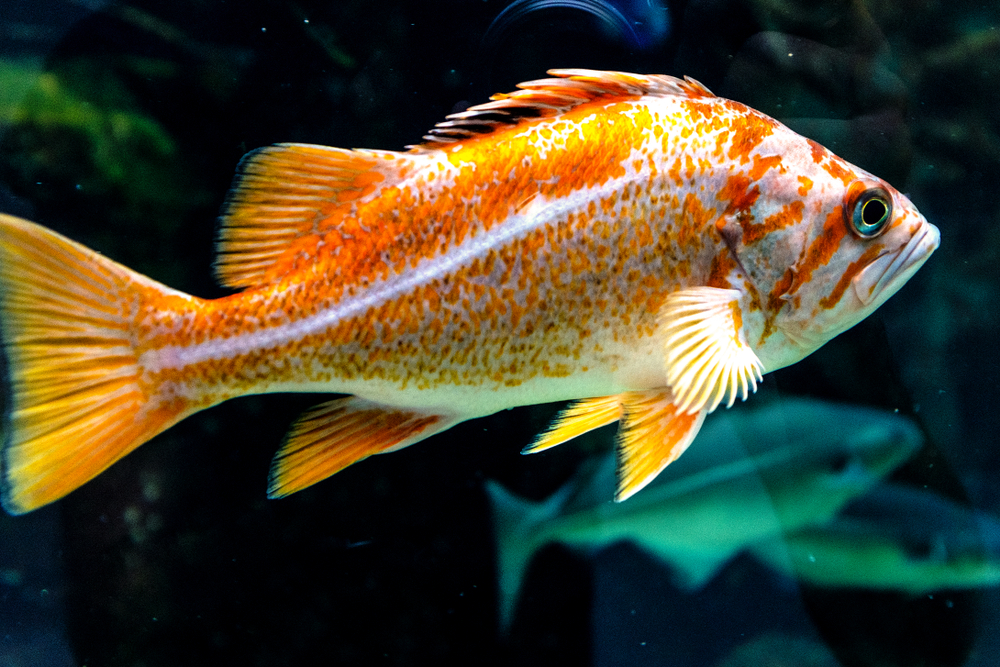
Fish populations in heavily fished waters are becoming “hook shy,” learning to avoid lures and baited hooks that work effectively in less-pressured waters. Studies show that largemouth bass in popular fishing lakes are 40-60% less likely to strike lures compared to bass in remote waters, and this wariness is both learned individually and potentially has genetic components as fish that strike readily are removed from the population. Some species have altered their feeding times and locations, avoiding shallow areas and peak fishing times.
The behavioral change creates an arms race between anglers developing more sophisticated lures and techniques while fish become increasingly difficult to catch. Tournament bass fishermen report needing to use far more subtle presentations and unusual lures in heavily fished waters, and catch rates have declined dramatically in some popular fisheries despite healthy populations. The adaptation shows that even fish with supposedly simple nervous systems can learn to avoid human threats within their lifetimes and that fishing pressure creates selection for wariness that changes population behavior.
5. Deer Becoming Entirely Nocturnal During Hunting Season
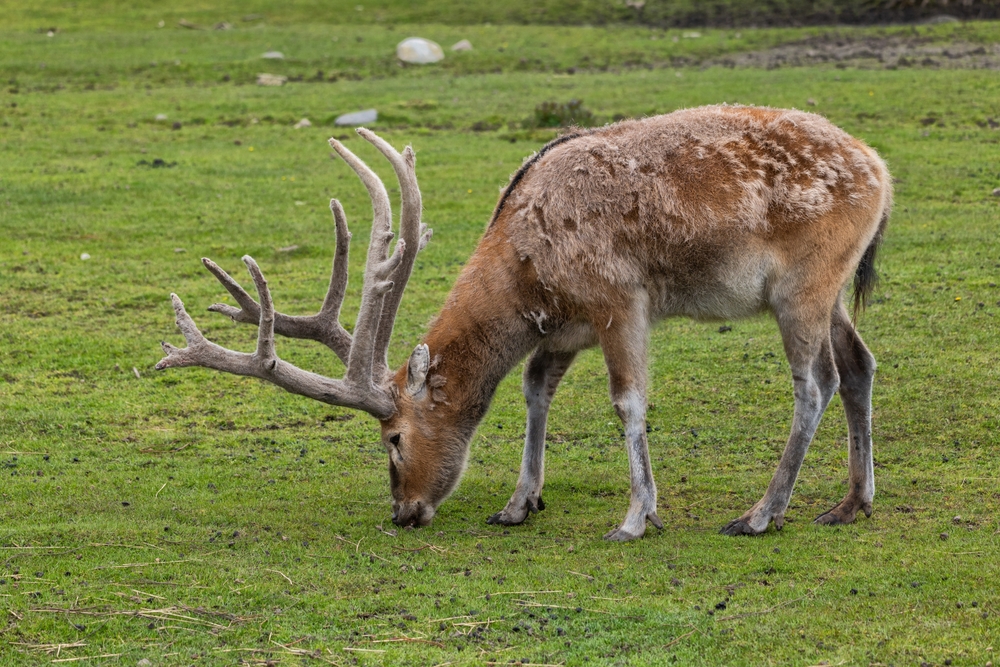
White-tailed deer in areas with hunting pressure have learned to shift almost entirely to nighttime movement during hunting seasons, with trail camera studies showing 80-90% reductions in daylight activity. This behavioral plasticity allows them to avoid hunters while still accessing food and other resources, and the shift happens rapidly—within days of hunting season opening, deer movement patterns change dramatically. Some populations maintain these altered patterns even in years they’re not hunted, suggesting learned behaviors that persist.
The nighttime shift has implications for deer-vehicle collisions, ecosystem impacts from browsing pressure at different times, and interactions with predators that are also active nocturnally. Deer have effectively learned human patterns and schedules, recognizing that daylight hours during specific seasons pose extreme danger while darkness provides safety. The sophistication of this behavioral modification challenges assumptions about deer intelligence and reveals that hunting pressure creates powerful selection for wariness and behavioral flexibility.
6. Bears Raiding Garbage on Predictable Schedules
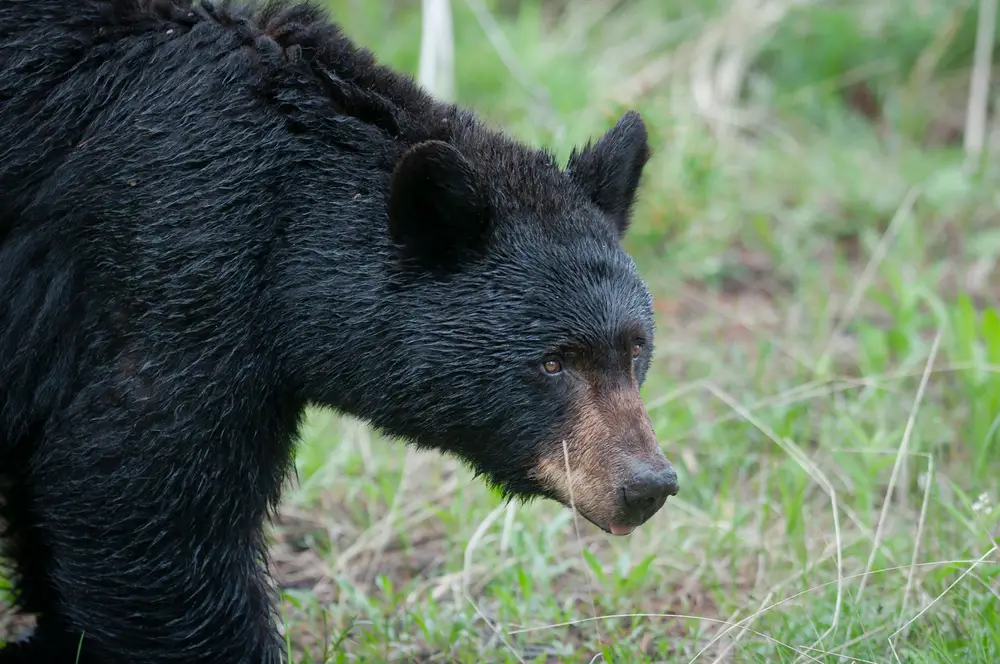
Black bears and grizzly bears in areas with human presence have learned garbage collection schedules and time their foraging to coincide with when garbage is most accessible. Bears appear in neighborhoods on collection mornings before trucks arrive, or they visit dumpsters immediately after restaurants close, demonstrating an understanding of human schedules and routines. This learned behavior spreads through populations as cubs observe and learn from mothers, creating cultural transmission of human-related foraging strategies.
The behavior creates management challenges since bears rewarded with easy calories from garbage become increasingly bold and lose fear of humans, often leading to their removal or destruction. Some bears have learned to open car doors, break into garages, and manipulate various human-made closures, showing problem-solving abilities that improve with experience. The modification from natural foraging to human food-focused behavior can happen in a single season and represents a complete shift in the species’ relationship with humans from avoidance to active seeking of human-associated food sources.
7. Songbirds Nesting in Artificial Structures Instead of Trees

Many bird species that historically nested exclusively in natural cavities or tree branches now preferentially choose human-made structures including mailboxes, porch lights, building ledges, and decorative items. Species like American robins, house finches, and Carolina wrens now nest on human structures as frequently or more often than natural sites in suburban areas. This shift happened within decades as urbanization provided abundant nest sites and birds learned these locations offered protection from some predators and weather.
The behavior change has consequences for nesting success since artificial sites may have different thermal properties, predator access, and fledging challenges compared to natural nests. Some birds have altered their breeding timing to match human activity patterns, nesting earlier or later to avoid disturbance during human active periods. The willingness to nest in close proximity to humans represents a fundamental shift from natural avoidance behaviors, with some individuals nesting within feet of doors and windows that see constant traffic.
8. Orcas Learning to Hunt Boats and Steal Fish
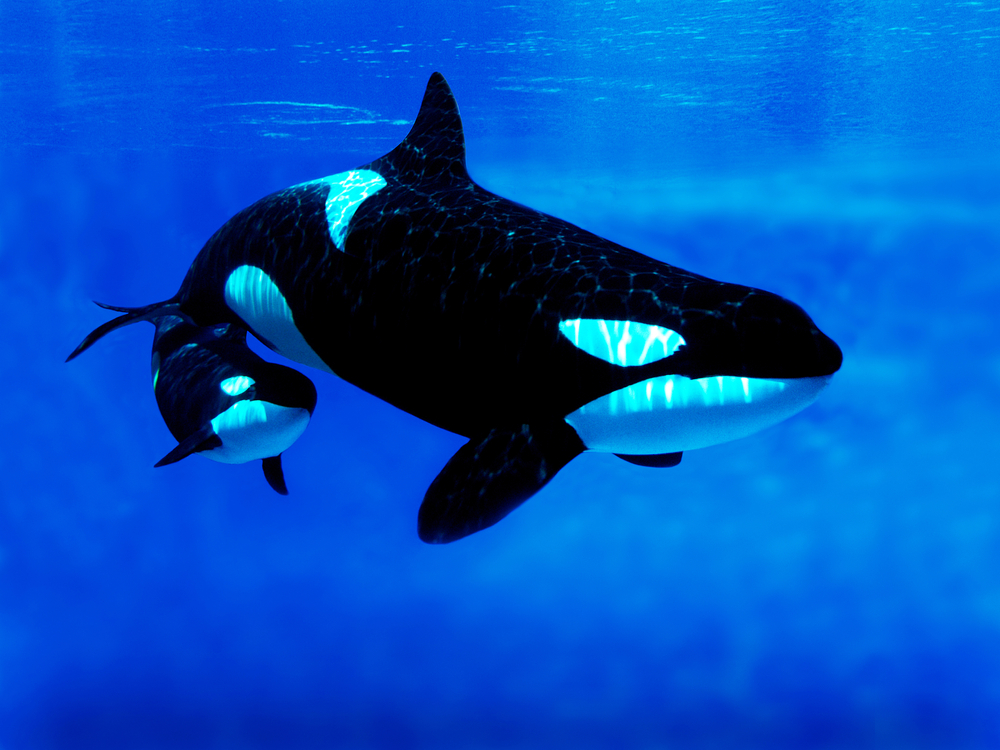
Orcas in certain populations have learned to follow fishing boats and steal fish directly from lines as they’re being hauled up, a behavior called depredation that didn’t exist historically. In Alaska, the Gulf of Mexico, and other fishing areas, individual orcas have developed sophisticated techniques for removing fish from longlines, and this behavior spreads through pods as others learn by observation. The whales recognize specific boat types and fishing methods, appearing specifically when valuable species like halibut or tuna are being caught.
The learned behavior creates conflict with fishermen who lose significant catches and sometimes their gear, and it shows remarkable problem-solving and social learning in cetaceans. Some orcas have learned to recognize the sounds of hydraulic systems hauling lines, arriving before fish reach the surface. The modification represents orcas exploiting a new food source made available by human fishing activity, and younger whales learn the techniques from experienced individuals, making it a culturally transmitted behavior that’s now established in certain populations.
9. Raccoons Developing “Urban Tool Use”
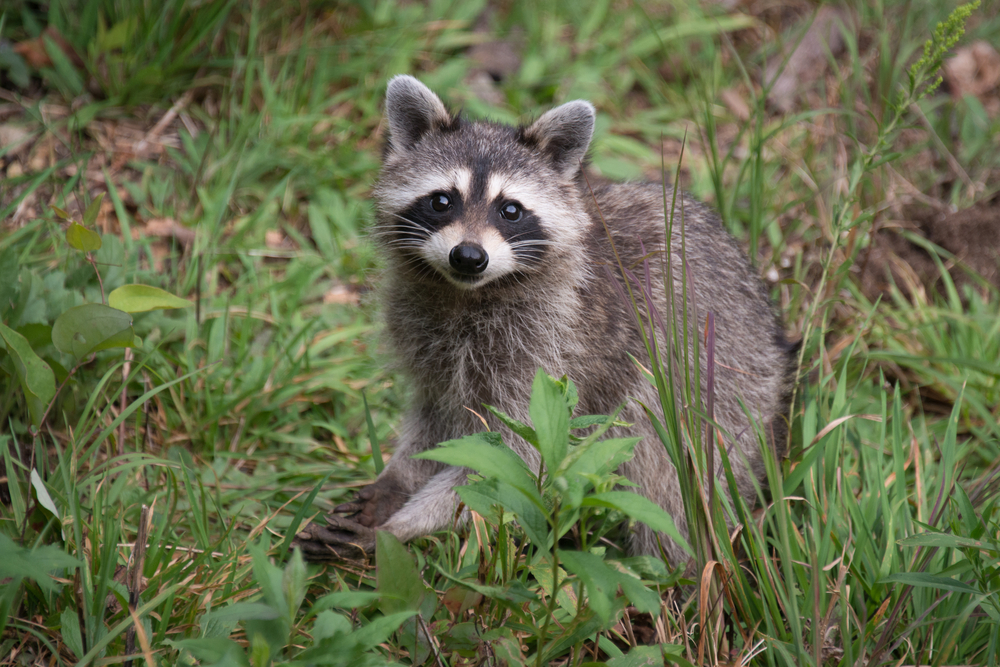
Urban raccoons have developed sophisticated problem-solving behaviors including opening latches, unscrewing jars, manipulating locks, and even turning door knobs—behaviors rarely seen in wild populations. Research shows urban raccoons perform significantly better on cognitive tests than rural raccoons, suggesting that living among humans selects for intelligence and behavioral flexibility. The adaptations happen within individual lifetimes as raccoons learn through trial and error, but populations in urban areas for multiple generations show enhanced problem-solving abilities across the board.
The behavioral changes include altered fear responses—urban raccoons tolerate much closer human proximity than wild raccoons and are active during daylight hours in some cities despite being naturally nocturnal. They’ve learned to check the same garbage locations on specific schedules and recognize individual homes that provide easy food versus those with effective deterrents. The cognitive enhancement and behavioral modifications demonstrate how human environments create strong selection pressure for intelligence and adaptability, fundamentally changing animal behavior and possibly even cognitive capacity within a few generations.
10. Owls Hunting Under Streetlights
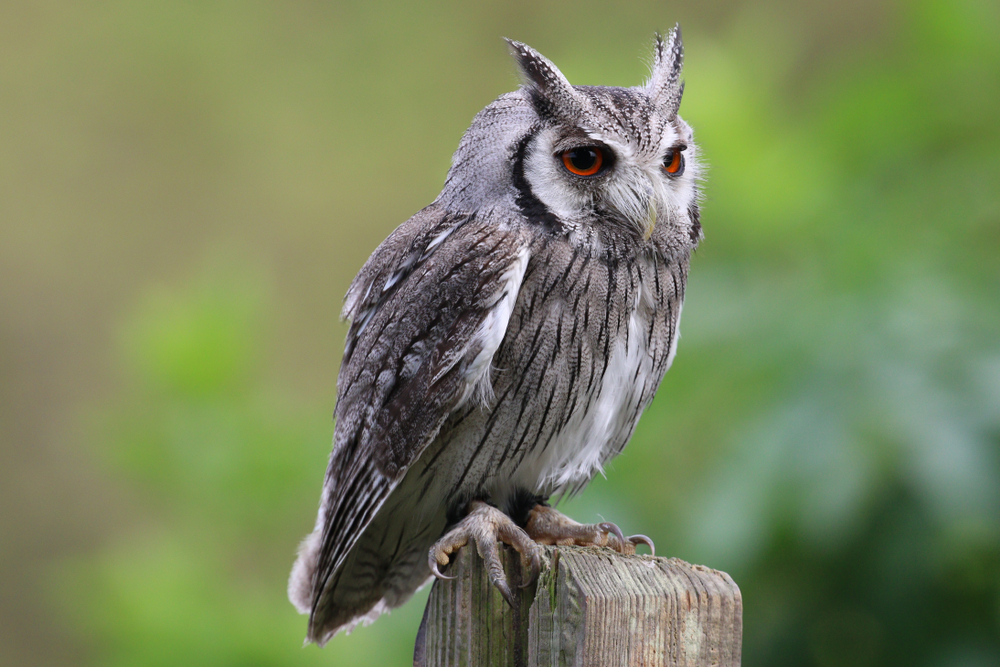
Barn owls, great horned owls, and other species have learned to hunt around streetlights and parking lot lights where illumination reveals prey that would be difficult to spot in darkness. This behavior was virtually unknown before widespread artificial lighting but is now common in suburban and urban areas. The owls position themselves on light poles or nearby perches and capture rodents, insects, and small birds that are visible under the lights, exploiting a human-created hunting advantage.
The behavioral shift affects owl hunting success, prey behavior as rodents learn to avoid lit areas, and competition among predators drawn to these artificial hunting grounds. Some owl populations now nest closer to human development than they historically did, specifically to access these enhanced hunting areas. The modification shows how artificial lighting doesn’t just disturb wildlife but creates entirely new ecological dynamics, with predators adapting to exploit lighting while prey species must either avoid lit areas or face increased predation risk.
11. Cliff Swallows Evolving Shorter Wings to Avoid Cars
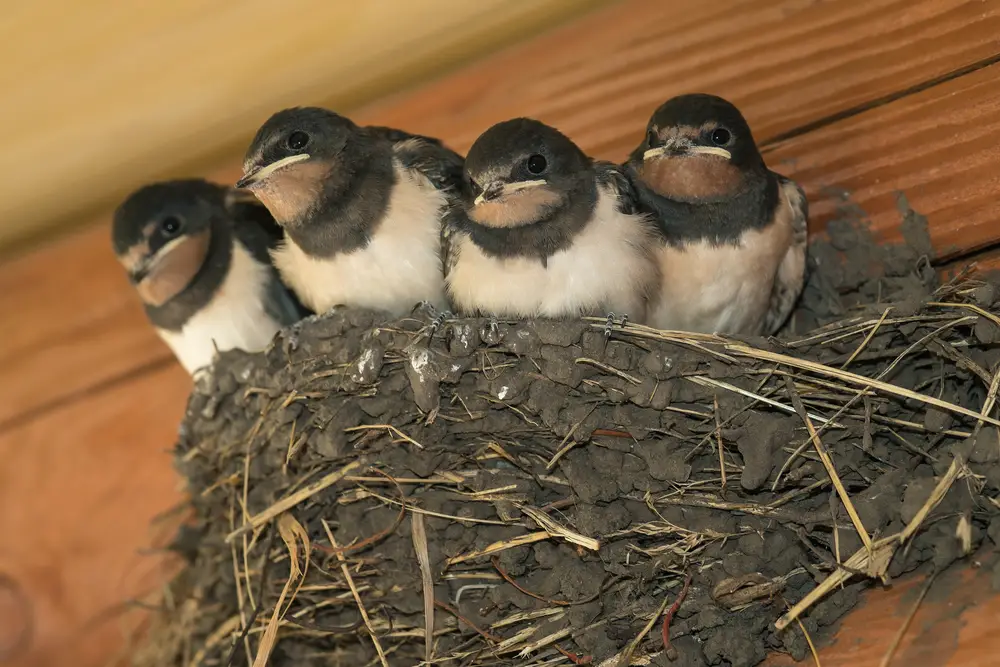
Cliff swallows nesting under highway overpasses have developed significantly shorter wings over just 30 years, an evolutionary change driven by road mortality. Birds with longer wings have less maneuverability and are more likely to be struck by vehicles when swooping low across roads to catch insects. The population now has an average wingspan 8-10mm shorter than historical measurements, and road-killed swallows have statistically longer wings than the surviving population, demonstrating ongoing selection.
The wing modification affects flight efficiency and migration—shorter wings require more energy for long-distance flight but provide the maneuverability to avoid cars. This represents documented evolution happening in real-time due to human infrastructure, with the species changing physically and behaviorally in response to a threat that didn’t exist a century ago. The swallows have also altered their nesting site selection, preferring overpasses with wider shoulders where they have more reaction time to avoid vehicles.
12. Dolphins Using Sponges as Hunting Tools

Bottlenose dolphins in Shark Bay, Australia have developed a cultural tradition of using marine sponges as tools to protect their rostrums while foraging on the seafloor, a behavior that began with a single female and has spread through social learning. Dolphins tear sponges off the bottom and wear them while probing sandy areas for fish, protecting their sensitive skin from scrapes and stings. This tool use is taught from mothers to offspring, primarily daughters, creating a matrilineal cultural tradition.
The behavior allows dolphins to exploit food sources unavailable to non-tool-using individuals, and it demonstrates cognitive sophistication including understanding of tool function, motor skills to manipulate objects, and social learning to transmit the behavior. While this particular case may not be directly caused by humans, it shows the cognitive capacity dolphins possess that allows rapid behavioral adaptation. Other dolphin populations have developed behaviors specifically in response to human fishing—following trawlers, learning to remove fish from nets, and associating boat sounds with food opportunities.
13. Crows and Ravens Using Cars as Nutcrackers
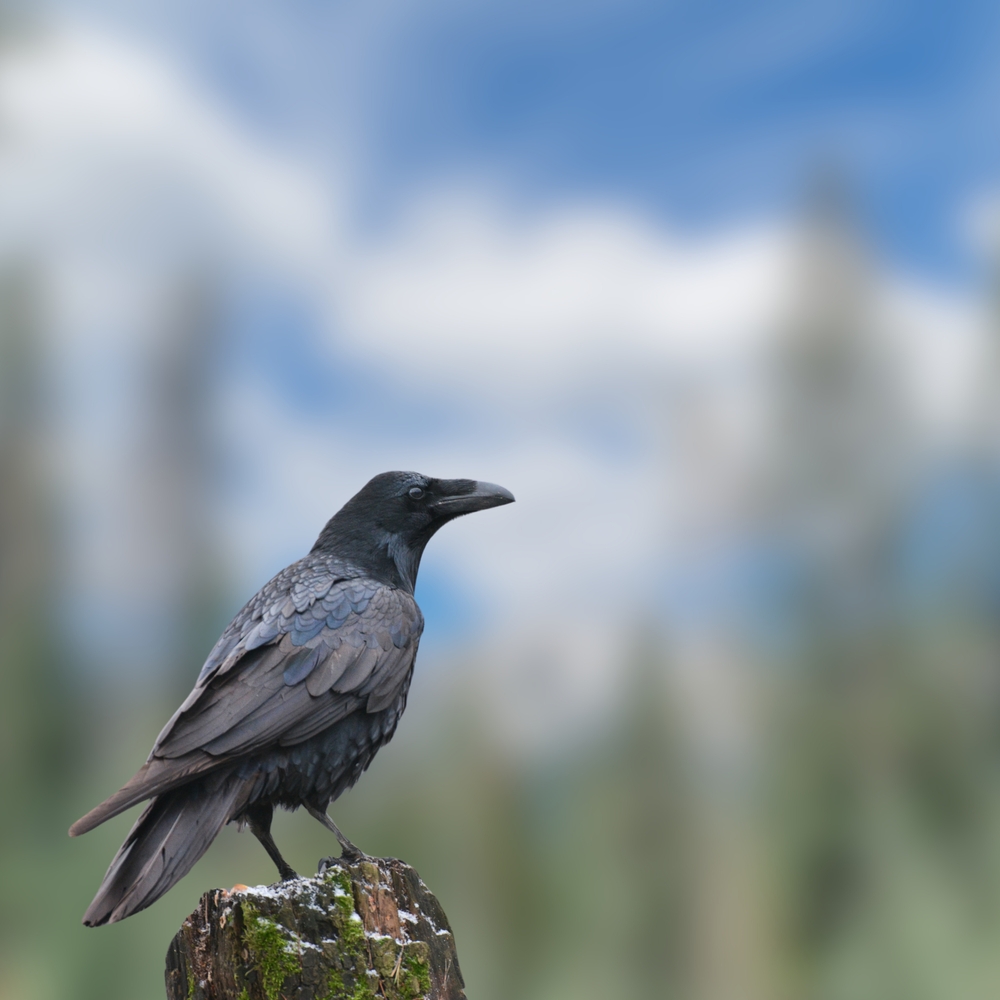
Crows and ravens have learned to place hard-shelled nuts on roads and wait for cars to run over them, cracking the shells and making the meat accessible. This behavior was first documented in the 1970s but has spread globally to crow populations worldwide, showing rapid cultural transmission of an innovative foraging technique. Some crows have refined the behavior, placing nuts at crosswalks and waiting for traffic lights to change, allowing them to safely retrieve the food when cars stop.
The sophistication of the behavior is remarkable—birds must understand cause and effect, recognize appropriate roads with suitable traffic, and time their retrieval to avoid being struck themselves. Young crows learn the technique by watching adults, and populations in areas with heavy traffic show higher rates of the behavior than rural populations. The modification demonstrates corvids’ renowned intelligence and problem-solving abilities while showing how quickly species can develop entirely new behaviors to exploit human infrastructure, turning dangerous roads into useful tools within just a few decades.