
Choosing a dog is often emotional. The photos are adorable, the breed descriptions are flattering, and the idea of companionship feels simple. But long after the excitement fades, daily reality takes over. Sometimes regret does not show up as resentment toward the dog, but as quiet stress, exhaustion, or constant adjustment. A mismatch between breed traits and lifestyle can turn what should feel joyful into something overwhelming. Here are sixteen signs a breed may not truly fit your life.
1. You Feel Constantly Behind on Exercise

Some breeds require far more movement than a casual evening walk. If you find yourself apologizing to your dog because you “just don’t have the energy today,” that gap matters. High-drive breeds do not outgrow their need for activity.
When physical needs are not met, behavior often deteriorates. Destructive chewing, hyperactivity, and restlessness are common outlets for unused energy. If daily exercise feels like a burden rather than a shared routine, the breed may be more than you realistically wanted.
2. Your Home Feels Too Small for Their Energy

Certain dogs were bred to work large spaces. Herding, hunting, and guardian breeds often struggle in tight quarters without structured outlets. Even if the dog is small, the drive may not be.
If your dog paces constantly, bounces off furniture, or seems unable to settle indoors, space may be part of the issue. Apartment living can work for many breeds, but not all thrive without room to roam. Feeling like your living space is never calm is a warning sign.
3. Grooming Has Become a Weekly Stressor

Some coats demand more than occasional brushing. If you are constantly scheduling grooming appointments or dealing with mats, shedding, or skin issues, maintenance may be overwhelming your routine. High-maintenance coats require time, money, and patience.
When grooming feels like a recurring frustration, resentment can quietly build. Missed brushing sessions quickly turn into bigger problems. If you underestimated the upkeep, the breed’s grooming needs may not align with your lifestyle.
4. Training Feels Like a Full-Time Job

Highly intelligent breeds can be rewarding, but they also require consistent mental stimulation. If you are exhausted from managing problem-solving behaviors, you may be outpaced. Smart dogs invent their own entertainment when bored.
Constant counter-surfing, door-opening, and boundary-testing are not personality flaws. They are signs of a brain that needs work. If you wanted a companion but ended up feeling like a project manager, the breed’s drive may exceed your capacity.
5. Noise Is Disrupting Your Household

Some breeds are naturally vocal. Barking at movement, strangers, wildlife, or simply out of boredom can become a daily soundtrack. If neighbors are commenting or you are constantly correcting, stress accumulates.
Living with a loud breed requires tolerance and consistent training. Not everyone enjoys constant alert barking. If silence has become rare and tension is rising, the mismatch may be deeper than expected.
6. You Avoid Having Guests Over
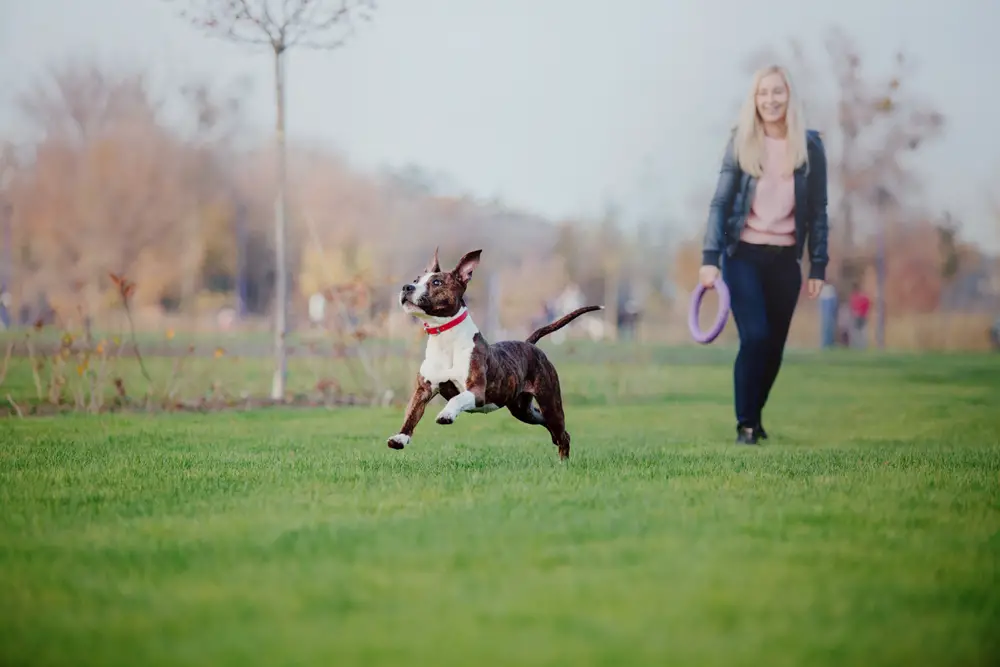
If your dog becomes overstimulated, protective, or anxious when visitors arrive, social life can shrink. You may find yourself declining invitations or feeling embarrassed by behavior. This is especially common with guardian or reactive breeds.
A breed prone to territorial instincts requires careful socialization and management. If you were not prepared for that responsibility, the pressure can feel isolating. When your home no longer feels welcoming, that is a significant lifestyle shift.
7. Your Schedule Revolves Entirely Around the Dog

All dogs require commitment. However, if you cannot leave the house for more than a short time without major disruption, the breed’s dependency level may be higher than you expected. Some breeds struggle intensely with separation.
Constant planning around daycare, walkers, or extended absences adds emotional and financial strain. Feeling trapped at home is not sustainable long term. A breed that requires near-constant companionship may not fit a busy lifestyle.
8. Financial Costs Keep Surprising You

Certain breeds come with predictable health concerns. Veterinary bills, specialized diets, and preventative care can add up quickly. If you feel financially unprepared for ongoing breed-specific expenses, that stress will linger.
It is not just emergencies that strain budgets. Routine care for some breeds is simply more expensive. When ownership begins to feel like a financial gamble, the reality may not match what you envisioned.
9. Your Energy Levels Do Not Match Theirs
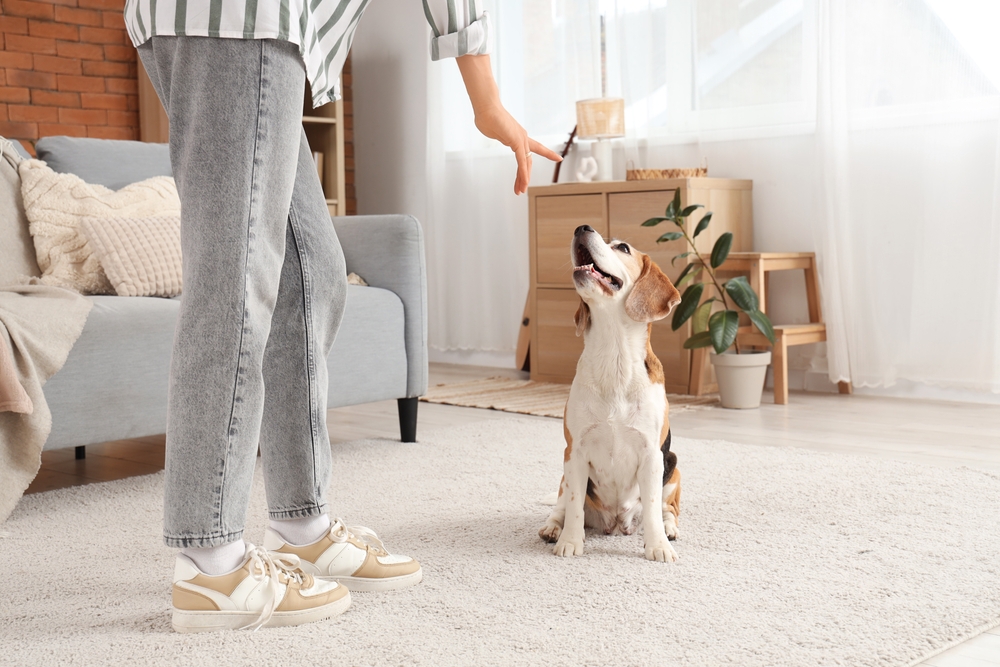
Some dogs never truly slow down. Even as adults, high-drive breeds maintain puppy-like stamina. If you feel drained trying to keep up, that imbalance matters.
Dogs often mirror their environment to a point, but genetics are powerful. When your evenings are spent managing excess energy rather than relaxing, lifestyle incompatibility becomes clearer. Long-term harmony requires some alignment in pace.
10. You Feel Anxious About Their Strength

Large or powerful breeds require confident handling. If you tense up every time you attach a leash, that tension transfers. Physical control should not feel like a daily concern.
A dog that pulls you off balance or overwhelms you physically can create ongoing anxiety. Size and strength are not inherently problematic, but they must fit the handler. Feeling unsafe, even subtly, is a meaningful signal.
11. Their Instincts Clash With Your Environment

Herding dogs nip at children. Prey-driven dogs chase small pets. Guardian breeds react strongly to perceived threats. These are not bad behaviors; they are instinctual ones.
If your household includes young kids, cats, or frequent visitors, certain instincts can create ongoing stress. Managing natural drives requires time and expertise. When instinct and environment constantly collide, strain follows.
12. You Dread Daily Walks

Walks should feel like shared time. If every outing feels like a battle against pulling, lunging, or overstimulation, burnout can set in quickly. Chronic tension on the leash wears down both dog and owner.
Consistent training helps, but not all owners want a high-management routine forever. When something meant to be restorative becomes exhausting, it may reflect a deeper mismatch. Sustainable routines matter more than idealized ones.
13. You Miss Your Old Routine
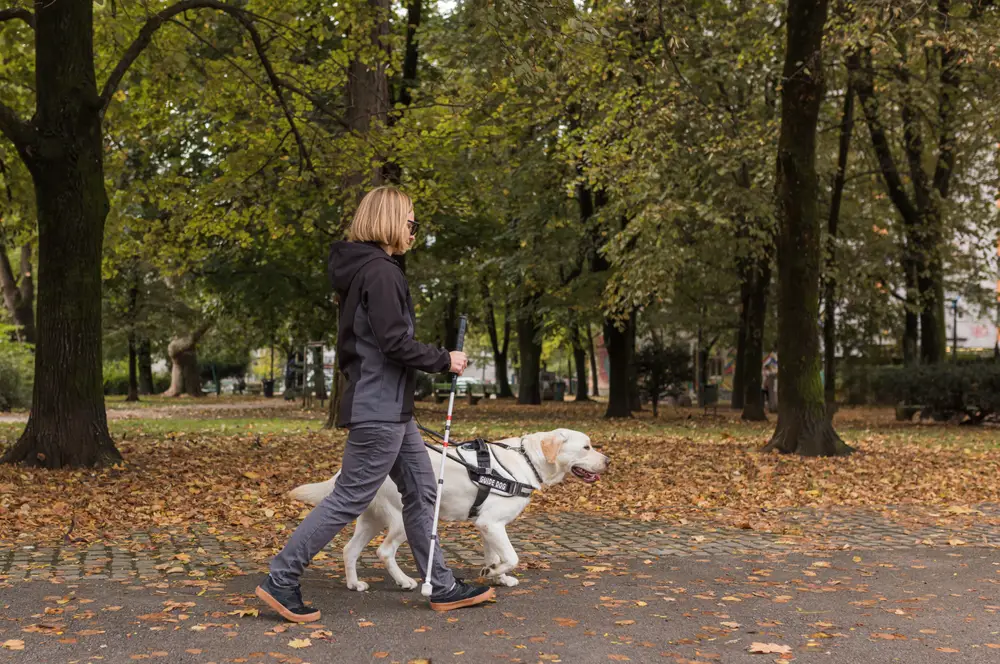
Sometimes regret appears quietly. You may miss spontaneous travel, quiet mornings, or flexible weekends. Lifestyle shifts are normal with any pet, but extreme changes can feel heavy.
If you find yourself frequently thinking about how different life used to be, that feeling deserves attention. Dogs integrate into lives best when the adjustment feels meaningful, not restrictive. Chronic longing for past freedom is revealing.
14. You Constantly Compare to Other Breeds

If you catch yourself saying, “Maybe we should have gotten a calmer breed,” that thought likely reflects reality. Comparing energy levels, temperament, or ease of care to others signals unmet expectations. Those comparisons rarely appear without reason.
Wishing for different traits does not mean you do not love your dog. It means the fit may not align with what you truly needed. Honest reflection helps prevent future mismatches.
15. Your Stress Levels Have Increased Noticeably

Chronic stress can show up as irritability, fatigue, or tension at home. If you feel on edge because you are anticipating barking, destruction, or conflict, the environment may not feel balanced. A well-matched dog should add joy more often than anxiety.
Sustained stress affects both owner and dog. Dogs sense tension and respond to it, creating a feedback loop. If calm moments feel rare, reassessing expectations becomes important.
16. You Feel More Relief Than Joy When They Finally Settle

Every dog owner appreciates quiet moments. But if you consistently feel relief rather than connection when your dog sleeps or leaves the room, something may be misaligned. That subtle emotional signal matters.
A compatible breed should feel like a natural extension of your rhythm. Challenges are normal, but constant overwhelm is not. Recognizing the mismatch early can guide better decisions in the future, both for you and for the dog.