
For decades, scientists believed Earth’s most extreme disruptions followed long, predictable cycles measured in tens of thousands or even millions of years. Recently, however, climate scientists, geologists, and systems analysts have begun warning that multiple catastrophe markers are converging far earlier than expected. From climate instability to tectonic stress and ecosystem collapse, warning signs are no longer theoretical — they’re observable. The unsettling question is no longer if Earth cycles reset civilization, but whether we’re accelerating that reset ourselves.
1. Global Temperatures Are Rising Faster Than Any Known Cycle

Earth has experienced warming periods before, but never at this speed. Ice-core data indicate that current warming is occurring approximately 10 times faster than post–Ice Age transitions. This rapid acceleration overwhelms natural adaptation processes in ecosystems. Species and weather systems cannot adjust in time.
Climate scientists warn that this speed compresses centuries of impact into decades. That destabilization ripples through food systems, migration patterns, and disease spread. Once feedback loops activate, reversal becomes extremely difficult. This pace suggests the cycle is no longer following historical rules.
2. Ice Sheet Collapse Timelines Have Shortened Dramatically

Antarctic and Greenland ice sheets were once thought to be stable for centuries. New satellite data indicate structural weakening is occurring now, not later. Melting accelerates as darker ocean water absorbs more heat. This creates a self-reinforcing collapse loop.
Scientists warn that partial ice loss triggers irreversible sea-level rise. Coastal systems collapse faster than infrastructure can adapt. Entire regions may become uninhabitable sooner than predicted. That compresses catastrophe cycles into a single human lifetime.
3. Earth’s Magnetic Field Is Weakening Faster Than Expected
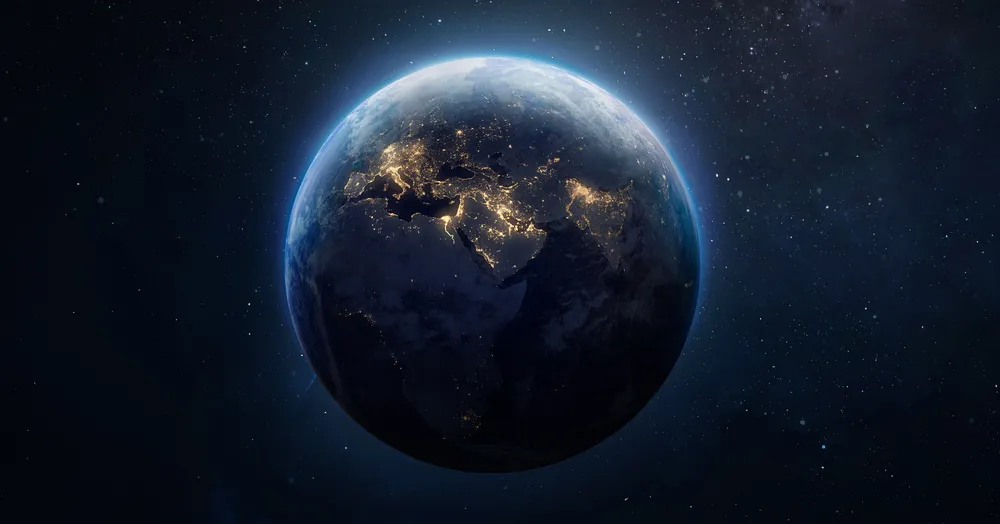
The planet’s magnetic field shields life from solar radiation. Measurements show it has weakened significantly over the past two centuries. While reversals are natural, the speed of change concerns physicists. A weaker field increases the risk of radiation exposure to Earth.
This impacts satellites, power grids, and communication systems. Solar storms become more dangerous as shielding decreases. Past magnetic shifts coincided with climate disruption. Scientists warn we may be stacking risks simultaneously.
4. Mega-Drought Zones Are Expanding Beyond Historical Patterns
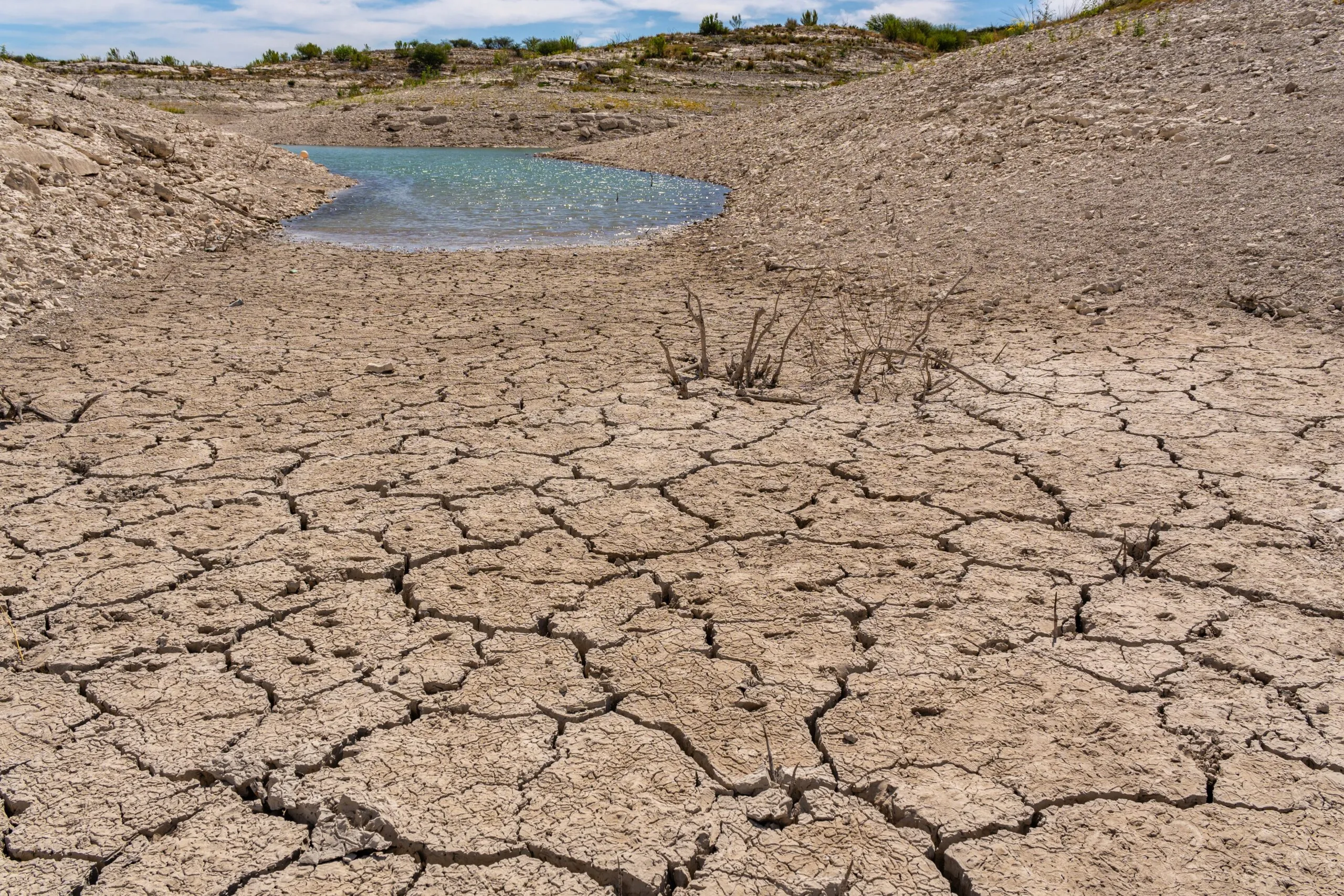
Drought cycles once oscillated predictably. Now they linger and intensify across continents. Areas such as the American West, the Mediterranean, and parts of Asia exhibit long-term drying trends. These shifts exceed historical drought records.
Persistent drought destabilizes food production and water security. It increases wildfire frequency and intensity. Once soil systems collapse, recovery can take centuries. This accelerates social and ecological breakdown.
5. Volcanic Systems Are Showing Synchronized Activity Patterns
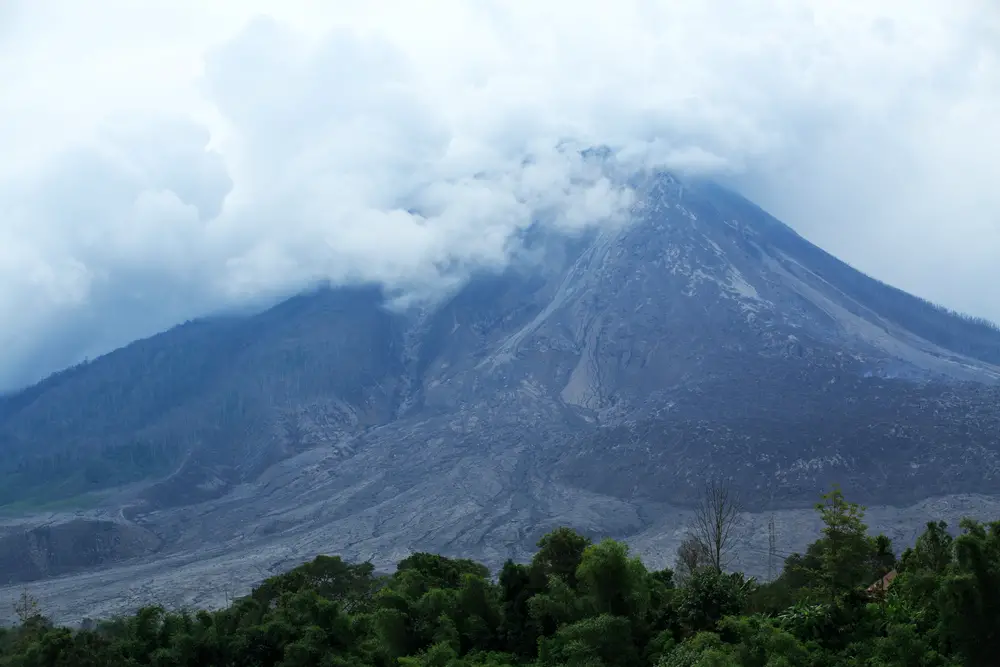
Geologists are tracking an unusual clustering of volcanic unrest globally. While eruptions are common, synchronized pressure changes are not. Stress redistribution through Earth’s crust may be amplifying activity. This raises concern about cascading eruptions.
Large eruptions have historically triggered global cooling and crop failures. Even moderate eruptions disrupt air travel and economies. Scientists emphasize that timing is as important as magnitude. When multiple systems destabilize together, recovery windows shorten.
6. Ocean Circulation Systems Are Slowing

Major currents regulate the global climate. Evidence indicates that key systems, such as the Atlantic Meridional Overturning Circulation, are weakening. This alters weather patterns across continents. Europe, North America, and Africa all feel the effects.
Slowing circulation disrupts the balance of temperature and rainfall. It contributes to extreme winters and heatwaves. These systems require centuries to reset after a collapse. Their slowdown signals the approach of climate tipping points.
7. Mass Species Extinction Rates Match Past Catastrophe Events

Biologists report extinction rates comparable to previous mass die-offs. Habitat loss, pollution, and climate stress are combining rapidly. Species vanish faster than conservation can respond. This destabilizes food webs globally.
Past extinction events reshaped life on Earth. Recovery took millions of years. Losing biodiversity weakens ecosystem resilience. That increases vulnerability to collapse across systems humans rely on.
8. Wildfire Seasons Are Becoming Year-Round
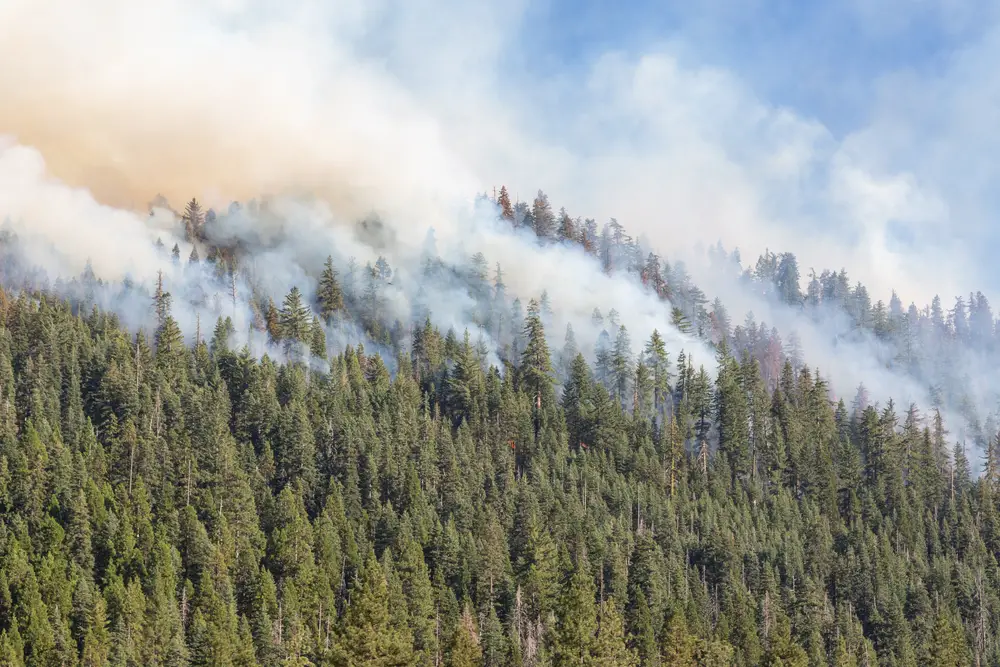
Fire was once seasonal and localized. Now megafires burn across continents simultaneously. Climate change dries vegetation and extends fire windows. Suppression strategies are increasingly ineffective.
Wildfires release massive carbon loads, worsening warming. They destroy soil systems critical for regeneration. Repeated burns prevent recovery entirely. Fire becomes a permanent state rather than an event.
9. Permafrost Thaw Is Releasing Ancient Carbon and Pathogens
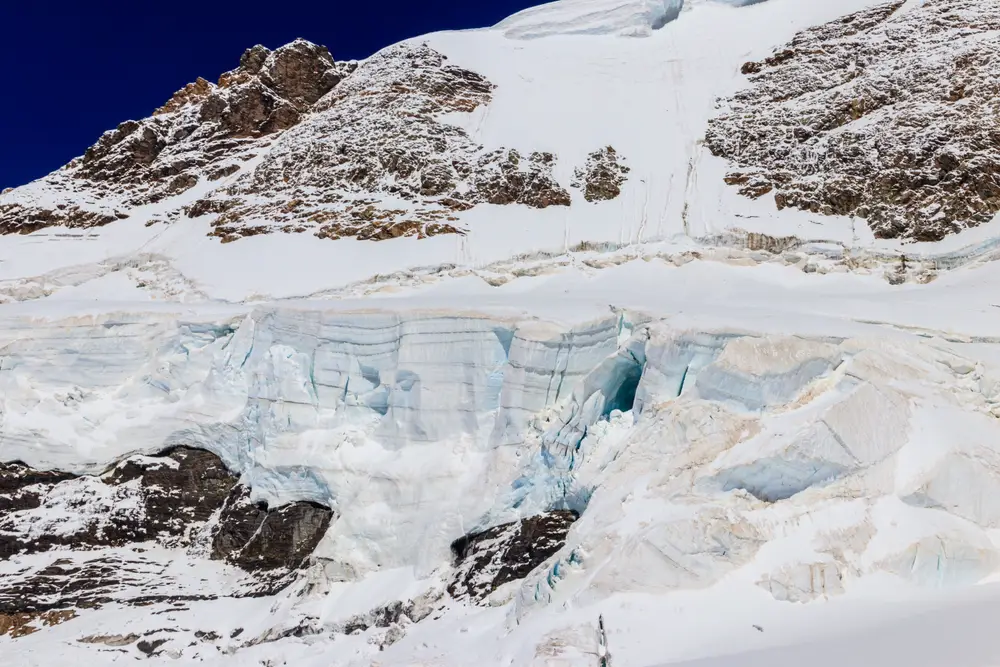
Frozen ground locked carbon away for millennia. Thawing releases methane, accelerating warming dramatically. Ancient microbes are also resurfacing. Scientists worry about unknown disease risks.
Methane is far more potent than carbon dioxide. Its release creates rapid feedback loops. Once unleashed, it’s nearly impossible to recapture. This destabilizes climate projections entirely.
10. Earth’s Tilt and Rotation Are Slightly Shifting
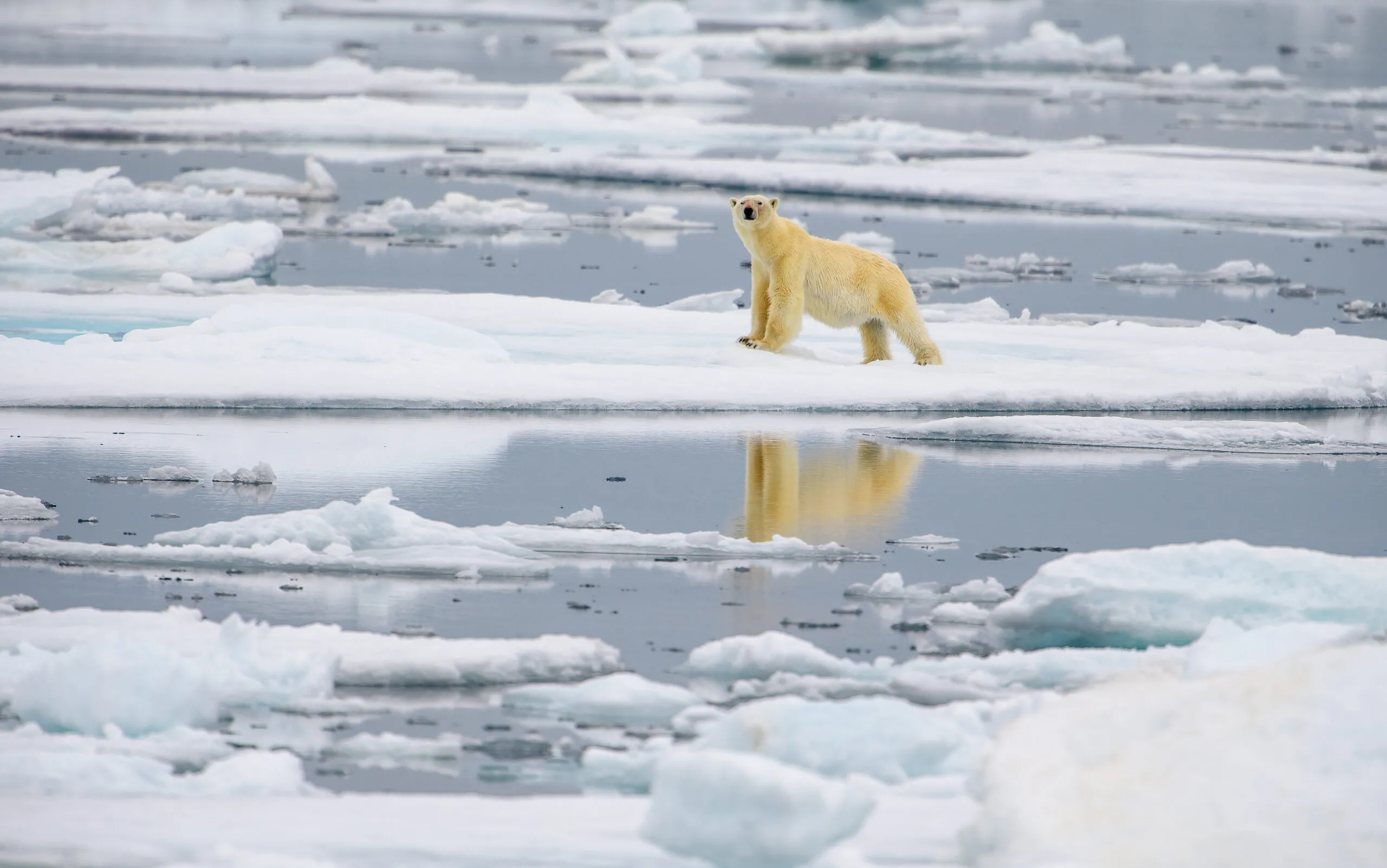
Melting ice redistributes planetary mass. That subtly alters Earth’s rotation and axis. While changes are small, they’re measurable. These shifts affect satellite calibration and climate models.
Scientists warn that cumulative effects matter. Even minor changes influence weather systems. Earth’s balance depends on mass stability. Human activity is altering planetary mechanics.
11. Human Infrastructure Is Concentrated in High-Risk Zones
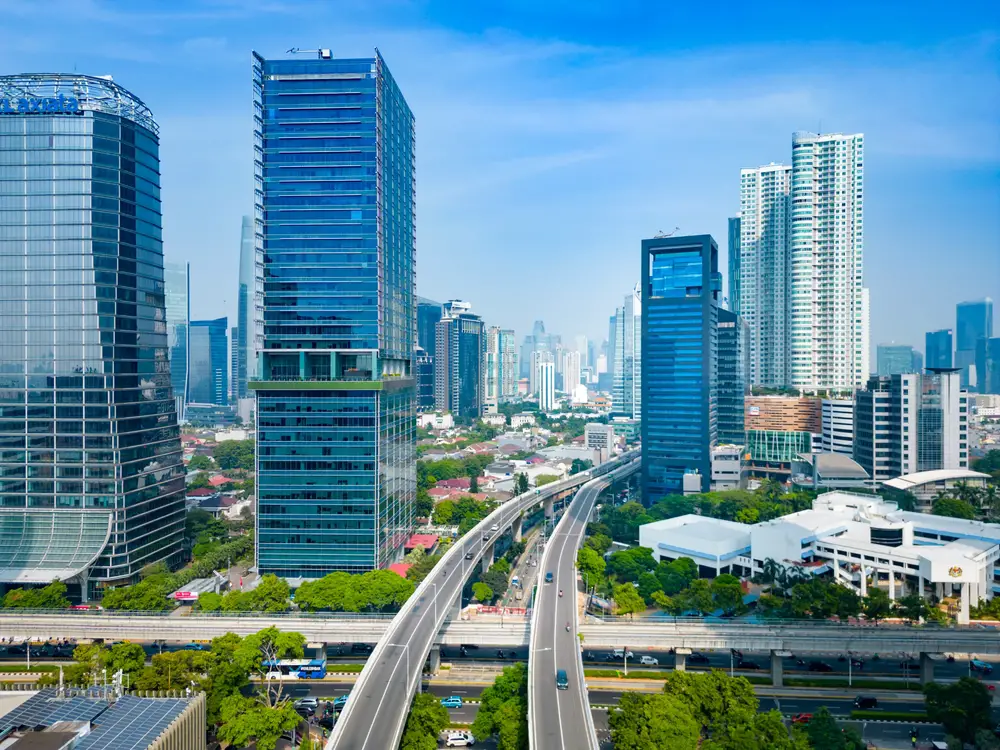
Modern cities cluster near coasts, fault lines, and floodplains. This amplifies the disaster impact dramatically. Infrastructure wasn’t designed for overlapping crises. Single failures cascade quickly.
Urban density increases vulnerability. Recovery costs soar beyond economic capacity. Rebuilding becomes unrealistic after repeated hits. This accelerates societal stress during catastrophe cycles.
12. Political Systems Are Less Stable During Environmental Stress

Research shows environmental shocks increase conflict risk. Scarcity fuels migration, unrest, and authoritarian shifts. Climate stress tests governance systems. Many fail under pressure.
Instability delays response and adaptation. Crisis management becomes fragmented. That magnifies disaster outcomes. Social collapse often precedes environmental recovery.
13. Scientists Warn We’re Hitting Multiple Tipping Points at Once
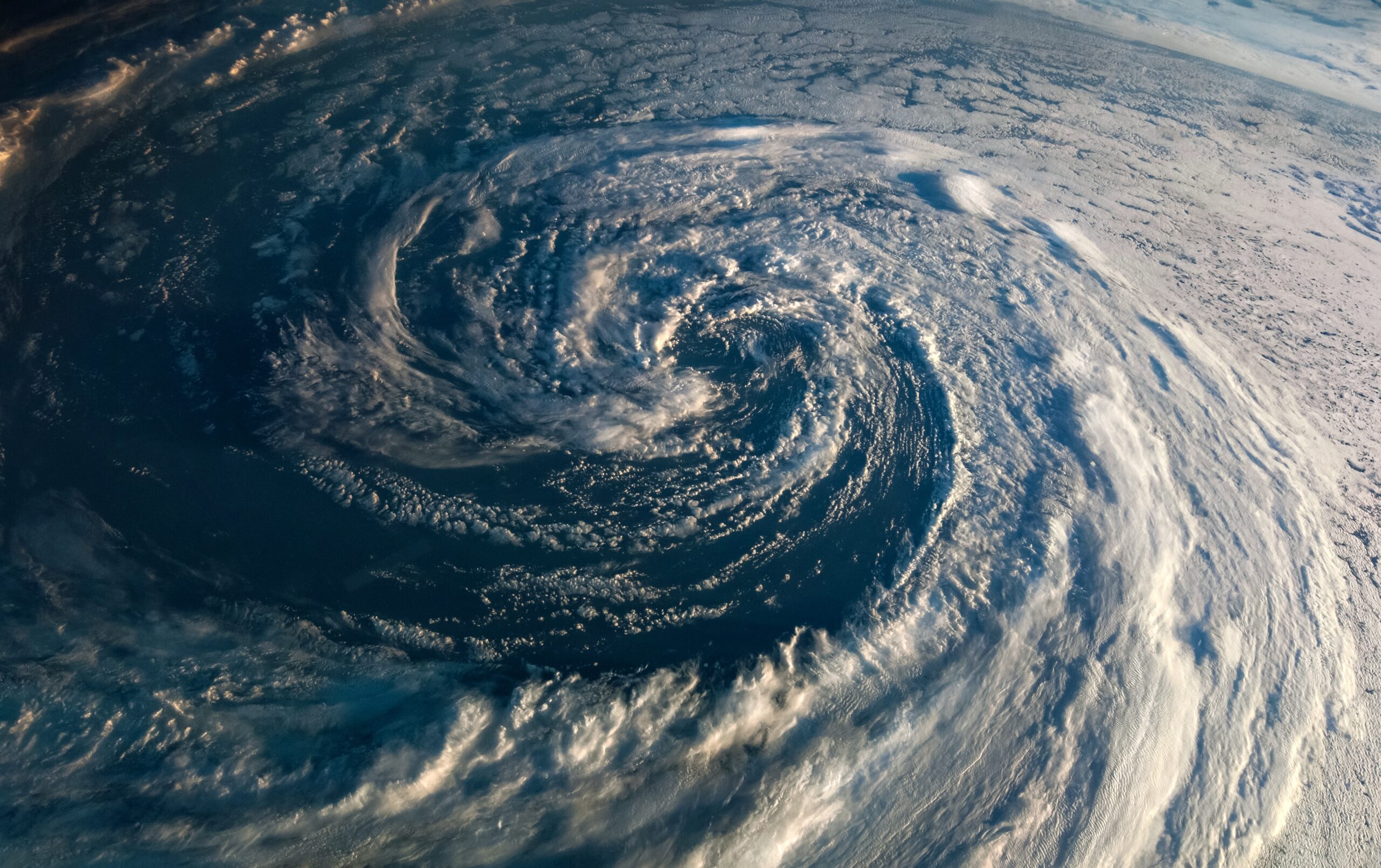
Historically, catastrophe triggers were isolated. Today, climate, geology, biology, and technology intersect. Multiple tipping points interacting is unprecedented. This compresses recovery timelines severely.
Experts warn that this convergence defines a new epoch. Earth’s cycles aren’t broken — they’re accelerated. Humans didn’t start the cycles, but we’re accelerating them. And cycles don’t negotiate.