
Veterinary behaviorists, trainers, and pet owners across multiple continents are reporting the same unsettling pattern—pets are displaying novel behaviors that have no precedent in the literature, no clear evolutionary purpose, and no obvious environmental trigger that explains their sudden emergence. These aren’t minor quirks or breed-specific oddities; they’re widespread behavioral changes appearing simultaneously across different species, breeds, and geographic locations within the past 18-24 months. The behaviors are consistent enough that professionals recognize them immediately when described, yet baffling enough that the experts have no unified theory explaining what’s driving these changes or why they’re appearing now after thousands of years of domestication produced relatively stable behavioral profiles.
1. Dogs Staring at Walls and Ceilings for Extended Periods

Veterinary behaviorists are flooded with reports of dogs staring intently at blank walls or ceilings for 20 minutes to several hours daily, behavior that emerged suddenly in previously normal dogs. The dogs aren’t chasing shadows or responding to sounds—they fixate on specific spots with intense focus, occasionally moving their heads as if tracking something invisible, then return to the exact spot to resume staring. Medical workups rule out neurological problems, vision issues, or cognitive dysfunction, leaving behaviorists unable to explain what the dogs are attending to or why the behavior has become epidemic in the past year.
The staring occurs across breeds, ages, and living situations, suggesting an environmental trigger rather than genetic or individual factors. Some researchers theorize the dogs are detecting electromagnetic changes or frequencies from increasing WiFi density and smart home devices, but controlled studies haven’t confirmed this. Others suggest mass anxiety responses to global tension or environmental changes humans can’t consciously perceive but dogs detect through superior sensory systems. The most unsettling aspect is the consistency—dogs worldwide are staring at walls in nearly identical patterns, suggesting they’re all responding to the same stimulus that humans remain completely unaware of.
2. Cats Sleeping in Unusual Synchronized Patterns

Cat owners worldwide report their pets suddenly sleeping in synchronized positions and locations, with multiple cats in households arranging themselves in identical poses at the same time. Single-cat households report cats sleeping in positions they never used before—all four legs extended straight, for instance, or curled in tight spirals—postures that emerged suddenly and persist consistently. Multi-cat households report even stranger patterns: all cats sleeping in the same direction, maintaining equal spacing, or arranging themselves in geometric patterns with precision that seems deliberate.
Feline behaviorists have no explanation for the synchronized sleeping patterns, which violate normal cat independence and territorial spacing. The behavior emerged simultaneously in early 2025 across different countries with no apparent trigger or contagion pathway that would explain the coordination. Some researchers suggest the cats are responding to geomagnetic changes, aligning with magnetic fields the way migratory birds do, but cats haven’t historically shown this sensitivity. The geometric precision of multi-cat arrangements is particularly baffling—the spacing and positioning seems too consistent for coincidence, suggesting either coordinated intention or response to environmental cues humans can’t detect.
3. Birds Refusing to Use Familiar Perches
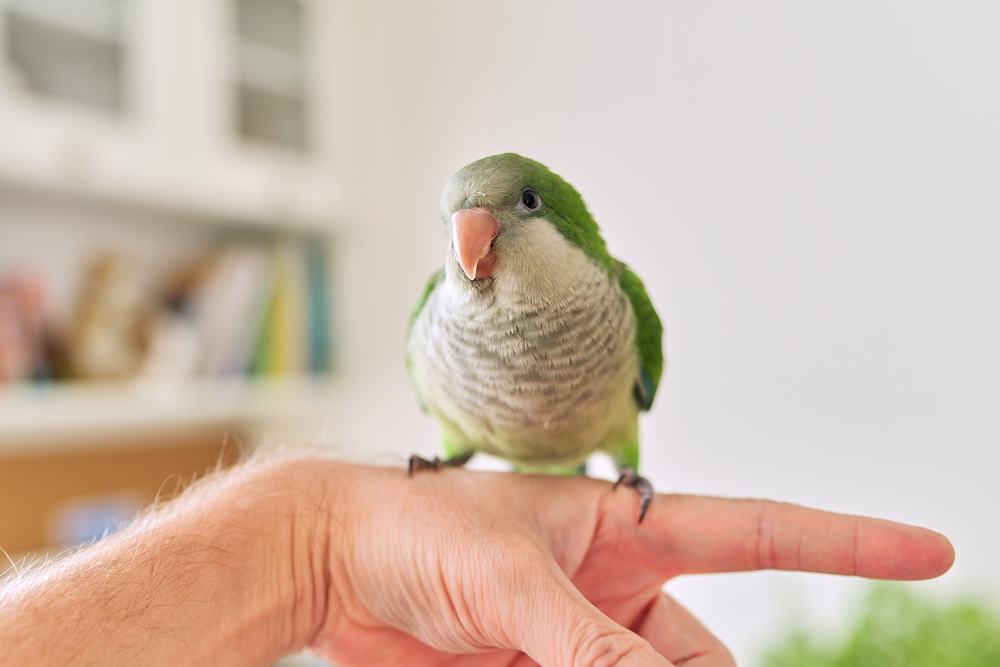
Avian veterinarians report exotic birds suddenly refusing perches they’ve used for years, instead hanging from cage tops or standing on flat surfaces despite these positions being uncomfortable and unnatural. The birds show no signs of foot problems, illness, or injury that would make perching painful, yet they adamantly avoid perches they previously preferred. The behavior emerged within weeks in bird populations across the U.S. and Europe in late 2025, suggesting an environmental trigger rather than gradual behavioral drift.
The perch avoidance extends beyond cages—birds with flight access avoid landing on traditional perching surfaces like branches, railings, and ledges, instead choosing flat horizontal surfaces that don’t accommodate their feet naturally. Some avian specialists theorize the birds are detecting vibrations or electromagnetic signals through perches that have changed due to human infrastructure modifications, but testing hasn’t identified what’s different. The synchronized timing of the behavior’s emergence suggests birds are responding to a specific environmental change, but researchers can’t identify what changed or why birds would universally find previously acceptable perches suddenly unacceptable.
4. Rabbits Thumping Warning Signals With No Apparent Trigger

Rabbit owners report their pets thumping—the alarm signal rabbits use to warn of predators—at regular intervals throughout the day despite no visible threats or changes in environment. The thumping occurs at similar times across different households, with clusters of reports showing rabbits thumping within the same 15-minute windows despite being in different states or countries. The behavior began appearing in early 2026 and has intensified, with some rabbits thumping dozens of times daily in response to nothing observable.
Veterinary behaviorists rule out anxiety disorders or neurological problems, leaving the synchronized warning behavior unexplained. The thumping follows patterns—often occurring at dawn, dusk, and around midnight—suggesting circadian or environmental triggers rather than random anxiety. Some researchers theorize rabbits are detecting seismic or atmospheric changes that precede by hours or days events humans only notice when they occur, essentially providing early warnings of environmental disturbances. The alternative explanation—that rabbits have developed mass anxiety disorder simultaneously worldwide—seems less plausible than some environmental change that rabbit sensory systems detect but human instruments and senses miss entirely.
5. Fish Swimming in Coordinated Figure-Eight Patterns

Aquarium owners report fish suddenly swimming in precise figure-eight patterns for hours daily, behavior that emerged in spring 2025 across multiple species and tank types. The swimming isn’t individual quirks—multiple fish in tanks coordinate the patterns, maintaining formation while executing identical figure-eights simultaneously. The behavior occurs in fresh and saltwater tanks, across species that don’t typically school, and persists despite changes in feeding, lighting, or other variables aquarists manipulate trying to eliminate it.
Marine biologists studying the phenomenon find the coordinated swimming particularly baffling because the fish involved don’t naturally school or coordinate movements, yet they’re maintaining precise spatial relationships while swimming complex patterns. The figure-eight specifically—rather than circles or other patterns—suggests the behavior has specific purpose or meaning researchers haven’t decoded. Some theorize the fish are responding to electromagnetic fields from aquarium equipment or household wiring, following field lines in patterns that happen to form figure-eights, but electromagnetic mapping of affected tanks doesn’t support this. The behavior remains unexplained, occurring too consistently and widely to dismiss as coincidence.
6. Dogs Refusing to Cross Specific Thresholds

Trainers and behaviorists report dogs suddenly refusing to cross certain doorways or thresholds in their own homes, areas they’ve traversed thousands of times without issue. The dogs stop abruptly at specific thresholds—often bedroom or bathroom doorways—and resist all encouragement to cross, showing fear responses like tucked tails, backing up, or whining. The behavior emerges suddenly in individual dogs and doesn’t correlate with construction, new furniture, or any observable environmental changes.
The threshold refusal is specific—dogs might refuse one particular doorway while crossing others without hesitation, suggesting they’re detecting something location-specific rather than experiencing generalized anxiety. Medical examinations rule out vision problems or pain that might make stepping through doorways uncomfortable. Some researchers theorize dogs are detecting electromagnetic anomalies or infrasound at specific locations that humans can’t perceive, creating invisible barriers the dogs won’t cross. The behavior’s sudden emergence in late 2025 across unconnected households suggests an environmental change rather than individual neurological problems, but identifying what dogs are avoiding at specific thresholds remains impossible without knowing what they’re sensing that humans aren’t.
7. Cats Vocalizing in New Frequency Ranges

Cat owners and veterinarians report cats producing vocalizations at frequencies they haven’t used before—extremely low-pitched growls or extraordinarily high-pitched sounds—that emerged suddenly in adult cats with established vocal patterns. Sound analysis confirms the frequencies fall outside normal feline vocal ranges, suggesting either the cats are accessing vocal capabilities they don’t typically use or they’re trying to communicate something requiring sounds outside their normal repertoire. The new vocalizations appeared widely in mid-2025 and have increased in frequency and duration since.
Feline vocal researchers find the frequency changes particularly puzzling because adult cat vocalizations are typically stable and the new sounds serve no apparent communicative purpose with humans or other cats. The extremely high-frequency sounds approach ultrasonic ranges, suggesting cats might be attempting communication beyond human hearing—either with each other at distances normal vocalizations don’t reach, or potentially responding to ultrasonic environmental sounds by matching frequencies. The low-frequency growls fall into ranges that travel through structures more effectively than normal sounds, possibly indicating cats are trying to communicate through walls and floors. The sudden emergence of new vocal frequencies across the global cat population suggests environmental pressure or stimulus that requires communication outside their normal range.
8. Hamsters and Small Rodents Building Unusual Nest Structures

Small animal veterinarians report hamsters, gerbils, and mice building elaborate nest structures with architectural features that don’t appear in normal nesting behavior. The structures include multiple chambers, specific entrance orientations, and material arrangements that seem deliberate rather than random. Most bizarrely, rodents in separate cages and households are building nearly identical structures, suggesting either instinctive behavior that’s suddenly expressing or response to environmental cues that dictate specific construction patterns.
The nest architecture includes features serving no obvious purpose—chambers that aren’t used for sleeping or food storage, entrance tunnels oriented in specific directions regardless of cage layout, and material layering in consistent sequences across different animals. Researchers studying the structures find the consistency more remarkable than the complexity—hamsters worldwide building nearly identical nests suggests either coordinated response to environmental changes or sudden expression of dormant instinctive programming. Some theorize the rodents are building structures optimized for protection against something they’re detecting—radiation, electromagnetic fields, or atmospheric changes—that humans aren’t aware of but that rodent sensory systems identify as requiring specific architectural protections.
9. Dogs Herding Family Members Without Breed Predisposition

Non-herding breeds are suddenly displaying herding behaviors toward family members, particularly children, that emerged without training and in breeds with no herding genetics. Golden Retrievers, Pugs, and other breeds with no herding background are circling family members, blocking exits, and physically manipulating people’s positions using techniques characteristic of Border Collies and Australian Shepherds. The behaviors emerged suddenly in late 2025 and intensified through early 2026, with dogs becoming increasingly insistent about keeping family members in specific locations or groupings.
Canine behaviorists find the cross-breed herding behavior inexplicable through normal behavioral development or learning pathways. The dogs are using specific techniques—eye contact, positioning, physical blocking—that are typically breed-specific inherited behaviors, yet they’re appearing in breeds that were never selected for herding. Some researchers theorize the dogs are responding to perceived threats that trigger protective behaviors manifesting as herding, keeping family members grouped for safety against dangers the dogs detect but humans don’t perceive. The alternative—that dogs across breeds are spontaneously inventing identical herding techniques—seems implausible, leaving the mystery of why non-herding dogs suddenly display sophisticated herding behaviors with no training or genetic predisposition.
10. Reptiles Displaying Temperature Preferences That Don’t Match Biology
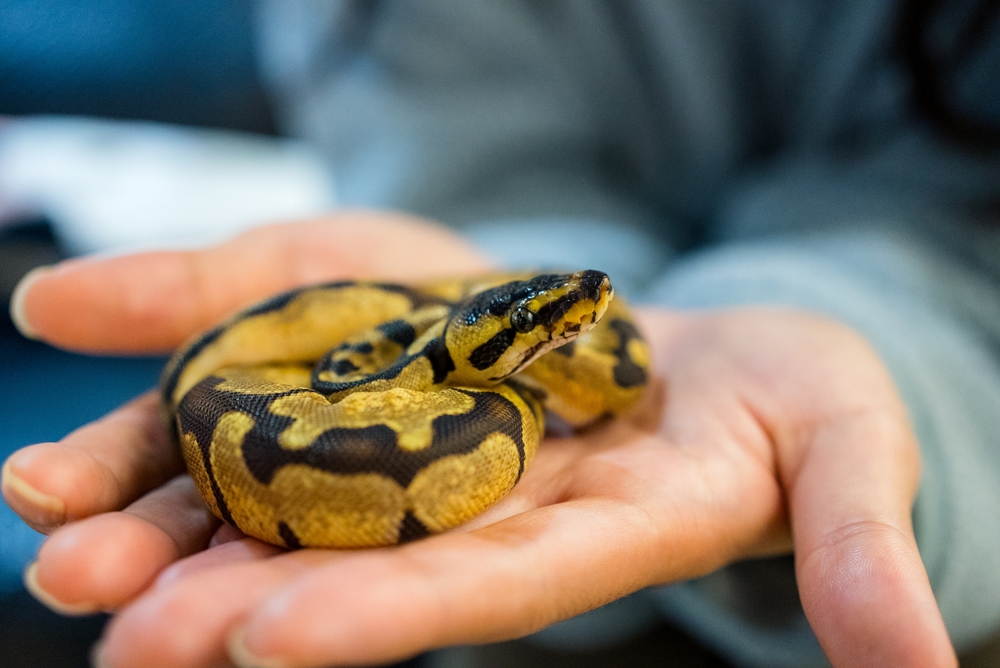
Reptile keepers report their pets suddenly preferring temperatures outside their species’ normal ranges, with desert species avoiding heat sources and tropical species seeking cooler areas than they’ve preferred for years. The temperature preferences emerged suddenly, with individual reptiles changing behavior within days despite years of consistent temperature regulation. The shifts don’t correlate with illness, reproductive status, or other biological factors that would explain temperature preference changes.
Veterinary specialists find the temperature behavior changes baffling because reptile thermoregulation is considered largely instinctive and driven by biological necessity rather than preference. The animals avoiding optimal temperatures should be compromising their digestion, immune function, and overall health, yet they appear healthy while maintaining suboptimal temperatures. Some researchers theorize the reptiles are detecting environmental changes—possibly radiation or electromagnetic field variations—that make previously optimal temperatures uncomfortable or dangerous, driving them to sacrifice biological efficiency for protection against whatever they’re sensing. The synchronized nature of the changes across different species and locations suggests environmental trigger rather than individual animal pathology.
11. Parrots Refusing to Vocalize or Suddenly Going Silent

Avian veterinarians report normally vocal parrots falling completely silent for days or weeks, a dramatic behavioral change in species that vocalize constantly as part of normal behavior. The silence isn’t selective mutism with certain people—the birds stop vocalizing entirely, communicating through body language and behavior but refusing to produce sounds they previously made hundreds of times daily. The behavior emerged in clusters beginning in late 2025, with some geographic areas reporting widespread parrot silence while others remain unaffected.
The selective silence is particularly strange because parrots use vocalization for nearly all communication, and complete silence suggests either physical inability to vocalize or deliberate choice not to. Medical examinations rule out syrinx problems or other physical issues that would prevent vocalization. Some researchers theorize the parrots are detecting audio frequencies or environmental sounds that make their own vocalizations uncomfortable or dangerous, essentially self-imposing silence to avoid whatever they’re hearing. The geographic clustering of silent parrots suggests regional environmental factors—possibly industrial sounds, military operations, or infrastructure changes producing frequencies that parrots find threatening enough to override their fundamental communication behaviors.
12. Cross-Species Unusual Alertness at Specific Times

Pet owners across species report their animals becoming intensely alert at specific times—particularly 3:00-3:30 AM and 5:45-6:15 PM—regardless of feeding schedules, activity patterns, or other variables. Dogs, cats, birds, and rabbits all orient toward windows or specific directions, remaining motionless and focused for 15-30 minutes before resuming normal behavior. The synchronized alertness occurs across time zones, suggesting the timing relates to actual clock times rather than solar position or circadian rhythms.
The cross-species synchronized alertness is perhaps the most disturbing pattern because it suggests all domestic animals are detecting something at specific times that humans remain completely unaware of. The behaviors during alert periods—orientation toward specific directions, intense focus, complete stillness—resemble predator-watching or threat-monitoring rather than curiosity or casual interest. Researchers investigating the phenomenon have monitored electromagnetic fields, seismic activity, atmospheric pressure, and dozens of other variables during the alert windows but haven’t identified anything unusual occurring at these times. The most unsettling possibility is that pets are detecting something significant—satellites passing overhead, military operations, atmospheric phenomena—that occurs regularly at these times but that human awareness and instrumentation are insufficient to notice, leaving the question of what all our pets are watching for hanging ominously unanswered.