
The pet someone chooses isn’t just about which animal they find cute or interesting—it’s a psychological profile broadcast to anyone paying attention. Every species and breed selection reveals something about lifestyle priorities, personality traits, emotional needs, and how someone views themselves in the world. People think they’re making practical decisions about which pet fits their living situation, but they’re actually announcing deep truths about control needs, social desires, commitment capacity, and even childhood experiences they’re trying to replicate or avoid.
1. Designer Dog Breeds
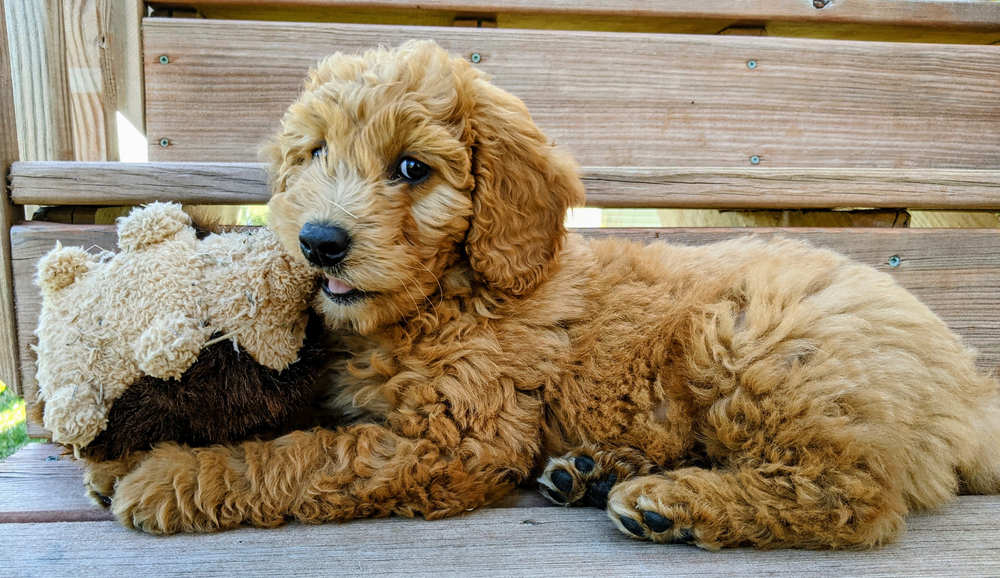
Someone who spends $3,000 on a Goldendoodle or French Bulldog when shelters overflow with healthy dogs is announcing that status and appearances matter more than substance or ethics. These aren’t people getting pets for companionship—they’re acquiring social accessories that broadcast affluence and trendiness to their peer group. The designer dog is a walking announcement that the owner values what others think, needs validation through possession of desirable items, and likely makes other life decisions based on keeping up with social circles rather than independent judgment.
The choice reveals someone who responds to marketing rather than thinking critically, prioritizes aesthetics over animal welfare, and probably applies this same superficial decision-making to other areas of life. They’ll Instagram the dog extensively, mention the breed casually in conversation, and use the animal as a conversation starter and status symbol. The expensive designer breed announces insecurity masked as affluence, someone who needs external validation and believes the right purchases can provide the social standing they desperately want.
2. Rescue Dogs With Serious Behavioral Issues

People who specifically seek out traumatized rescue dogs with severe anxiety, aggression, or medical issues are often trying to save something they couldn’t save in their own lives. This isn’t about normal shelter adoptions—it’s about gravitating toward the most damaged animals and making their rehabilitation a central identity. These owners need to be needed, often have savior complexes, and may be unconsciously replaying childhood dynamics where they tried to fix broken family members or situations beyond their control.
The choice reveals someone who feels more comfortable with projects than with healthy relationships, possibly because dysfunction feels familiar and manageable while normalcy feels foreign or threatening. They pour enormous time, money, and emotion into animals that may never fully recover, finding purpose and identity in the struggle itself. The problematic rescue becomes the focus of life, providing meaning through endless training, behavioral modification, and medical care that allows the owner to feel perpetually needed and important.
3. Multiple Cats (Four or More)
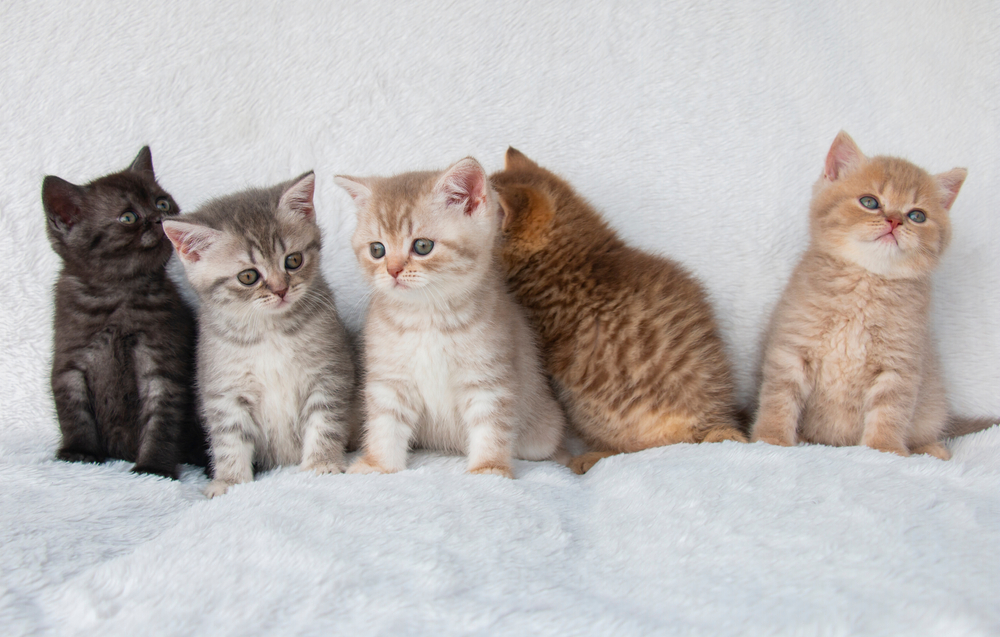
Someone with four, five, or more cats isn’t just an animal lover—they’re creating a buffer between themselves and human relationships that might disappoint or hurt them. Cats provide affection on demand without the reciprocal emotional labor that human relationships require, making them perfect for people who want connection without vulnerability. Multiple cats ensure that the person is never alone but also never has to fully engage, as the animals provide companionship that doesn’t challenge, judge, or leave.
The choice reveals someone who may have experienced relationship trauma or betrayal and has decided that animals are safer than people. The cats become both company and excuse—too many to leave easily, requiring constant care that justifies social isolation. This person likely works from home or in jobs with minimal human interaction, has experienced significant relationship disappointments, and has decided that the predictable devotion of cats beats the unpredictable nature of human connection.
4. Exotic Pets Like Snakes or Tarantulas
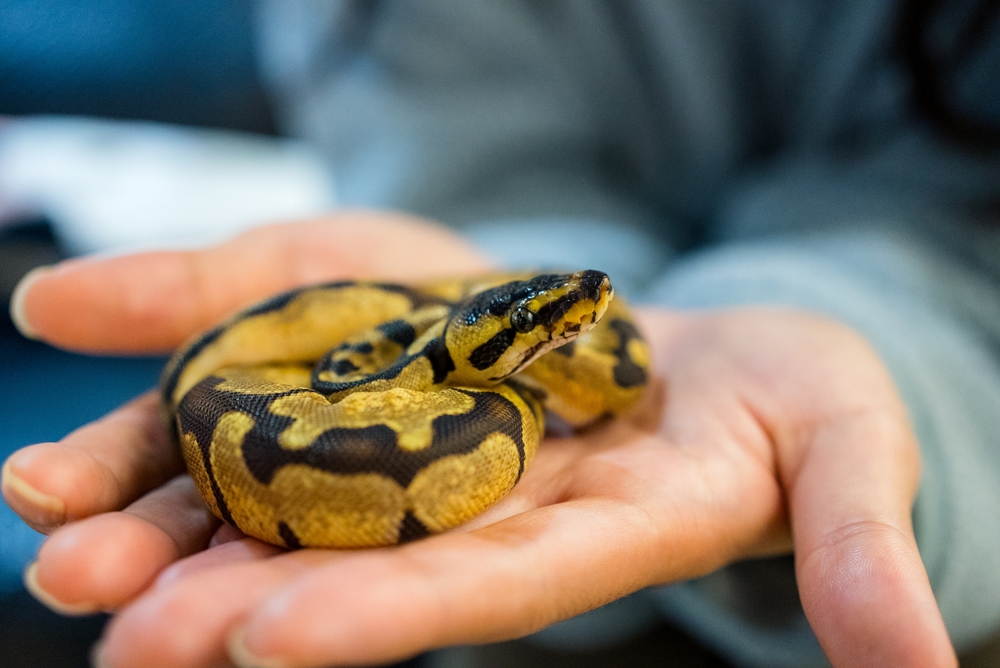
Someone keeping reptiles, spiders, or other exotic pets that most people find unsettling is advertising their rejection of conventional thinking and needs to be perceived as interesting or edgy. These pets don’t provide the emotional reciprocity of dogs or cats—they’re more like living decorations that happen to eat. The owner isn’t seeking companionship; they’re seeking differentiation from normal people and the attention that comes from having something unusual or slightly disturbing.
The choice reveals someone who defines themselves by being unlike others, possibly because they don’t fit in socially and have decided to own that outsider status. They enjoy the discomfort their pet creates in visitors, relish explaining care requirements that sound intense, and use the exotic pet as both identity marker and social filter. The snake or tarantula announces, “I’m not like you,” preemptively rejecting mainstream acceptance before mainstream groups can reject them first.
5. Purebred Dogs From Breeders With Papers

Someone who insists on purebred dogs with full pedigrees and registration papers is revealing a need for predictability, control, and validation through prestige. These owners want guarantees—of temperament, size, appearance, behavior—that life rarely provides, and they’re willing to pay premium prices for the illusion of certainty. The papers and pedigree provide a sense of legitimacy and value, making the dog not just a pet but an investment and status symbol backed by documentation.
The choice reveals someone who likely applies this same need for credentials and validation to other life areas—they hire contractors with the best reviews, buy name brands over generics, and trust authority and documentation over independent judgment. They may have anxiety about uncertainty or have been burned by unpredictability in the past, leading them to seek controlled, documented experiences. The papered purebred represents safety through vetting, status through pedigree, and the comfort of knowing exactly what they’re getting before emotional attachment forms.
6. Reptiles or Fish That Require Minimal Interaction
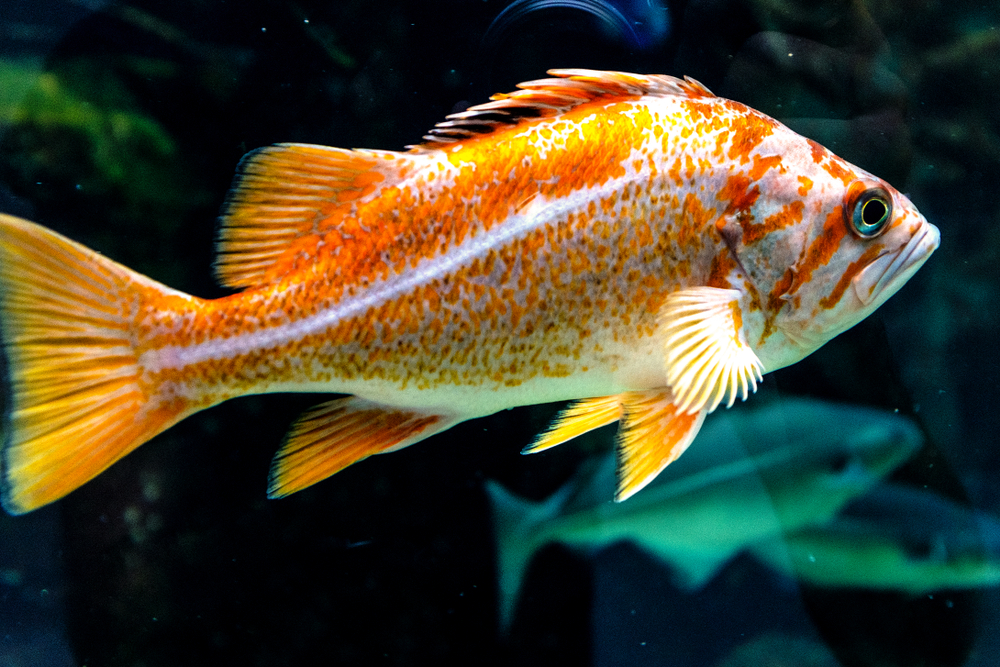
People whose pets exist behind glass in tanks or terrariums requiring feeding but no actual interaction are announcing their desire for life with minimal commitment or emotional reciprocity. These pets are obligations light—they need care but don’t demand attention, affection, or relationship. The owner can travel easily, work long hours, and live without adjusting their lifestyle for an animal’s emotional or social needs, which is exactly the point.
The choice reveals someone who wants the appearance and conversation piece of pet ownership without the actual relationship or responsibility that mammals require. They may be commitment-phobic in other areas, maintaining surface-level friendships and relationships that don’t require deep engagement. The fish tank or terrarium becomes decoration that occasionally needs maintenance, perfect for someone who values control and independence over connection and doesn’t want anything in their life making demands on their time or emotions.
7. Small Dogs Carried Everywhere in Purses
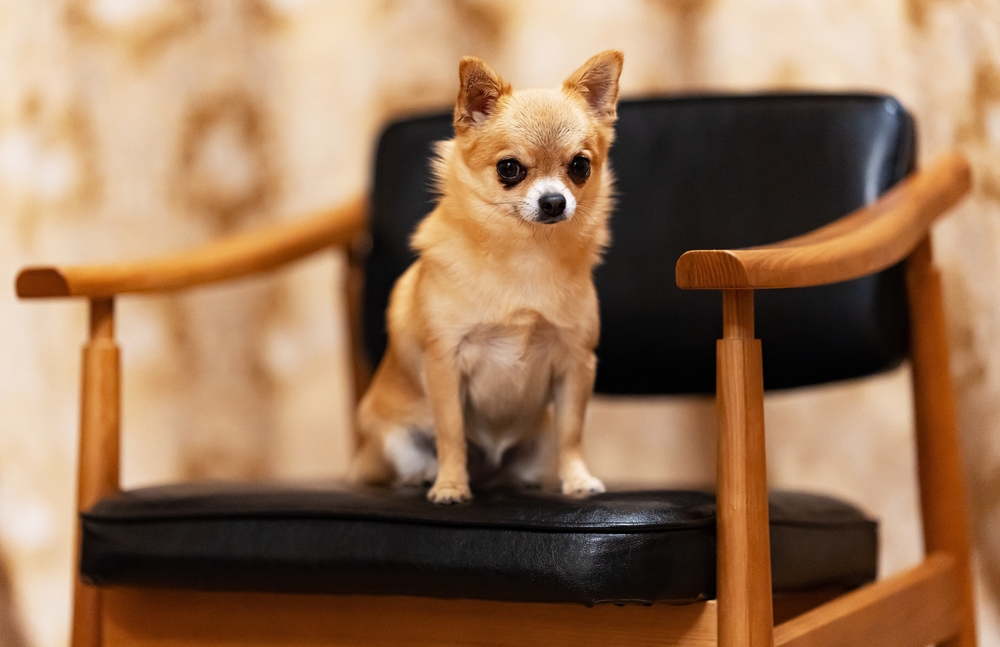
Someone who carries their Chihuahua or Yorkie in a designer bag rather than letting it walk is treating a living animal like an accessory and revealing a deep need for attention and control. These aren’t service animals or dogs with mobility issues—they’re props in their owner’s public performance of a particular lifestyle. The carried dog announces the owner’s wealth, fashion sense, and the kind of person they want others to believe they are, while the dog’s actual needs for exercise and normal dog behavior are secondary.
The choice reveals someone who anthropomorphizes animals to an unhealthy degree, likely infantilizes human relationships as well, and needs constant validation through material display. They probably have few genuine close relationships because their performative approach to life prevents authentic connection. The purse dog is less about loving animals and more about having a living accessory that generates attention, Instagram content, and the appearance of being a certain type of person—usually wealthy, fashionable, and cultured, regardless of whether that matches reality.
8. Working Breeds in Apartments With No Jobs

Someone who gets a Border Collie, Australian Cattle Dog, or German Shepherd and keeps it in an apartment without providing actual work or intense exercise is revealing a fundamental disconnect between fantasy and reality. These owners fell in love with an idea—usually from movies or Instagram—without researching or honestly assessing whether they can meet the breed’s needs. The choice announces someone who makes emotional decisions without practical planning, prioritizes what they want over what’s realistic, and likely applies this pattern to other major life choices.
The working breed in an apartment reveals someone who overestimates their commitment and underestimates demands, probably across multiple life areas. They imagined hiking with their dog every day but actually work long hours and watch Netflix most evenings. The destructive, anxious dog becomes a problem they didn’t anticipate, and they blame the animal rather than their own poor decision-making and unrealistic self-assessment.
9. Horses as Adult Beginners
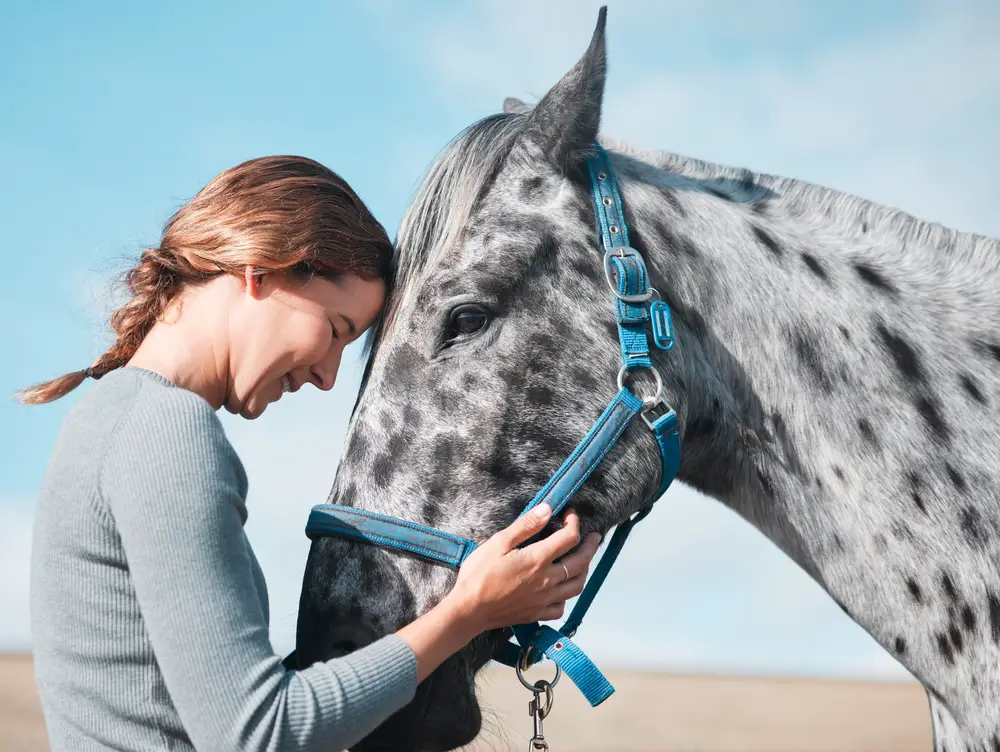
Adults who take up horseback riding and horse ownership with no childhood experience are often trying to reclaim a childhood dream or prove something about their current status and capabilities. Horses are expensive status symbols requiring significant land, facilities, and ongoing costs of $500 to $1,500 monthly, making them inaccessible to most people. The adult-onset horse owner is announcing financial success while also chasing a romanticized fantasy often rooted in childhood desires that were unattainable in their youth.
The choice reveals someone trying to prove they’ve made it, possibly overcoming humble beginnings where horses represented wealth they didn’t have. They’re also revealing romantic thinking about animal ownership, as horses require far more work, expense, and expertise than most beginners anticipate. Many adult-onset horse owners lose interest once the romance of ownership meets the reality of daily barn work, veterinary expenses, and the skill development that takes years, revealing that the desire was more about the image than the actual animal relationship.
10. Pocket Pets Like Hamsters or Guinea Pigs
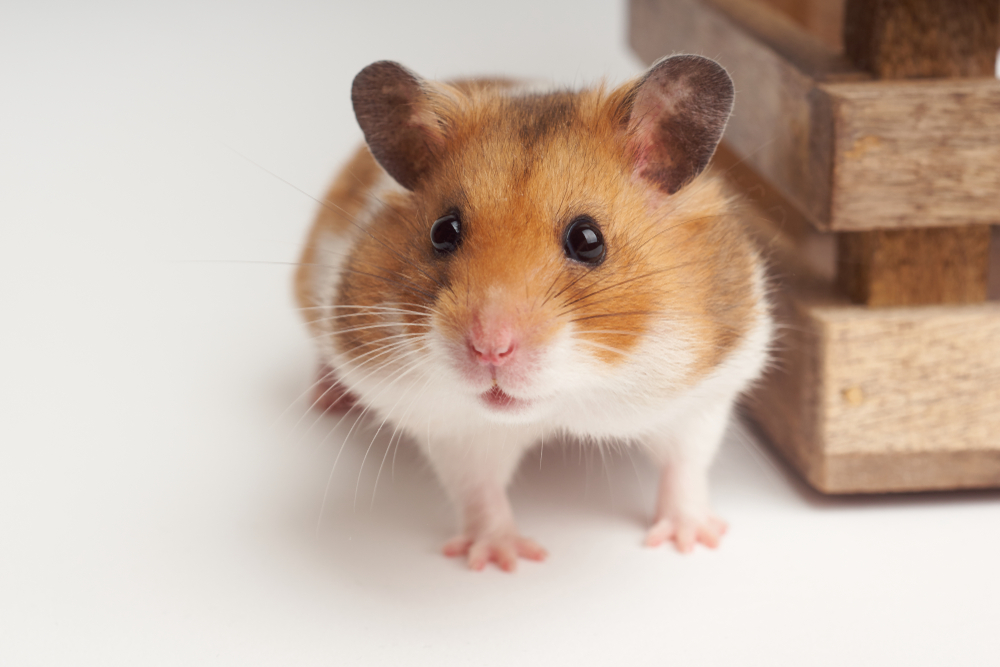
Adults without children who keep hamsters, guinea pigs, or rabbits are often dealing with commitment issues—they want something to care for but nothing that will seriously impact their lifestyle or longevity. These pets live 3-7 years, provide the experience of pet ownership, but don’t require the 15-year commitment of cats or dogs. The small cage habitat means they can exist in any living situation, providing flexibility that people with unsettled lives value.
The choice reveals someone who may be in transition—recent breakup, career uncertainty, living situation in flux—and isn’t ready for major commitments but wants something alive to care for. They might also be testing their capacity for responsibility without fully committing, sussing out whether they’re ready for a “real” pet or even children. The pocket pet provides low-stakes practice at nurturing while maintaining maximum life flexibility and minimal long-term obligation.
11. Pit Bulls or Other “Misunderstood” Breeds

People who specifically seek out pit bulls or other breeds with negative public perception are making a statement about themselves as much as choosing a pet. These owners are often contrarians who enjoy proving people wrong, feel a kinship with misunderstood underdogs, or want to demonstrate that they’re not like others who judge based on stereotypes. The breed choice becomes part of their identity—they’re the type of person who sees past prejudice and gives chances others won’t.
The choice reveals someone who may feel misunderstood themselves or has been judged unfairly in life and identifies with the discriminated-against breed. They gain satisfaction from changing minds and proving skeptics wrong when their pit bull is sweet and gentle. This person probably applies this contrarian, underdog-supporting approach to other areas, deliberately choosing options others avoid and finding identity in going against mainstream opinion while proving the majority wrong.
12. Birds That Live Decades
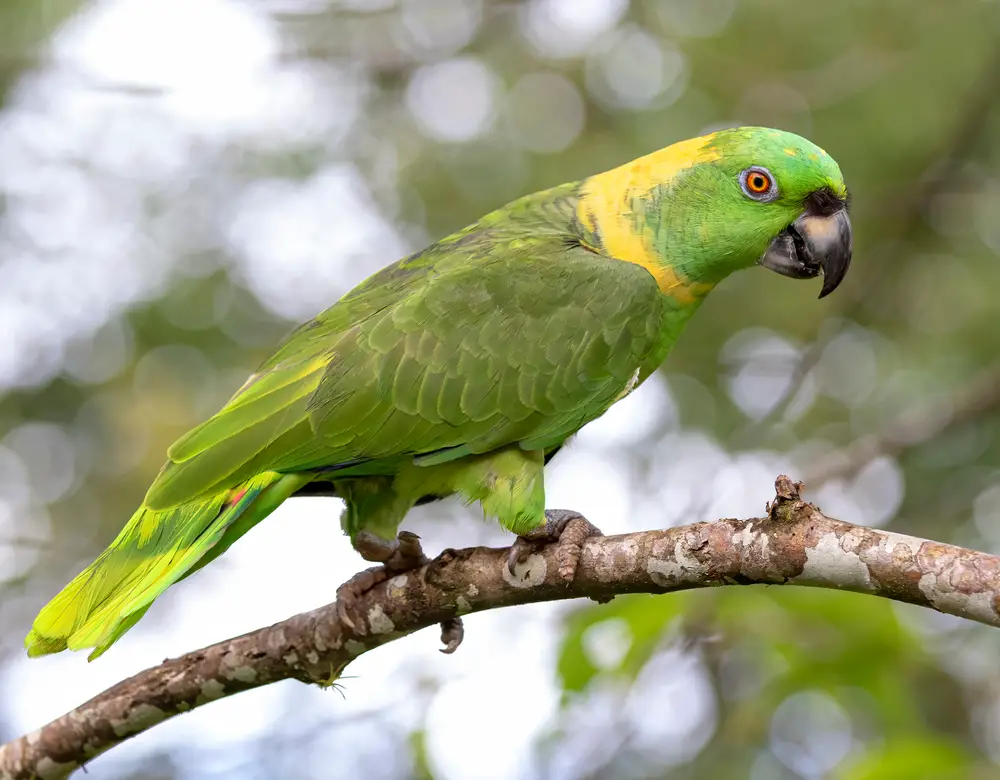
Someone who gets a parrot knowing it will outlive them or require provision in their will is revealing either extreme commitment capacity or complete failure to think through decisions. Large parrots live 50-80 years, creating lifetime commitments that exceed most marriages and jobs. The person choosing this pet is either unusually devoted and thoughtful about long-term consequences, or they’re completely unaware of what they’re signing up for and made an impulse decision based on the bird being cool or the talking being entertaining.
The informed choice reveals someone who thinks in decades and generations rather than years, takes commitments extremely seriously, and probably applies this same long-term thinking to career and relationship choices. The uninformed choice reveals someone who makes major decisions based on surface appeal without researching consequences, suggesting they probably have other poorly-thought-through commitments in their life. Either way, the long-lived bird becomes a test of character that will reveal over decades whether the owner is truly capable of lifetime commitment.
13. Reptiles or Animals That Eat Live Prey
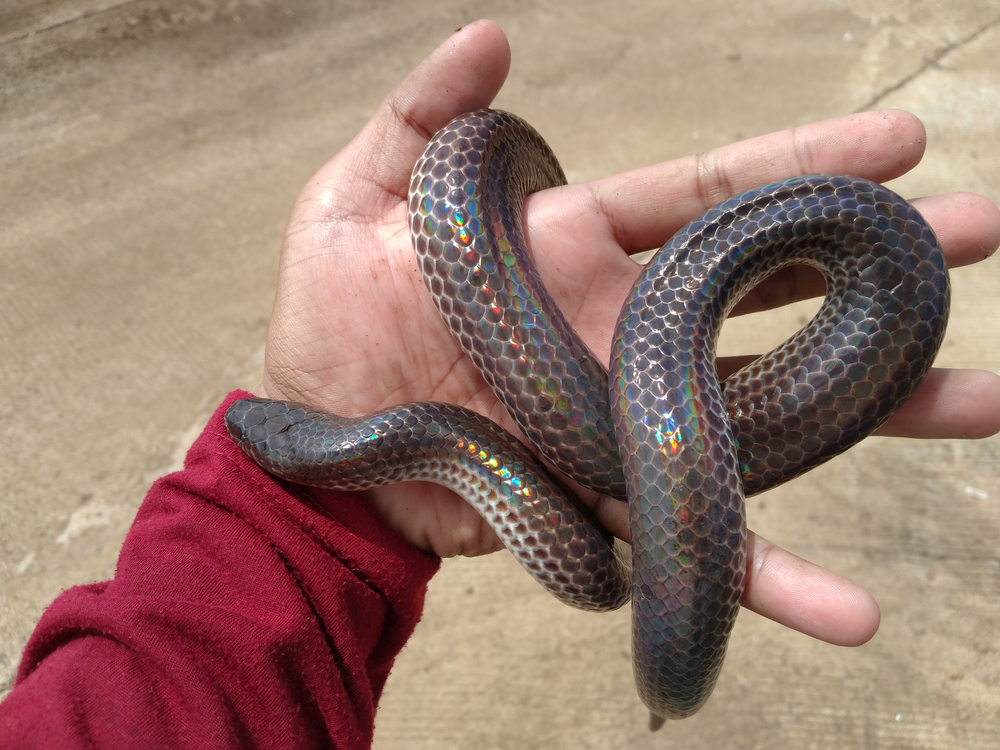
People who keep snakes, large lizards, or other predators requiring live or frozen mice reveal a comfort with nature’s harsh realities that many people avoid. These owners don’t anthropomorphize—they accept that their pet is a predator with specific dietary needs, however uncomfortable those needs make visitors. The choice announces practical, unsentimental thinking and rejection of people who want to sanitize nature and pretend predation doesn’t exist.
The choice reveals someone comfortable with moral complexity and natural hierarchies that modern sensibilities try to erase or hide. They probably apply this realistic, unsentimental thinking to other areas—business, relationships, politics—accepting uncomfortable truths others deny. They may enjoy the slight shock value when people learn their snake eats mice, relishing the discomfort their practical acceptance of predation creates in squeamish visitors who prefer pretending away nature’s realities.
14. Senior or Special Needs Pets

People who specifically adopt elderly or disabled animals, knowing they’ll face immediate medical expenses and shortened time together, are revealing profound compassion combined with possibly problematic savior tendencies. These aren’t accidental adoptions—they deliberately choose animals other people reject, taking on guaranteed expense and heartbreak. The choice announces someone who finds meaning through sacrifice and caregiving, possibly to an extent that becomes their primary identity and life purpose.
The choice reveals someone who may struggle with relationships where they’re not desperately needed, as healthy reciprocal dynamics might feel less meaningful than being indispensable to a vulnerable creature. They gain identity and purpose from the special needs pet requiring constant care, dedication, and accommodation. This person probably has similar patterns in human relationships—attracted to people with problems, staying in difficult situations longer than healthy, and finding purpose through caretaking roles that others would find burdensome or depressing.
15. No Pets at All

People who actively choose to remain pet-free despite having the resources and living situations to accommodate animals are revealing a prioritization of freedom, cleanliness, and flexibility over companionship and nurturing. This isn’t about allergies or landlord restrictions—it’s a deliberate choice that values travel freedom, pristine homes, and unrestricted spontaneity over the benefits animals provide. The choice announces someone who knows themselves well enough to acknowledge they’re unwilling to accommodate another being’s needs or alter their lifestyle for dependent creatures.
The choice reveals either admirable self-awareness about limitations and priorities or possible difficulty with commitment and nurturing relationships more broadly. Pet-free people by choice often have strong boundaries, clear priorities, and low tolerance for mess or schedule disruption—traits that serve them professionally but may create challenges in relationships requiring flexibility. They’re honest enough to admit they don’t want the responsibility rather than getting pets and neglecting them, showing integrity in recognizing and honoring their limitations instead of pretending to be different than they are.