
People who prefer cats over dogs are often framed as aloof, antisocial, or “low-energy,” but that stereotype doesn’t hold up under even mild scrutiny. Cat preference tends to reflect how someone relates to autonomy, boundaries, stimulation, and emotional regulation—not whether they’re warm or capable of connection. Cats don’t offer constant feedback, approval, or emotional mirroring. Choosing them usually means someone is comfortable with quieter forms of connection and less performative bonding. Here’s what else tends to come with it.
1. They’re Comfortable With Emotional Independence
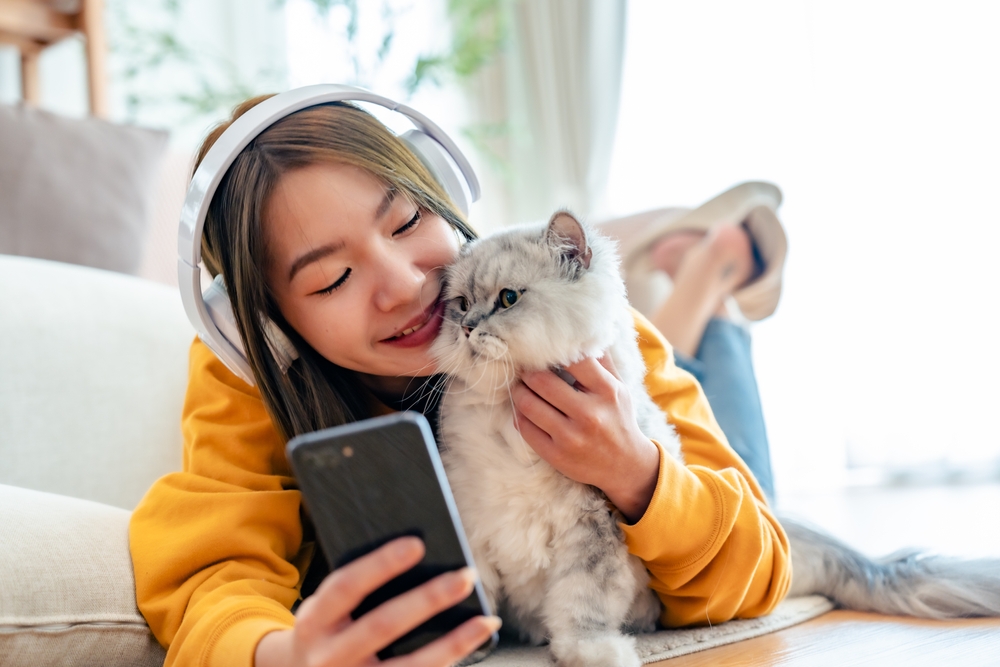
Cat-preferring people usually don’t need constant reassurance to feel secure in relationships. They’re comfortable caring deeply without needing ongoing proof that the bond is intact. A cat doesn’t greet you with fanfare or anxiety—it trusts you’ll come back. People drawn to that dynamic often mirror it in their own emotional style.
This doesn’t mean they’re distant or avoidant. It means they don’t confuse intensity with intimacy. They’re less likely to equate closeness with constant access and more likely to value steady presence over performative affection.
2. They Tend To Score Higher On Introversion
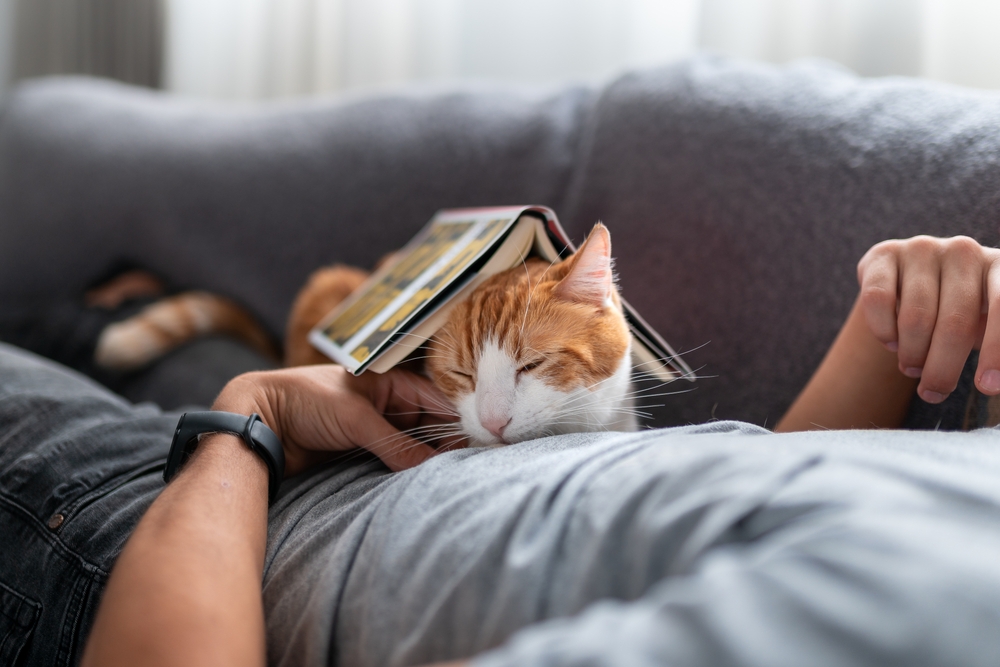
Personality research consistently shows a correlation between cat preference and introversion. Studies drawing from the Big Five personality framework have found that cat owners score higher on introversion and openness, while dog owners trend more extroverted and socially assertive.
That difference isn’t about social skill—it’s about energy management. People who prefer cats often recharge alone, enjoy quieter environments, and don’t feel compelled to fill silence. A pet that doesn’t demand constant engagement fits naturally into that rhythm.
3. They’re More Comfortable With Ambiguity
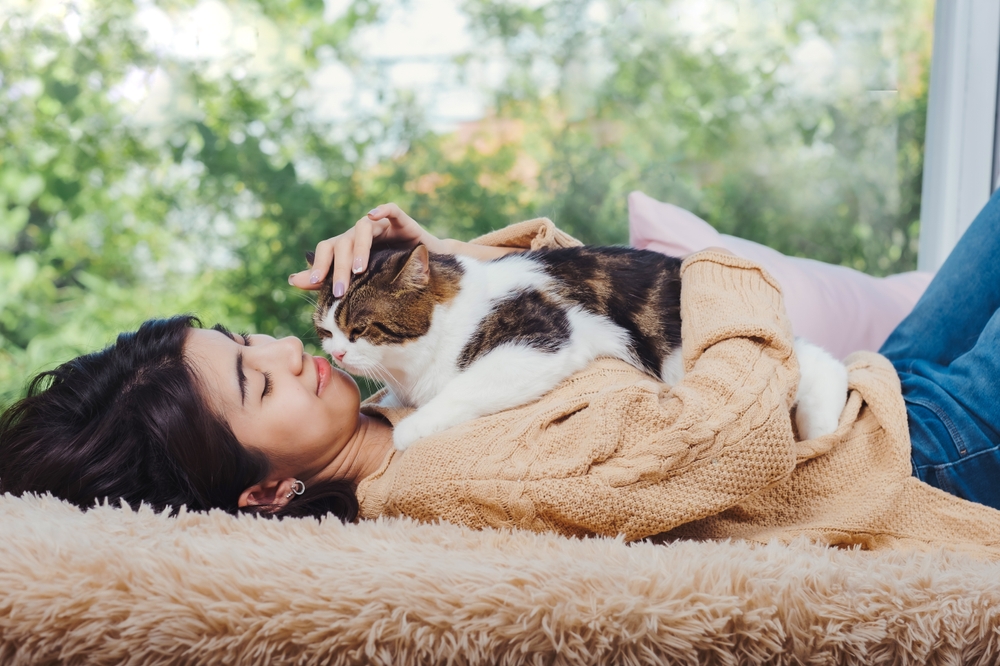
Cats communicate subtly. Their affection is quieter, their moods less obvious, and their boundaries less negotiable. People who prefer cats tend to be more tolerant of emotional ambiguity and less distressed by uncertainty.
Psychological research on tolerance for ambiguity links this trait to higher cognitive flexibility and emotional regulation. Instead of needing constant clarity or reassurance, these individuals can sit with “good enough” information and trust the relationship to unfold without micromanaging it.
4. They Respect Boundaries Without Taking Them Personally
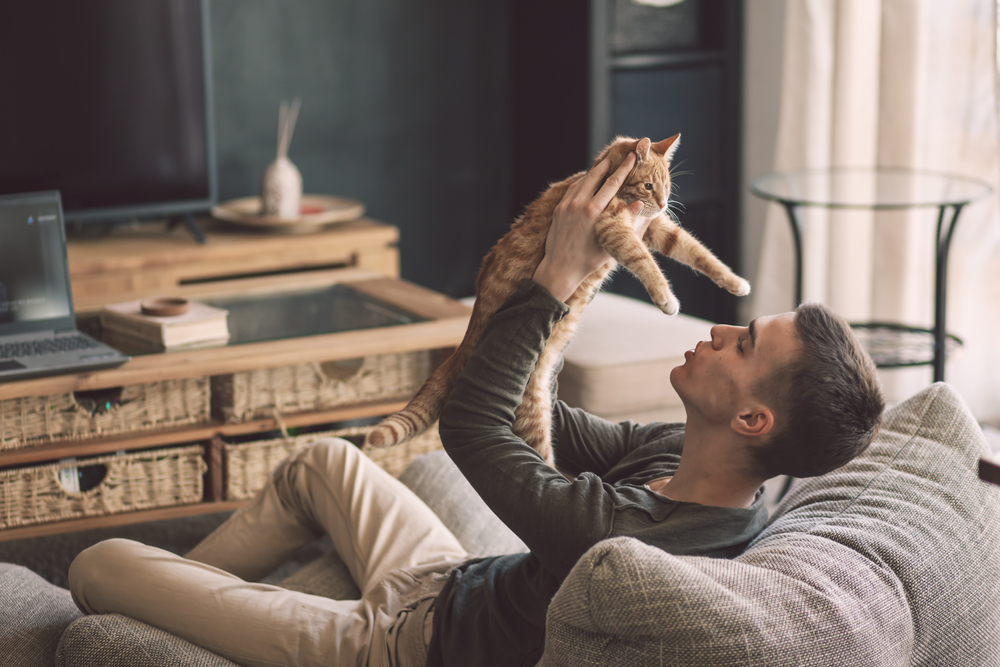
Cats make boundaries obvious—and non-negotiable. When a cat wants space, that’s the end of the discussion. People who thrive with cats tend to internalize this model in their own relationships.
They’re less likely to interpret someone’s need for space as rejection and more likely to understand it as self-regulation. That boundary literacy often translates into healthier friendships and partnerships, even if it looks emotionally understated from the outside.
5. They Don’t Need To Be “Needed” To Feel Valued
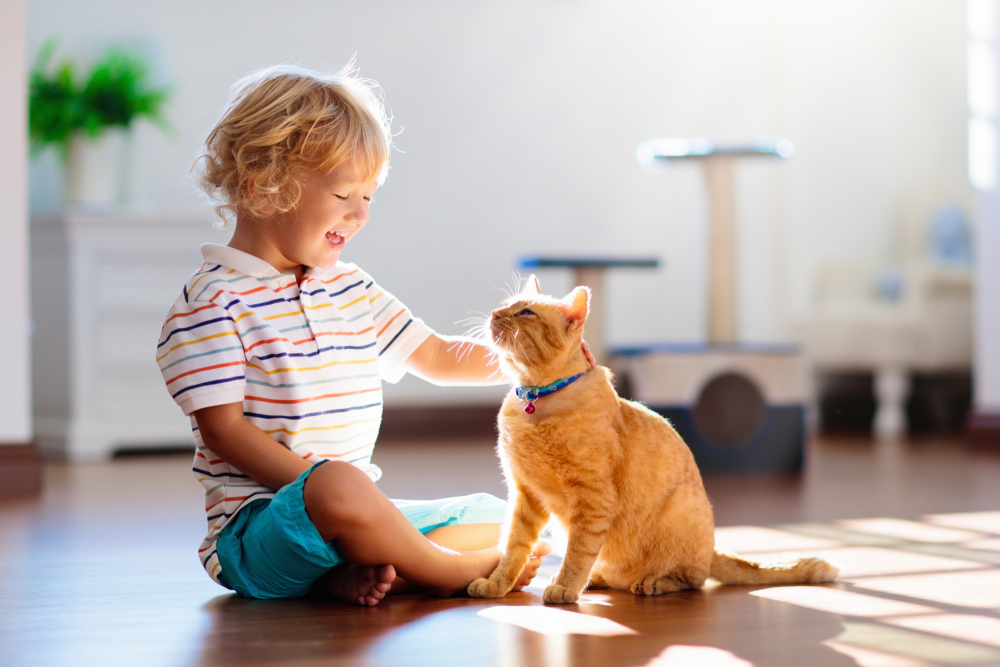
Dogs often create a dynamic of visible dependence. Cats don’t. People drawn to cats usually don’t derive their self-worth from being indispensable to others.
Instead, they’re comfortable being chosen rather than relied upon. They value mutual respect over obligation, and connection over caretaking. That tends to create relationships that feel less emotionally crowded and more sustainable over time.
6. They’re Less Motivated By External Validation
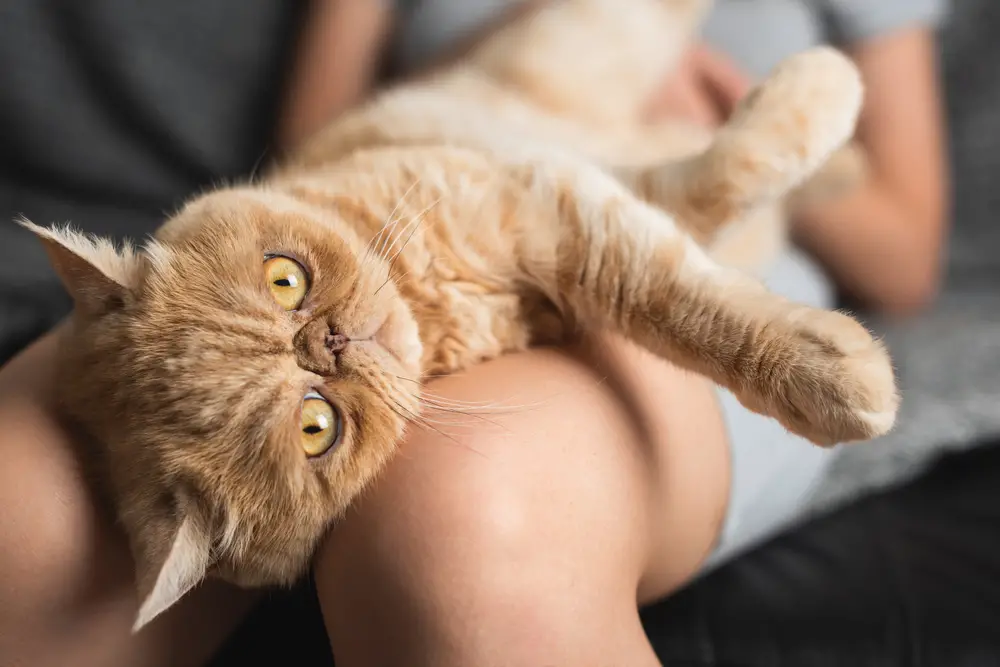
Cat people tend to be less driven by praise, attention, or visible approval. This isn’t indifference—it’s internal anchoring. Cats don’t perform enthusiasm on command, and they don’t reward people for attention-seeking behavior. People who enjoy that relationship often mirror it emotionally.
Research on personality and pet preference has linked cat ownership with higher self-directed motivation and lower dependence on social reinforcement. These individuals are more likely to trust their own judgment, even when it doesn’t align with group consensus, and feel less pressure to be visibly impressive or constantly affirmed.
7. They’re More Selective About Social Energy
Rather than spreading attention widely, cat-preferring people tend to invest deeply in fewer relationships. Studies examining social behavior patterns have found that cat owners often report smaller but more emotionally stable social circles compared to dog owners.
This selectivity isn’t about disliking people. It’s about energy allocation. These individuals are more likely to notice when interactions feel draining versus nourishing, and they’re comfortable opting out without guilt. That discernment often leads to fewer relationships—but stronger ones.
8. They’re Observant Before They Engage

Cats don’t rush connection. They watch first. People who prefer cats often share that same instinct—taking time to read a room, understand dynamics, and assess emotional safety before fully engaging.
This tendency shows up in conversation styles, too. They listen more than they speak early on, ask fewer but more precise questions, and tend to notice inconsistencies others miss. Their engagement deepens once trust is established, but they rarely lead with immediacy.
9. They Value Calm Over Stimulation
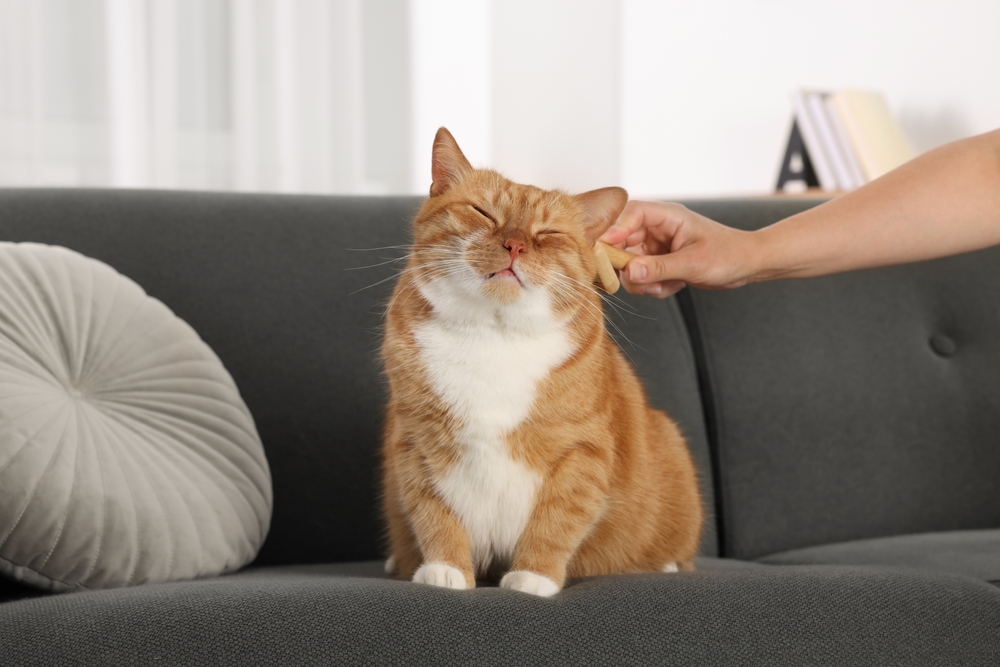
Cat people are generally less drawn to constant activity or high-intensity environments. They tend to prefer settings that allow for focus, quiet enjoyment, or layered attention rather than nonstop interaction.
This doesn’t mean they avoid excitement—it means they don’t need it to feel alive. A calm environment doesn’t register as boring; it registers as spacious. That preference often shows up in how they structure their homes, schedules, and even friendships.
10. They’re Comfortable With Asymmetrical Relationships
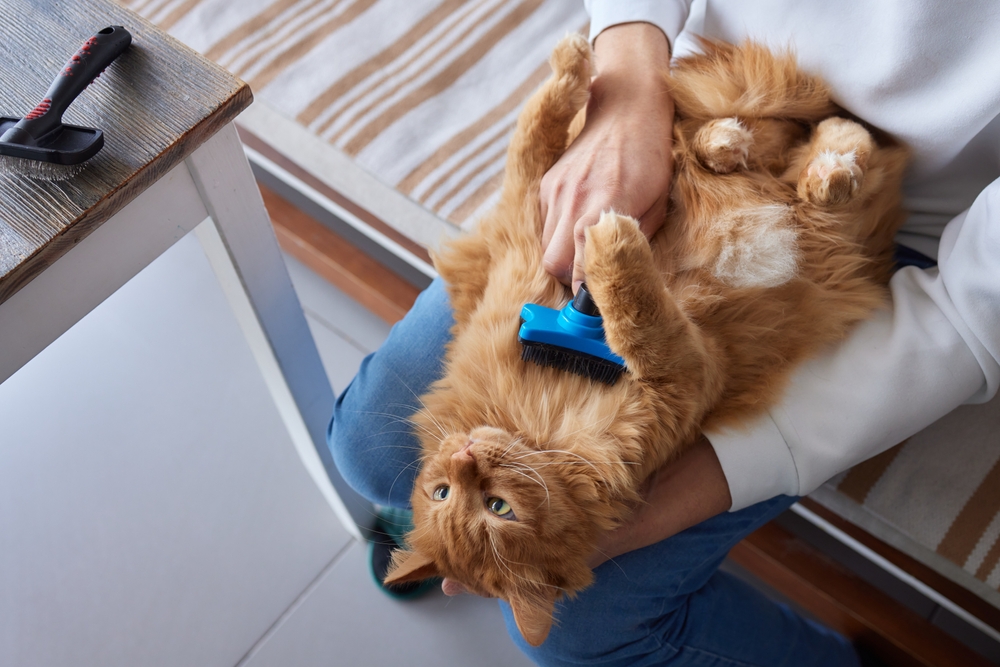
Cats don’t offer equal emotional output at all times. People who love them tend to be okay with relationships that ebb and flow rather than remain perfectly balanced day to day.
This tolerance for asymmetry often translates into patience with others’ emotional cycles. They don’t panic when closeness fluctuates. They trust that the connection doesn’t disappear just because it isn’t constantly visible.
11. They’re Less Reactive To Minor Emotional Shifts
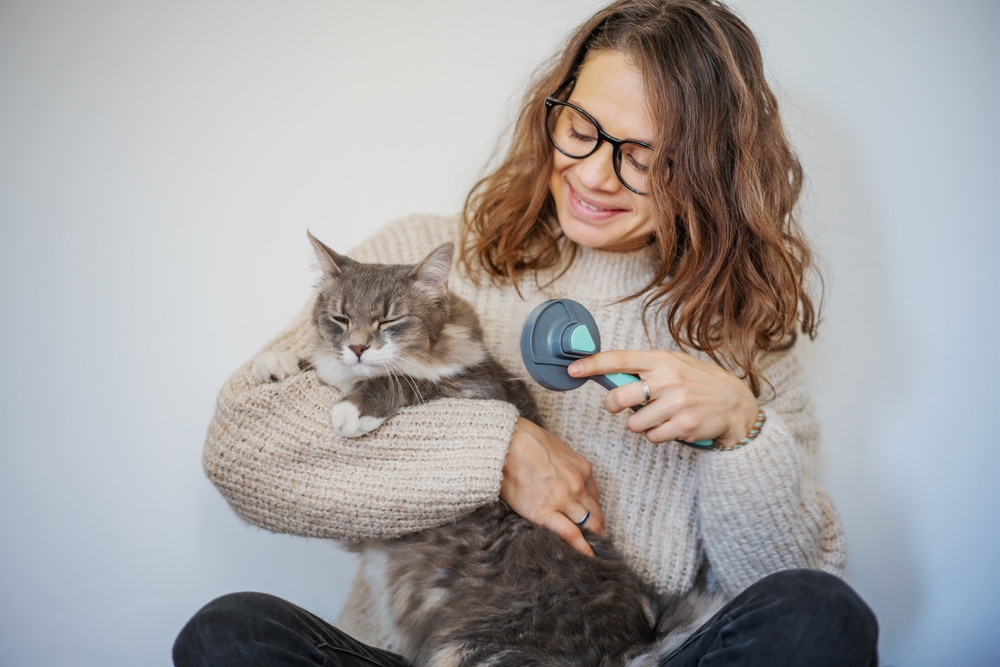
Cat owners quickly learn not to over-interpret every behavior change. A cat being distant today doesn’t mean rejection tomorrow. People drawn to that dynamic often develop a similar emotional steadiness with humans.
They’re less likely to spiral over subtle tone changes, delayed responses, or temporary withdrawal. Instead of reacting immediately, they wait, observe, and respond proportionally—which tends to stabilize relationships rather than intensify conflict.
12. They Prefer Mutual Respect Over Obedience
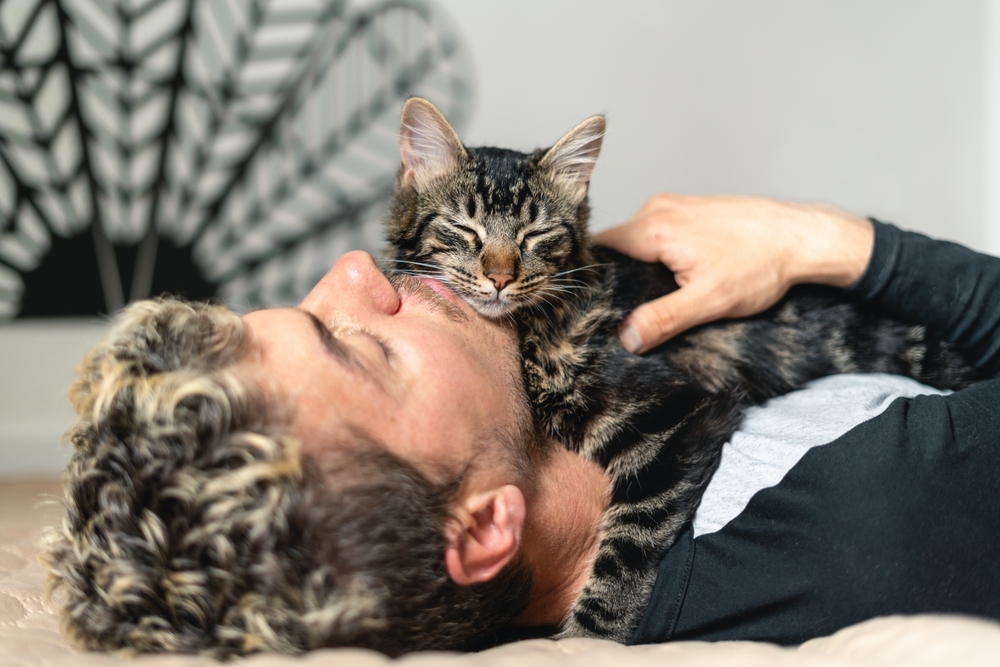
Cats don’t comply for approval. They cooperate when trust exists. People who prefer cats often value that same principle in human relationships.
They’re uncomfortable with power dynamics based on control or submission. Instead, they gravitate toward partnerships built on mutual autonomy, where each person chooses participation rather than feeling obligated to perform it.
13. They’re Comfortable Being Misunderstood
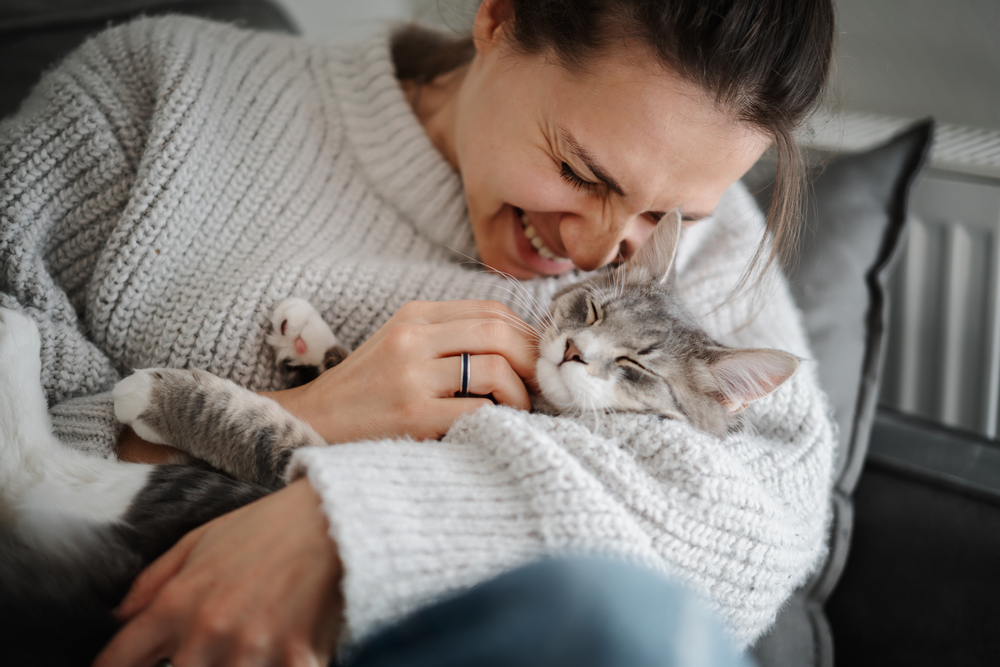
Cat people are used to being mislabeled, despite knowing that the stereotype doesn’t reflect their reality. Over time, this builds tolerance for being misunderstood.
They’re less reactive to others’ assumptions and less compelled to correct every misperception. That emotional independence often reads as quiet confidence, even when they’re not trying to project it.
14. They Find Connection In Presence

Cats don’t need constant interaction to feel bonded. Sharing space is enough. People who prefer cats often carry that same belief into relationships.
They value parallel presence—being together without constant talking, doing separate things in the same room, or simply knowing someone is there. For them, closeness isn’t something you prove. It’s something you sustain.