
Emotional support animals were designed to help people manage legitimate mental health challenges, but the system has become a magnet for creative storytelling. As airlines, landlords, and workplaces tightened rules, people turned to forums, comment sections, and group chats to confess exactly how far they stretched the truth to qualify. The stories are equal parts funny, uncomfortable, and revealing about how broken the system feels. Here are 15 real, anonymously shared confessions pulled from Reddit threads, social media comments, and public forums — told in people’s own words, paraphrased for clarity.
1. “I Said My Cat Could Detect Panic Attacks.”

One Reddit user admitted they told their therapist their cat “sensed panic attacks before they happened,” even though the cat mostly sensed food. They described inventing a narrative about the animal sitting on their chest during moments of distress. The therapist didn’t ask for proof and signed the letter.
The user later admitted that the cat avoids them during stress and hides under the couch. They justified the lie by saying rent prices left them desperate. In their words, “The panic was real — the cat part was aspirational.” The confession sparked thousands of comments from people who admitted to similar exaggerations.
2. “I Claimed My Dog Stopped Me From Self-Harm.”

A commenter on a mental health forum confessed that they said their dog physically intervened during moments of self-harm ideation. In reality, the dog was affectionate but untrained and oblivious. They admitted the story was emotionally manipulative — and effective.
They later reflected that the system incentivized extreme claims. Subtle mental health struggles didn’t seem “worthy” of support. The lie came from fear, not malice. Still, they acknowledged it blurred ethical lines.
3. “I Told My Landlord My Snake Was a Trauma Anchor.”

One viral Reddit post involved a tenant claiming their pet snake helped regulate trauma responses. They described holding the snake during episodes of anxiety. Commenters questioned the logistics but applauded the creativity.
The tenant admitted the snake mostly stayed in its tank. They said the real emotional support came from knowing eviction wasn’t imminent. The snake never left its enclosure — but the letter worked.
4. “I Googled Symptoms and Built a Story.”

A TikTok commenter admitted they researched PTSD symptoms before seeing a provider. They crafted a narrative that hit all the clinical buzzwords. The letter was approved in one session.
They later admitted they felt both guilty and relieved. The process felt transactional rather than therapeutic. “It felt like writing a college essay,” they said. The goal wasn’t healing — it was housing security.
5. “I Said My Rabbit Grounded Me During Dissociation.”

A forum user confessed to saying their rabbit helped pull them out of dissociative episodes. In reality, the rabbit bit them regularly. The grounding effect was theoretical.
They admitted they needed the rabbit to be allowed in student housing. Without the letter, they’d have had to rehome it. The lie felt justified in the moment. Regret came later.
6. “I Claimed My Bird Alerted Me to Night Terrors.”

One person said they told a clinician their parrot screamed during night terrors, waking them safely. In reality, the bird screamed constantly, regardless of sleep cycles. The clinician didn’t question it.
The letter was approved quickly. The user later admitted the story sounded ridiculous in hindsight. But desperation makes people convincing. “I just needed my bird with me,” they wrote.
7. “I Said My Dog Was Medically Necessary After a Breakup.”

A Redditor confessed they framed heartbreak as a clinical crisis. They said their dog was essential to prevent emotional collapse. The breakup was painful — but not pathological.
They admitted playing into the language they knew would work. The system rewarded severity over honesty. The letter came with no follow-up care. Relief replaced guilt.
8. “I Used Therapy Speak I Learned on Instagram.”
A popular comment described mimicking the language of therapy influencers. Terms like “regulation,” “attachment trauma,” and “emotional dysregulation” filled the appointment. The provider nodded along.
The user said they felt like an actor reading lines. The animal provided comfort, but not in the clinical way described. The system didn’t differentiate. That realization lingered.
9. “I Claimed My Dog Helped Me Leave the House.”

One person admitted that they said their dog was the only reason they could go outside. In truth, they already left the house daily. The dog just made errands nicer.
They said the exaggeration felt small at the time. Housing restrictions made honesty risky. The lie worked instantly. No one asked for evidence.
10. “I Said My Guinea Pig Calmed My Heart Rate.”

A forum user claimed their guinea pig reduced heart palpitations. They later joked that the pig actually raised their stress. The letter still went through.
They admitted the clinician didn’t ask follow-up questions. The process felt rubber-stamped. Guilt arrived only after approval. But relief came first.
11. “I Framed Loneliness as a Diagnosis.”

One commenter admitted they translated loneliness into clinical language. They said their animal prevented depressive spirals. The loneliness was real. The diagnosis was improvised.
They said modern life feels emotionally isolating. The ESA letter became a workaround. “It wasn’t a lie exactly,” they argued. “It was an upgrade.”
12. “I Said My Cat Prevented Panic on Planes”

A viral airline-related confession involved claiming severe flight anxiety. The cat had never flown before. The owner had never had a panic attack on a plane.
They said the fear was hypothetical. The airline allowed the animal. The experience was stressful anyway. “Turns out flying with a cat is its own panic,” they wrote.
13. “I Used a Telehealth ESA Mill.”

Several commenters admitted to using online ESA certification services. They filled out questionnaires and received letters within hours. No ongoing care followed.
They described the process as transactional and hollow. But it worked. Housing issues disappeared. The ethical discomfort lingered longer than the anxiety.
14. “I Said My Dog Was Trained When He Wasn’t.”
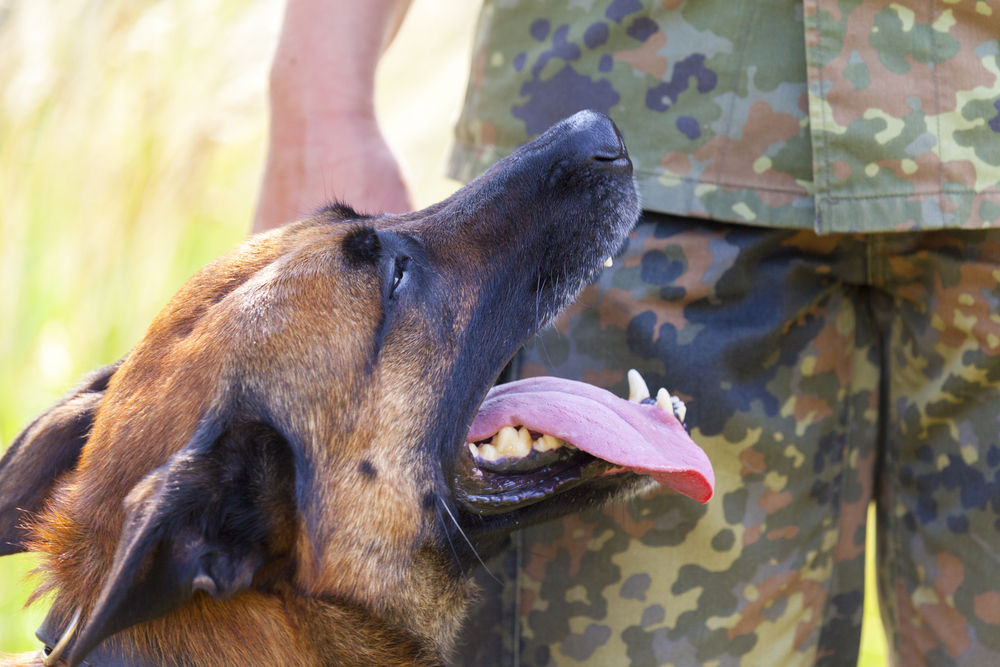
One person confessed, claiming their dog had emotional response training. The dog barked at mailboxes. The claim was entirely fabricated.
They justified it by saying the dog could be trained eventually. The letter was approved without verification. The gap between policy and reality felt glaring.
15. “I Lied Because the Alternative Was Losing My Home.”

Many commenters summed it up the same way. The lie wasn’t about convenience — it was about survival. Housing rules left no room for nuance.
They admitted the system feels broken on both sides. People who need help feel forced to exaggerate. Those stories keep circulating because they resonate. The problem isn’t just dishonesty — it’s desperation.