
Many predictions of Native cultures have long spoken of a coming collapse of modern civilization. These Indigenous prophecies, filled with wisdom and warnings, often echo themes that resonate with or even directly foreshadow our contemporary environmental and societal challenges. Here are Native prophecies that, despite their prescient messages, were largely ignored as we hurtled toward the brink of global crisis.
1. The Hopi Prophecy of the Blue Star

You may not be familiar with the Hopi prophecy about the Blue Star Kachina, but it speaks of a time when a blue star will appear as a harbinger of significant change. According to the prophecy, this star signifies the end of the world as we know it, leading to a period of renewal. The Hopi believe this transformation will mark a shift in human consciousness, urging people to reconnect with spiritual and environmental values. The prophecy serves as a reminder to live in harmony with nature and each other.
A National Geographic article highlights how celestial events have historically been interpreted as omens by various cultures. In the case of the Hopi, the Blue Star Kachina is a call to return to spiritual truths and natural balance. It’s an ancient warning to heed the signs around us and consider their implications for the sustainability of our planet. Yet, as modern society advances, such traditional wisdom is often brushed aside as mere folklore.
2. The Prophecy of the Seventh Fire

The Anishinaabe people tell the story of the Seven Fires, a series of prophecies that outline the path of their people’s history and future. The Seventh Fire prophecy speaks of a time when people will have a choice between two paths: one that continues environmental destruction and another that returns to natural harmony. This choice is not just for the Anishinaabe but for all of humanity, emphasizing the collective responsibility we share in shaping our future. It’s a poignant message about the power of choice and the impact of our actions on the world.
In our fast-paced, technology-driven world, it’s easy to forget these age-old lessons embedded in Indigenous prophecies. Yet, the Seventh Fire warns of the dire consequences of continuing down a path of environmental neglect. As people, we are often caught up in the latest trends and innovations, losing sight of these vital crossroads. It’s about time we took a step back to consider which path we are on and where it will lead us.
3. The Iroquois Prophecy of the White Serpent

The Iroquois have a prophecy involving the White Serpent, which is said to represent a period of great turmoil and change. The prophecy predicts the rise of the serpent, leading to a time of suffering and environmental destruction. However, it also points toward eventual peace and restoration, suggesting hope beyond the chaos. The White Serpent serves as a metaphor for industrialization and its impact on natural ecosystems.
According to a study by the American Indian Institute, such prophecies often reflect Indigenous peoples’ deep connection with the environment and forewarn the perils of disrupting natural harmony. The Iroquois prophecy is a stark reminder of the environmental degradation that follows unchecked industrial growth. Yet, despite this warning, modern societies continue to prioritize progress over preservation, often ignoring the cost of these advancements on the planet. Perhaps it’s time to listen and learn from these ancient voices before the White Serpent fully rises.
4. The Prophecy of the Rainbow Warriors

The Rainbow Warrior prophecy, attributed to various Native American tribes, speaks of a time when people of all colors will come together to heal the Earth. It foretells the emergence of a new kind of warrior, one who fights not with weapons but with knowledge and compassion. This prophecy inspires a vision of unity and environmental stewardship, urging people to embrace diversity and work collectively for a better future. It’s a call to action against the pollution and exploitation of Mother Earth.
In our fractured world, where division often seems to outweigh understanding, the message of the Rainbow Warriors is both urgent and essential. While mainstream attention focuses on technological solutions to environmental issues, this prophecy highlights the importance of human solidarity and compassion. Healing the planet isn’t just about policy changes or scientific breakthroughs — it’s about harnessing the power of community. Could we be the Rainbow Warriors the world is waiting for?
5. The Cree Prophecy of “When All the Trees Have Been Cut Down”
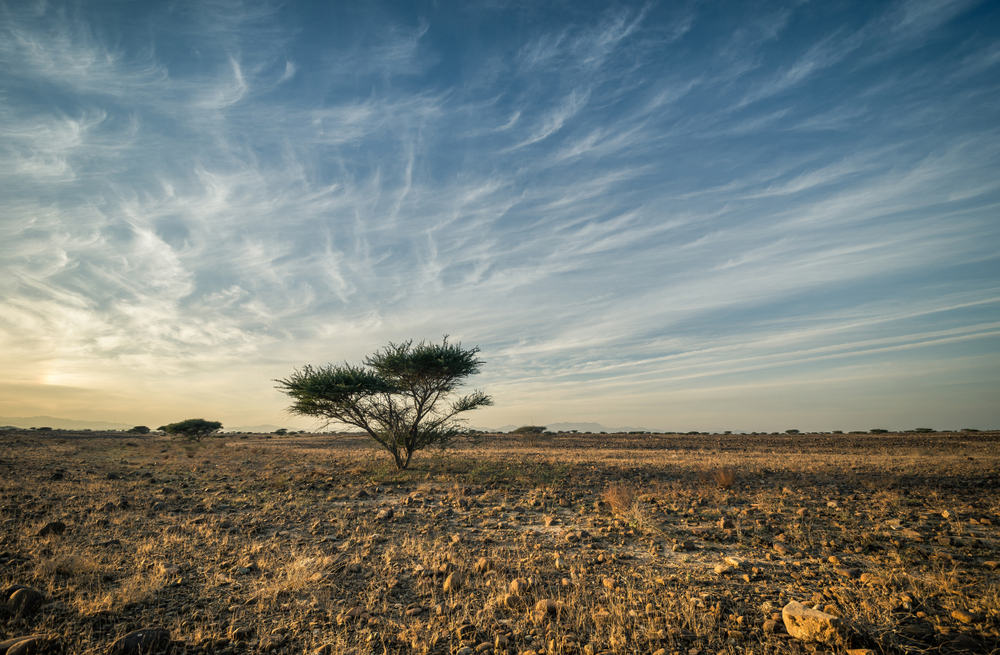
The Cree prophecy warns, “When all the trees have been cut down, when all the animals have been hunted, when all the waters are polluted, only then will you discover you cannot eat money.” This prophecy starkly illustrates the futility of pursuing wealth at the expense of the natural world. It’s a chilling reminder that economic prosperity is meaningless if the planet supporting it is irreparably damaged. The Cree implore people to rethink their priorities and value the Earth’s resources before it’s too late.
A report by the United Nations Environment Programme echoes this warning, emphasizing the unsustainable pace at which we’re depleting natural resources. The Cree prophecy serves as a poignant reminder that the Earth’s riches are finite. Yet, in the rush for economic growth, the dire consequences of resource depletion are often ignored. The message is clear: the time to act is now, before money becomes a poor substitute for a thriving planet.
6. The Lakota Prophecy of the Black Snake

The Lakota people have long spoken of a prophecy involving a Black Snake that will bring great destruction to the land. This prophecy is often associated with pipelines and other forms of infrastructure that threaten the environment. The Black Snake symbolizes modern industry and its potential to devastate ecosystems and Indigenous lands. As the prophecy unfolds, it warns of the consequences of prioritizing economic gain over ecological and cultural preservation.
In recent years, the prophecy gained attention during protests against pipeline constructions that threaten water sources and sacred sites. While technology and infrastructure promise progress, they often come at the expense of Indigenous rights and environmental health. The Lakota prophecy cautions against this narrow vision of progress, urging a balance between development and conservation. Listening to such ancient wisdom could prevent further environmental and cultural devastation.
7. The Maya Prophecy of the 13th Baktun
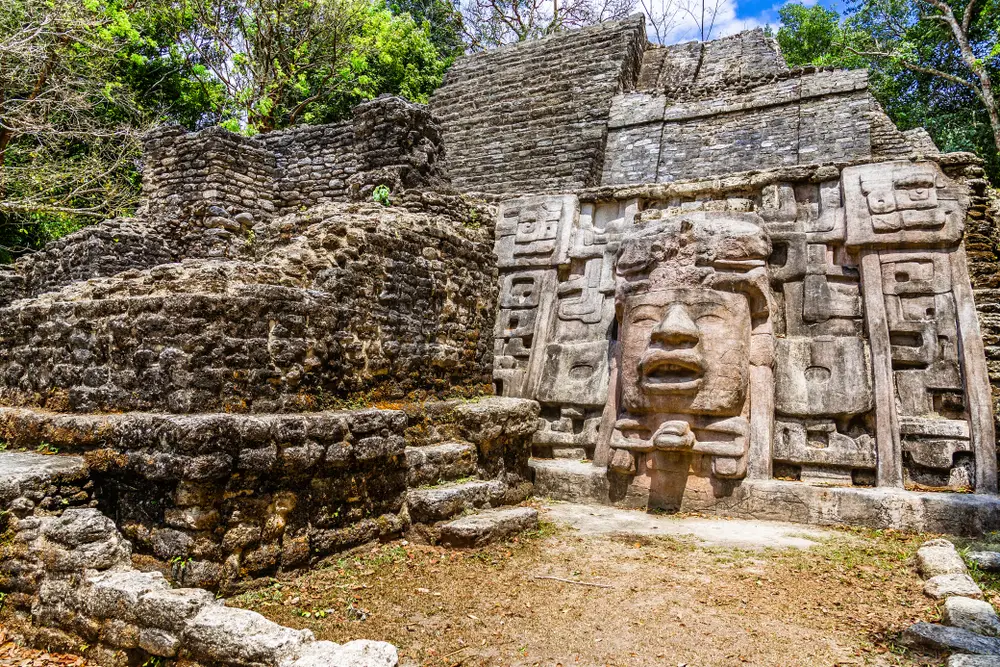
You might recall the buzz around the end of the Mayan calendar in 2012, which marked the end of the 13th Baktun. Contrary to apocalyptic interpretations, many Mayan elders saw this as a time of transformation and renewal. The prophecy was less about the world ending and more about a shift toward a new era of consciousness and environmental awareness. It’s a reminder of the cyclical nature of time and the potential for rebirth.
As explored by anthropologist Dr. David Stuart, Mayan texts emphasize renewal rather than destruction. The 13th Baktun challenges us to reimagine our relationship with the planet and each other. Yet, sensationalized media narratives often overshadow these deeper meanings, reducing complex spiritual teachings to doomsday scenarios. Understanding this prophecy could encourage a more hopeful and proactive approach to our global challenges.
8. The Navajo Prophecy of the Fifth World

The Navajo prophecy of the Fifth World speaks of a future where humanity emerges from a time of darkness into a new phase of enlightenment and balance. This prophecy emphasizes the importance of harmony with nature and the interconnectedness of all life. As we transition into the Fifth World, it challenges people to embrace sustainable practices and spirituality. It’s a call to honor the Earth and each other, fostering a world where both thrive.
In our current era, where disconnection and environmental neglect are rampant, the Navajo prophecy offers a vision of hope and unity. The transition to the Fifth World is not guaranteed — it requires conscious effort and change. However, with the right mindset and actions, this prophecy suggests a brighter future is possible. It’s a timely reminder that the power to transform the world lies within our hands and hearts.
9. The Zuni Prophecy of the Shalako

The Zuni prophecy of the Shalako involves a ceremony marking the end of the harvest and the arrival of spiritual beings who bless the land. This event symbolizes the cyclical nature of life and the need to maintain balance with the Earth. The prophecy highlights the importance of gratitude and reciprocity, urging people to honor the land that sustains them. It’s an invitation to embrace a lifestyle of respect and sustainability.
In today’s fast-paced world, where consumption often overshadows conservation, the Zuni prophecy serves as a timely reminder of our responsibilities. The Shalako ceremony is not just a cultural tradition; it’s a teaching of how to live in accordance with natural rhythms. As people rush through their daily lives, they often forget the importance of pausing and giving thanks. Embracing this mindset could lead to a more mindful and sustainable relationship with the planet.
10. The Maori Prophecy of the Water

The Maori people have a prophecy concerning the importance of water as a life-giving force. This prophecy warns of a time when water will become scarce and polluted, urging people to protect this precious resource. It underscores the vital role of water in sustaining life and the need for collective action to preserve it. In the Maori worldview, water is not just a resource but a living entity deserving of respect and care.
As climate change intensifies, the prophecy’s warnings about water scarcity and pollution become increasingly relevant. The Maori teach that protecting water is a communal responsibility that must transcend borders and cultures. Yet, many societies continue to exploit water sources without considering long-term consequences. Perhaps it’s time we heed the Maori wisdom and prioritize water conservation for the sake of future generations.
11. The Aboriginal Prophecy of the Rainbow Serpent

The Aboriginal prophecy of the Rainbow Serpent speaks to the creation and destruction cycles, emphasizing the need for harmony between people and the land. The Rainbow Serpent is a powerful symbol of both creation and potential devastation if the balance is disrupted. This prophecy highlights the importance of respecting Indigenous knowledge and practices in maintaining ecological equilibrium. It’s a call to recognize and preserve the sacredness of the natural world.
In our pursuit of progress, the lessons of the Rainbow Serpent often go unheard. The prophecy warns of the dangers of exploiting the Earth without regard for its spiritual and ecological significance. As people face unprecedented environmental challenges, the teachings of Indigenous communities like the Aboriginal Australians offer invaluable insights. Embracing these teachings could guide us toward a more balanced and respectful relationship with the planet.
12. The Inuit Prophecy of the Great Change

The Inuit prophecy of the Great Change speaks of a time when the world will undergo significant transformation due to environmental shifts. It warns of melting ice, changing weather patterns, and the disruption of traditional ways of life. This prophecy emphasizes the need to adapt and live in harmony with the changing environment. It’s a call for resilience and innovation in the face of climate change.
As the Arctic faces dramatic changes, the Inuit prophecy becomes more prescient than ever. The melting ice caps and shifting ecosystems are stark reminders of the prophecy’s warnings. While the world grapples with the impacts of climate change, the Inuit offer valuable lessons on adaptation and respect for nature. Perhaps it’s time we listened and learned from those who have long lived in balance with one of the planet’s harshest environments.