
The pet industry markets certain animals as perfect for beginners, low-maintenance, or ideal first pets—claims that leave countless owners unprepared for the reality. These myths aren’t just misleading; they’re actively harmful, resulting in neglected animals, overwhelmed owners, and thousands of pets surrendered or abandoned when the truth becomes undeniable. The gap between marketing promises and actual care requirements destroys the human-animal bond before it has a chance to form.
1. Betta Fish Don’t Need Filters, Heaters, or Real Care
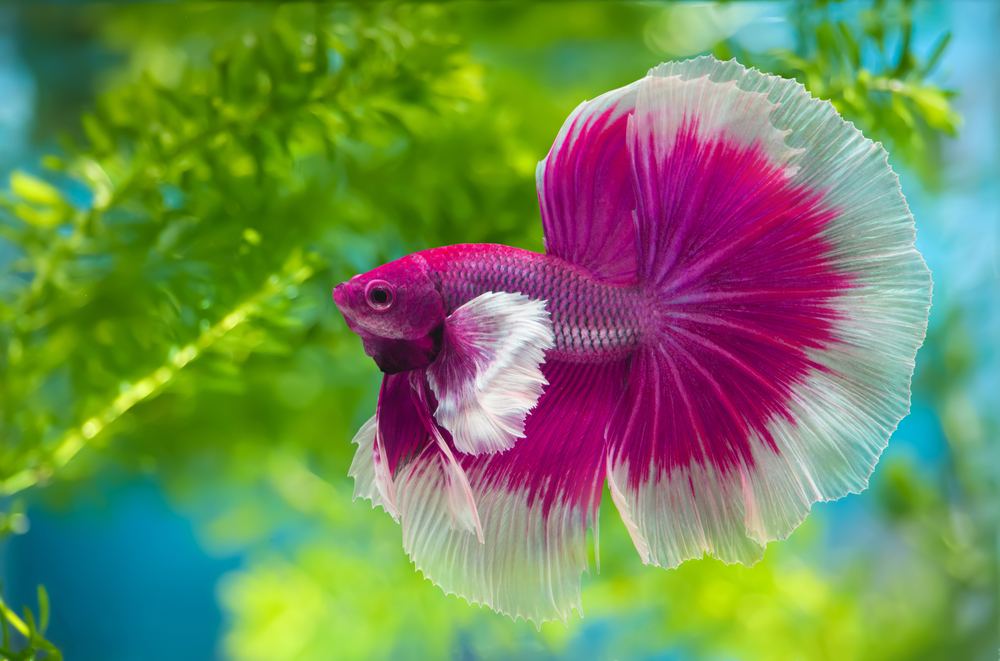
Pet stores sell betta fish in cups with instructions suggesting they can live in unfiltered bowls, surviving on feeding every few days. This myth kills millions of bettas annually as people keep them in stagnant water that burns their gills with ammonia buildup. Bettas actually need heated, filtered tanks of at least 5 gallons with regular water changes, proper cycling, and daily feeding—care requirements comparable to other tropical fish.
The “betta in a vase” aesthetic marketed by home decor creates a torture device, not a habitat. These fish suffer in cold, toxic water, developing fin rot, lethargy, and dying years before their natural lifespan. The myth persists because bettas survive terrible conditions longer than they should, creating the illusion that minimal care is acceptable when actually the fish is slowly dying in front of you.
2. Hamsters Are Perfect Starter Pets for Young Children
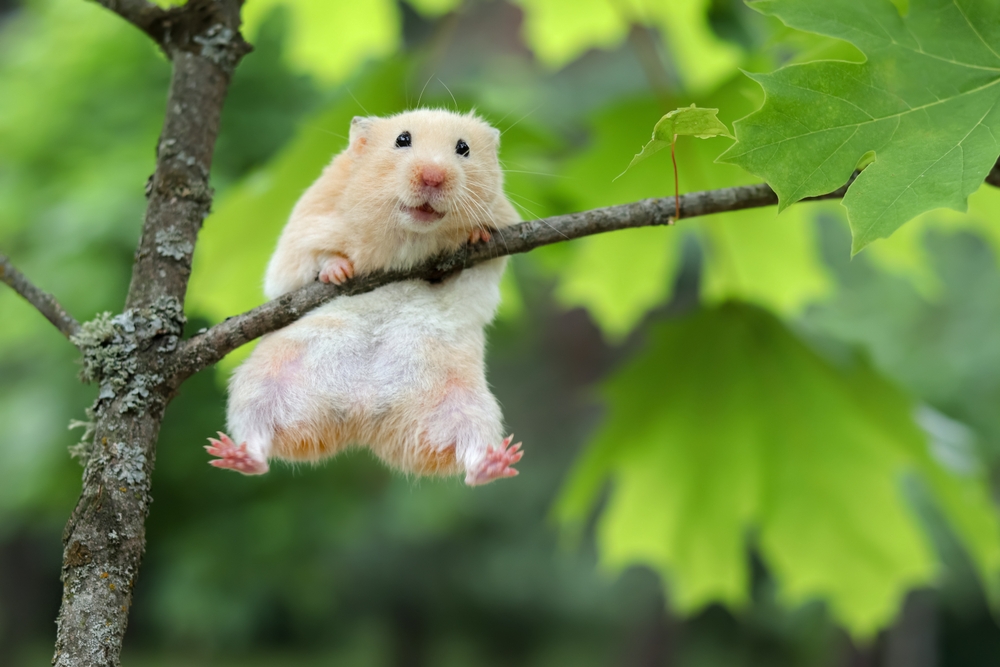
Hamsters are marketed as ideal first pets for kids, but they’re actually nocturnal animals that bite when awakened during the day and are too fragile for young children to handle safely. Children who want to play with their hamster during the day are waking a sleeping animal, triggering defensive biting that traumatizes kids and gets hamsters labeled as “mean.” The animal’s natural behavior is completely incompatible with a child’s schedule and desire for interaction.
Hamsters also require larger cages than pet stores suggest—minimum 450 square inches of continuous floor space—making the tiny cages marketed for them completely inadequate. They need deep bedding for burrowing, wheels of appropriate size, and enrichment that most owners never provide. The myth that they’re easy leads to hamsters living in too-small cages, dying from improper handling, or being neglected when kids lose interest in a pet they can’t play with.
3. Rabbits Are Low-Maintenance Outdoor Pets
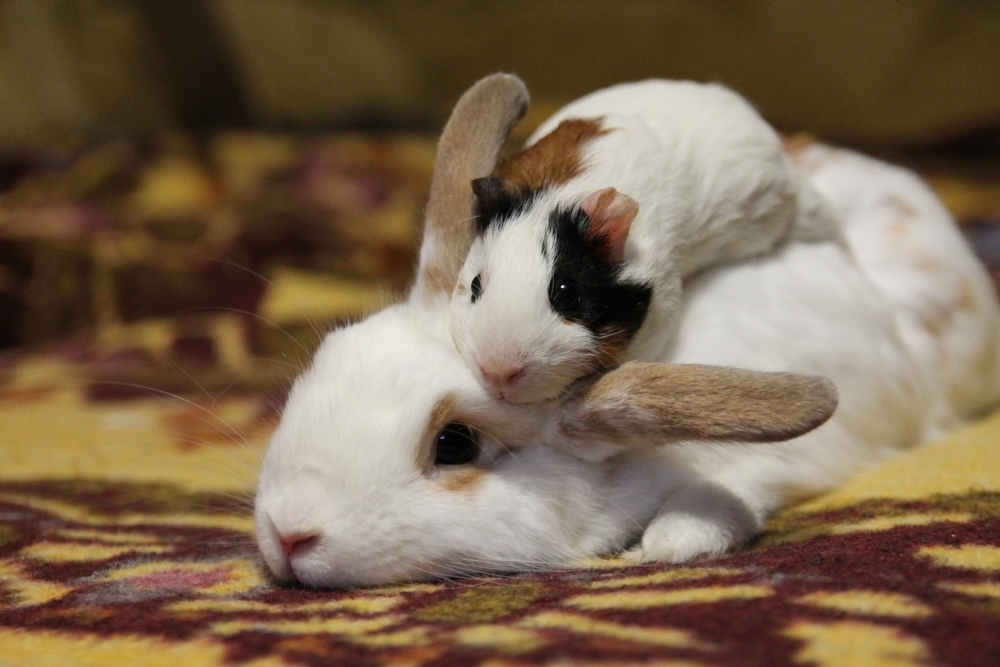
The myth that rabbits can live outside in hutches kills rabbits through temperature extremes, predator attacks, and neglect from the “out of sight, out of mind” phenomenon. Rabbits are actually fragile prey animals that need indoor housing, extensive daily exercise, specialized veterinary care, and complex diets. They’re as demanding as dogs in terms of space, time, and expense, but are marketed as simple cage animals children can care for independently.
Rabbits need rabbit-savvy vets who can spay/neuter them (essential for behavior and health), their diet requires specific hays and fresh vegetables, and they’re prone to deadly GI stasis that requires emergency care. They live 10-12 years when properly cared for but most die within 2-3 years from improper care based on the “easy outdoor pet” myth. The animals suffer in isolation, inadequate housing, and without proper medical care because owners believed they were buying a low-maintenance first pet.
4. Goldfish Can Live in Bowls and Don’t Need Much
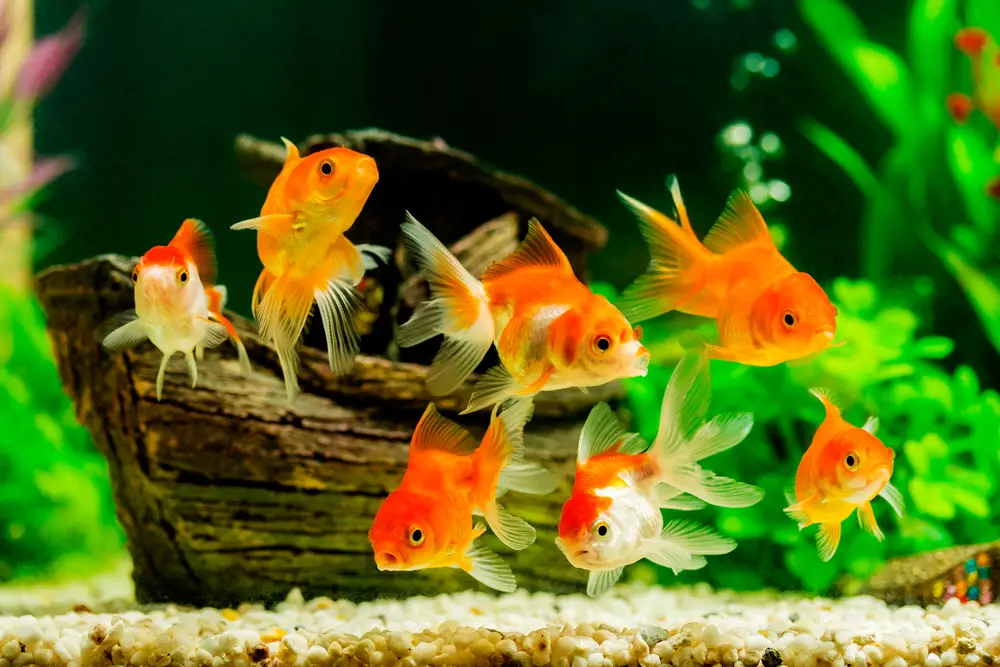
Goldfish are marketed as the ultimate disposable starter pet that lives in bowls, but they actually need massive tanks—minimum 30-40 gallons for fancy varieties and 55+ gallons for common goldfish. They produce enormous amounts of waste requiring serious filtration, can live 10-20+ years with proper care, and many species grow 6-12 inches long. The bowl setup kills goldfish through ammonia poisoning within months.
The “carnival goldfish in a bowl” image is so pervasive that people genuinely don’t know goldfish are serious aquarium fish with substantial care needs. They’re messy, need high-quality filtration, regular water changes, and proper tank cycling. Most goldfish die from stunted growth in inadequate tanks, ammonia burns, and poor water quality—suffering that’s completely preventable but continues because the myth that they’re disposable pets persists.
5. Hermit Crabs Survive on Commercial Food and Don’t Need Much Care
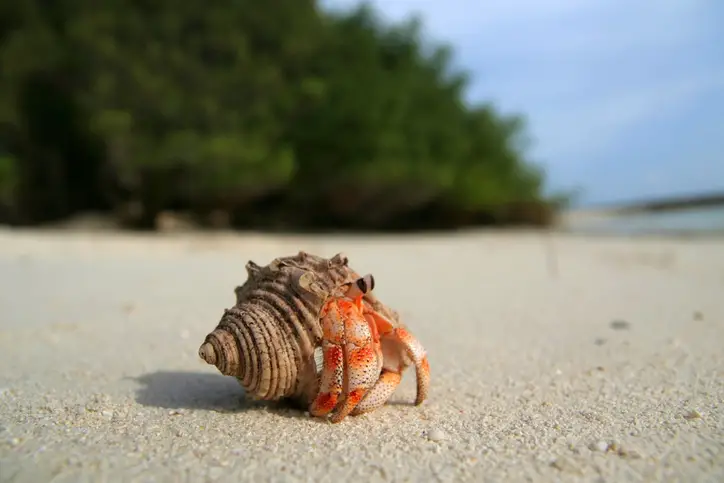
Pet stores sell hermit crabs in tiny plastic carriers with commercial pellet food, creating the impression they’re minimal-care novelty pets. The reality is hermit crabs need properly maintained humidity and temperature, deep substrate for molting, shells in multiple sizes, fresh and saltwater pools, and varied fresh foods. The commercial setups kill crabs within months through desiccation, failed molts, and malnutrition.
Hermit crabs can live 10-30 years in proper conditions but most die within a year in pet homes because owners don’t know their actual requirements. They need groups for social interaction, large enclosures with 6+ inches of substrate, precise humidity levels, and diet variety that pellets can’t provide. The myth that they’re easy disposable pets means millions die annually from care based on pet store instructions that are fundamentally inadequate.
6. Cats Are Independent and Don’t Need Much Attention
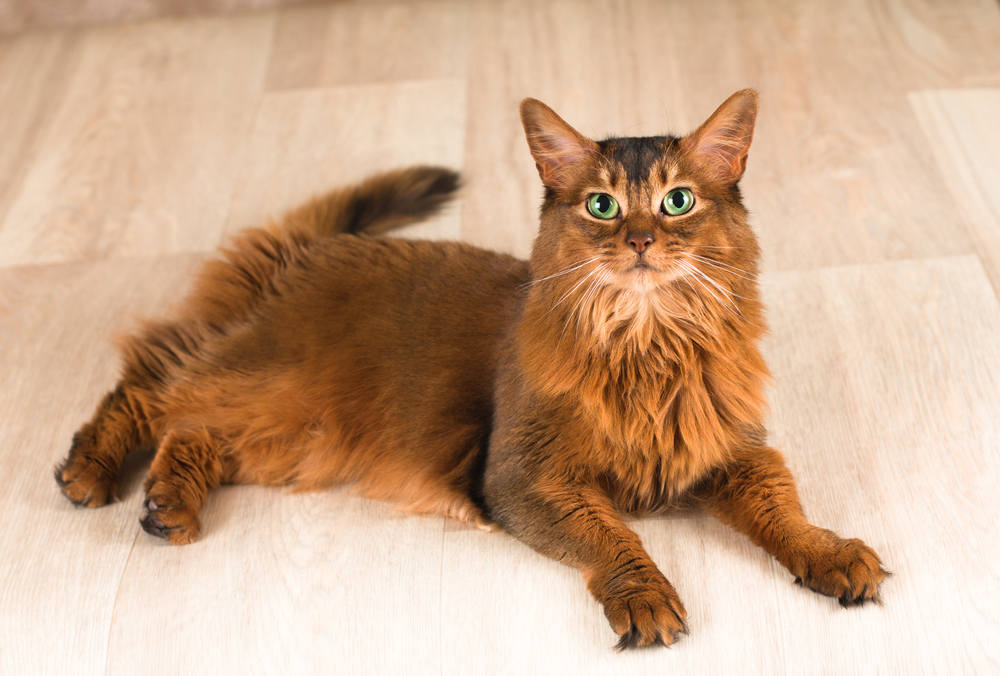
The myth that cats are independent, low-maintenance pets leads to behavioral problems, obesity, and psychological issues from neglect. Cats need daily interactive play, mental stimulation, enrichment, and social interaction—not just food and a litter box. The “independent” label makes people think cats can be left alone for days with just automatic feeders, when actually they suffer from loneliness and boredom like any social animal.
Cats develop behavioral problems—aggression, inappropriate elimination, destructive behavior—when their needs aren’t met, and owners blame the cat for being “bad” rather than recognizing they’re not providing adequate care. Single indoor cats without enrichment, play, or interaction develop depression and obesity. The myth creates millions of miserable cats and frustrated owners who thought they were getting a pet that basically takes care of itself.
7. Turtles Live in Small Tanks and Eat Pellets
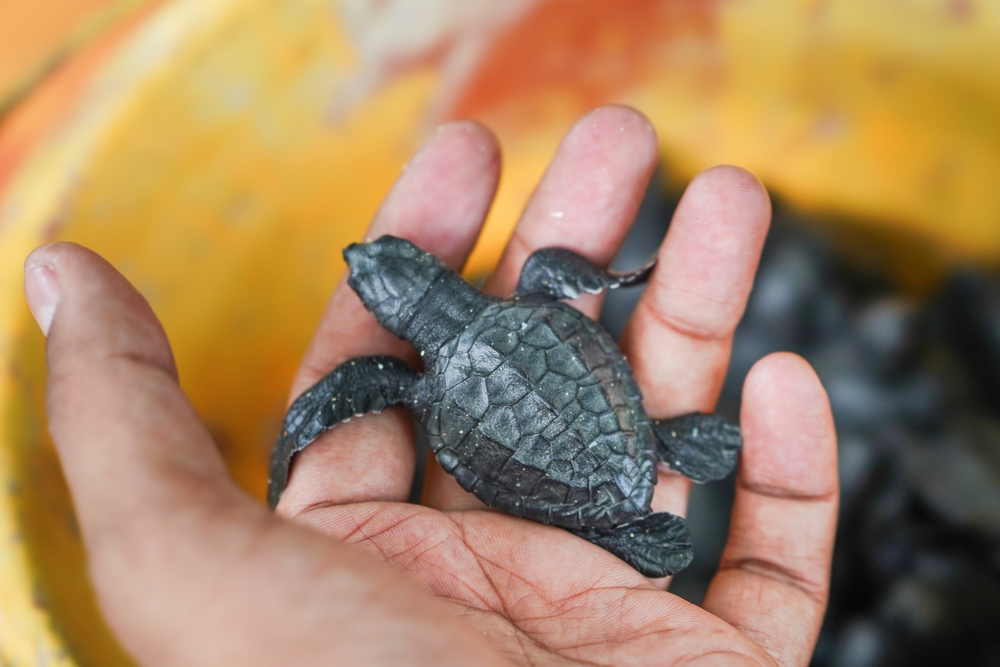
Baby turtles are sold in tiny tanks with feeding platforms, creating the illusion they’re simple pets with minimal space needs. Most aquatic turtles grow 8-12 inches and need tanks of 75-120+ gallons with proper filtration, basking areas, UVB lighting, and heaters. The small setups cause shell deformities, metabolic bone disease, and premature death from inadequate conditions owners believed were appropriate.
Turtles can live 20-40+ years and require commitment comparable to large parrots, but they’re marketed as easy children’s pets. They need varied diets including live food, not just pellets, and specialized veterinary care from reptile vets. The gap between the $20 setup pet stores sell and the $500+ proper setup turtles actually need is enormous, and most turtles suffer in inadequate conditions or get rehomed when owners realize the real requirements.
8. Guinea Pigs Can Live Alone in Store-Bought Cages
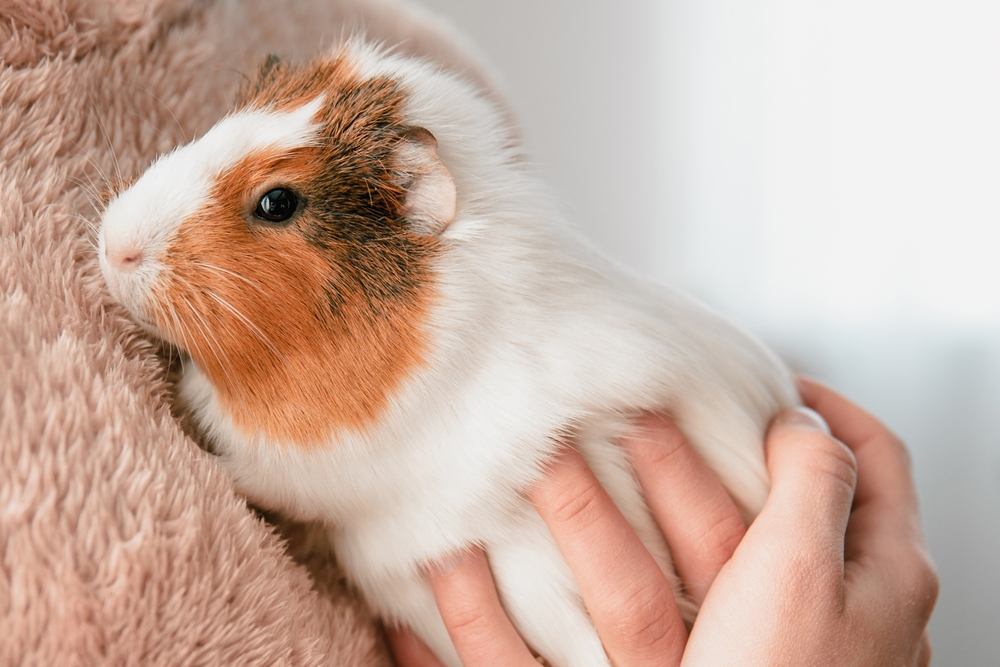
Guinea pigs are social animals that become depressed and develop health problems when kept alone, but they’re often sold singly in cages far too small for even one pig. They need companions—preferably pairs or groups—and a minimum 8-10 square feet of living space, making the 4-square-foot cages marketed for them cruelly inadequate. The myth that they’re simple cage pets leads to isolated, miserable guinea pigs in tiny prisons.
Guinea pigs also need constant access to hay, daily fresh vegetables, and vitamin C supplementation that most owners don’t provide. They hide illness extremely well as prey animals, dying from treatable conditions because owners didn’t notice symptoms until too late. The “easy first pet for kids” marketing creates situations where guinea pigs live alone in too-small cages without proper diet or medical care, suffering from preventable problems.
9. Parakeets Are Easy Starter Birds That Don’t Need Much
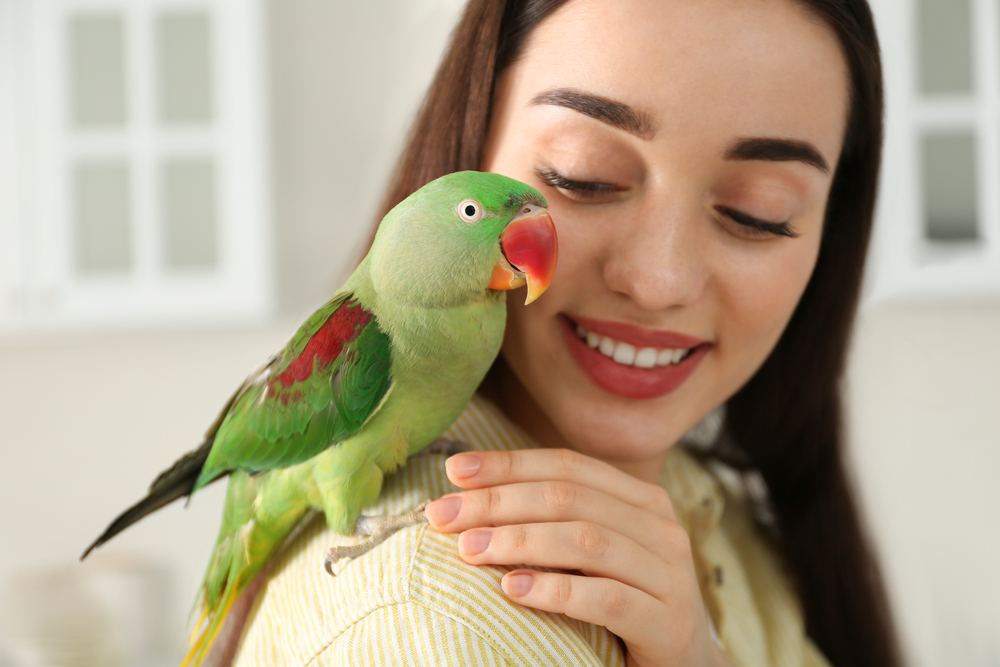
Parakeets (budgies) are marketed as simple first birds, but they need large cages, daily out-of-cage flight time, social interaction, mental stimulation, and specialized avian veterinary care. Most live in cages too small to even stretch their wings, with nothing but a mirror for company and a seed-only diet that causes malnutrition. They’re smart, social animals reduced to decorative objects because of the “easy bird” myth.
Parakeets can live 10-15+ years and need companions, enrichment, proper diet with vegetables and pellets, and thousands of dollars in potential vet care. The myth that they’re low-maintenance creates birds with behavioral problems from loneliness, obesity from seed diets, and untreated illnesses because owners don’t realize birds need specialized vets. Most parakeets die young in inadequate conditions their owners genuinely believed were appropriate.
10. Leopard Geckos Are “Set It and Forget It” Reptiles
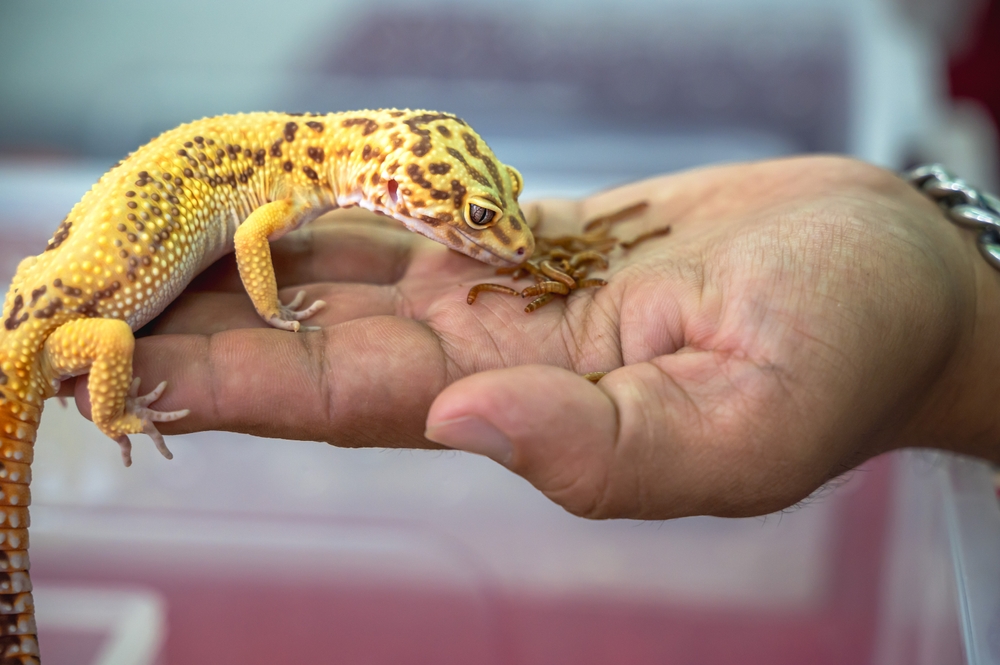
Leopard geckos are marketed as the perfect beginner reptile requiring minimal care, but they need proper heating gradients, specific substrate, varied diet of live insects, calcium supplementation, and appropriate enclosure size. The minimalist setups pet stores recommend—small tanks with heat mats and sand substrate—cause impaction, metabolic bone disease, and temperature-related health problems.
These geckos can live 15-20 years and develop complex health issues requiring specialized reptile veterinary care that’s expensive and difficult to access. The myth that they’re hardy and forgiving leads to geckos suffering from metabolic bone disease, impaction from improper substrate, and inadequate heating. Owners who bought them as “easy” pets can’t afford or don’t seek proper vet care because they thought they were buying a low-maintenance animal.
11. Ferrets Are Like Cats and Basically Care for Themselves
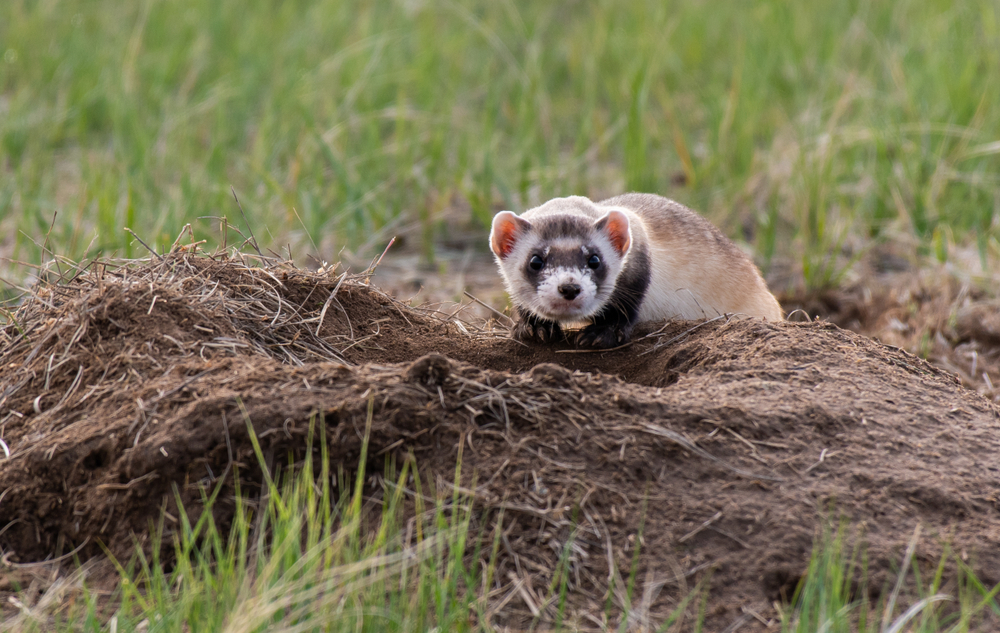
Ferrets require more daily attention and care than dogs, needing hours of supervised play, ferret-proofing of play areas, specialized high-protein diets, and frequent veterinary care for common health issues. They’re marketed as cat-like pets but actually need dog-level commitment plus the specialized care requirements of exotic animals. The “easy exotic pet” myth creates ferrets living in cages most of the time, developing behavioral problems and obesity.
Ferrets are prone to multiple serious health conditions—adrenal disease, insulinoma, lymphoma—requiring thousands in veterinary care. They can’t be litter trained reliably like cats despite marketing claims, they smell even when descented, and they need groups for social interaction. The gap between the marketed image and reality leads to thousands of ferrets in rescues, surrendered when owners realize they’re expensive, demanding, and nothing like the easy pet they were promised.
12. Ball Pythons Eat Once a Week and Need Nothing Else
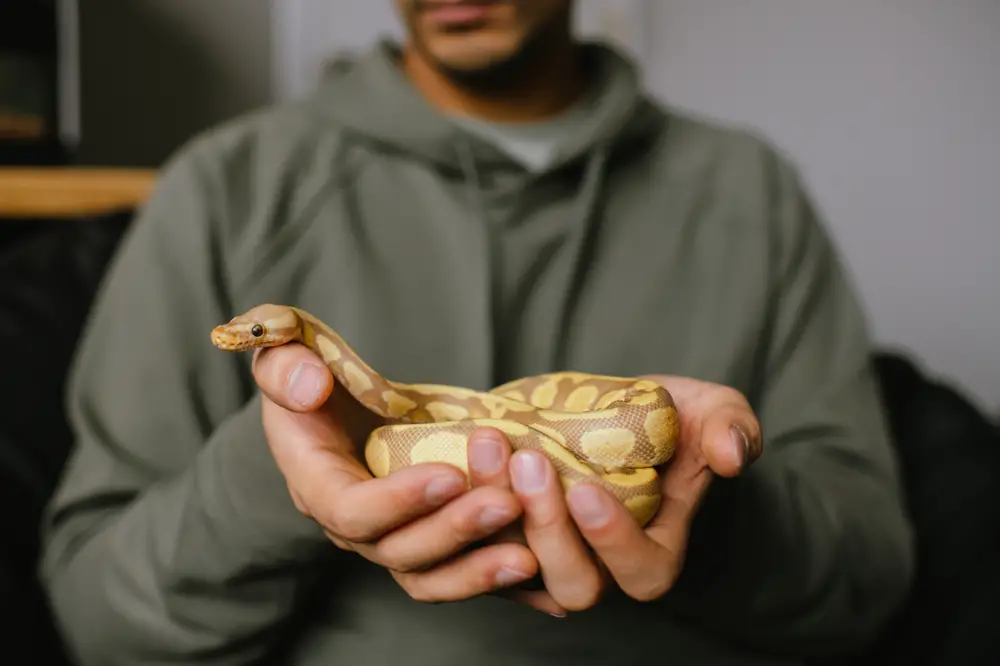
Ball pythons are sold as the ultimate low-maintenance pet that eats weekly and otherwise requires no interaction, when actually they need proper temperature gradients, humidity control, appropriately sized enclosures, hides, and regular handling for socialization. They’re notorious for refusing food during stress or improper conditions, leading to weeks or months of anxiety for owners who thought feeding would be simple.
These snakes live 20-30+ years and require long-term commitment that marketing doesn’t mention. They need accurate temperature and humidity monitoring with proper equipment, not the basic setups pet stores sell. Ball pythons develop respiratory infections, mites, and other health problems in the minimal setups marketed for them, and many become defensive or refuse to eat due to stress from inadequate care.
13. Corn Snakes Are Perfect For Kids Who Want Reptiles
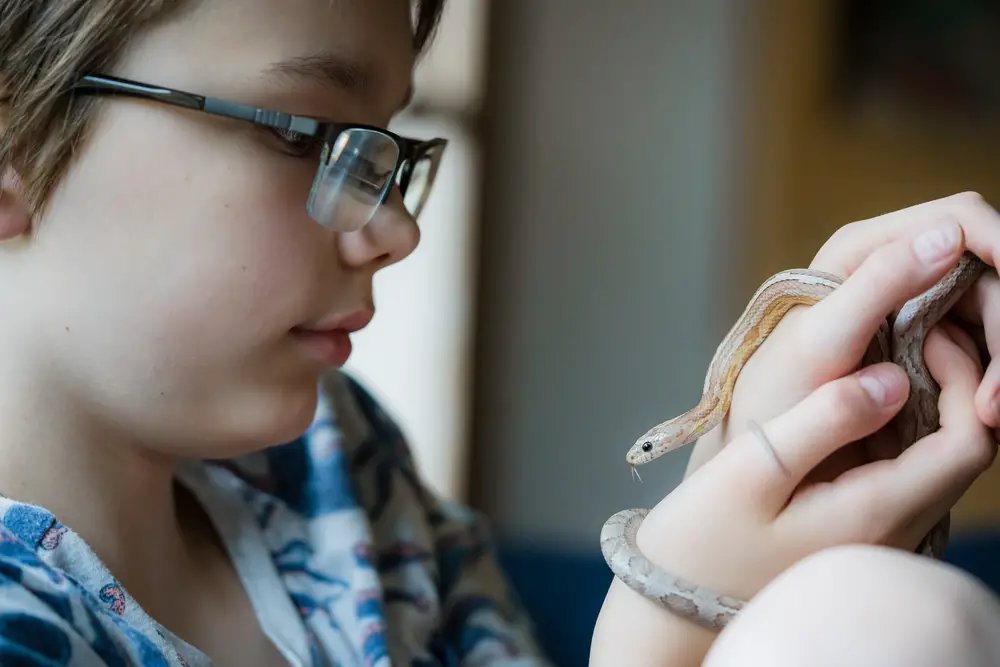
Corn snakes are marketed as ideal first snakes for children, but kids rarely want pets they can only hold occasionally and must feed dead mice. The reality of snake ownership—feeding frozen rodents, maintaining temperature gradients, handling an animal that doesn’t show affection—disappoints children expecting interactive pets. Parents end up doing all the care for animals their kids lost interest in within months.
Corn snakes also need larger enclosures than marketed—minimum 40 gallons for adults—with proper heating, hides, and enrichment. They live 15-20+ years, outlasting most children’s interest in pets. The “easy starter snake” myth creates situations where snakes live in inadequate conditions cared for by resentful parents after kids moved on, or they’re rehomed to rescues overwhelmed with unwanted reptiles.
14. Mice Are Tiny and Easy to Care For

Mice are marketed as small, easy cage pets but actually need large enclosures with extensive enrichment, social groups, and daily care that exceeds what most owners provide. They’re extremely smart and active, requiring wheels, climbing structures, foraging opportunities, and mental stimulation. The tiny cages marketed for them cause severe stress, repetitive behaviors, and aggression from inadequate space and enrichment.
Mice also have strong scent that requires frequent cage cleaning despite their small size, and males often can’t be housed together due to aggression. They’re prone to tumors and respiratory issues requiring vet care that many owners don’t provide because they’re considered disposable pets. The lifespan of 1.5-3 years seems short, but it’s too long for most people who bought them as easy pets and realized within weeks they’re demanding and smelly.
15. Bearded Dragons Are “Hardy” Beginner Lizards
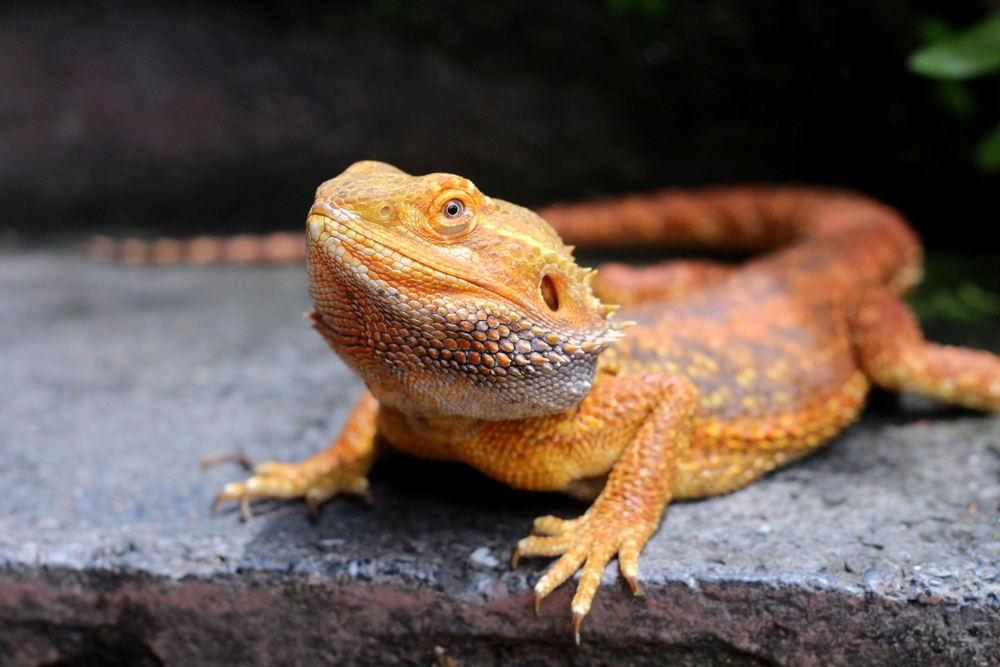
Bearded dragons are marketed as bulletproof starter reptiles, but they need UVB lighting (expensive bulbs requiring regular replacement), specific temperature gradients, varied live insect diets, vegetables, calcium supplementation, and large enclosures. The basic setups pet stores sell lack proper UVB, leading to metabolic bone disease that cripples and kills dragons while owners think they’re providing adequate care.
These lizards can live 10-15 years and commonly develop health problems from improper care—impaction, metabolic bone disease, respiratory infections, parasites. They need specialized reptile vets and hundreds to thousands in potential medical costs. The “hardy” label creates complacency, with owners not seeking care for sick dragons or not providing proper lighting because they believed bearded dragons can tolerate substandard conditions.
16. Rats Are Just Bigger Mice With Similar Care
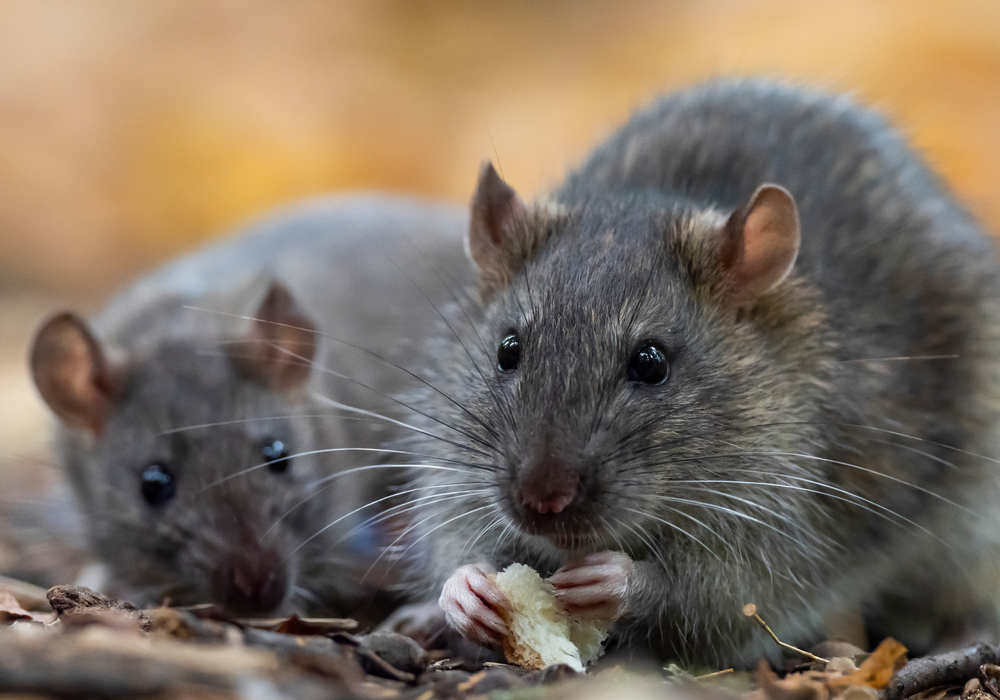
Rats need significantly more space, social interaction, and mental stimulation than mice, requiring enclosures of 2-3+ cubic feet per rat and extensive climbing opportunities. They’re highly intelligent and social, becoming depressed and developing behavioral problems when kept alone or in inadequate housing. The myth that they’re “easy pocket pets” leads to rats in hamster cages, alone, with minimal enrichment—conditions that create miserable animals.
Rats are prone to respiratory issues and tumors requiring veterinary care that costs more than the rats themselves, making owners question whether to treat or euthanize. They live only 2-3 years, but those years require daily interaction, cage cleaning, enrichment rotation, and potential medical expenses. The “easy, smart pet” marketing attracts people to their intelligence but doesn’t prepare them for the care demands that intelligence requires.
17. Chinchillas Are Like Rabbits But Easier
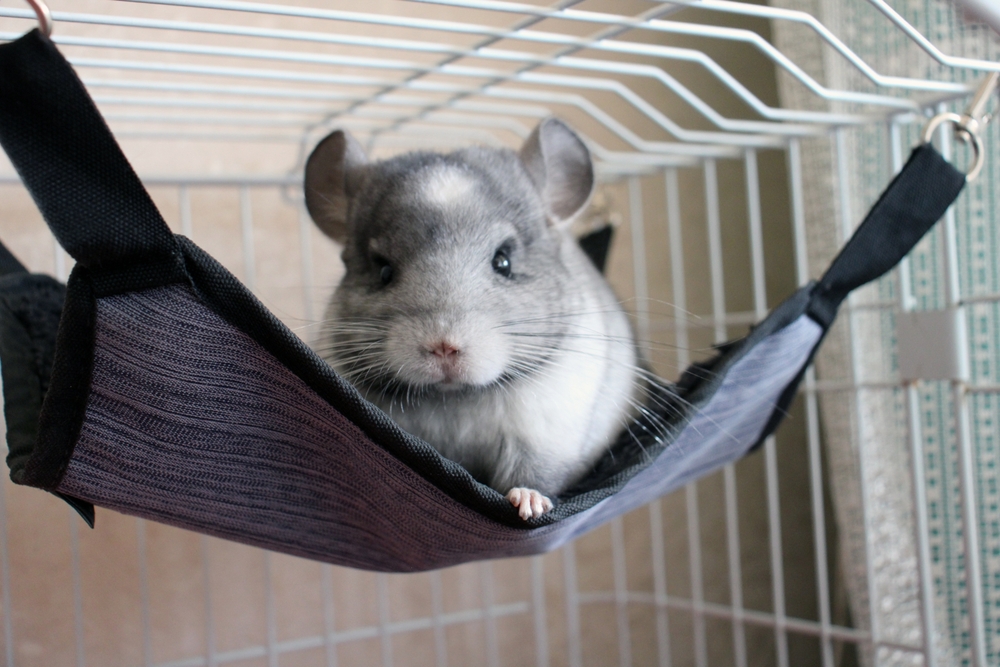
Chinchillas need temperature-controlled environments (ideally below 70°F), dust baths, specialized diets, large multi-level cages, and they live 15-20 years—making them long-term, demanding pets despite being marketed as simple exotics. They overheat easily, requiring air conditioning year-round in most climates, an ongoing expense not mentioned in care sheets. They can’t get wet, need specific dust for bathing, and their dietary needs are rigid and unforgiving.
Chinchillas also have complex social needs, requiring either extensive daily interaction or same-sex pairs, and they’re active at dawn and dusk, not during typical human waking hours. They’re destructive chewers requiring chin-proofed play areas, and they’re prone to dental problems, GI stasis, and heat stroke. The myth that they’re easy exotic pets creates situations where chinchillas suffer in too-hot environments, alone, in inadequate cages, from owners who thought they were buying a fluffy rabbit alternative.