
Finding a snake in your home triggers instant panic for most people, leading to dangerous decisions made in the heat of the moment. Wildlife experts and herpetologists emphasize that most indoor snake encounters end badly because of human error rather than snake aggression. Understanding what not to do can prevent bites, injuries, and unnecessary harm to both you and the snake.
1. Don’t Try to Kill It
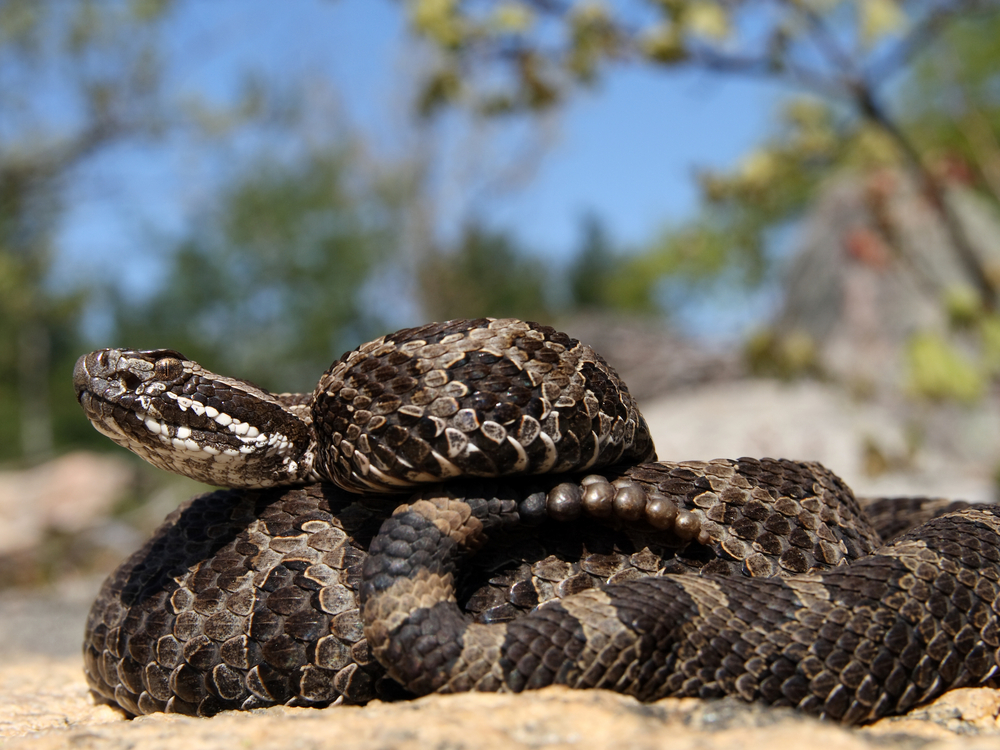
Attempting to kill a snake is when most bites occur, as the snake defends itself from what it perceives as a lethal attack. Experts report that the majority of venomous snake bites happen when people try to kill or capture snakes rather than during accidental encounters. Even “dead” snakes can bite through reflex action for up to an hour after death, and decapitated heads retain the ability to envenom.
Killing the snake also eliminates your ability to get it identified, which is crucial if someone does get bitten and needs appropriate antivenin. Most snakes found in homes are non-venomous and beneficial for controlling rodents and insects. The danger you’re trying to eliminate by killing it is actually far lower than the danger you create by attacking it.
2. Don’t Corner It or Block Its Escape Routes
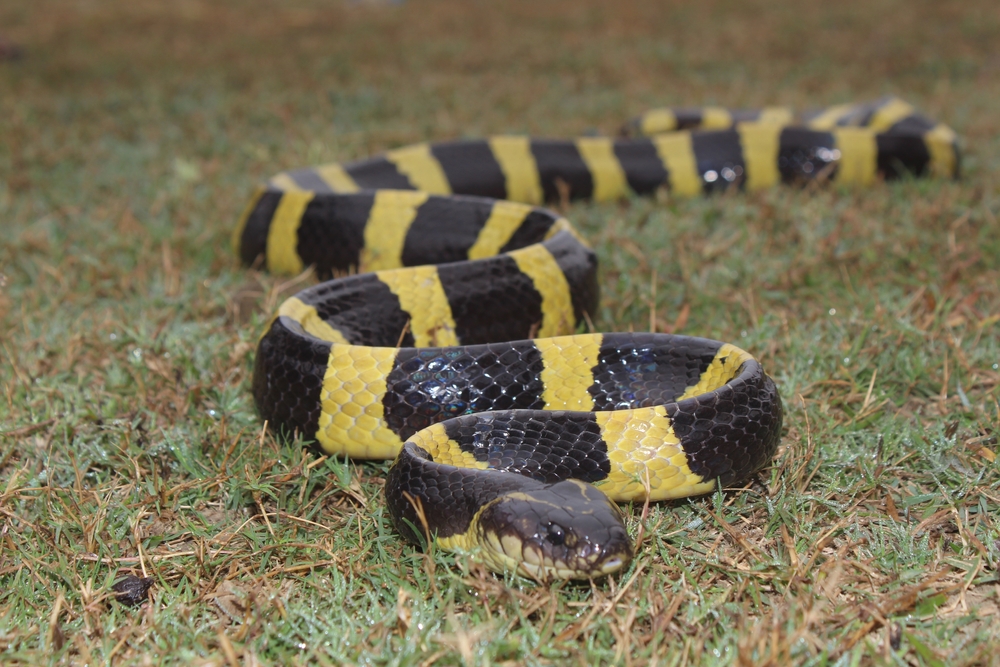
Cornering a snake triggers defensive behavior and makes biting far more likely than if you give it space to escape. Snakes inside homes are usually there by accident and want to leave as much as you want them gone. Blocking doorways or trapping the snake in a small space eliminates its flight option, leaving it only with fight.
Experts recommend opening doors and windows and then giving the snake a clear path out while you stay at a safe distance. Most snakes will take an obvious exit if given the opportunity and left alone. Creating escape routes and then backing away is far safer than any attempt to capture or remove the snake yourself.
3. Don’t Try to Identify It by Getting Close
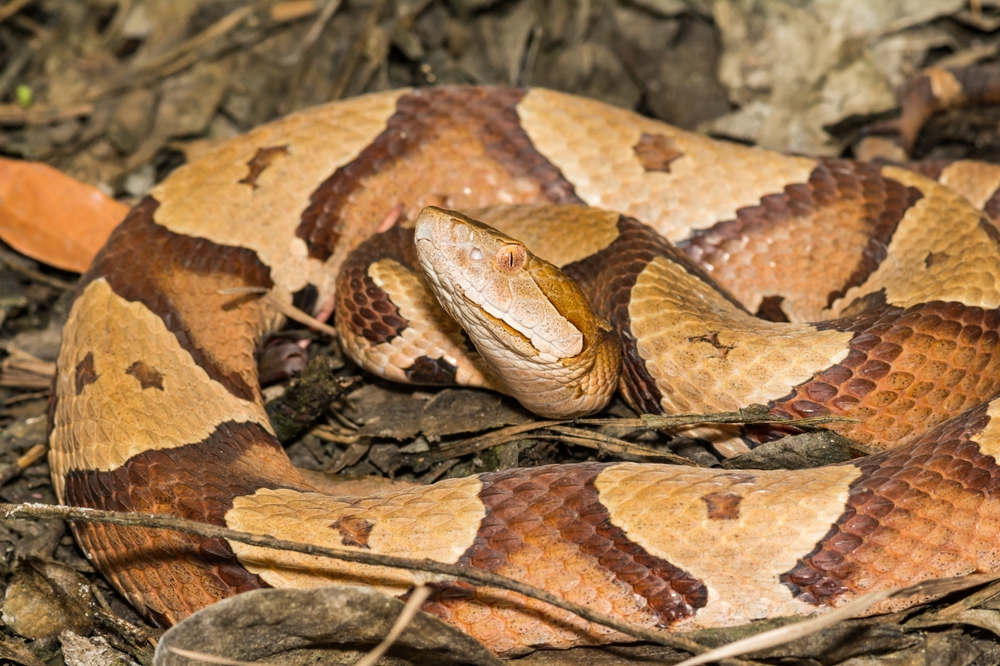
Many people get bitten trying to get close enough to photograph or identify a snake, putting themselves in striking range unnecessarily. Snake identification should be done from a safe distance of at least 10 feet, and even then, positive identification requires expertise most people don’t have. Venomous and non-venomous snakes can look remarkably similar, and regional variations make visual identification unreliable.
If you need the snake identified, take photos with a zoom lens or from across the room and send them to local wildlife authorities or herpetologists. Getting within striking distance to see head shape or other identifying features is exactly how experienced snake handlers get bitten. Distance and expert consultation are always safer than personal inspection.
4. Don’t Use Garden Tools or Makeshift Weapons
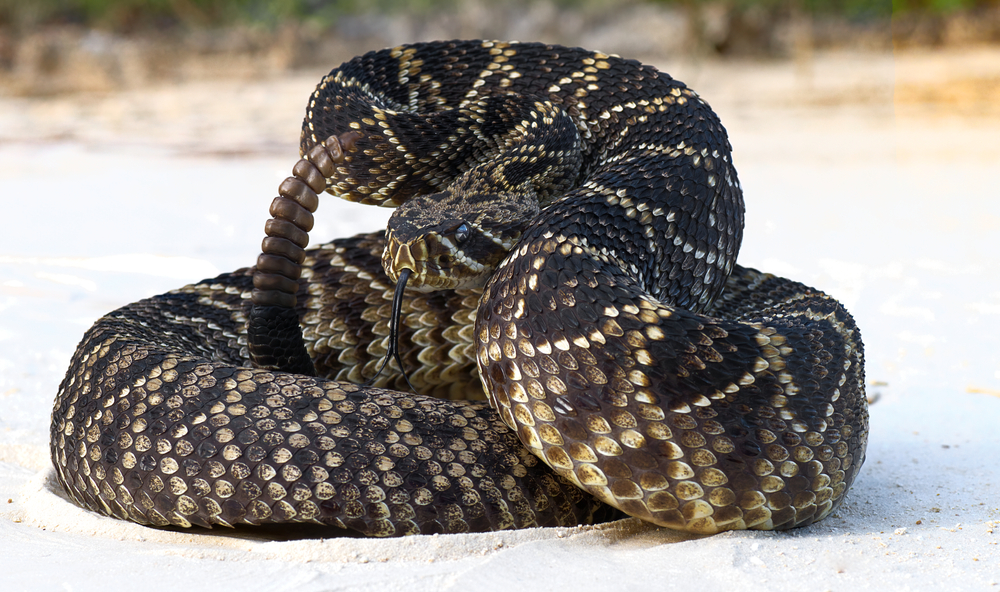
Swinging brooms, shovels, or other long tools at a snake rarely works and often results in bites when the snake strikes at the moving object. These attempts usually injure the snake without killing it, creating a wounded, defensive animal that’s even more dangerous. The striking range of some snakes exceeds the length of a standard broom, meaning you’re closer than you think.
Even if you manage to hit the snake, injured snakes become unpredictable and may move into harder-to-reach areas of your home. Tools also give people false confidence, encouraging them to get closer than they would otherwise. Wildlife experts universally advise against DIY removal attempts with household items—the risk far outweighs any potential benefit.
5. Don’t Spray It With Chemicals or Water
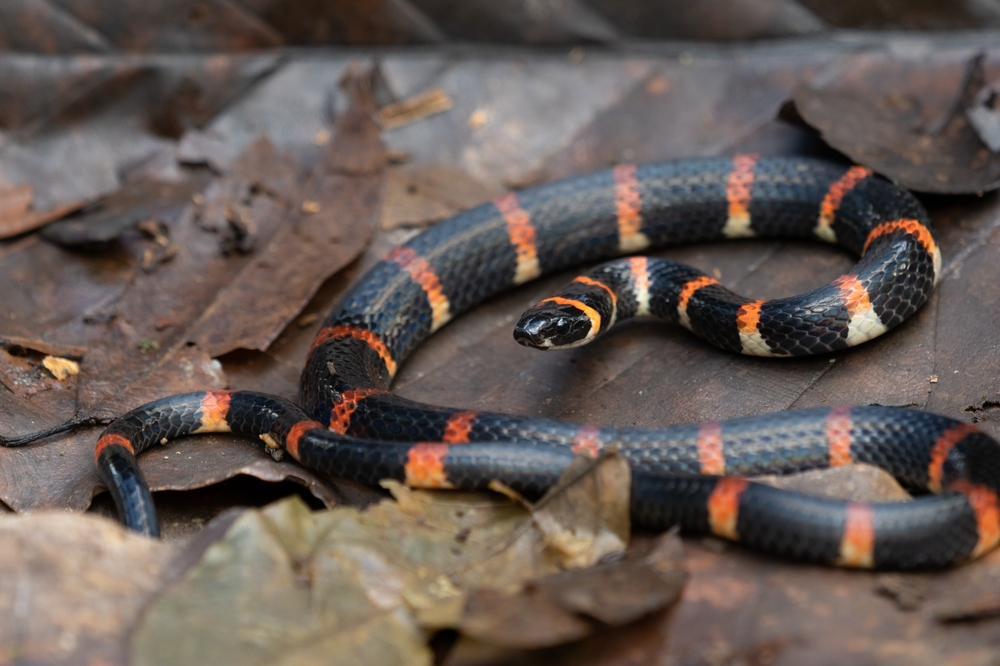
Spraying snakes with household chemicals, pesticides, or water escalates the situation without effectively removing the snake. Chemicals can injure the snake and cause it to seek shelter deeper in your home where it’s harder to find and remove. Snakes don’t respond to chemical deterrents the way insects do, and you’re likely just creating a contaminated, angry snake.
Water from hoses or spray bottles similarly agitates snakes without driving them away. These tactics often result in the snake moving under furniture, into walls, or behind appliances where professional removal becomes necessary anyway. Experts emphasize that irritating the snake only makes a manageable situation more dangerous and complicated.
6. Don’t Handle It, Even If You Think It’s Non-Venomous
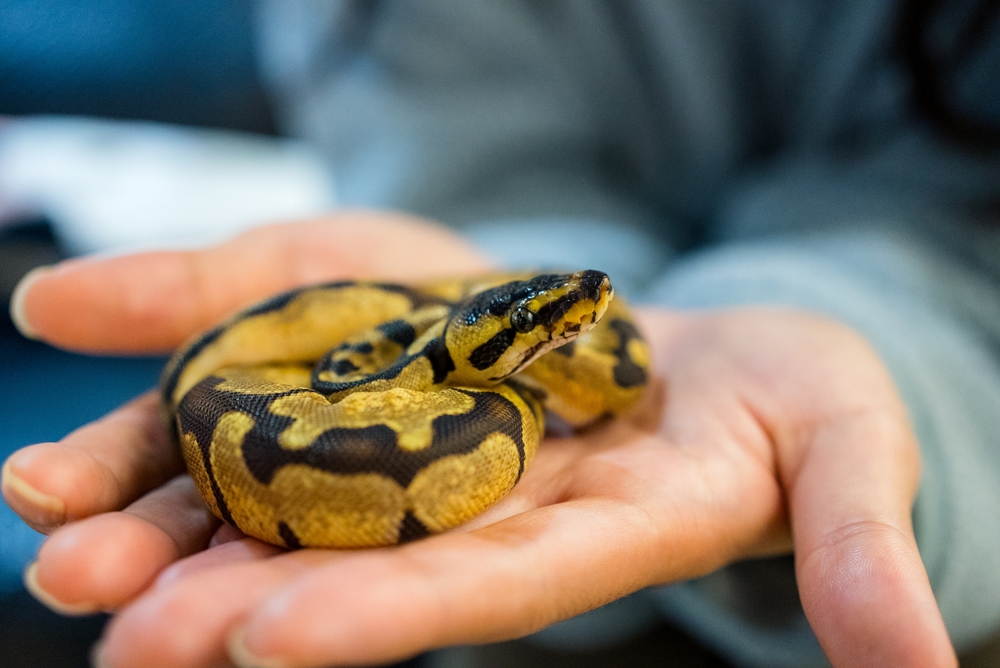
Even non-venomous snake bites can cause serious infections, allergic reactions, and injuries requiring medical attention. Many “harmless” snakes have bacteria in their mouths that causes severe infections in bite wounds. Amateur identification is frequently wrong, and people have been seriously envenomed by snakes they confidently misidentified as harmless species.
Handling any snake requires training and proper equipment that most homeowners don’t possess. Snakes can strike faster than human reaction time, and their flexibility means they can bite from positions that seem safe. Even experienced herpetologists use tools and protective equipment—bare-handed capture should never be attempted by untrained individuals.
7. Don’t Let Pets or Children Near It

Dogs and cats instinctively investigate or attack snakes, putting themselves and family members at risk of bites. A pet attacking a snake often gets bitten multiple times, and venomous bites to pets can be fatal. Children who see adults panicking may approach the snake out of curiosity or attempt to “help” in ways that increase danger.
Immediately secure pets in another room and ensure children are far away and supervised. Pet hospital bills for snake bites can run thousands of dollars, and the trauma to the animal is severe. The snake also becomes more agitated and defensive after being attacked by pets, making subsequent removal more dangerous.
8. Don’t Try to Pick It Up With Your Bare Hands
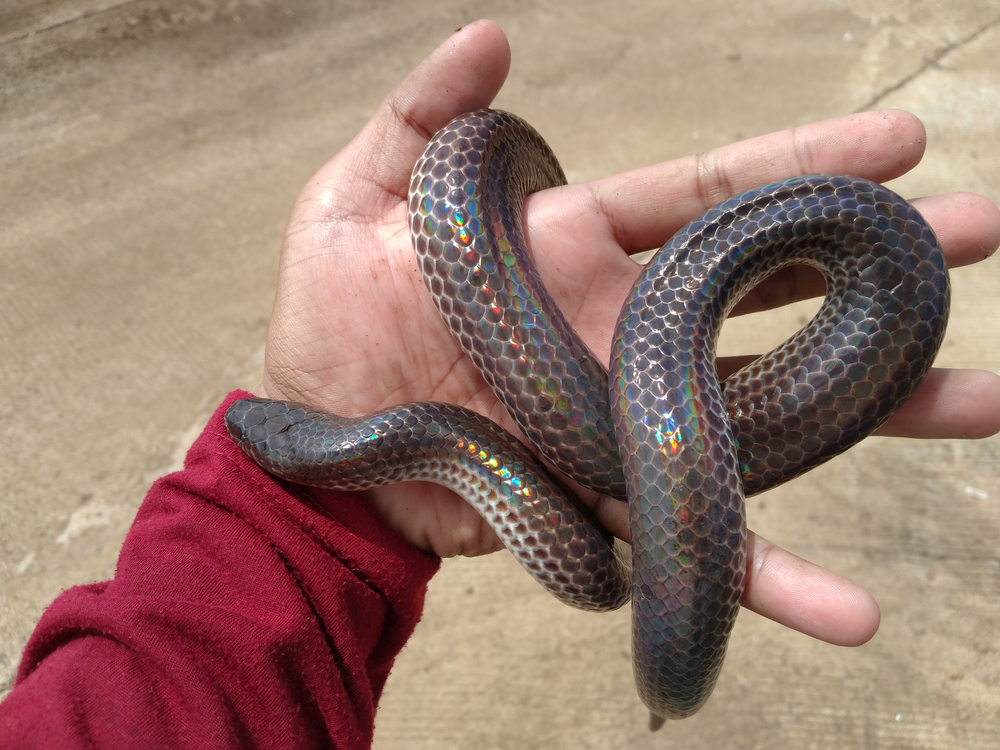
Bare-handed snake capture is how most serious bites occur, even with non-venomous species. Snakes are incredibly strong and flexible, capable of twisting around to bite hands that are holding their bodies. What seems like a secure grip can change in an instant as the snake coils and strikes.
Temperature, stress, and individual snake temperament all affect how a snake responds to handling. Even “docile” species will bite when frightened or defending themselves. Professional snake handlers use hooks, tongs, and bags specifically designed for safe capture—tools that exist precisely because bare-handed capture is so dangerous.
9. Don’t Assume It’s Alone
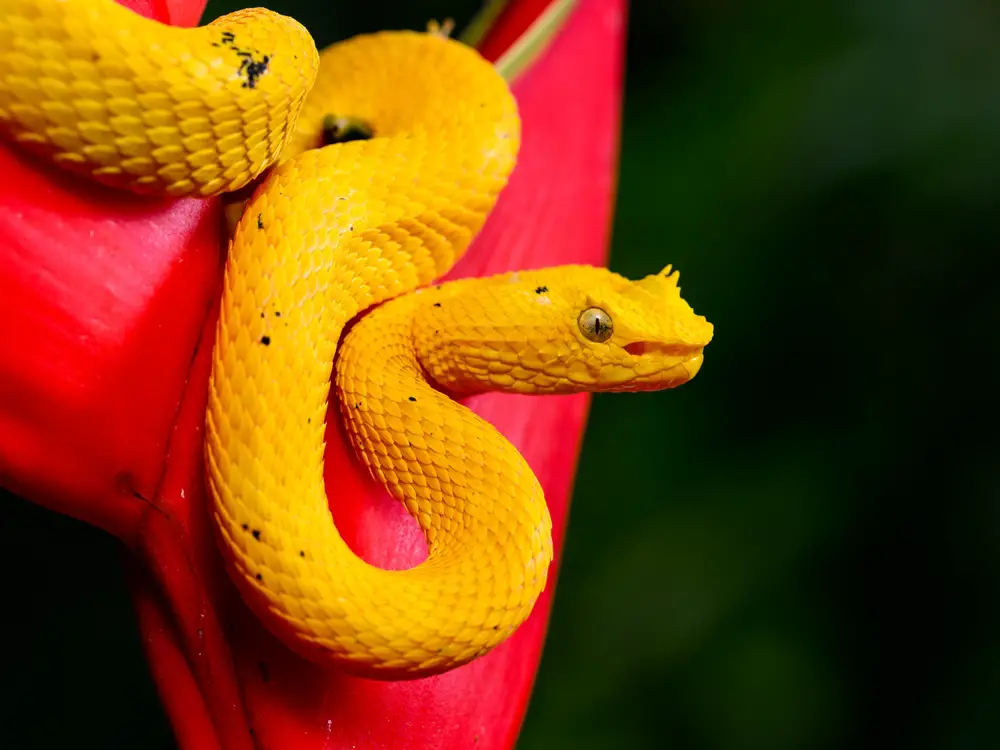
Where there’s one snake, there may be others, especially during mating season or if your home provides good shelter or food sources. Snakes often enter homes following prey like rodents or seeking warm spots during temperature extremes. Focusing entirely on the visible snake may mean missing others elsewhere in your home.
After removing one snake, experts recommend thorough inspection of your home for entry points and additional snakes. The presence of snakes often indicates a rodent problem that needs addressing. Professional wildlife services can conduct proper surveys to ensure you’ve found all unwanted residents and identify how they’re entering.
10. Don’t Wait to Call Professionals If You’re Uncertain
Many people delay calling wildlife control because they’re embarrassed or think they should handle it themselves, allowing situations to escalate. Professional snake removal services have the training, tools, and insurance to handle snakes safely. They can also identify species, find entry points, and advise on prevention.
The cost of professional removal is minimal compared to emergency room bills for snake bites or damage from DIY removal attempts. Most areas have wildlife control services that respond quickly to snake calls. Waiting and hoping the snake leaves on its own often results in losing track of the snake’s location, creating ongoing anxiety and danger.
11. Don’t Try to Trap It in a Container
Amateur trapping attempts frequently result in bites when people misjudge striking distance or when the snake escapes the container. Even if you successfully trap a snake, you then have a stressed, defensive snake in a container that must be transported and released—steps that create additional bite opportunities. Containers that seem secure often aren’t, and escaped snakes from failed trapping attempts end up deeper in your home.
Professional snake tongs, hooks, and bags exist because cardboard boxes, buckets, and trash cans aren’t suitable for snake capture. Snakes can strike through gaps and push lids off containers with surprising strength. The brief satisfaction of “catching” a snake isn’t worth the high risk of being bitten during the attempt.
12. Don’t Release It Improperly If You Do Capture It
People who successfully capture snakes often make critical errors during release, getting bitten when they think the danger has passed. Releasing a snake from a container requires proper technique and distance—simply dumping it out while standing close is asking to be bitten. The snake is stressed, defensive, and may strike at the first thing it sees upon release.
Releasing snakes in inappropriate locations can also create problems for neighbors or violate wildlife regulations. Some states have laws about relocating wildlife, and moving snakes can spread diseases or disrupt local ecosystems. Professional removal services understand proper release protocols and legal requirements that protect both people and snake populations.
13. Don’t Ignore How It Got Inside
After dealing with the immediate snake, failing to find and seal entry points means you’ll face repeated intrusions. Snakes can fit through openings as small as a quarter-inch, entering through gaps under doors, foundation cracks, or utility penetrations. Simply removing one snake without addressing access points solves nothing.
Professional wildlife services can identify entry points you’d never notice and recommend proper exclusion methods. Many people seal obvious gaps but miss the specific route the snake used. Understanding what attracted the snake—usually rodents, warmth, or shelter—is essential for preventing future encounters and may reveal other home maintenance issues requiring attention.