
As America flirts with the idea of resuming nuclear testing, it’s vital to consider the profound ecological impacts that could unfold. Nuclear tests are not just scientific endeavors; they ripple through ecosystems, affecting everything from soil health to animal behaviors and even human communities. Here are 12 startling ways these tests could impact animals and our land, unraveling the delicate fabric of nature and life as we know it.
1. Wildlife Will Be Exposed To Radiation
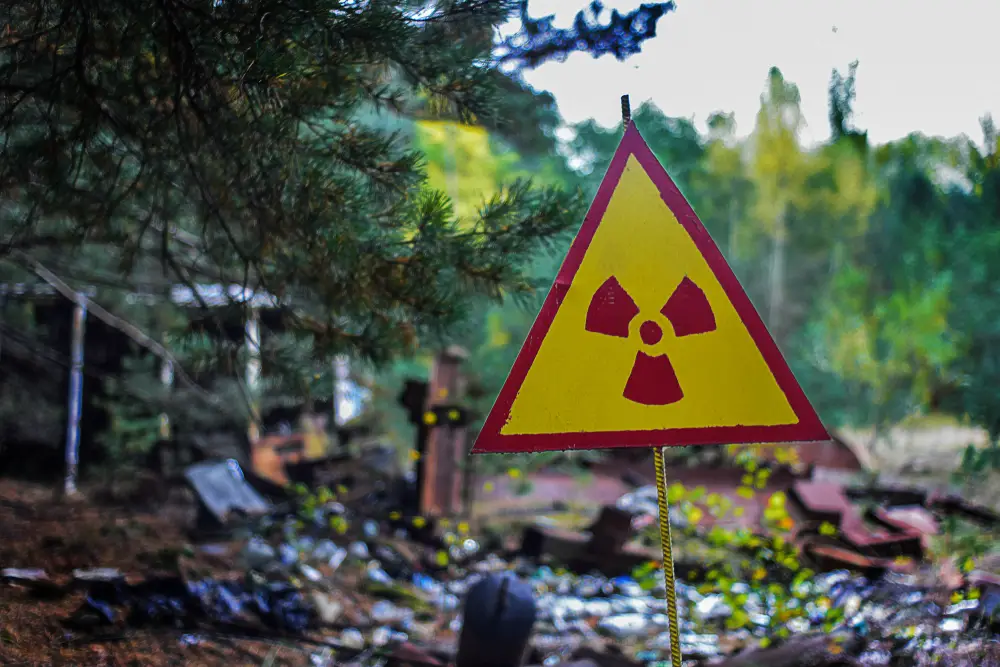
When nuclear tests occur, radiation doesn’t just vanish—it seeps into the environment, affecting wildlife in unpredictable ways. Animals, much like humans, can suffer from radiation poisoning, leading to health issues like cancer and genetic mutations. Birds, for instance, might exhibit changes in their plumage, while mammals could experience compromised reproductive health. It’s a sobering reminder of the far-reaching consequences of radiation exposure beyond the immediate blast zone.
In a study highlighted by the Environmental Protection Agency, the aftermath of the Chernobyl disaster revealed significant radiation effects on local wildlife, from reduced populations to altered behaviors. These findings provide a glimpse into the potential long-term impacts of nuclear tests on animal communities. The ecosystem doesn’t just snap back to normal; the recovery is slow and fraught with challenges. The resilience of nature, while remarkable, has its limits when faced with such profound disturbances.
2. Forests, Grasslands, And Wetlands Will Be Destroyed
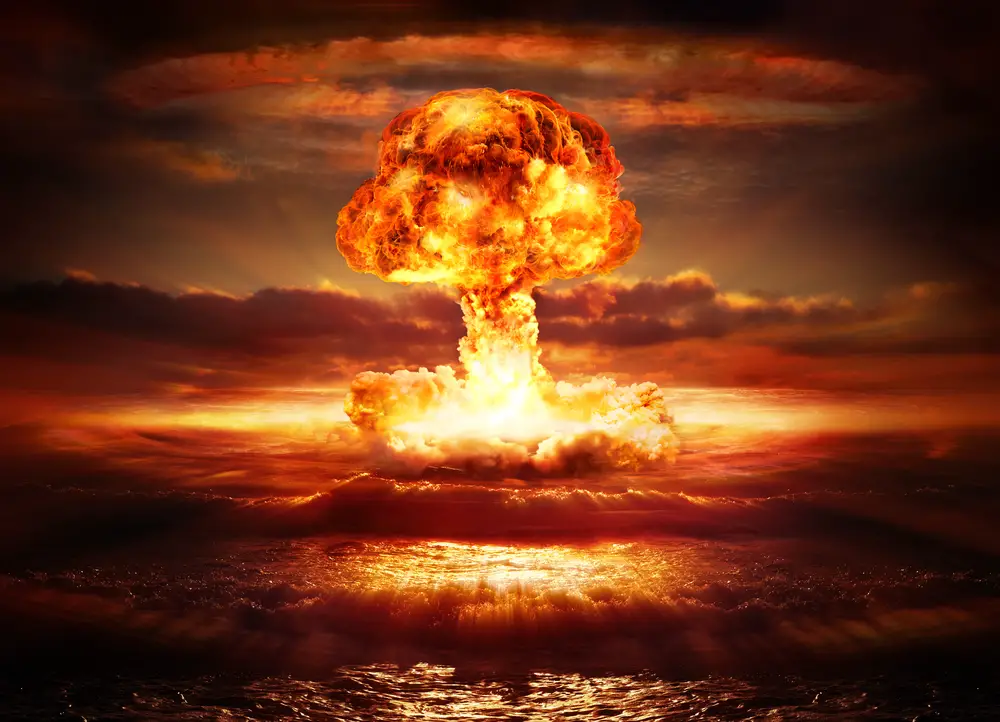
Nuclear tests can obliterate landscapes, turning lush habitats into barren wastelands. The immediate blast and subsequent fires can decimate forests, grasslands, and wetlands, leaving little refuge for the creatures that once thrived there. This destruction disrupts food chains and forces animals to migrate, often into areas already occupied or unsuitable for their survival. It’s a chaotic reshuffling of ecological balances that can tip entire ecosystems into disarray.
For many species, the loss of habitat is a death sentence, as they are unable to adapt quickly enough to survive elsewhere. Those that do find new homes might face increased competition for resources, leading to further stress and potential population declines. Over time, these changes can lead to a decrease in biodiversity, impacting everything from plant pollination to predator-prey dynamics. The scars left by such devastation are not just physical but deeply ecological, affecting the land for generations.
3. Soil Will Be Contaminated With Toxins
Nuclear tests release a cocktail of radioactive elements that can infiltrate the soil, tainting it for years. This contamination impacts plant life, which forms the foundation of most ecosystems, leading to reduced growth and altered species composition. Over time, the toxins can move through the food chain, affecting herbivores, carnivores, and ultimately, humans. The soil’s health is intricately linked to the overall vitality of the ecosystem, making this contamination a critical concern.
A report from the World Health Organization underscores the long-lasting nature of soil contamination post-nuclear events, citing examples from past nuclear test sites. Such contamination doesn’t just disappear; it requires extensive remediation efforts to restore the land to a semblance of its former self. Unfortunately, in many cases, the land remains unusable for agriculture or habitation for decades. This enduring impact highlights the need for careful consideration before engaging in nuclear tests.
4. Rivers, Lakes, And Oceans Will Be Polluted
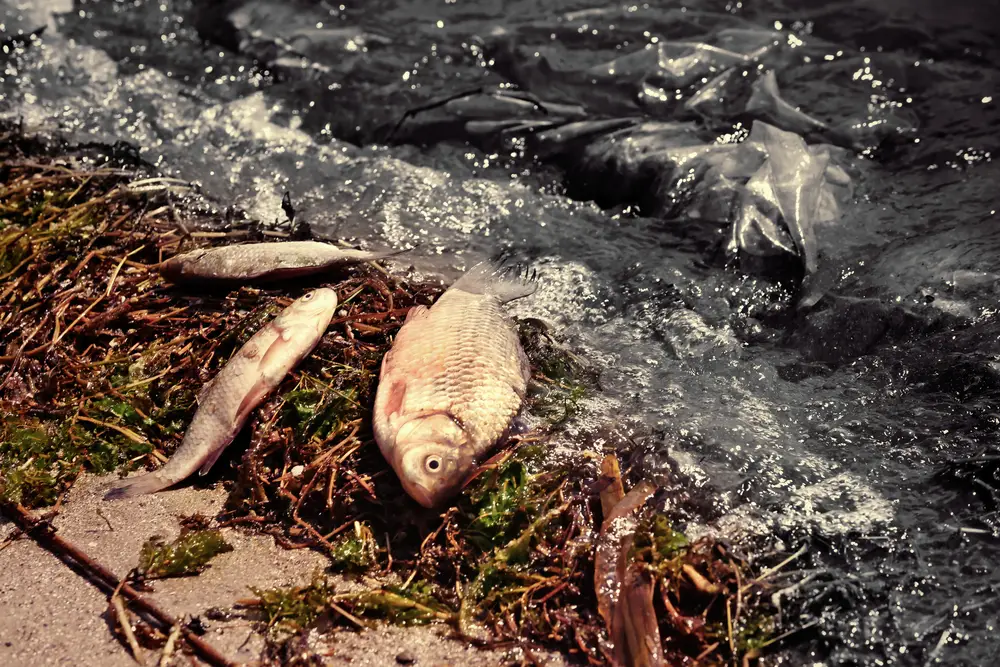
Radiation from nuclear tests can seep into groundwater, contaminating rivers, lakes, and oceans. Aquatic life, from fish to amphibians, is especially vulnerable, resulting in diminished populations and altered ecosystems. Contaminated water sources also pose a risk to terrestrial animals and people who rely on these bodies for drinking, farming, and fishing. The ripple effect of water pollution from nuclear testing is a stark warning about the interconnectedness of our environment.
As contaminants accumulate in aquatic environments, they disrupt the delicate balance needed to sustain life. This can lead to algal blooms, fish kills, and a decrease in biodiversity, further destabilizing the ecosystem. For communities dependent on these water sources, the implications are dire, affecting everything from food security to economic stability. Addressing water pollution caused by nuclear tests would require international cooperation and significant resources, highlighting the gravity of the situation.
5. Stressed Animals Will Change Behavior

Radiation exposure can lead to unexpected behavioral changes in animals, affecting their survival and reproduction. Altered mating rituals, migration patterns, and feeding behaviors can disrupt established ecological norms and lead to population imbalances. These shifts might seem minor at first but can have cascading effects throughout the ecosystem, influencing everything from predator-prey dynamics to plant pollination. Recognizing these behavioral impacts is crucial in understanding the full extent of nuclear test repercussions.
Research by biologists, like those from the University of Georgia, has documented behavioral changes in animals near nuclear sites, such as increased aggression or lethargy. These changes can impair an animal’s ability to successfully reproduce or evade predators, leading to population declines. Moreover, altered behaviors can affect entire food webs, as species interactions become unpredictable and unstable. Such findings emphasize the complex ways radiation can weave through ecosystems, altering their very fabric.
6. Genetic Mutations And Deformities Will Rise
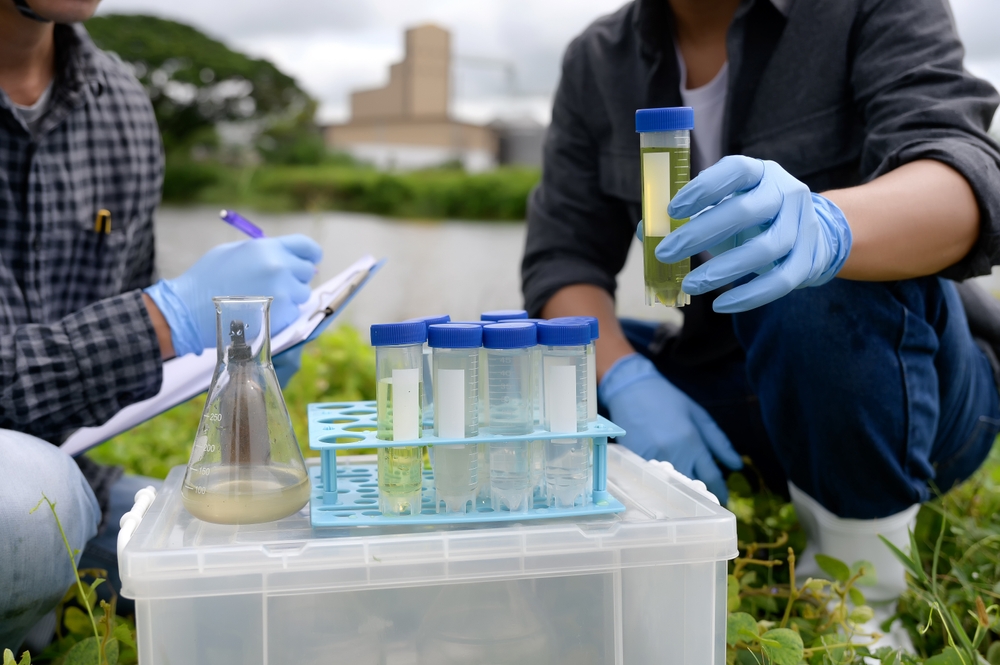
Radiation exposure is a known mutagen, capable of altering the DNA of exposed organisms. This can lead to genetic mutations, some of which result in physical deformities or compromised health in animals. While some mutations might be benign or even advantageous, others can hinder an animal’s ability to survive and reproduce. Over time, these genetic changes can influence population dynamics and even lead to the emergence of new traits within a species.
The presence of deformities and mutations can also have social implications within animal groups. For species with complex social structures, like primates or wolves, these changes might affect hierarchy and group cohesion. Additionally, as mutations accumulate, they can reduce genetic diversity, impacting the long-term resilience of populations. Such genetic consequences underscore the insidious nature of radiation, affecting not just individuals but entire lineages over generations.
7. Bees and Butterflies Could Be Wiped Out

Pollinators, such as bees and butterflies, are crucial to the health of ecosystems and agriculture, yet they are highly susceptible to the effects of radiation. Disrupted foraging behaviors, impaired navigation, and reduced reproductive success are just a few challenges these vital creatures might face. Such impacts can lead to a decline in pollinator populations, threatening plant reproduction and, consequently, food production for a variety of species, including humans. The fallout from nuclear testing could therefore have profound implications for biodiversity and food security.
According to a study published in the journal Ecotoxicology, exposure to radiation has been shown to affect the neurological functioning of bees, impairing their ability to return to their hives. This disruption not only affects the individual insects but also the colony’s overall productivity and survival. The decline of pollinators could lead to a cascade of consequences, affecting everything from seed production to the availability of fruits and nuts. As vital components of many ecosystems, the health of pollinators is an essential consideration in the debate over nuclear testing.
9. Marine Life Will Be Severely Threatened
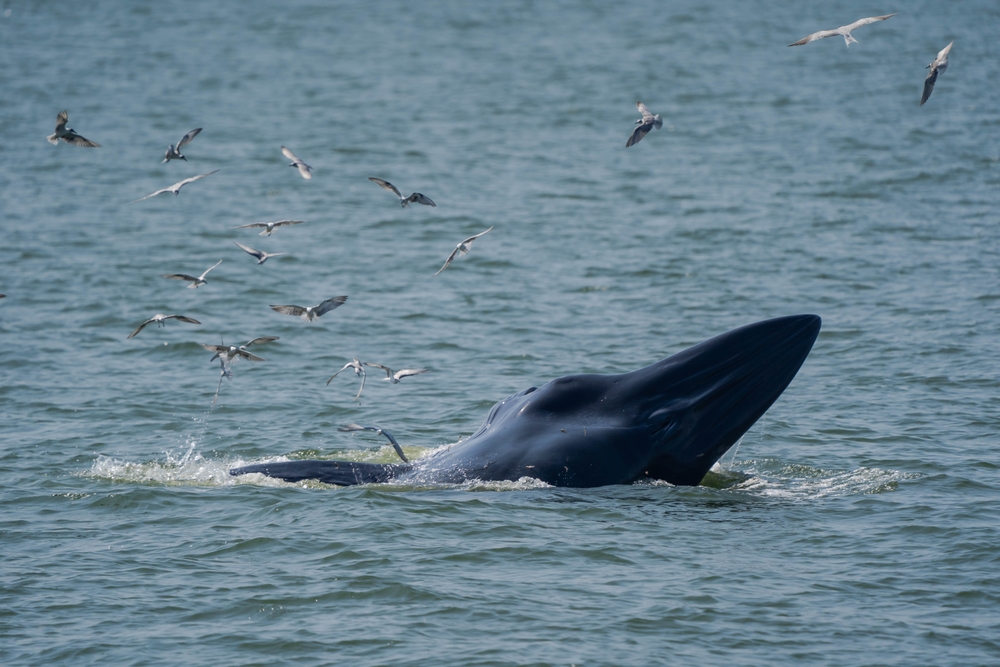
Nuclear tests conducted near or in oceans introduce radioactive materials into marine ecosystems, with far-reaching consequences. Marine life, from the smallest plankton to the largest whales, is at risk of radiation exposure, which can affect growth, reproduction, and immune function. Additionally, these contaminants can move through the food web, impacting a wide array of species, including those humans rely on for food. The ocean, a vital resource for our planet, faces severe threats from nuclear testing activities.
Radioactive materials can persist in marine environments for extended periods, affecting generations of marine species. The disruption of marine ecosystems can alter fish stocks and biodiversity, with consequences felt by coastal communities worldwide. Furthermore, the spread of radioactive materials can extend beyond the immediate vicinity of the test site, affecting distant ecosystems and communities. Addressing these impacts requires a comprehensive understanding of marine ecology and international cooperation to protect these vital environments.
10. Humans Will Be Exposed To Dangerous Health Risks

While animals and ecosystems bear the brunt of nuclear testing, humans are not immune to its effects. Radiation exposure from contaminated land, water, or food can lead to serious health issues, including cancer, birth defects, and other chronic conditions. Communities living near test sites are at risk, facing long-term health challenges that can strain healthcare systems and reduce quality of life. The human dimension of nuclear testing highlights the ethical considerations of such activities.
Public health studies have documented increased cancer rates and other health issues in populations near nuclear test sites. These impacts underscore the need for rigorous safety protocols and monitoring to protect human health. Beyond physical health, the psychological toll on communities, including fear and anxiety about potential exposure, is significant. As discussions about nuclear testing continue, acknowledging and addressing human health risks must remain a priority.
11. Costs Could Further Tank The Economy

The fallout from nuclear testing isn’t just environmental—it’s economic, affecting industries from agriculture to tourism. Contaminated land becomes unusable for farming, impacting food production and livelihoods. Tourism in affected regions can decline as people avoid areas perceived as unsafe, leading to economic losses for local businesses and communities. The financial burden of nuclear testing is substantial, with long-term costs borne by governments and citizens alike.
Affected communities may require economic support and investment to recover, including funds for cleanup, healthcare, and economic diversification. The stigma associated with radiation can persist, affecting property values and investment opportunities in the region. These economic impacts extend beyond local areas, influencing national economies and global markets. Addressing the economic fallout of nuclear testing is a critical component of any decision-making process.
12. Ethical And Moral Concerns Will Be Hot Button Topics

Ultimately, the decision to resume nuclear testing is fraught with ethical and moral implications. The potential harm to animals, ecosystems, and humans raises questions about our responsibilities as stewards of the planet. Balancing national security interests with environmental protection and human health is a complex challenge that requires careful consideration and broad societal dialogue. The ethical dimensions of nuclear testing remind us that these decisions have far-reaching consequences for present and future generations.
Public sentiment around nuclear testing often reflects a deep concern for the unintended consequences and the moral responsibility to protect the environment. Engaging communities, scientists, and policymakers in discussions about nuclear testing is essential for informed decision-making. As we navigate these complex issues, empathy and foresight must guide our actions. Ultimately, the choices we make today will define the legacy we leave for future generations.