Wild animals are supposed to fear humans and flee when confronted, so when one doesn’t run, something is seriously wrong. That instinctive fear is what keeps both species safe, and its absence signals danger you need to recognize immediately. Understanding why an animal isn’t running could save your life or at least prevent a very bad encounter.
1. It’s Rabid
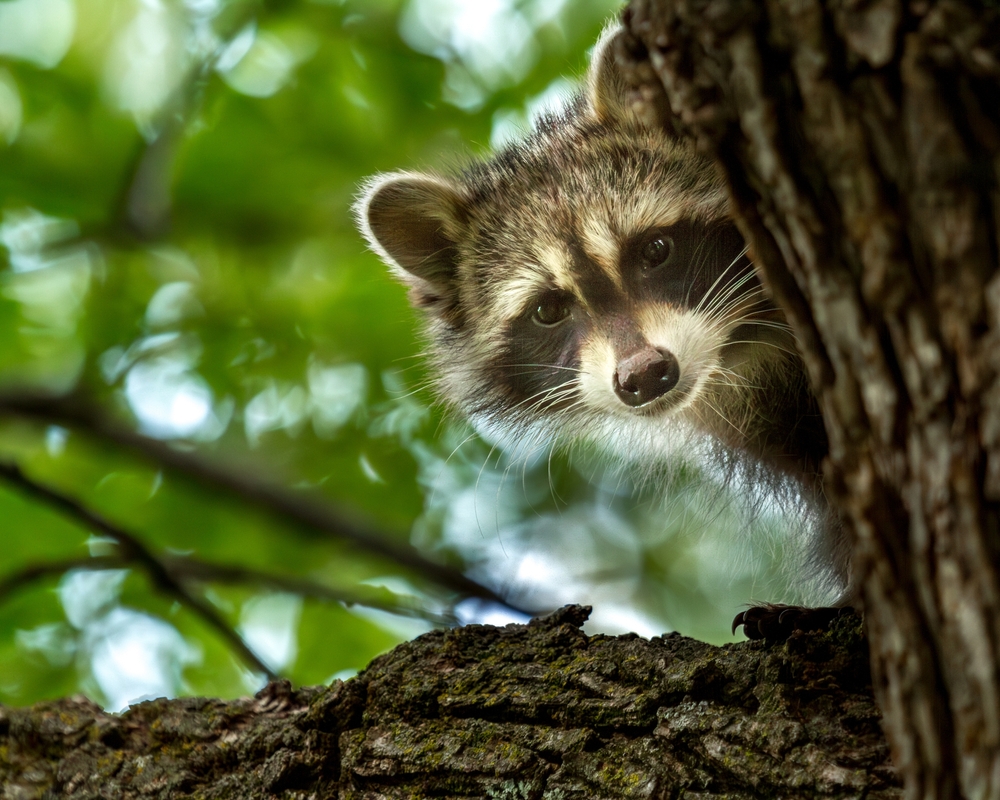
Rabies destroys the part of the brain that controls fear and normal behavior. According to the Centers for Disease Control and Prevention’s 2024 rabies surveillance report, abnormal behavior, including a lack of fear of humans, was present in 73% of confirmed rabies cases in wild animals. A rabid animal might seem friendly, confused, or aggressive, but the common thread is the absence of normal fear responses.
Any wild animal acting unnaturally tame is a rabies suspect until proven otherwise. The disease is nearly 100% fatal once symptoms appear in humans, so treating any fearless wild animal as potentially rabid is the only safe approach. If a nocturnal animal is active during the day and doesn’t run from you, assume rabies and get away immediately.
2. It’s Protecting Young Nearby
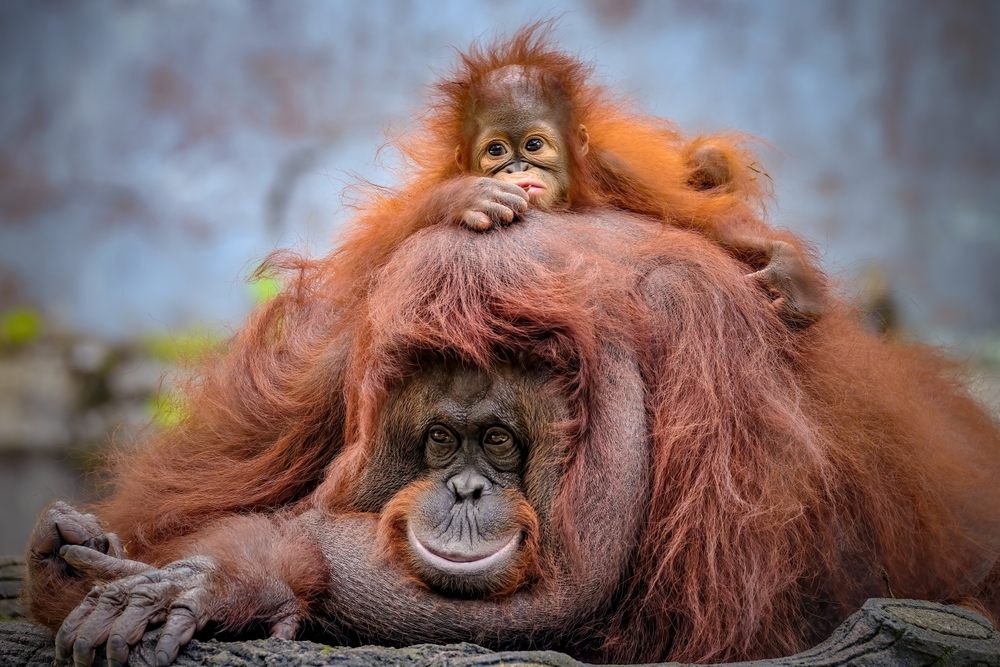
Mother animals will stand their ground or charge instead of running—their protective instinct overrides fear, making normally skittish animals dangerous when they’re defending offspring. A deer that won’t run likely has a fawn hidden in the grass nearby, and a bear that holds position probably has cubs you haven’t seen yet.
The animal isn’t being aggressive for no reason—you’re near something it values more than its own safety. Back away slowly without turning your back, giving the mother space to retreat with her young. The encounter becomes dangerous when the animal decides you’re a threat to its babies.
3. It’s Never Encountered Humans Before
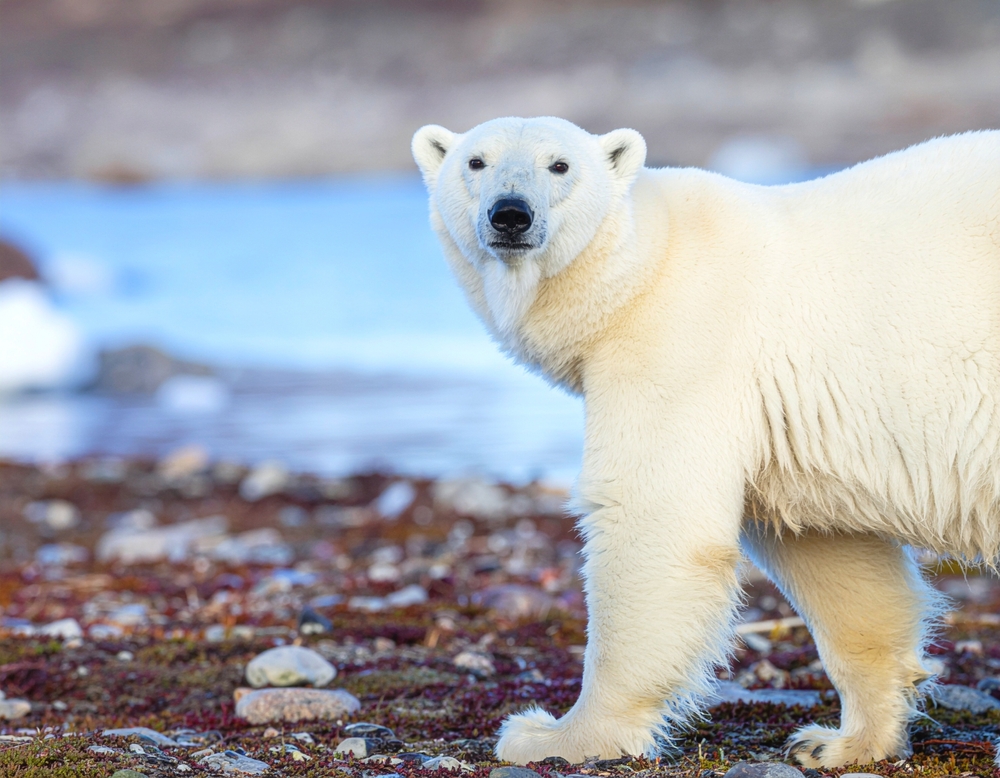
According to research published in Conservation Biology in 2024, wild animals in protected areas with minimal human contact showed significantly reduced fear responses, with flight initiation distances 60% shorter than animals in human-frequented areas. Another study from the University of California found that island populations and isolated wildlife exhibited “ecological naiveté,” approaching humans out of curiosity rather than caution, making them vulnerable to hunting and habitat encroachment. This naiveté makes them curious rather than cautious, and they might approach to investigate rather than flee.
Animals that have never been hunted or harassed by humans don’t know to fear us. This happens on remote islands, deep wilderness areas, or newly established protected zones.
4. It’s Sick or Injured
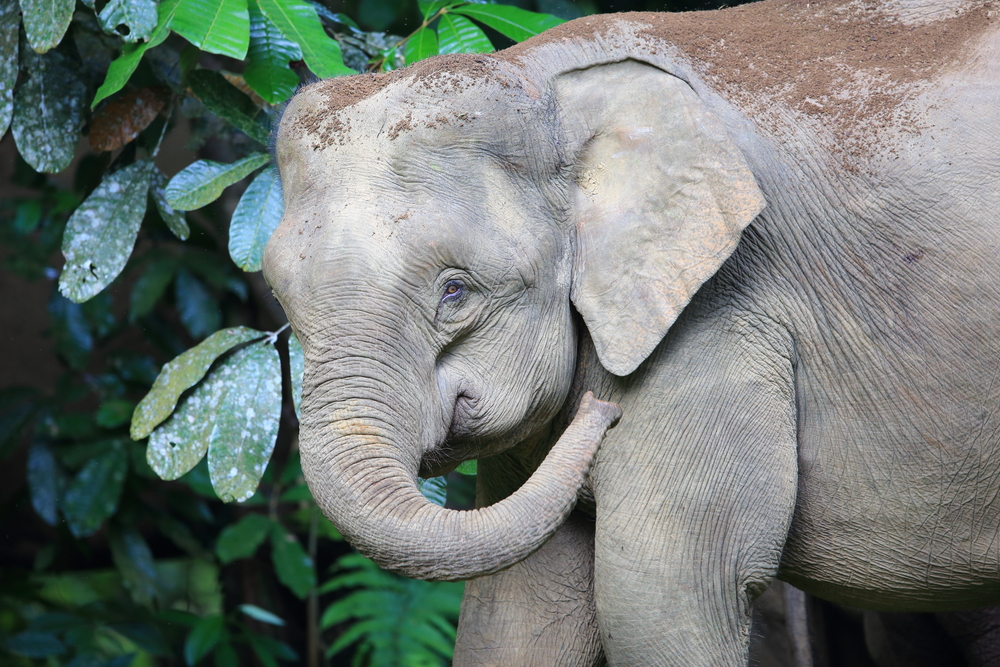
Illness and injury compromise an animal’s ability to flee, so it holds position because running isn’t an option. A deer with a broken leg can’t run away, no matter how afraid it is. The animal isn’t choosing to stay—it’s physically unable to escape.
Sick or injured animals are unpredictable and dangerous because they’re in pain and potentially desperate. They might defend themselves aggressively because flight isn’t possible. Never approach an animal that’s clearly injured or moving abnormally, even if it seems non-threatening.
5. You’re in Its Territory, and It’s Establishing Dominance
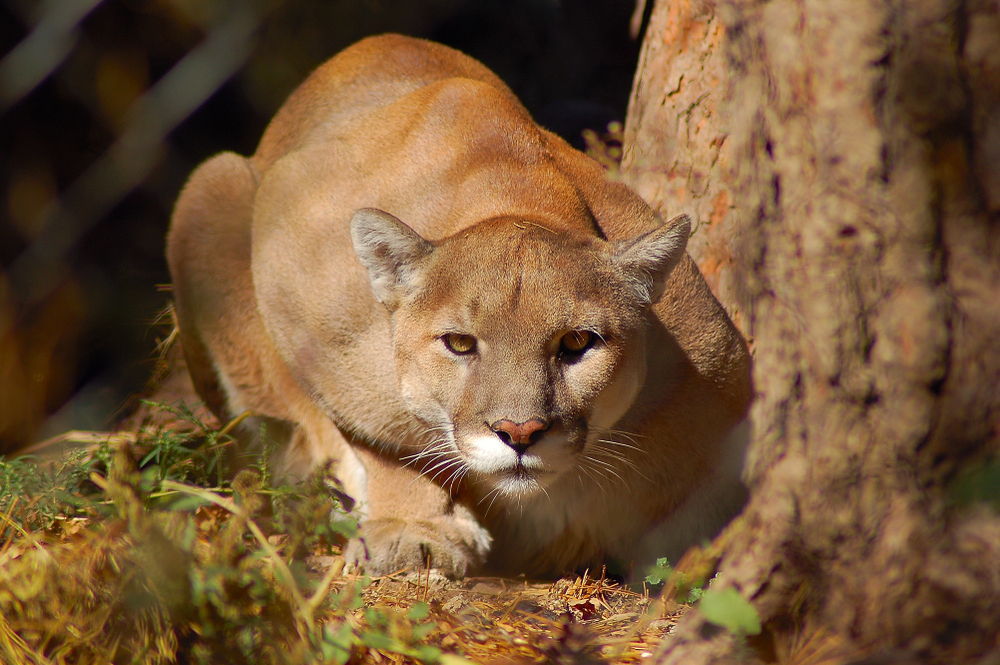
Territorial animals like moose, elk during rut, or nesting birds will hold ground or advance to drive you out of their space. They’re not fleeing because from their perspective, you’re the intruder who should be fleeing. The animal is communicating that this is its area, and you need to leave.
Territorial displays include posturing, vocalizations, and mock charges designed to scare you away. The animal is giving you chances to leave before escalating to real violence. Read the signals—lowered head, ears back, pawing ground—and retreat before the warning becomes an attack.
6. It’s Habituated to Humans
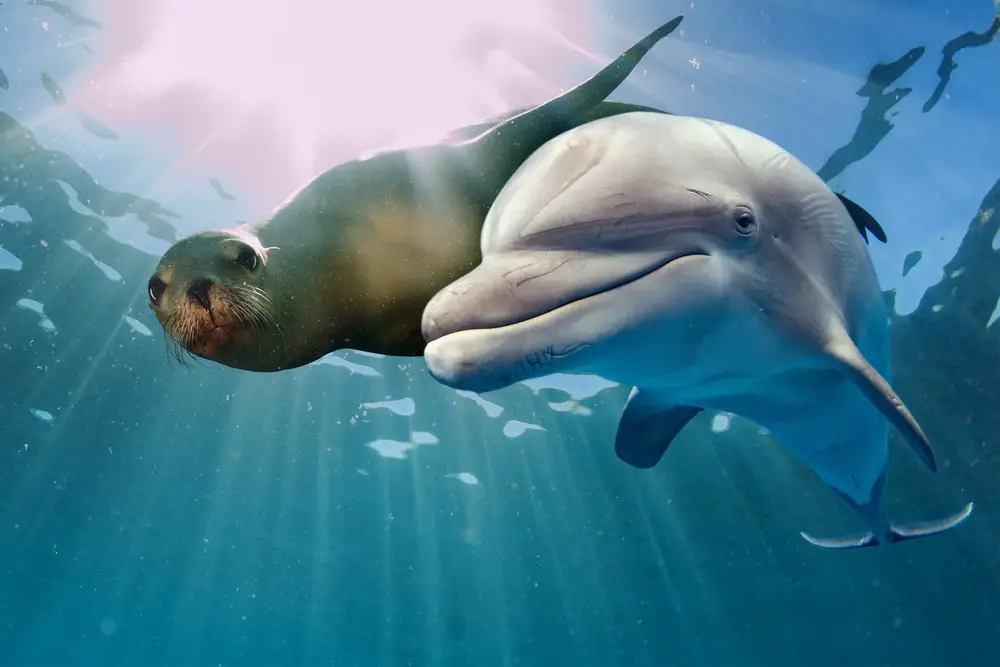
Animals in parks, campgrounds, or suburban areas become habituated to human presence and lose their natural fear through repeated neutral or positive encounters. A study in the journal Human-Wildlife Interactions documented that urban coyotes showed flight initiation distances of just 30 feet compared to 200+ feet for rural populations, indicating significant habituation to human activity. They’ve learned that humans usually don’t pose immediate danger, so the fear response diminishes.
Bears that don’t run from yelling are usually food-conditioned bears that associate humans with easy meals. These animals are the ones that get into tents, trash, and cars, and eventually have to be relocated or killed.
7. It’s Defending a Food Source
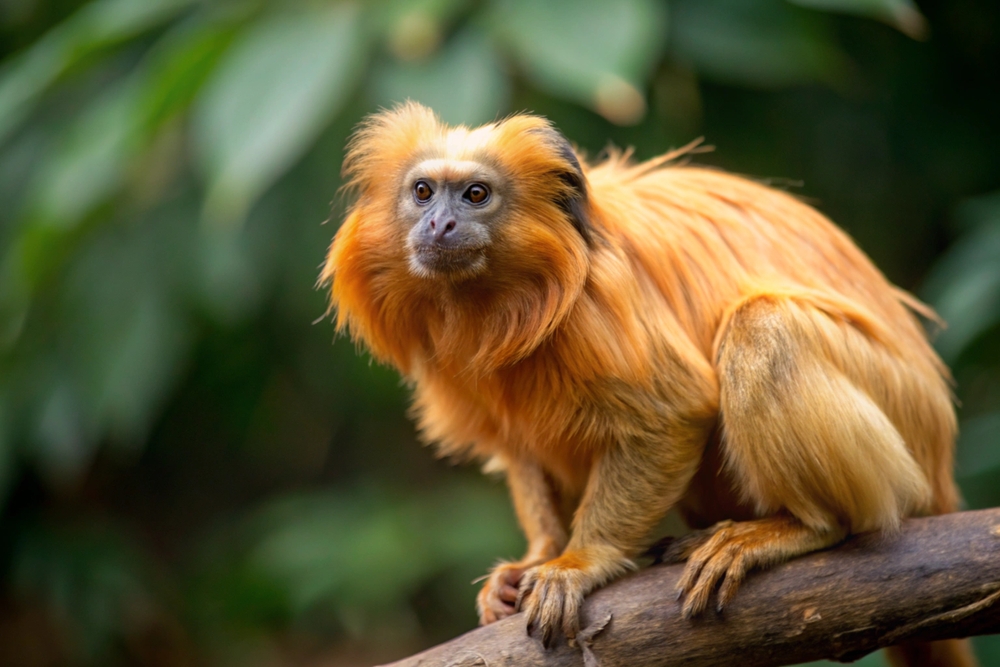
Predators guarding a kill will defend it aggressively rather than abandon valuable food. A mountain lion or bear on a carcass sees you as competition for a resource it fought for or spent energy obtaining. The animal’s calculation shifts from avoiding danger to protecting a meal worth fighting for.
Never approach an animal that’s feeding or near a carcass. The food source is valuable enough that the animal will risk confrontation to keep it. If you stumble on a kill site and the predator doesn’t flee, you’re in immediate danger and need to back away slowly while making yourself large and loud.
8. It’s in Poor Physical Condition and Can’t Flee Effectively
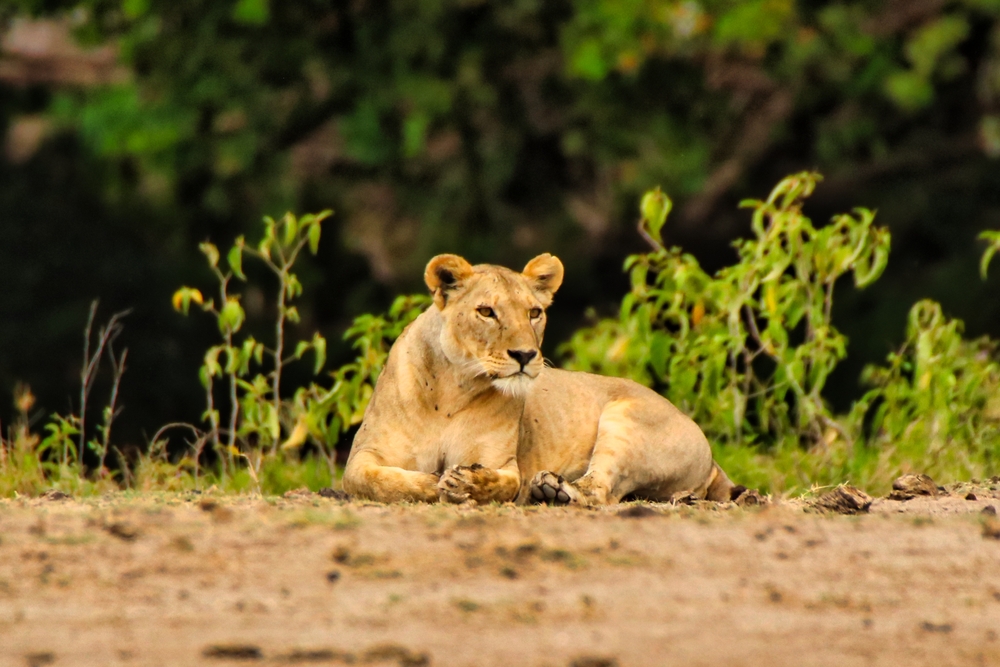
According to research from the U.S. Geological Survey’s National Wildlife Health Center, wildlife in poor body condition showed significantly reduced escape responses, with flight distances decreasing proportionally to declining health status. The energy cost of fleeing exceeds what they can spare, so they conserve energy by staying put unless absolutely necessary.
These animals are often at the end of life and pose less danger than healthy animals, but they’re still unpredictable. A starving predator has nothing to lose and might see you as a potential meal rather than a threat. Maintain distance from any animal that looks emaciated or moves abnormally.
9. You’re Between It and Safety
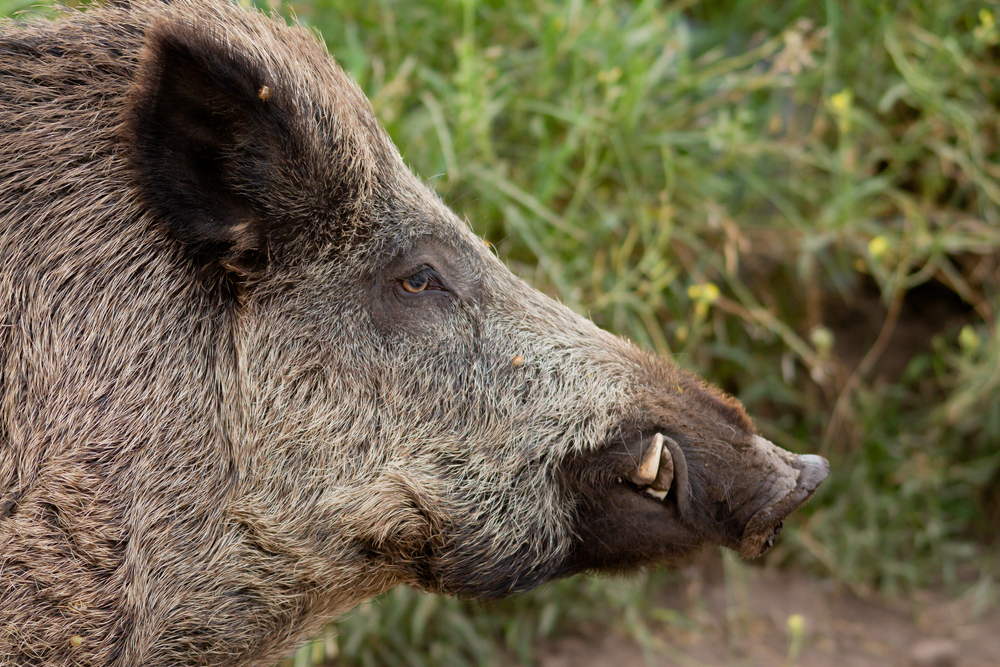
An animal might hold position or advance if you’re blocking its escape route to water, den, or cover. From its perspective, fleeing means running toward you, so it’s frozen in indecision or preparing to charge through you. The animal is literally trapped by your position.
If you realize you’re blocking an animal’s obvious escape route, move laterally to create an exit path. The animal will likely flee immediately once it has a route that doesn’t require approaching you. Most wildlife wants to avoid confrontation; they just need a way out.
10. It’s Been Fed by Humans Previously
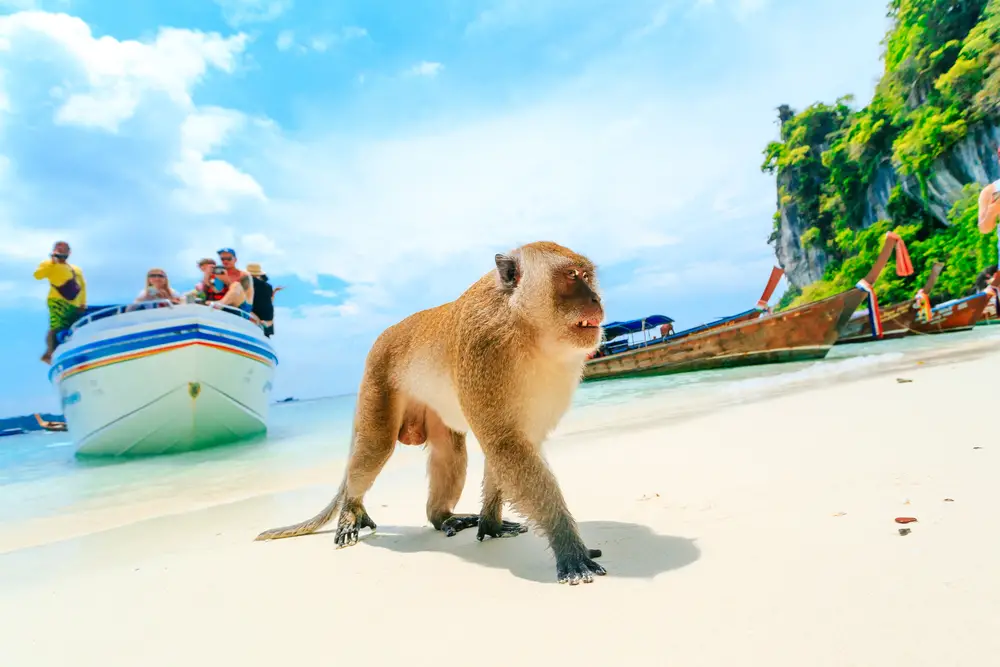
Animals that have been fed by people lose their fear and approach humans expecting food. They’re not aggressive initially, but they become dangerous when they don’t get what they expect. A bear that associates humans with food will approach campsites and vehicles, and become violent when food isn’t provided.
This conditioning is why feeding wildlife is illegal in most places—it creates dangerous animals that eventually have to be killed. The saying “a fed bear is a dead bear” exists because habituation to human food makes bears too dangerous to tolerate near people.
11. It’s Exhibiting Predatory Behavior Toward You
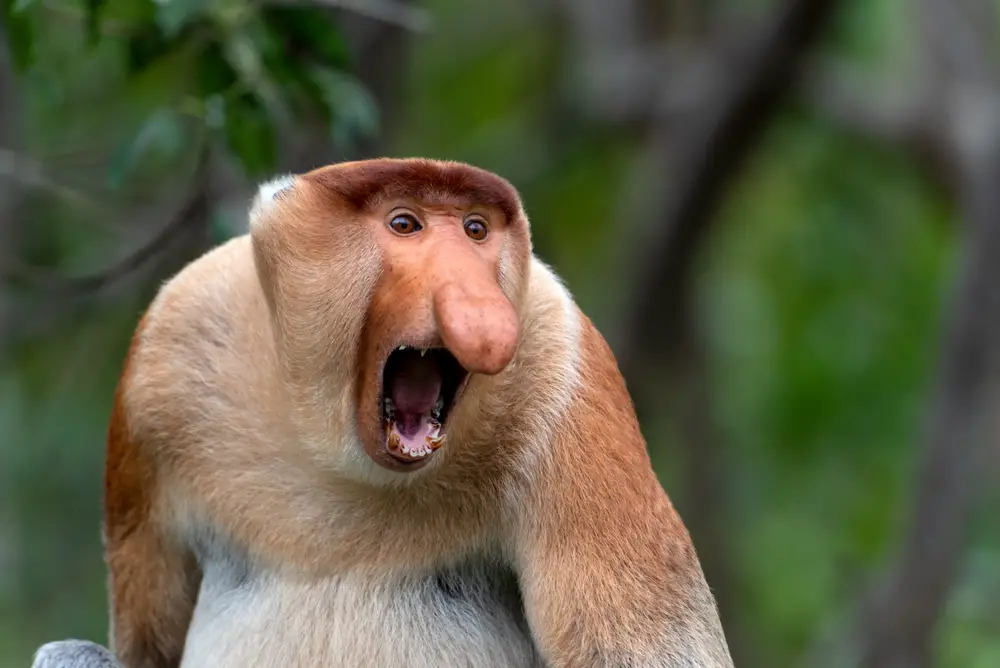
Predators assessing you as potential prey don’t flee—they watch, follow, and close the distance while determining if you’re vulnerable. This is most common with mountain lions and occasionally wolves or coyotes. The animal is conducting a threat assessment and deciding if you’re worth attacking.
Predatory behavior is different from defensive aggression. The animal is calm, focused, and moves deliberately rather than displaying agitation. If a predator is stalking you, don’t run—running triggers the chase instinct. Make yourself large, make noise, and back away while maintaining eye contact.
12. It’s Suffering from Chronic Wasting Disease or a Similar Neurological Illness
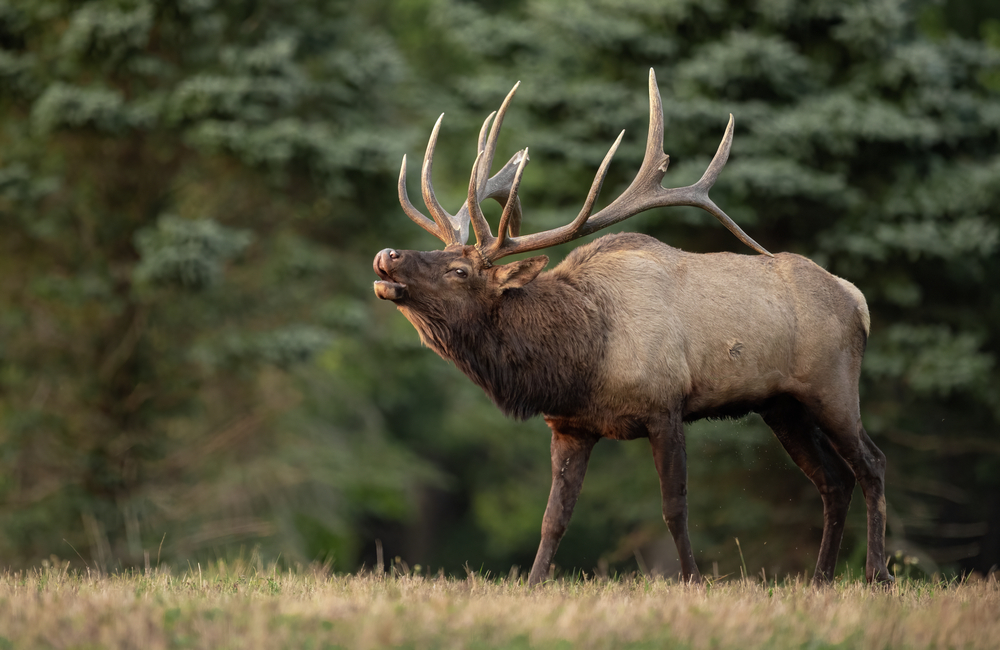
Chronic wasting disease in deer and elk, along with other neurological conditions, destroys normal behavior patterns, including fear responses. Affected animals appear zombie-like, uncoordinated, and indifferent to human presence. They’re dying slowly from brain degeneration that removes normal instincts.
These animals are not dangerous in terms of attacking, but they’re a disease vector you should avoid. CWD isn’t known to affect humans, but prion diseases are poorly understood, and avoiding contact with symptomatic animals is important. Report obviously sick animals to wildlife authorities rather than approaching them.
13. It’s Already Committed to Attacking
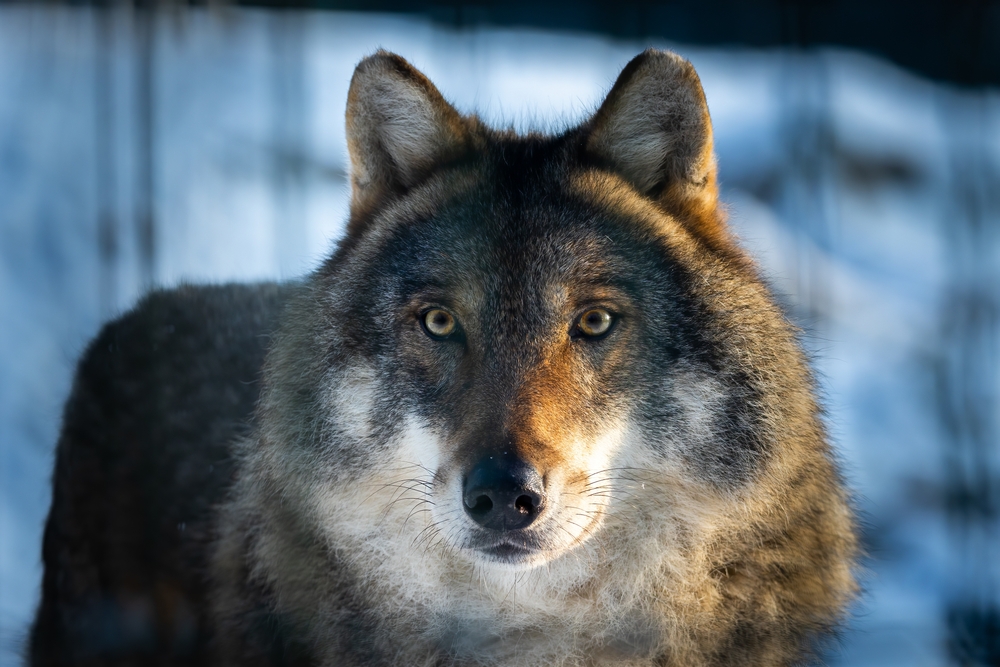
Sometimes an animal doesn’t run because it’s already decided to attack and is waiting for the right moment. This is rare but happens when an animal feels cornered, threatened, or is defending resources aggressively.
Predators and dangerous prey animals both exhibit this. A moose that doesn’t flee but lowers its head and pins its ears is about to charge. A bear that pops its jaw and huffs is communicating that your next move determines whether it attacks. When an animal won’t flee and shows aggression signals, you’re seconds away from violence and need to act accordingly.