
Solar superstorms sound like sci-fi panic bait, but they’re one of the few disasters scientists agree are not a matter of if — only when. These geomagnetic storms, caused by massive solar flares, can send charged particles straight into Earth’s magnetic field and overwhelm modern infrastructure in minutes. Unlike hurricanes or earthquakes, there’s no physical warning sign you can see — just systems quietly failing in sequence. Here’s what experts say would collapse first if a major solar storm hit tomorrow.
1. Satellites in Low Earth Orbit
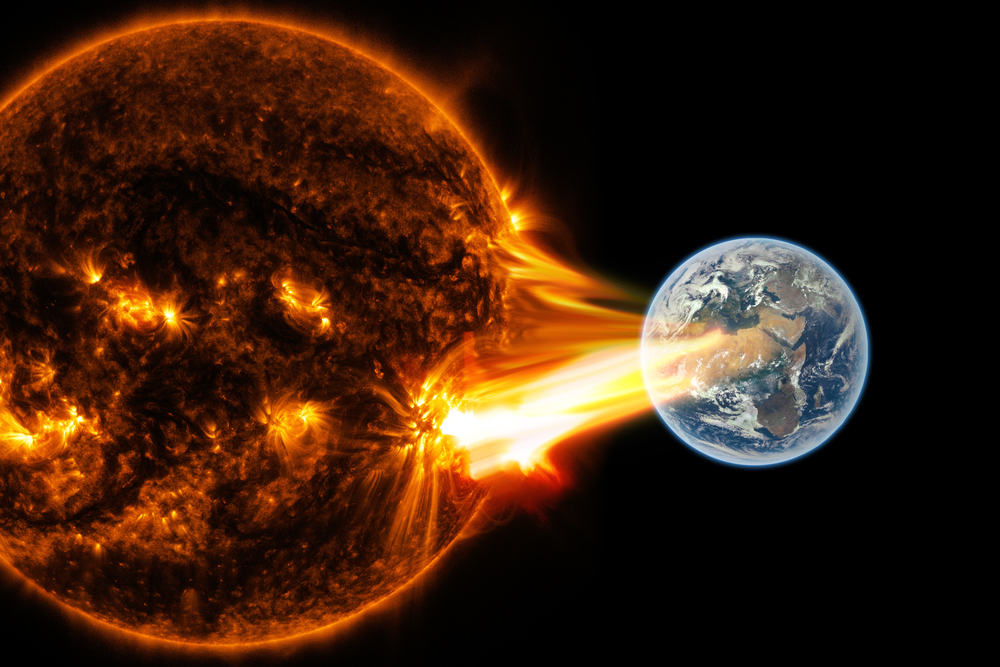
Satellites are the first and most vulnerable casualties of a solar superstorm because they sit directly in the blast zone of charged solar particles. NASA has repeatedly warned that intense geomagnetic storms can damage satellite electronics, disrupt onboard sensors, and even knock spacecraft out of orbit entirely. During a major storm, satellites can lose orientation, communication, or power almost instantly.
According to NASA and NOAA space-weather research, satellites without hardened shielding are particularly vulnerable to permanent failure. This means GPS, weather monitoring, communications, and military surveillance systems could simultaneously disappear. Replacement is neither fast nor cheap, and some satellites would be lost permanently. Once they’re gone, the dominoes start falling.
2. GPS Navigation Systems
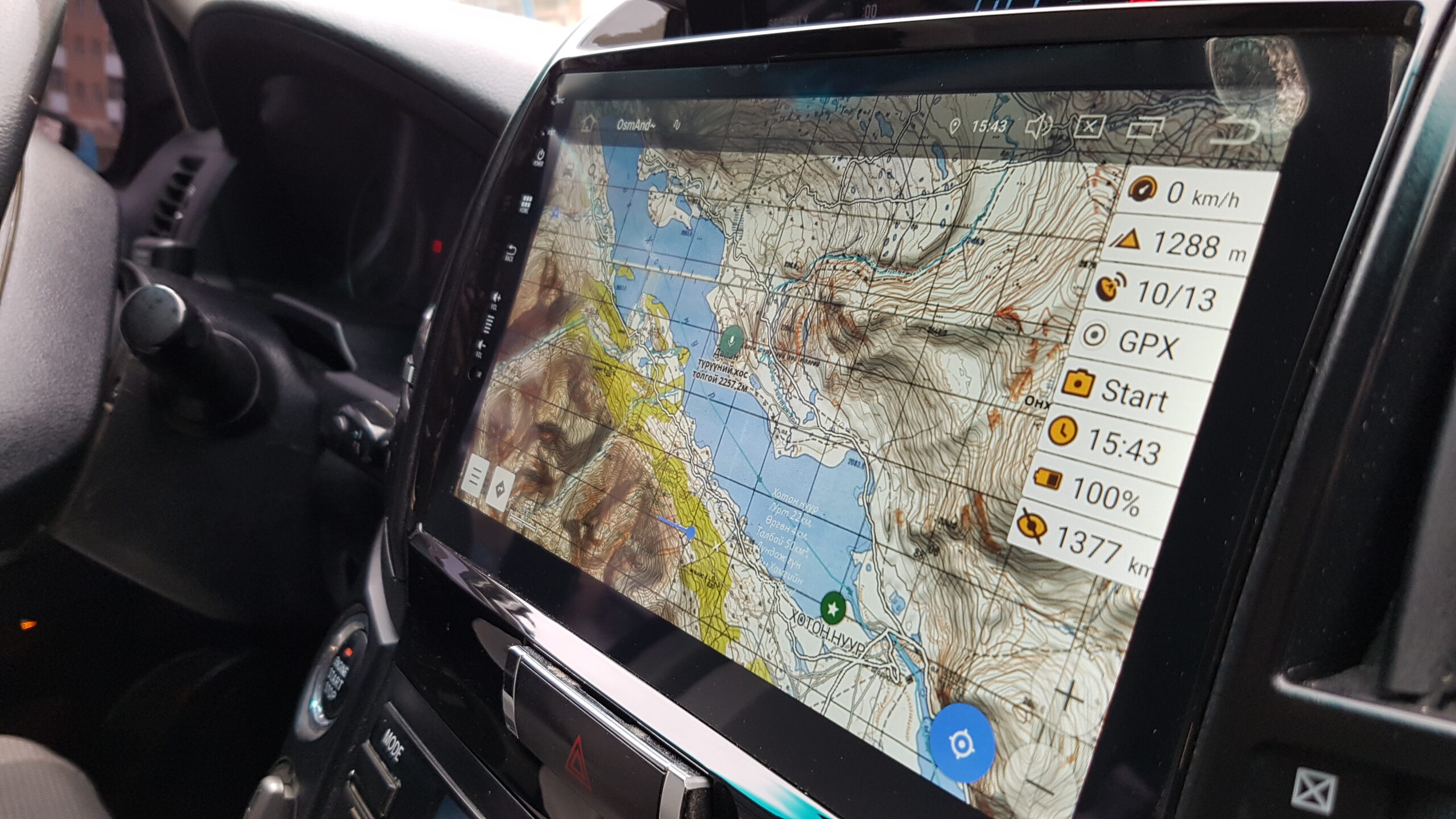
When satellites fail, GPS is among the first everyday systems to degrade or fail. Solar radiation can distort the ionosphere, through which GPS signals must pass to reach Earth accurately. Even small disruptions can throw off location data by miles.
Planes, ships, emergency responders, delivery networks, and ride-share apps all depend on GPS precision. In a superstorm scenario, navigation errors could become widespread and immediate. Pilots could lose reliable positioning mid-flight. Every day movement would suddenly feel disorienting and unsafe.
3. Power Grid Transformers
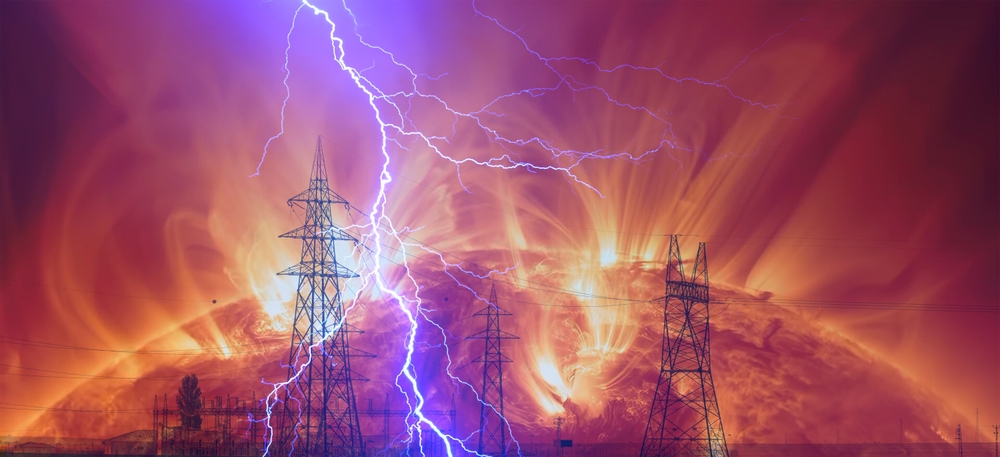
Large electrical transformers are especially vulnerable to geomagnetically induced currents triggered by solar storms. These currents can overload transformers, causing overheating, internal damage, or destruction. The scary part is that many of these transformers are custom-built and can take months or even years to replace.
The National Academy of Sciences has warned that a severe solar storm could cause long-term damage to the grid, affecting millions. Unlike a typical blackout, this wouldn’t be a quick reset. Some regions could remain without power for months. Once transformers fail, restoration becomes a logistical nightmare.
4. Internet Backbone Infrastructure
While local internet outages are common, a solar superstorm threatens the physical backbone of global connectivity. Fiber-optic cables themselves are resilient, but the electrical components that amplify and route signals are not. Power surges can destroy routers, switches, and data centers in seconds.
If multiple hubs fail simultaneously, large sections of the internet could go dark. Cloud services, streaming platforms, banking portals, and workplace systems would vanish without warning. Communication wouldn’t just slow — it would fracture. The modern world relies on connectivity, and that dependence would be exposed immediately.
5. Aviation Communication Systems

High-frequency radio communication, widely used in aviation, is highly sensitive to solar activity. During major solar storms, radio blackouts can occur over vast regions, especially near the poles. This directly affects long-haul flights and transpolar routes.
The FAA and international aviation agencies monitor solar weather because of this exact risk. In a superstorm, flights could be grounded mid-air, rerouted unpredictably, or forced to land without standard communication. Safety protocols exist, but chaos would still follow. The sky would not be the place you want to be.
6. Emergency Services Coordination
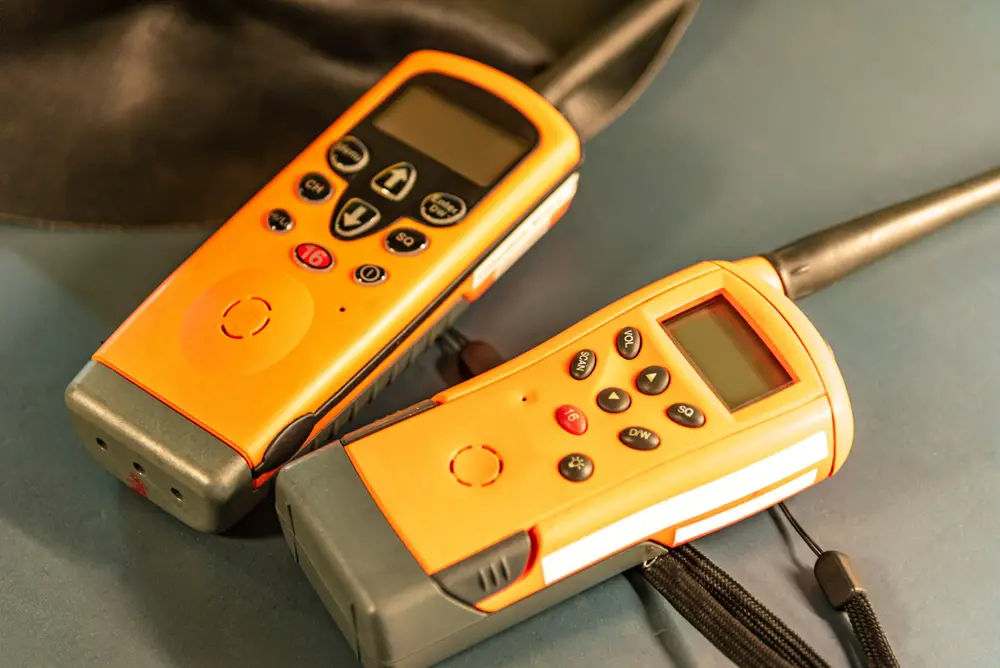
Emergency response relies on communication networks that assume constant connectivity. When satellites, GPS, and radio systems fail simultaneously, coordination becomes fragmented fast. Dispatch centers may lose location tracking, digital records, or contact with field units.
First responders could be forced back to analog methods overnight. That slows response times exactly when demand spikes. In a widespread emergency, confusion compounds danger. The systems designed to protect us would be fighting blind.
7. Banking and Financial Transactions
Electronic banking depends on real-time data transmission, server uptime, and synchronized time signals — all of which are vulnerable during geomagnetic storms. The Federal Reserve and international financial institutions have acknowledged space weather as a systemic risk. If time-stamped transactions fail, systems can’t reconcile balances properly.
ATMs could stop working, card payments could fail, and online banking could become inaccessible. Markets might halt trading entirely to prevent catastrophic errors. Even short disruptions could shake trust. Money doesn’t vanish — but access to it might.
8. Cell Phone Networks

Cell towers rely on both grid power and precise timing signals, often synced through GPS. If either fails, the network degrades rapidly. Calls drop, texts lag, and data connections crawl or disappear.
Backup generators provide temporary support, but fuel logistics become problematic if outages persist. In a superstorm, cell service wouldn’t fail neatly — it would degrade unevenly. Some areas would go silent first. Communication anxiety would spread faster than the storm itself.
9. Water Treatment and Pumping Systems

Municipal water systems rely heavily on electrically powered pumps, sensors, and monitoring software. Without stable electricity, water pressure drops and treatment processes stall. During prolonged outages, boil-water advisories or full-service interruptions become likely.
Most cities are not designed for extended power loss at scale. Backup systems are limited and prioritized for hospitals and critical facilities. Clean water suddenly becomes uncertain. That’s when outages turn into public health emergencies.
10. Oil and Gas Pipelines
Pipelines are vulnerable to geomagnetic storms because induced currents can accelerate corrosion and damage monitoring systems. Operators often must shut down systems proactively during severe solar events. That disrupts fuel distribution even if extraction continues.
Fuel shortages would quickly ripple through transportation, heating, and power generation. Gas stations could close despite fuel existing elsewhere. The problem wouldn’t be supply — it would be delivery. Modern energy systems are tightly coupled, and solar storms exploit that weakness.
11. Weather Forecasting Accuracy
Ironically, the systems that warn us about storms are themselves vulnerable to solar storms. Weather satellites and data-processing centers rely on stable electronics and precise measurements. Solar interference can corrupt incoming data streams.
Forecasts would become less reliable exactly when extreme conditions demand accuracy. Emergency planners would lose one of their most critical tools. Decision-making becomes reactive instead of predictive. That’s a dangerous shift.
12. Military Surveillance and Defense Systems
Many defense systems rely on satellites, radar, and secure communications—each susceptible to space weather disruption. While some systems are hardened, not all are immune. A solar superstorm creates blind spots that adversaries could exploit.
Defense agencies actively monitor solar activity for this reason. Temporary loss of situational awareness increases global tension. Misinterpretation becomes more likely. In a fragile geopolitical climate, that’s not a small risk.
13. Public Trust in “Invisible” Infrastructure

The final thing to fail wouldn’t be a machine — it would be confidence. Most people don’t think about satellites, transformers, or ionospheres until they stop working. A solar superstorm would expose how much of daily life depends on systems no one sees.
Once that illusion breaks, anxiety spreads fast. Even after systems recover, trust lags. People change behavior, hoard resources, and question stability. The storm may pass — but the psychological aftershock lasts far longer.