
Snakes enter homes accidentally, usually searching for warmth, shelter, or prey. Most encounters are non-aggressive but become dangerous due to human reactions. Panic causes far more snake bites than the animals themselves. Knowing what not to do is critical for safety.
1. Don’t Try To Kill It
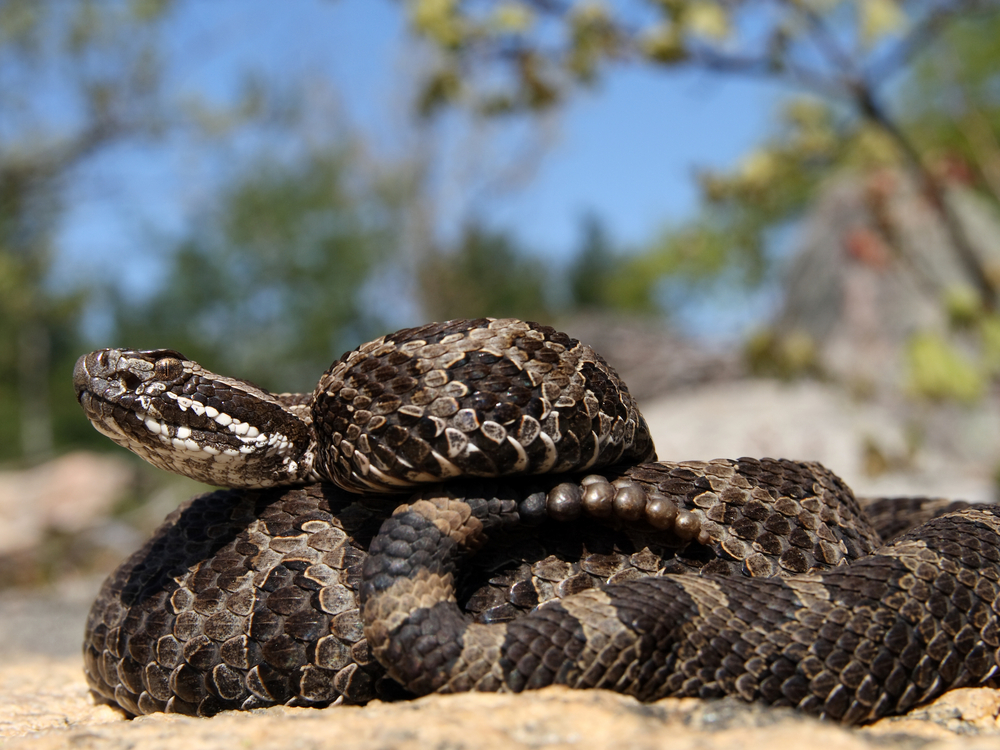
Attempting to kill a snake dramatically increases bite risk. Most bites occur when people try to strike or trap snakes. Defensive bites are fast and unpredictable.
Herpetology studies show snakes bite primarily when threatened. Killing attempts remove escape options. Even non-venomous snakes can cause injury. Distance is safer than force.
2. Don’t Corner It
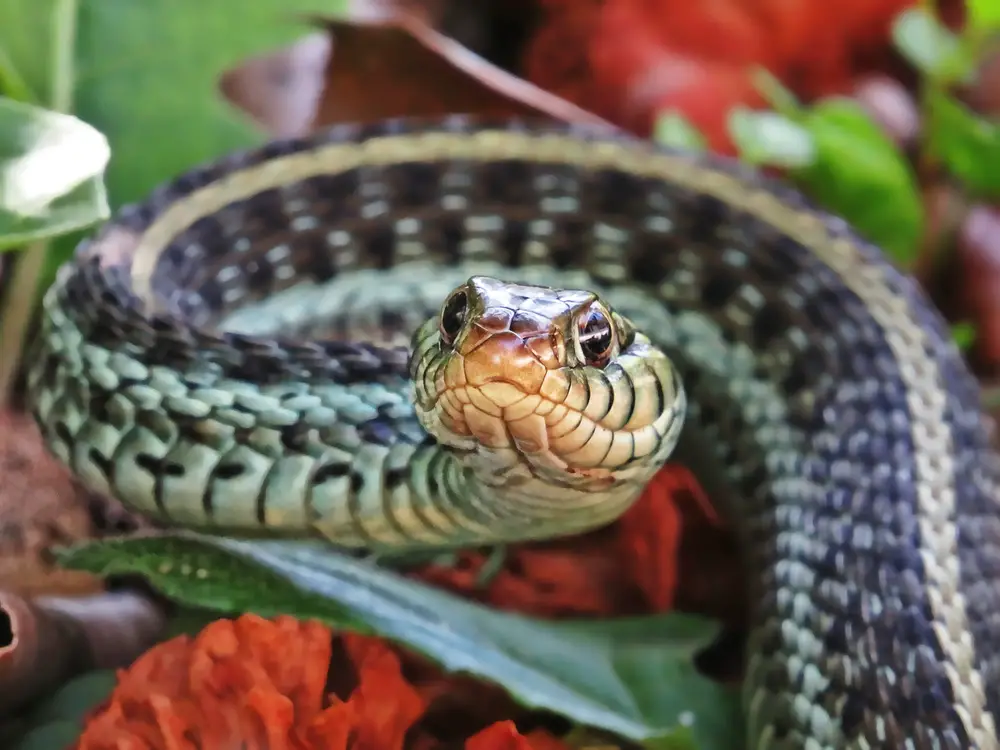
Blocking exits makes a snake feel trapped. A cornered snake is far more likely to strike. Escape routes reduce defensive behavior.
Wildlife agencies emphasize giving snakes space. Most will leave if allowed. Confinement escalates fear. Fear escalates danger.
3. Don’t Grab It With Something
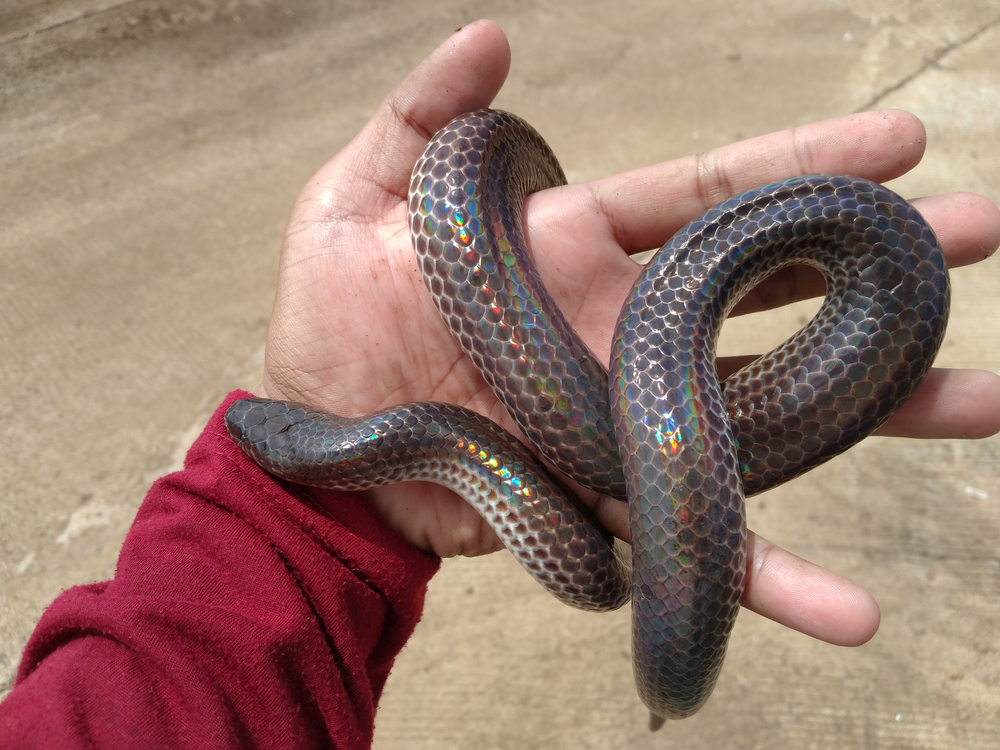
Using brooms, sticks, or grabbers is extremely risky. Snakes can strike faster than human reaction time. Tools give false confidence.
Snake-handling research shows improper tools increase bite incidents. Snakes can twist, climb, or redirect strikes. Distance must be greater than arm length. Professional removal is safest.
4. Don’t Panic Or Run
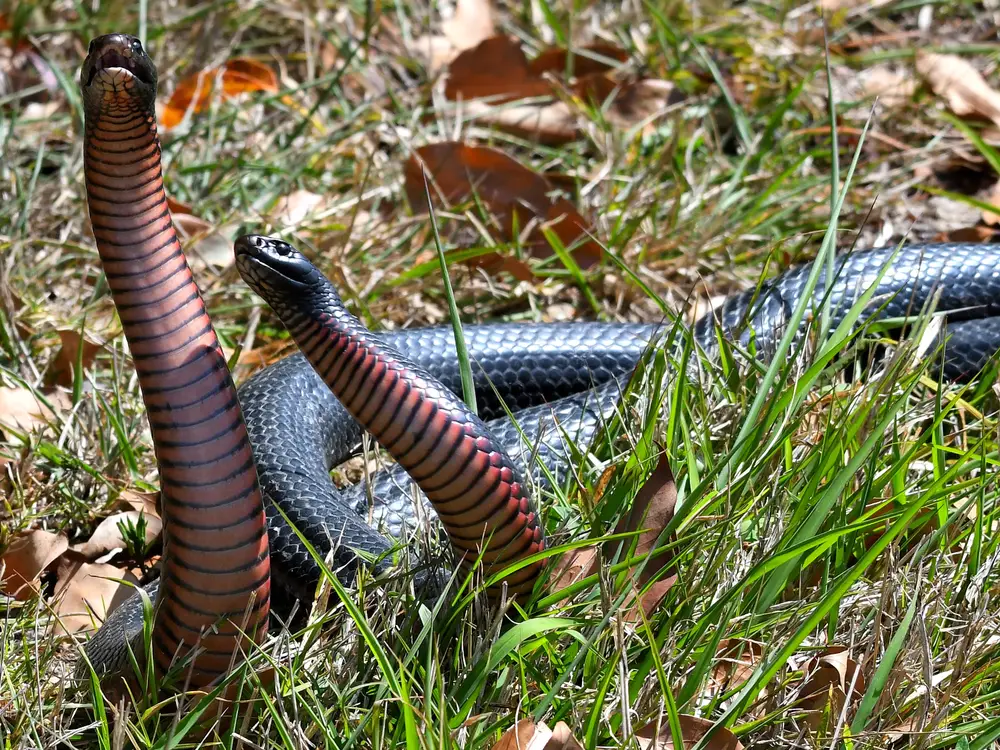
Sudden movement triggers defensive reactions. Running increases the chance of stepping on the snake. Calm observation reduces risk.
Most snake bites happen to lower limbs. Controlled movement keeps visibility intact. Panic narrows awareness. Slow responses save time and space.
5. Don’t Assume It’s Non-Venomous
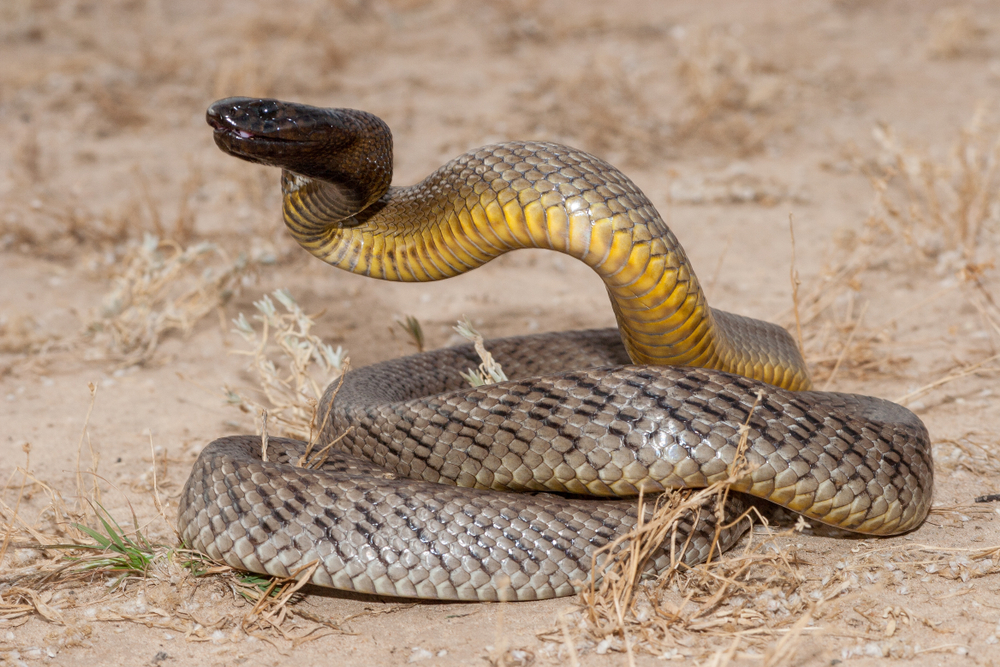
Many venomous snakes resemble harmless species. Visual identification is unreliable under stress. Misidentification leads to reckless behavior.
Herpetologists caution against amateur ID. Even experts rely on context and distance. Treat all snakes as potentially dangerous. Safety first prevents regret.
6. Don’t Try To Relocate It Yourself
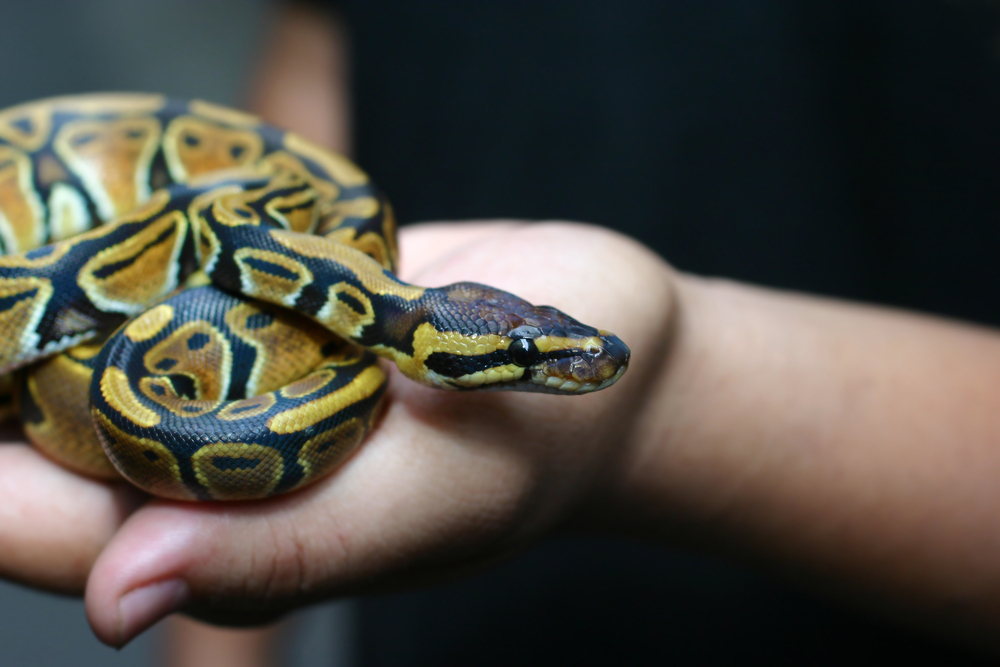
Moving a snake requires training and equipment. Improvised relocation often ends badly. Bites commonly occur during lifting attempts.
Wildlife removal data shows professionals have far lower incident rates. Proper tools and technique matter. DIY removal increases exposure time. Time equals risk.
7. Don’t Block Its Head
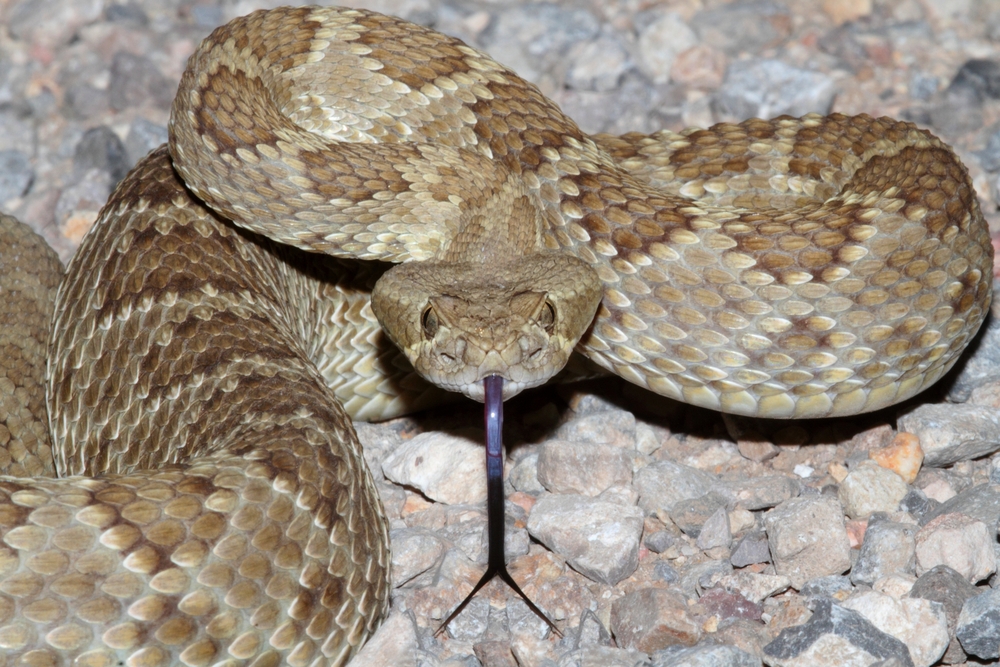
Targeting the head provokes strikes. Snakes defend their head instinctively. Blocking vision increases stress responses.
Snake behavior research shows head threats trigger reflexive bites. Avoid reaching or hovering above it. Maintain visual distance. Let it orient itself.
8. Don’t Use Glue Traps Or Chemicals

Glue traps cause prolonged suffering and panic. Injured snakes thrash violently. Chemicals can make behavior erratic.
Animal control agencies discourage these methods. They increase danger and cruelty. A distressed snake is unpredictable. Humane removal is safer.
9. Don’t Let Children Investigate

Curiosity leads to bites. Pets trigger defensive strikes quickly. Children misjudge distance and speed.
Veterinary studies show pets are frequent snake-bite victims indoors. Keep others out of the room. Reduce stimulation. Control the environment.
10. Don’t Just Ignore It
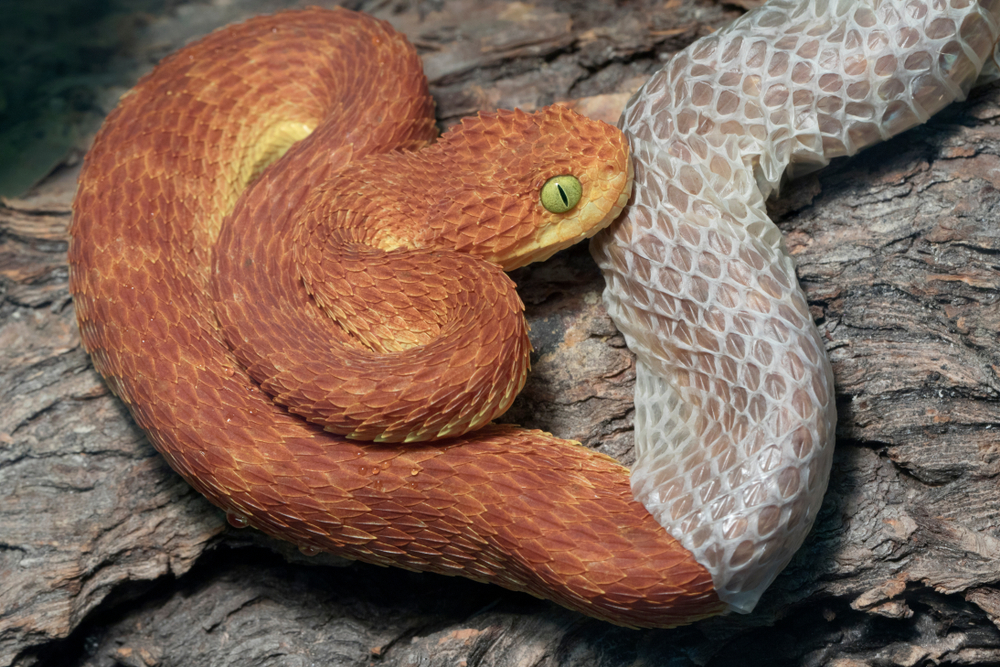
Snakes may hide in walls or furniture. Ignoring it allows movement into tighter spaces. Tracking becomes harder over time.
Snakes seek secure shelter once inside. Delay increases complexity. Immediate controlled response limits hiding options. Visibility matters.
11. Don’t Focus On Getting A Social Media Photo
Stopping to film increases exposure time. Distraction reduces situational awareness. Movement often happens unexpectedly.
Emergency response experts warn against delays. Safety outweighs documentation. Focus on containment and distance. Record later if needed.
12. Don’t Assume Calm Means Safe
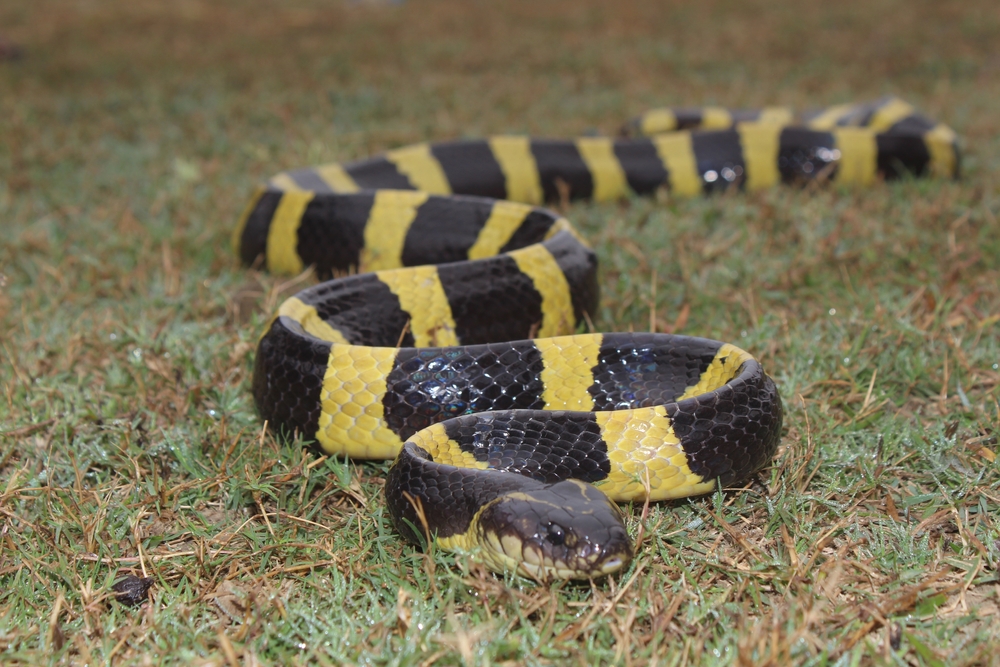
Stillness does not mean safety. Snakes freeze as a defense strategy. Strikes can happen instantly after long stillness.
Snake physiology allows explosive movement. Calm appearance is misleading. Never assume the threat has passed. Maintain distance until removal.