
There’s something uniquely captivating about the Appalachian Trail, a 2,190-mile stretch of diverse terrain running from Georgia to Maine. It’s a sanctuary for hikers seeking solitude, nature, and a break from the digital world. However, the viral success of TikToks showcasing this iconic trail has transformed it into something else entirely. Here are 13 ways viral TikToks have impacted the Appalachian Trail, turning this peaceful escape into a social media sensation.
4. It’s Become An Influencer Backdrop
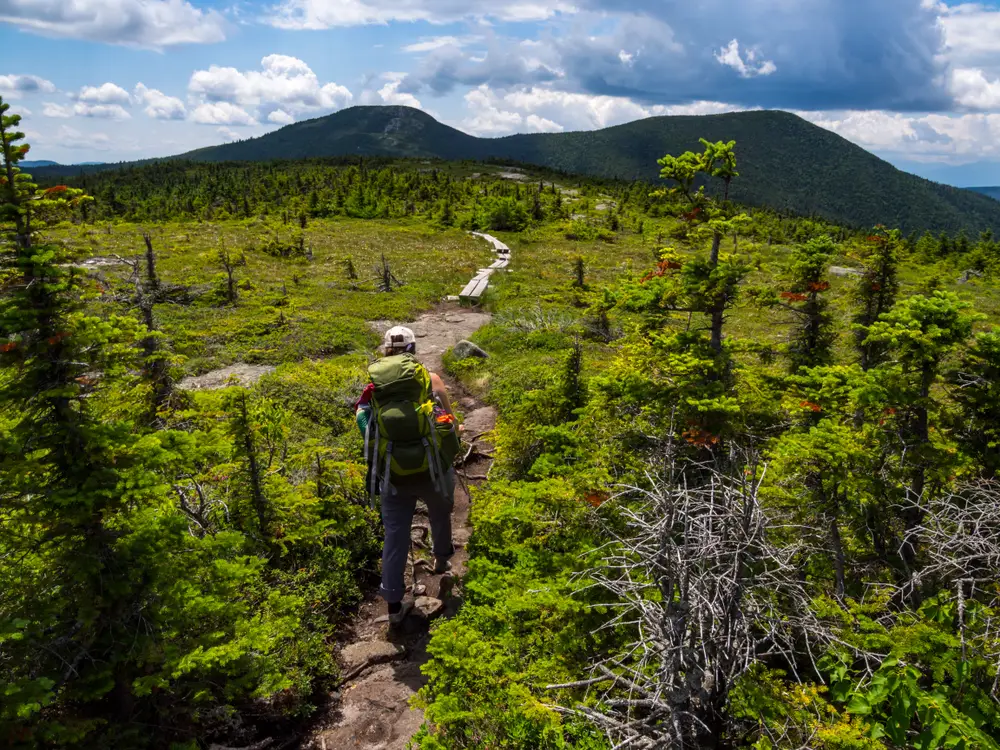
With the growth of influencer culture, the Appalachian Trail has become another backdrop for social media stars. Influencers flock to this iconic path, turning their hikes into content creation opportunities. While they bring awareness to the beauty of the trail, they also bring a level of commercialization that feels out of place in the wilderness.
Their presence often shifts the focus from nature itself to the influencer’s brand. This can change the atmosphere, making it feel more like a fashion runway than a wilderness retreat. For those seeking an authentic connection with nature, the presence of influencers can be a distraction from the trail’s natural allure.
1. Its Viral Fame Has Caused A Surge Of Visitors

The Appalachian Trail used to be a haven for those seeking solitude. Viral TikToks, however, have turned it into a crowded hotspot. The digital glamorization of the trail means more feet on the ground, which isn’t always a good thing. More people mean more wear and tear on the trail itself, and sometimes the ecosystems suffer as a result.
A report from the Appalachian Trail Conservancy highlights how increased traffic has led to more erosion and littering along the trail. They emphasize the need for conscious hiking and adherence to Leave No Trace principles. So while it’s great to see more people enjoying nature, the TikTok effect has made it harder to maintain the trail’s natural beauty.
2. It’s Become A Selfie Stop
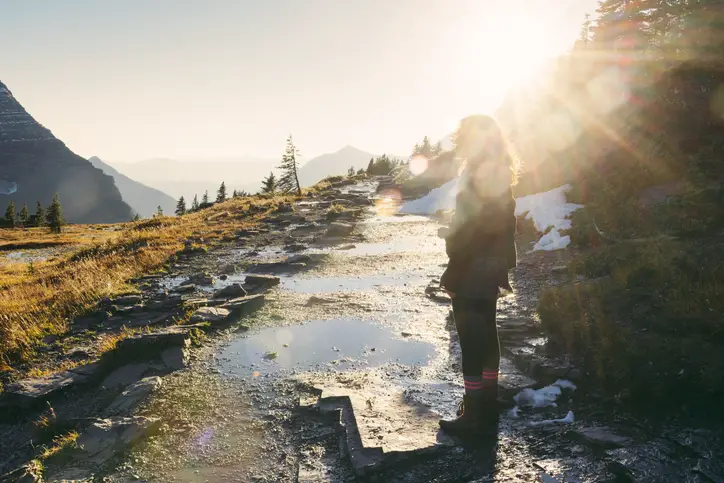
Suddenly, the trail isn’t just about the journey—it’s about the perfect selfie. People stop at scenic vistas, not to soak them in, but to capture the perfect shot for their followers. This new trend has caused congestion in some of the most beautiful spots. Instead of being places for reflection, they become crowded selfie stations.
The pressure to capture the “Instagrammable” moment can detract from the experience. People find themselves more focused on their phones than on the stunning views around them. And when everyone’s fixated on getting the perfect shot, it can make the trail feel more like a bustling tourist attraction than a serene escape.
3. It’s Now Rife With Misinformation
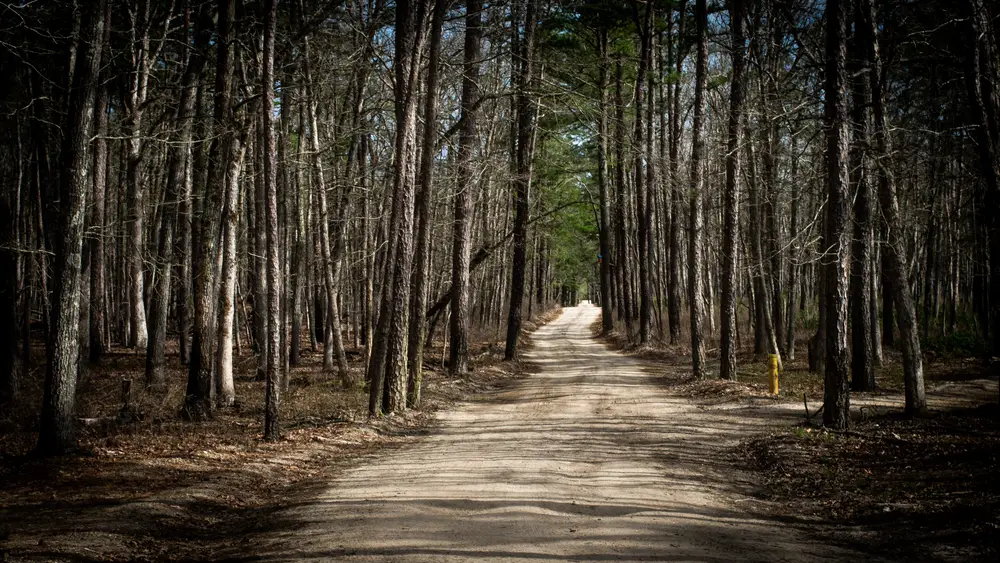
Viral TikToks often boil down complex experiences into bite-sized snippets. While this makes them engaging, it can also lead to misinformation. Viewers may take dangerous advice or adopt unrealistic expectations about the trail’s challenges. This has led to ill-prepared hikers who are unaware of the real conditions they might face.
According to a study published in the Journal of Outdoor Recreation and Tourism, misinformation can lead to increased search and rescue incidents. The study stresses the importance of accurate information for outdoor safety. Unfortunately, not all TikToks highlight the realities of enduring harsh weather conditions or navigating difficult terrains.
5. It’s Become a Fashion Parade
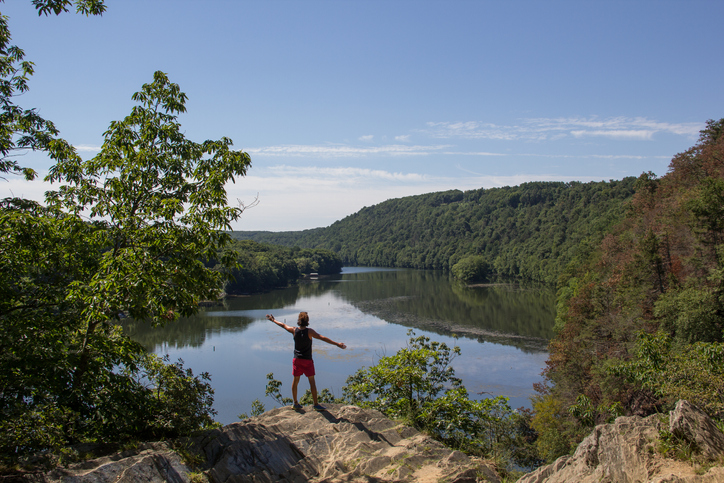
In the world of TikTok, the Appalachian Trail is as much about the gear as the experience. Viral videos often emphasize the latest hiking gadgets or trendy outfits. This focus on gear can overshadow the simplicity and accessibility of hiking. People might feel pressured to spend on expensive equipment, believing it’s necessary for a successful hike.
A piece in Outside magazine critiques this trend, suggesting that it distorts the true spirit of hiking. The article argues that while good gear is essential, it shouldn’t replace hiking knowledge and skill. Yet, the TikTok portrayal can make hiking seem inaccessible to those who can’t afford the latest trends.
6. It’s Lost A Sense of Seclusion
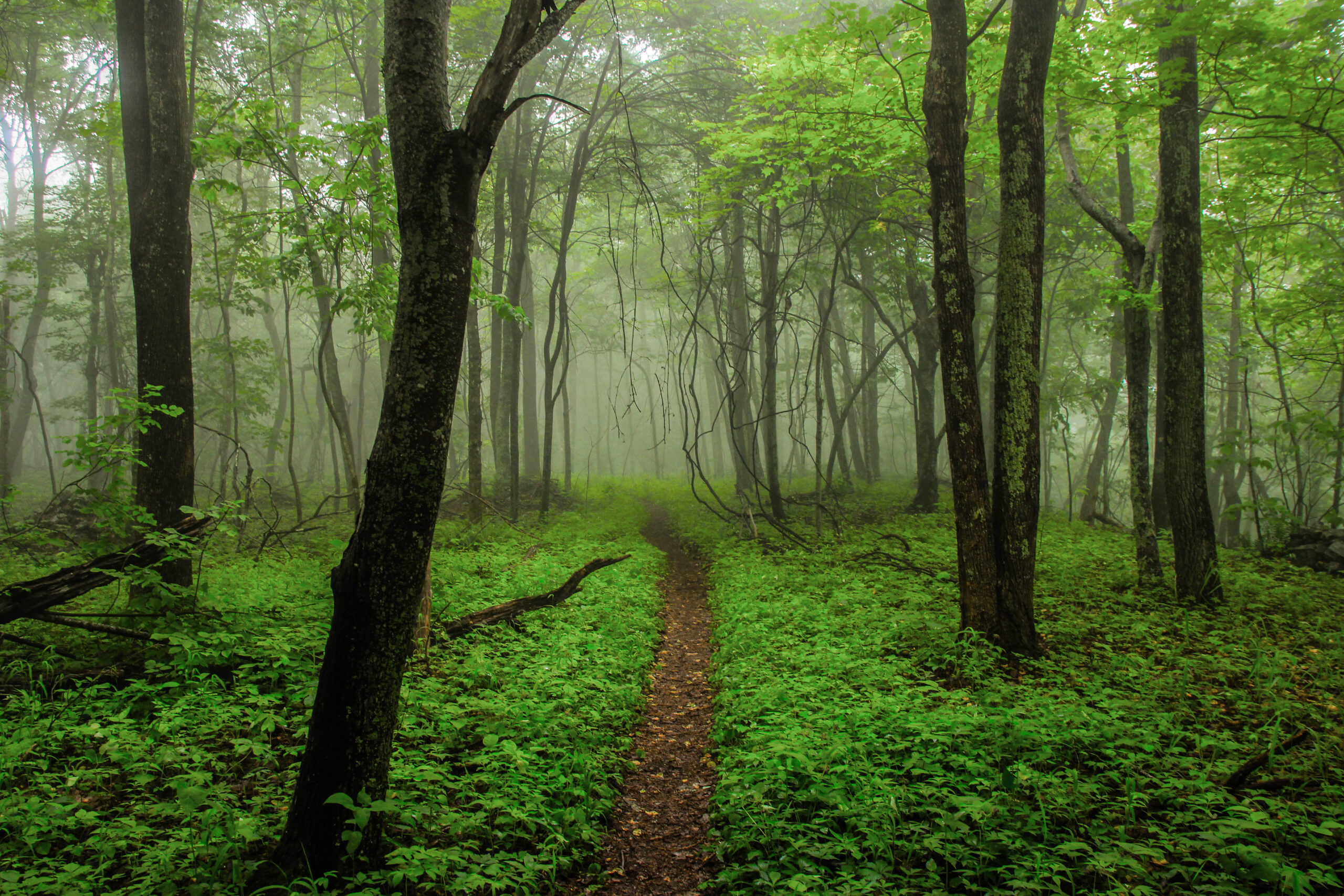
One of the Appalachian Trail’s greatest appeals is the sense of seclusion it offers. With the influx of TikTok tourists, that solitude is harder to find. Popular sections of the trail have become crowded and noisy. It’s not uncommon to hear the buzz of drones capturing footage for the next viral video.
This change in atmosphere can be jarring for long-time hikers. The trail, once a sanctuary, now feels more like a public park. The constant presence of people and technology can erode the sense of peace that many originally came to find.
7. It’s Causing Environmental Damage
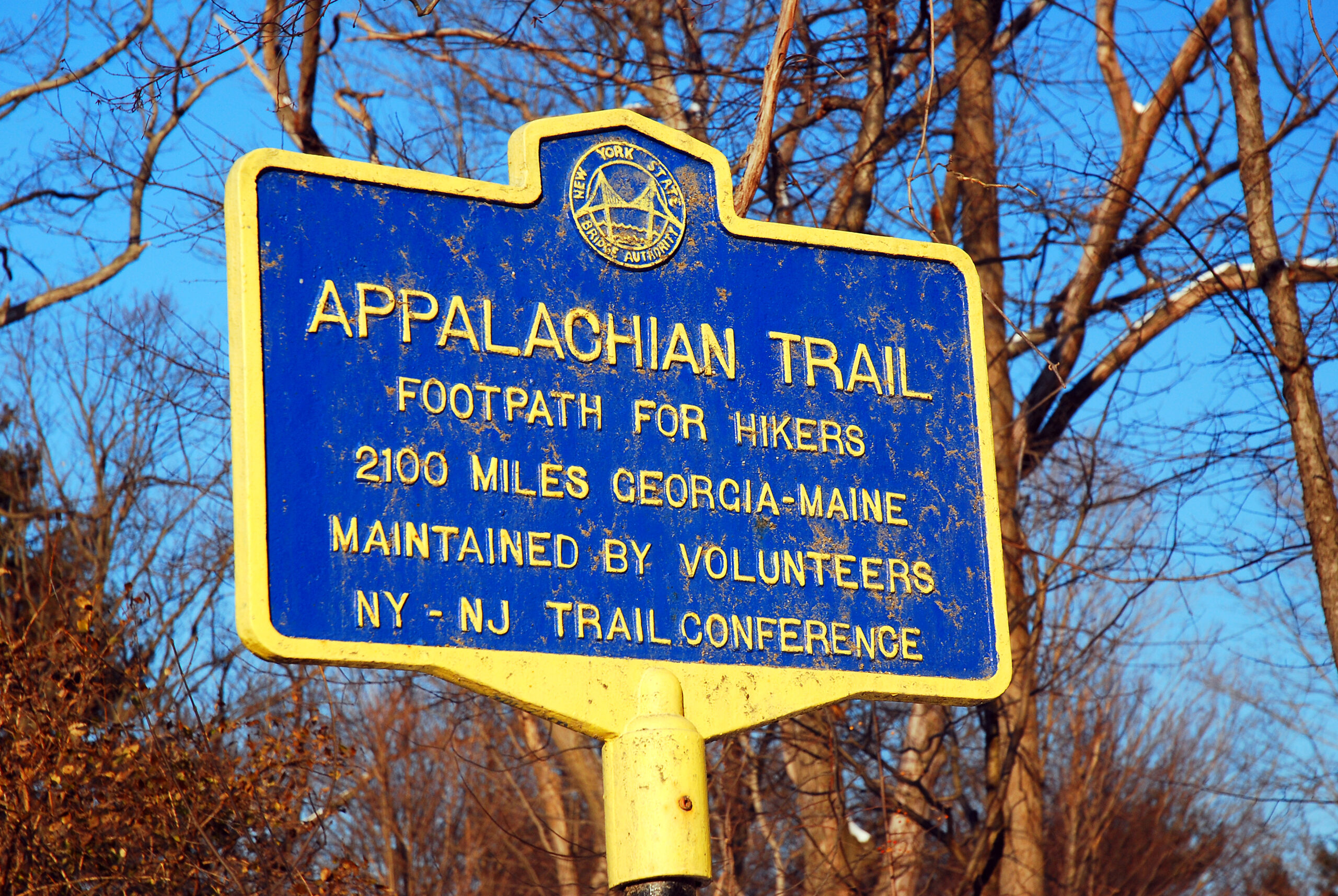
The increased popularity has brought environmental challenges. More visitors mean more litter, more disturbances to wildlife, and more damage to plant life. While some TikToks promote environmental awareness, many do not. The result is a trail that struggles to maintain its pristine condition under the weight of its popularity.
Environmental experts warn about the impact of unregulated tourism on the trail. According to a report by the National Park Service, the ecological footprint left by inexperienced hikers is a growing concern. The report calls for more stringent measures to protect the trail’s fragile ecosystems.
8. It’s Become Noisy and Polluted
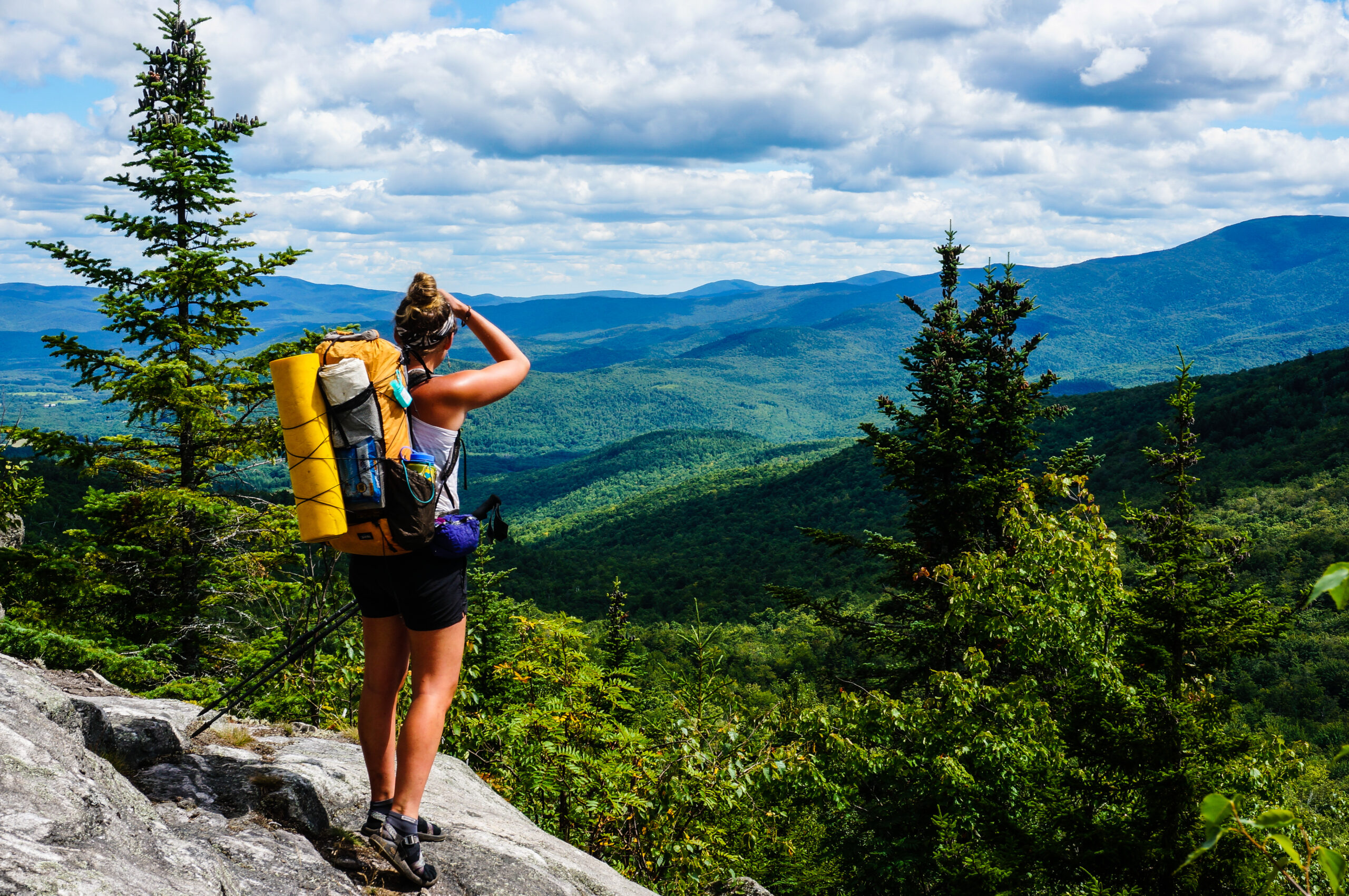
As more people document their adventures, noise pollution on the trail has increased. What was once a quiet retreat is now filled with the sounds of chattering groups and blaring music. Many hikers find themselves competing with the sounds of nature because of those who forget the sanctuary’s quiet rules.
Long-time hikers often reminisce about the tranquility they once found. Now, the serene sounds of birds and rustling leaves are often overshadowed. This shift can detract from the peaceful experience people seek when they head to the trail.
9. It’s About “Visibility” Not Experience

The pressure to capture every moment for social media can detract from being present. Instead of immersing themselves in nature, hikers focus on creating content. This shift can lead to a more superficial engagement with the trail. People may miss the deeper connection with nature that comes from unplugging and simply being.
It’s a paradox of our digital age: the more you document, the less you experience. The presence of technology can create a barrier between the hiker and the natural world. And while sharing experiences is valuable, it’s important to remember the value of living them fully first.
10. It’s Changed the Trail Culture

The trail’s culture is shifting, moving from camaraderie and shared experience to performance. The community spirit historically found on the trail is becoming diluted. People are more focused on their own journey and how it plays on social media. This self-focus can erode the sense of community that once characterized the Appalachian Trail.
Where people once shared stories and advice, now they share hashtags and followers. The culture of competition can make the trail feel less welcoming. For those who cherish the trail’s sense of community, this transformation can feel like a loss.
11. It’s Full Of Overcrowded Campsites
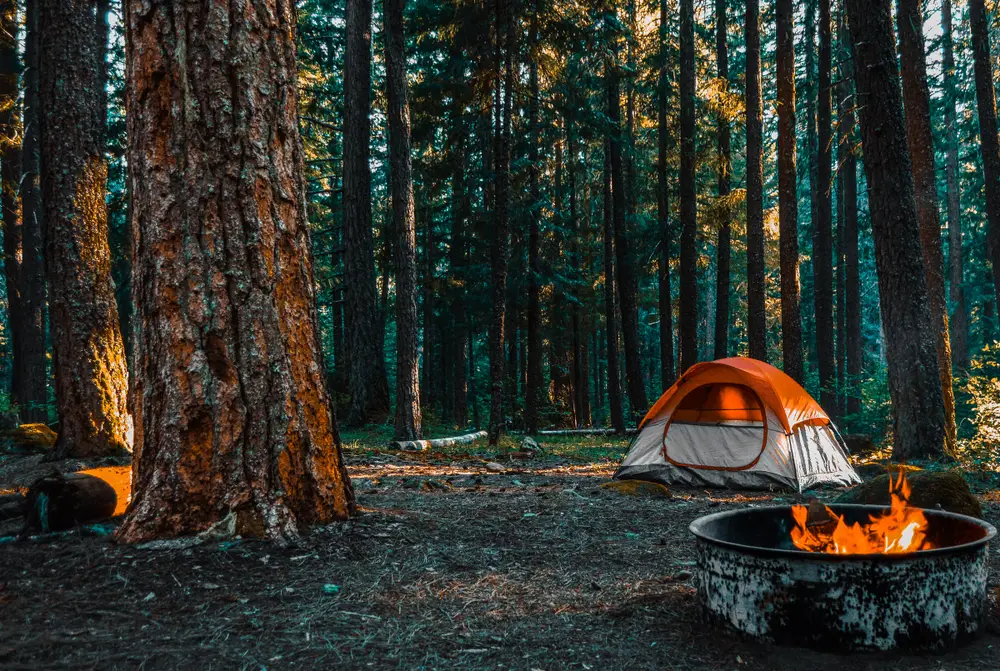
Campsites along the trail are feeling the pinch of increased popularity. Many are overcrowded, especially during peak seasons. This can make finding a spot to rest for the night a challenge. Overcrowded sites can also lead to environmental degradation, with more people disturbing the natural habitat.
The joy of a quiet night under the stars can be hard to find when campsites are bursting at the seams. For those who manage to secure a spot, the experience can feel less about communing with nature and more about jostling for space. It’s a reminder of the delicate balance between promoting natural wonders and preserving them.
12. It’s Added Pressure for Real Hikers
Viral videos often portray the trail as a race, showcasing fast-paced adventures. This portrayal can pressure hikers to rush their experience. Instead of savoring each moment, they move quickly from one highlight to the next. This hurried pace can lead to burnout and detracts from the meditative aspect of hiking.
The need to keep up with a social media narrative can overshadow the personal journey. Hikers might miss the profound insights that come from moving slowly and mindfully. The trail becomes less about personal growth and more about ticking boxes.
13. It’s Straining Local Resources

With more people comes a greater demand for trail maintenance and resources. The infrastructure supporting the trail struggles to keep up with the influx. From restroom facilities to waste disposal, resources are stretched thin. This strain can lead to a less enjoyable experience for everyone.
Local communities and organizations work tirelessly to support the trail. However, they often operate with limited budgets and staffing. The increased popularity brought on by viral TikToks only amplifies these challenges.