
You may think your dog is just sniffing, staring, or acting “weird,” but a lot is happening behind those eyes. Dogs constantly evaluate risk, often before humans notice anything is off. Their instincts are tuned to movement, sound, energy, and unfamiliar patterns. Many of their quiet behaviors are actually surveillance.
1. They Freeze Mid-Walk
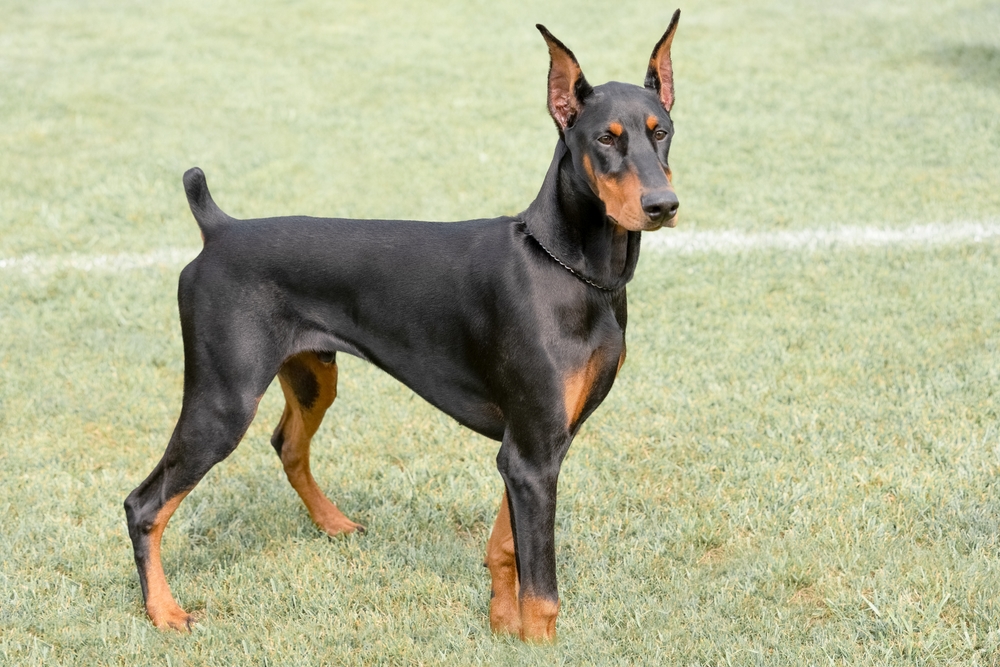
When your dog suddenly stops, they’re processing information. They’ve detected something unfamiliar—sound, scent, or movement. Stillness allows better assessment. They’re gathering data.
Canine behavior studies show dogs pause to evaluate ambiguous stimuli before reacting. Freezing prevents escalation while improving perception. Your dog isn’t stubborn. They’re scanning for safety.
2. Their Ears Move

Ear movement is directional radar. Dogs rotate their ears independently to isolate sound. Quick shifts indicate active threat assessment. They’re triangulating information.
Veterinary neuroscience confirms that dogs process sound location faster than humans. Ear movement precedes visible reaction. Your dog hears before you do. Their ears are intelligent tools.
3. They Stand Between You And The ‘Threat’
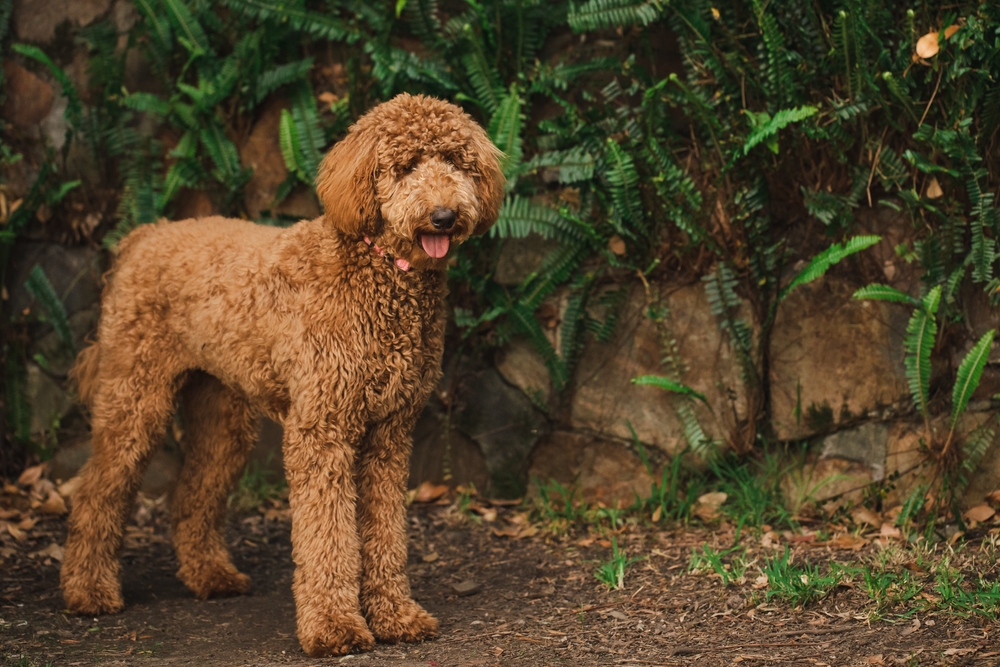
Dogs often position themselves as a barrier without aggression. This isn’t dominance—it’s protection. They’re controlling proximity. It’s risk management.
Canine social behavior research links this to guardian instincts. Your dog isn’t confronting danger—they’re buffering it. Placement matters. Protection doesn’t always look dramatic.
4. Their Body Goes Still But Alert
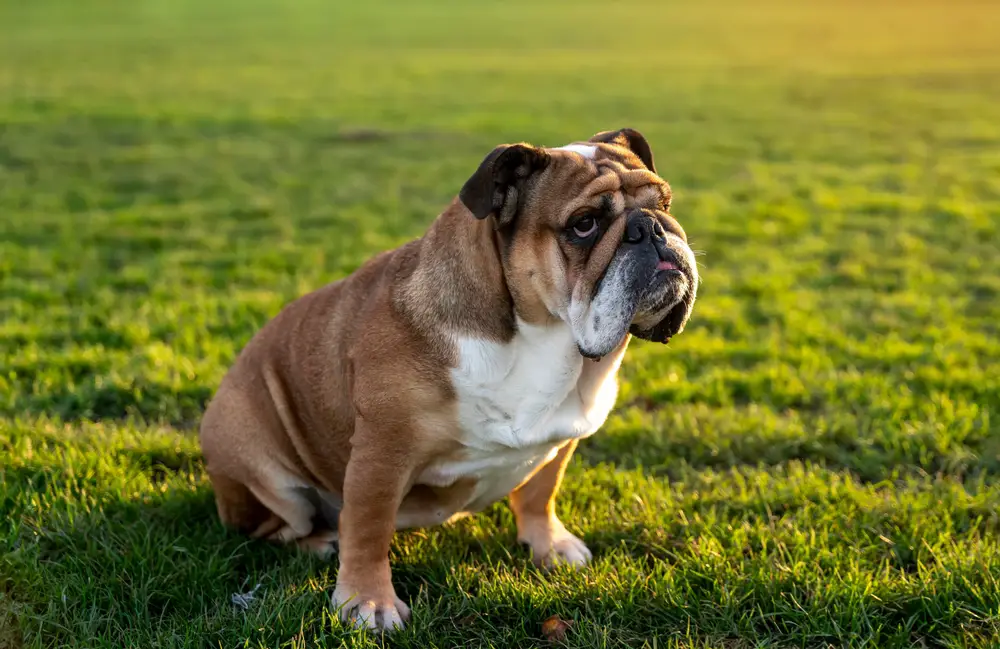
A tense stillness means heightened awareness. Muscles engage while movement pauses. Your dog is ready to react instantly. It’s preparedness, not fear.
Animal cognition studies show this posture optimizes response speed. Stillness allows explosive movement if needed. Calm doesn’t mean relaxed. It means ready.
5. They Let Out A Low, Short Bark
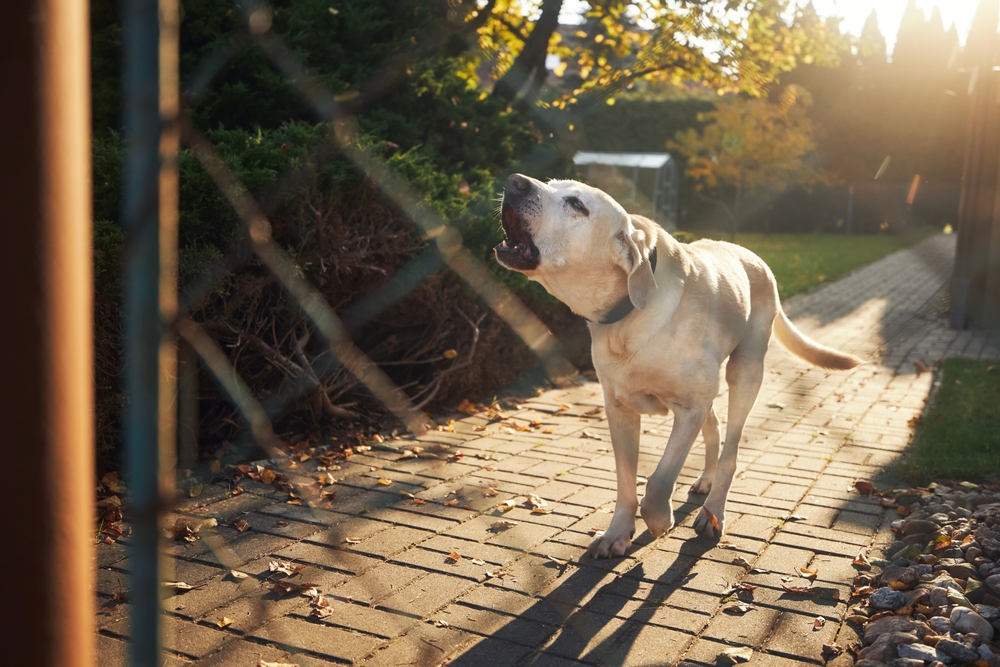
Not all barks are alarm bells. Short, low barks signal uncertainty rather than panic. Your dog is testing the response. It’s a warning, not an attack.
Research in animal communication shows that dogs adjust their vocalization based on threat level. This bark asks a question. It’s intelligence in sound form.
6. They Watch Everyone Closely
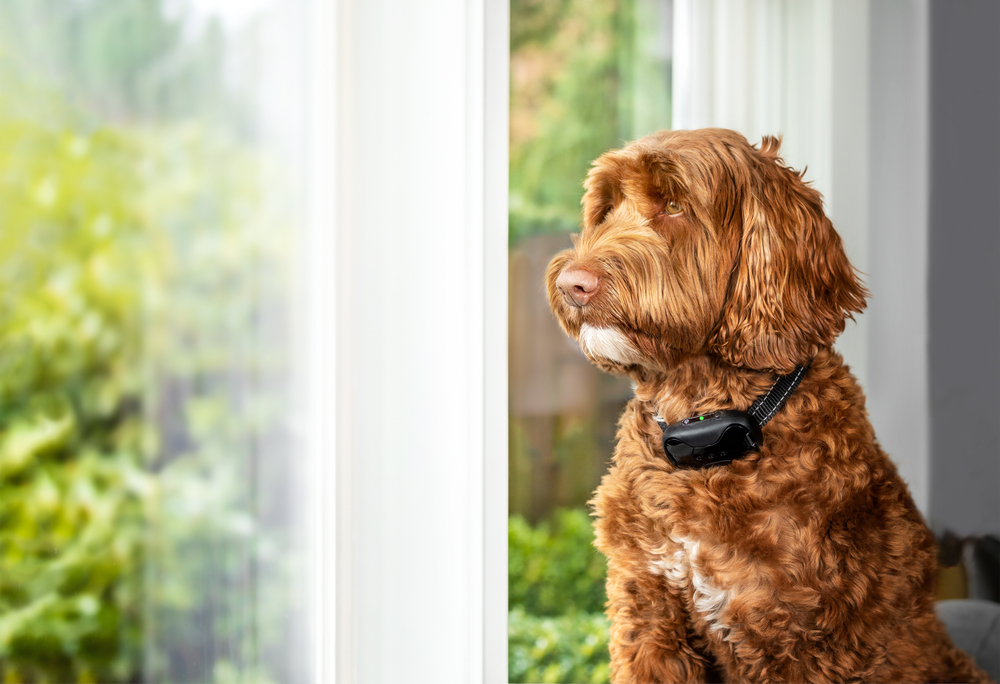
Dogs track exits carefully. When someone unfamiliar leaves, they continue monitoring. This ensures the threat has passed. Closure matters.
Behavioral studies show dogs monitor potential threats until resolution. Leaving doesn’t end the assessment. Your dog wants confirmation. Safety is verified, not assumed.
7. Their Fur Stands On End
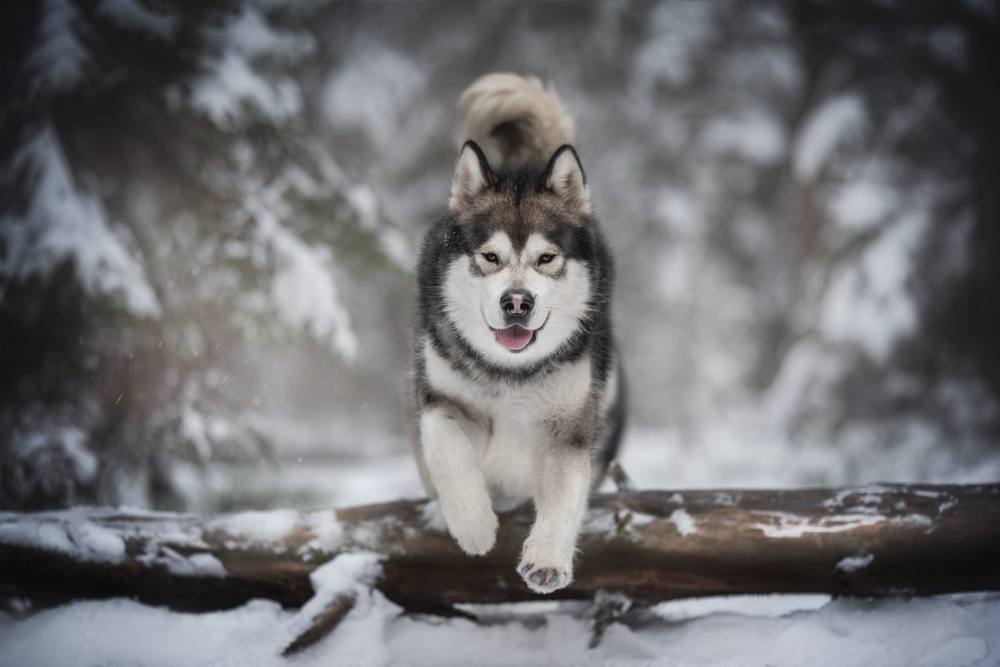
Raised fur signals arousal, not aggression. It indicates heightened nervous system activation. The dog is alert and uncertain. It’s a physiological response.
Veterinary research confirms piloerection occurs during excitement or stress. It doesn’t predict an attack. Your dog’s body is broadcasting an alert status. It’s internal, not intentional.
8. They Sniff The Same Spot Repeatedly
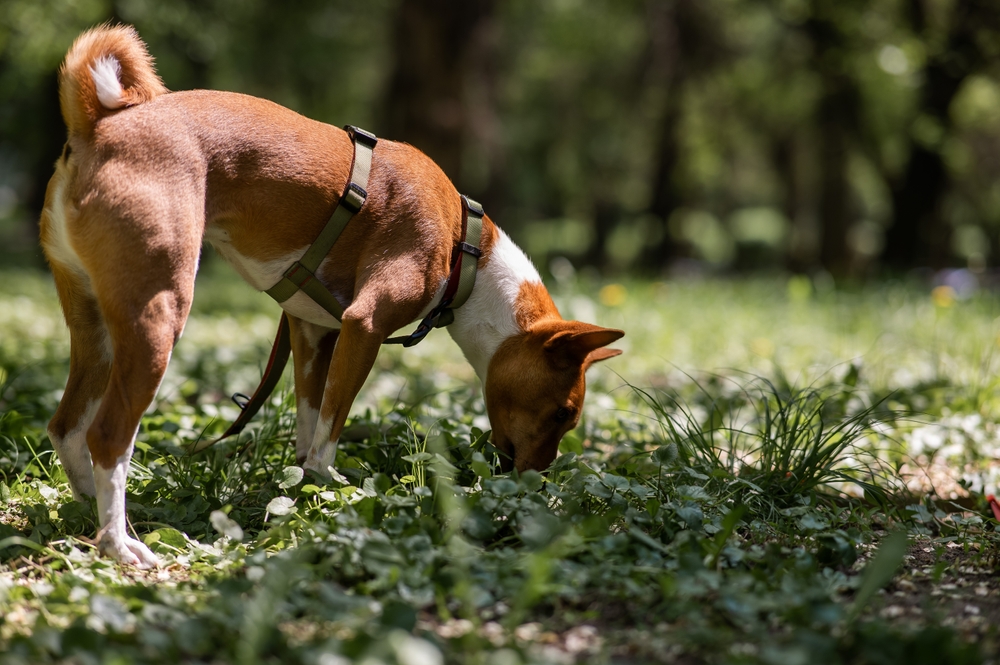
Dogs revisit scent information to update risk. New layers of scent change meaning. Re-sniffing is data verification. They’re cross-checking.
Olfactory research shows dogs interpret scent timelines. They know who passed through and when. Repetition equals reassessment. Smell is memory plus intelligence.
9. They Refuse To Move Forward
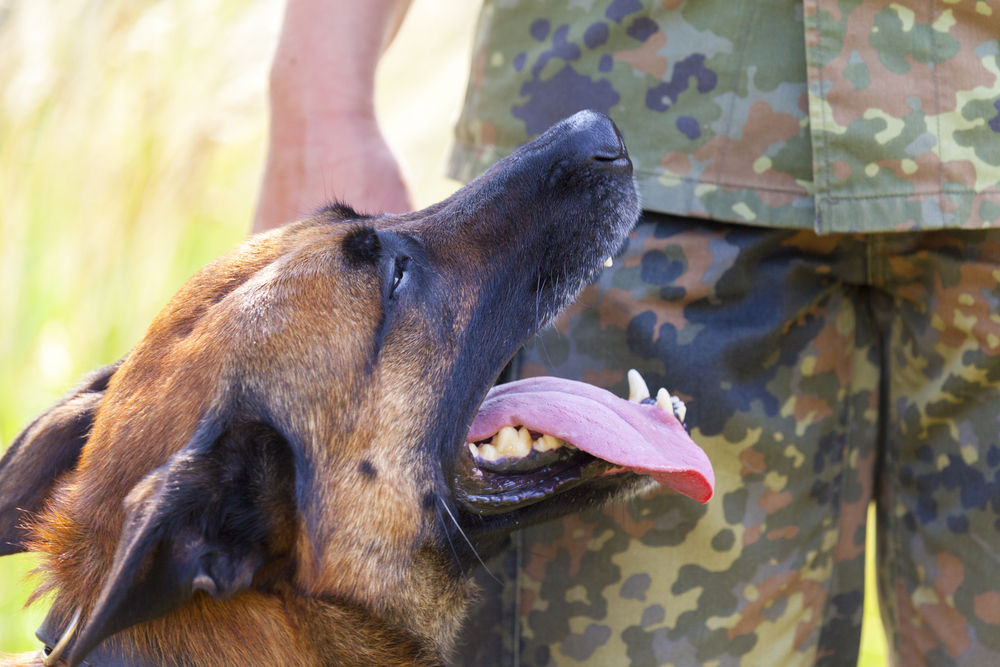
Resistance often signals perceived risk. Dogs trust their instincts more than commands. If they stop, something feels wrong. Movement isn’t worth it.
Canine cognition experts note dogs prioritize safety over obedience. Refusal is information. Your dog isn’t defiant—they’re cautious.
10. They Yawn Excessively
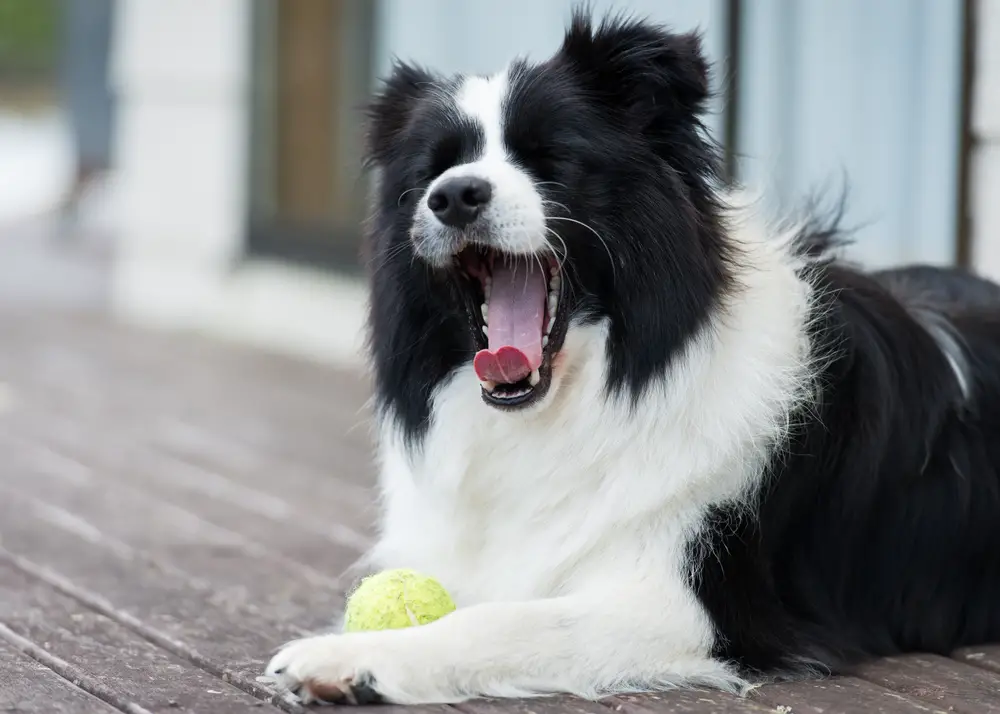
Yawning can indicate stress, not tiredness. Dogs yawn to self-soothe and de-escalate tension. It’s emotional regulation. The threat feels manageable but present.
Behavioral research links yawning to calming signals. Your dog is regulating themselves. It’s communication, not boredom.
11. Their Tail Changes Position
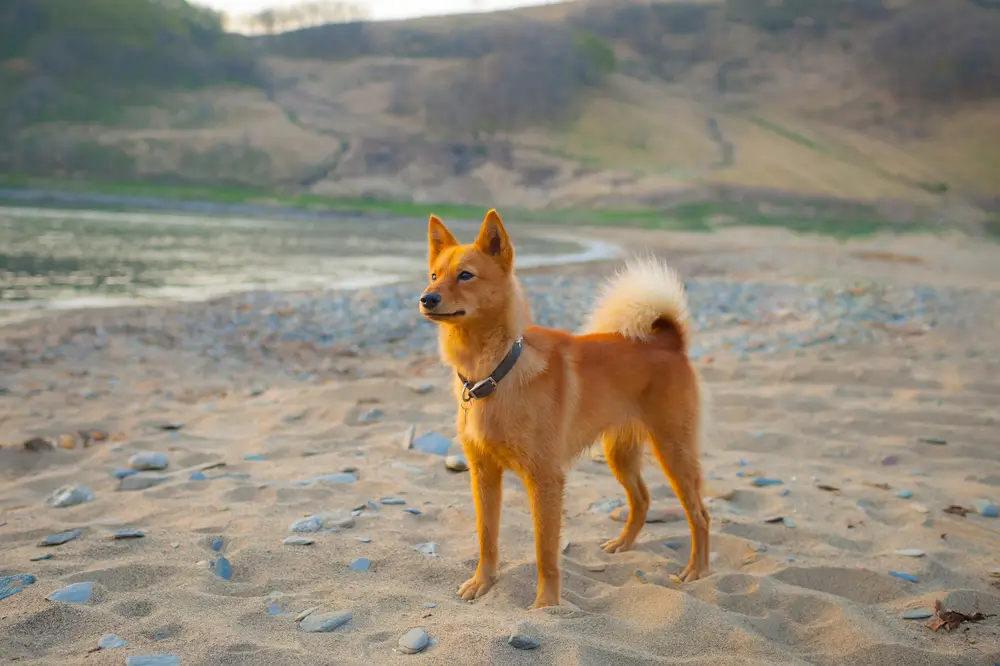
Tail height and stiffness matter more than wagging. A slow, stiff wag signals assessment. It’s not joy—it’s evaluation. Energy matters.
Canine body language research emphasizes tail nuance. Movement without looseness means vigilance. Your dog is reading the situation carefully.
12. They Sit Suddenly

Sitting creates stability. It lowers the center of gravity and increases readiness. Your dog is grounding themselves. It’s preparation.
Ethology research shows that sitting precedes reactive movement in animals. Stillness creates control. Your dog is bracing, not resting.
13. They Don’t Relax Until You Do
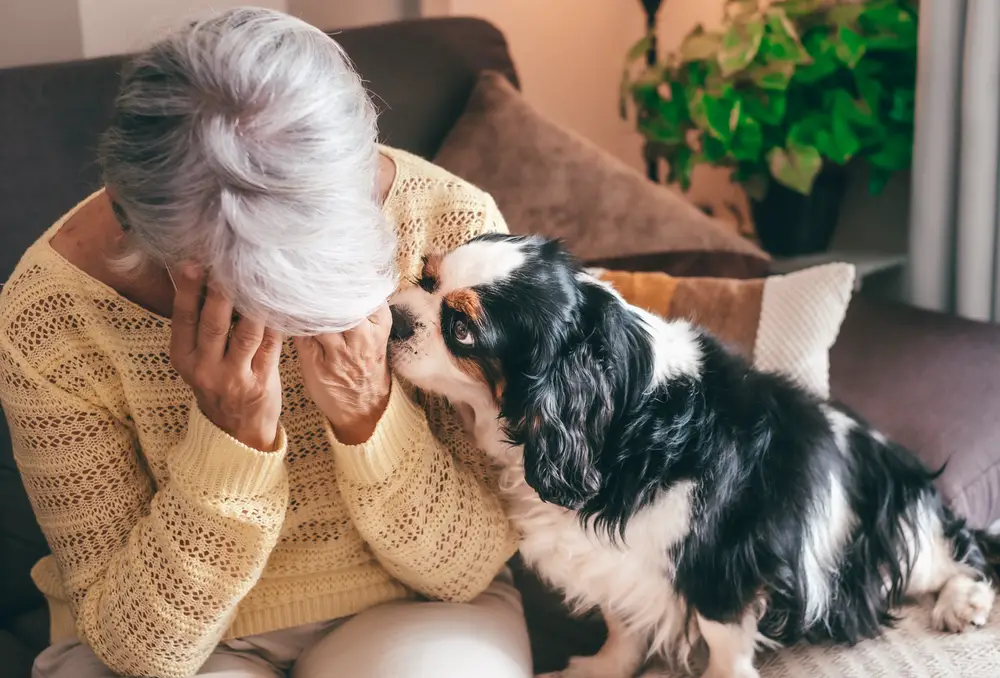
Dogs read human nervous systems closely. When you relax, they reassess safety. Your calm signals clearance. Danger dissolves.
Studies on human-dog emotional mirroring show dogs sync with owner stress levels. Your dog watches you as much as the world. Safety is shared.