
Shelter dogs face adoption challenges that have little to do with their actual temperaments or potential as companions and everything to do with human biases, misconceptions, and superficial judgments. These biases leave certain dogs languishing in shelters for months or years while others get adopted within days, despite having similar personalities and needs. The gap between perception and reality creates heartbreaking outcomes where wonderful dogs are overlooked or euthanized simply because they don’t fit narrow ideas of what an adoptable dog should look like or be.
1. Black Dogs – The “Black Dog Syndrome” Phenomenon

Black dogs of all sizes and breeds wait significantly longer for adoption than dogs of other colors, a pattern so consistent that shelter workers call it “black dog syndrome.” The bias is partially aesthetic—black dogs photograph poorly, their features are harder to distinguish in shelter lighting, and their eyes don’t show expressively in photos. Cultural associations linking black with negativity, fear, and bad luck create subconscious prejudice, and black dogs in media are often portrayed as threatening or evil while light-colored dogs are heroes.
The discrimination is entirely superficial—coat color has zero connection to temperament, trainability, or health—yet black dogs are euthanized at higher rates and wait 2-4 times longer for adoption. Some shelters have started using special lighting and photography techniques to showcase black dogs’ features, and advocates work to educate adopters that color is meaningless beyond aesthetics. The bias reveals how much human decision-making is driven by irrational associations rather than logical assessment, with dogs literally dying because of the color of their fur.
2. Pit Bulls and Pit Mixes – Breed Discrimination at Its Worst
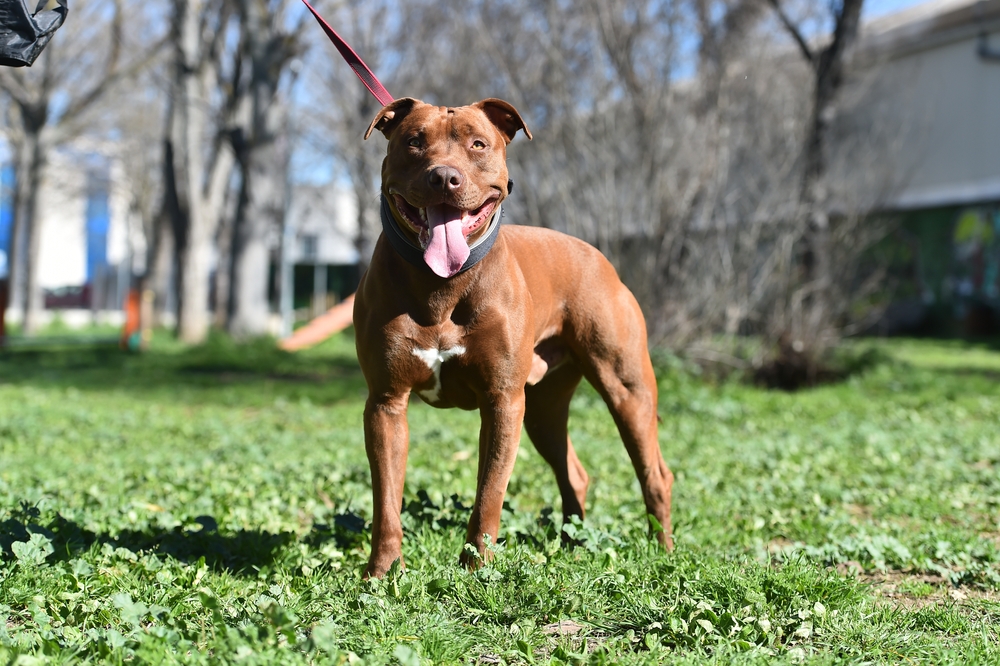
Pit bulls and dogs with blocky heads labeled as pit mixes face the most severe adoption bias, with many potential adopters refusing to even consider them due to media-fueled fears about aggression. The reality is that “pit bull” isn’t a single breed but a label applied to multiple breeds and mixes, and temperament testing shows pit bulls pass at rates equal to or higher than many popular breeds. Many dogs labeled as pit bulls are actually mixed breeds with minimal or no bull terrier heritage, but the label alone causes people to see aggression that isn’t there.
Breed-specific legislation, insurance restrictions, and rental prohibitions create practical barriers even for people willing to adopt pit bulls, and the stereotype becomes self-fulfilling when the only people adopting them are those seeking tough-looking dogs for the wrong reasons. Well-bred, properly socialized pit bulls are affectionate, people-oriented dogs that were historically called “nanny dogs” for their gentleness with children. The bias leaves shelters overflowing with pit bulls and pit mixes—sometimes comprising 50-70% of available dogs—while perfectly wonderful individual dogs are judged solely on appearance and label rather than their actual behavior and personality.
3. Senior Dogs – The Ignored Gray Muzzles
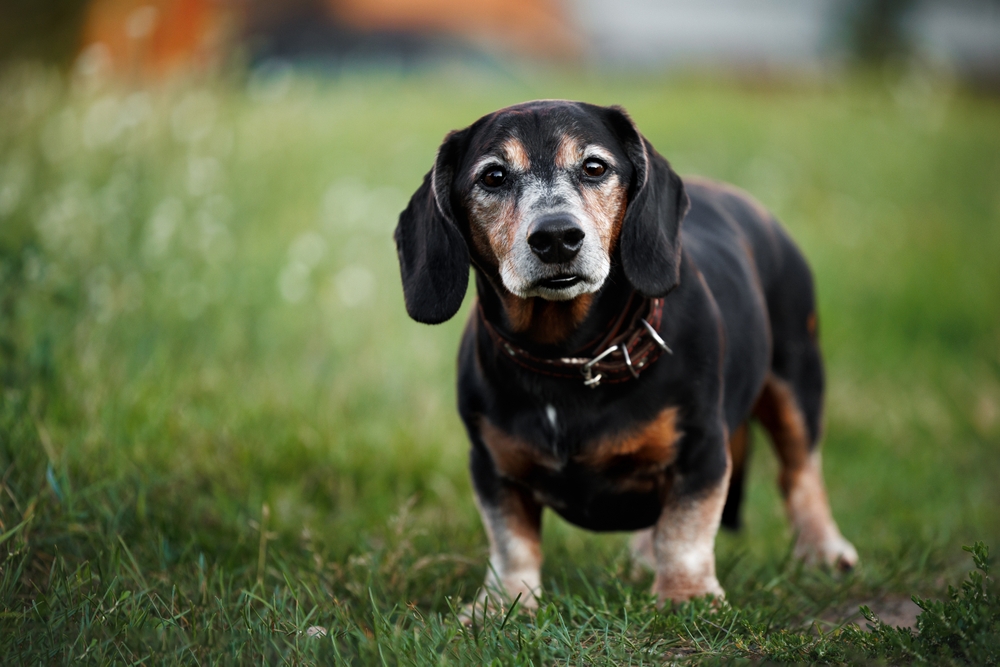
Dogs over 7-8 years old face dramatically reduced adoption rates as potential adopters seek puppies or young adults, assuming seniors have limited time left and will bring immediate veterinary expenses. The bias ignores that senior dogs often have 5-8+ years of quality life remaining, their personalities are fully formed so there are no surprises, and they’re typically calmer and require less training than younger dogs. Many seniors end up in shelters through no fault of their own—owner death, divorce, housing changes—after living entire lives in homes.
The prejudice against senior dogs is particularly cruel because they’re most likely to struggle in shelter environments and least able to compete for attention with energetic youngsters. Adopters miss out on grateful, loving companions who adapt quickly to new homes and often bond intensely with adopters who give them a second chance. Some shelters have created senior-to-senior programs matching older dogs with older adopters, recognizing that many retirees are ideal matches for calm, lower-energy dogs but were overlooking them in favor of puppies they couldn’t physically handle.
4. Large Black Dogs – The Double Discrimination
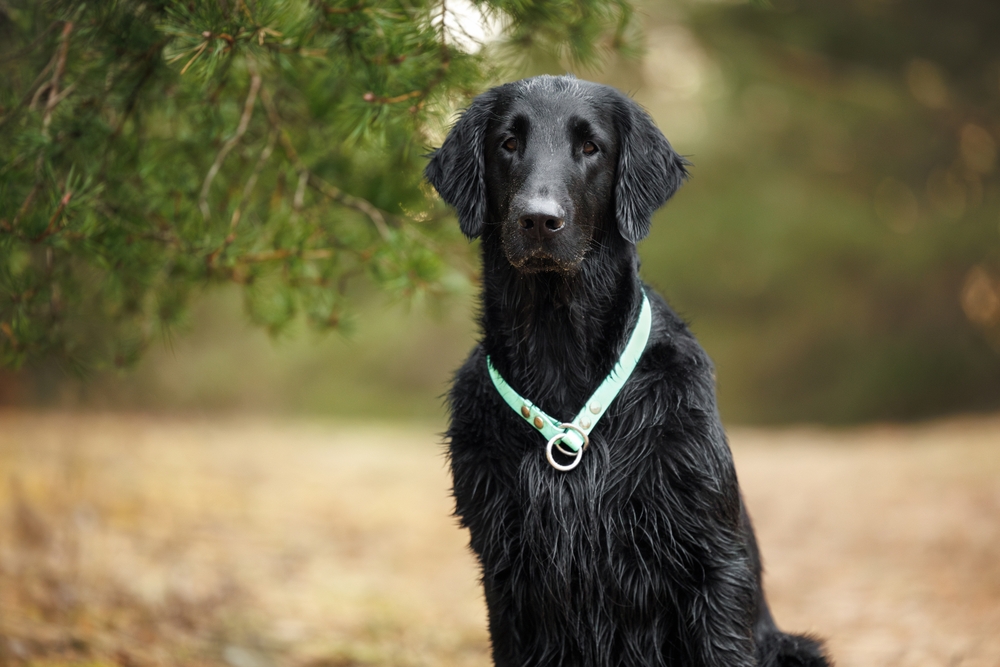
Large black dogs face compounded bias—they’re black (already a disadvantage) and big (intimidating to many people), making them the least adoptable category in many shelters. A 70-pound black Labrador mix might wait six months for adoption while a 30-pound tan terrier mix gets adopted in days despite similar temperaments. The perception that large black dogs are threatening is entirely psychological—these dogs are often gentle giants who want nothing more than to be lap dogs despite their size.
The bias is especially irrational because large dogs often make better family pets than small dogs—they’re typically more tolerant of children, less prone to anxiety and fear-based aggression, and easier to train. The size concerns about damage or food costs are legitimate considerations, but they shouldn’t overshadow the individual dog’s suitability. Many large black dogs are overlooked specifically because they look imposing, when in reality their personalities are often sweet and goofy rather than protective or aggressive.
5. Dogs with “Aggressive” Names – The Label Effect

Dogs with names suggesting toughness or aggression—Killer, Spike, Diesel, Tank—are adopted less frequently than those with friendly names like Buddy or Daisy, even when the dogs have identical temperaments. Research shows people make snap judgments based on names, assuming dogs named aggressively will behave aggressively, despite zero correlation. Many shelters now automatically rename dogs upon intake, replacing tough names with softer options to improve adoption chances.
The name bias reveals how much human perception is influenced by irrelevant factors and how little effort many adopters put into actual behavioral assessment. A dog named Killer might be a gentle, submissive sweetheart,t while a dog named Cupcake might have serious aggression issues, but potential adopters often don’t get far enough to learn this because the name creates an immediate negative association. The practice of renaming dogs demonstrates shelters’ understanding that marketing matters more than reality for many adopters, a sad commentary on how superficial adoption decisions often are.
6. Dogs with Medical Issues or Disabilities – The “Damaged Goods” Mentality
Dogs missing eyes, limbs, or with chronic manageable conditions like diabetes or epilepsy face severe adoption resistance as people assume they’ll be difficult to care for or won’t have a good quality of life. The reality is that dogs adapt remarkably to disabilities—three-legged dogs run and play normally, blind dogs navigate homes confidently, deaf dogs respond to hand signals, and medical conditions are often easily managed with affordable medication. These dogs are typically just as happy and capable as able-bodied dogs.
The bias against special needs dogs is partially practical—veterinary costs are real concerns—but often it’s discomfort with disability or assumptions about suffering that the dogs themselves don’t experience. Many special needs dogs end up thriving in homes where adopters gave them a chance, and owners report that the dogs’ disabilities become invisible quickly as everyone adjusts. Some organizations specialize in placing special needs dogs and provide support and education to adopters, but these dogs still face dramatically longer wait times and higher euthanasia rates than healthy dogs with similar temperaments.
7. “Ugly” Dogs – The Beauty Pageant Problem

Dogs with unusual appearances—asymmetrical features, underbites, crooked teeth, patchy fur, or just unconventional proportions—wait significantly longer for adoption than conventionally attractive dogs. The bias is purely aesthetic since appearance has no correlation with personality, but humans are visual creatures who make snap judgments based on looks. Some of the best family dogs are objectively homely, but they never get the chance to show their personalities because people walk past their kennels.
The “ugly dog” bias is particularly frustrating to shelter workers who know these overlooked dogs often have the most endearing personalities, as if their lack of physical beauty is compensated by extra charm and affection. Social media has helped somewhat, with viral “ugly” dogs drawing attention to the fact that unconventional looks often accompany wonderful temperaments. Some shelters have started “ugly dog” promotions that reframe unusual appearance as unique character, helping people see past superficial imperfections to the dog beneath.
8. Dogs Over 40 Pounds in Urban Shelters – The Apartment Excuse
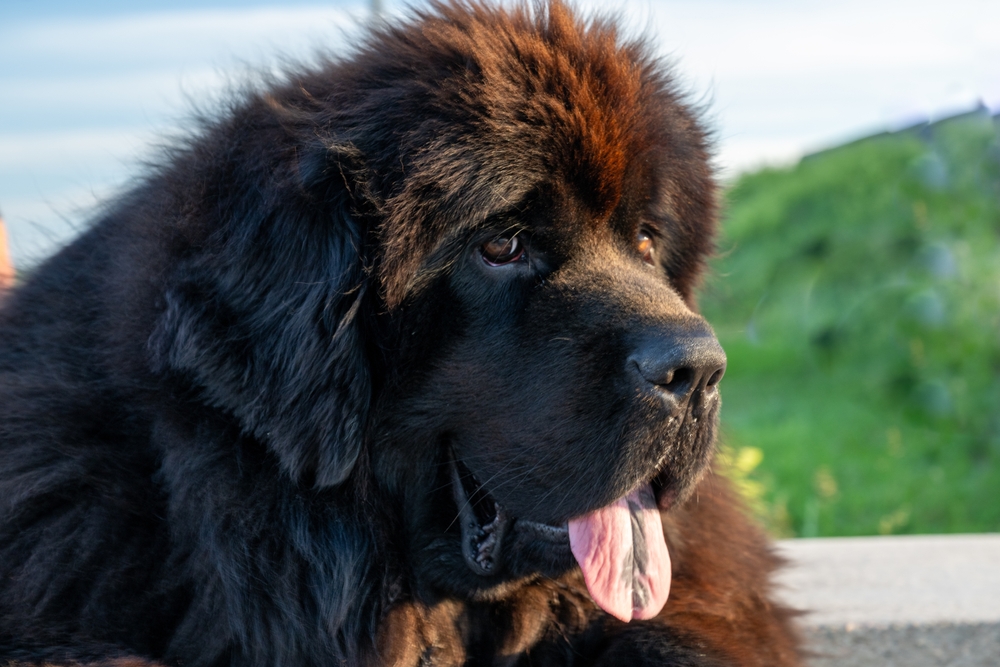
Medium to large dogs face severe adoption challenges in urban shelters where most potential adopters live in apartments with size restrictions or believe large dogs can’t thrive in smaller spaces. A 50-pound dog might be perfectly suited for apartment living if they’re calm and moderate-energy, while a 20-pound terrier might be completely inappropriate due to barking and high activity needs, but size often becomes the sole consideration.
The bias ignores that many large dogs are actually lower energy and quieter than small breeds—Great Danes are notorious couch potatoes, while many small terriers are high-strung and vocal. Some large dogs adapt beautifully to apartment living with adequate walks and mental stimulation, but they never get the opportunity to prove it because size restrictions and assumptions keep people from considering them. The urban shelter crisis for larger dogs is particularly severe in cities like New York, Chicago, and San Francisco where housing restrictions eliminate most potential adopters before personality enters consideration.
9. Shy or Fearful Dogs – Mistaking Fear for Aggression

Dogs displaying fear-based behaviors in shelters—cowering, trembling, hiding in the back of kennels—are often passed over because people misinterpret fear as aggression or assume the dog is damaged or unsocializable. The shelter environment is terrifying for many dogs who become confident, affectionate companions once in homes but never show that side in the stressful kennel setting. Shy dogs need patient adopters willing to let them decompress and build confidence, but most people seek dogs that immediately display friendly, outgoing behaviors.
The bias means the dogs who most need rescue—those traumatized by previous experiences or overwhelmed by shelter chaos—are least likely to get it, while naturally confident dogs that handle shelter stress well get adopted quickly. Many shy dogs blossom into amazing companions given time and patient handling, but they’re often euthanized before anyone discovers the dog they could become. Foster-based rescues have advantages here since dogs in foster homes can show their true personalities in home environments rather than being judged based on shelter behavior.
10. Bully Breed Mixes – Guilt by Genetic Association

Dogs with any physical characteristics suggesting pit bull, Rottweiler, or other “bully” breed heritage face discrimination even when their actual breed mix is unknown and their behavior is exemplary. Blocky heads, muscular builds, and certain coat patterns trigger assumptions about aggression that cause people to avoid entire groups of dogs. DNA testing often reveals these dogs have minimal or no heritage from the breeds people assume, but visual assessment and labeling determine adoptability regardless of genetic reality.
The bias is particularly damaging because it’s often the result of shelter labeling practices—a dog with a somewhat blocky head gets labeled “pit mix” and immediately faces all the associated prejudice, while a genetically similar dog labeled “Lab mix” gets adopted quickly. Some progressive shelters have stopped using breed labels altogether, instead describing dogs by size, age, and energy level, finding this improves adoption rates for dogs that would otherwise be discriminated against based on appearance. The practice acknowledges that visual breed identification is highly unreliable and that breed is a poor predictor of individual dog behavior.
11. Bonded Pairs – The Commitment Multiplier
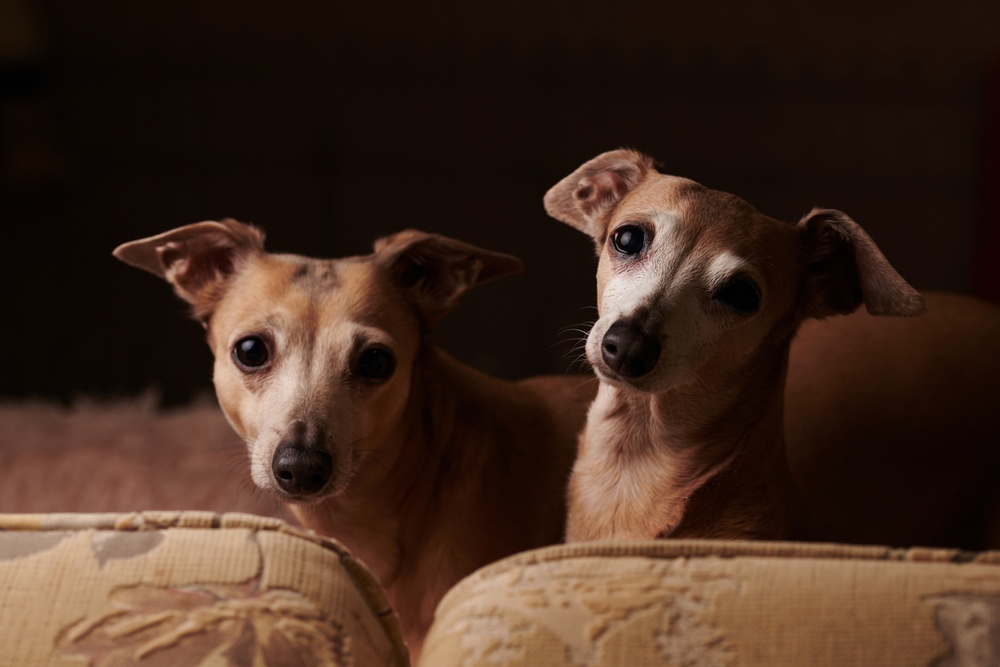
Dogs bonded to each other—often siblings, parent-offspring pairs, or dogs that became friends in foster care—face drastically reduced adoption rates because shelters try to keep them together, and most people only want one dog. The bonded pair designation often means these dogs wait indefinitely while individually-housed dogs with similar traits get adopted quickly. The reality is that bonded pairs are often easier than single dogs because they entertain each other and may be less prone to separation anxiety.
The bias against bonded pairs is practically understandable—two dogs mean double the costs and commitment—but it’s often based on assumptions rather than reality. Many people who adopt bonded pairs report the dogs are less work than expected because they’re less demanding of human attention and less destructive when left alone. Some shelters have started offering adoption incentives for bonded pairs including waived fees or included supplies, recognizing that separating bonded dogs can cause significant trauma but the designation often becomes a life sentence in the shelter.
12. Dogs from Fighting Rings or Hoarding Cases – The Preconceived Damage Assumption
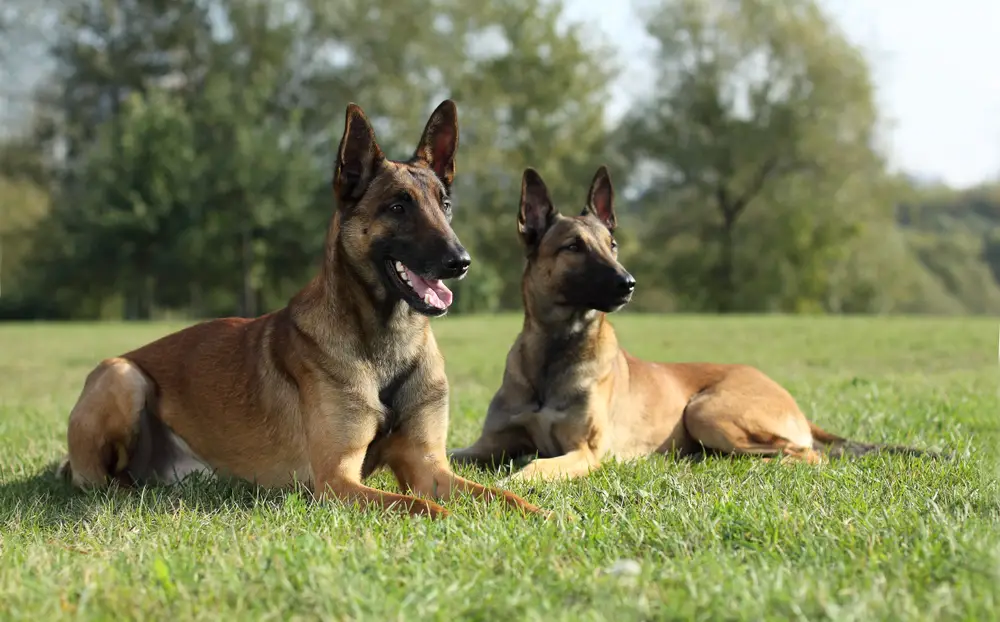
Dogs rescued from dog fighting operations, hoarding situations, or severe neglect cases often face adoption resistance as people assume they’ll have insurmountable behavioral problems or aggression issues. While these dogs have experienced trauma, many show remarkable resilience and adaptability, becoming wonderful companions with appropriate rehabilitation. The assumption that abuse creates permanently damaged dogs ignores dogs’ capacity for recovery and the fact that many abused dogs are actually overly submissive rather than aggressive.
The bias means some of the most deserving dogs—those who’ve already suffered tremendously—face additional suffering through extended shelter stays or euthanasia because people won’t give them chances. Organizations specializing in rehabilitating fighting dogs and other severe cases have documented remarkable success rates, with dogs people assumed were irredeemable becoming therapy dogs, family pets, and beloved companions. The reality is that while these dogs may need more patience and training initially, their eventual gratitude and loyalty often make them exceptionally rewarding adoptions for people willing to look past their histories.