
Veterinarians hear thousands of dog names over their careers, and patterns emerge that go far beyond simple naming preferences. After countless appointments, emergency visits, and routine check-ups, vets develop an uncanny ability to predict owner behavior, compliance with medical advice, and even financial preparedness based solely on what someone named their dog. These observations aren’t scientific judgments, but rather patterns noticed across years of practice that correlate surprisingly often with how owners approach pet care, training, and their relationship with their animals.
1. Human Baby Names (Emma, Oliver, Sophia) – The Intensely Devoted
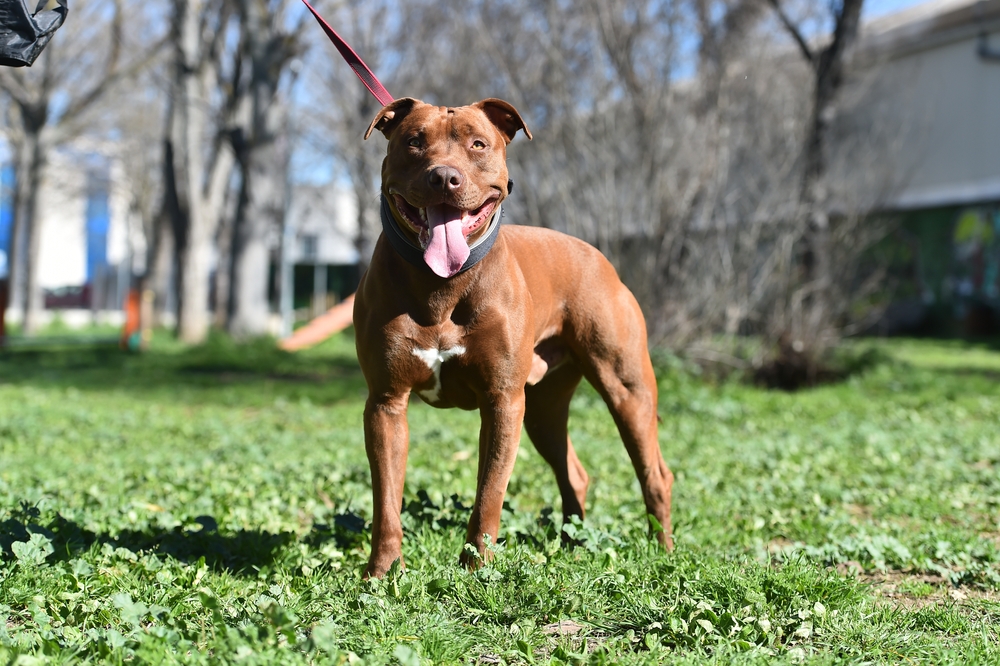
Vets notice that owners who give dogs traditional human baby names treat their pets with parental-level devotion and tend to seek medical care at the first sign of anything unusual. These clients typically opt for comprehensive treatment plans regardless of cost, ask detailed questions about every medication, and follow discharge instructions meticulously. They’re the ones who bring notebooks to appointments, have spreadsheets tracking symptoms, and call with updates on how their dog responded to new medications.
This naming choice correlates with owners who’ve often delayed having children or chosen not to have them, channeling parental instincts entirely into their dogs. Vets appreciate their compliance and thoroughness but sometimes find themselves managing anxiety more than actual medical issues, with these owners catastrophizing minor ailments and requesting extensive testing for problems that don’t warrant it. The flip side is that serious conditions get caught early because these owners notice subtle changes immediately and don’t hesitate to seek care.
2. Misspelled or “Unique” Spellings (Bentlee, Mayzie, Jaxson) – The Rule Benders

When vets see creatively spelled names on charts, they brace for clients who question recommendations and want to do things their own way. These owners often resist standard treatment protocols, preferring to research alternatives themselves and frequently bring up things they’ve read online. They’re more likely to ask for “natural” remedies, express skepticism about vaccines, and want to negotiate on prevention protocols like heartworm medication.
The correlation isn’t absolute, but veterinary staff notice these clients often struggle with authority in general and see the vet-client relationship as more collaborative than directive. They may cherry-pick which recommendations to follow, skip doses of medications if their dog seems better, and sometimes discontinue treatment early without consulting the vet. The same creativity that led them to spell “Jackson” as “Jaxson” often extends to their approach to medical care, sometimes with problematic results when their innovations conflict with proven veterinary medicine.
3. Joke or Pun Names (Bark Twain, Chewbarka, Sarah Jessica Barker) – The Delayers

Vets have learned that owners with punny dog names often use humor to deflect from serious situations, including delaying necessary medical care. These clients tend to wait longer than they should before bringing in sick or injured dogs, sometimes joking about symptoms rather than treating them urgently. When they finally arrive, the condition has often progressed beyond what it would have been with earlier intervention, making treatment more complicated and expensive.
This pattern seems to stem from using humor as a coping mechanism that extends beyond just personality into how they handle stress and problems. They’ll laugh nervously when given serious diagnoses, make jokes during euthanasia discussions, and sometimes seem inappropriately lighthearted about their dog’s pain or distress. Vets recognize this as anxiety management rather than callousness, but it can create communication challenges when trying to convey the severity of medical situations that require immediate decision-making and financial commitment.
4. Luxury Brand Names (Gucci, Prada, Chanel) – The Cost Hagglers

Counterintuitively, vets notice that dogs named after luxury brands often belong to owners who balk at treatment costs and request payment plans or cheaper alternatives. The name choice seems to reflect aspiration rather than actual financial security, and veterinary staff have learned to prepare detailed estimates and discuss financial options upfront with these clients. They’re more likely to decline recommended diagnostics, opt for minimal treatment, or ask what the “absolutely necessary” intervention is rather than the ideal protocol.
These owners seem to view their dog as a status symbol but haven’t budgeted for the reality of pet ownership costs. They may have purchased an expensive purebred puppy, but express shock at routine care costs like spay/neuter surgery or annual exams. Vets find themselves in uncomfortable positions explaining that their dog’s health issues require investments that these owners either can’t or won’t make, sometimes leading to suboptimal outcomes because financial constraints limit treatment options.
5. Food Names (Peanut, Oreo, Biscuit, Mochi) – The Compliant Sweethearts

Dogs with food names typically belong to easygoing owners who follow veterinary advice without much question and maintain friendly, pleasant relationships with clinic staff. These clients tend to be middle-of-the-road in their approach—not overly anxious but also not neglectful, appropriately concerned but not catastrophizing. They keep up with routine care, administer medications as directed, and call when they have questions rather than panicking or ignoring problems.
Veterinary staff genuinely appreciate these clients because they’re low-drama, trust the vet’s expertise, and maintain realistic expectations about outcomes and costs. The same lighthearted, food-loving personality that names a dog “Waffles” tends to translate into pleasant interactions and good communication. These owners understand that vet care costs money but don’t excessively haggle, and they make reasonable decisions about treatment based on their dog’s quality of life and their financial capacity without manufactured drama.
6. Aggressive Names (Killer, Fang, Demon, Ripper) – The Liability Warnings

Vets approach appointments with dogs named aggressively with extra caution, and unfortunately, the names often correlate with both poorly socialized dogs and owners who take pride in aggressive behavior. These clients frequently downplay biting incidents, resist muzzling recommendations, and sometimes seem amused when their dogs show aggression toward veterinary staff. They often got the dog specifically for protection and haven’t invested in proper training to make that protection controlled and appropriate.
The veterinary team learns to take extra precautions—having multiple staff present, muzzling proactively, and sometimes requiring sedation for routine procedures that wouldn’t need it with better-socialized dogs. These owners often resist behavior modification recommendations, viewing their dog’s aggression as desirable rather than problematic. Vets have learned that dogs with these names are statistically more likely to be surrendered or euthanized for behavior problems, and discussions about behavioral euthanasia tend to be especially fraught with these clients who feel their masculinity or toughness is somehow tied to their dog’s aggression.
7. Pop Culture Character Names (Khaleesi, Loki, Elsa) – The Trend Followers
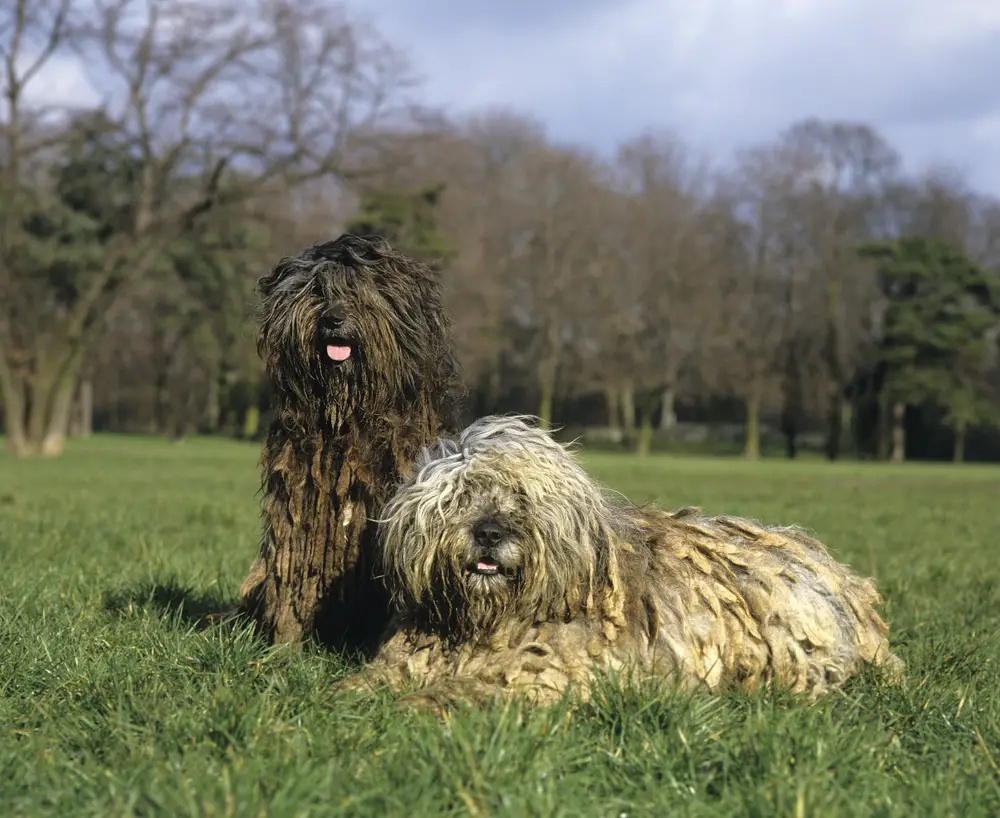
When vets see names from whatever’s currently popular in media, they know they’re likely dealing with younger owners who may not have fully considered the long-term commitment of dog ownership. These clients are more likely to have gotten their dog impulsively, attracted by the breed’s appearance or popularity rather than researching whether it fits their lifestyle. They tend to be inconsistent with preventive care, sometimes going months or years between vet visits.
The correlation vets notice is that these owners are heavily influenced by trends in other areas too—they’re susceptible to social media misinformation about pet care, raw food fads, and anti-vaccine rhetoric. They may have strong opinions based on influencers they follow rather than veterinary science, making conversations about evidence-based medicine challenging. These clients also show higher rates of rehoming their dogs when the reality of ownership doesn’t match their expectations, especially with demanding breeds they chose because they looked cool in movies or shows.
8. No-Nonsense Single Syllable (Max, Rex, Jack, Ace) – The Practical Minimalists

Vets appreciate owners who choose simple, functional names because they tend to approach pet care the same way—practical, direct, and no-nonsense. These clients want clear explanations without excessive medical jargon, make efficient decisions about treatment, and don’t waste time on unnecessary emotional processing during appointments. They’re typically well-prepared financially for pet ownership and view vet care as a necessary expense rather than an unexpected burden.
These owners usually have realistic expectations about outcomes and don’t tend toward either neglect or obsessive over-treatment. They follow recommendations that make sense to them and ask straightforward questions when something doesn’t. Veterinary staff find these clients refreshing in their efficiency, though occasionally they can be too businesslike about situations that warrant more emotional consideration, like end-of-life decisions, where they might rush to euthanasia when palliative care could provide more quality time.
9. Old-Fashioned Names (Ethel, Mildred, Herbert) – The Experienced Owners

When vets see deliberately vintage names, they’re usually dealing with older clients or younger owners who’ve had dogs their entire lives and know exactly what they’re doing. These owners rarely panic over minor issues because they’ve seen them before, and they can accurately describe symptoms and timeline without exaggeration. They understand that not every problem requires emergency intervention and have good instincts about when to wait and when to bring their dog in immediately.
The challenge with these experienced owners is that sometimes their knowledge is outdated—veterinary medicine has advanced significantly, and practices from 20-30 years ago do not always meet the current standard of care. They might resist newer recommendations because “we never did that with our previous dogs and they lived to 15,” not understanding that survivorship bias doesn’t mean old methods were optimal. However, vets generally appreciate their calm competence and realistic understanding of what dog ownership entails, including eventual difficult decisions about quality of life.
10. Multiple Names or Full “Legal” Names (Sir Barksalot III, Princess Buttercup Fluffington) – The Dramatic Overreactors

Dogs with elaborate, multi-part names often belong to owners who bring that same theatrical energy to veterinary visits, treating minor issues as major emergencies. These clients call after hours for non-urgent concerns, show up without appointments demanding immediate attention, and become emotionally overwhelmed during routine discussions. They tend to alternate between excessive worry and surprising neglect—panicking over a sneeze but being months overdue on vaccines.
Vets learn to manage these clients carefully, spending extra time reassuring them about normal dog behavior and minor ailments while trying to emphasize actual important health issues that get lost in their constant state of alarm. These owners often have difficulty making decisions because they catastrophize every option, and they may call multiple times after appointments with new concerns they’ve thought of. The elaborate naming choice reflects a personality that sees their dog as the center of a dramatic narrative, with themselves as the devoted caretaker facing constant trials—a dynamic that makes straightforward medical care more complicated than necessary.
11. Same Name as Previous Dog – The Still-Grieving
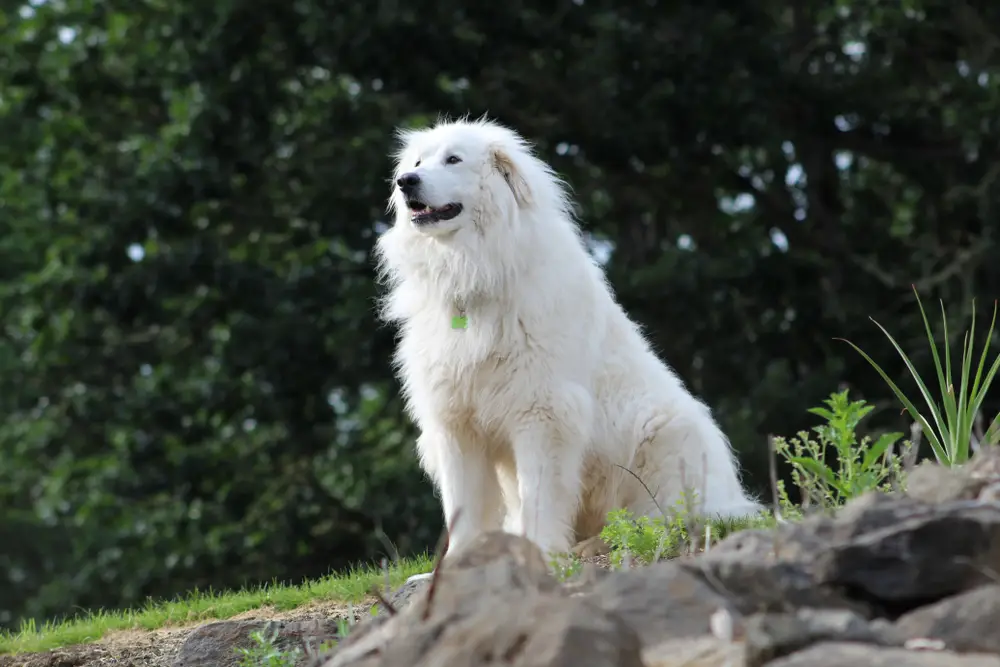
When owners name their new dog the same name as a deceased pet, vets recognize complex grief that often creates unrealistic expectations. These clients subconsciously expect their new dog to be a replacement for the one they lost, leading to disappointment when personalities differ and sometimes resentment toward the new dog for not measuring up. They frequently compare the new dog to the old one during appointments, noting how “the first Max never had this problem” or “original Bella was never this difficult.”
This naming pattern correlates with owners who may not have fully processed their grief before getting another dog, and vets sometimes see them struggling with attachment to the new pet. They might be overly anxious about the new dog’s health, traumatized by whatever took their previous dog, or they might seem emotionally distant, unable to fully bond while still mourning. Vets find themselves providing informal grief counseling alongside medical care, helping owners recognize they have a different dog who deserves to be loved for who they are rather than who they’re replacing.
12. Rescue/Shelter-Given Names Kept (Spot, Buddy, Lady) – The Thoughtful Adopters

Owners who keep whatever name their rescue or shelter dog came with tend to be exceptionally conscientious, empathetic people who view changing the name as disrespectful to the dog’s history. These clients are typically excellent about follow-up care, very compliant with treatment recommendations, and willing to invest in their dog’s health and behavioral needs. They’ve usually done extensive research before adopting and come to appointments with informed questions.
Vets notice these owners are particularly attuned to their dogs’ emotional states and are willing to accommodate anxiety, fear, or behavioral issues with patience and professional help. They’re more likely to pursue behavior modification, use prescribed anxiety medications appropriately, and understand that rescue dogs sometimes have special needs requiring extra investment. The respect they showed the dog’s existing identity extends to respecting the dog’s individuality in all aspects of care, making them ideal clients who view their pets as deserving beings rather than accessories or projects.
13. Gender-Bending Names (Masculine names for females, feminine for males) – The Individualists

Dogs with deliberately gender-contrary names often belong to younger owners who reject traditional categories and bring that same non-conformist attitude to their approach to pet care. These clients question standard recommendations not from ignorance but from a genuine desire to understand the reasoning and explore alternatives. They’re open to progressive veterinary approaches like rehabilitation therapy, acupuncture, and behavioral medications but also skeptical of interventions that seem routine without clear medical necessity.
Vets have mixed experiences with these owners—they can be wonderfully engaged and willing to try evidence-based treatments that other clients might dismiss, but they also sometimes resist recommendations based on philosophical objections rather than medical reasoning. They might oppose breeding-related surgeries even when medically indicated, question dietary standards, or want extensive justification for every vaccine or medication. The key is that they’re not dismissive of veterinary expertise but want collaborative relationships where their values are respected, and vets who adapt to this dynamic often find them rewarding clients who genuinely care about their dogs’ wellbeing.