
Certain dog names consistently appear on dogs with dominant, confident, or challenging temperaments, and experienced trainers recognize these names as signals of either the dog’s actual personality or the owner’s aspirations that shaped how the dog was raised. These aren’t scientific correlations but observable patterns where specific names cluster around dogs displaying particular behavioral profiles. Understanding which names consistently appear on strong-willed, high-drive, or dominant dogs reveals how naming choices reflect and sometimes reinforce personality development in ways that casual dog owners rarely consider.
1. Zeus: The Alpha Complex Made Obvious
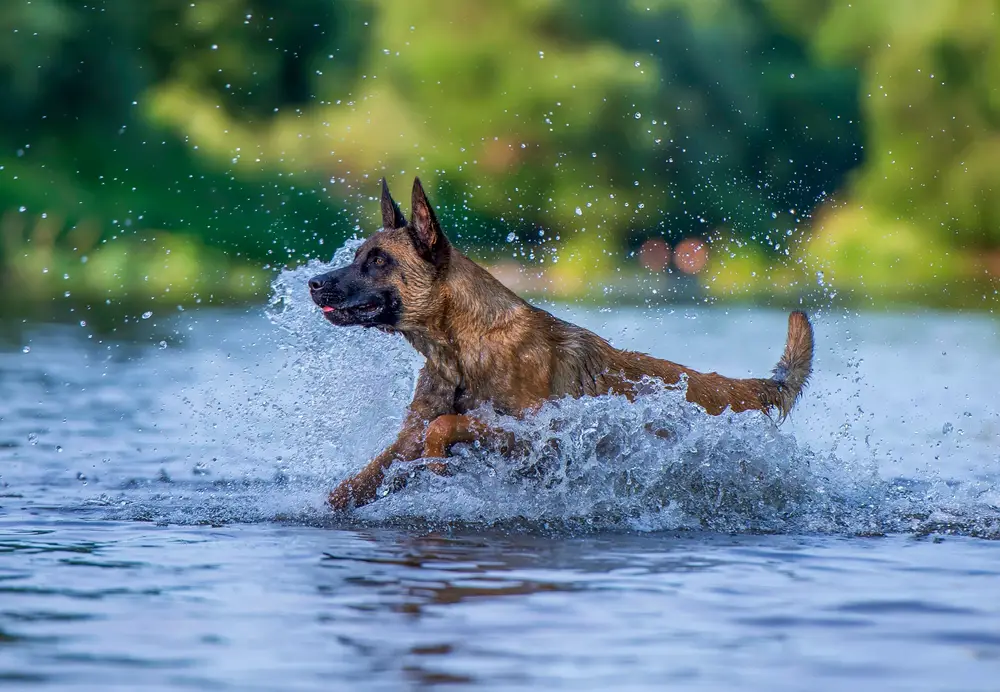
Zeus appears disproportionately on large, dominant male dogs whose owners either recognized or encouraged alpha tendencies from puppyhood. The name signals owner expectations of power and dominance that often become self-fulfilling as handlers treat “Zeus” as a dominant dog requiring firm leadership. Trainers report that dogs named Zeus are statistically more likely to display dominance aggression, resource guarding, and challenging behaviors than dogs with neutral names.
The name attracts owners who want impressive, powerful dogs and either deliberately cultivate dominance or inadvertently reinforce it through management styles. Zeus-named dogs frequently appear in bite statistics and behavioral training classes for dominance-related issues. Whether the name attracts certain owner types who create dominant dogs or whether treating a dog as “Zeus” creates the dominant behavior is unclear, but the correlation between the name and challenging dominant personalities is consistently observed.
2. Diesel: Working Drive and Intensity
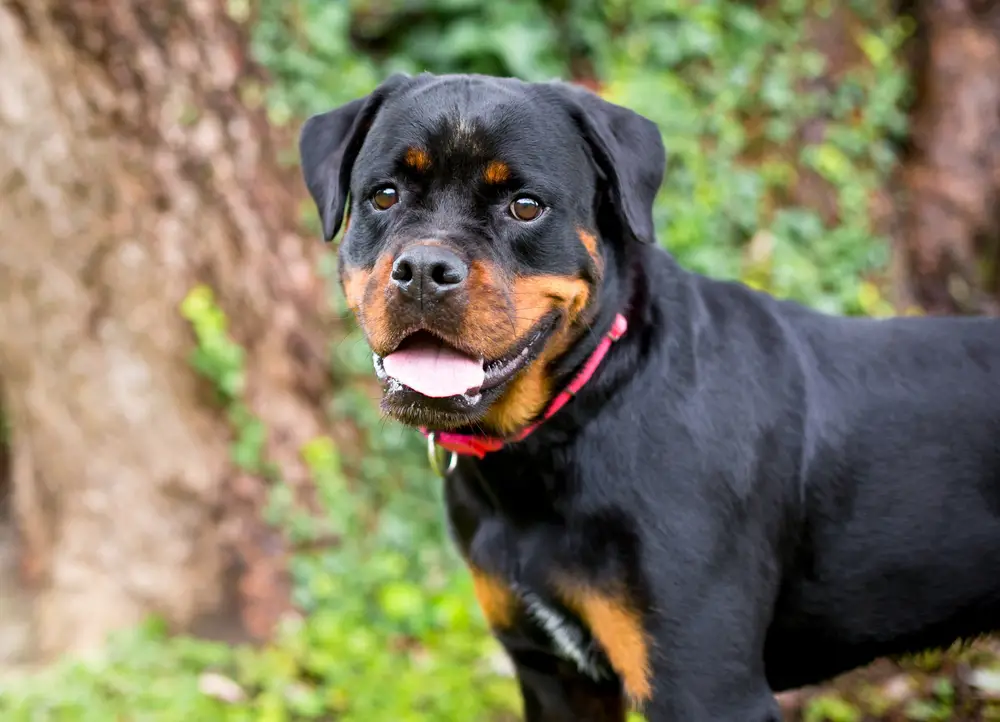
Diesel appears overwhelmingly on high-drive working breeds—German Shepherds, Belgian Malinois, Rottweilers—with intense energy and strong prey drive. The name signals owner recognition or desire for a powerful, energetic dog with motor-like persistence. Dogs named Diesel tend to be intense, focused, and driven, reflecting either innate temperament that inspired the name or owner expectations that shaped training and management.
The name attracts owners interested in protection work, police/military-style training, or intense athletic activities, creating an environment that cultivates and reinforces high-drive behaviors. Diesel-named dogs appear frequently in protection sports, search and rescue, and working dog competitions. The name has become so associated with intense working dogs that choosing it signals specific owner intentions about the dog’s role and training, creating expectations that influence how the dog develops behaviorally.
3. Athena: Intelligent Independence in Female Dogs
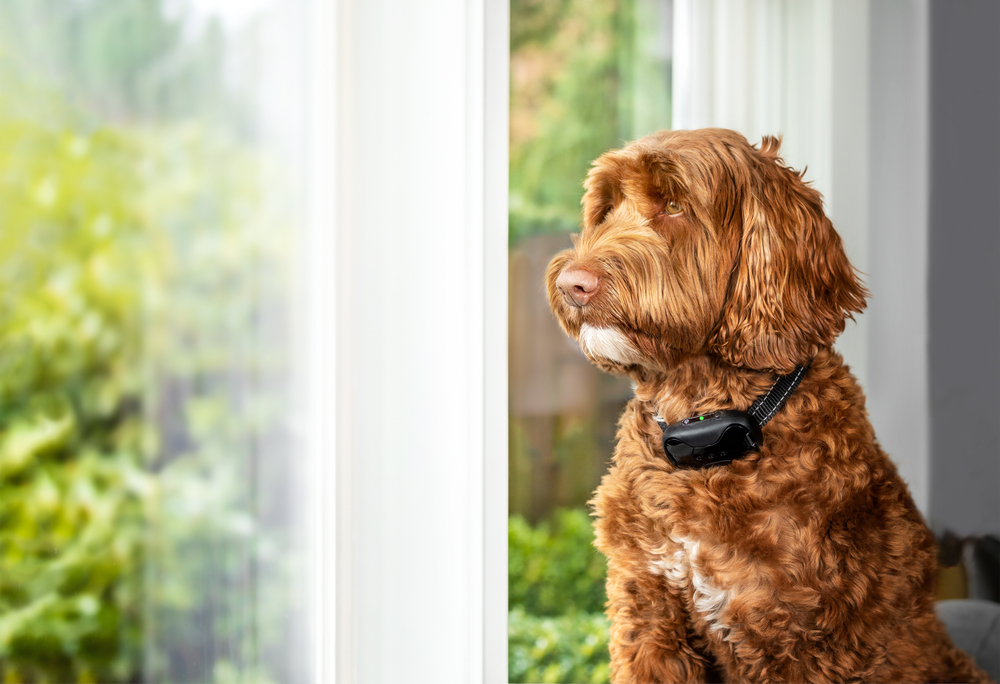
Athena appears disproportionately on intelligent, independent female dogs that owners recognize as having strong wills and autonomous thinking. The name signals appreciation for intelligence combined with strength rather than just beauty or sweetness. Dogs named Athena tend to be trainable but opinionated, responsive but not submissive, engaged but selective about when and how they comply.
Female dogs named Athena frequently excel in dog sports requiring intelligence and initiative—agility, nose work, competitive obedience—while maintaining independent streaks. The name attracts owners who appreciate strong-minded female dogs rather than seeking compliant, people-pleasing temperaments. Whether the name attracts certain dogs/owners or whether treating a female dog as “Athena” encourages development of intelligent independence is debatable, but the pattern of smart, strong-willed females bearing this name is consistent across training facilities and competitions.
4. Titan: Size and Power Expectations
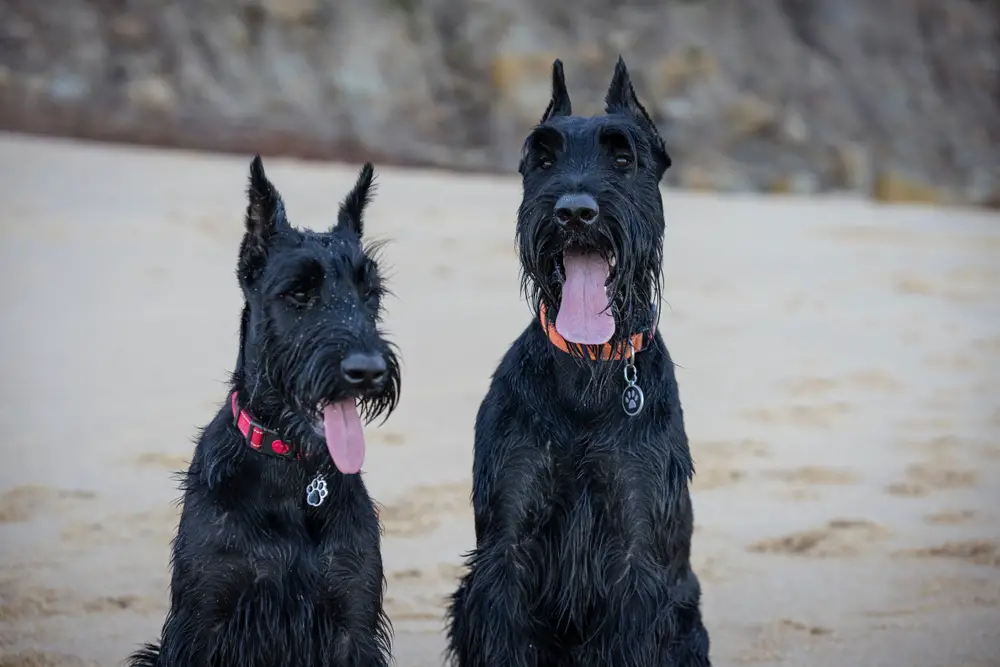
Titan appears almost exclusively on large to giant breed dogs where size and power are defining characteristics. The name signals owner emphasis on physical presence and strength over other qualities. Dogs named Titan tend to be physically confident, spatially demanding, and prone to using size advantageously in social situations with other dogs and people.
The name creates expectations that handlers treat Titans as powerful from puppyhood, potentially reinforcing physically assertive behaviors. Large breed puppies named Titan often receive handling that accommodates their size rather than teaching spatial manners because owners expect and accept physical dominance. Whether the name selection follows recognition of a particularly large, powerful puppy or whether naming a dog Titan shapes handling in ways that develop size-based dominance, the correlation between the name and physically assertive large dogs is statistically observable.
5. Bella: Deceptively Sweet-Named Attitude Dogs
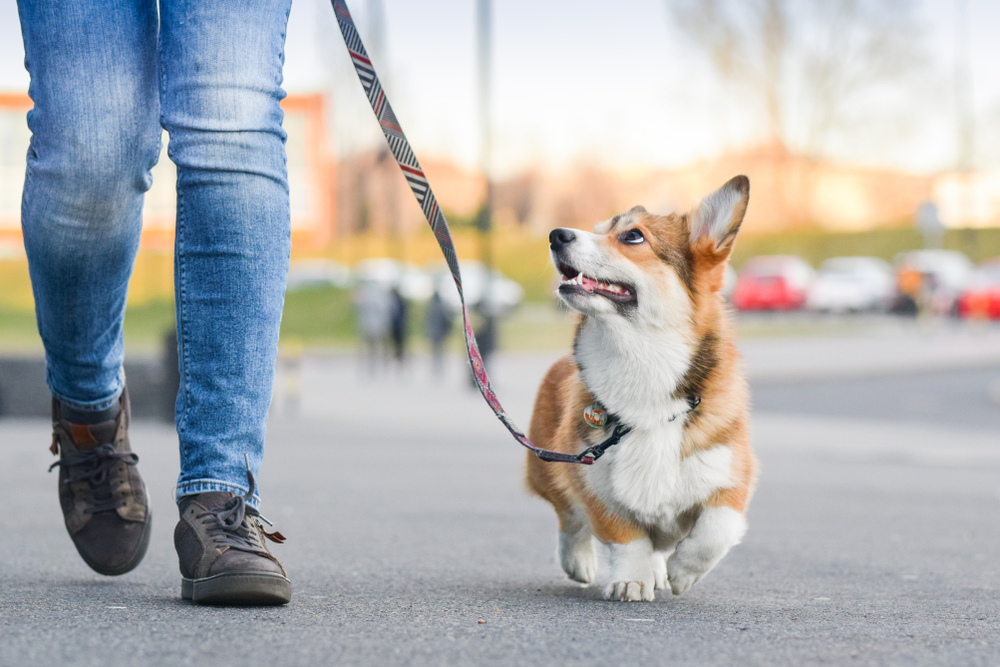
Bella is the most popular female dog name in America but appears disproportionately on small dogs with outsized attitudes and behavioral problems masked by cute names. The sweet name often contradicts the dog’s actual temperament—reactive, aggressive, possessive—creating disconnect between nomenclature and behavior. Veterinary behaviorists note that “Bella” appears frequently in bite incident reports involving small dogs whose behavior was dismissed or enabled due to size and cute naming.
The name’s popularity among owners of small breeds who anthropomorphize and under-train their dogs creates correlation with behavioral problems. Small dogs named Bella frequently display leash reactivity, separation anxiety, and aggression that owners excuse or find endearing rather than addressing. The sweet name reinforces owner tendencies to treat behavioral problems as personality quirks, preventing appropriate training that would address underlying anxiety or aggression driving the behaviors.
6. Loki: The Mischief Maker Self-Fulfilling Prophecy
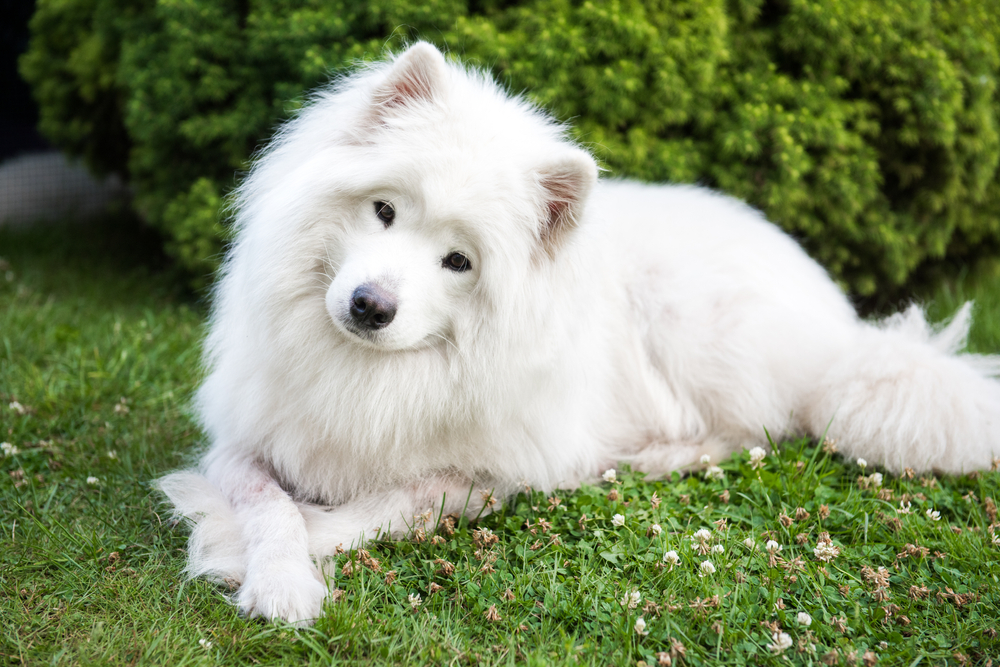
Loki signals owner expectations of trickster behavior and clever mischief, and dogs bearing this name consistently display high intelligence applied to boundary-testing. The name attracts owners who appreciate cleverness even when directed toward destructive or manipulative ends. Dogs named Loki appear disproportionately in problem behavior consultations for creative destruction, escape artistry, and outsmarting containment systems.
Naming a dog Loki creates self-fulfilling prophecy where owners interpret destructive cleverness as confirmation of appropriately naming a trickster. The framing affects training approaches—”that’s just Loki being Loki” excuses behaviors that would be addressed in dogs with neutral names. Whether trickster tendencies inspire the name or whether the name creates permission for mischievous behaviors is unclear, but the correlation between Loki-named dogs and creative problem behaviors is strong enough that trainers recognize the name as a red flag.
7. Brutus: Tough Guy Dogs With Sensitive Souls
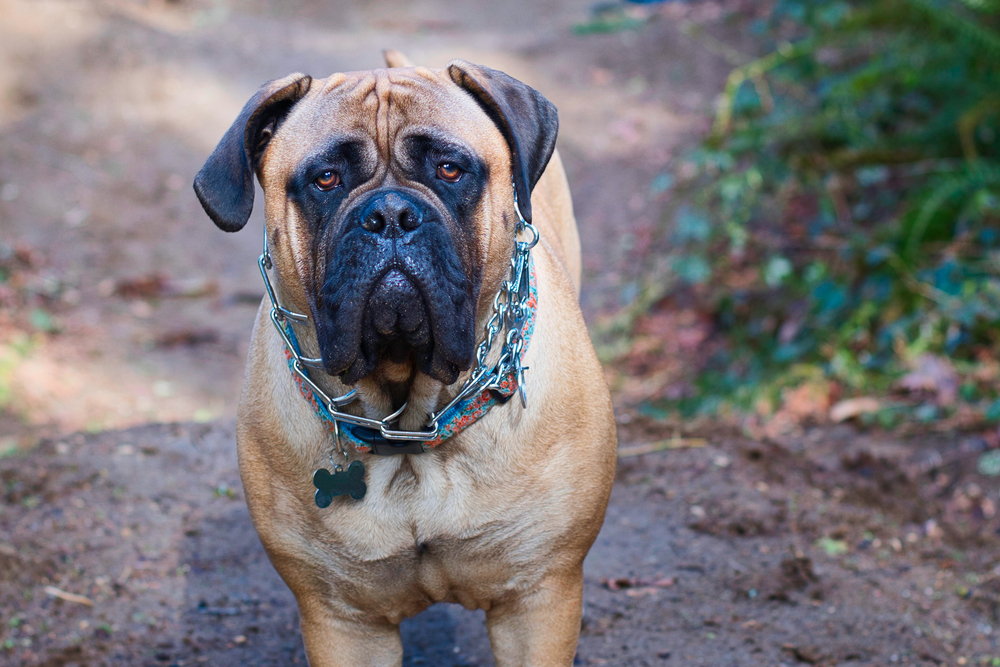
Brutus appears on dogs whose imposing physical presence contrasts with sensitive temperaments—bulldogs, mastiffs, and other breeds with tough exteriors. The name signals owner recognition or desire for tough-guy aesthetics while often masking that these dogs are gentle and emotionally sensitive. Dogs named Brutus frequently surprise new acquaintances by being affectionate couch potatoes rather than the aggressive guardians their names suggest.
The name choice reveals owner appreciation for ironic juxtaposition between intimidating names and gentle reality. Brutus-named dogs often serve as examples that appearance and naming don’t determine temperament—many are therapy dogs, gentle family companions, and anxiety-prone softies. The pattern suggests that owners selecting “Brutus” recognize the humor in applying tough names to sweet dogs, though in some cases the name reflects aspirations for toughness that the dog’s actual temperament doesn’t match.
8. Luna: Mysterious, Aloof, and Slightly Wild
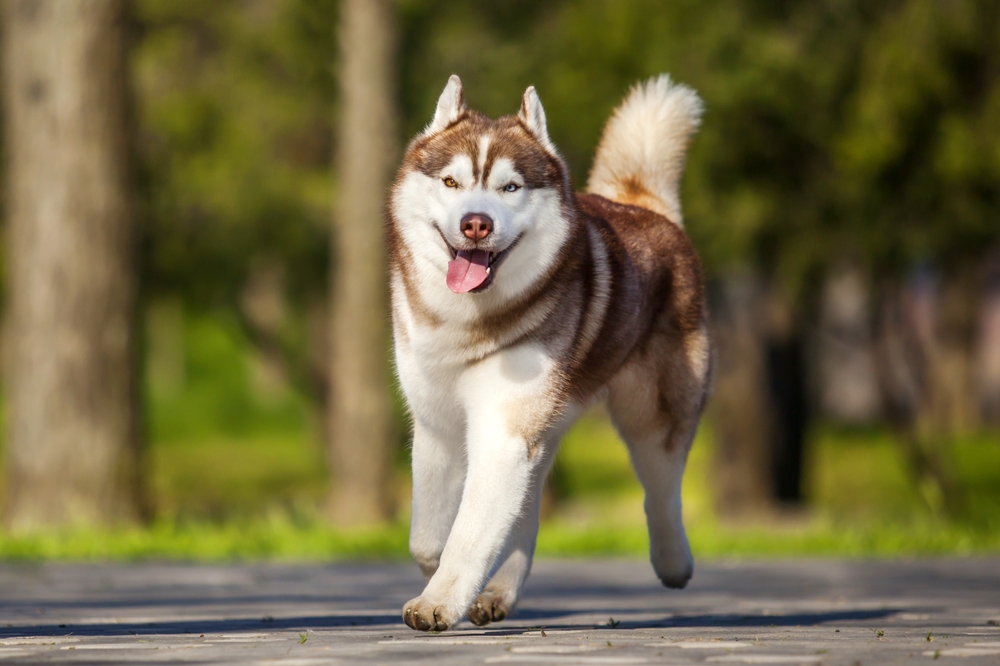
Luna has become extremely popular but clusters around dogs with independent, mysterious temperaments rather than overtly friendly personalities. The name appears disproportionately on dogs described as “cat-like,” aloof with strangers, and selective about affection. Owners choosing Luna often appreciate dogs that aren’t overly demonstrative or people-pleasing, instead valuing enigmatic qualities.
Dogs named Luna frequently display strong prey drive, independence on walks, and tendency toward nocturnal activity patterns. The celestial association attracts owners who see their dogs as having wild, untamed qualities beneath domestic veneer. Whether the name attracts certain temperament types or whether treating a dog as mysterious and wild shapes their development toward independence, Luna-named dogs consistently display less typical companion dog eagerness to please and more self-directed behavioral patterns.
9. Thor: Protective Guardians With Intensity
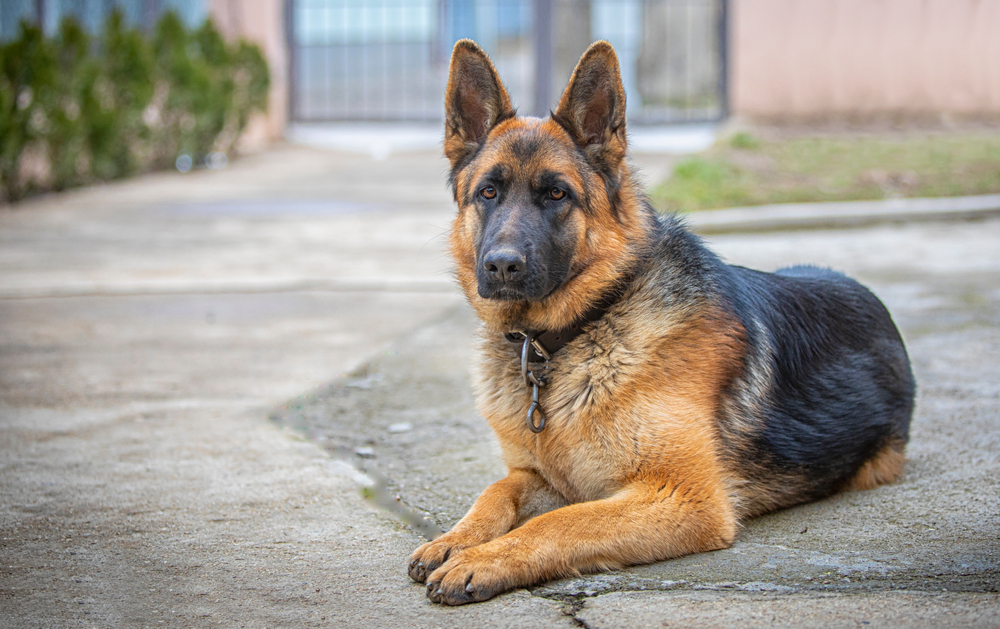
Thor signals owner intentions toward protection work or guard dog roles, appearing predominantly on protection breeds trained or expected to defend. The name attracts owners interested in personal protection, home security, or the psychology of owning powerful dogs. Dogs named Thor appear frequently in protection sports and working roles requiring controlled aggression and territorial behaviors.
The name creates expectations affecting socialization and training approaches from puppyhood—Thors often receive more protection-oriented training and less neutrality-focused socialization than dogs with gentle names. Whether the name follows recognition of protective instincts or whether naming a dog Thor shapes training toward developing protective behaviors, these dogs consistently display higher territorial aggression and protective responses. The correlation is strong enough that insurance companies and housing managers recognize Thor as a name associated with protection-trained dogs that create liability concerns.
10. Rebel: Oppositional From the Start
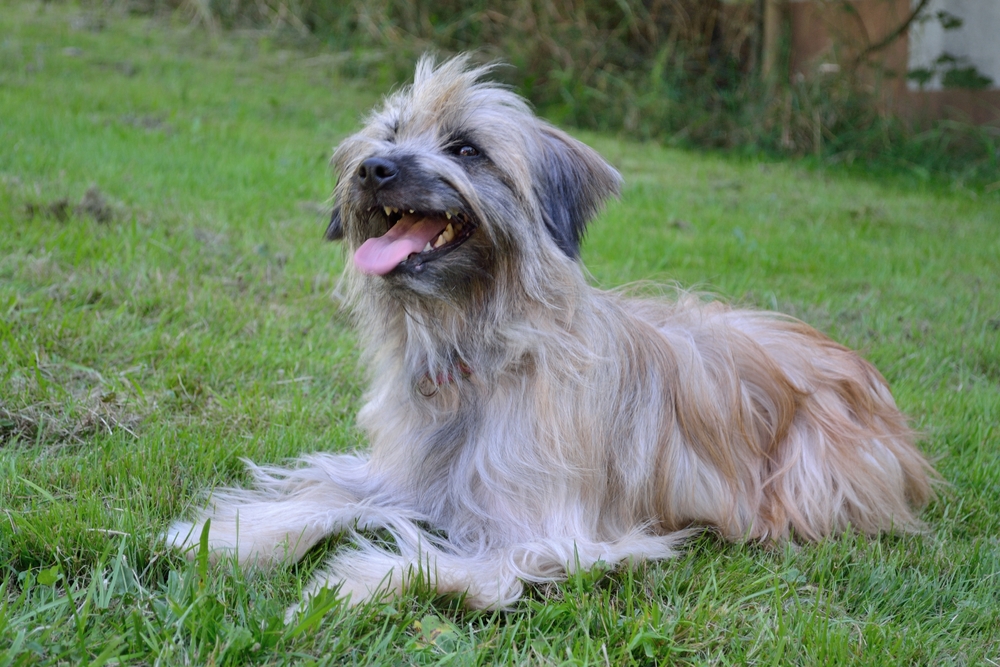
Rebel signals owner recognition or celebration of defiant, independent temperaments that resist training and conventional expectations. The name attracts owners who appreciate dogs that question authority and make independent decisions. Dogs named Rebel consistently appear in training classes for stubborn breeds displaying oppositional behaviors, recall problems, and resistance to traditional training methods.
Naming a dog Rebel creates framing where resistance is interpreted as appropriate expression of personality rather than training challenges to address. Owners selecting this name often excuse non-compliance as authentic expression of rebellious nature rather than addressing it through training. Whether oppositional tendencies inspire the name or whether the name grants permission for non-compliance, Rebel-named dogs display significantly higher rates of recall failures, off-leash unreliability, and resistance to training than dogs with conventional names.
11. Maximus: Confident Leaders of Pack Dynamics
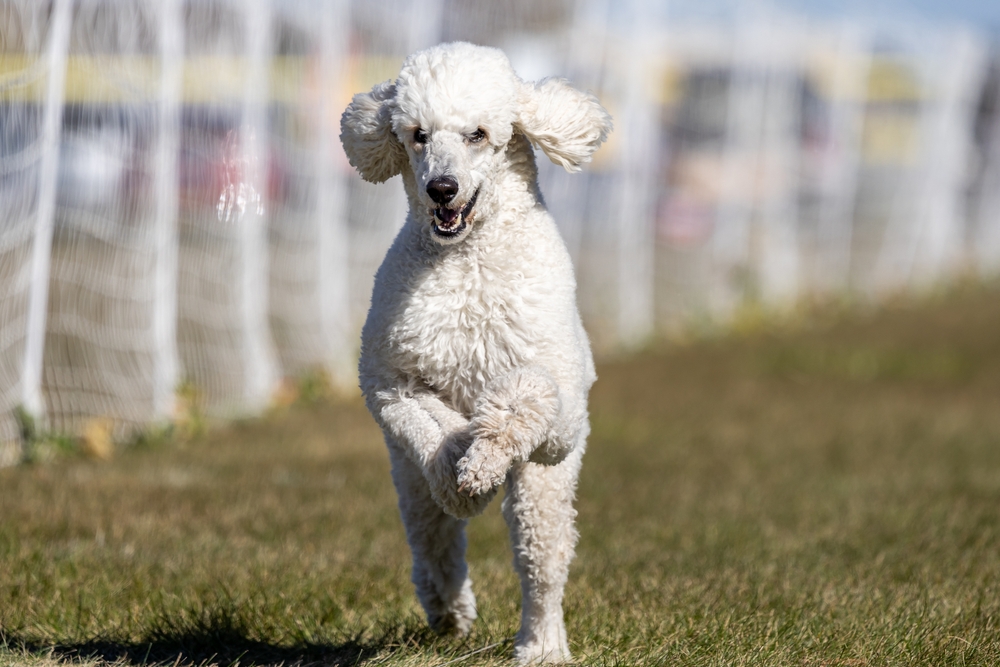
Maximus appears on confident, socially dominant dogs that naturally assume leadership roles in multi-dog households and social situations. The name signals owner recognition of the dog’s tendency to take charge and organize social hierarchies. Dogs named Maximus frequently display confident body language, initiate play and interactions, and establish themselves as decision-makers in group dynamics.
The name attracts owners who appreciate leadership qualities and either manage them appropriately or inadvertently reinforce dominance. Maximus-named dogs appear both in successful working roles requiring confidence and in behavior modification programs for over-assertiveness with other dogs. The differential outcomes suggest that while the name identifies confident temperaments, owner management determines whether that confidence develops productively or problematically through appropriate channeling or inadvertent reinforcement of dominance behaviors.
12. Harley: High-Energy Adrenaline Junkies
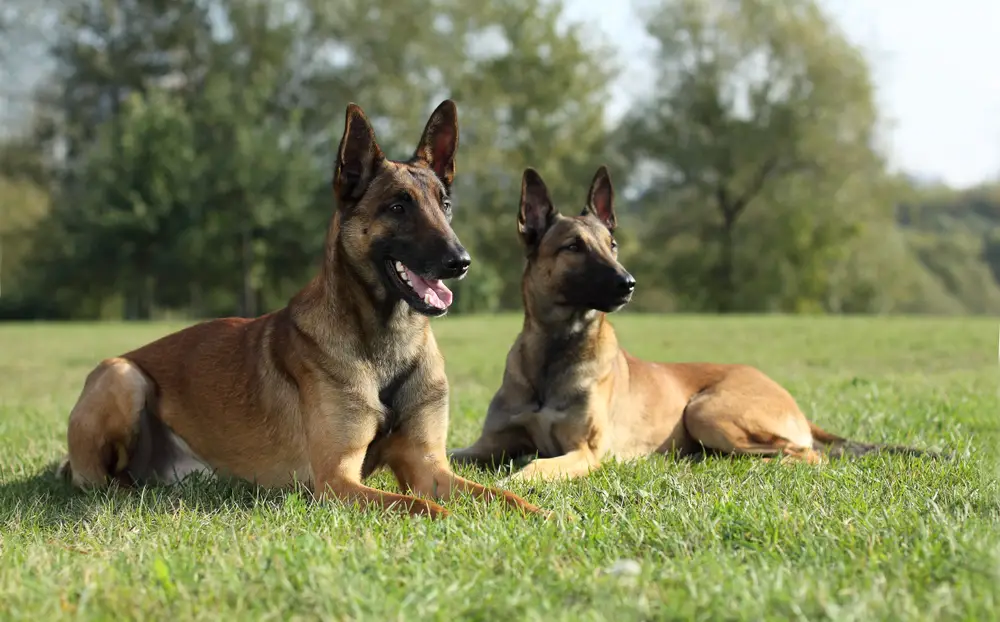
Harley signals owner expectations of adventure, excitement, and high-energy activity, appearing predominantly on athletic dogs involved in active lifestyles. The name attracts owners interested in hiking, running, dog sports, or outdoor adventure who want canine companions for active pursuits. Dogs named Harley tend to have high exercise requirements and display restlessness or destructive behaviors when activity needs aren’t met.
The name creates associations with freedom and open-road mentality that frames high-energy demands as personality rather than training needs. Harley-named dogs appear frequently in sports competitions, adventure dog accounts on social media, and among owners who structure lives around canine exercise requirements. Whether the name follows selection of high-energy dogs or whether treating a dog as “Harley” shapes owner commitment to providing adventure and activity, these dogs consistently display energy levels and exercise requirements above breed averages.
13. Nala: Fierce Female Leaders
Nala (from The Lion King) appears disproportionately on female dogs with confident, assertive temperaments rather than submissive or anxious personalities. The name signals owner appreciation for strong female characters and desire for female dogs with backbone and presence. Dogs named Nala consistently display confidence with other dogs, willingness to correct inappropriate behavior from other animals, and assertive rather than deferential social styles.
The name attracts owners who specifically want female dogs that aren’t delicate or submissive, often selecting independent-minded breeds or individuals. Nala-named dogs appear frequently in leadership roles in multi-dog households, in sports requiring confidence, and in working roles traditionally associated with males. The pattern suggests the name either attracts or cultivates strong-minded female dogs whose temperaments contradict stereotypes about female dogs being inherently gentler or more submissive than males.
14. Shadow: Velcro Dogs With Anxiety Potential

Shadow signals recognition of extreme attachment and following behaviors, appearing on dogs that literally shadow their owners constantly. The name acknowledges and often inadvertently reinforces separation anxiety tendencies and over-attachment that can become problematic. Dogs named Shadow display significantly higher rates of separation anxiety, panic when owners are out of sight, and difficulty with independence than dogs with other names.
Naming a dog Shadow frames constant following as endearing personality trait rather than potential anxiety symptom requiring management. Owners selecting this name often appreciate and encourage closeness that trainers would identify as concerning over-attachment. Whether severe bonding inspires the name or whether treating a dog as your “shadow” reinforces dependent behaviors, these dogs consistently struggle with independence, time alone, and confidence when separated from their primary attachment figure.