
Most people research a dog’s exercise needs and grooming requirements before bringing one home, but emotional demands often catch owners completely off guard. These breeds aren’t just physically active—they’re psychologically intense, requiring constant emotional engagement, mental stimulation, and handler attention that exhausts unprepared owners. The dogs on this list drain your emotional reserves in ways that daily walks and training can’t address, creating relationships that feel more like managing a needy toddler than owning a pet.
1. Border Collies Create Constant Pressure to Keep Them Stimulated
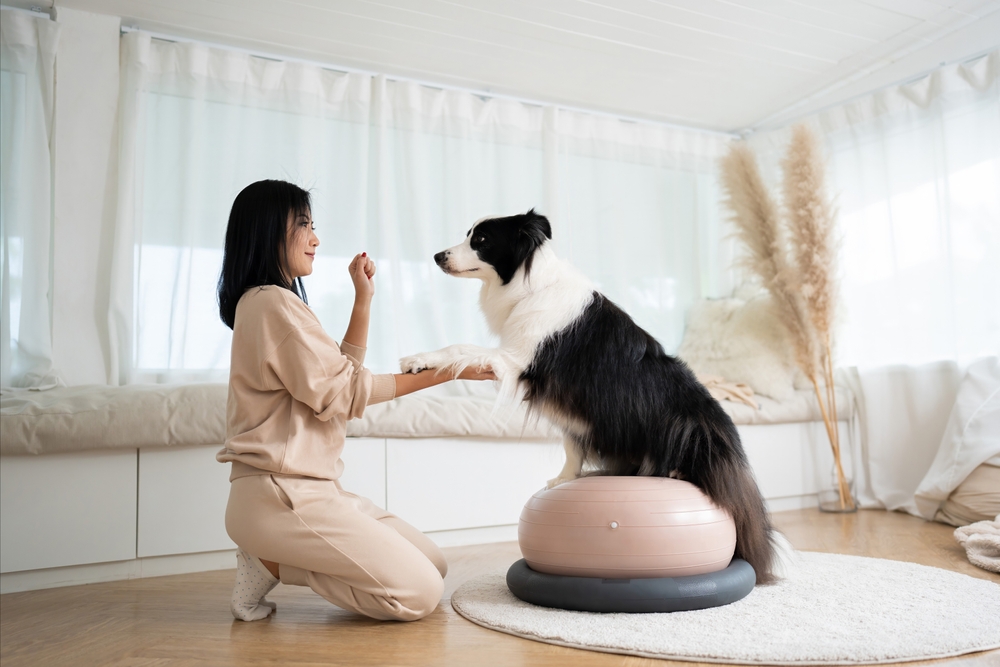
Border Collies are famous for their intelligence and work ethic, but what people don’t realize is that these traits translate into a dog that’s never satisfied and constantly demands mental engagement. These dogs stare at you intensely for hours, following you room to room, waiting for the next task or activity. The psychological pressure of being watched and judged by a dog that’s bored unless you’re actively entertaining it is exhausting in ways physical exercise can’t fix.
Border Collies develop neurotic behaviors when understimulated—obsessive shadow chasing, light fixation, compulsive spinning, and destructive anxiety that no amount of running can cure. They need jobs, not just exercise, and most pet owners can’t provide enough mental stimulation to satisfy a brain bred for working livestock 12 hours daily. The emotional toll of living with a dog that’s perpetually disappointed in you, that herds your children, and that develops behavioral problems despite your best efforts drains owners who thought they were getting an athletic companion.
2. Belgian Malinois Form Obsessive Single-Person Bonds That Exclude Everyone

Malinois don’t just love their handlers—they become psychologically fixated on one person with an intensity that feels overwhelming and unhealthy. These dogs shadow their chosen person obsessively, become anxious when separated even briefly, and often show indifference or suspicion toward other family members. The pressure of being the sole focus of this dog’s entire existence is emotionally exhausting, like being in a codependent relationship you can’t escape.
The Malinois’s protective instincts, combined with their obsessive bonding creates dogs that stress constantly about their person’s safety, reacting to normal social interactions as potential threats. They don’t relax—ever—maintaining constant vigilance that keeps the entire household on edge. Owners describe feeling trapped by their dog’s intensity, unable to leave home without guilt over the dog’s obvious distress, and exhausted by the constant emotional demands of a dog that treats separation like abandonment.
3. German Shepherds Carry Anxiety That Becomes Your Anxiety
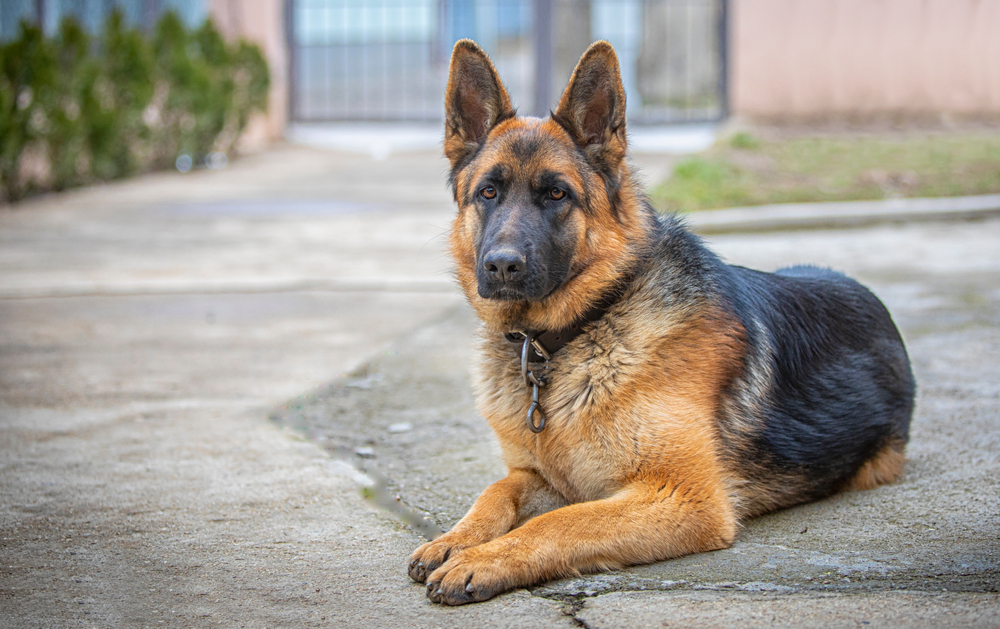
German Shepherds are prone to anxiety disorders that manifest as constant worry about their family’s safety and well-being. These dogs patrol homes continuously, alert to every sound, suspicious of every visitor, never fully relaxing even in safe environments. Living with a German Shepherd’s anxiety is like living with someone who’s constantly expecting disaster—their tension becomes your tension, and you can’t calm them no matter what you do.
The breed’s loyalty translates into hypervigilance and protective behavior that escalates into reactivity and aggression without proper management. Owners become hyperaware of their environment because their dog is, avoiding situations that trigger the dog’s anxiety and limiting their own social lives. The emotional burden of managing a dog whose default state is worried and protective exhausts owners who thought they wanted a loyal companion but got a furry anxiety disorder that affects the entire household.
4. Weimaraners Have Separation Anxiety That Destroys Homes and Psyches

Weimaraners suffer from separation anxiety so severe that the breed is nicknamed “Velcro dogs,” though this cute term doesn’t capture the destructive reality. These dogs panic when left alone, destroying homes through doorways, windows, and furniture in desperate attempts to reach their owners. The destruction isn’t misbehavior—it’s genuine panic, and coming home to thousands of dollars in damage caused by a dog’s emotional breakdown is traumatizing for everyone.
The emotional toll extends beyond property damage—Weimaraners that can’t be left alone control their owners’ lives completely. Every errand requires arranging dog care, careers are limited by the inability to work outside the home, and relationships suffer under the stress of a dog that cannot tolerate solitude. Medication and training help some dogs, but many owners live for years with a dog whose emotional needs dictate every aspect of their schedule, creating resentment alongside the love.
5. Australian Shepherds Never Stop Asking “What’s Next?”
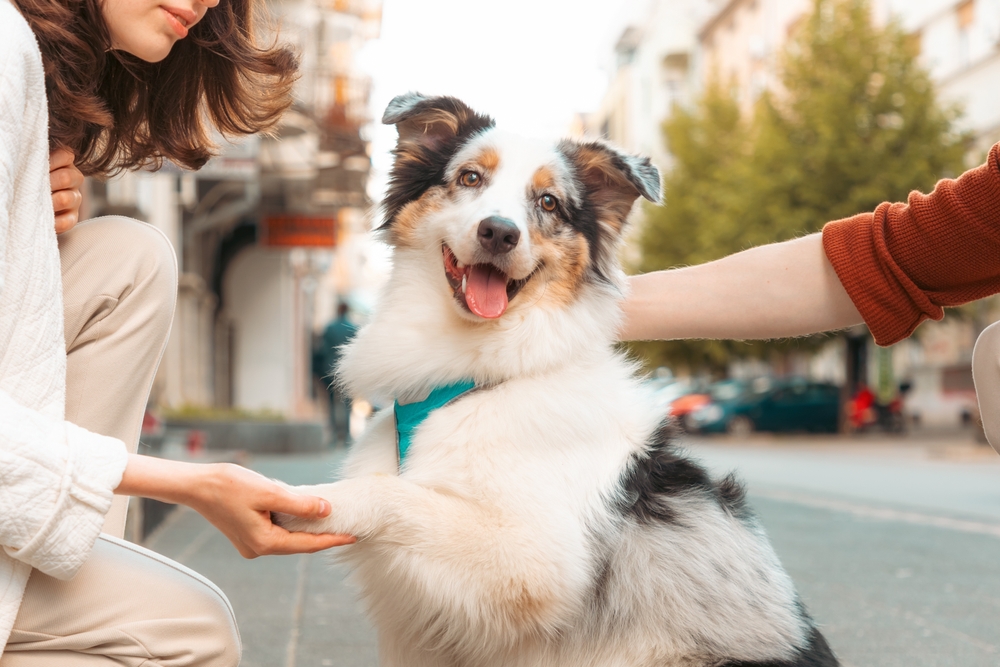
Australian Shepherds possess relentless energy combined with intelligence that requires constant engagement, creating dogs that are never content or relaxed. They finish one activity and immediately demand the next, staring at you expectantly, bringing toys, nudging you for attention. The psychological pressure of a dog that’s always asking “what now?” and never seems satisfied exhausts owners who can’t provide the constant stimulation these working dogs require.
Aussies develop compulsive behaviors and anxiety when their mental needs aren’t met—obsessive ball fixation, spinning, chasing lights or shadows. These behaviors are symptoms of a mind that needs more than pet owners can provide, but the dogs can’t articulate their needs except through neurotic actions. Owners feel like they’re failing their dogs despite hours of daily engagement, and the guilt combined with the constant demands creates emotional exhaustion that physical tiredness can’t capture.
6. Cane Corsos Require Constant Leadership or They Take Over

Cane Corsos need confident, consistent leadership every single day, and they constantly test boundaries to see if you’re still the one in charge. This isn’t occasional defiance—it’s a daily evaluation of whether you’re a leader worth following. The psychological pressure of being constantly tested by a 110-pound mastiff that could overpower you if they choose is emotionally draining in ways that can’t be explained to people who haven’t experienced it.
These dogs become anxious and aggressive when they don’t have clear leadership, which means you can never relax your standards or have an “off” day. Every interaction is a potential test—walking through doorways, responding to commands, handling food or toys. The mental energy required to maintain alpha status with a dog bred for guarding and protection exhausts owners who wanted a loyal protector but got a dog that questions their authority constantly.
7. Jack Russell Terriers Are Perpetual Motion Machines With Opinions

Jack Russells possess energy levels that seem biologically impossible, combined with strong opinions about everything and zero chill. These dogs never relax, constantly seeking stimulation, inventing games, demanding attention with an intensity that’s exhausting. The terrier personality means they’re argumentative and stubborn, refusing to accept “no” and persisting in behaviors until they get what they want through sheer relentless pressure.
Living with a Jack Russell is like living with a hyperactive toddler who never outgrows the terrible twos—they’re into everything, react dramatically to every stimulus, and require constant supervision to prevent destruction. The emotional exhaustion comes from never being able to relax because the dog won’t relax, from constant battles over rules and boundaries, and from the sheer mental energy required to stay ahead of a dog that’s always plotting their next move.
8. Doberman Pinschers Are Emotionally Sensitive Velcro Dogs With Teeth

Dobermans have a reputation as tough guard dogs, but the reality is they’re emotionally sensitive dogs that become depressed and anxious without constant companionship. They attach intensely to their owners, following them everywhere, becoming visibly distressed during separations. The contradiction between their imposing appearance and emotional neediness creates pressure—you have a powerful protection dog that acts like it will die if left alone for three hours.
Dobermans pick up on their owner’s emotions with uncanny accuracy, becoming stressed when you’re stressed and creating a feedback loop of anxiety. Their sensitivity means they’re easily hurt by harsh corrections, requiring gentle handling despite their size and strength. The emotional labor of managing a large, powerful dog with the emotional constitution of a sensitive companion breed exhausts owners who expected a tough guardian but got an emotionally dependent dog that happens to weigh 80 pounds.
9. Akitas Hold Grudges and Make You Earn Every Bit of Respect
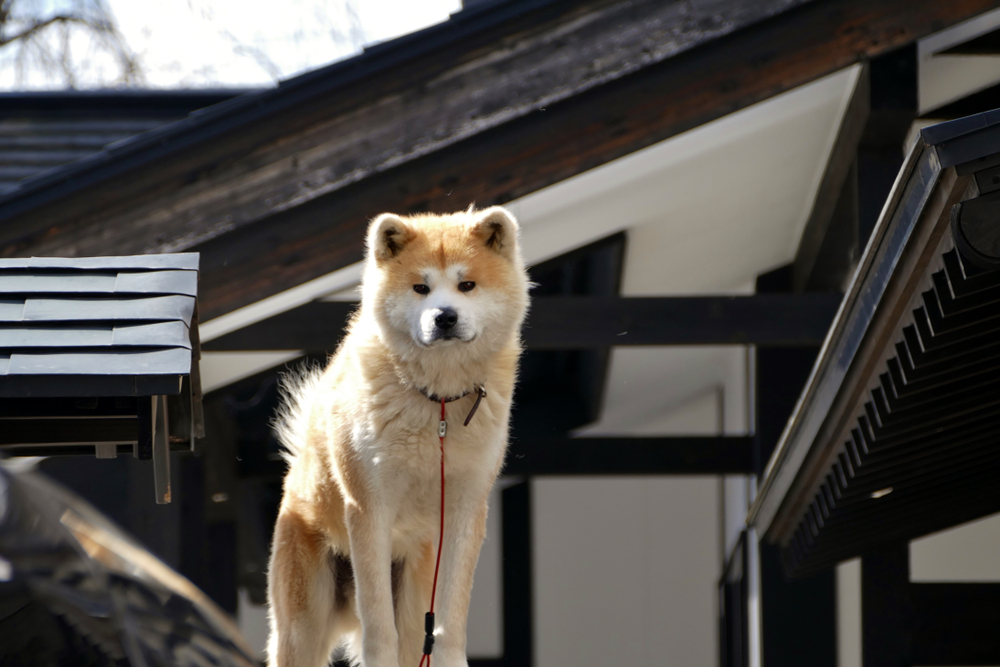
Akitas are notoriously stubborn and don’t forgive mistakes or perceived slights easily, holding grudges that affect your relationship for extended periods. If you correct them too harshly, lose your temper, or violate their trust, they remember and their behavior toward you changes. The psychological burden of walking on eggshells around your own dog, worried that mistakes will damage your relationship permanently, is emotionally draining.
These dogs also challenge authority constantly and must respect you to cooperate—compliance isn’t guaranteed just because you’re the owner. The mental energy required to maintain an Akita’s respect through consistent, fair leadership is exhausting. One bad day where you’re inconsistent can set back months of training, and the breed’s potential for aggression means mistakes have serious consequences, creating constant pressure to be a perfect handler.
10. Siberian Huskies Are Escape Artists Who Ignore Your Existence
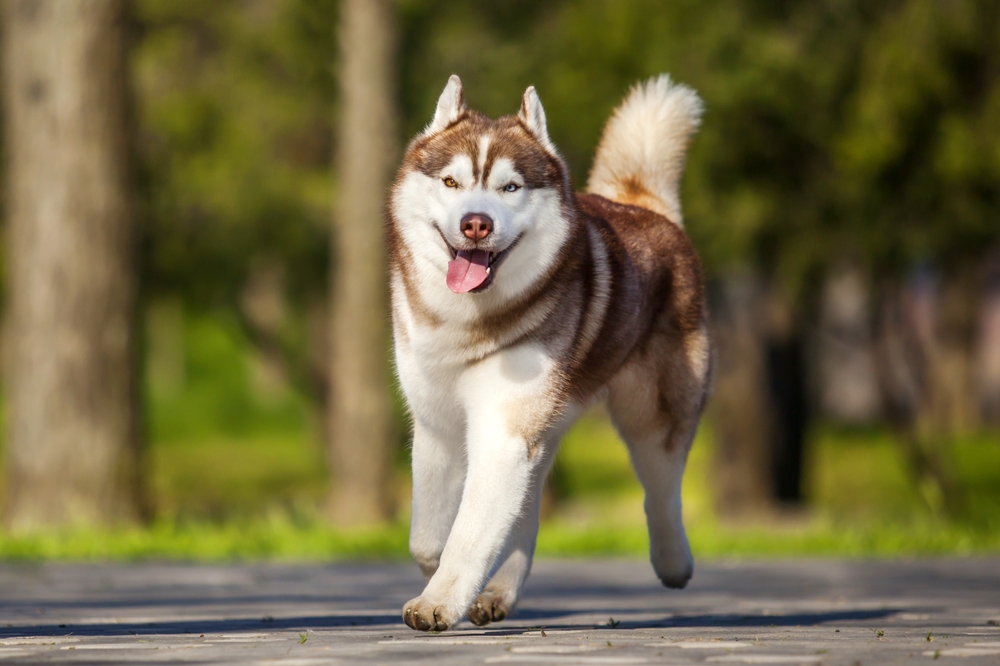
Huskies possess independence that borders on indifference toward their owners, caring more about freedom and adventure than bonding or pleasing you. They’re escape artists who view fences as challenges and doors as puzzles, constantly plotting their next breakout. The emotional exhaustion of living with a dog that doesn’t particularly care about you and will seize any opportunity to run away is soul-crushing for owners who expected a loving companion.
The breed’s stubbornness and selective hearing mean training feels pointless—they know commands but choose whether to obey based on their own assessment of the situation. You can’t trust them off-leash, can’t relax your vigilance about exits and gates, and live with constant awareness that your dog would happily run away given half a chance. The lack of reciprocal bonding that most dogs provide creates loneliness even when the dog is present.
11. Great Pyrenees Are Independent Thinkers Who Question Everything
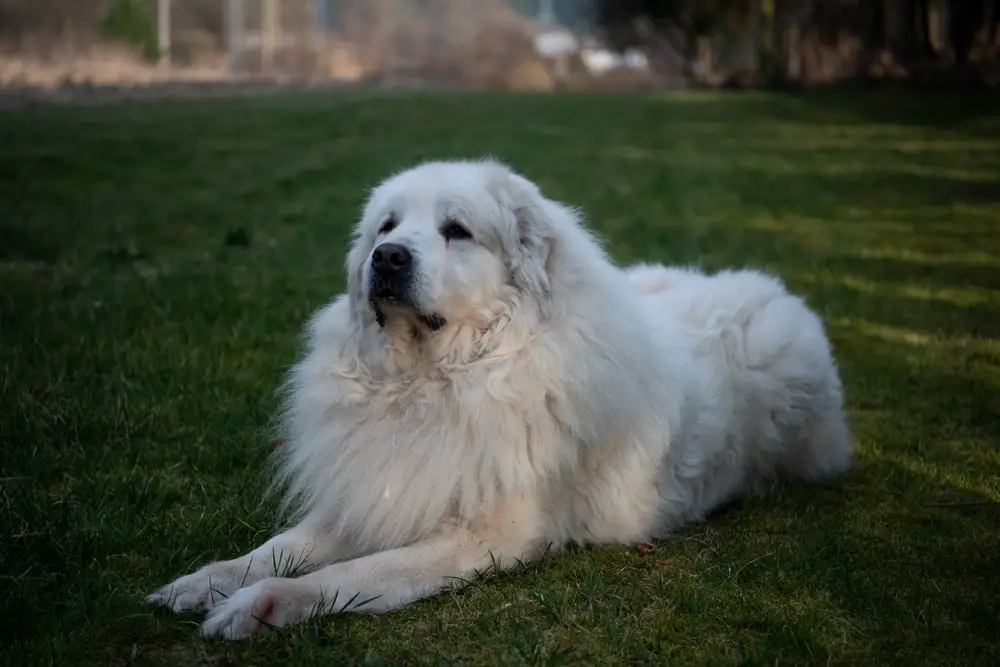
Great Pyrenees were bred to work independently, protecting livestock without human direction, and this translates into dogs that politely ignore your commands while doing what they think is best. They’re not defiant—they genuinely believe their judgment is superior to yours, especially regarding protection and safety. The emotional burden of owning a dog that doesn’t respect your authority because they think you’re wrong is uniquely frustrating.
These dogs bark constantly at perceived threats—which includes everything from actual intruders to leaves blowing past—and cannot be trained out of this behavior because it’s their job. Living with nightly barking at nothing, neighbors complaining, and a dog that won’t stop despite your pleas creates stress and sleep deprivation. The combination of independence, stubbornness, and constant protective vigilance makes them emotionally exhausting despite their calm, gentle demeanor.
12. Cattle Dogs Herd Children and Demand Constant Engagement
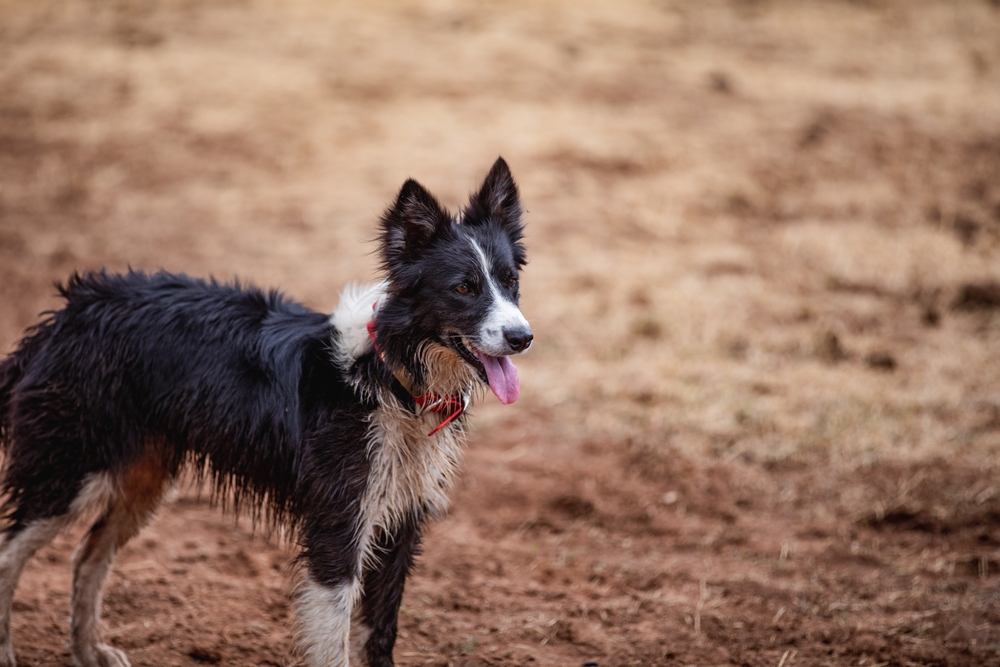
Australian Cattle Dogs treat family members as livestock, herding children by nipping at their heels and attempting to control everyone’s movements. This isn’t aggression—it’s their job—but it’s unacceptable behavior that’s incredibly difficult to suppress because it’s core to their breeding. The stress of managing a dog that won’t stop herding your kids, combined with the nipping injuries and children’s fear, creates family tension that destroys the joy of dog ownership.
These dogs also possess intense drive that demands jobs and purpose—they can’t just be pets. Without sufficient work, they become destructive, neurotic, and develop compulsive behaviors like tail chasing or obsessive ball fixation. The emotional exhaustion of providing enough mental and physical stimulation to satisfy a cattle dog while also managing their herding instincts and preventing them from traumatizing your children breaks families who thought they wanted an intelligent, active dog.