
The puppy stage blinds people to the reality of what they’ve committed to for the next 12-15 years. A fluffy ball of cuteness in the pet store or a viral video of a well-trained adult dog creates fantasies that crash hard against the reality of daily life with a breed that doesn’t match the owner’s actual lifestyle, capabilities, or expectations. By month 13, the initial excitement has worn off completely, and owners are stuck with animals they resent, can’t control, or can’t afford—animals that won’t stop barking, destroying things, pulling on leashes, or generating veterinary bills that dwarf the purchase price.
1. Siberian Huskies
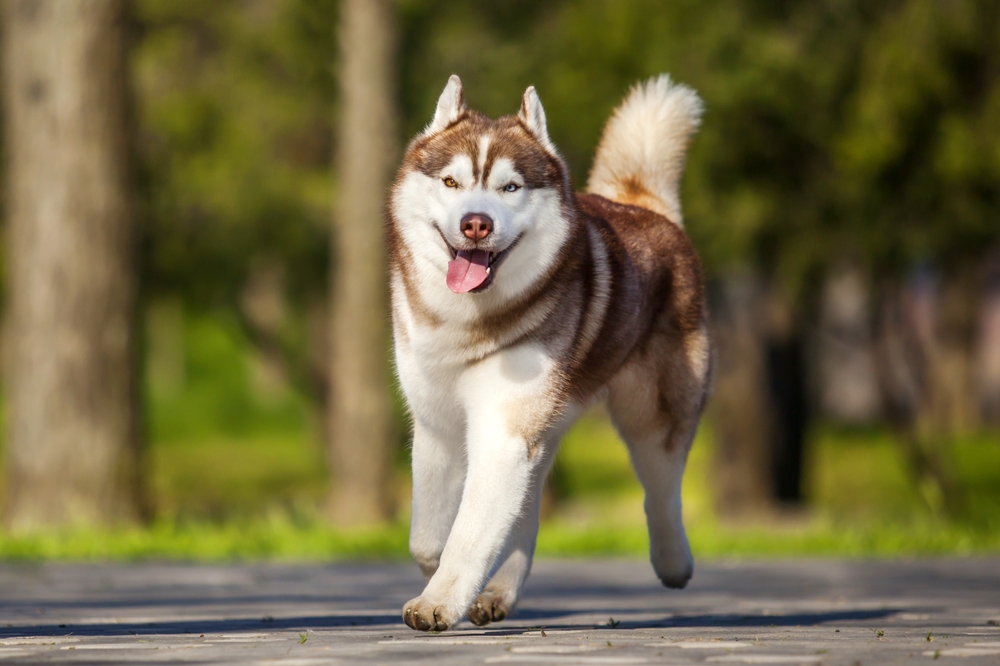
Huskies look absolutely stunning with those blue eyes and wolf-like appearance, and videos of them “talking” and playing make them seem like perfect, fun-loving family dogs. The reality is an escape artist with endless energy, a prey drive that makes them dangerous around small animals, and vocal tendencies that turn into nonstop howling when bored or anxious. These dogs were bred to run 100 miles pulling sleds in subzero temperatures, and that genetic programming doesn’t disappear just because they’re now living in a suburban home with a backyard.
Owners discover that their Husky can scale 6-foot fences, dig under barriers, and will bolt at every opportunity, often getting hit by cars or lost miles from home. The beautiful coat sheds catastrophically twice yearly, covering everything in fur, and the energy level requires hours of intense exercise daily that most families simply cannot provide. By year one, Husky owners are exhausted from the constant escape attempts, frustrated by the destruction from boredom, and overwhelmed by a dog that needs far more than they can give—but shelters are already full of surrendered Huskies from people who made the exact same mistake.
2. Dalmatians

Every few years, a movie or trend makes Dalmatians seem like the perfect striking, energetic family dog that’s great with kids and fun to have around. The breed’s actual temperament is high-strung, prone to aggression, especially around children, and possesses energy levels that require marathon running or hours of intense activity daily to prevent destructive behavior. Add in the genetic deafness affecting 30% of Dalmatians, and you have a recipe for behavioral problems that inexperienced owners cannot manage.
Owners who got Dalmatians for their appearance discover dogs that are neurotic, hyperactive, and often aggressive when not adequately exercised, which is nearly impossible for families with jobs and kids. The urinary issues requiring expensive special diets and vet monitoring add financial stress to the behavioral nightmare. By the first anniversary, Dalmatian owners realize they have a spotted anxiety disorder that bites when overwhelmed, destroys furniture when under-exercised, and costs a fortune in medical care—nothing like the friendly carriage dog they saw in movies or on Instagram.
3. Australian Cattle Dogs
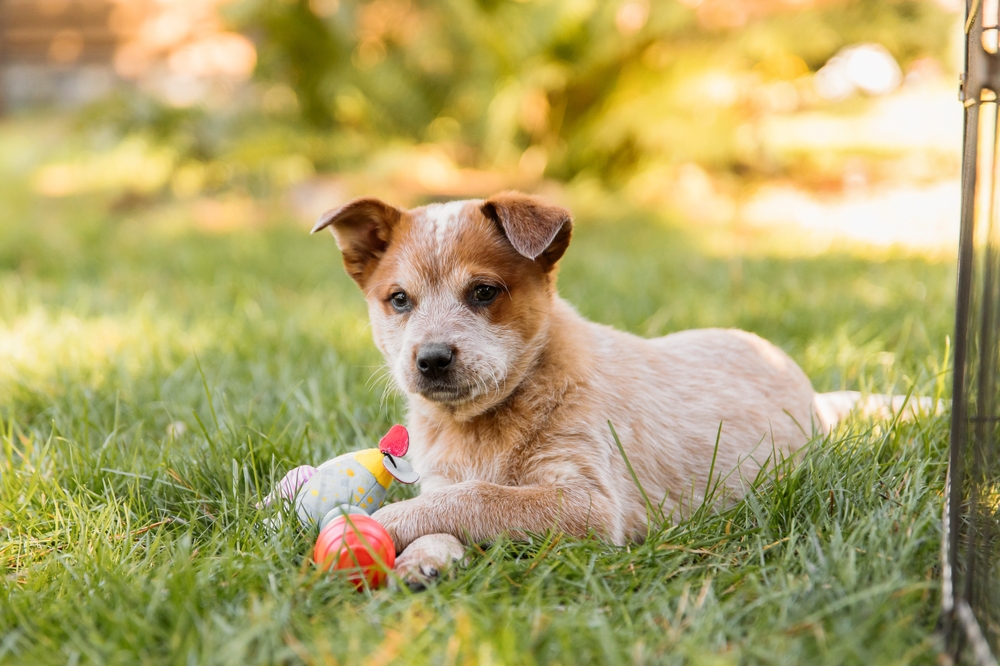
The compact size and stunning blue or red merle coloring attract people who think they’re getting a medium-sized, manageable dog perfect for active families. What they actually get is one of the most intense, driven working breeds that literally needs a job and will create one—usually herding children by nipping at heels or obsessively controlling household movement. These dogs were bred to control thousand-pound cattle through intimidation and persistence, traits that don’t vanish just because they’re now pets.
Owners discover that their Cattle Dog is neurotic without work, destructive when bored, and often aggressive toward strangers and other dogs due to intense territoriality and suspicion. The nipping behavior that’s cute in a puppy becomes genuinely problematic when the adult dog is herding and controlling children, visitors, or other pets through bites. By year one, owners are dealing with a dog that’s too intense for their lifestyle, too smart for their training abilities, and too driven to ever truly relax—realizing they’ve committed to over a decade with an animal that needs far more mental and physical stimulation than they can possibly provide.
4. Weimaraners

The sleek gray appearance and elegant build makes Weimaraners look like sophisticated, athletic dogs perfect for active owners who want a running companion. The reality is a velcro dog with severe separation anxiety who will destroy your house if left alone, bark incessantly, and require constant human companionship in addition to hours of daily exercise. These hunting dogs were bred to work alongside humans all day, and they genuinely cannot handle being alone for normal work schedules.
Owners return from 8-hour workdays to find furniture destroyed, drywall chewed through, and neighbors complaining about nonstop howling—destruction caused purely by anxiety, not spite or lack of training. The Weimaraner’s exercise needs are extreme, requiring far more than a daily walk or backyard play, and their intensity makes them terrible dogs for families with young children. By the first year, owners are exhausted from the dog’s neediness, broke from replacing destroyed belongings, and potentially facing eviction from noise complaints—realizing they’ve acquired a beautiful animal with psychological needs they cannot possibly meet.
5. Jack Russell Terriers

The small size and cute factor make Jack Russells seem like perfect apartment or family dogs that will be easy to manage and transport. These are actually psychotic little engines of destruction bred to hunt and kill vermin with relentless intensity, fearlessness, and energy that never stops. The compact body contains enough drive and intelligence to outsmart most owners and enough energy to go nonstop for 12 hours without tiring, making them fundamentally incompatible with normal pet owner expectations.
Owners discover that their Jack Russell can jump 5 feet straight up, will kill any small animal, including family pets, and possesses a bark that seems impossibly loud for their size. The digging is compulsive and unstoppable, the chewing is destructive beyond belief, and the aggression toward other dogs makes dog parks and walks nightmares. By year one, owners have a dog they can’t tire out, can’t contain, and can’t trust around other animals—realizing that the cute small package contains terrier intensity that makes larger breeds seem easy by comparison.
6. Border Collies

Border Collies are brilliant, trainable, and athletic, leading people to believe they’re getting the perfect smart dog that will be easy to train and fun to have around. What they actually get is the world’s most intense working breed that needs a job, constant mental stimulation, and hours of exercise daily or they literally lose their minds. The intelligence that seems appealing becomes a nightmare when the dog is too smart for their owner, gets bored instantly, and develops obsessive behaviors like shadow chasing or light fixation.
Owners discover that their Border Collie is neurotic, anxious, and destructive without adequate mental and physical work, and providing that work requires expertise and time most people simply don’t have. The herding instinct means they chase cars, nip at children’s heels, and try to control all household movement in ways that become dangerous and stressful. By year one, owners have a dog that’s too smart, too driven, and too intense—watching their brilliant collie develop psychological problems from under-stimulation while being completely unable to provide what the dog genetically requires.
7. Akitas

Akitas are beautiful, impressive dogs with loyal reputations that attract people wanting a devoted guardian and protector for their family. The reality is a dominant, aggressive breed with strong prey drive, same-sex aggression, and protective instincts that become serious liability when the dog decides your neighbor or child’s friend is a threat. These dogs were bred to hunt bears and guard property, and that intensity doesn’t disappear just because they’re now suburban pets.
Owners discover that their Akita is aggressive toward other dogs, often requiring emergency vet visits after fights, suspicious and sometimes aggressive toward strangers, including family friends, and completely untrustworthy around small animals or children. The dog that was supposed to be a loyal protector becomes an insurance liability and a constant source of stress as owners worry about bites, attacks, and lawsuits. By year one, many Akita owners are considering rehoming but discovering that shelters won’t accept them and other homes don’t want an adult Akita with aggression issues—realizing they’re stuck with a beautiful, dangerous animal they can’t safely manage.
8. Shiba Inus
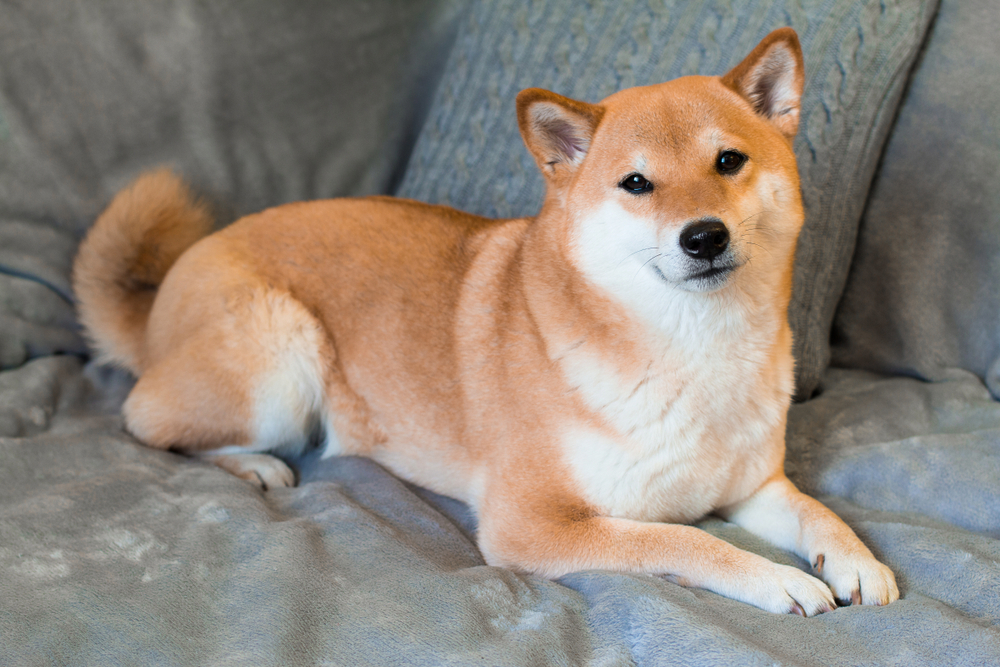
The internet’s obsession with Shiba Inus and their fox-like appearance creates a fantasy of quirky, adorable companion dogs perfect for apartments or small spaces. What buyers actually get is a primitive, independent, stubborn breed that doesn’t care about pleasing you, has a prey drive that makes them unsafe off-leash, and produces a sound called the “Shiba scream” when upset, that’s genuinely disturbing. These dogs aren’t trainable in the way people expect dogs to be because they simply don’t care about human approval or commands.
Owners discover that their Shiba Inu won’t come when called, can’t be trusted off-leash ever, and has aggression toward other dogs and small animals that makes socialization impossible. The aloofness that seemed cute becomes frustrating when the dog actively rejects affection and training, doing exactly what they want regardless of commands. By year one, Shiba owners have a cat-like dog that doesn’t listen, can’t be controlled, and provides none of the companionship or trainability they expected—realizing they’ve committed to a decade-plus with an animal that fundamentally doesn’t care about them.
9. Belgian Malinois

Police and military dog videos make Malinois seem like ultimate loyal protectors that are intelligent, trainable, and devoted to their handlers. What inexperienced pet owners get is an intensely driven working dog with bite training genetics, energy that requires 3-4 hours of hard exercise daily, and intensity that makes them dangerous in the wrong hands. These dogs are literally too much dog for 99% of pet owners, yet people keep buying them thinking they’ll get a cool police dog.
Owners discover that their Malinois is destructive on a scale that makes other working breeds seem lazy, has a bite intensity that leads to injuries when playing, and requires training expertise that most owners don’t possess. The dog that was supposed to be a protector becomes a liability when their intensity and drive create aggression, reactivity, and behavior problems that professional trainers charge thousands to address. By year one, Malinois owners are in over their heads with a dog that needs far more than they can provide—many ultimately surrendering to breed-specific rescues who try desperately to educate people that these are not pet dogs.
10. Chow Chows
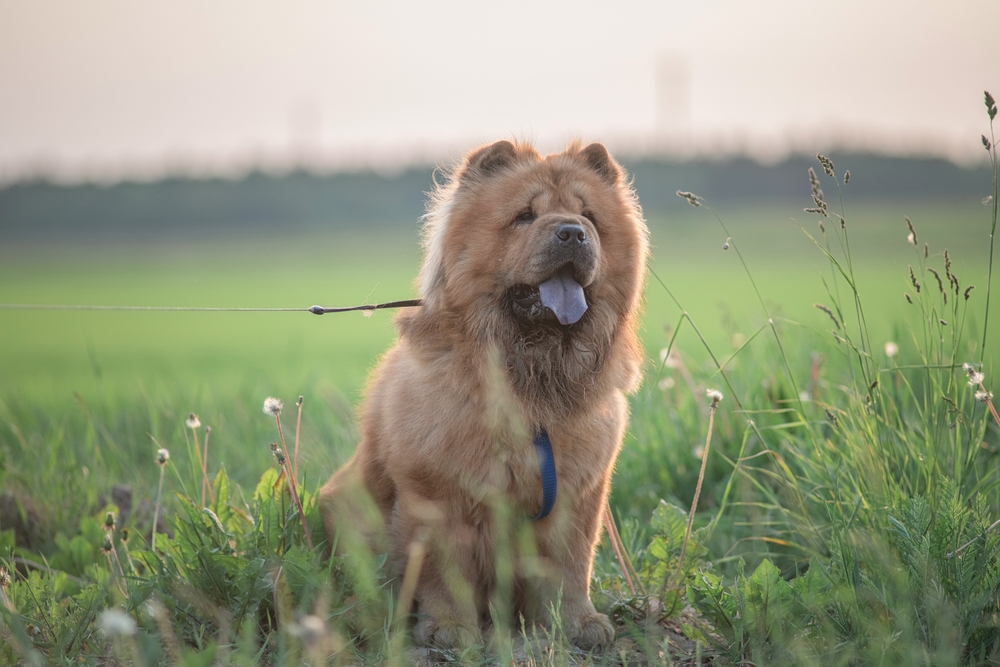
The teddy bear appearance and lion-like mane make Chow Chows seem like impressive, cuddly companion dogs that will be loyal and protective. The reality is one of the most aggressive breeds toward strangers and other animals, with aloofness toward their own families and stubbornness that makes training nearly impossible. These dogs were bred to guard and hunt, and their temperament reflects that purpose—they’re suspicious, territorial, and quick to aggression when they perceive threats.
Owners discover that their Chow Chow is aggressive toward visitors, delivery people, and anyone approaching the property, creating insurance and liability nightmares. The dog that was supposed to be a loyal companion is actually aloof with family, barely tolerating affection, and requiring constant management to prevent bites. By year one, Chow owners are dealing with insurance companies that won’t cover the breed, fear of lawsuits from bite incidents, and a dog that provides none of the companionship they wanted—realizing they’ve bought a beautiful, dangerous animal that’s fundamentally incompatible with normal pet ownership.
11. Great Pyrenees
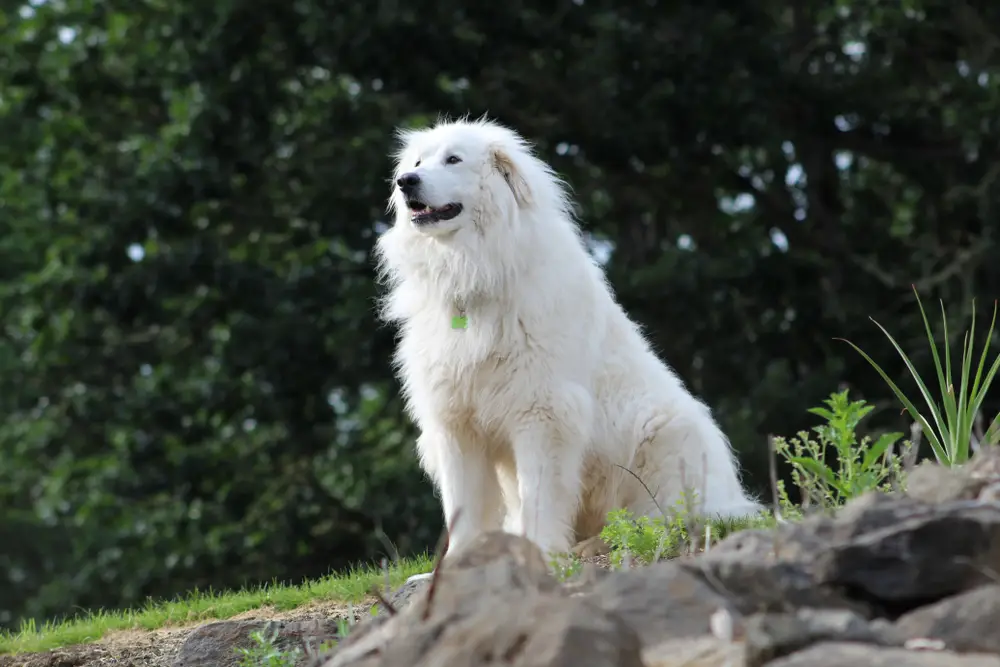
The majestic white coat and gentle giant reputation attract families wanting a big beautiful dog that’s good with children and easy to live with. What they actually get is a livestock guardian breed that barks incessantly at anything approaching their territory, roams if not confined, and sheds in quantities that seem physically impossible for one dog to produce. These dogs were bred to work independently protecting flocks from predators, and that genetics means they bark all night at every sound and don’t care about human commands.
Owners discover that their Pyrenees barks constantly, especially at night, leading to noise complaints and neighbor conflicts that threaten their housing. The shedding covers every surface in white hair, the size means destruction is large-scale, and the independent nature makes training frustrating since the dog simply ignores commands. By year one, Great Pyrenees owners are exhausted from sleepless nights listening to barking, frustrated by a dog that won’t listen, and drowning in white fur—realizing they’ve committed to a decade with a dog fundamentally designed for mountain pastures, not suburban homes.
12. Cane Corsos

Cane Corsos look impressive and powerful, attracting people who want a protection dog or status symbol that announces toughness and seriousness. What inexperienced owners get is a mastiff-type breed with dominance issues, protective instincts that become dangerous without expert handling, and size/strength that makes any behavioral problem potentially catastrophic. These dogs require experienced handling, extensive training, and owners who can maintain consistent leadership—qualities most buyers don’t possess.
Owners discover that their Cane Corso is aggressive toward strangers and other dogs, destructive when bored, and physically capable of injuring or killing people if aggression isn’t controlled. The insurance implications, liability concerns, and constant vigilance required to manage a powerful dog with aggression potential become overwhelming. By year one, many Cane Corso owners are terrified of their own dog, facing insurance cancellations, and realizing they’ve acquired a beautiful, dangerous animal they cannot safely control—with most shelters refusing to accept them and no good rehoming options available.
13. Australian Shepherds
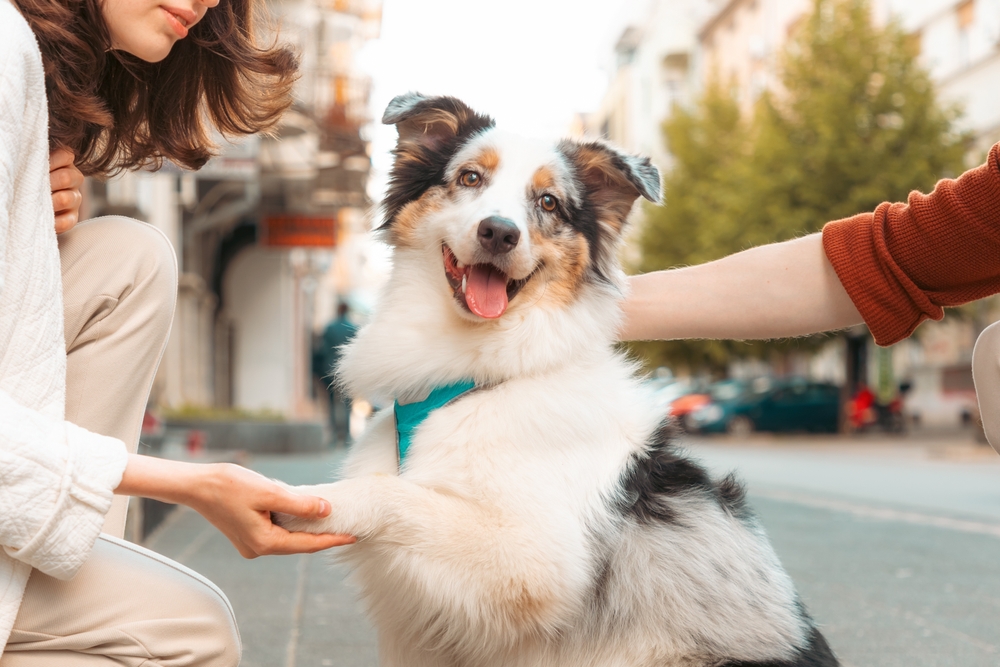
The stunning merle coloring and reputation as great family dogs attract people wanting an active, intelligent companion that’s good with kids and easy to train. What they get is an intense herding breed that needs hours of exercise and mental stimulation daily, will herd and nip at children and other pets, and develops serious behavioral problems when under-stimulated. The intelligence that seems appealing becomes problematic when the dog is too smart for casual owners and develops neurotic behaviors from boredom.
Owners discover that their Australian Shepherd is anxious, neurotic, and destructive without adequate work, and providing that work requires time and expertise most families don’t have. The herding behavior toward children creates dangerous situations, and the dog’s reactivity toward strangers and other dogs makes walks stressful nightmares. By year one, Aussie owners have a beautiful, anxious, neurotic dog that’s too much for their lifestyle—realizing they’ve signed up for a decade-plus with an animal that needs to work sheep on a ranch, not live in suburbia with a family that works 9-to-5 and expects a normal pet.