
The dog world shifts constantly based on social media trends, celebrity influence, and viral moments that can transform obscure breeds into must-have status symbols overnight. Breeds that shelters couldn’t give away in 2021 are now commanding premium prices and multi-month waitlists in 2026. These dramatic reversals reveal how quickly public perception changes and how powerful internet culture has become in shaping which dogs people want in their homes.
1. Belgian Malinois Went From Military Secret to Instagram Star

Belgian Malinois were virtually unknown to the general public five years ago, primarily existing in military and police work where their intense drive and intelligence made them ideal working dogs. The average person couldn’t name this breed and shelters struggled to adopt out Malinois mixes because they were considered too high-energy and demanding. Then social media exploded with videos of Malinois performing incredible athletic feats—scaling walls, doing parkour, executing perfect protection work—and suddenly everyone wanted one.
By 2026, Malinois have become the ultimate status symbol for active dog owners, with breeders charging $3,000-8,000 for puppies and maintaining year-long waitlists. The problem is that most people severely underestimate what owning a Malinois actually requires—these are not pet dogs, they’re working machines that need jobs and extensive training. Shelters are now flooded with adolescent Malinois that were purchased by unprepared owners who saw the Instagram videos but couldn’t handle the reality of a dog bred for military combat operations living in their suburban home.
2. Giant Schnauzers Became the “Sophisticated Doodle Alternative”

Giant Schnauzers were nearly invisible in the pet market five years ago, known primarily to serious dog sport enthusiasts and a small community of dedicated fanciers. Most people had never seen one, and breeders had relatively small operations because demand was minimal. The doodle trend started facing backlash around 2024, with educated dog buyers realizing these mixes came with unpredictable coats, health issues from irresponsible breeding, and temperaments that didn’t match the “perfect family dog” marketing.
Enter the Giant Schnauzer—a legitimate purebred with a non-shedding coat, striking appearance, and intelligent personality that savvy buyers discovered as a doodle alternative. By 2026, Giant Schnauzers are everywhere in upscale urban neighborhoods, marketed as the “thinking person’s large dog.” Prices skyrocketed from $1,500 to $4,000-6,000 as demand exploded, and puppy mills started producing them to meet demand. The breed’s strong-willed, territorial nature and need for extensive grooming means many owners are discovering they bought a much more challenging dog than anticipated.
3. Lagotto Romagnolo Went Viral as the “Truffle Dog”
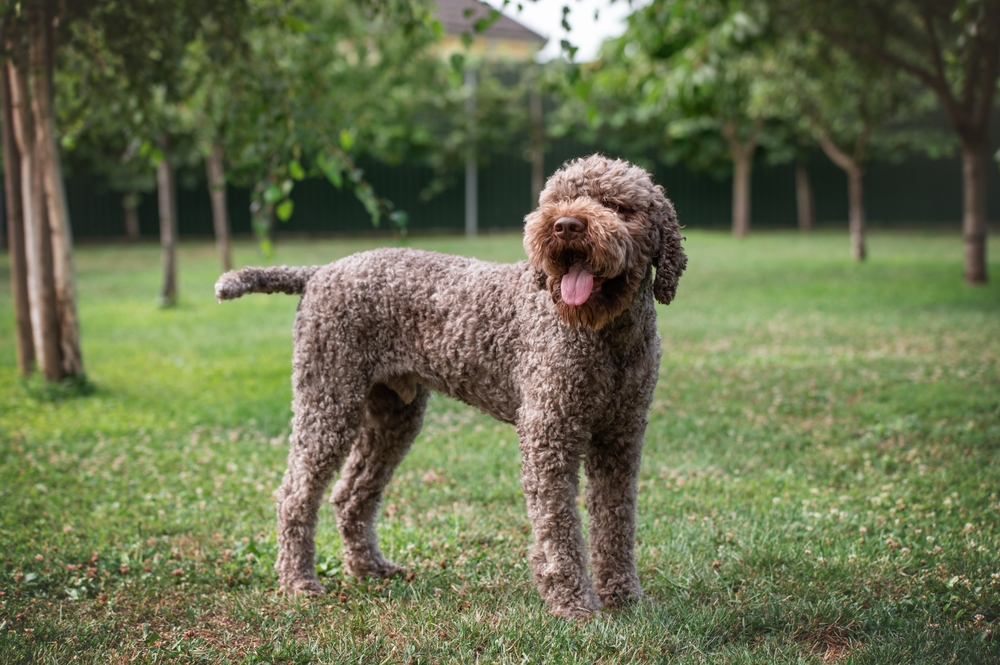
The Lagotto Romagnolo was essentially unknown in the United States five years ago except among rare breed enthusiasts. With only a few hundred registrations annually, most Americans had never heard of this Italian water dog and truffle hunter. A viral TikTok trend in 2024 featuring Lagottos finding hidden treats with their incredible noses changed everything, combined with their teddy-bear appearance and hypoallergenic coats.
By 2026, Lagottos are commanding $4,000-8,000 from breeders who can’t produce puppies fast enough to meet demand. The breed’s skyrocketing popularity attracted puppy mills and backyard breeders, flooding the market with poorly bred dogs that lack proper health testing. New owners are discovering that Lagottos require extensive grooming, have strong digging instincts that destroy yards, and need serious mental stimulation—traits that weren’t mentioned in the cute viral videos that made them famous.
4. American Akitas Became the “Bear Dog” Status Symbol

American Akitas languished in obscurity five years ago, often confused with Shiba Inus or mistaken for mixed breeds by the general public. They had a reputation as difficult, aggressive dogs that serious trainers worked with but average pet owners avoided. The breed faced significant prejudice, with insurance companies blacklisting them and apartments banning them, making them unwanted even among enthusiasts.
Social media changed everything when influencers started posting Akitas as “bear-like” guardians and loyal companions, emphasizing their majestic appearance and devotion. By 2026, Akitas are trendy status dogs, especially among young men who want impressive-looking protection dogs. Prices jumped from $1,000 to $3,000-6,000, and demand vastly exceeds responsible breeding capacity. The result is predictable—shelters are starting to see surrendered Akitas from owners who couldn’t handle their dog aggression, stubbornness, and serious bite potential, traits that Instagram posts conveniently ignored.
5. Cane Corsos Exploded as Protection Dogs for Uncertain Times

Cane Corsos had a small but dedicated following five years ago, primarily among serious protection dog enthusiasts and people familiar with Italian mastiff breeds. The general public barely knew they existed, and the few that did often found them intimidating. Then social and political instability increased, crime concerns rose, and people started seeking serious protection dogs instead of just pets.
By 2026, Cane Corsos are everywhere, marketed as the ultimate family protection dog and selling for $2,500-6,000 from breeders who appeared overnight. The problem is that Corsos are serious working dogs that require extensive socialization and training from experienced handlers. Shelters are beginning to see adolescent Corsos surrendered for aggression, with dogs biting family members or visitors because they were purchased for protection but not properly trained, creating unstable dogs with powerful bite force and guardian instincts.
6. Beaucerons Became the “French Shepherd Discovery”
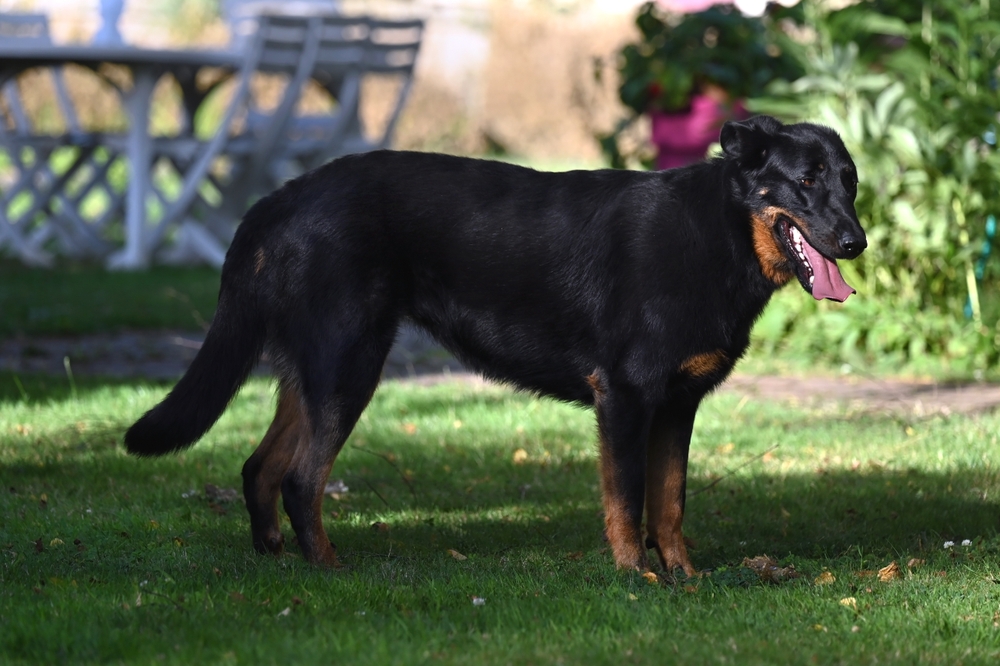
Beaucerons were virtually unknown in the United States five years ago, with fewer than 200 puppies registered annually. This French herding breed existed in such obscurity that most vets had never seen one. The breed remained hidden until dog sport enthusiasts started posting videos of Beaucerons excelling in protection sports, herding, and obedience, revealing an athletic, intelligent breed that looked like a sleek German Shepherd-Doberman cross.
The “discovery” of Beaucerons by 2026 has created unprecedented demand, with prices jumping from $1,500 to $4,000-7,000 and waitlists extending years. Unfortunately, their working drive rivals Belgian Malinois, and they’re not suitable for average pet homes. New owners attracted by their striking appearance are discovering they’ve purchased herding dogs with intense energy needs, strong prey drive, and guardian instincts that require expert handling—not the manageable pet they expected.
7. Shiloh Shepherds Hit Mainstream as “Gentle Giant” Family Dogs
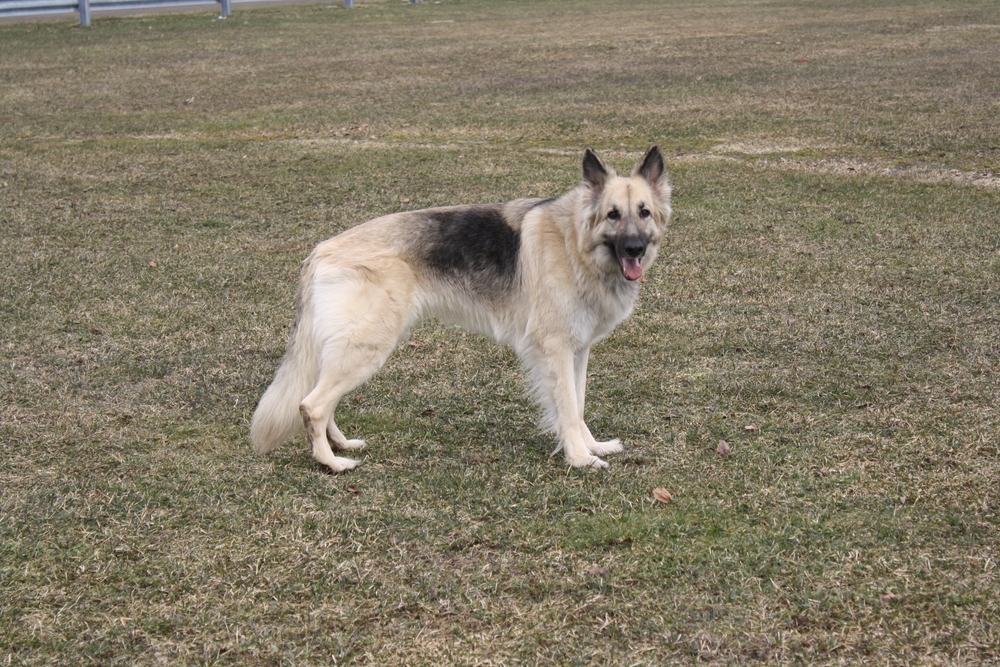
Shiloh Shepherds existed in tiny numbers five years ago, known only within a small breeding community that developed them as calmer, larger German Shepherds. Most people had never heard of the breed, and they weren’t recognized by major kennel clubs. The breed’s creators emphasized temperament and health over working drive, producing dogs that looked like impressive shepherds but had friendlier, more stable personalities.
By 2026, Shilohs exploded in popularity as people discovered them through social media, marketed as the perfect family-friendly version of German Shepherds without the aggression or anxiety issues. Demand vastly exceeded the small pool of responsible breeders, leading to puppy mills and backyard breeders flooding the market with dogs called “Shilohs” that lack proper breeding and health testing. Prices went from $1,500 to $3,500-6,000, and the breed’s health issues—particularly hip dysplasia—are being exacerbated by irresponsible breeding to meet demand.
8. Boerboels Surged as the Ultimate “Big Dog Energy” Breed

Boerboels were rare in the United States five years ago, known primarily in working dog circles and among South African immigrants. The massive South African mastiffs had such limited presence that most people had never encountered one. The breed’s intimidating size, combined with loyal temperament, kept them in obscurity until social media discovered them as the ultimate “big dog” for people who wanted maximum presence.
By 2026, Boerboels are trending hard, with influencers posting their 150-180 pound dogs and creating massive demand. Prices increased from $1,500 to $4,000-7,000 as breeders struggled to keep up. The problem is that Boerboels are serious guardian breeds requiring experienced handlers, extensive socialization, and firm leadership. Shelters are already seeing young Boerboels surrendered by overwhelmed owners who wanted an impressive dog but got a territorial mastiff they couldn’t control.
9. Flat-Coated Retrievers Became the “Happy Golden Alternative”
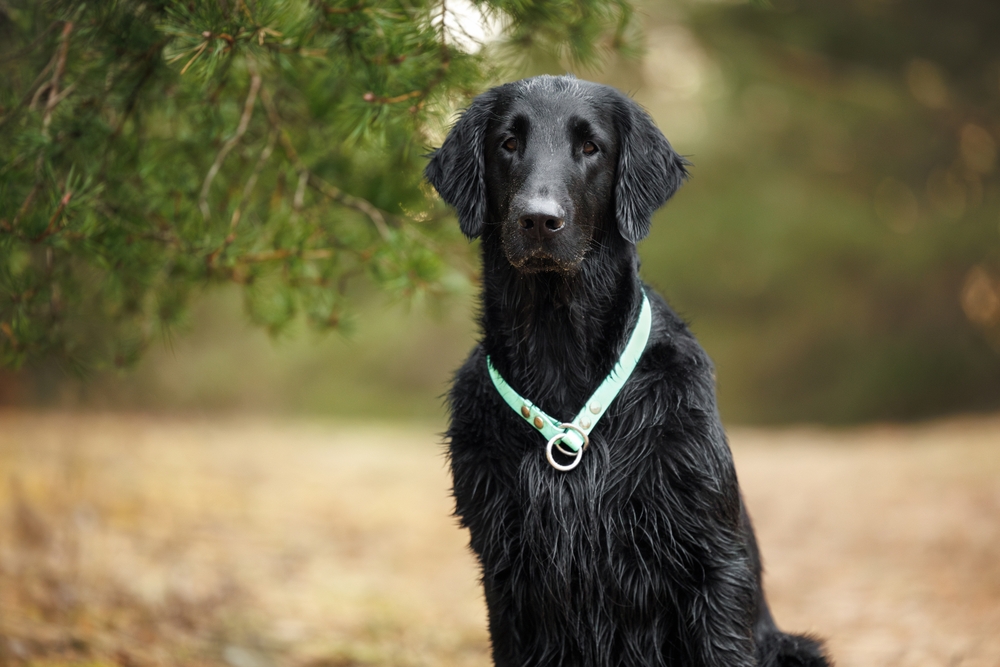
Flat-Coated Retrievers existed in near obscurity five years ago despite being purebred retrievers, overshadowed completely by Goldens and Labs. Breeders maintained small programs with limited demand, and most people had never seen or heard of the breed. Then burnout with overbreeding of Golden Retrievers led educated buyers to seek alternatives, discovering Flat-Coats as a lesser-known retriever option with similar personalities.
By 2026, Flat-Coats went from obscure to trendy, with demand overwhelming the small breeding community that existed. Prices jumped from $1,200 to $3,000-5,000, and their sudden popularity attracted poor breeders. The breed’s higher cancer rates compared to other retrievers—something responsible breeders managed carefully in small numbers—is becoming a crisis as irresponsible breeding explodes. Owners who chose them as “healthier Goldens” are discovering they actually have worse health prospects when poorly bred.
10. Azawakhs Became Exotic Status Symbols for Minimalists

Azawakhs were extraordinarily rare five years ago, with maybe 100 dogs in the entire United States and virtually zero public awareness. This African sighthound existed only among rare breed collectors who appreciated their unique appearance and history. The breed’s elegant, almost skeletal appearance and exotic origin remained unknown until design-conscious dog owners discovered them as the ultimate aesthetic statement dog.
By 2026, Azawakhs are appearing in trendy urban areas, valued for their striking, minimalist appearance that photographs beautifully. Prices skyrocketed from $2,000 to $6,000-10,000 as demand emerged among people who want unusual, conversation-starting dogs. The problem is Azawakhs are primitive African sighthounds with high prey drive, aloofness with strangers, and sensitivity that makes them challenging pets. Owners who bought them as living art pieces are discovering they’re difficult dogs with specific needs that don’t match the low-maintenance image their appearance suggests.
11. Bergamasco Sheepdogs Went Viral for Their Dreadlock Coats
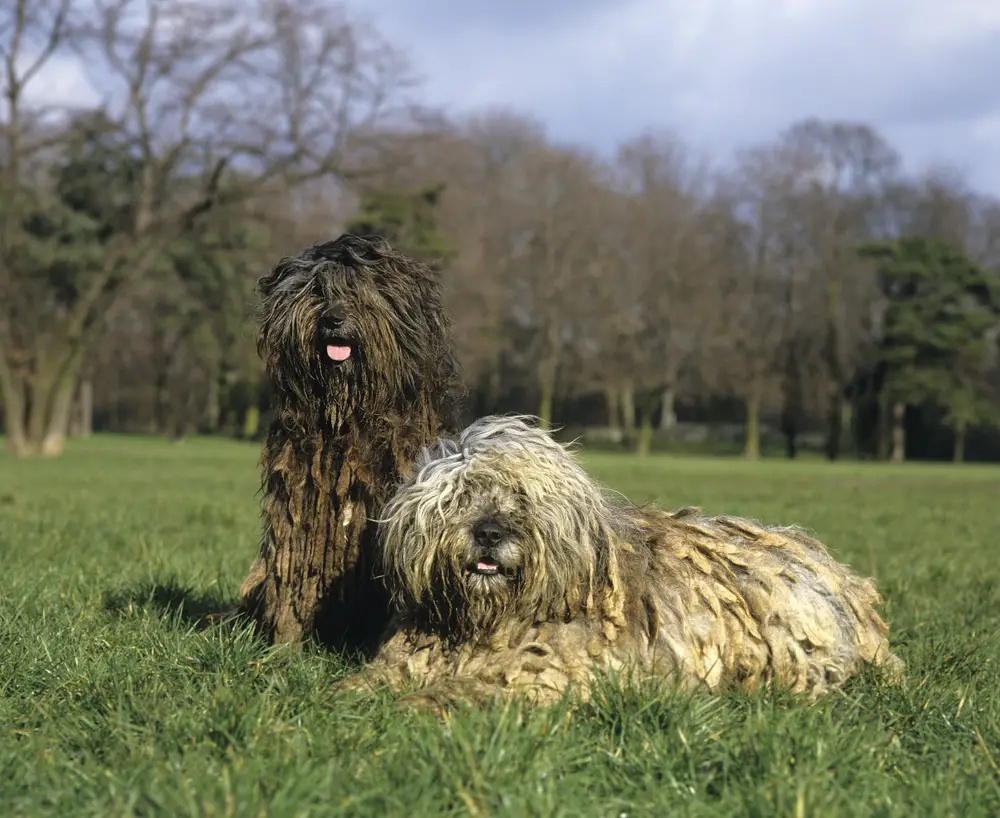
Bergamascos were essentially unknown five years ago, with fewer than 100 puppies born annually in the US and virtually no public recognition. Their distinctive, felted, dreadlock-like coat made them look unusual rather than appealing to most people. Then TikTok discovered them, and videos of their unique coats went viral, transforming them from obscure curiosity to must-have exotic breed practically overnight.
By 2026, Bergamascos are everywhere on social media, with prices jumping from $2,000 to $5,000-8,000 and breeders unable to meet demand. The viral fame focused entirely on their appearance while ignoring that they’re independent-minded herding dogs requiring experienced owners. New buyers are discovering that the famous coat requires specialized care, the dogs are stubborn and not particularly biddable, and they need far more exercise and mental stimulation than their calm appearance suggests.
12. Kooikerhondje Became the “Dutch Duck Dog Everyone Wants”

Kooikerhondje were virtually unknown outside the Netherlands five years ago, with tiny numbers in the US and zero name recognition. This small Dutch duck-hunting breed existed in such obscurity that even mentioning the name drew blank stares. Then social media dog accounts started featuring them, and their spaniel-like appearance, combined with manageable size and cheerful personality, created sudden demand.
By 2026, Kooikerhondje have exploded from fewer than 200 US registrations to thousands, with prices jumping from $1,800 to $4,000-7,000. Their sudden popularity attracted puppy mills, and the small gene pool means health issues are emerging as irresponsible breeders skip health testing. Owners who wanted a “rare, medium-sized dog” are discovering that Kooikerhondje can be anxious, noisy, and higher-energy than expected—traits that weren’t apparent in the adorable social media posts that made them famous.
13. Xoloitzcuintli Became the Ultimate Hairless Lifestyle Dog
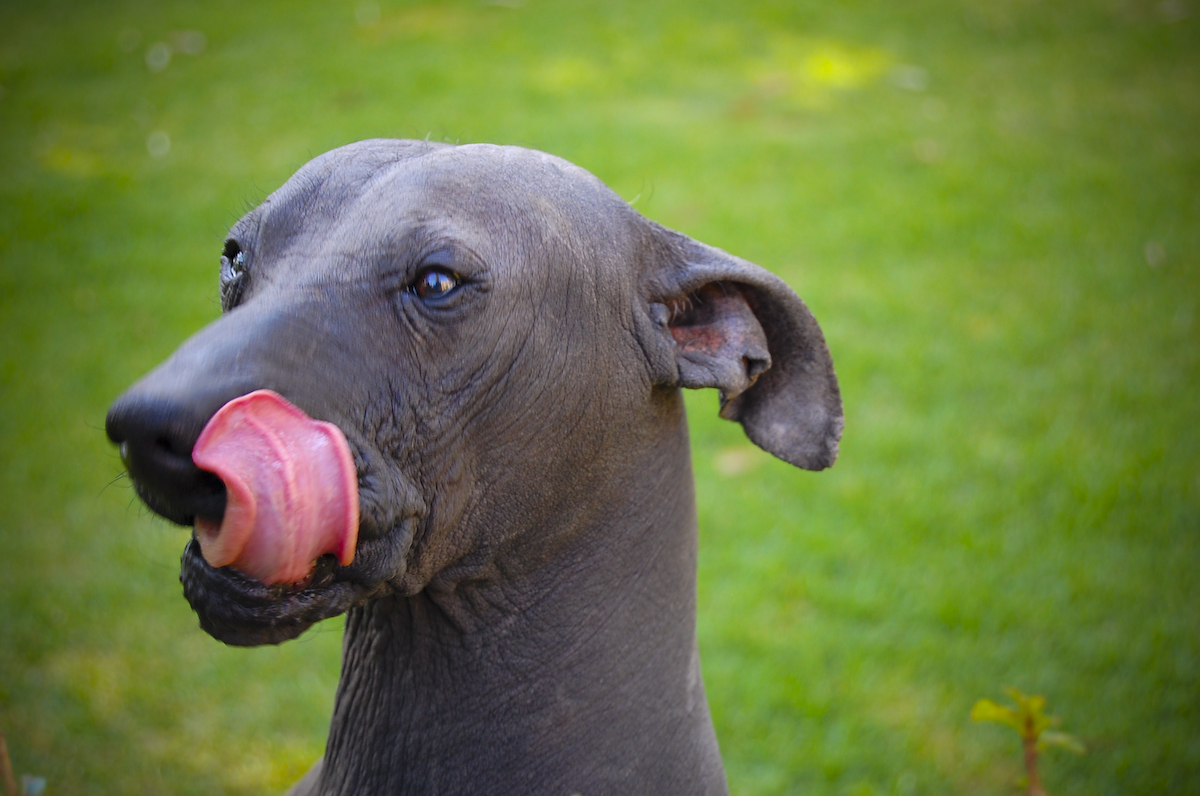
The Xoloitzcuintli remained a niche breed five years ago, known mainly to rare-breed enthusiasts and historians familiar with its ancient Mesoamerican origins. Despite being recognized by major kennel clubs, most people had never encountered one outside of museum references or occasional dog shows. Their hairless variety, while striking, limited mainstream appeal due to misconceptions about fragility and care requirements.
By 2026, minimalist lifestyle influencers and allergy-conscious buyers pushed Xolos into the spotlight as low-shedding, visually unique companions. Prices climbed from $2,000 to $4,000–7,000 as demand surged, particularly for hairless specimens. New owners are discovering that hairless dogs require specialized skincare, temperature regulation, and sun protection, making them far from maintenance-free despite appearances.
14. Leonbergers Returned as the “Family-Friendly Giant”
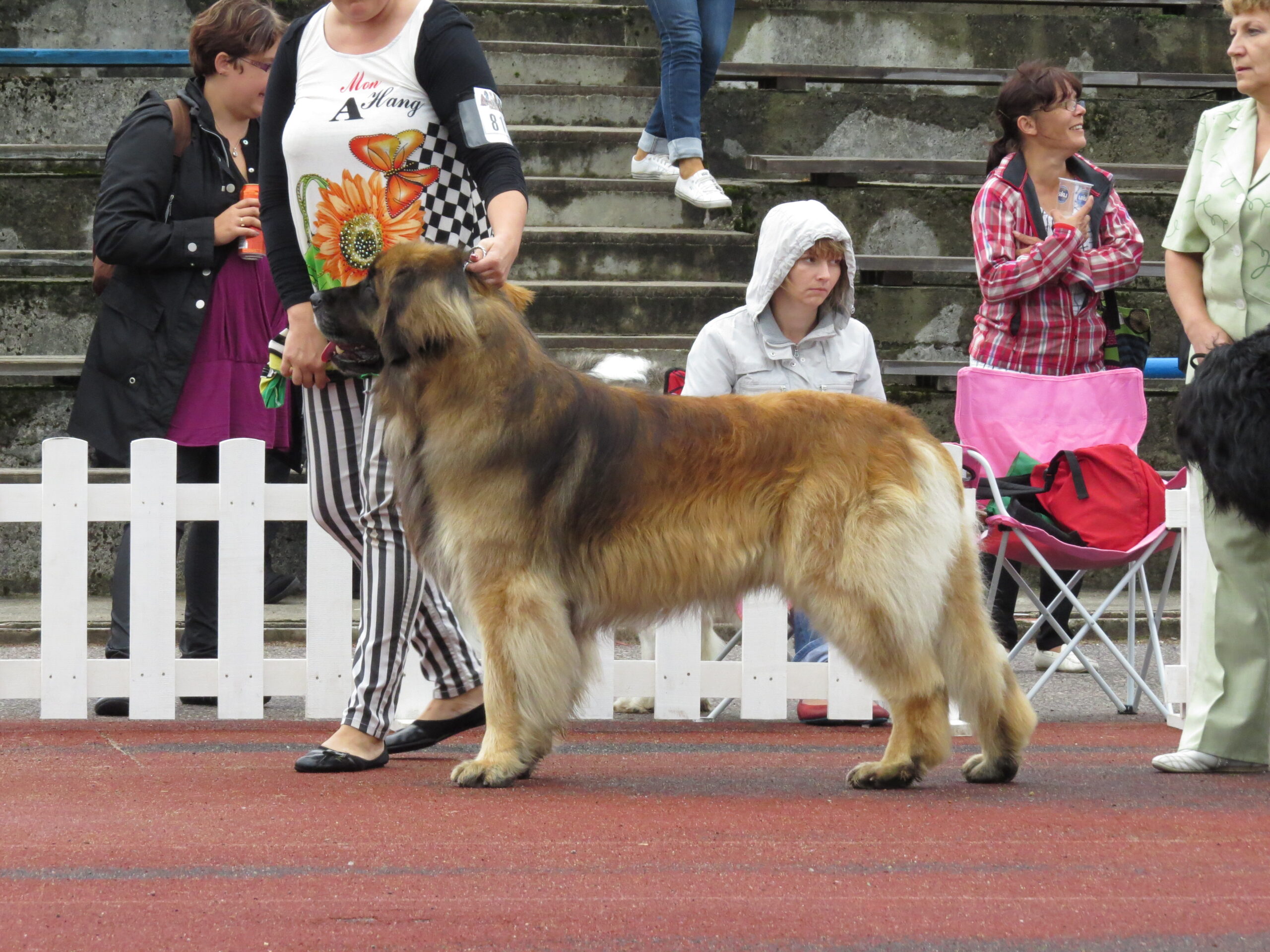
Leonbergers quietly existed in small numbers five years ago, overshadowed by other giant breeds like Great Danes and Newfoundlands. Their calm temperament and family-friendly reputation appealed to a narrow audience willing to handle their size and grooming needs. Breeding programs remained limited due to the cost and complexity of producing healthy giant-breed dogs.
Social media accounts highlighting Leonbergers as gentle, child-safe giants changed public perception rapidly. By 2026, demand surged, driving prices from $2,000 to $3,500–6,000 with long waitlists. Owners are now learning that giant breeds come with high feeding costs, short lifespans, and significant veterinary expenses, realities often downplayed in viral content.
15. Icelandic Sheepdogs Went from Heritage Breed to Trend Pick
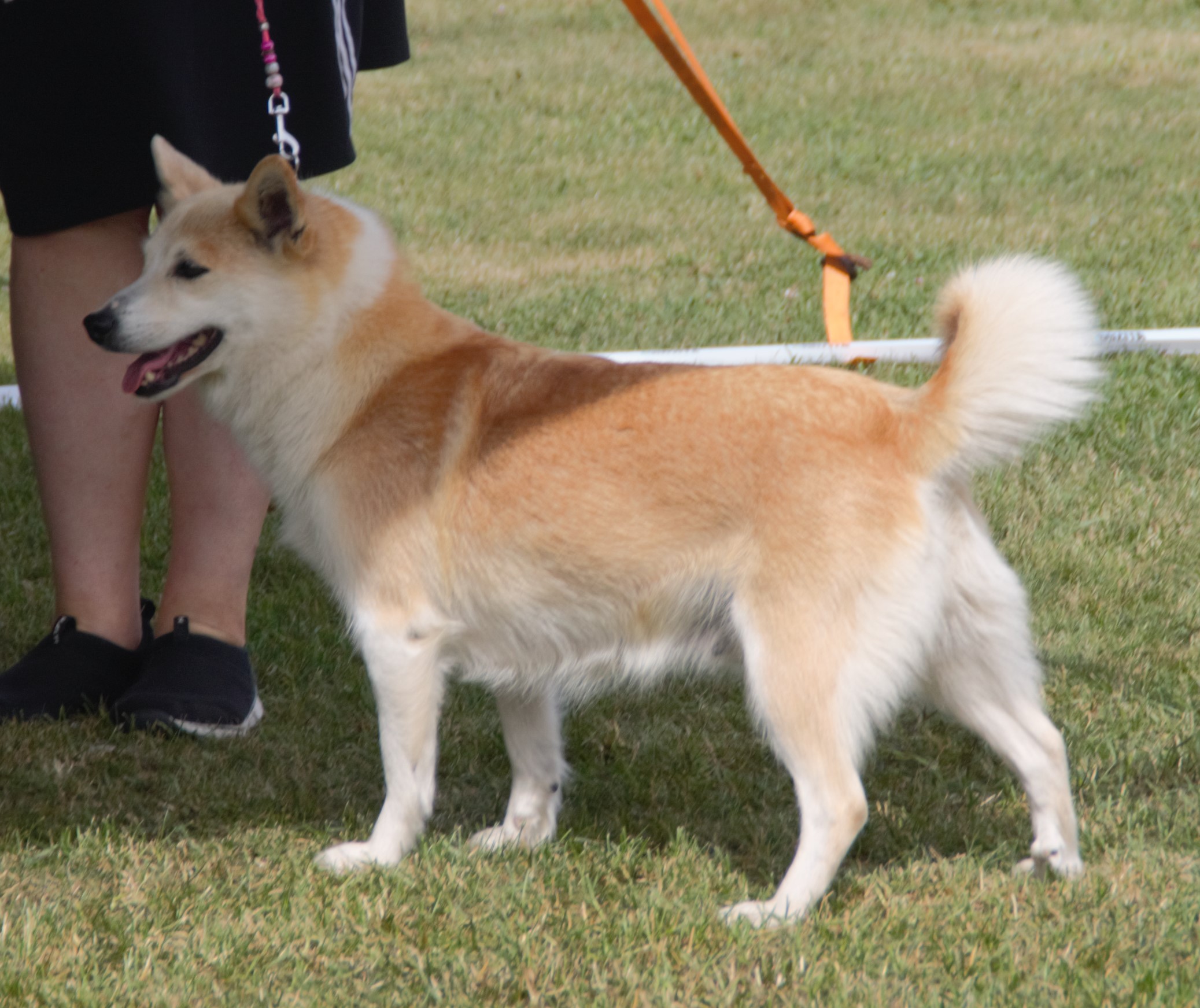
Icelandic Sheepdogs were almost entirely unknown outside Nordic countries and rare-breed circles until recently. Their status as Iceland’s only native dog breed kept breeding tightly controlled, resulting in limited availability worldwide. Their cheerful expression and fox-like appearance attracted little attention in mainstream markets until social media exposure increased.
By 2026, Icelandic Sheepdogs gained popularity as “heritage” pets tied to ancient culture and sustainable breeding narratives. Prices rose from $2,000 to $4,000–6,000 due to limited imports and strict breeding practices. New owners are discovering they are vocal, energetic herding dogs with strong instincts—not quiet companion pets suited to apartment life.
16. Caucasian Shepherd Dogs Became the Extreme Guardian Trend
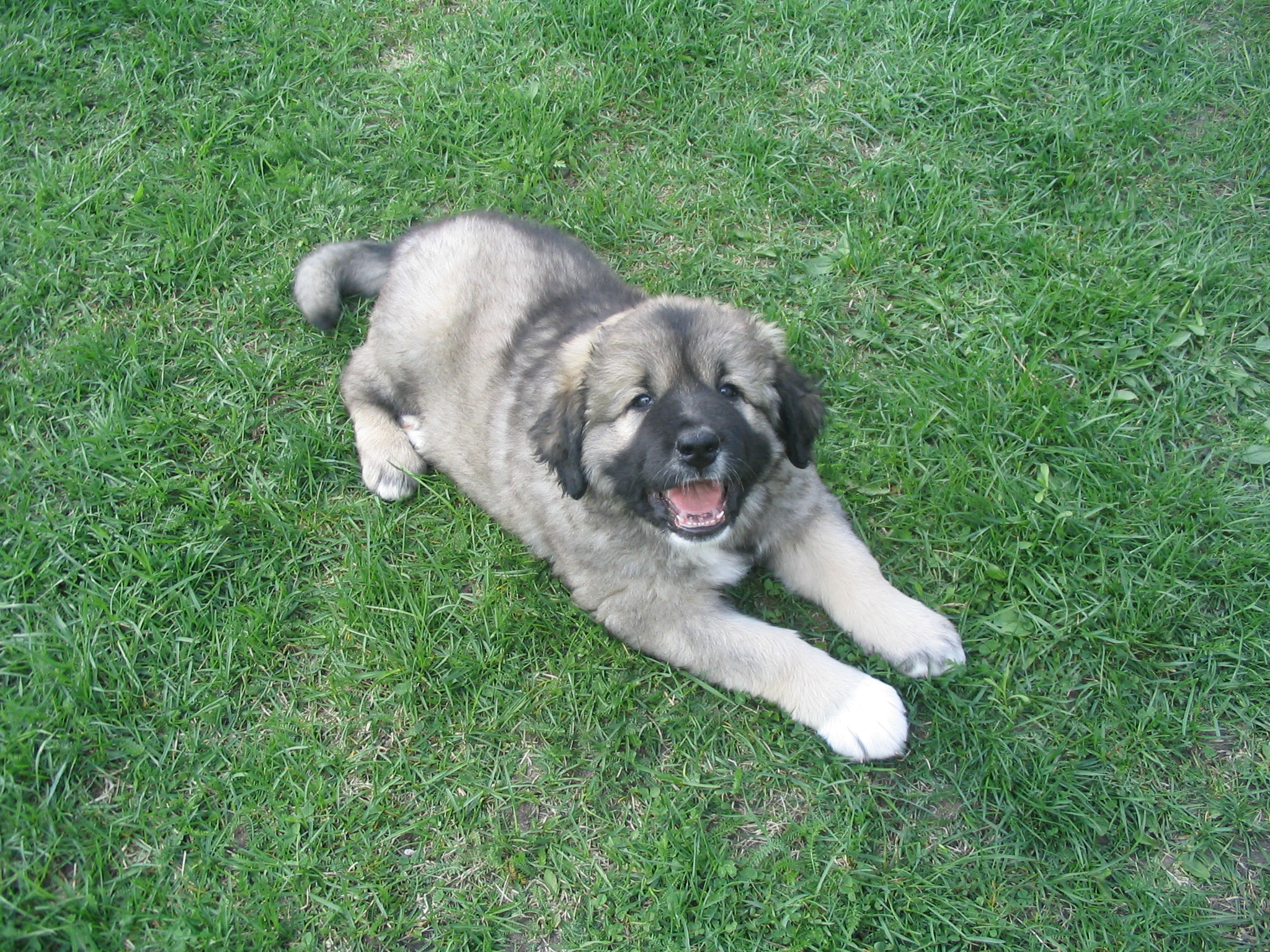
Caucasian Shepherd Dogs were almost nonexistent in the U.S. pet market five years ago, known mainly in Eastern Europe as livestock guardians. Their massive size and serious temperament kept them confined to working environments. Importing them was rare and expensive, limiting exposure.
As interest in extreme guardian breeds grew, Caucasian Shepherds emerged as the ultimate symbol of security and intimidation by 2026. Prices escalated from $3,000 to $6,000–10,000 for imported puppies. The reality is stark—these dogs are not suitable pets, requiring rural environments, professional handling, and constant management to prevent dangerous behavior.
17. Nova Scotia Duck Tolling Retrievers Became the “Smart Retriever” Pick
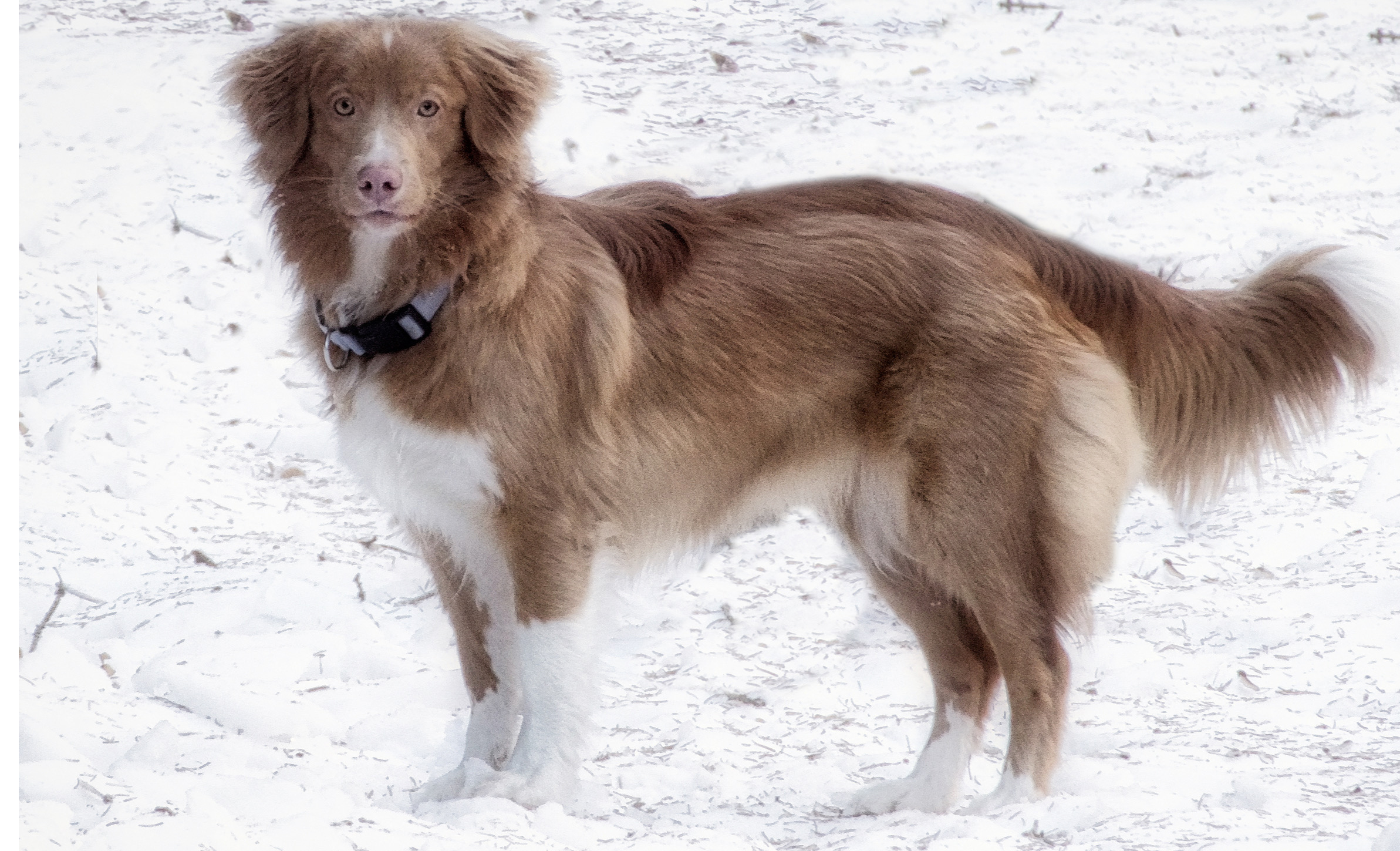
Tollers were moderately known five years ago but remained overshadowed by Labs and Goldens. Their smaller size and intelligence appealed to a narrow group of sport dog owners, keeping breeding programs relatively stable. Public familiarity was limited.
By 2026, Tollers gained popularity as buyers sought “smarter,” less overbred retrievers. Prices increased from $2,000 to $3,500–5,000 as demand outpaced responsible breeding. Many new owners underestimate their high energy, vocal tendencies, and need for structured activity, leading to frustration in homes expecting a laid-back retriever experience.
18. Presa Canarios Reemerged as Controversial Status Dogs
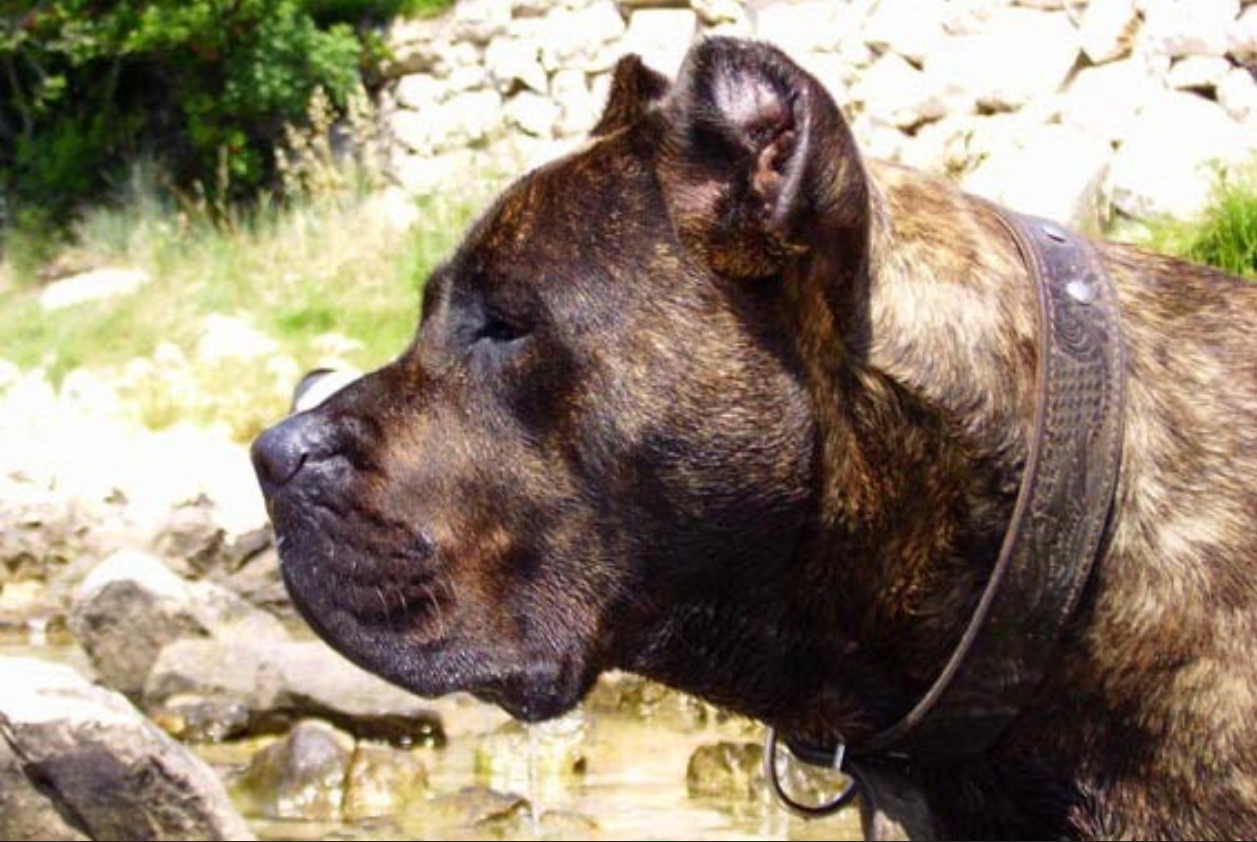
Presa Canarios declined in popularity after breed-specific legislation and high-profile incidents limited ownership. Five years ago, they were largely confined to experienced handlers and working environments. Public demand was minimal, and responsible breeders were few.
Renewed interest in powerful guardian breeds brought Presas back into the spotlight by 2026. Prices climbed from $2,500 to $5,000–8,000 as scarcity increased. However, their strong guarding instincts, legal restrictions, and liability concerns make them among the riskiest breeds for inexperienced owners, a reality often ignored in trend-driven adoption.
19. Mudi Dogs Emerged as the “Rare Agility Prodigy”

Mudi dogs were virtually unknown outside of Hungary and small sport-dog circles five years ago, with extremely limited registrations in the United States. This high-energy herding breed existed almost entirely among agility competitors and rare-breed enthusiasts who valued their speed, intelligence, and versatility. To the general public, the breed might as well not have existed.
By 2026, viral agility and trick-training videos featuring Mudis propelled them into mainstream awareness almost overnight. Demand surged for what was marketed as a compact, athletic, non-shedding alternative to Border Collies. Prices climbed from $1,800–$2,500 to $4,000–$6,000 as breeders struggled to keep up. New owners are discovering that Mudis are intense working dogs requiring constant mental stimulation, daily training, and significant exercise, making them unsuitable for casual pet households.
20. Thai Ridgebacks Became Exotic “Primitive Breed” Status Symbols

Thai Ridgebacks remained one of the rarest breeds in the Western world five years ago, with only a handful of breeders and extremely limited public awareness. Their distinctive ridge of hair running backward along the spine and ancient lineage appealed mainly to collectors of primitive breeds. The breed’s aloof temperament and independence kept them firmly out of the mainstream.
By 2026, interest in primitive and non-Western dog breeds surged, and Thai Ridgebacks became highly sought-after for their exotic appearance and rarity. Prices rose from $2,000–$3,000 to $5,000–$9,000 due to imports, small litters, and limited breeder availability. Owners drawn to their striking looks are often unprepared for their strong prey drive, territorial instincts, and resistance to traditional training, discovering too late that these dogs are far more challenging than trend-driven content suggests.