
Some outdoor habits feel so normal that they barely register as risky. They’re framed as harmless, relaxing, or even healthy, which makes their downsides easy to dismiss. But doctors are increasingly warning that one extremely common behavior carries more long-term consequences than most people realize. The risks don’t show up all at once, which is exactly why they’re often ignored.
1. Sitting in Direct Sunlight Without Protection for Long Periods

Spending extended time outdoors without sun protection is the habit doctors are most concerned about. Many people assume risk only applies during peak summer or beach days, but cumulative exposure matters far more than occasional burns. Everyday activities like walking, watching sports, or sitting outside for meals add up.
Dermatologists and public health agencies consistently warn that unprotected UV exposure is the leading preventable risk factor for skin cancer. According to guidance from organizations like the American Academy of Dermatology, even incidental daily exposure contributes to long-term damage. The body doesn’t reset overnight. The harm accumulates over the years.
2. Increased Risk of Skin Cancer
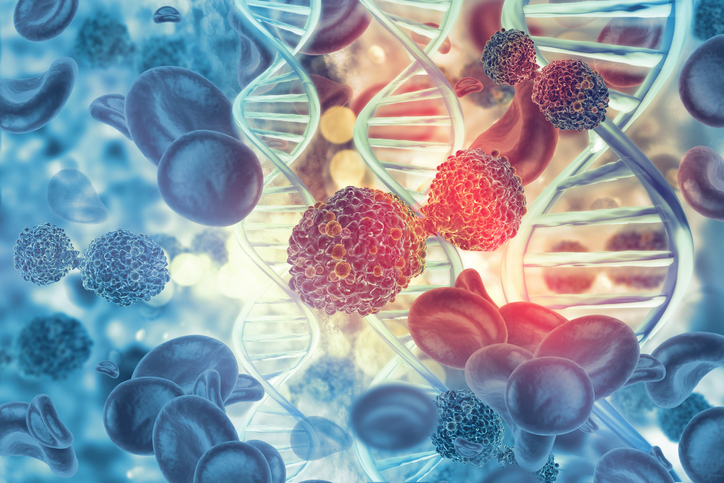
The most widely known risk is skin cancer, but people often underestimate how easily exposure adds up. You don’t need severe sunburns for damage to occur. Small, repeated doses of UV radiation alter skin cells over time. The changes aren’t visible until they are.
What makes this risk deceptive is how delayed the consequences can be. Damage done in your teens and twenties may not show up for decades. That distance creates false reassurance. By the time symptoms appear, the exposure is long past.
3. Accelerated Skin Aging

Sun exposure doesn’t just affect health outcomes; it visibly changes the skin’s structure. UV radiation breaks down collagen and elastin, leading to premature wrinkles, sagging, and uneven texture. These changes happen below the surface before they’re obvious on the outside.
Research cited by dermatology associations shows that most visible signs of skin aging are driven by sun exposure rather than chronological age. This means lifestyle matters more than genetics in many cases. Damage becomes cumulative and difficult to reverse.
4. Eye Damage and Vision Problems
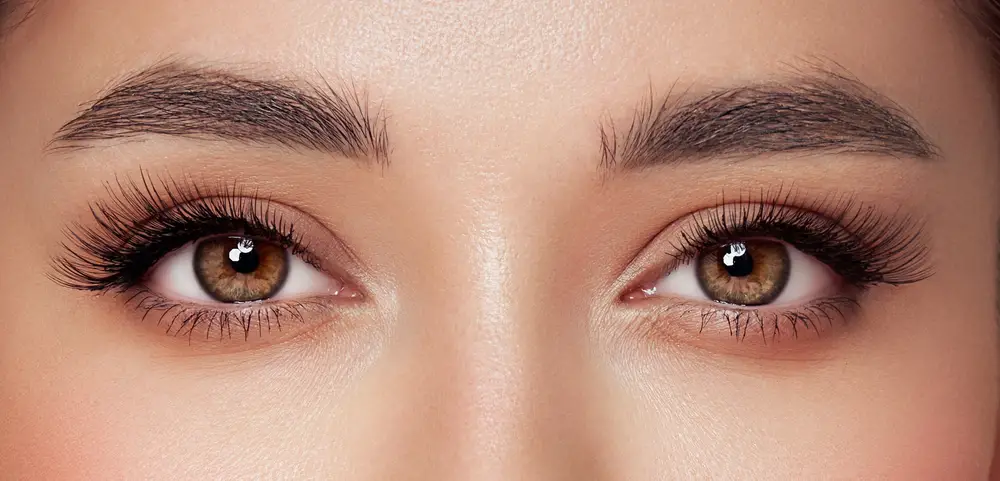
Eyes are often forgotten when people spend time outside. Prolonged UV exposure increases the risk of cataracts and other degenerative eye conditions. The discomfort isn’t immediate, which makes protection feel optional. That assumption is misleading.
Over time, UV damage alters the lens and surrounding tissues. Sunglasses aren’t just cosmetic. Without protection, exposure builds quietly and permanently.
5. Weakened Immune Response in the Skin

UV radiation doesn’t just damage cells; it also suppresses local immune function. This makes it harder for the body to identify and repair abnormal cells early. That suppression increases vulnerability over time. The effect is subtle but meaningful.
Medical research published through dermatology and oncology channels has shown that UV exposure interferes with skin-based immune defenses. This weakens the body’s ability to respond to cellular mutations.
6. Heat-Related Illness

Extended time in direct sun increases the risk of heat exhaustion and heat stroke, even in moderate temperatures. People often underestimate how quickly dehydration and overheating can occur. Shade and hydration aren’t optional safeguards. They’re protective measures.
Heat stress builds faster when the body is already strained. Age, medications, and humidity all increase risk. The warning signs aren’t always obvious until they’re serious.
7. Long-Term Cardiovascular Strain

Prolonged heat exposure places additional stress on the cardiovascular system. The heart works harder to regulate body temperature. Over time, repeated strain can contribute to complications, especially for people with underlying conditions. The risk isn’t limited to extreme heat events.
Public health research has linked sustained heat exposure to increased cardiovascular incidents during warmer months. Doctors emphasize that cumulative strain matters. Repeated stress adds up. Prevention reduces the load on the system.
8. Dehydration That Goes Unnoticed

Mild dehydration often doesn’t feel urgent. People assume thirst will signal a problem. In reality, dehydration can progress quietly, especially outdoors. Performance and concentration decline before discomfort appears.
Chronic mild dehydration affects kidney function and overall health. The body adapts until it can’t. That delay masks the risk.
9. Increased Inflammation

Sun exposure triggers inflammatory responses in the body. While short-term inflammation resolves, repeated exposure keeps the cycle active. Chronic inflammation contributes to broader health issues, but the connection isn’t always obvious.
Inflammatory markers increase with repeated UV stress. This places additional strain on recovery processes. The impact is gradual but cumulative.
10. Worsening of Existing Skin Conditions
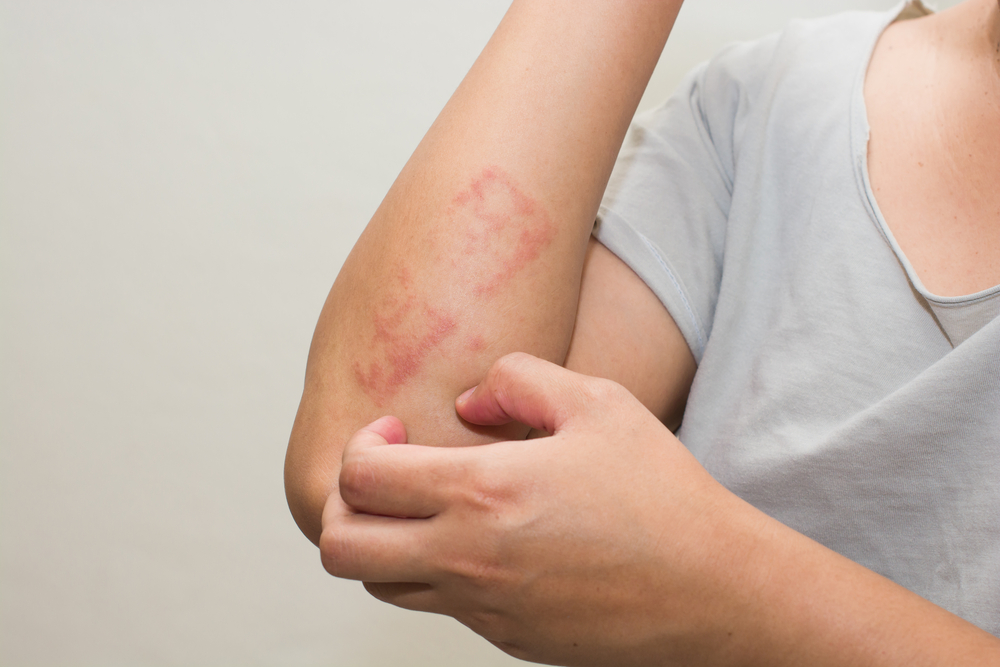
Conditions like rosacea, eczema, and lupus can flare with sun exposure. Many people assume sunlight is universally beneficial. That belief doesn’t hold across conditions. Sensitivity varies widely.
Without protection, flare-ups become more frequent and harder to manage. Treatment becomes reactive instead of preventative. The habit quietly complicates care.
11. Increased Risk for Certain Medications

Many common medications increase photosensitivity without obvious warning. Antibiotics, acne treatments, and some antidepressants heighten UV vulnerability. The interaction often surprises people, because the risk isn’t intuitive.
Sun exposure under these conditions amplifies damage. Reactions range from burns to long-term skin changes. Awareness matters more than avoidance.
12. False Sense of Safety on Cloudy or Cool Days

UV radiation penetrates clouds and cooler temperatures easily. People relax precautions when the sun doesn’t feel intense. Exposure continues anyway, and the body doesn’t differentiate based on comfort.
This false sense of safety leads to longer unprotected exposure. The damage doesn’t feel urgent, but that’s what makes it persistent.
13. Habitual Exposure That Becomes Hard to Reverse

Once unprotected sun exposure becomes routine, it stops being a decision. Habits run automatically. That’s where risk solidifies. Prevention requires interruption.
Doctors emphasize that behavior change matters more than occasional protection. Small adjustments done consistently reduce risk. The habit is common, but the consequences don’t have to be.