The natural world produces animals so strange that they seem computer-generated. Some look like children’s drawings, others resemble special-effects experiments from science fiction films. Yet every one of these creatures is completely real and documented by scientists. Here are fourteen animals that look fake at first glance but absolutely exist.
1. Axolotl
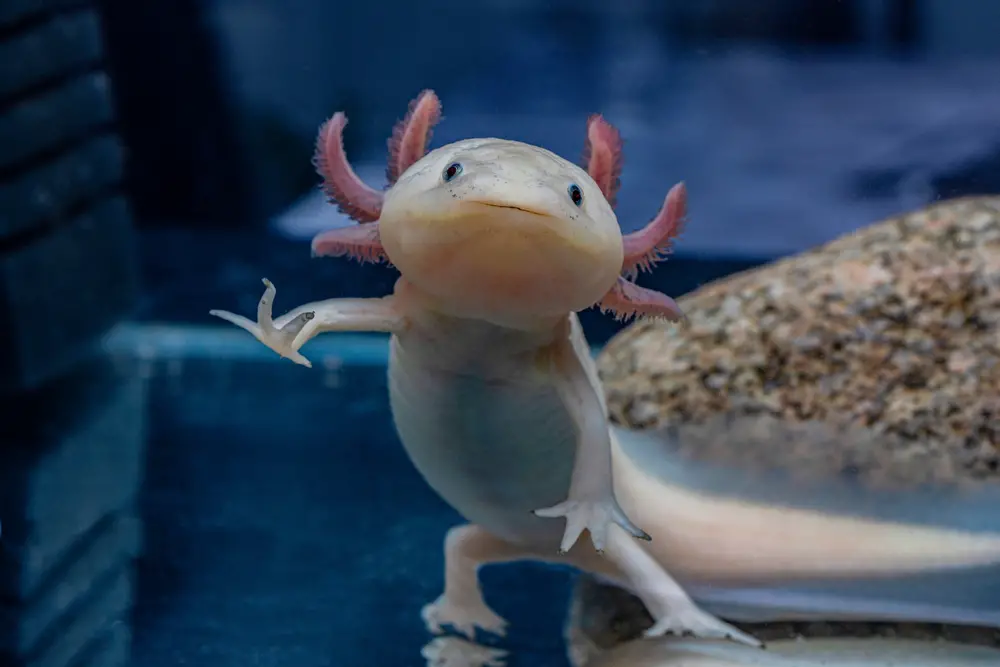
The axolotl looks like a cartoon salamander that never finished rendering. With its feathery external gills sticking out like pink antennae and a permanent smile-like expression, it hardly looks like a serious amphibian. Native to Mexico, it remains in its juvenile aquatic form for life, a rare biological trait called neoteny.
Axolotls can regenerate entire limbs, parts of their spinal cord, and even portions of their heart. That regenerative ability has made them a major focus of scientific research. Despite their fantasy appearance, they are critically endangered in the wild due to habitat loss and pollution.
2. Saiga Antelope
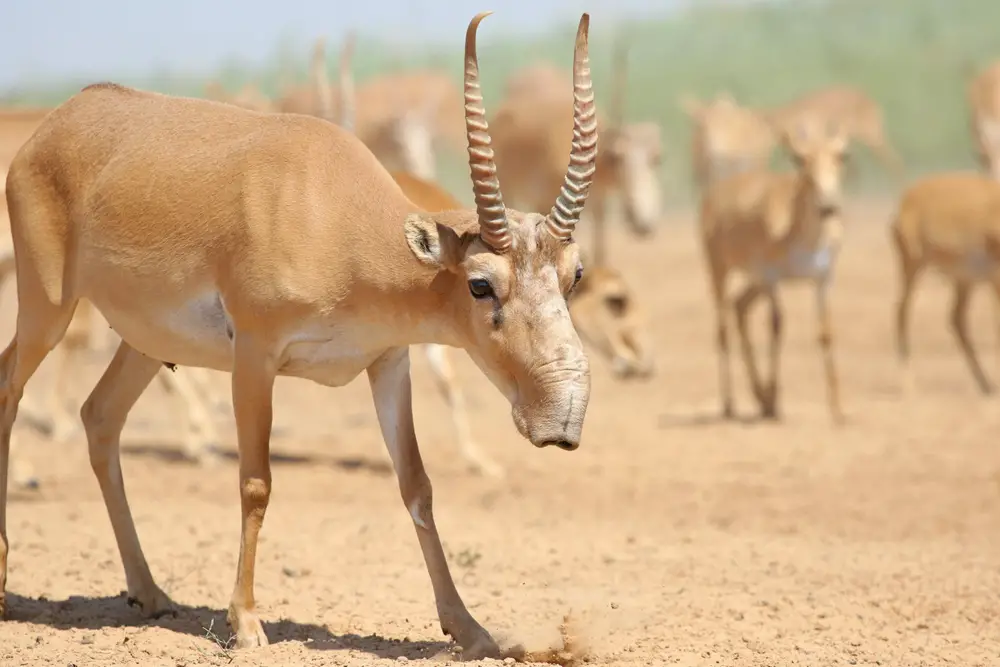
The saiga antelope’s oversized, drooping nose looks like something added as a joke. That bulbous snout is actually an adaptation that filters dust in summer and warms freezing air in winter. Native to Central Asian grasslands, this species has roamed since the Ice Age.
Their strange nasal structure helps them survive harsh steppe climates. Sadly, saiga populations have declined dramatically due to disease outbreaks and poaching. Their unusual face may look artificial, but it serves a critical survival function.
3. Blue Dragon Sea Slug
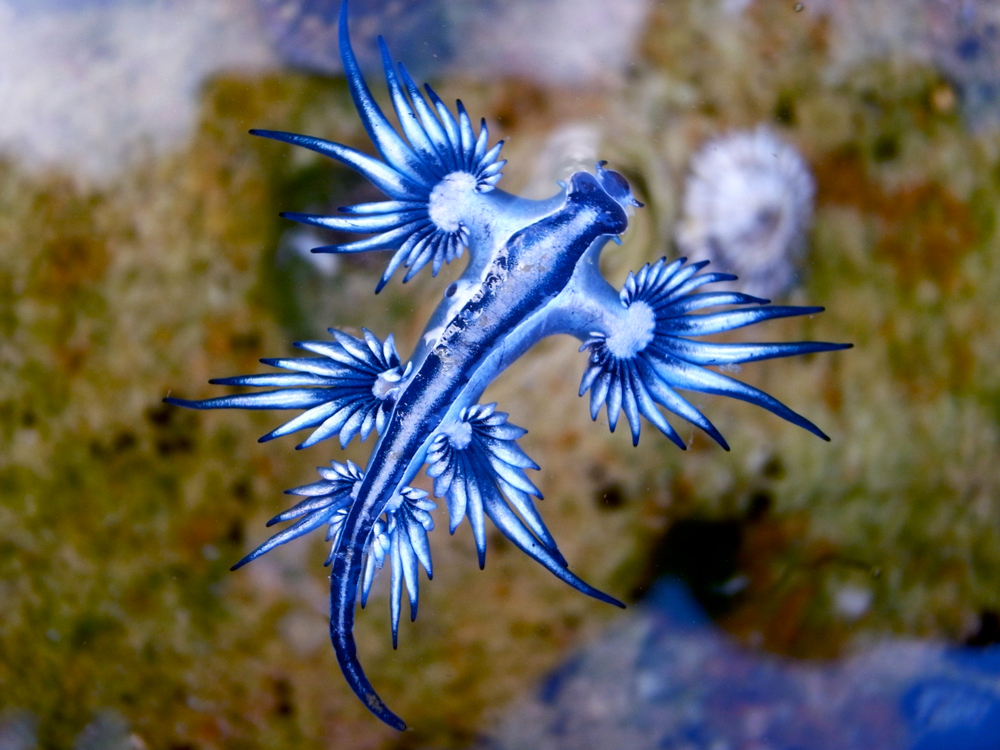
The blue dragon, or Glaucus atlanticus, looks like a tiny alien spacecraft floating in the ocean. Its electric blue appendages branch outward symmetrically like a living snowflake. Despite its delicate appearance, it is a predator.
This sea slug feeds on venomous Portuguese man o’ war and stores their stinging cells for its own defense. It floats upside down on the ocean surface, using air bubbles in its stomach to stay buoyant. Its appearance may seem digitally designed, but it is entirely natural.
4. Pink Fairy Armadillo
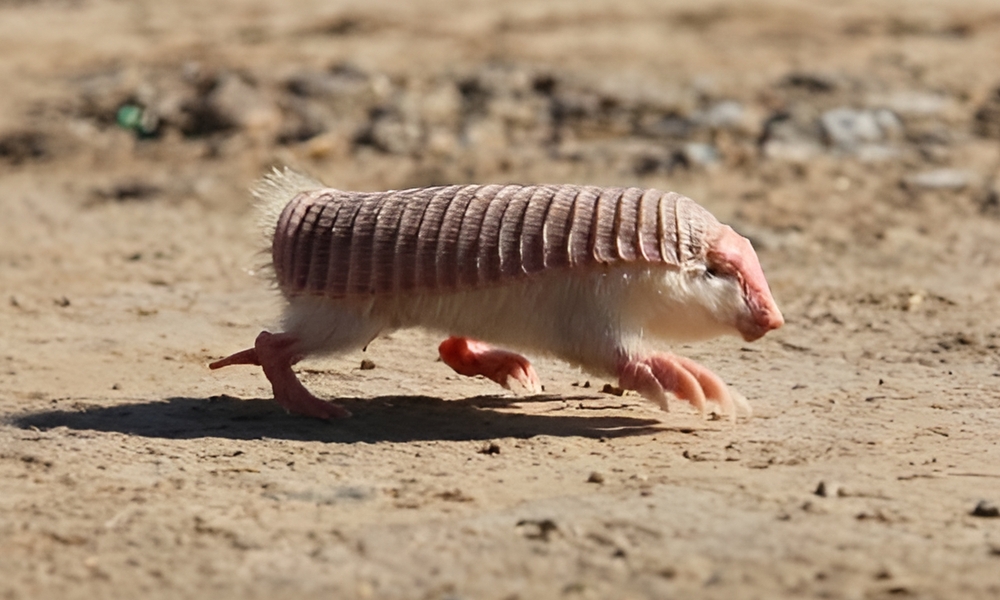
The pink fairy armadillo looks like a toy buried halfway in the sand. With its pale pink shell and tiny body, it resembles a creature from a fantasy film. It is the smallest armadillo species and lives underground in Argentina.
Its flexible shell helps it burrow quickly through sandy soil. Very little is known about the species because it is rarely seen above ground. Its almost translucent appearance makes it seem imaginary, yet it is a living mammal.
5. Shoebill Stork
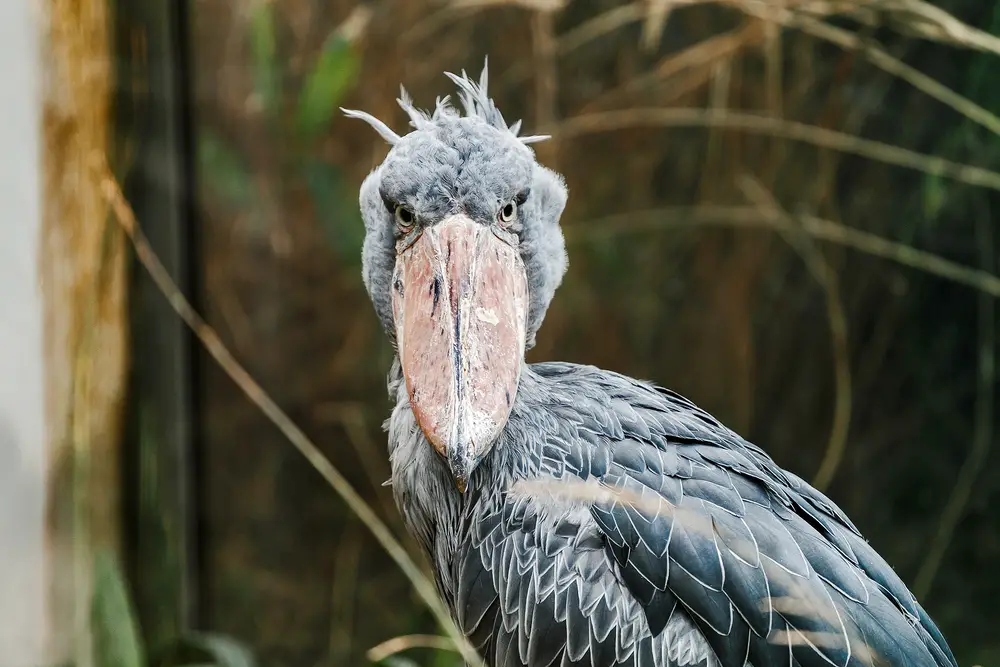
The shoebill stork has a massive beak shaped like an old wooden shoe. Standing over four feet tall, it looks prehistoric and slightly unreal. Native to swamps in East Africa, it hunts large fish and even small reptiles.
Its intense forward-facing stare adds to its otherworldly presence. The beak’s shape helps it grasp slippery prey efficiently. Though it resembles a dinosaur more than a bird, it is very much alive today.
6. Glass Frog
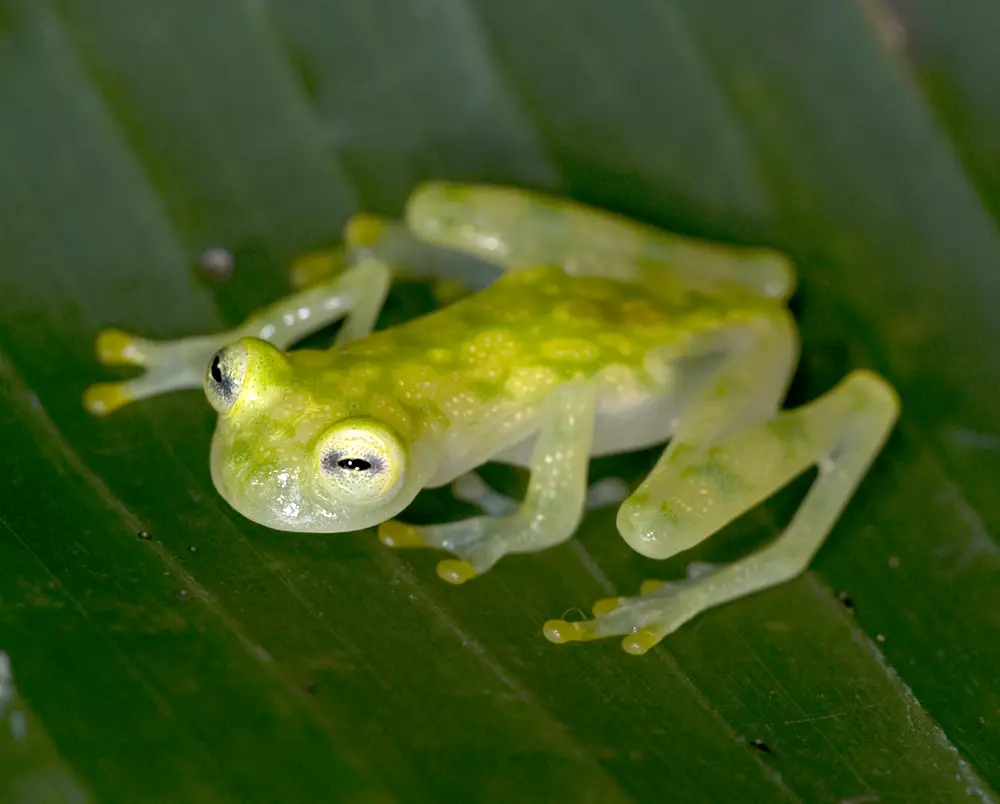
Glass frogs appear partially transparent, especially on their undersides. You can see their internal organs, including a beating heart, through their skin. These frogs inhabit Central and South American rainforests.
Their translucency helps them blend into leaves when viewed from below. This camouflage protects them from predators. The clarity of their bodies makes them look digitally altered, but it is a natural adaptation.
7. Okapi
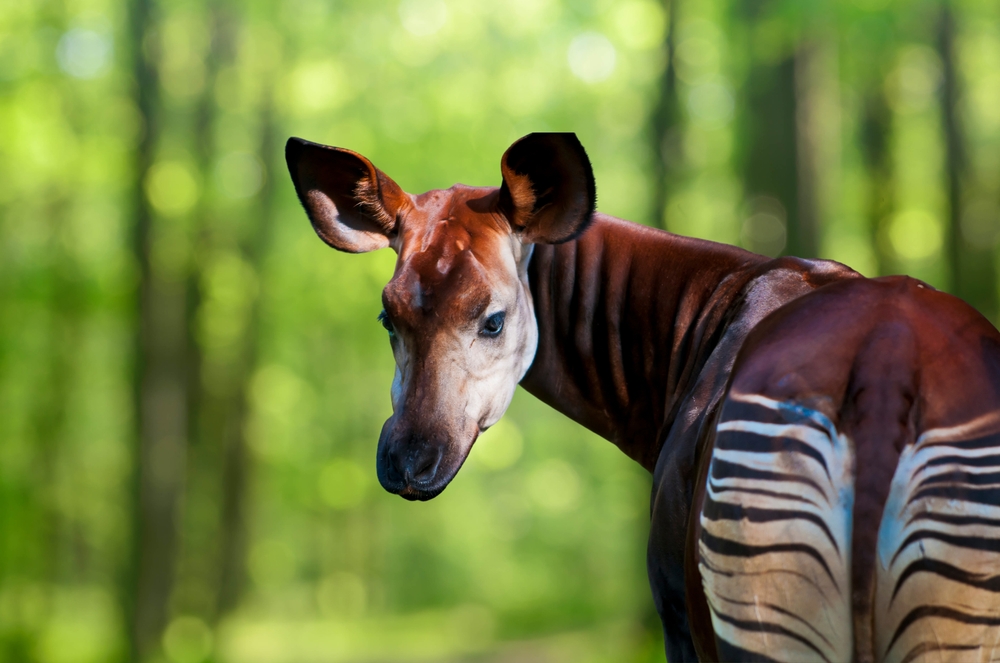
The okapi looks like someone combined a giraffe and a zebra. It has the body of a small giraffe but striped hind legs like a zebra. Native to the Democratic Republic of Congo, it remained unknown to Western science until the early 20th century.
Despite its stripes, it is more closely related to giraffes than zebras. Its markings help it blend into forest shadows. The unusual combination of features makes it seem fabricated, yet it is entirely authentic.
8. Narwhal
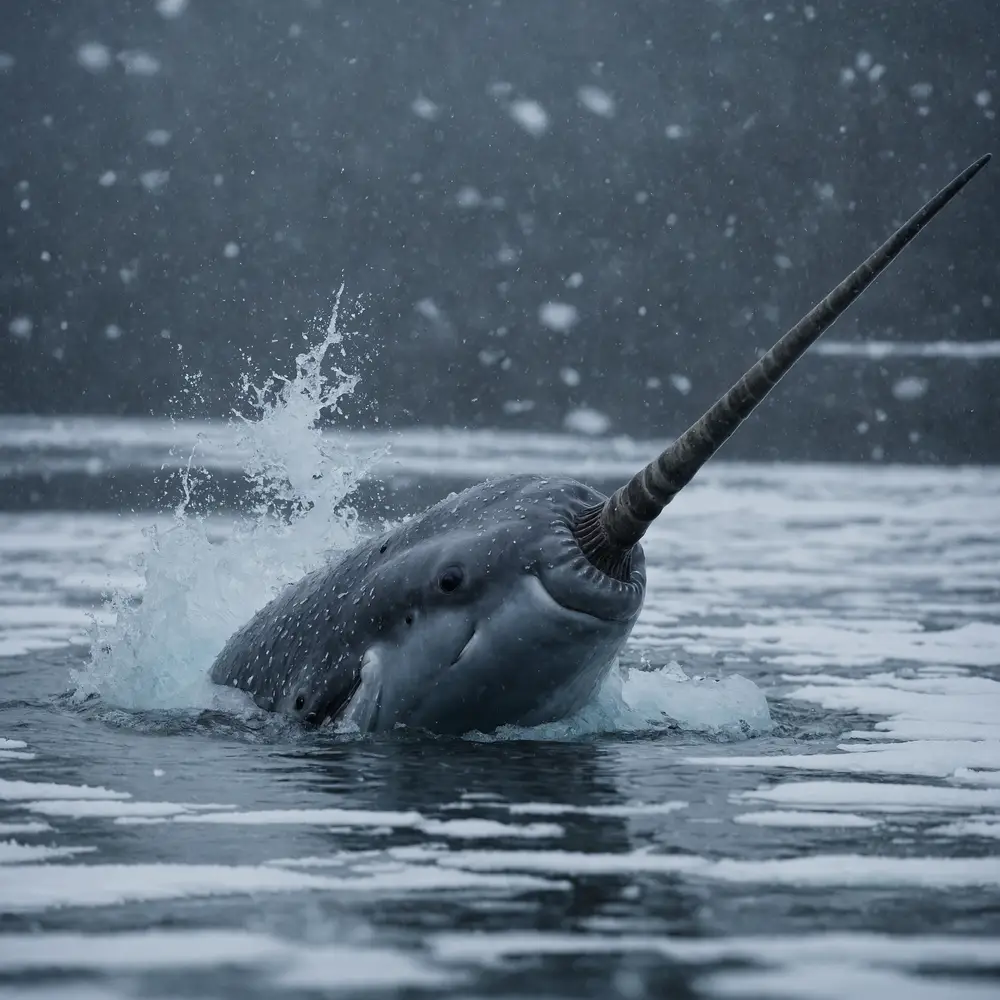
The narwhal’s long spiral tusk looks like a mythical unicorn horn. That tusk is actually an elongated tooth that can grow up to ten feet long. Narwhals live in Arctic waters and are closely related to beluga whales.
The tusk contains millions of nerve endings and may function as a sensory organ. For centuries, narwhal tusks were sold as unicorn horns in Europe. Their appearance is so fantastical that legends were built around them.
9. Yeti Crab
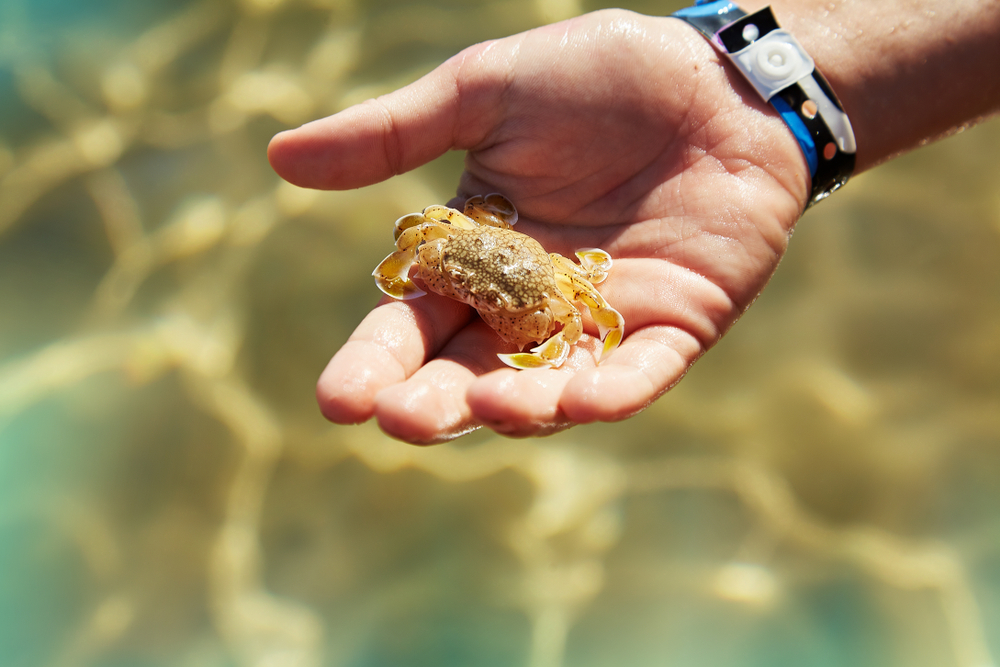
The yeti crab has long, hairy claws that look like white mittens. Discovered in deep-sea hydrothermal vents, it survives in extreme environments. The “hair” on its claws actually contains bacteria.
Those bacteria help detoxify minerals in the water and may serve as a food source. The crab waves its claws to cultivate the bacterial growth. Its fuzzy appearance looks staged, but it is an adaptation to deep-sea life.
10. Leaf-Tailed Gecko
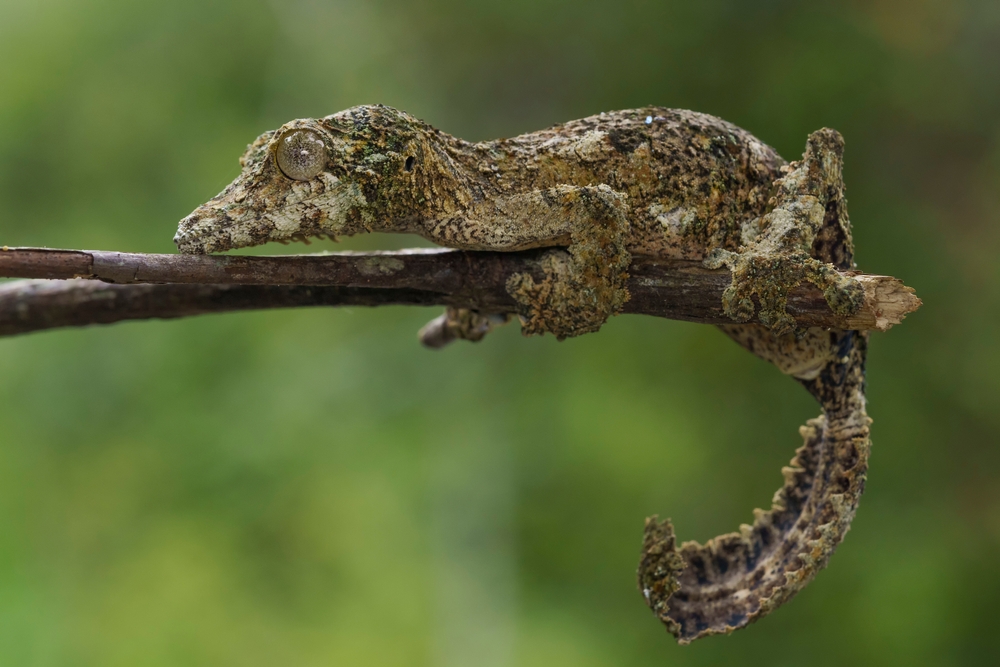
Leaf-tailed geckos look exactly like dried leaves. Their bodies are flattened with ragged edges to mimic leaf decay. Native to Madagascar, they are masters of camouflage.
Some species even have skin patterns that resemble veins and bite marks. When resting against tree bark, they are nearly invisible. Their leaf-like form seems too precise to be real, yet it is pure evolution at work.
11. Star-Nosed Mole
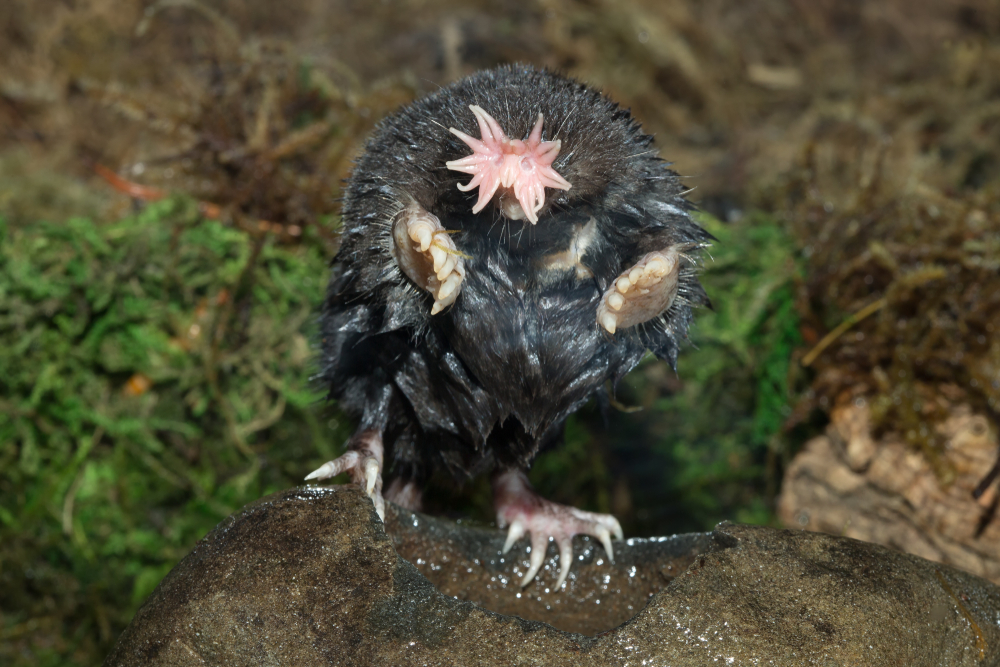
The star-nosed mole has 22 fleshy appendages around its nose. That star-shaped structure looks almost animated rather than biological. It is actually one of the most sensitive touch organs in the animal kingdom.
The mole uses it to detect prey in fractions of a second. Living in wet soil and marshes, it relies on touch more than sight. Its bizarre face may seem digitally crafted, but it evolved for remarkable efficiency.
12. Dumbo Octopus
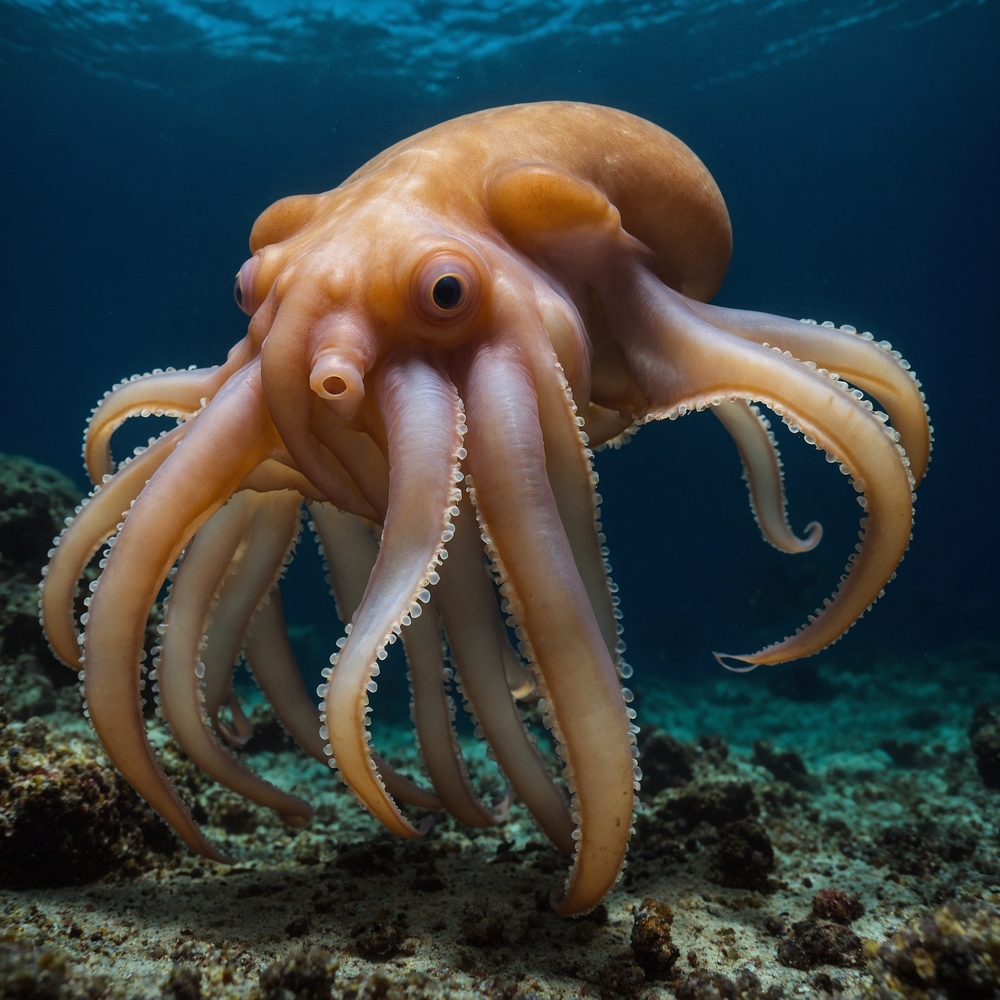
The dumbo octopus has ear-like fins that resemble the cartoon elephant it is named after. It lives in deep ocean waters and uses those fins to propel itself. Its rounded body gives it a soft, toy-like appearance.
Unlike many octopus species, it does not rely heavily on ink defense. Instead, it glides gently through dark depths. Its whimsical shape seems fictional, yet it is documented in deep-sea research.
13. Venezuelan Poodle Moth
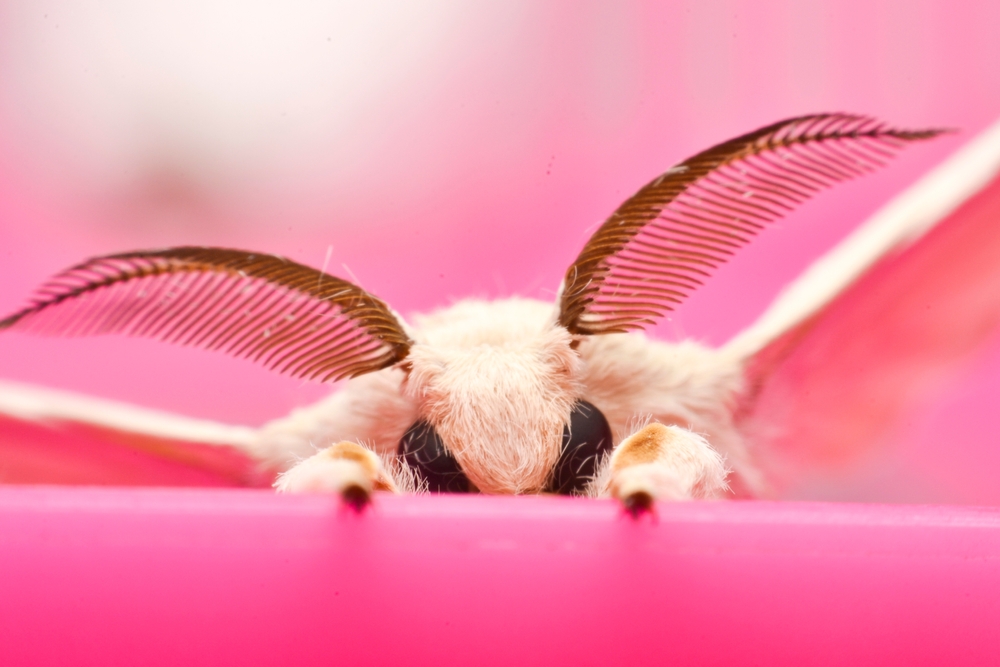
The Venezuelan poodle moth looks like a tiny plush toy with wings. Covered in fluffy white scales, it resembles a miniature stuffed animal. It was first photographed in 2009 and sparked immediate fascination.
Though little is known about its biology, it is believed to be a moth species in the genus Artace. Its soft, rounded features seem designed for a children’s book. Despite its surreal look, it is entirely real.
14. Gerenuk
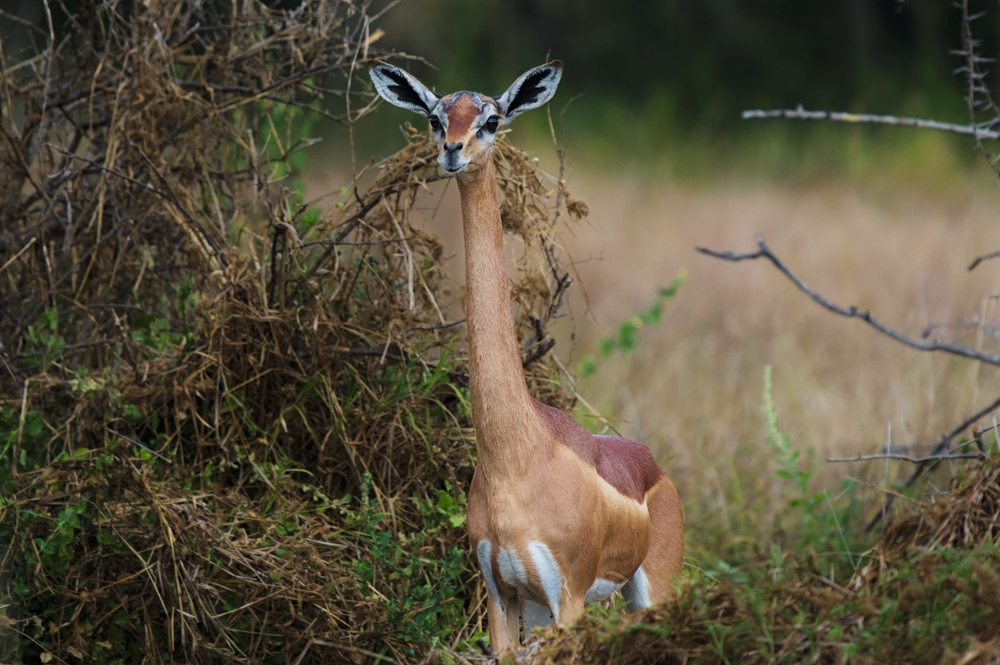
The gerenuk looks like an antelope stretched vertically in an editing program. It has an unusually long neck and slender body. Native to East Africa, it stands upright on its hind legs to reach leaves.
This feeding posture allows it to browse higher vegetation than many other antelopes. Its proportions seem exaggerated beyond belief. Yet every feature serves a functional purpose in its environment.