
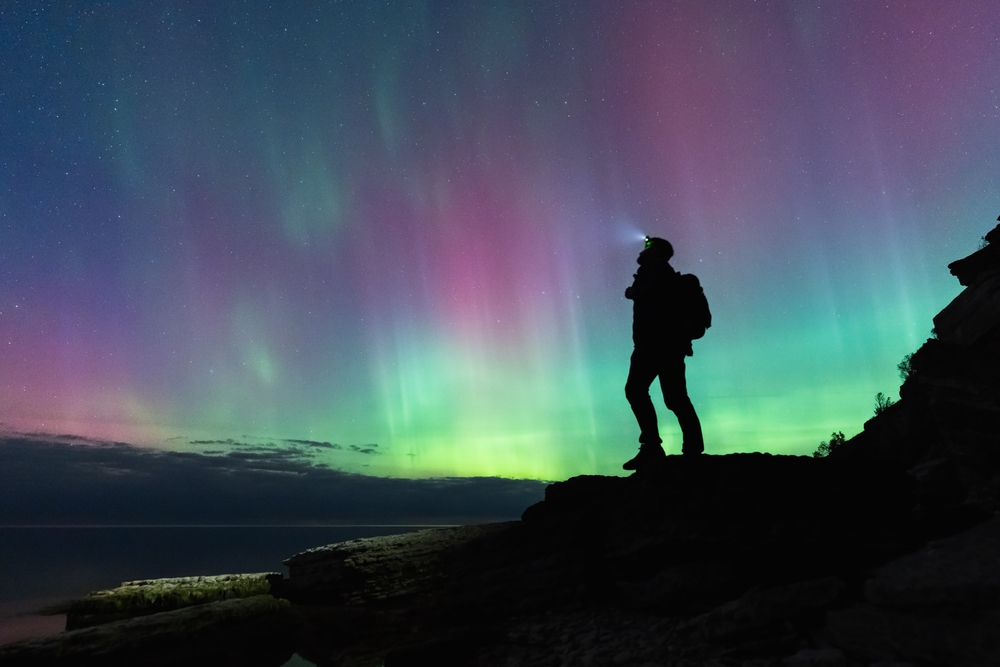
If you’ve ever watched the Northern Lights and thought, “Wow, nature is so romantic,” here’s the twist: that glow can be the visible edge of a geomagnetic storm strong enough to mess with the systems that keep your lights on. The aurora itself isn’t the weapon—the solar storm behind it is, because it can shove electric currents into Earth’s surface and, by extension, into long transmission lines. And once the grid starts behaving like an antenna, things can get ugly fast.
1. The Northern Lights Are Basically A Neon Warning Label
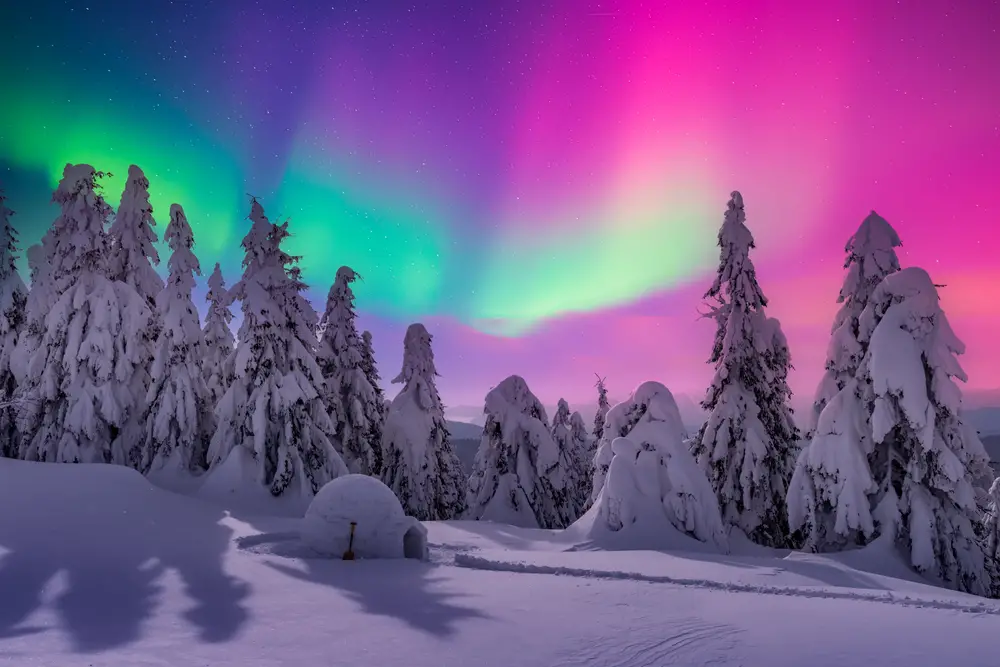
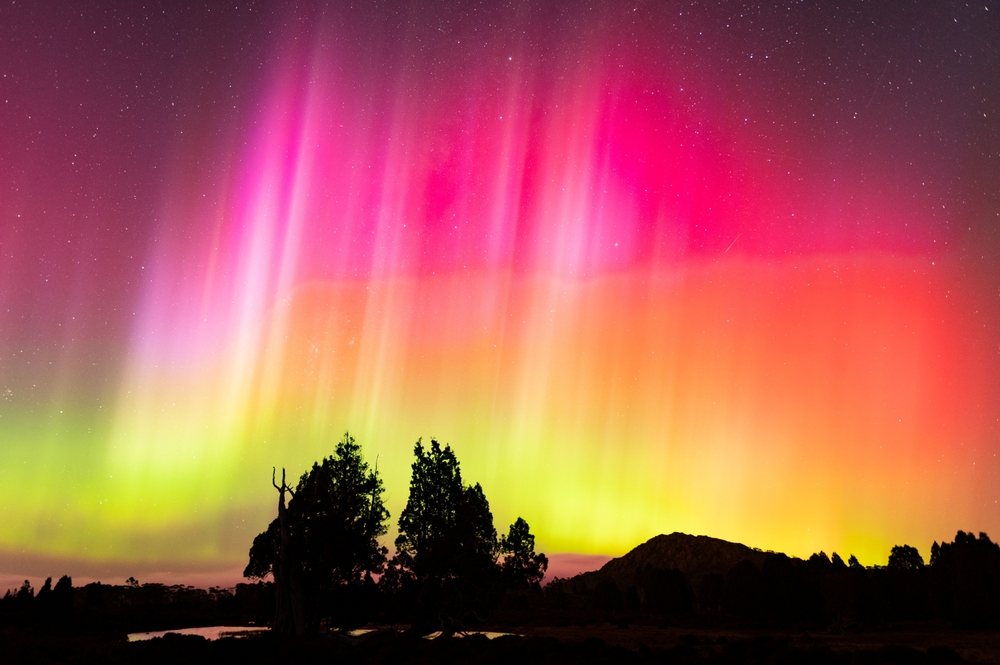
When auroras show up far from the poles, it usually means a strong geomagnetic disturbance is underway. NOAA’s geomagnetic storm scale (G1–G5) explicitly notes power-system impacts at higher levels, including voltage-control problems and protective-system issues. So yes, the lights are pretty, but they can also be the aesthetic proof that Earth’s magnetic field is getting punched.
2. The Real Threat Is “Geomagnetically Induced Current”
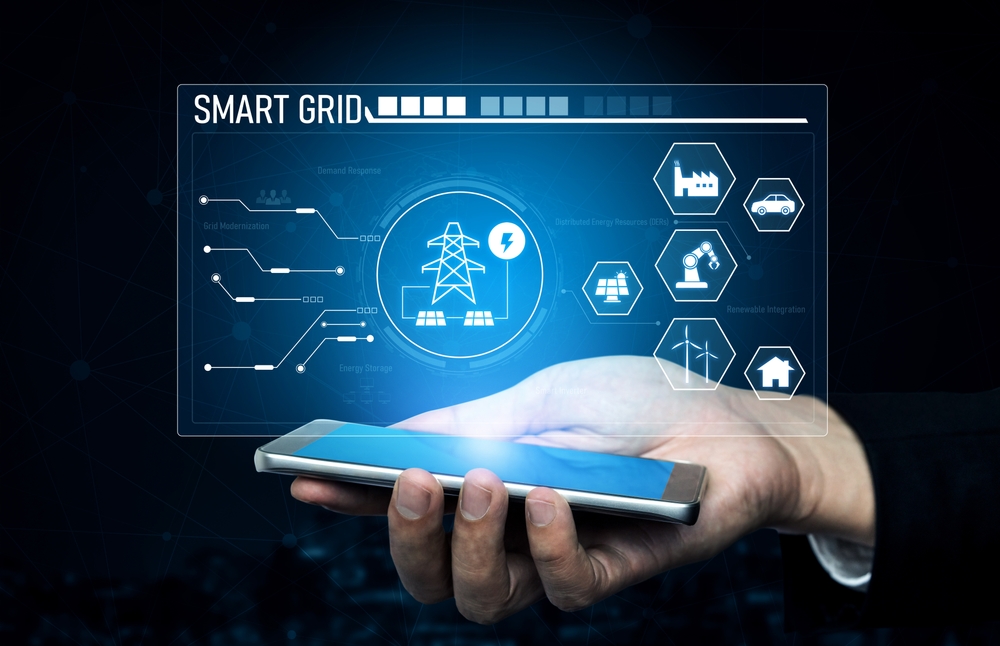
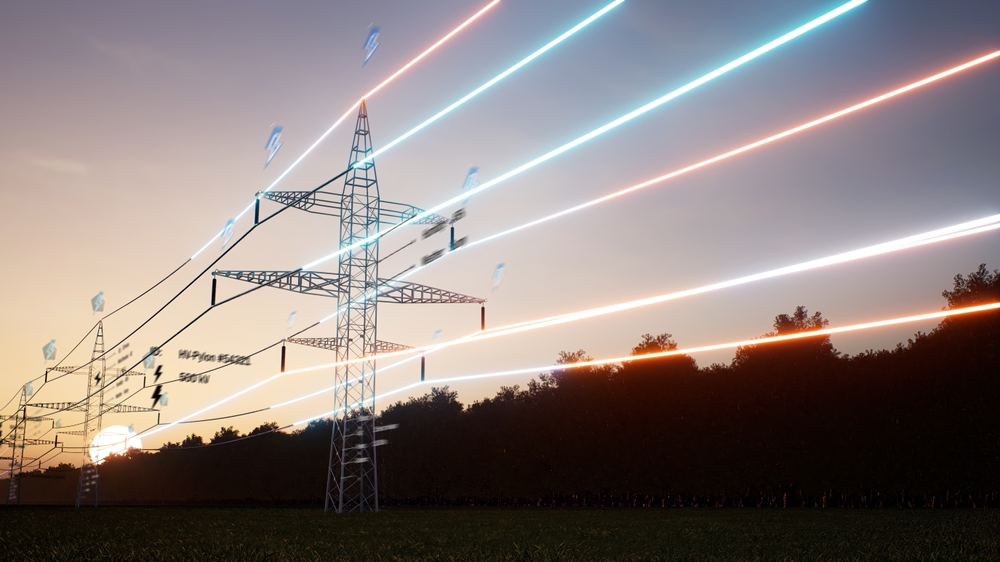
During major solar storms, changes in Earth’s magnetic field can induce electric fields at ground level. Those fields can drive geomagnetically induced currents (GIC) through long conductors—like transmission lines—and into transformers. It’s not like a lightning strike; it’s more like the grid getting quietly “biased” with extra current it was never designed to handle.
3. Transformers Are The Grid’s Soft Underbelly
Big power transformers are expensive, custom, and not the kind of thing utilities keep stacked in a warehouse like spare printer paper. NERC warns that during a geomagnetic disturbance, GIC can contribute to transformer heating/damage, reactive power issues, misoperations, and—worst case—voltage collapse and blackout. So the scary scenario isn’t “the grid flickers,” it’s “critical hardware gets stressed or damaged in a way that’s not quickly replaceable.”
4. The Grid Can Fail In A Chain Reaction
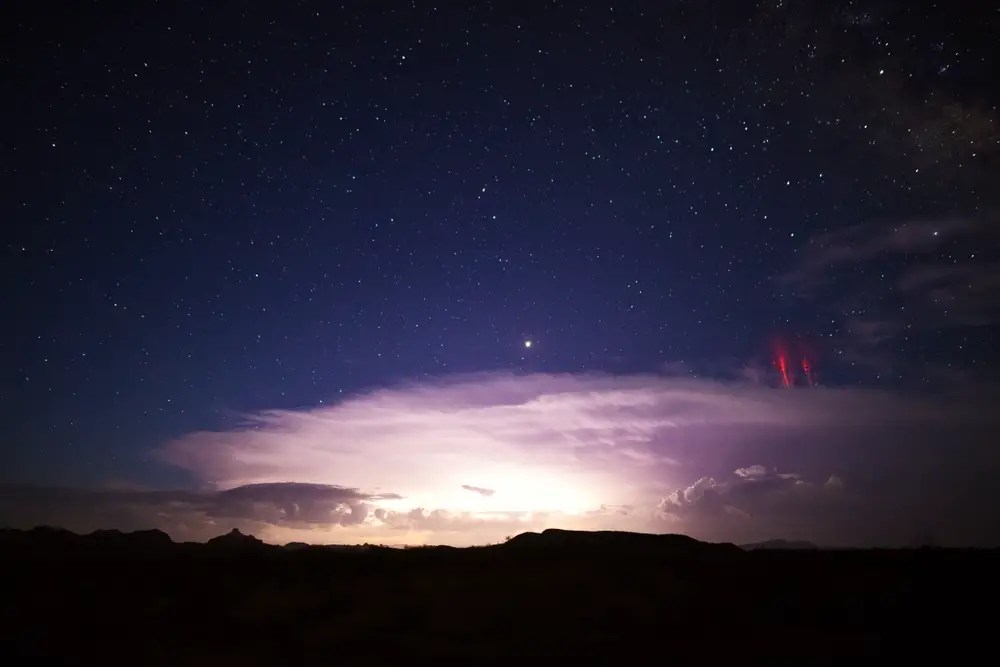
A geomagnetic storm can create abnormal reactive power demand and voltage instability—basically, the grid is struggling to keep itself balanced. Protective systems may trip equipment to prevent damage, but those trips can cascade when the system is already stressed. That’s how you get a “cascading” failure: each protective action is rational on its own, but collectively they can pull the system apart.
5. The 1989 Québec Blackout Is a Case in Point
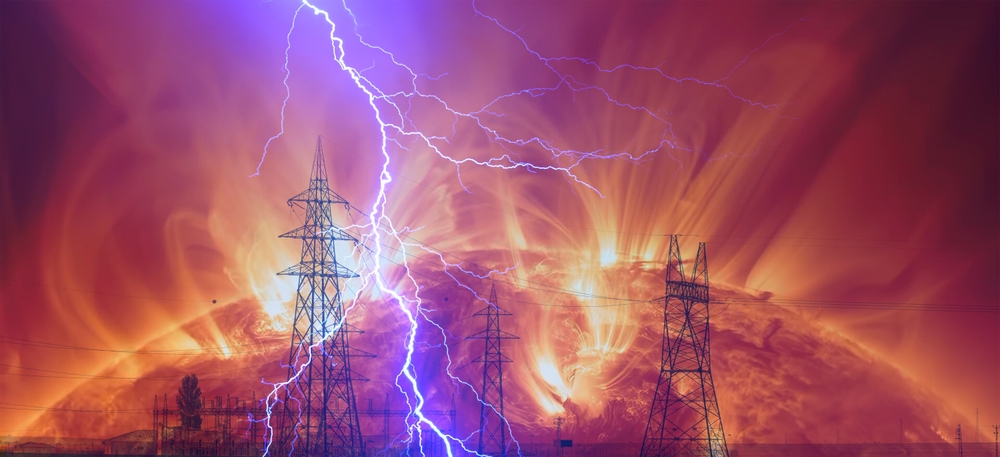
The March 1989 geomagnetic storm caused a major blackout on the Hydro-Québec system—one of the most-cited modern examples of geomagnetic risk. It’s the case everyone points to because it shows this isn’t sci-fi: the grid can be disrupted by solar activity in the real world, on a real clock.
6. “Killing The Grid” Usually Means Damaging Key Equipment
If GIC severely overheats or degrades transformers, restoration becomes more than flipping breakers back on—it becomes a supply-chain and replacement problem. Even without catastrophic damage, a storm can force operators to shed load or reconfigure the system to keep it stable. Translation: the most dangerous outcomes are the ones that extend restoration timelines from “hours” into “days or longer.”
7. The Most Vulnerable Places Aren’t Random
Higher-latitude regions generally face higher geomagnetic risk because the currents and electric fields associated with storms are often stronger closer to the auroral zone. That’s part of why utilities and regulators treat geomagnetic disturbance planning as a serious reliability category. So the Northern Lights showing up “way too far south” can also mean the risk footprint is spreading.
8. Your Grid Can Be Healthy And Still Get Hit If The Storm Is Big Enough
People love to blame blackouts on “bad management,” but geomagnetic storms don’t care about your politics or your utility’s PR team. A strong enough event can create wide-area operational strain even in well-run systems, because the forcing function is external. The question becomes: how quickly can operators stabilize conditions and prevent equipment damage?
9. Operators Don’t Fly Blind—There Are Standards For This Now
In North America, NERC’s geomagnetic disturbance planning standards (TPL-007 series) require utilities to assess impacts and plan mitigations for benchmark GMD events. That doesn’t make the risk vanish, but it means the industry has moved from “we didn’t know” to “we plan for this.”
10. Some Mitigation Is Operational, Not Just Hardware
Grid operators can adjust system loading, bring additional reactive support online, and reduce stress on vulnerable transformers when storm warnings hit. The goal is to avoid the exact failure spiral NERC describes—reactive power losses, misoperations, and voltage collapse. In other words: sometimes the “fix” is preemptive grid choreography, not a dramatic repair crew montage.
11. There is Plenty of Public Confusion Around This
Most outages people experience are from wind, ice, fire, or accidents—physical damage to lines and substations. Geomagnetic events are different: you can have clear skies and still have grid trouble because the disturbance is electromagnetic, not meteorological. That mismatch is why space-weather risk feels “unreal” until it isn’t.
12. NOAA Warnings Matter More Than Viral Aurora Hype
The smart move isn’t obsessing over aurora maps—it’s paying attention to geomagnetic storm alerts and severity (especially higher G-level events). NOAA’s storm scale is built specifically to communicate real-world impacts, including power-system issues at strong levels. If you see “severe” geomagnetic storm language, that’s not aesthetic commentary—that’s infrastructure context.
13. Could The Northern Lights Actually “Kill” The Grid?
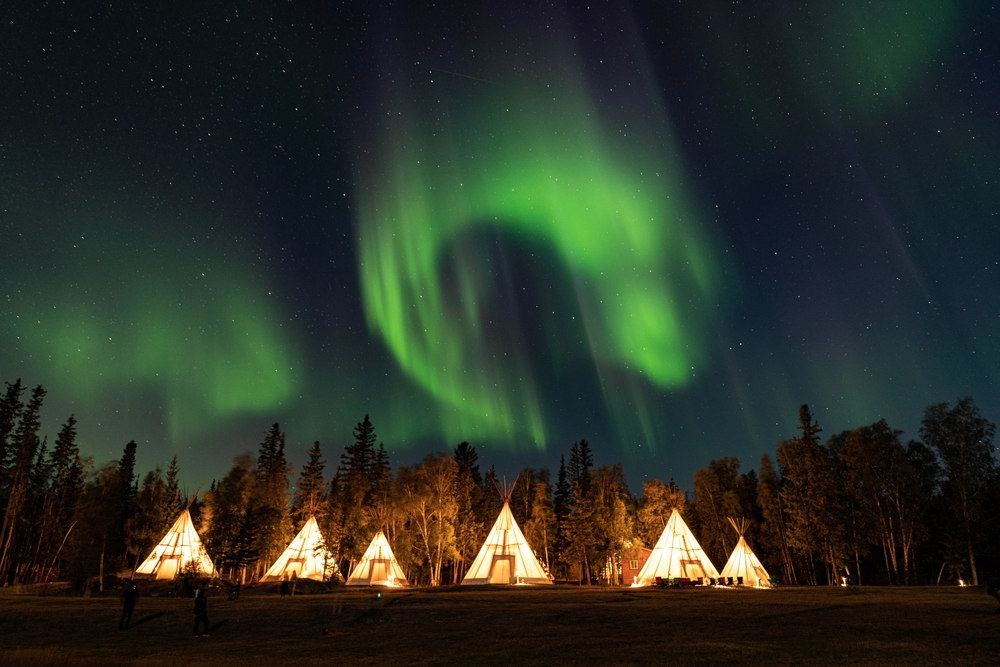
The honest answer: the Northern Lights themselves can’t, but the solar storms that supercharge them can absolutely disrupt grid operations—and in extreme cases, contribute to wide-area outages and equipment damage. NERC and USGS both describe the mechanisms that make this plausible: GIC, transformer stress, reactive power problems, and cascading instability. The bigger question isn’t “will it happen tomorrow?” It’s whether we keep hardening the system fast enough that the next major storm becomes a rough day—not a historic failure.