
Global conflict doesn’t always arrive with a formal declaration of war. Increasingly, flashpoints emerge through proxy battles, cyber escalation, treaty violations, or sudden attacks that force Washington to make rapid decisions. Military analysts warn that several ongoing conflicts sit one miscalculation away from drawing the U.S. directly into combat, whether through alliance obligations, economic fallout, or strategic necessity. These are the conflicts experts say could change America’s role on the world stage almost instantly.
1. Venezuela’s Border Disputes and Internal Collapse

Latin America experts warn that Venezuela’s internal instability could spill across borders. Territorial disputes and refugee flows strain neighboring nations. U.S. sanctions and diplomatic involvement already tie Washington to outcomes. Sudden violence could force deeper engagement.
Energy markets and regional security are closely linked here. Analysts note that internal collapse often leads to external conflict. Diplomatic tools may not be enough if instability accelerates. This situation remains fragile.
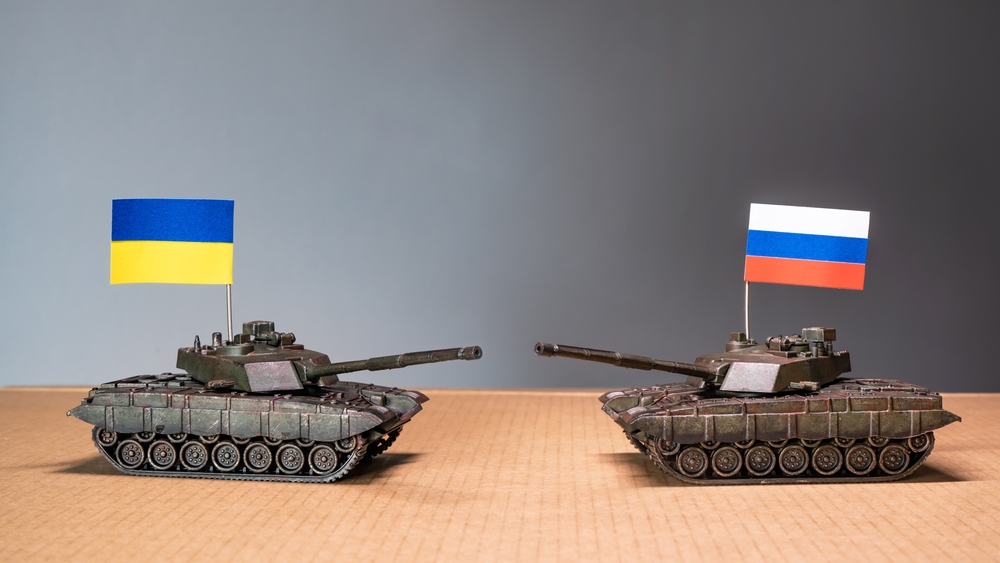
2. Ukraine and Russia’s Escalating War of Attrition

Security experts say the war in Ukraine remains the most immediate risk for U.S. involvement due to NATO commitments and ongoing military aid. Any direct strike on NATO territory or misfire near alliance borders could trigger collective defense obligations. The conflict has already reshaped global energy markets and military doctrine. Analysts warn that escalation wouldn’t be gradual—it would be sudden and decisive.
Defense officials note that U.S. involvement wouldn’t necessarily require boots on the ground initially. Cyber operations, air defense, and intelligence escalation would likely precede direct combat. Russia’s repeated nuclear signaling keeps the risk level high. This conflict remains one of the world’s most volatile pressure points.
3. Israel and Gaza’s Regional Spillover Risk
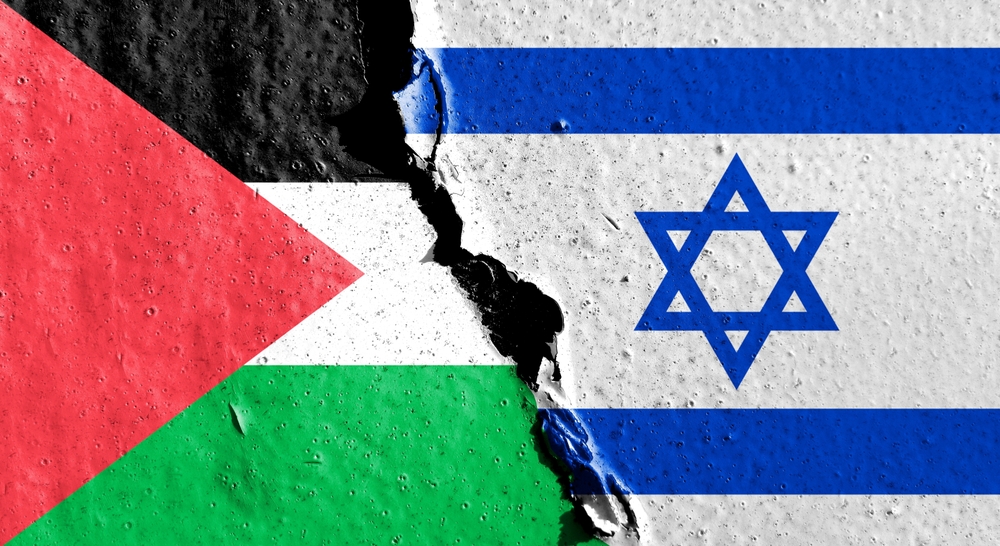
Middle East analysts warn that the Israel-Gaza conflict risks expanding far beyond its current borders. Iran-backed groups in Lebanon, Syria, and Yemen increase the chances of a wider regional war. The U.S. already maintains military assets in the region, thereby dramatically shortening response times. Any direct attack on U.S. personnel could force immediate retaliation.
Experts stress that escalation wouldn’t remain localized. Oil markets, shipping lanes, and diplomatic alliances would all be affected within days. The complexity of alliances makes miscalculation especially dangerous. This conflict sits at the intersection of ideology, geopolitics, and history.
4. North Korea’s Nuclear Brinkmanship
North Korea’s missile tests and nuclear rhetoric keep the Korean Peninsula in constant tension. Defense experts warn that misinterpretation of military drills could provoke a sudden escalation. The U.S. maintains tens of thousands of troops in South Korea. Any attack would activate defense treaties immediately.
Analysts note that North Korea’s unpredictability makes deterrence fragile. Even limited strikes could spiral rapidly. Civilian populations would face immediate danger. This conflict remains frozen—but volatile.
5. Iran’s Proxy Network Across the Middle East
Security analysts emphasize that Iran’s influence operates through militias rather than traditional battlefields. Attacks on U.S. bases by proxy groups increase the risk of escalation without direct attribution. Retaliation cycles are difficult to control once initiated. Experts warn that a misjudged response could significantly widen the conflict.
Naval experts highlight threats to shipping lanes and energy infrastructure. Economic shockwaves would ripple globally. The U.S. could be drawn into a conflict without a formal declaration of war. This shadow conflict is already active beneath the surface.
6. The South China Sea Territorial Disputes

Maritime security experts warn that competing territorial claims in the South China Sea remain dangerously unstable. U.S. freedom-of-navigation operations regularly bring American forces close to Chinese vessels. A collision or miscalculation could escalate rapidly. The region accounts for a significant share of global trade.
Defense analysts say escalation would immediately involve air and naval forces. Treaty obligations to regional allies could activate quickly. Diplomatic channels may not slow events once combat begins. This region remains one of the most militarized waterways in the world.
7. Armenia and Azerbaijan’s Fragile Ceasefires
Regional analysts warn that tensions between Armenia and Azerbaijan continue despite ceasefire agreements. Renewed fighting threatens broader regional instability. Russia, Turkey, and Iran all have stakes in the outcome. U.S. diplomatic interests could shift quickly into security concerns.
Experts note that escalation could disrupt energy corridors into Europe. Ethnic and territorial grievances remain unresolved. External powers risk being pulled in through alliances. This conflict remains dangerously unresolved.
8. Sudan’s Civil War and Regional Destabilization

Humanitarian experts warn that Sudan’s civil war risks spreading across borders. Armed factions control key infrastructure and territory. Neighboring countries face refugee influxes and instability. U.S. interests could be drawn in through humanitarian or counterterrorism operations.
Analysts note that failed states often become breeding grounds for extremist groups. Prolonged conflict erodes regional security. International intervention becomes more likely as conditions worsen. This crisis continues to escalate quietly.
9. Taiwan and China’s Military Standoff

Defense strategists consistently rank Taiwan as the most dangerous flashpoint involving the U.S. China views Taiwan as a core national issue. At the same time, the U.S. is committed to Taiwan’s defense under a longstanding policy. Military exercises near the Taiwan Strait have grown increasingly aggressive. Experts warn that a blockade or sudden strike could unfold with little warning.
A conflict here would immediately disrupt global semiconductor supply chains. Naval and air forces would be engaged almost instantly. Analysts say escalation timelines are measured in hours, not weeks. This scenario is widely considered a potential trigger for global conflict.
10. Ethiopia’s Ongoing Internal Conflicts
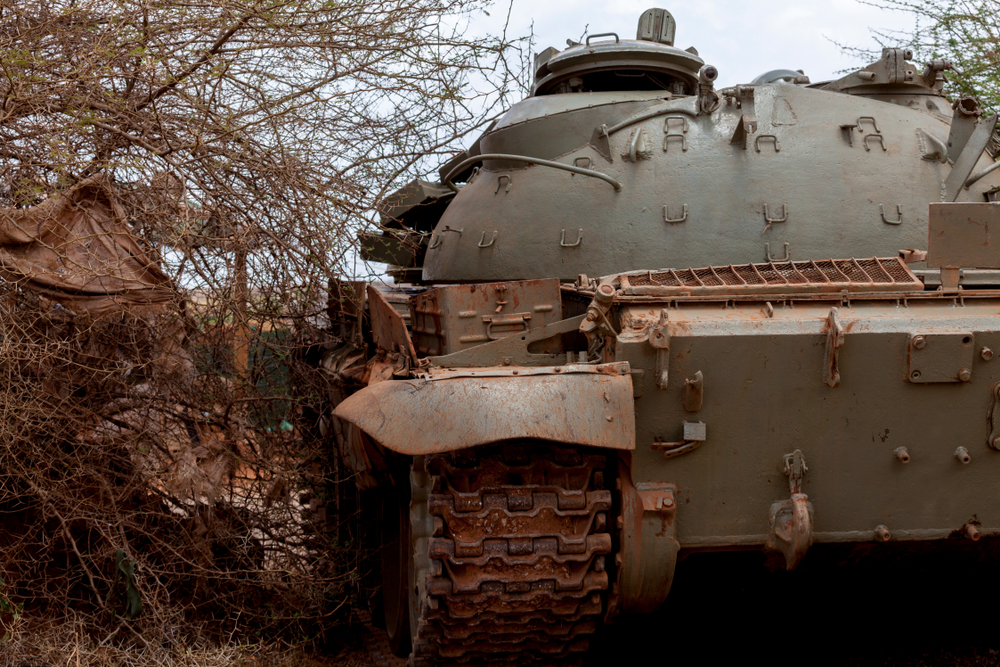
African security analysts warn that Ethiopia’s internal conflicts threaten broader regional stability. Ethnic violence and insurgency continue despite peace efforts. Neighboring states face spillover risks. U.S. humanitarian and diplomatic interests are deeply involved.
Experts emphasize that internal conflicts can quickly escalate into international conflicts. Red Sea access and trade routes increase strategic importance. Escalation would complicate regional security. This conflict remains unresolved.
11. The Balkans’ Rising Nationalist Tensions

European security experts warn that nationalist rhetoric in the Balkans is on the rise again. Historical grievances remain unresolved decades after the war. NATO peacekeeping forces are already present. A spark could reignite regional instability.
Analysts note that Europe’s security architecture would be tested immediately. U.S. commitments could activate quickly. Political instability amplifies military risk. This region remains sensitive.
12. Cyber Conflicts That Could Turn Kinetic Overnight

Cybersecurity experts warn that digital attacks increasingly target critical infrastructure. Power grids, hospitals, and financial systems remain vulnerable. Attribution delays retaliation decisions. Escalation can move from keyboards to missiles quickly.
Analysts stress that cyber conflict blurs traditional rules of engagement. Civilian harm can trigger military responses. Deterrence remains unclear. This domain may spark the next major conflict.