

Cats are masters of illusion. They can be in real discomfort while still eating, grooming, and pretending everything is fine—right up until something becomes serious. That’s what makes feline health so tricky: by the time symptoms are obvious, the issue has often been brewing for a while.
Many common cat health problems don’t appear dramatic at first glance. They show up as tiny behavior shifts, subtle physical changes, or habits that are easy to dismiss as “just being a cat.” Here are 12 widespread cat health issues that often go unnoticed—and why paying attention earlier can make all the difference.
1. Dental Disease
Dental disease is one of the most common yet overlooked health problems in cats. Plaque buildup, gum inflammation, and tooth resorption can cause intense pain long before obvious signs appear. Many cats continue eating despite dental discomfort, which makes owners assume everything is fine. By the time drooling or bad breath shows up, the disease is often advanced.
Left untreated, dental issues can lead to infections that spread to the heart, kidneys, and liver. Cats may also become irritable or withdrawn as oral pain increases. Routine dental exams and preventive care are critical, even if your cat seems “normal.” Ignoring dental health doesn’t just risk teeth—it affects the entire body.
2. Kidney Disease

Chronic kidney disease is extremely common in older cats and often develops silently. Early symptoms like increased thirst or subtle weight loss are easy to miss. Many owners chalk these changes up to aging rather than illness. Unfortunately, kidney damage is irreversible once it reaches later stages.
Early detection allows for dietary changes and treatments that slow progression significantly. Monitoring litter box habits and water intake can provide early clues. Bloodwork during routine vet visits is often the only way to catch kidney issues early. The sooner it’s identified, the better a cat’s quality of life can be preserved.
3. Hyperthyroidism
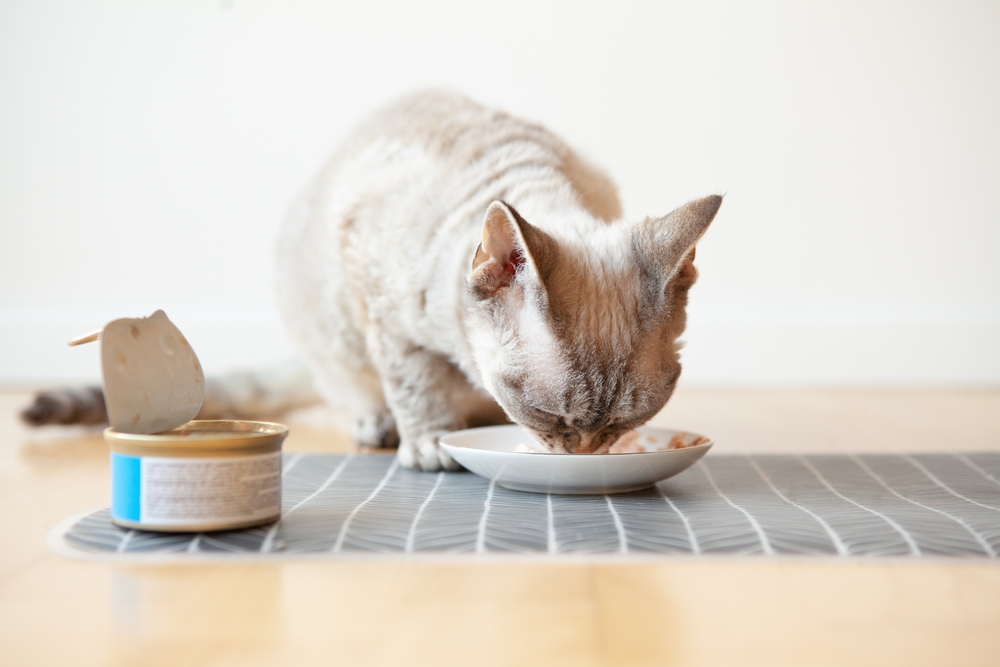
Hyperthyroidism typically affects senior cats and can masquerade as a personality change. Increased appetite paired with weight loss is a hallmark sign that many owners overlook. Cats may also become restless, vocal, or unusually aggressive. Because they’re still eating well, concern is often delayed.
Untreated hyperthyroidism puts strain on the heart and other organs. Thankfully, it’s highly manageable once diagnosed through blood tests. Treatment options include medication, dietary therapy, or more advanced interventions. Catching it early dramatically reduces long-term complications.
4. Urinary Tract Issues
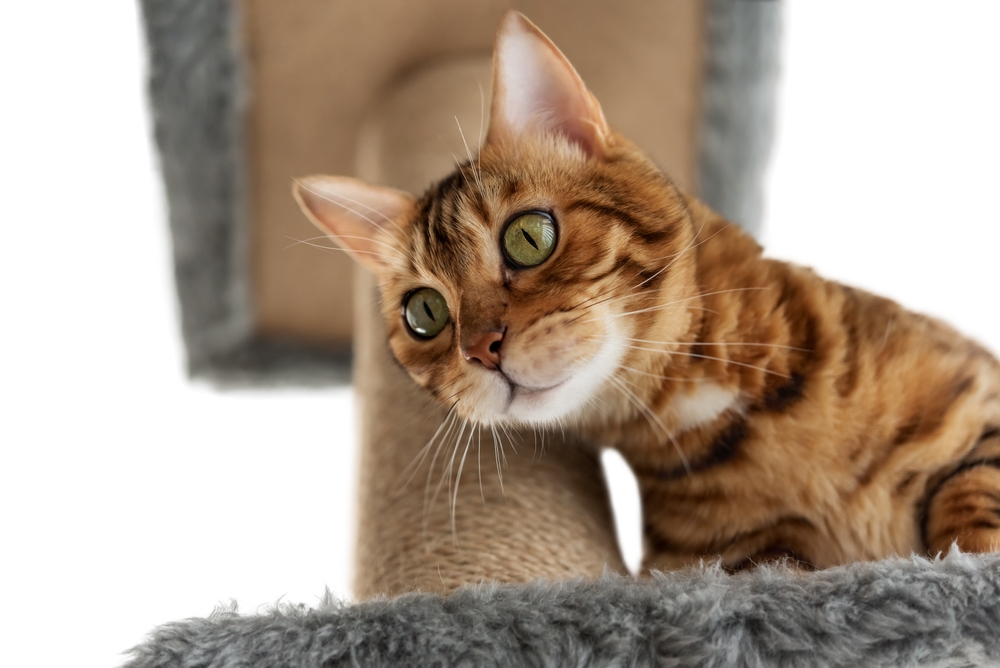
Urinary problems are common and potentially life-threatening, especially for male cats. Symptoms like frequent litter box visits, straining, or urinating outside the box are often mistaken for behavioral issues. In reality, these behaviors may signal infection, inflammation, or blockage. A complete urinary blockage is a medical emergency.
Stress, diet, and hydration all play major roles in urinary health. Cats that don’t drink enough water are especially vulnerable. Even mild urinary discomfort can escalate quickly without treatment. Paying attention to litter box habits is one of the most important things cat owners can do.
5. Obesity

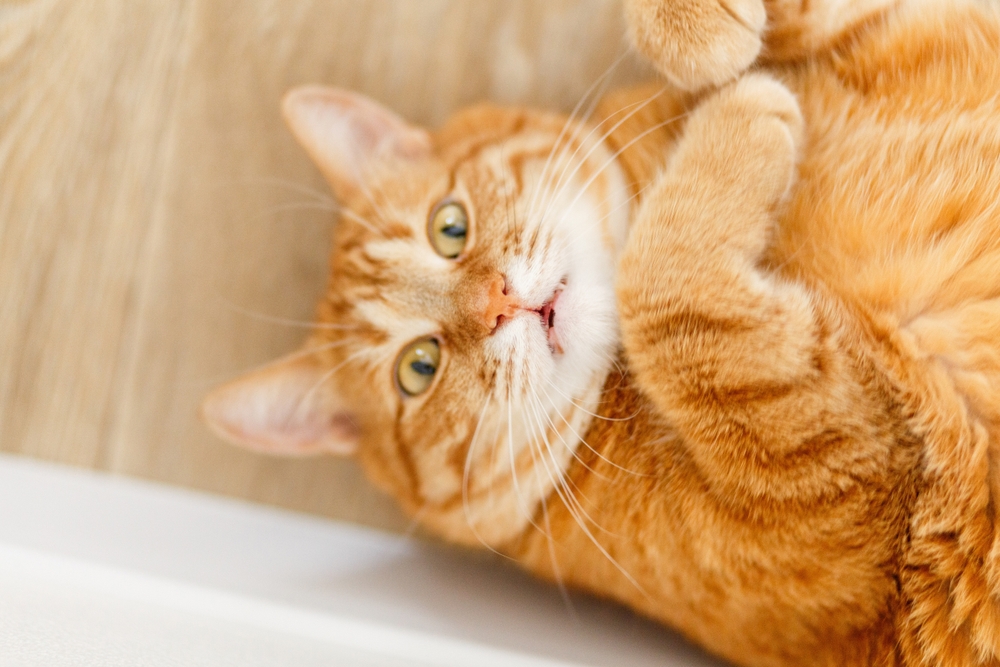
Obesity sneaks up on cats slowly, which makes it easy to normalize. A few extra pounds may not look alarming, but they significantly increase health risks. Overweight cats are more prone to diabetes, joint problems, and heart disease. Many owners underestimate how little weight gain it takes to cause harm.
Indoor cats are especially vulnerable due to low activity levels. Free-feeding and excessive treats often contribute without anyone realizing it. Weight management requires portion control, not just “healthier” food. Regular weigh-ins and playtime can prevent long-term damage.
6. Arthritis
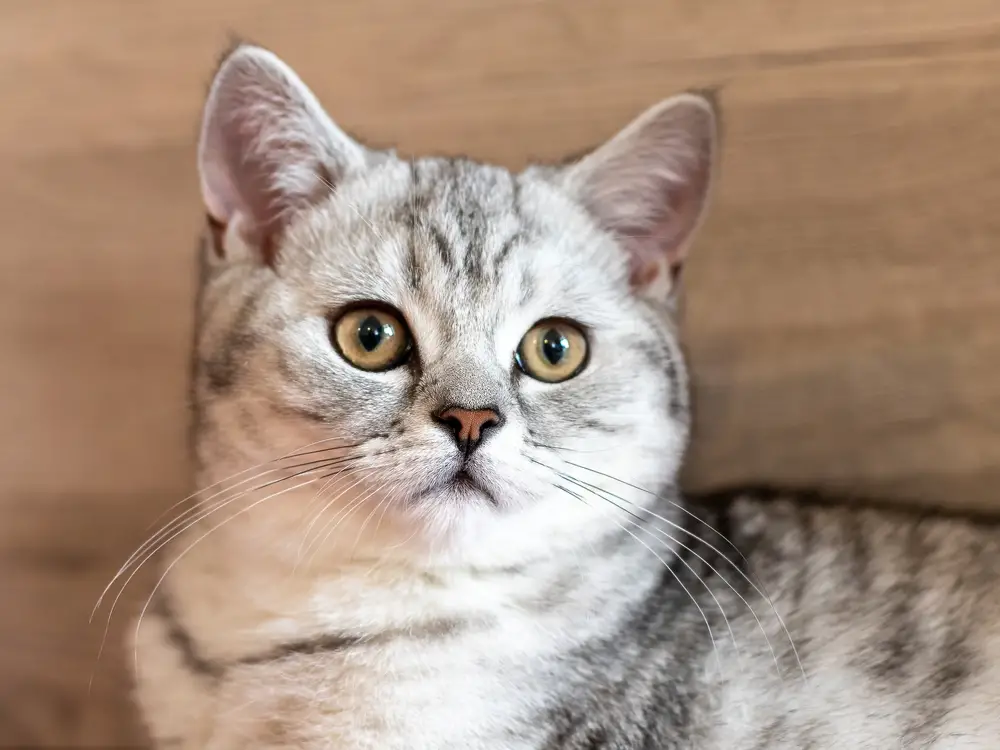
Arthritis in cats is far more common than most people realize. Because cats are subtle in expressing pain, mobility issues often go unnoticed. Hesitation to jump, stiffness, or sleeping more can all be warning signs. These changes are frequently dismissed as normal aging.
Arthritis pain can significantly reduce a cat’s quality of life. Treatment options now include medications, supplements, and environmental adjustments. Simple changes like ramps or softer bedding can help tremendously. Recognizing arthritis early allows cats to stay comfortable and active longer.
7. Gastrointestinal Disorders

Chronic vomiting or diarrhea is not “just how some cats are.” Gastrointestinal conditions like inflammatory bowel disease and pancreatitis often present in waves. Because symptoms come and go, they’re easy to ignore. Over time, these issues can lead to malnutrition and dehydration.
Digestive problems can also cause behavioral changes due to discomfort. Dietary adjustments are often a major part of treatment. Identifying food sensitivities or chronic inflammation requires veterinary testing. Persistent GI symptoms should never be brushed off.
8. Diabetes

Diabetes in cats is frequently missed until it becomes severe. Increased thirst, urination, and weight loss can develop gradually. Some cats also show weakness in their back legs, which is often overlooked. Obesity is a major risk factor.
When diagnosed early, feline diabetes can sometimes be reversed. Diet changes and insulin therapy are highly effective for many cats. Delayed diagnosis increases the risk of complications. Awareness is key to preventing long-term damage.
9. Heart Disease
Heart disease in cats often has no obvious symptoms until it’s advanced. Unlike dogs, cats rarely cough or show clear warning signs. Subtle lethargy or breathing changes may be the only clues. Some cats appear perfectly healthy right up until a crisis occurs.
Routine veterinary exams are essential for early detection. Certain breeds are more prone to heart conditions, but any cat can be affected. Early intervention can dramatically improve outcomes. Ignoring subtle signs can lead to sudden emergencies.
10. Respiratory Infections

Upper respiratory infections are common, especially in multi-cat households. Sneezing, eye discharge, and congestion may seem minor at first. Some infections become chronic if untreated. Stress often worsens symptoms.
Cats with compromised immune systems are particularly vulnerable. Prompt treatment can prevent long-term respiratory damage. Lingering symptoms shouldn’t be ignored. What starts as a “cat cold” can turn serious.
11. Skin Allergies and Dermatitis

Excessive scratching, licking, or hair loss often signals skin problems. Allergies can be triggered by food, fleas, or environmental factors. Many cats develop hot spots or sores from over-grooming. These issues are frequently mistaken for behavioral quirks.
Skin conditions can cause intense discomfort and secondary infections. Identifying the trigger is crucial for effective treatment. Flea prevention alone doesn’t rule out allergies. Chronic skin issues deserve medical attention, not guesswork.
12. Behavioral Changes Linked to Pain
Sudden aggression, hiding, or litter box avoidance often has a medical cause. Cats in pain frequently change behavior before showing physical symptoms. Owners may assume the cat is “acting out” or becoming antisocial. In reality, pain is often driving the change.
Behavioral shifts are one of the earliest warning signs of illness. Addressing the underlying health issue often resolves the behavior. Punishment only worsens stress and discomfort. Paying attention to behavior can save a cat’s life.