
Sleep architecture undergoes systematic reorganization across the adult lifespan in ways that aren’t simply deterioration but represent neurological maturation followed by structural changes in brain regions controlling sleep-wake cycles. These changes affect when you sleep, how deeply you sleep, and what sleep accomplishes, creating different optimal sleep strategies at different life stages. Understanding how sleep evolves from the twenties through old age reveals why approaches that worked in youth fail in middle age and why elderly people’s sleep patterns that seem pathological are often normal aging requiring different management strategies rather than medical intervention.
1. Deep Sleep Percentage Declines Steadily From Age 20 Onward

The percentage of sleep spent in deep slow-wave sleep (stages 3-4) peaks in adolescence and declines steadily throughout adulthood, dropping 10-15% per decade. Young adults spend 15-25% of sleep in deep sleep while people over 60 might get only 5-10%. This deep sleep is where physical restoration, immune function support, and memory consolidation occur most intensely.
The decline in deep sleep explains why older adults don’t feel as restored by sleep despite adequate total hours. The sleep they get lacks the restorative deep stages that made youth sleep so refreshing. This change is neurological—the brain regions generating deep sleep waves weaken with age—and isn’t entirely reversible through behavioral interventions though sleep hygiene can optimize what’s possible.
2. Sleep Becomes More Fragmented With Age

Young adults typically wake 1-2 times per night while older adults wake 4-6+ times, with fragmentation increasing steadily through middle age into old age. These awakenings last seconds to minutes and often aren’t remembered, but they prevent continuous sleep cycles. The frequent interruptions reduce sleep efficiency—the percentage of time in bed actually spent asleep—from 95%+ in youth to 80-85% in old age.
The fragmentation stems from weakened sleep drive, increased sensitivity to environmental disturbances, and changes in arousal thresholds. Older adults wake to sounds, temperature changes, and bladder signals that younger people sleep through. The frequent brief awakenings prevent reaching and maintaining deep sleep stages, creating a feedback loop where fragmented sleep reduces deep sleep which increases fragmentation further.
3. Circadian Rhythm Advances Causing Earlier Sleep and Wake Times

The circadian rhythm shifts earlier with age, making older adults naturally sleepy earlier in the evening and wake earlier in the morning. This phase advance means optimal sleep timing moves from 11pm-7am in the twenties to 9pm-5am in the seventies. Fighting this natural rhythm by trying to maintain young adult sleep schedules creates chronic sleep deprivation in older adults.
The shift is neurological—the suprachiasmatic nucleus controlling circadian rhythms changes its timing. Older adults trying to stay up until midnight are fighting their biology and accumulating sleep debt. Accepting the earlier rhythm and adjusting schedules accordingly often solves what seem like insomnia problems but are actually circadian misalignment from trying to sleep on a schedule that no longer matches internal biology.
4. REM Sleep Percentage Decreases and Distribution Changes

REM sleep percentage decreases modestly with age from about 25% of sleep to 20%, but the distribution also changes—less concentrated in the final sleep cycles and more distributed throughout the night. Young adults have minimal REM early in sleep with progressively longer REM periods toward morning, while older adults have more evenly distributed REM. This changes dream patterns and the cognitive benefits REM provides.
The reduced REM sleep affects emotional regulation, memory consolidation, and creativity that REM stages support. Older adults report fewer and less vivid dreams partially due to reduced REM. The redistribution means that early-morning wake times that were once past peak REM periods now interrupt REM, making early waking more disruptive to cognitive function than it was in youth.
5. Sleep Onset Latency Increases in Middle Age

The time required to fall asleep increases in middle age, with 40-60 year-olds taking 15-30 minutes versus 5-15 minutes for young adults. This delay stems from stress, rumination, and neurological changes affecting the transition to sleep. Middle-aged adults lie awake thinking about responsibilities and problems that younger adults either lack or haven’t developed the rumination patterns around.
The prolonged sleep latency creates frustration that becomes counterproductive—anxiety about not sleeping prevents sleep. This age group benefits most from cognitive techniques to manage bedtime rumination and from accepting that longer sleep onset is normal rather than pathological. Expecting to fall asleep in five minutes creates anxiety when fifteen minutes have passed, but knowing twenty minutes is normal prevents the anxiety spiral.
6. Total Sleep Need Decreases Slightly but Not as Much as Believed
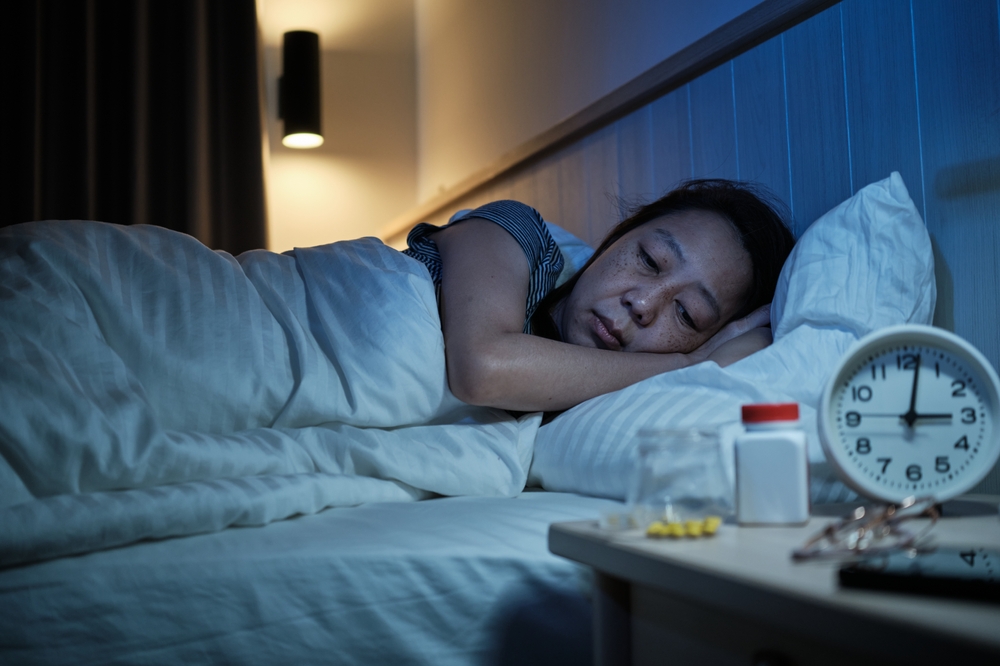
Sleep need decreases modestly from about 7-9 hours in the twenties to 6-8 hours in old age, but the change is smaller than many believe. The myth that elderly people need only 5-6 hours creates acceptance of chronic sleep deprivation disguised as normal aging. Most older adults still need 7-8 hours even though they often get only 5-6 due to fragmentation and early waking.
The confusion arises because older adults spend less time in bed and wake earlier, creating impression they need less sleep. Actually they’re experiencing chronic partial sleep deprivation but attribute it to age rather than recognizing it as insufficient sleep. The reduced deep sleep and increased fragmentation mean they need adequate total hours even more than young adults to get equivalent restoration.
7. Napping Increases in Frequency and Duration

Older adults nap more frequently and for longer periods than younger adults, with napping becoming nearly universal after 70. This reflects both reduced nighttime sleep quality and increased daytime sleepiness from fragmented night sleep. The naps partially compensate for inadequate nighttime sleep and can improve daytime function if appropriately timed.
However, excessive napping reduces nighttime sleep drive, creating a cycle where poor night sleep leads to long naps which further worsen night sleep. Strategic short naps (20-30 minutes) in early afternoon can be beneficial, while long naps (90+ minutes) or late afternoon naps interfere with nighttime sleep. The increased napping in old age requires management to optimize benefits while minimizing nighttime sleep disruption.
8. Response to Sleep Deprivation Becomes More Severe
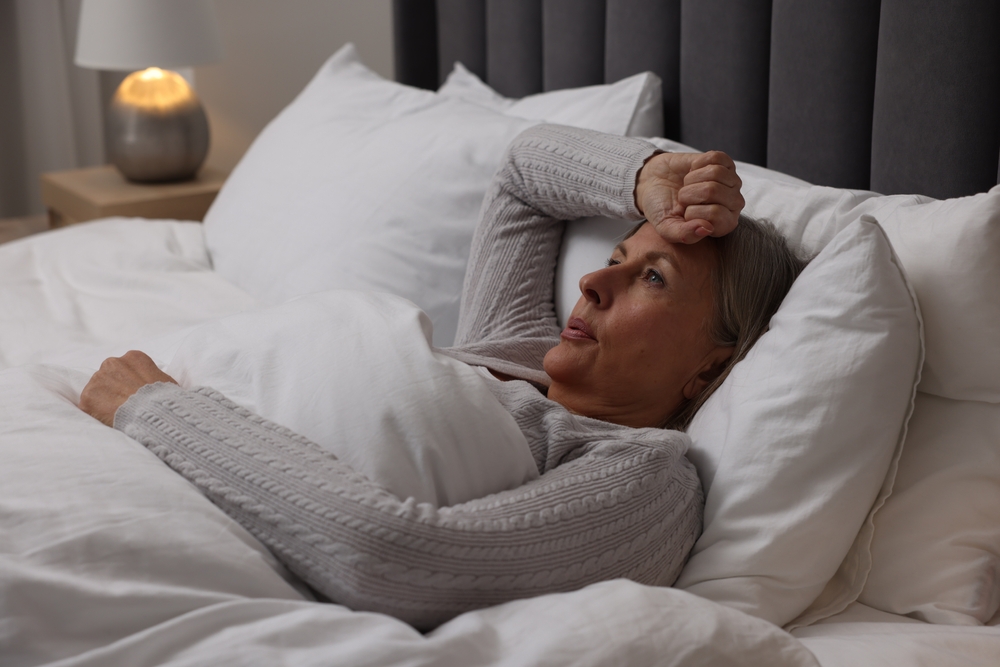
The cognitive and physical impacts of sleep deprivation increase with age—one night of poor sleep affects an older adult more severely than a young adult. Recovery from sleep debt also takes longer, with older adults requiring multiple nights of good sleep to recover from deficits that young adults bounce back from immediately. This means that irregular sleep schedules are more detrimental in old age.
The increased vulnerability reflects reduced physiological reserve and the cumulative stress of poor sleep on aging systems. Young adults compensate for occasional bad nights with minimal performance decline, while older adults experience significant cognitive impairment, mood changes, and physical symptoms. This necessitates more consistent sleep schedules and prioritization of sleep that younger people can neglect without immediate consequences.
9. Sleep Position Preferences and Comfort Change

Physical changes—arthritis, sleep apnea development, GERD, prostate enlargement—change which sleep positions are comfortable or possible. Young adults might sleep in any position, but middle-aged and older adults develop strong positional preferences based on pain, breathing, or urinary symptoms. Back sleeping might trigger apnea, stomach sleeping causes neck pain, and side sleeping requires pillow support for alignment.
The positional requirements mean that sleeping environments need modification—more pillows, adjustable beds, specific mattress firmness—to accommodate aging bodies. Failure to adapt sleeping positions and support creates sleep disruption from discomfort or symptoms. The sleep position flexibility of youth gives way to specific requirements for comfortable, symptom-free sleep that must be accommodated.
10. Temperature Regulation During Sleep Becomes More Difficult

Thermoregulation during sleep becomes less efficient with age, making older adults more sensitive to ambient temperature. Young adults tolerate wider temperature ranges, while older adults need precisely controlled temperatures to sleep well. Heat and cold that wouldn’t wake younger people cause frequent awakenings in older adults whose thermoregulatory systems respond less effectively.
This manifests as night sweats, feeling too cold, and difficulty finding comfortable temperature. The optimal sleep temperature narrows from a range of 65-75°F that works for young adults to a narrow window around 68-70°F for many older adults. Failure to maintain this precise temperature creates fragmented sleep that seems mysterious until thermal causes are identified and addressed.
11. Medication and Health Conditions Increasingly Disrupt Sleep
The accumulation of health conditions and medications across middle and older age creates sleep disruption unknown in youth. Beta blockers suppress melatonin, diuretics cause nighttime urination, pain medications affect sleep architecture, and depression or anxiety increase with age affecting sleep. By age 60, most people take multiple medications that impact sleep quality, timing, or architecture.
The medication effects compound—antidepressants might reduce REM sleep while pain medications suppress deep sleep while diuretics cause awakenings. Untangling which sleep problems are aging versus medication side effects versus underlying conditions requires medical evaluation. The polypharmacy common in older adults creates complex sleep disruption that didn’t exist in youth when most people took no regular medications.
12. Sleep Disorders Emerge at Higher Rates

Sleep apnea, restless leg syndrome, and periodic limb movement disorder all increase dramatically with age. Sleep apnea affects 10% of middle-aged adults but 30-40% of those over 65. RLS affects 10-15% of older adults versus 2-3% of young adults. These disorders fragment sleep and reduce quality in ways that seem like normal aging but are actually treatable medical conditions.
The emergence of these disorders means that sleep problems in middle and older age aren’t always normal aging requiring acceptance but potentially medical conditions requiring treatment. Assuming poor sleep is inevitable aging prevents diagnosis and treatment of sleep disorders that could be managed. Evaluation for sleep disorders should occur when sleep problems begin in middle age rather than assuming they’re untreatable aging.
13. Tolerance for Irregular Sleep Schedules Disappears

Young adults tolerate variable sleep schedules—staying up late weekends, sleeping in, adjusting quickly to different patterns—but this flexibility vanishes with age. Older adults function best with consistent sleep-wake times even on weekends, with shift work or travel across time zones creating much longer adjustment periods. The circadian system becomes less flexible and more dependent on regular timing.
This reduced flexibility means that lifestyle approaches that worked in youth—sleeping in on weekends to catch up on sleep debt, staying up late occasionally—create more disruption in older adults. The optimal sleep strategy shifts from flexible timing in youth to rigid consistency in old age. Fighting this by maintaining variable schedules creates chronic circadian disruption and poor sleep that consistency would resolve.