Animals living in predator-rich environments experience intense stress and life-threatening fear regularly, yet they don’t develop chronic anxiety disorders or PTSD the way traumatized humans do, suggesting they possess nervous system regulation mechanisms that humans have largely lost or forgotten. Wildlife biologists and trauma researchers studying animal behavior after predator encounters have identified specific patterns that animals use to discharge stress hormones, reset physiological arousal, and return to baseline functioning within minutes or hours of experiencing mortal terror. These aren’t learned behaviors from therapy or conscious stress management—they’re innate biological processes that allow animals to survive repeated trauma without accumulating the psychological damage that would make them dysfunctional, and they offer insights into nervous system regulation that humans desperately need but have culturally suppressed through civilized behavioral norms.
1. Full-Body Shaking and Tremoring
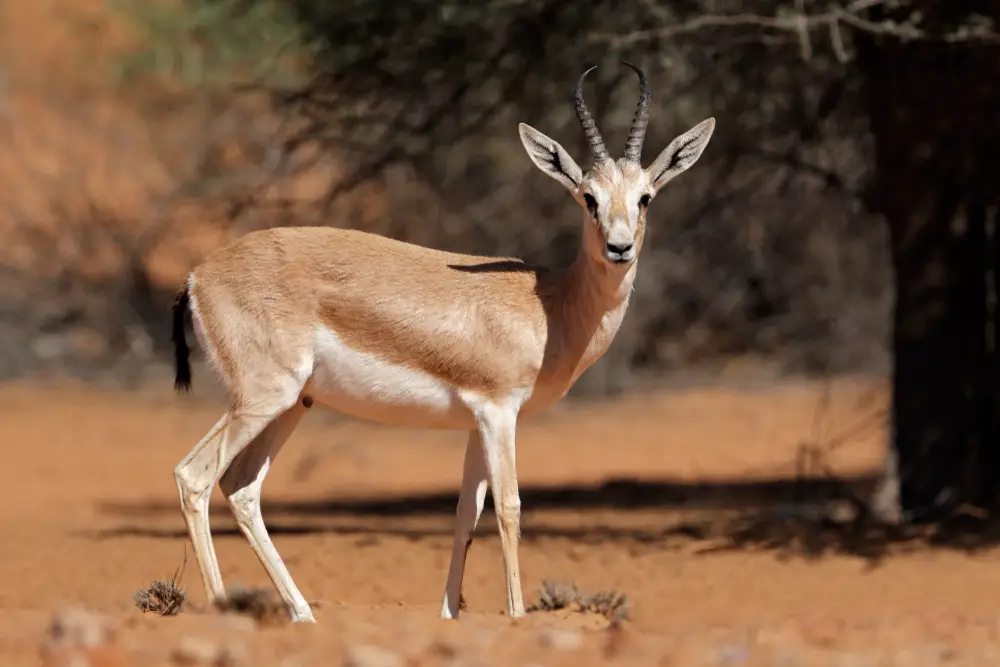
Animals that survive predator attacks or near-death experiences engage in dramatic full-body shaking lasting several minutes, a physiological process that discharges the massive stress hormone dump from the nervous system. The shaking isn’t from cold or injury—it’s a neurological reset mechanism that processes and releases the cortisol and adrenaline that prepared the animal for fight or flight but didn’t get fully metabolized during the incident. Gazelles, rabbits, and other prey animals shake violently after escaping predators, their entire bodies tremoring in ways that look like seizures but actually represent the nervous system completing the stress response cycle and returning to homeostasis.
Trauma researcher Peter Levine documented that animals allowed to complete this shaking process don’t develop PTSD-equivalent symptoms, while animals prevented from shaking show lasting behavioral problems resembling human trauma responses. Humans have mostly suppressed this innate shaking response through cultural conditioning that treats trembling as weakness or loss of control rather than healthy physiological processing. The suppression of natural tremoring means stress hormones remain in human nervous systems rather than being discharged, contributing to anxiety disorders and trauma that animals avoid by allowing their bodies to complete the biological stress-discharge process without interference or judgment.
2. Intentional Stillness and Immobility
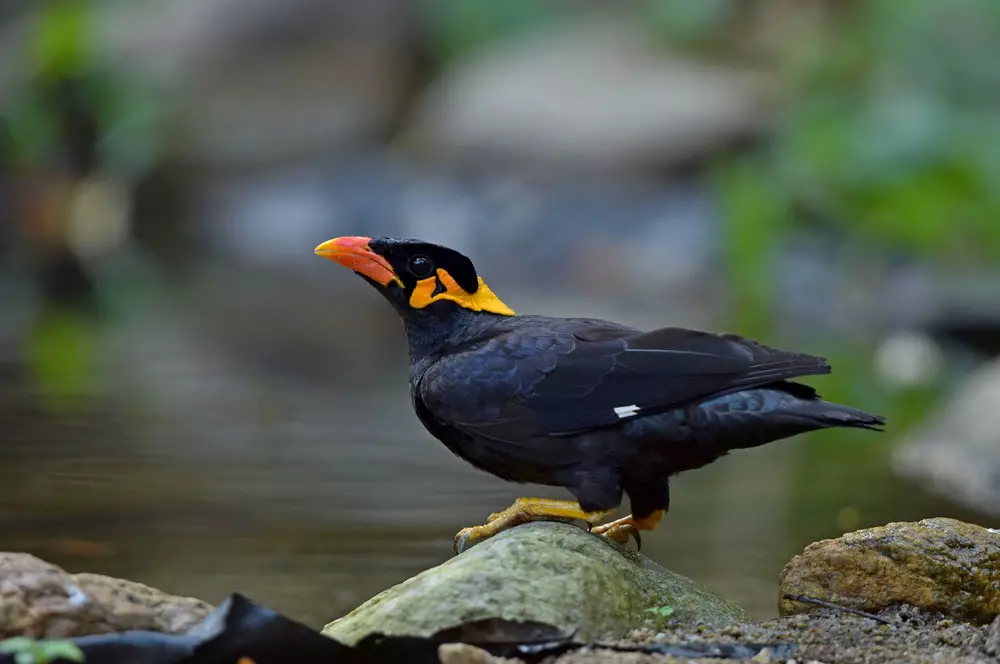
Animals engage in deliberate stillness after stressful events, lying motionless for extended periods in safe locations while their nervous systems process what occurred and return to baseline arousal. The stillness isn’t sleep or exhaustion—it’s conscious rest where the animal remains aware but completely motionless, allowing parasympathetic nervous system activation that counteracts the sympathetic arousal from the threat. Birds, mammals, and reptiles all demonstrate this post-stress stillness, remaining frozen for minutes to hours in protected areas before resuming normal activity once nervous system equilibrium is restored.
The intentional stillness provides time for cortisol levels to drop, heart rate to normalize, and the body to shift from threat-response to rest-and-digest functioning without the additional stimulation that movement or interaction would create. Humans rarely allow themselves this processing time, instead forcing immediate return to normal activity through willpower and caffeine rather than honoring the biological need for stillness after stress. The cultural imperative to “power through” and maintain productivity regardless of nervous system state prevents the natural reset that stillness provides, leaving humans operating from chronic sympathetic activation that animals avoid through simple, deliberate periods of complete motionlessness.
3. Vigorous Physical Movement After Threat Passes
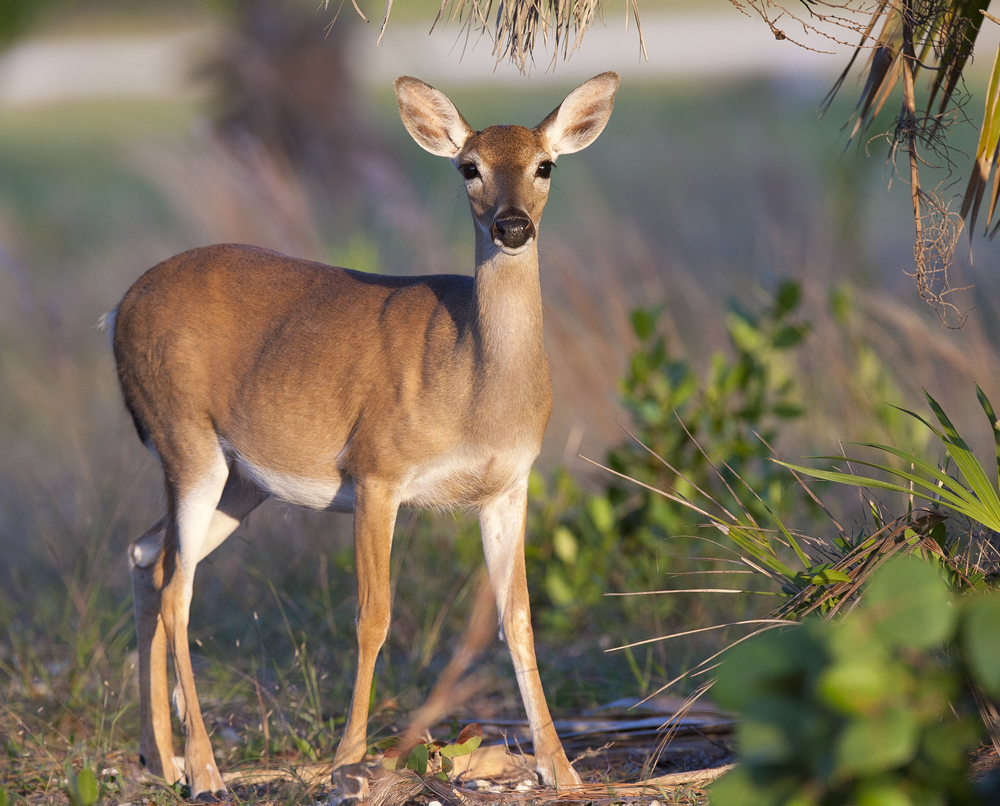
Animals that flee from predators don’t stop running immediately when safe—they continue vigorous movement for additional time to complete the metabolic cycle that adrenaline initiated, burning through stress hormones rather than leaving them circulating. The post-escape running, jumping, or pacing looks unnecessary since the threat has passed, but it serves critical nervous system regulation by allowing the body to complete the “flight” response that started but would otherwise remain incomplete. Deer continue running well past the point of safety, horses gallop longer than escape requires, and birds fly extended distances beyond the predator’s range, all completing the physical exertion that their arousal state prepared them for.
The vigorous movement metabolizes stress hormones through physical exertion in ways that match the biological preparations the nervous system made for intense physical activity. Humans experiencing stress arousal rarely engage in the vigorous physical activity that would complete the cycle, instead sitting at desks or in cars with stress hormones prepared for running or fighting but never discharged through actual movement. The mismatch between arousal and activity leaves humans with elevated cortisol and adrenaline that contribute to anxiety and health problems that animals avoid by allowing their bodies to complete the physical exertion their nervous systems prepared for.
4. Social Grooming and Touch Connection
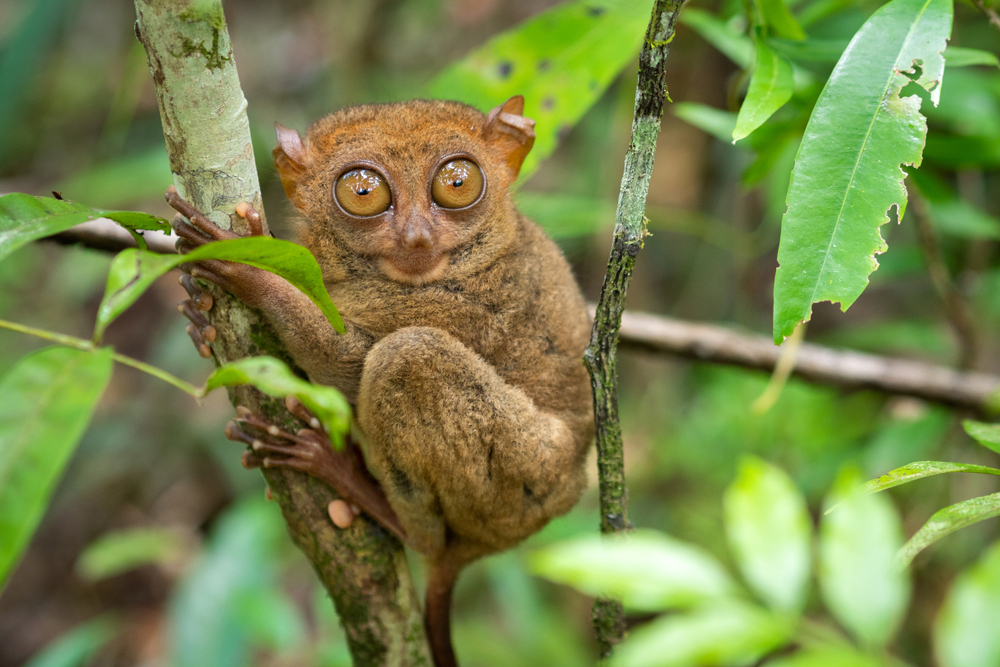
Primates, horses, and many social animals engage in extended grooming sessions with conspecifics after stressful events, using touch and social connection to activate parasympathetic nervous system responses that counteract stress. The grooming isn’t about hygiene—it’s about the calming neurochemical releases that gentle, repetitive touch produces in both the groomer and recipient, releasing oxytocin and endorphins that reset arousal levels. Monkeys spend hours in grooming sessions after group conflicts or predator scares, horses engage in mutual grooming after disturbances, and elephants touch and caress each other extensively following stressful events.
The social touch provides dual nervous system benefits—the physical sensation of being groomed activates pressure receptors that stimulate vagus nerve function, while the social connection releases bonding hormones that reduce cortisol and promote calm. Humans in modern society have largely eliminated casual social touch outside of romantic relationships, removing a primary nervous system regulation mechanism that other primates use constantly. The touch deprivation that characterizes modern human life means a major stress-regulation pathway remains unavailable, forcing humans to rely on less effective verbal processing or pharmacological interventions to achieve the nervous system reset that animals accomplish through simple, extended social grooming.
5. Returning to Routine Activities Immediately
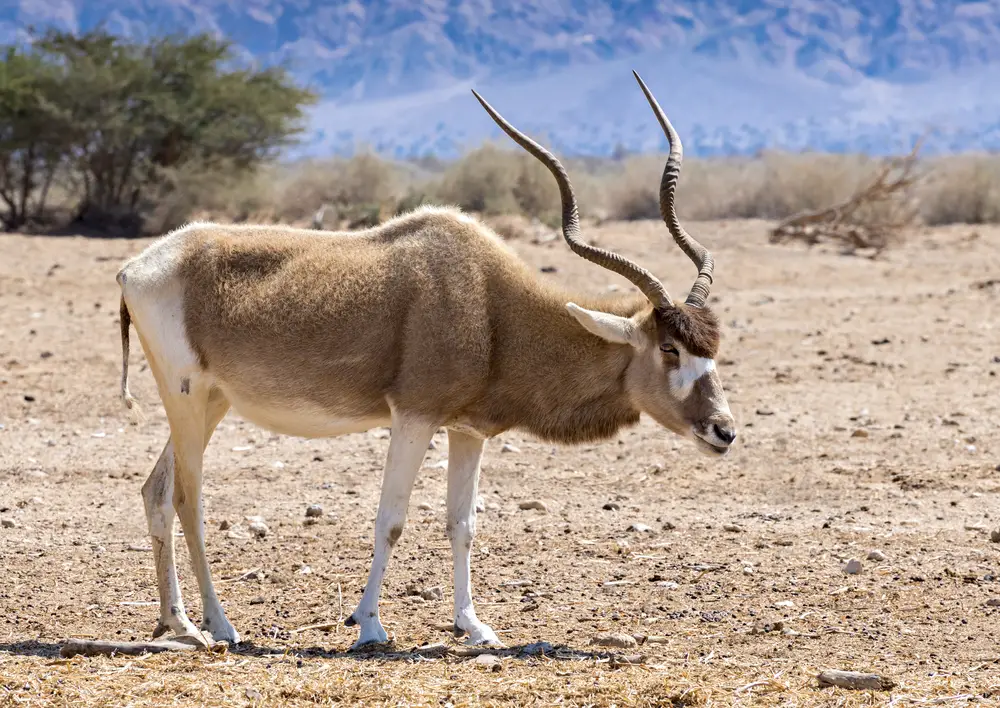
Animals that survive predator encounters return to normal activities—eating, drinking, grooming, playing—remarkably quickly after the threat passes, not dwelling on what happened or ruminating about future dangers. The immediate return to routine sends powerful signals to the nervous system that the threat has passed and normal functioning should resume, preventing the threat-response from becoming a persistent state. Antelope graze calmly minutes after escaping lions, birds resume foraging shortly after hawk attacks, and rabbits return to normal behavior within an hour of narrow escapes.
The rapid return to routine prevents the formation of generalized anxiety where every moment becomes experienced as potentially dangerous rather than recognizing that specific threats have specific durations. Humans tend to replay traumatic events mentally, maintain hypervigilance long after threats pass, and allow single incidents to color perception of safety for extended periods. The cognitive dwelling on past threats and anticipation of future ones keeps human nervous systems in sustained arousal that animals avoid by simply resuming normal behavior once immediate danger has passed, trusting their in-the-moment threat detection rather than maintaining permanent defensive states.
6. Deep Breathing and Extended Exhalations
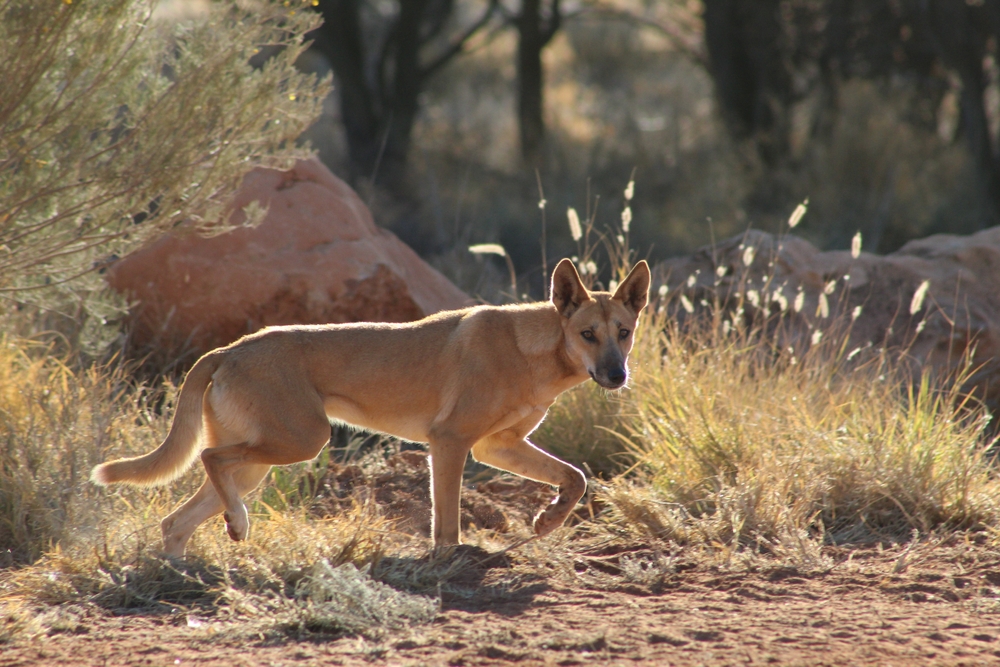
Animals in recovery from stress engage in notably deep breathing patterns with extended exhalations, a physiological mechanism that activates parasympathetic nervous system responses and reduces heart rate and cortisol. The breathing pattern is visible across species—dogs, horses, and big cats all demonstrate deep, slow breathing with particularly long exhales after stressful events. The extended exhalation specifically stimulates vagus nerve activity that signals safety to the nervous system, counteracting the rapid, shallow breathing that accompanies threat responses and actively shifting the body into rest-and-digest functioning.
The breathing pattern is automatic in animals but requires conscious effort in humans who’ve lost connection to innate physiological regulation mechanisms. Animals don’t need instruction in breathwork or meditation—they naturally shift to parasympathetic-activating breathing patterns when threats pass as part of automatic nervous system regulation. Humans often maintain the shallow, rapid breathing of sympathetic arousal long after stressful events, requiring deliberate intervention to shift breathing patterns that should automatically adjust but don’t due to chronic stress and disconnection from bodily regulation signals that animals maintain.
7. Seeking Secure Enclosed Spaces
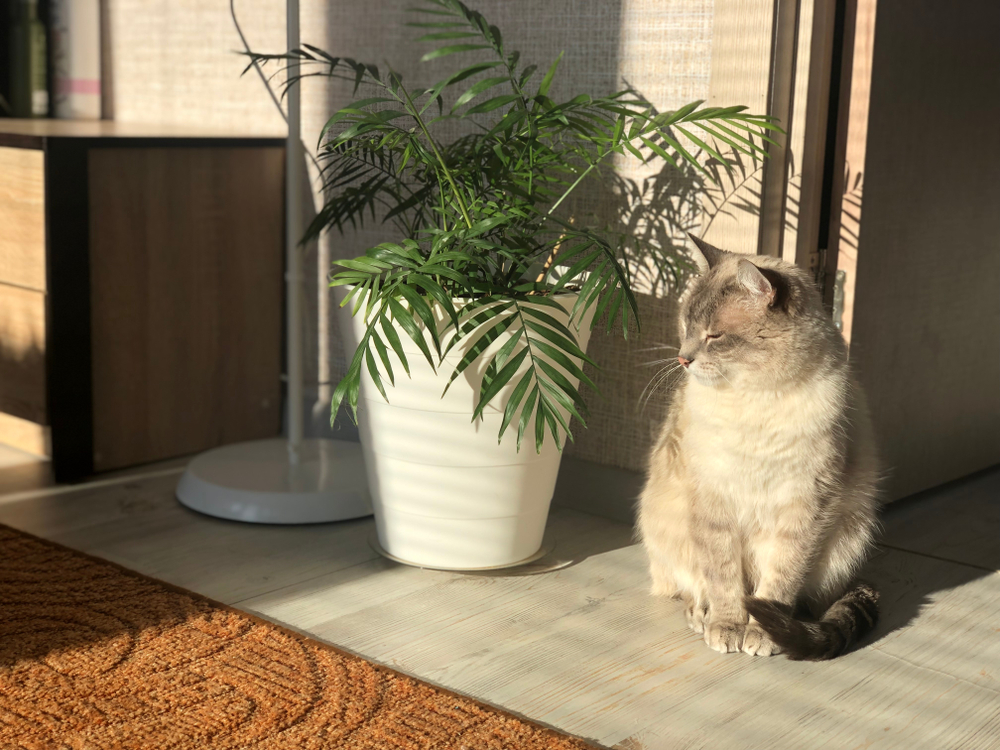
Animals experiencing nervous system overwhelm seek small, enclosed spaces—burrows, dens, dense vegetation—where physical boundaries provide sensory input that calms arousal and creates feelings of safety. The enclosed space stimulates pressure receptors across the body surface that activate calming neurological responses, while the physical boundaries limit the sensory field requiring monitoring, reducing the vigilance demands on an overstimulated nervous system. Dogs hiding under beds during thunderstorms, cats seeking closets during stress, and wild animals retreating to dens all demonstrate this innate drive toward enclosed spaces during nervous system dysregulation.
The pressure and containment that enclosed spaces provide serves essential regulation functions by giving the nervous system clear physical boundaries rather than requiring constant 360-degree environmental monitoring. Humans have largely eliminated small, enclosed personal spaces from modern architecture in favor of open floor plans that provide no refuge for overwhelmed nervous systems needing sensory reduction and physical containment. The architectural elimination of cozy, enclosed spaces removes an environmental support for nervous system regulation that animals naturally seek and that humans need but can no longer access in homes designed for visual openness rather than neurological safety.
8. Yawning and Jaw Movements

Animals recovering from stress engage in frequent yawning and jaw stretching that serves nervous system regulation functions beyond simple tiredness or boredom. The yawning stimulates vagus nerve activity through the stretch of facial and neck muscles, while releasing muscle tension in the jaw that accumulates during threat responses when mammals prepare to bite or hold on. Dogs, cats, horses, and primates all demonstrate increased yawning after stressful events, using the behavior to shift from sympathetic to parasympathetic nervous system dominance through the physiological effects the yawn produces.
The jaw tension that accompanies stress is protective preparation for using the mouth in defense or attack, and releasing that tension through yawning signals to the nervous system that threat-response preparations are no longer necessary. Humans suppress yawning in social situations despite it being a natural stress-regulation mechanism, treating it as rude or indicating disinterest rather than recognizing it as healthy nervous system function. The suppression of yawning removes another innate regulation pathway, forcing humans to carry jaw and facial tension that animals release automatically through behaviors that human culture has deemed socially unacceptable.
9. Play Behavior Shortly After Stress

Young animals engage in play behavior remarkably quickly after frightening events, using playful movement and social interaction to complete stress cycles and return nervous systems to healthy baseline functioning. The play isn’t callous disregard for danger—it’s sophisticated nervous system regulation that allows practicing threat responses in safe contexts while burning through residual stress hormones through vigorous, pleasurable movement. Wolf pups play-fight minutes after being frightened, young primates resume play shortly after predator scares, and juvenile animals across species use play to process and regulate arousal from genuinely threatening events.
The play behavior provides dual benefits—metabolizing stress hormones through physical activity while creating positive social and emotional experiences that counterbalance fear and activate reward pathways in the brain. Humans discourage children from playing too soon after frightening events, treating it as inappropriate or evidence they weren’t truly scared, rather than recognizing play as healthy processing. The cultural suppression of play as stress-response prevents children from using an innate regulation mechanism, teaching them early that nervous system dysregulation should be managed through stillness and seriousness rather than through the vigorous, joyful movement that actually resets arousal.
10. Orienting and Scanning Completion
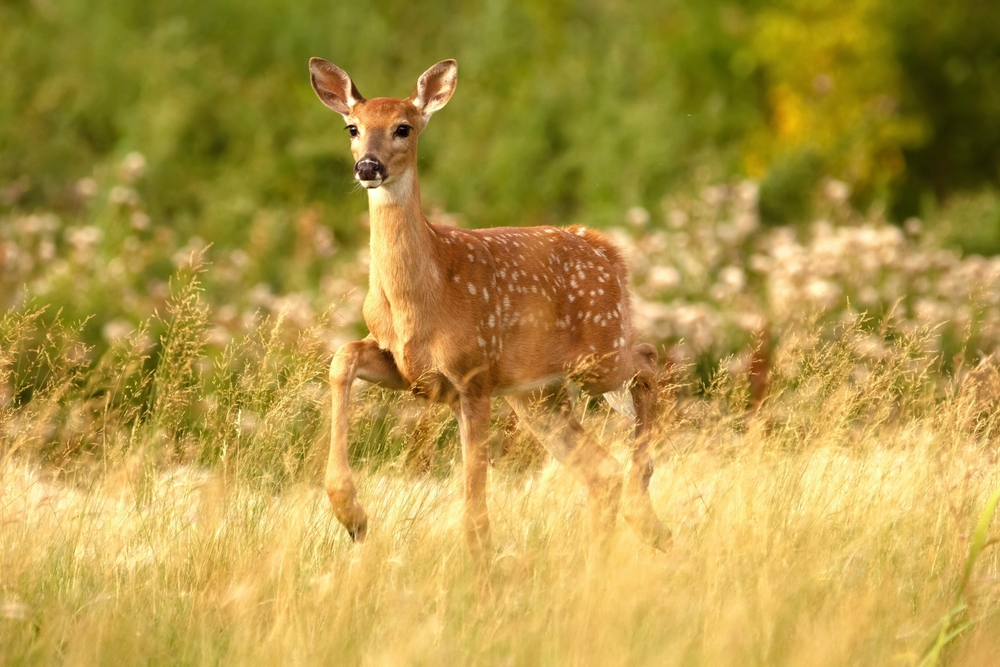
Animals that experience threats engage in deliberate environmental scanning after danger passes, methodically surveying their surroundings until their nervous systems register that threats are truly absent and vigilance can decrease. The scanning isn’t anxious hypervigilance—it’s purposeful, thorough environmental assessment that allows the nervous system to complete the orienting response that was activated by threat and confirm that safety has been restored. Deer scan their environment systematically after fleeing, birds visually sweep areas methodically before resuming activity, and predators check surroundings carefully after disputes, all completing the orienting cycle that threat initiated.
The completed orientation provides clear sensory information to the nervous system that the environment is currently safe, allowing arousal to decrease based on actual environmental input rather than maintaining defensive states based on potential threats. Humans often prevent orientation completion by distracting from stress through screens or substances rather than allowing nervous systems to fully assess and register current safety. The incomplete orientation leaves nervous systems prepared for threats that haven’t been definitively ruled out through sensory assessment, maintaining arousal that animals eliminate through simple, thorough environmental scanning that confirms safety before relaxation begins.
11. Vocalization and Sound Release
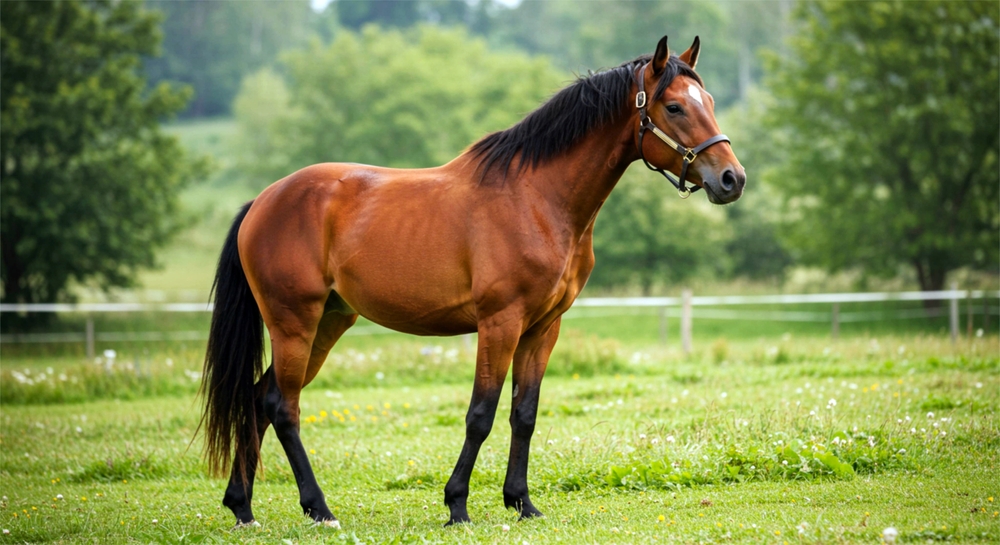
Animals recovering from intense stress engage in vocalizations—whimpering, sighing, low moaning, or other sounds—that serve nervous system regulation through the vibration and breath patterns they produce. The vocalizations aren’t communication—they’re self-soothing mechanisms where the sound vibration stimulates vagus nerve activity and the breathing pattern required for sustained sound production activates parasympathetic responses. Dogs whimper and sigh after frightening events, horses blow and snort extensively after stress, and many mammals engage in low vocalizations during recovery that serve pure regulation functions rather than social communication purposes.
The vibration from vocalization travels through facial bones and chest cavity, stimulating mechanoreceptors that activate calming neurological pathways, while the extended exhalation required for sustained sound directly stimulates parasympathetic activation. Humans suppress these innate vocalizations, treating sighing, moaning, or whimpering as weakness or self-indulgence rather than recognizing them as healthy nervous system function. The cultural prohibition against stress-release vocalizations removes another regulation pathway, forcing humans to process stress silently when their biology evolved mechanisms requiring sound and breath that animals use freely but that human social norms have deemed inappropriate or embarrassing.