Danielle Sachs

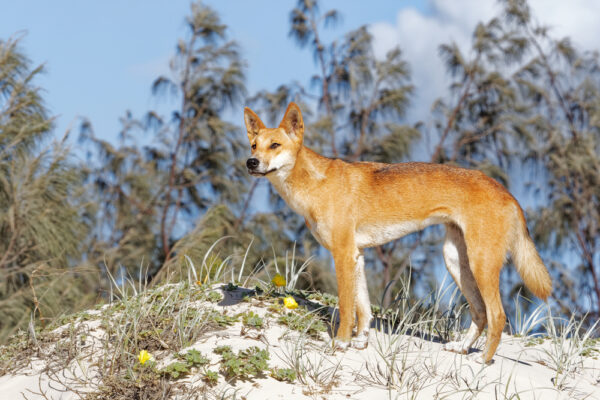
Americans Think Australian Dingoes Are Like Coyotes — Here’s Why They’re Worse

To most Americans, dingoes sound like Australia’s version of coyotes—wild dogs that mostly keep to themselves and occasionally bother livestock. That comparison feels intuitive, but it’s misleading. Dingoes occupy a very different ecological role, behave differently around humans, and pose risks that don’t line up neatly with what Americans expect from North American wildlife. The…

Read More

15 Experiences—Good And Bad—Dogs Remember For Life

Dogs don’t store memories the way humans do, as tidy narratives with timelines and details. Instead, they remember through emotional intensity, scent associations, bodily sensations, and repetition. Experiences that trigger strong fear, comfort, joy, or pain are encoded deeply and revisited unconsciously. Over time, these memories shape behavior, expectations, and how safe the world feels…

Read More

Chilling Sounds That Can Mean A Predator Is Much Closer Than You Think

In the wild, sound is often the first warning system. Predators and prey alike communicate through noise, movement, and sudden silence. Many dangerous animals don’t announce themselves with dramatic roars but with subtle, easily ignored cues. Recognizing these sounds can mean the difference between awareness and surprise. 1. Sudden Eerie Silence When birds, insects, and…

Read More

The ‘Beast of Gévaudan’ And Other Historical Monsters That Were Actually Real

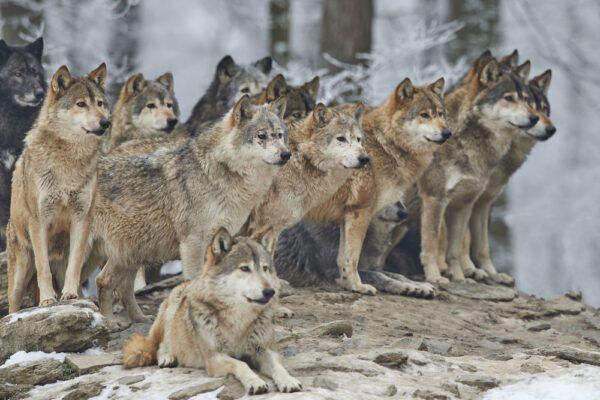
For centuries, terrified communities explained unexplained violence by inventing monsters. What they were often witnessing, however, were real animals pushed into abnormal behavior by injury, human interference, or ecological disruption. Now, thanks to advances in forensic archaeology, genetic analysis, and historical ecology, folklore is finally separating from biology. The result is unsettling: many legendary monsters…

Read More

What A Wild Animal Is Really Thinking When You Lock Eyes With Them (Hint: Don’t)

Locking eyes with a wild animal feels electric because, biologically, it is. In the wild, eye contact is not neutral—it is data. Predators, prey, and social animals all interpret a direct gaze as information about threat level, confidence, dominance, or intent. What happens in those seconds isn’t emotion in the human sense, but rapid neurological…

Read More

15 U.S. National Parks With The Most Danger

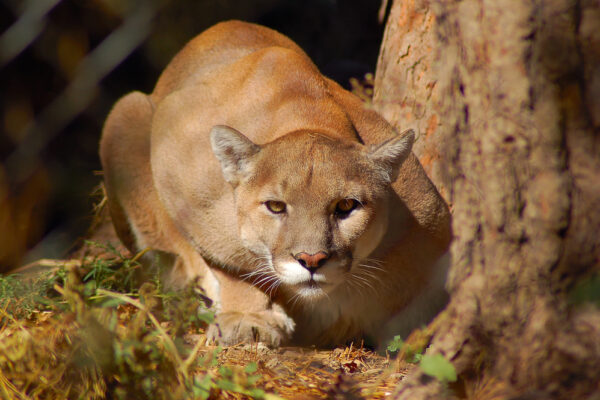
America’s national parks are sold as pristine escapes, but beneath the postcard views lies real, measurable risk. These landscapes are not curated experiences — they are active ecosystems shaped by weather, wildlife, geology, and human error. Most injuries and deaths don’t come from dramatic encounters, but from subtle miscalculations: underestimating heat, terrain, or animals that…

Read More