
Most dangerous animals don’t attack without warning—they run assessments, watching how you react to increasingly aggressive signals before deciding whether to strike. These tests aren’t malicious, but rather they are survival strategy, determining whether you’re a threat worth attacking, prey worth pursuing, or someone who understands their language and will back down. Recognizing these warning behaviors and responding correctly can mean the difference between a close call and a life-threatening attack.
1. Grizzly Bears Bluff Charge to See If You’ll Run

Grizzly bears perform bluff charges—rushing toward you at full speed before stopping short—to test whether you’ll flee and trigger their chase instinct. These mock charges can come within feet of you, complete with roaring and aggressive posturing that feels absolutely real. The bear is watching intensely to see if you run, because fleeing prey is what triggers their predatory response to pursue and attack.
Wildlife biologists emphasize that running from a bluff charge almost guarantees a real attack, as it transforms you from potential threat to definite prey in the bear’s assessment. Standing your ground during a bluff charge, speaking calmly, and slowly raising your arms to appear larger usually causes the bear to retreat, satisfied that you’re not prey. Most people fail this test catastrophically by running, which is exactly what the bear was testing for—your movement determines whether this ends peacefully or violently.
2. Mountain Lions Stalk Extensively Before Deciding to Attack
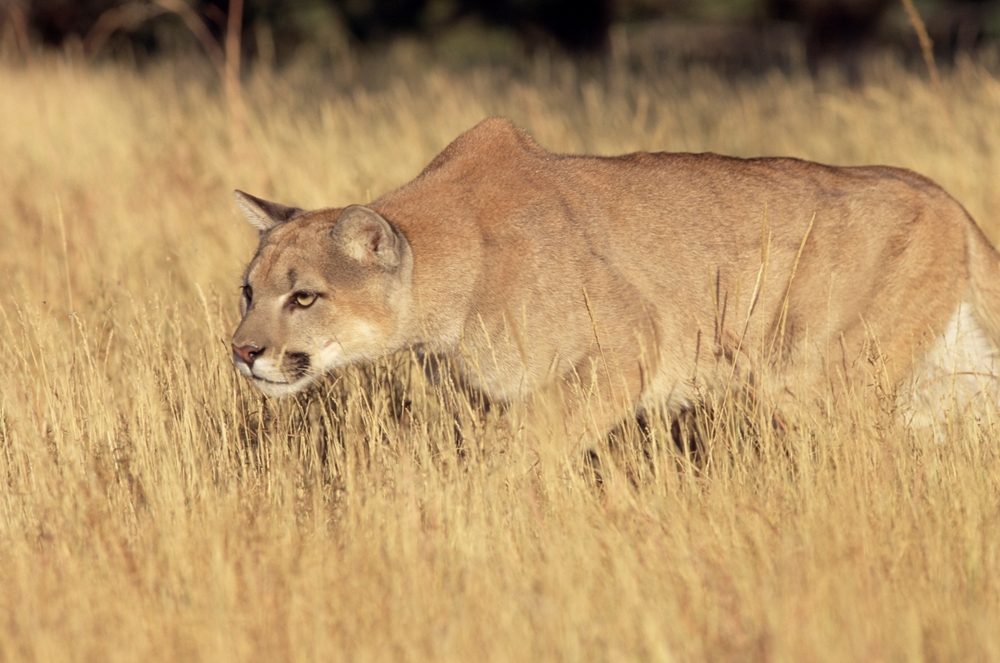
Mountain lions follow potential prey for extended periods, watching how you move, whether you notice them, and if you display awareness or vulnerability. They’re testing whether you’re oblivious, injured, or distracted enough to be easy prey worth the energy expenditure. Hikers have reported being stalked for miles by lions that never attacked because they demonstrated awareness through periodically turning around and making eye contact.
The lion’s test is specifically about whether you know it’s there—prey that’s unaware is safe to attack, while prey that’s watching back is dangerous. Making yourself appear large, facing the lion, making noise, and maintaining eye contact usually causes the lion to disengage because you’ve failed its prey test. Turning your back, crouching down, or running instantly passes the test in the lion’s favor, signaling that you’re vulnerable prey triggering an attack.
3. Elephants Perform Mock Charges With Ears Flared
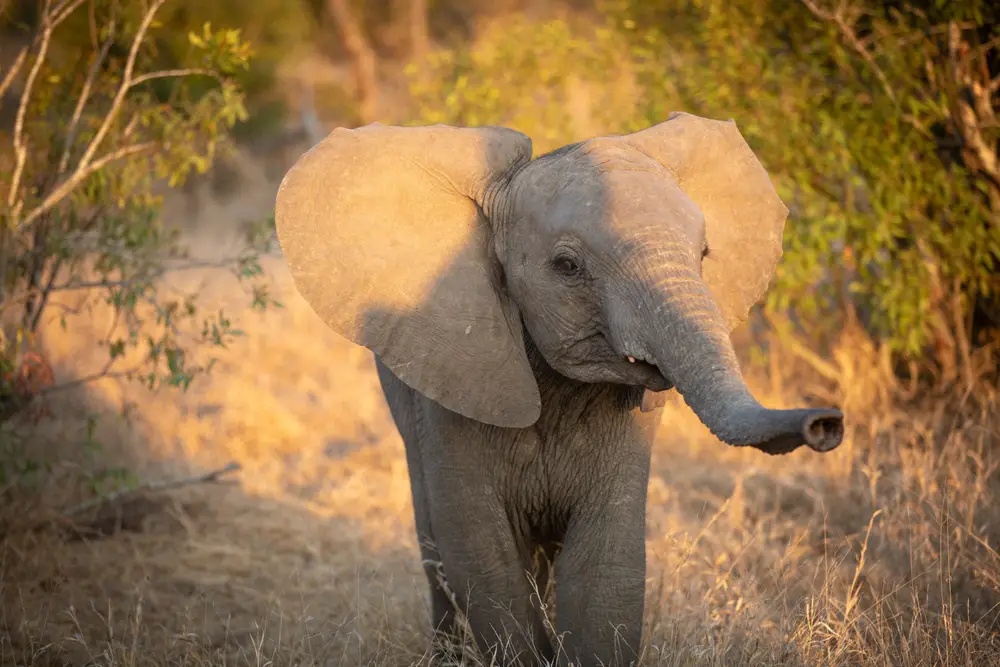
Elephants test perceived threats with dramatic mock charges—rushing forward with ears spread, trumpeting, and kicking up dust—while watching your reaction intently. These displays are designed to be terrifying, and the elephant is measuring whether you’ll hold your ground or flee. Running triggers a real charge because it signals you’re a threat that needs to be eliminated or prey to be pursued.
Wildlife guides in Africa are trained to stand completely still during elephant mock charges, even when the animal comes within yards at full speed. The elephant’s test is about dominance and threat assessment—if you don’t flee, you’ve demonstrated you’re not a threat worth expending energy on. Most tourist incidents occur when people panic and run, transforming a test into a genuine attack where the elephant follows through on its charge.
4. Hippos Open Their Mouths in Massive Yawn-Like Threats
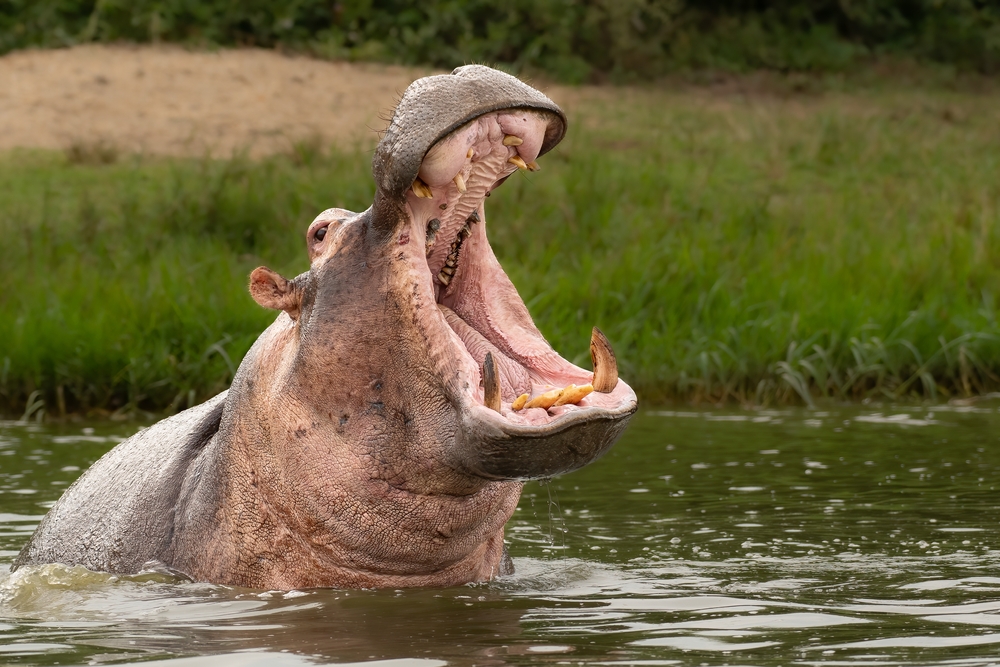
Hippos display their enormous mouths and tusks in what looks like yawning but is actually a direct threat and test of whether you’ll retreat from their territory. This mouth-gaping display can last several seconds, with the hippo watching to see if you back away or continue approaching. Ignoring this warning and continuing forward almost guarantees a charge, as you’ve failed the test by not respecting their boundary.
The mouth display is specifically testing whether you understand hippo communication and will submit to their territorial claim. Backing away slowly while maintaining distance usually satisfies the hippo that you respect its space, ending the encounter. Approaching during or after a mouth display signals that you’re challenging their territory, which triggers the aggressive charge that makes hippos one of Africa’s deadliest animals—you had clear warning and failed to respond appropriately.
5. Wolves Circle and Test for Weaknesses Before Committing

Wolves test potential prey or threats by circling, darting in and retreating, watching for signs of injury, fear, or vulnerability. They’re conducting a thorough assessment of your threat level and whether you’re worth the risk of attacking. This testing phase can last minutes, with wolves appearing and disappearing, gauging your awareness and defensive capability.
The wolves are specifically looking for fear responses, running, or turning your back—any of which signal you’re viable prey. Facing the wolves, making yourself large, making noise, and showing aggressive confidence usually causes them to disengage because you’ve demonstrated you’re not easy prey. People who panic and run during this testing phase transform themselves from potential threat into confirmed prey, triggering the pack’s attack coordination.
6. Cape Buffalo Will Stare You Down Before Charging
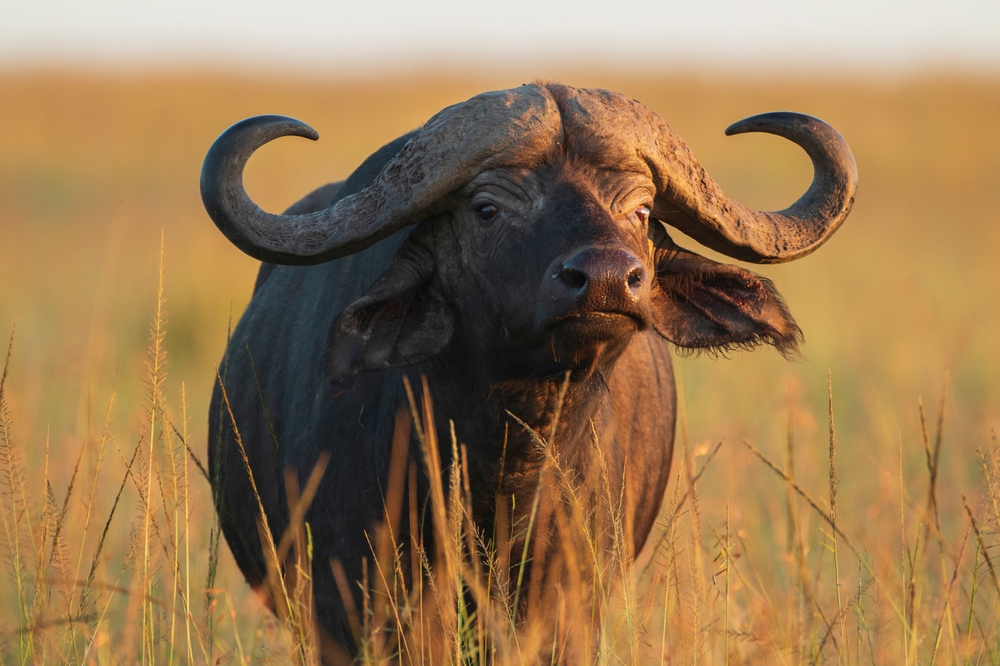
Cape buffalo engage in prolonged staring contests, watching for any sign of fear, aggression, or movement that justifies a charge. These animals are testing whether you’re a threat to the herd or something they need to eliminate. The staring can last uncomfortably long, with the buffalo standing motionless while evaluating your behavior and body language.
The buffalo is testing whether you’ll make sudden movements, show fear, or advance—any of which can trigger a charge from an animal that’s already killed hundreds of humans. Remaining calm, avoiding direct stares while keeping the buffalo in peripheral vision, and slowly backing away usually allows the buffalo to determine you’re not a threat. Sudden movements, running, or aggressive gestures fail the test spectacularly, as cape buffalo are notoriously aggressive and will charge with deadly intent once they’ve decided you’re a problem.
7. Moose Lower Their Ears and Raise Hackles as a Warning
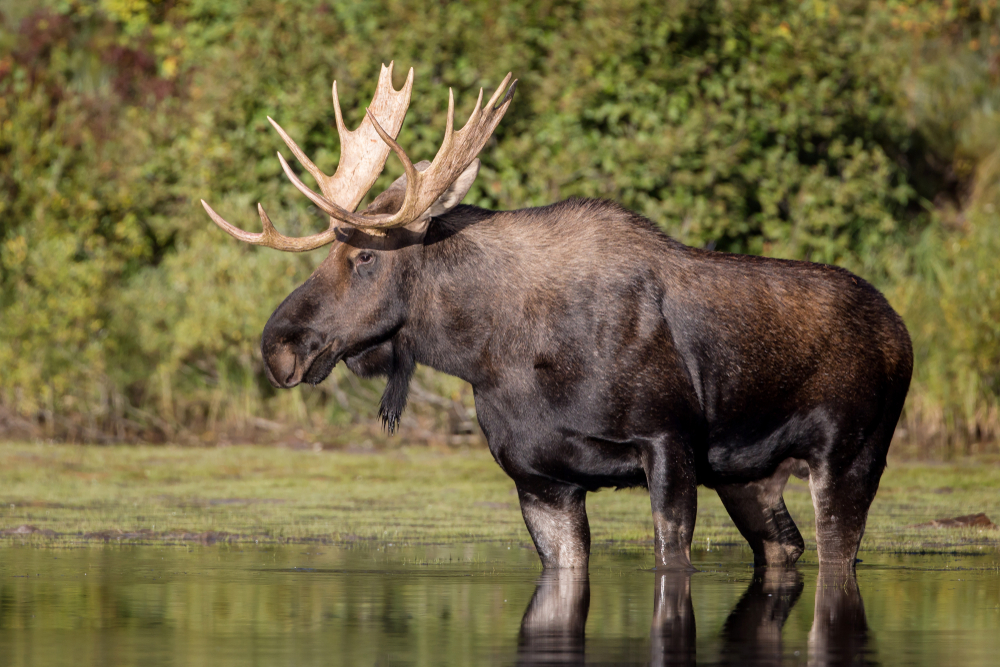
Moose test whether you’re a threat by displaying warning signs—ears laid back, hackles raised, licking lips, and direct staring—while watching your response. These signs are the moose asking if you’re going to respect their space or if they need to teach you with a charge. Most people don’t recognize these warnings and continue approaching, especially during rutting season or when cows have calves.
The moose is giving you a clear opportunity to retreat before escalating to physical confrontation. Backing away slowly, moving behind trees to break line of sight, and creating distance usually satisfies the moose that you’re not a threat. People who misinterpret these warnings as the moose just “standing there” and continue approaching fail the test and get charged by an animal that can easily kill with its hooves and weight.
8. Swans Hiss and Arch Their Wings Before Attacking
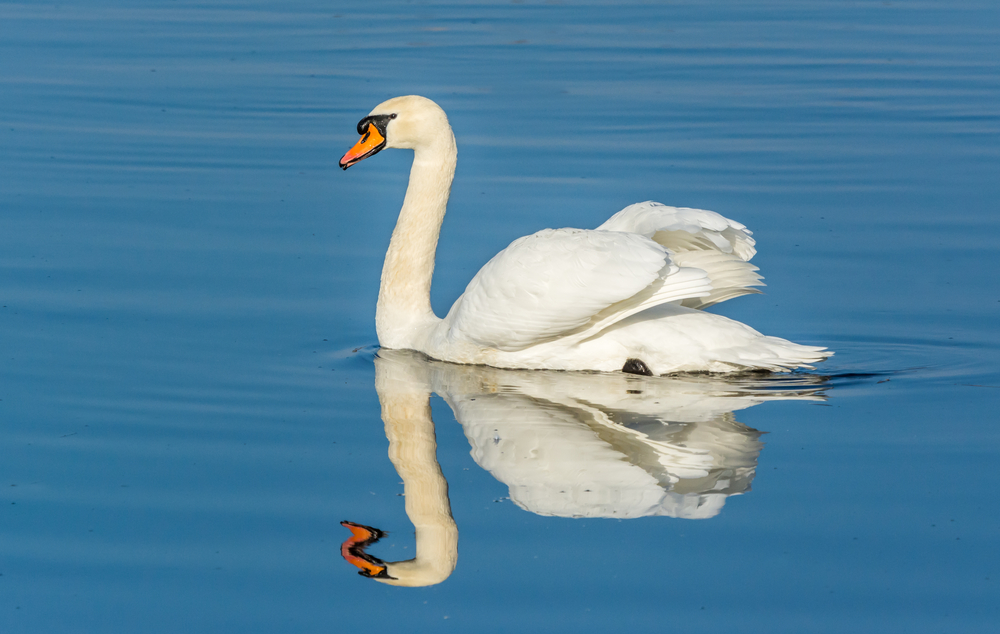
Swans perform elaborate threat displays—hissing, arching their wings above their backs, and swimming directly toward you—to test if you’ll leave their territory. This display is specifically designed to be intimidating, and the swan is watching to see if you’ll retreat or challenge them. Remaining in their space after this warning almost guarantees an attack, as you’ve demonstrated you don’t respect their boundaries.
The wing-arching display is the swan’s formal test of whether you understand avian threat communication. Leaving the area immediately usually ends the encounter, while staying or approaching triggers genuine attacks where swans use their powerful wings to strike and can break bones. Tourists who think the display is “cute” or photo-worthy and remain in the area fail the test and get beaten by an animal whose aggression they fundamentally misread.
9. Venomous Snakes Coil and Rattle Before Striking
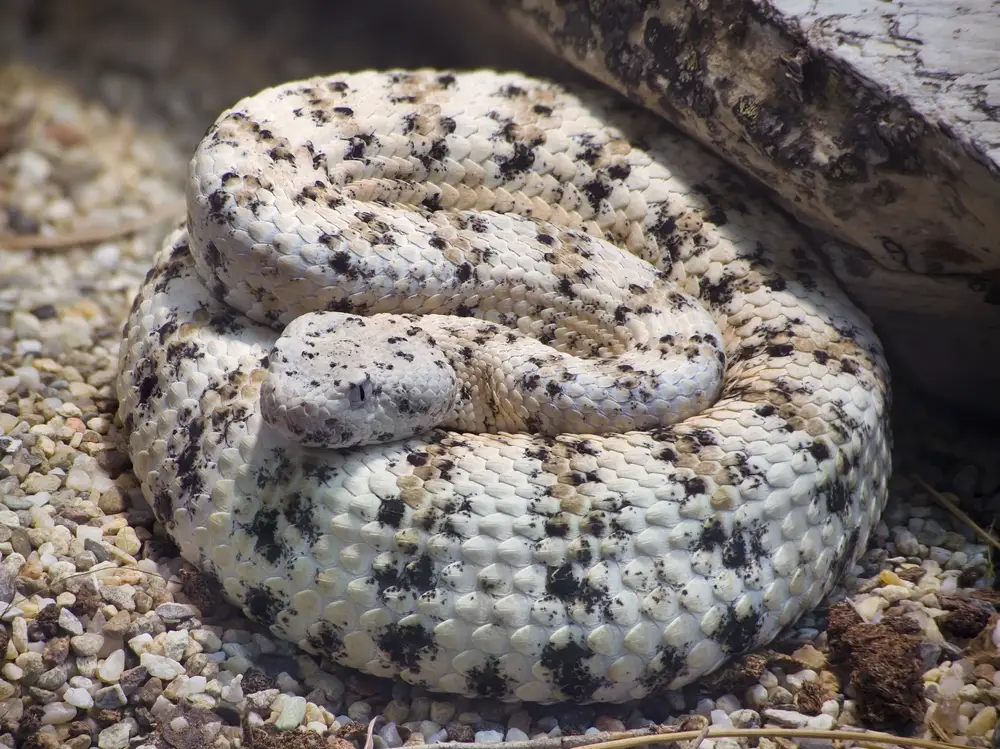
Rattlesnakes and other pit vipers coil into striking position and provide audible or visual warnings, testing whether you’ll retreat or force them to use their venom defensively. The rattle or hiss is specifically asking you to leave so they don’t have to waste precious venom on something they can’t eat. Snakes prefer to save venom for prey, and the warning is giving you the option to pass the test by backing away.
The coiled position is the snake’s readiness stance, and continuing to approach or making sudden movements fails the test by forcing a defensive strike. Freezing, then slowly backing away while watching where you step, allows the snake to determine you’re not a threat and usually ends the encounter peacefully. Most snake bites occur when people either didn’t see the warning or ignored it and continued approaching, forcing the snake to defend itself.
10. Chimpanzees Display and Vocalize Before Attacking
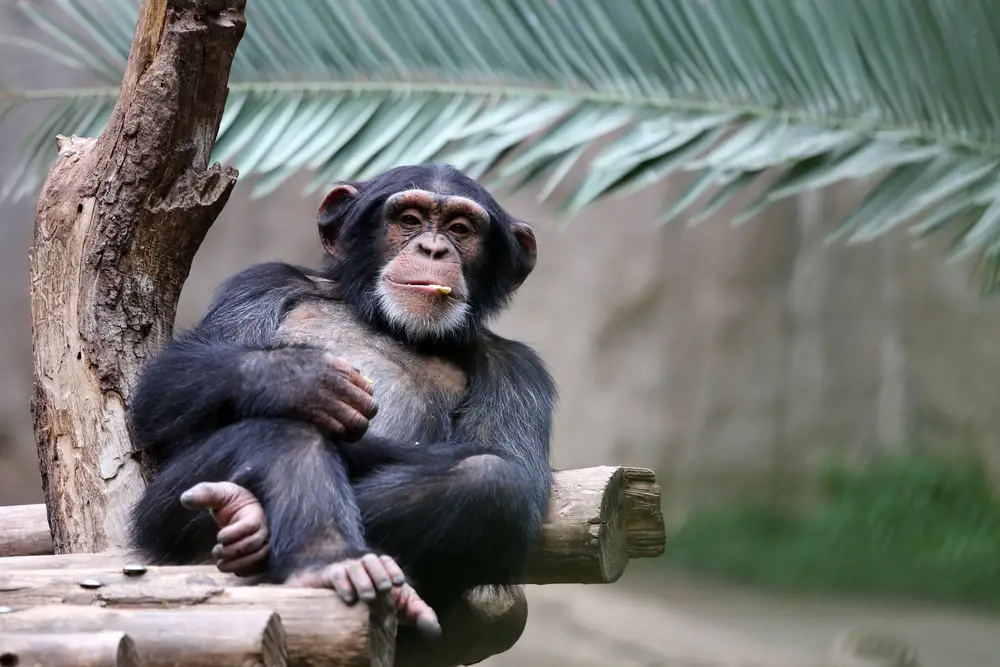
Chimpanzees test potential threats with aggressive displays—screaming, charging partway, throwing objects, and aggressive vocalizations—while watching your response carefully. These displays are designed to terrify and the chimps are measuring whether you’ll submit or challenge them. In sanctuaries and the wild, chimps have attacked people who didn’t respond appropriately to these warning displays.
The display is specifically testing whether you understand primate dominance communication and will show submission through looking away, making yourself smaller, and backing down. Maintaining direct eye contact, standing tall, or showing aggression fails the test catastrophically, as chimps have strength five times that of adult humans and will attack viciously once they determine you’re challenging them. Most serious chimp attacks on humans occurred after people misread or ignored these clear warning displays.
11. Alligators Approach Slowly While Evaluating Prey Potential
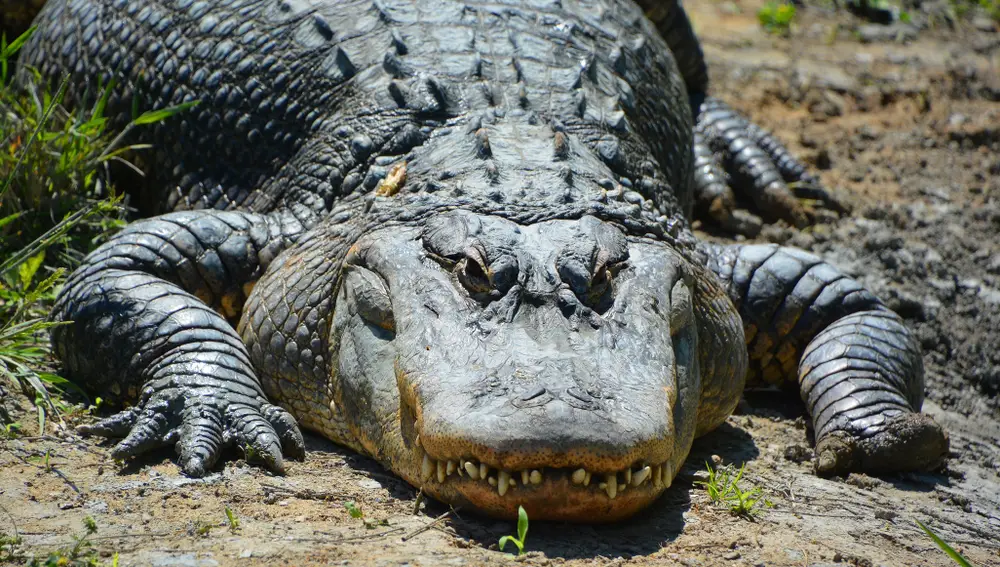
Alligators conduct subtle tests by swimming closer, changing angles, and watching for reactions before committing to an attack. They’re testing whether you notice them, how you react to their approach, and whether you display awareness or vulnerability. This testing phase can last several minutes as the alligator gathers information about whether you’re viable prey.
The alligator is specifically watching for prey behaviors—being unaware, having your back turned, or moving in ways that suggest injury or distraction. Facing the alligator, backing away from the water’s edge, and making noise usually causes it to disengage because you’ve demonstrated awareness. People attacked by alligators typically failed to notice the approach or ignored the animal’s presence, signaling to the alligator that they were unaware prey worth attacking.
12. Gorillas Beat Their Chests and Charge Partway
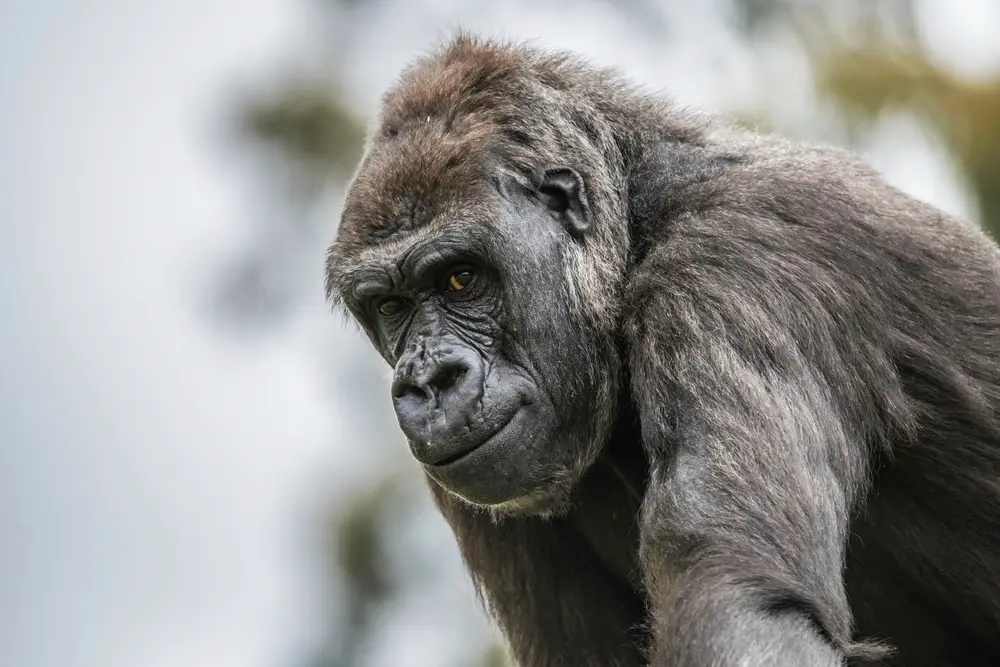
Silverback gorillas perform chest-beating displays and partial charges toward perceived threats, testing whether you’ll show submission or challenge their authority. These displays are specifically designed to be intimidating, complete with vocalization and aggressive movement. The gorilla is measuring your response to determine if you understand their social hierarchy and will respect it.
The test requires specific submission behaviors—looking down or away, crouching to appear smaller, and remaining still and quiet. Making eye contact, standing tall, or showing any signs of aggression fails the test and can trigger a genuine charge from an animal with incredible strength. Tourism encounters with gorillas include extensive training on how to pass these tests because misreading them results in serious injuries from animals that gave clear warnings.
13. Wild Boars Grunt and Paw the Ground Before Charging
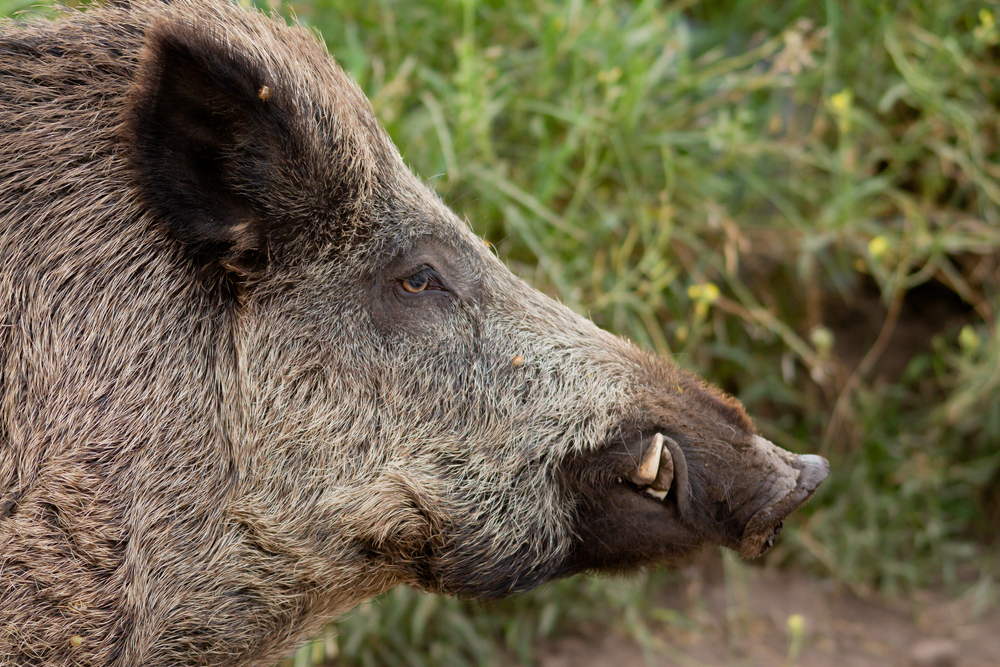
Wild boars and feral hogs perform threat displays including loud grunting, pawing or scraping the ground, and lowering their heads to show tusks—all while watching your reaction. They’re testing whether you’ll retreat or whether they need to defend their space or young aggressively. Boars travel in groups, and the testing behavior often comes from multiple animals simultaneously, creating intense pressure to respond correctly.
The display is asking if you’re going to respect their space or force a confrontation. Backing away slowly, making noise, and creating distance usually ends the encounter because you’ve passed by acknowledging the warning. Approaching, running, or showing aggression fails the test and triggers charges from animals with dangerous tusks and surprising speed—most boar injuries occur when people misread these clear warning signs as animals “just standing there.”
14. Cassowaries Make Low Booming Sounds and Approach Directly
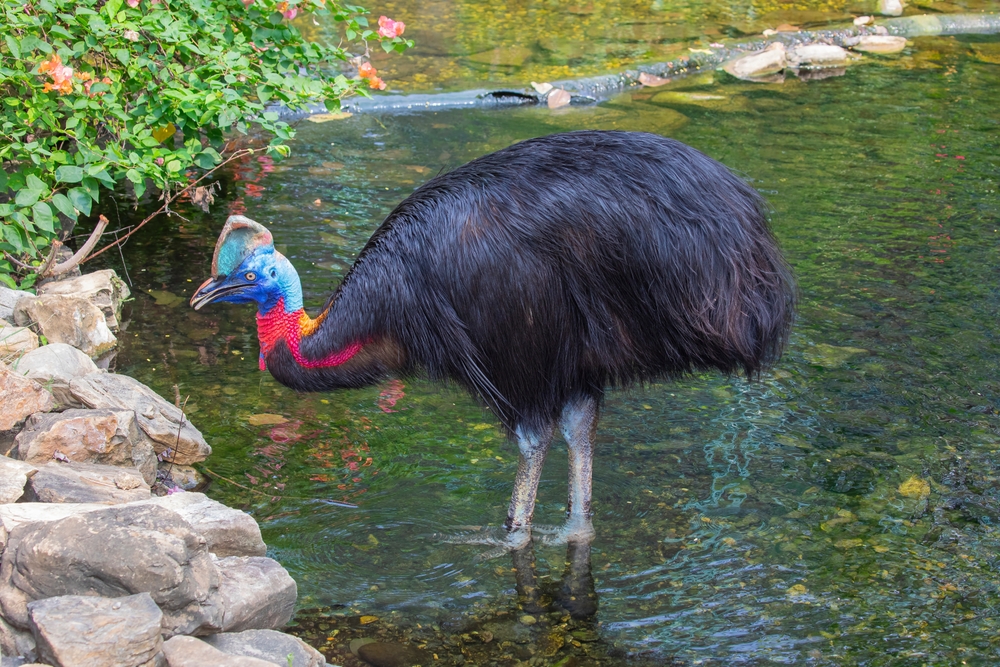
Cassowaries issue low-frequency booming sounds and walk directly toward perceived threats, testing whether you’ll leave their territory. These massive flightless birds are testing your awareness and willingness to submit to their territorial claim. The approach is deliberate and measured, with the bird watching your response to determine if escalation is necessary.
The cassowary’s test requires you to back away without running, as running can trigger their chase response. Maintaining distance, moving sideways rather than directly away, and avoiding sudden movements usually satisfies the bird that you’re leaving. People who stand their ground, try to photograph the bird, or make aggressive movements fail the test and get attacked by an animal whose kick can disembowel a human—the warning approach gave a clear opportunity to avoid this outcome.
15. Komodo Dragons Follow at a Distance Before Deciding
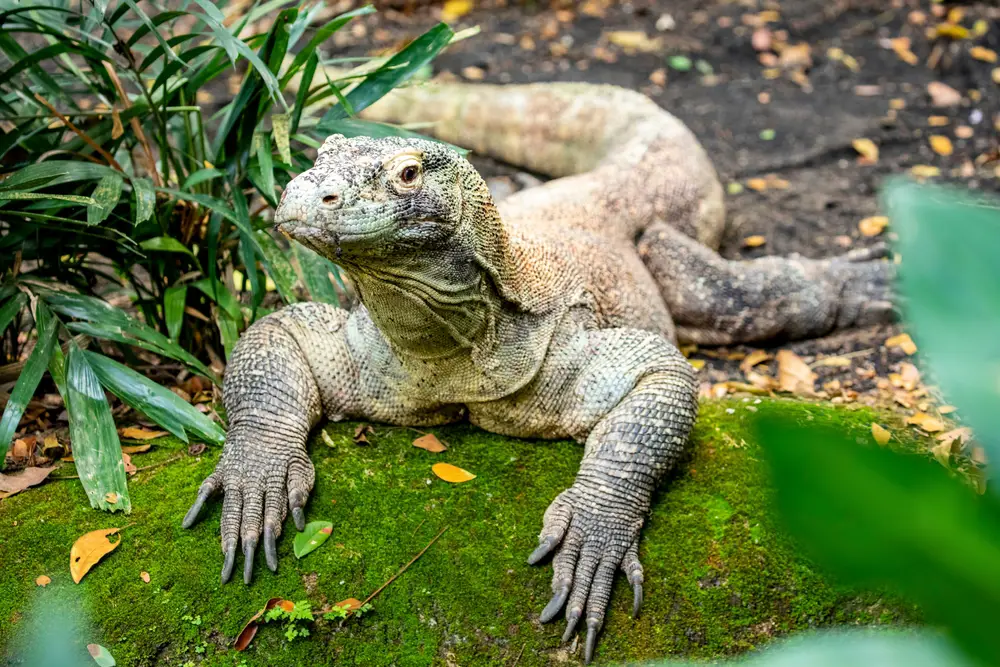
Komodo dragons test potential prey by following at a distance, watching for signs of weakness, injury, or inattention. They’re conducting an extended assessment of whether you’re worth attacking or too healthy and aware to be easy prey. This following behavior can last extended periods as the dragon gathers information about your capabilities and awareness level.
The dragon is specifically testing whether you notice you’re being followed and how you react to its presence. Facing the dragon, making yourself large, making noise, and maintaining awareness usually causes them to give up because you’ve demonstrated you’re alert and not easy prey. Tourists who ignore or are unaware of dragons following them have been attacked because they passed the test as viable prey—unaware and vulnerable enough to justify the energy expenditure of an attack.