
The concept of reincarnation typically lives in philosophical and religious discussions about human consciousness and souls. But a small group of researchers studying animal cognition and behavior have documented cases that challenge materialist explanations—instances where animals display knowledge, skills, or reactions to places and people they couldn’t possibly have encountered in their current lives. These aren’t folklore or New Age fantasies; they’re documented observations from credentialed researchers, veterinarians, and animal behaviorists who’ve encountered phenomena that standard learning theory and genetics can’t adequately explain. The cases raise world-shattering questions about consciousness, memory, and whether death represents the absolute endpoint that science assumes it does.
1. Elephants Avoiding Specific Locations of Ancestral Deaths
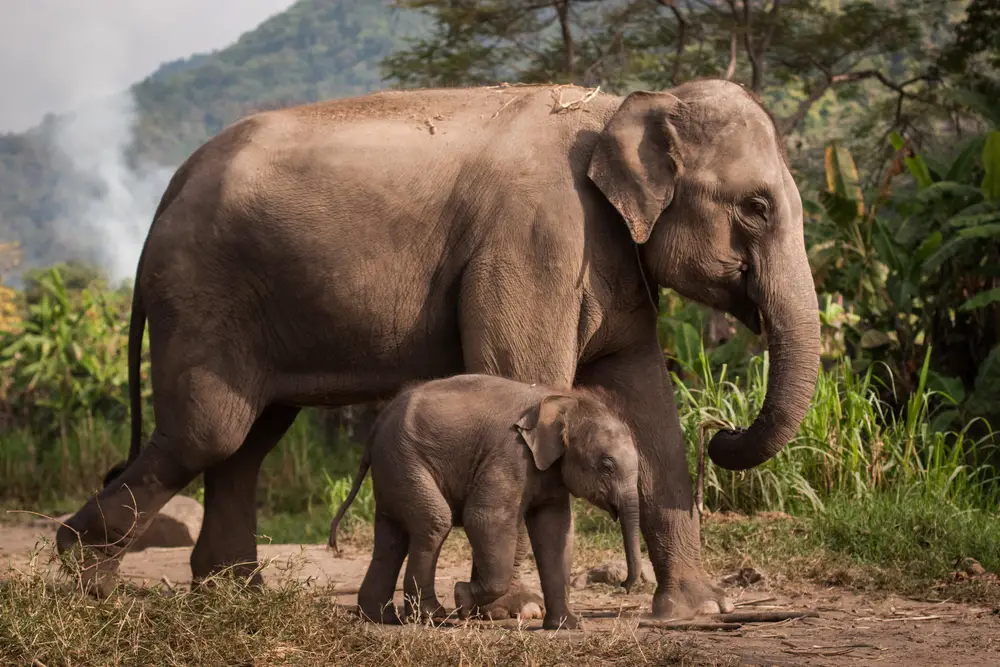
Researchers studying elephant populations in Kenya and Tanzania have documented herds avoiding specific locations where family members died decades before current herd members were born. Dr. Cynthia Moss, who’s studied Amboseli elephants for over 40 years, recorded instances where elephants born after 1990 avoid specific watering holes where their great-grandmothers died in the 1970s drought, information they couldn’t have learned from living relatives. The elephants display visible distress approaching these locations despite never experiencing trauma there personally and having no living herd members old enough to remember the original deaths.
The behavior suggests information transfer beyond observable learning—young elephants show fear and avoidance of locations that were dangerous 20 to 40 years before their births. Standard explanations involving scent, environmental cues, or learned behavior from elders fail because the elephants were born after all witnesses died and the locations show no current danger. Some researchers studying these cases suggest the simplest explanation—that elephants somehow access memories of deaths they didn’t personally experience—challenges Western scientific frameworks about consciousness and memory being strictly individual and ending at death.
2. Dogs Recognizing “Former” Owners They’ve Never Met

Veterinary behaviorist Dr. Ian Dunbar documented cases where rescue dogs display immediate, intense recognition of people they’ve never encountered, behaving as if reuniting with beloved family members. In one case, a rescue Labrador met an elderly woman at a shelter and immediately performed a specific trick—rolling over then presenting the right paw—that the woman’s dog who died three years earlier, used to do, a behavior the rescue hadn’t been taught. The dog’s previous owner confirmed it had never performed that trick, and the behavior emerged only upon meeting this specific stranger.
Dunbar and colleagues, who study these phenomena, can’t explain them through standard learning mechanisms—the dogs haven’t been trained in these behaviors, haven’t encountered these people, yet display knowledge and emotional responses suggesting prior relationships. The cases occur frequently enough that shelter workers recognize the pattern but rarely discuss it publicly fearing ridicule. The recognition behaviors include specific tricks, greeting rituals, and emotional responses that appear instantaneously upon meeting specific people, suggesting either consciousness surviving death and inhabiting new bodies or information transfer through mechanisms science hasn’t identified.
3. Horses Remembering Riding Techniques They’ve Never Learned
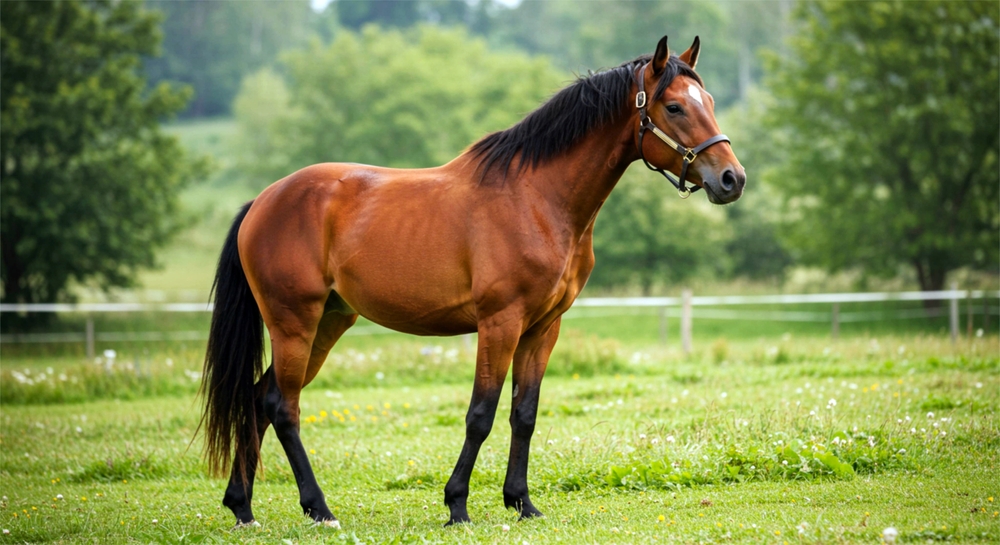
Equestrian trainers working with young horses report occasional individuals who immediately understand and execute advanced maneuvers they’ve never been taught, performing at levels requiring years of training. Dr. Marthe Kiley-Worthington, who studied horse cognition for decades, documented cases of yearlings responding correctly to voice commands in languages they’ve never heard and executing dressage movements they’ve never been shown. One particularly documented case involved a two-year-old gelding that performed a perfect flying lead change—an advanced maneuver taking years to learn—the first time a rider requested it, despite having only basic walk-trot training.
Standard explanations involving exceptional learning ability or genetic memory fail because the horses are demonstrating learned skills, not instinctive behaviors, and they’re responding to arbitrary human-invented cues they couldn’t have genetic knowledge of. The trainers who experience these cases often believe they’re working with horses who were trained in previous lives, though they rarely discuss it openly. The phenomenon challenges the understanding of how skills and knowledge are acquired and retained, suggesting either transgenerational memory transfer through unknown mechanisms or consciousness continuity across lifetimes.
4. Cats Finding Homes Hundreds of Miles Away
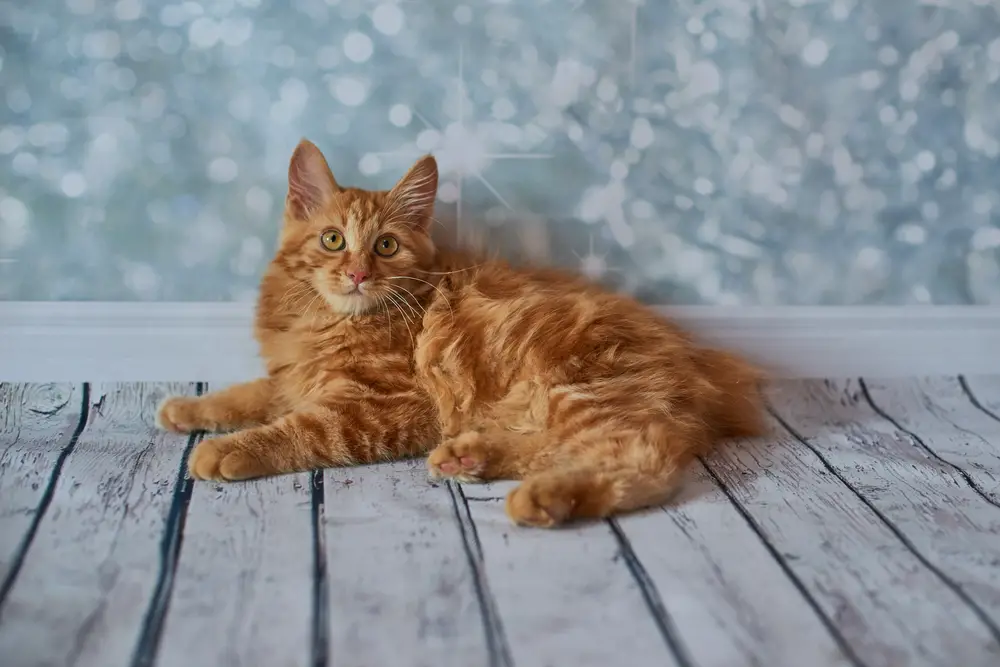
Researchers studying homing behavior have documented cases where cats find their way to new homes their families moved to after the cat disappeared, traveling hundreds of miles to locations they’d never been. Dr. Joseph Rhine at Duke University’s parapsychology lab investigated cases where cats missing from old addresses appeared at new addresses 200 to 400 miles away, locations the cats had never visited. The navigation feat that seems impossible through known sensory mechanisms becomes more mysterious in cases where the cat arrives at the new home after dying at the old location—families report cats appearing at new addresses with markings and behaviors identical to deceased pets.
The cases that involve apparent reincarnation are dismissed as wishful identification or coincidence, yet the specific markings, behaviors, and timing—often appearing within weeks of the original cat’s death—create patterns beyond statistical probability. Rhine’s successors who continue documenting these cases, note that the cats don’t just look similar; they display specific quirks, respond to former names, and show knowledge of family routines. The homing behavior itself suggests consciousness or awareness extending beyond known sensory capabilities, and the cases involving apparent reincarnation push that further toward consciousness surviving bodily death.
5. Birds Displaying Species-Inappropriate Vocalizations
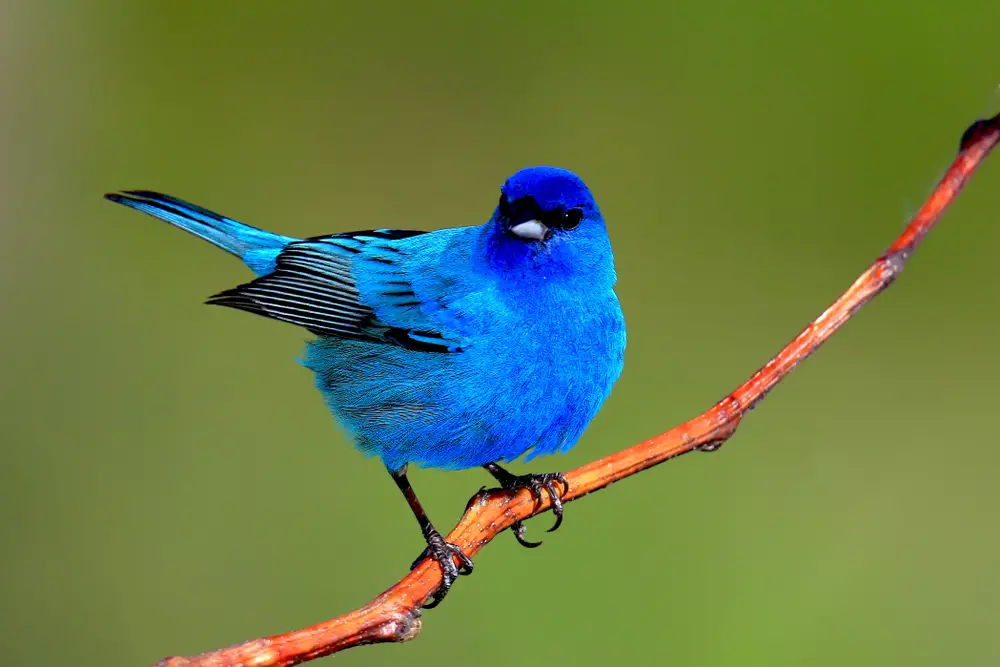
Ornithologists studying songbirds occasionally encounter individuals producing songs from entirely different species, songs they couldn’t have learned from parents or neighbors. Dr. Peter Marler documented cases of young birds raised in acoustic isolation producing perfect songs from species they’d never encountered, including extinct dialect variations not heard in decades. One famous case involved a white-crowned sparrow raised in complete isolation producing the exact song pattern of a dialect that had disappeared from the region in the 1940s, 60 years before the bird’s birth.
Standard explanations involving genetic encoding fail because birdsong is known to be learned, not inherited, and these birds are producing learned songs from species or populations they couldn’t have encountered. The cases where young birds produce extinct dialect variations are particularly challenging—they’re singing songs no living bird knows, suggesting access to information that exists nowhere in the current environment. Some researchers studying these anomalies suggest the least complicated explanation is that consciousness sometimes retains and expresses information from previous existences, though this interpretation remains professionally risky to voice publicly.
6. Dolphins Performing Coordinated Behaviors With New Pods
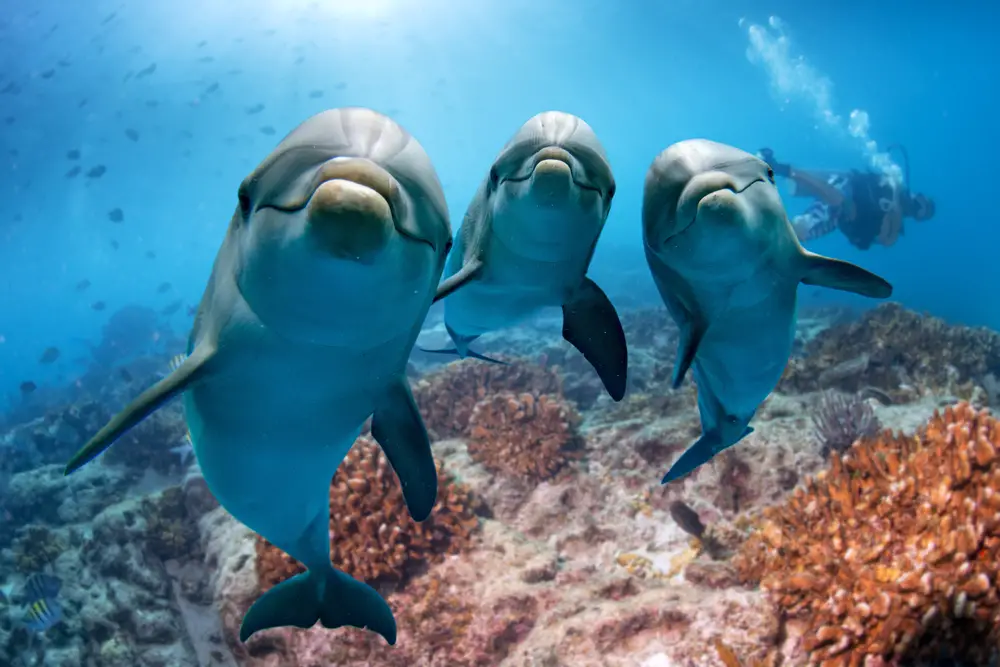
Marine biologists studying dolphin populations report cases where individuals integrate into new pods and immediately participate in complex coordinated hunting strategies unique to that pod, behaviors requiring months or years to learn. Dr. Denise Herzing, who’s studied Atlantic spotted dolphins for 30+ years, documented a young male who joined a Bahamian pod and immediately executed their specific hunting technique—using sand to stun fish—despite coming from a population that doesn’t use this method. The dolphin performed the technique perfectly on first attempt, something even dolphins raised in the pod require extensive practice to master.
The behavior suggests either remarkably rapid learning far beyond known dolphin capabilities or prior knowledge of techniques the dolphin couldn’t have learned in its current life. Similar cases appear regularly in dolphin research but are typically attributed to “exceptional intelligence” without explaining how that intelligence translates to perfect execution of never-observed complex behaviors. The researchers who witness these cases sometimes privately speculate about consciousness continuity but publicly attribute observations to unknown learning mechanisms to avoid career-damaging associations with reincarnation theories.
7. Chimpanzees Solving Problems Through “Insight” With No Trial and Error
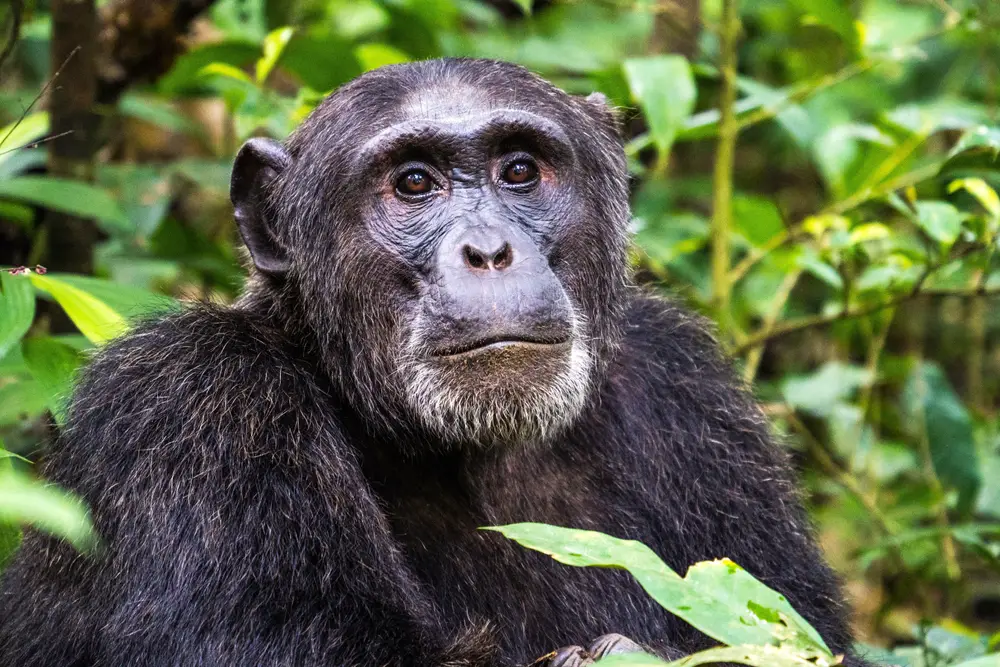
Primatologists studying chimpanzee problem-solving occasionally encounter individuals who solve novel problems instantly without trial-and-error learning, as if accessing previously acquired knowledge. Dr. Christophe Boesch documented cases in Tai Forest where young chimps demonstrated tool-use techniques on first attempts that others in the group took months to learn through observation and practice. One juvenile female used a specific two-stone anvil technique for cracking nuts that had been used by a deceased elder but hadn’t been seen in the group for five years since that individual’s death—the young chimp wasn’t born when the technique was last performed.
The instant acquisition of complex skills that typically require extensive practice suggests knowledge transfer beyond observable social learning. The chimps aren’t gradually learning through trial and error; they’re performing complex multi-step techniques perfectly on first attempt. Standard explanations involving exceptional observation or intelligence don’t account for knowledge of techniques not performed during the chimp’s lifetime. The cases force uncomfortable questions about whether consciousness and acquired knowledge might survive individual death and re-emerge in new individuals.
8. Octopuses Displaying Learned Behaviors in Isolated Populations
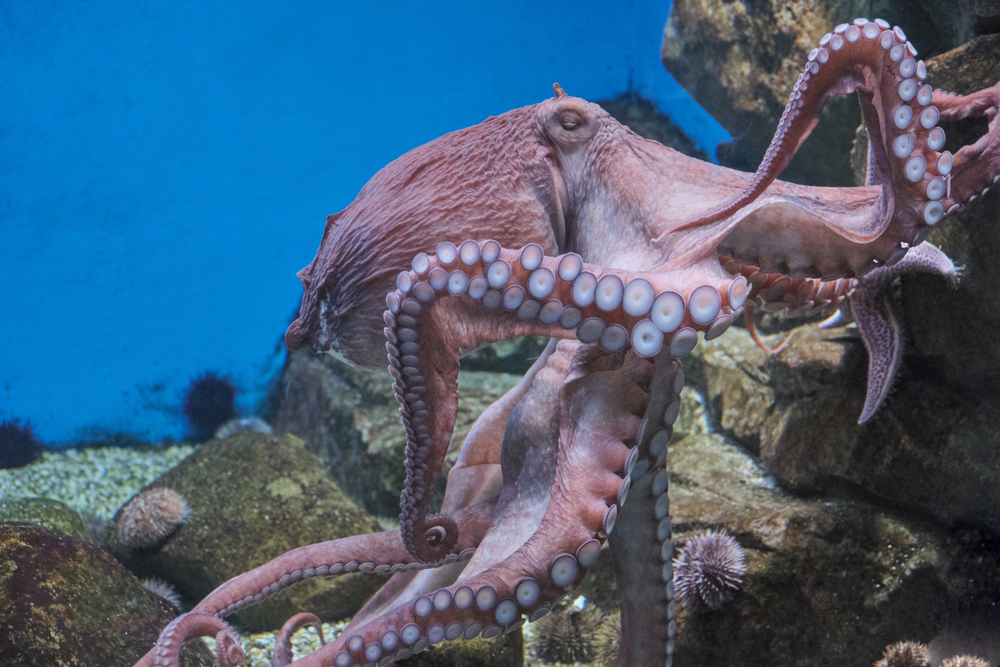
Marine researchers studying octopus intelligence have documented behaviors spreading through populations with no contact, suggesting information transfer beyond known communication methods. Dr. Jennifer Mather observed octopuses in isolated tide pools solving identical novel problems using identical techniques simultaneously, despite no possible contact between populations. The behaviors involve learned problem-solving, not instinct, and appear suddenly across isolated populations rather than spreading gradually through contact and observation.
One particularly striking case involved coconut-carrying behavior appearing simultaneously in Indonesian populations separated by hundreds of miles of unsuitable habitat, eliminating contact-based learning. The octopuses were using tools in identical ways despite no possible observation or communication. Researchers studying these phenomena struggle to explain synchronous appearance of learned behaviors in isolated populations through standard mechanisms. Some privately suggest the least complicated explanation involves consciousness or information existing beyond individual organisms, though this interpretation rarely appears in published work due to professional pressure to maintain materialist frameworks.
9. Parrots Speaking Words in Context They Couldn’t Have Learned
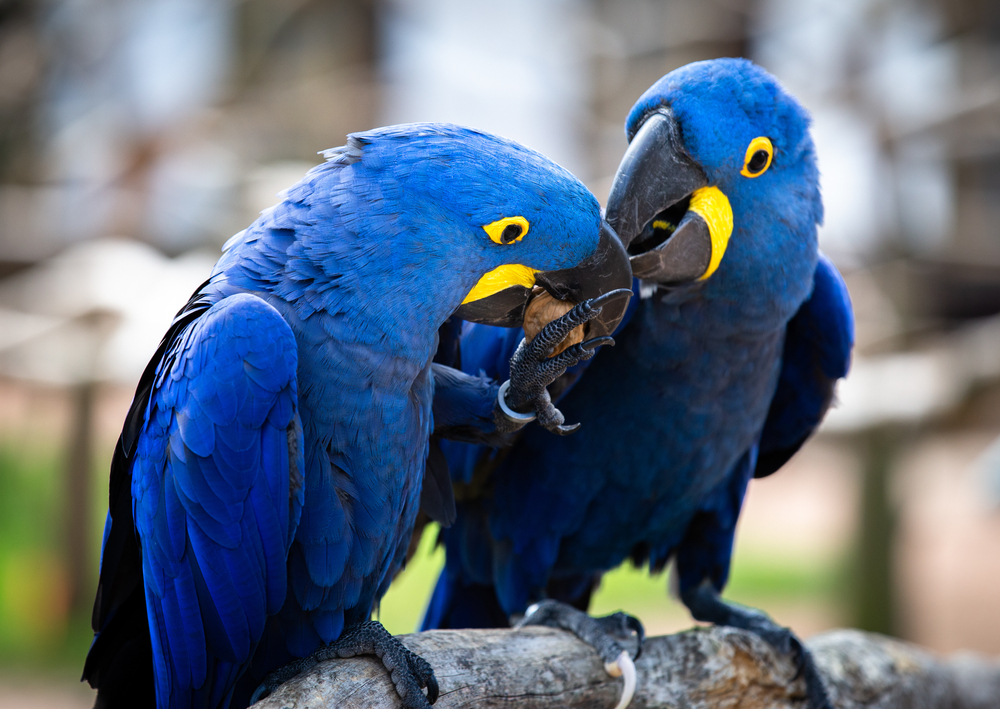
Avian researchers report cases where parrots speak specific phrases in appropriate contexts despite never being taught those words or contexts. Dr. Irene Pepperberg, famous for work with Alex the African Grey, documented cases of young parrots in laboratory settings producing contextually appropriate phrases in languages researchers weren’t using around them. One case involved a young parrot saying “I love you” in German to a visiting researcher who spoke German, despite the lab environment being entirely English-speaking and the phrase never having been modeled.
The contextually appropriate use of never-taught phrases suggests either telepathic abilities or memory of previous language exposure, both of which challenge standard cognitive models. The parrots aren’t randomly mimicking sounds; they’re using complex phrases appropriately in contexts where those phrases haven’t been modeled. Standard explanations involving exceptional mimicry fail because the phrases were never available to mimic. Researchers who document these cases struggle with explanations, with some suggesting consciousness might access information beyond current life experience.
10. Wolves Displaying Pack Behaviors in First-Generation Captive Breeding
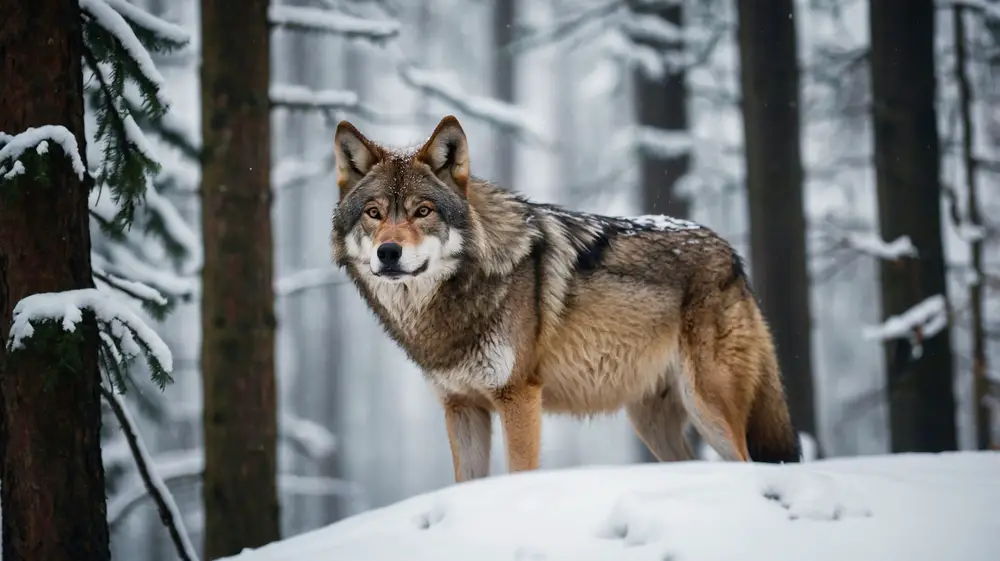
Researchers working with first-generation captive wolves observe pack hierarchy and hunting coordination behaviors emerging without any adult wolves to model them. Dr. David Mech documented cases where wolves born and raised entirely in captivity with no wild wolf contact displayed complex coordinated hunting strategies and pack social structures they couldn’t have learned. The behaviors involve sophisticated cooperation and communication that typically requires extensive social learning from experienced pack members.
The emergence of complex social behaviors in wolves raised without models suggests either strong genetic programming for behaviors thought to be learned or access to information beyond individual experience. The coordination and timing of these behaviors is too specific and complex to attribute solely to instinct. Some researchers studying these cases suggest young wolves might access collective information from their species, a concept that edges toward consciousness existing beyond individual animals and being accessible across generations.
11. Migratory Birds Finding Destinations They’ve Never Visited

While bird migration is known to involve magnetic sense and other navigational abilities, researchers document cases where hand-raised birds with no adult contact navigate perfectly to species-specific wintering grounds they’ve never been shown. Dr. Peter Berthold studied hand-raised warblers that migrated to the exact African locations their wild-born parents used, despite being raised in Germany by humans with no contact with adult birds. The navigation isn’t just directional; they’re finding specific wintering sites among thousands of square miles of suitable habitat.
Standard explanations involving genetic programming for direction fail to explain precision navigation to specific locations chosen by culture rather than encoded genetically. The birds aren’t just flying south; they’re finding particular groves and feeding areas used by their population for generations. Some researchers propose that navigation involves accessing species-level information or consciousness that exists beyond individual birds, allowing first-generation hand-raised birds to access generations of navigational knowledge without any possible conventional learning.
12. Rescue Animals Displaying Breed-Specific Skills With No Training

Animal behaviorists working in shelters report cases where mixed-breed rescues display perfect breed-specific working behaviors they’ve never been taught—herding dogs who’ve never seen livestock executing perfect herding moves, retrievers with perfect soft-mouth retrieves despite no training. Dr. Temple Grandin documented cases of shelter dogs with unknown histories performing breed-specific tasks at levels suggesting extensive training, yet their backgrounds confirmed no such training occurred. One case involved a Border Collie mix from a hoarding situation who had never seen livestock, executing textbook herding patterns on sheep on first exposure.
The perfect execution of complex learned behaviors without training suggests either remarkably strong genetic behavioral programming or individuals accessing memories of training from previous existences. Standard explanations attribute this to “genetic memory” or instinct, but the behaviors are too specific and refined to be purely instinctive—they represent learned skills executed with the precision of trained working dogs. Researchers who observe these cases frequently suggest the simplest explanation might be that consciousness and acquired skills sometimes carry across lifetimes, though this interpretation remains on the fringe of acceptable scientific discourse despite being the most parsimonious explanation for otherwise inexplicable observations.