
Humans pride themselves on intelligence, tool use, and problem-solving abilities that supposedly separate us from the animal kingdom. But watch closely and you’ll see animals routinely outmaneuvering human efforts to control, contain, or predict them using cognitive strategies and solutions we didn’t anticipate and often can’t counter even after recognizing them. These aren’t occasional flukes or accidents; they’re systematic demonstrations of animal intelligence solving human-created problems in ways that reveal our assumptions about cognitive superiority are dangerously wrong. The animals aren’t just adapting to human presence—they’re actively exploiting human behavioral patterns, technological limitations, and cognitive blind spots with sophistication that forces researchers to continually revise their estimates of animal intelligence.
1. Crows Understanding Traffic Patterns to Crack Nuts
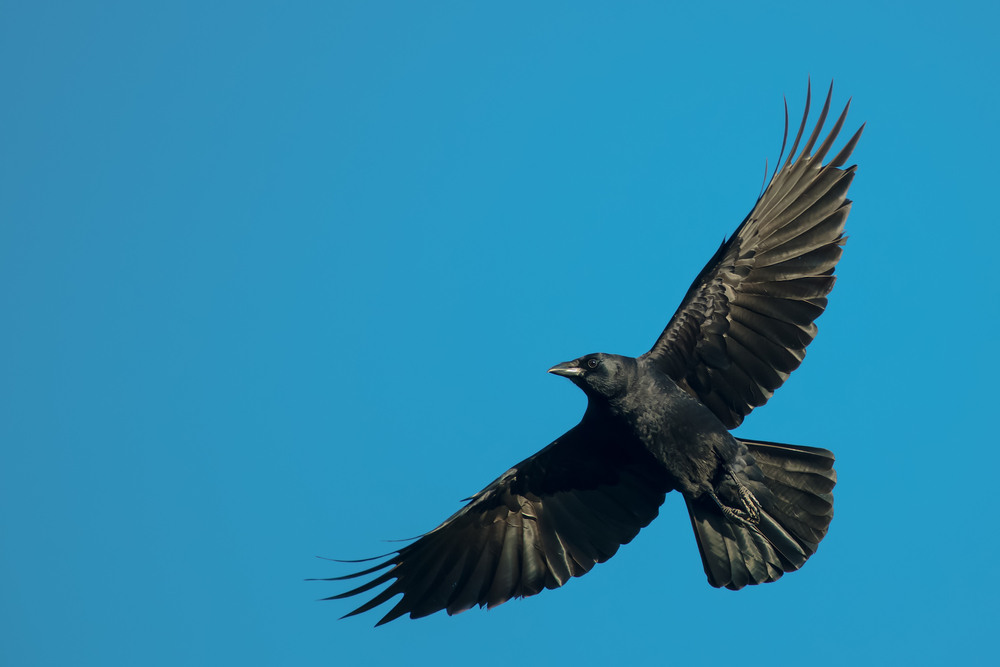
Crows in Japan and the Pacific Northwest have learned to place hard-shelled nuts in crosswalks, wait for red lights to stop traffic, then retrieve the cracked nuts during the walk signal when it’s safe. This isn’t random—researchers have documented crows specifically choosing crosswalks over regular road sections and timing their nut placement and retrieval to traffic light cycles. The behavior requires understanding that cars crush nuts, that traffic follows predictable patterns controlled by lights, and that specific timing windows provide safe retrieval opportunities—multi-step logical reasoning about human systems that most humans themselves couldn’t articulate clearly.
The sophistication extends to crows teaching this behavior to offspring and refining techniques across generations, with some populations now preferring specific intersection types based on traffic volume and light timing. Researchers studying the behavior find crows adjust placement locations based on nut size and shell hardness, demonstrating they understand the physics of how different vehicles affect different nuts. The crows have reverse-engineered human traffic control systems and exploit them daily for food processing, using human infrastructure more cleverly than many humans use it themselves while demonstrating planning, patience, and understanding of mechanical advantage that challenges assumptions about what qualifies as intelligence.
2. Rats Navigating “Foolproof” Maze Traps Through Scent Mapping
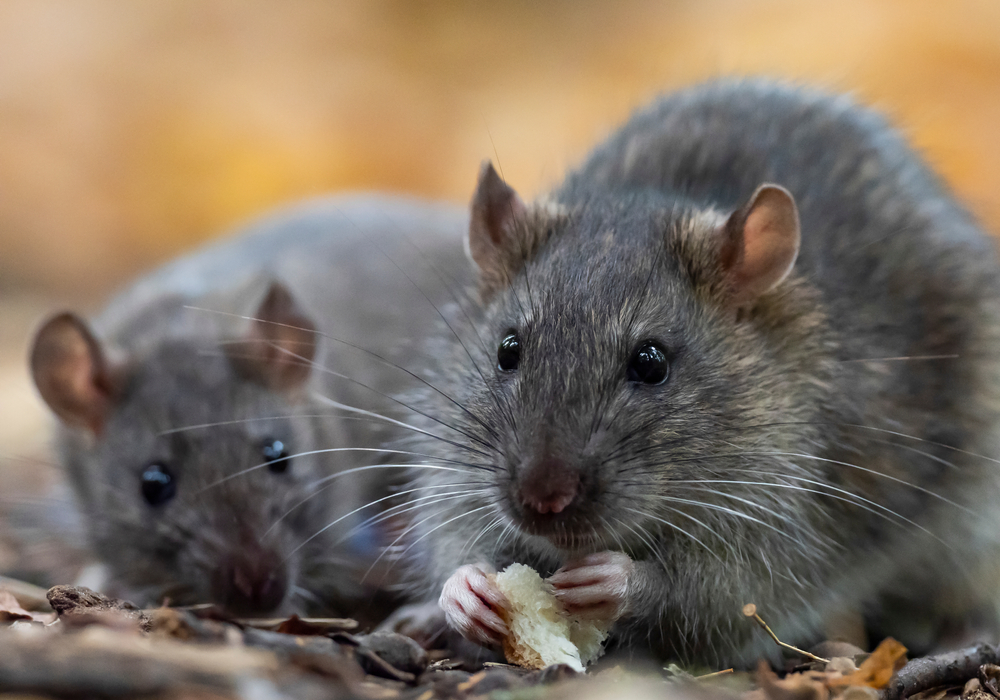
Pest control companies design increasingly complex trap systems, assuming rats navigate spatially like humans do, but rats actually create olfactory maps far more sophisticated than human visual-spatial ones. Rats encountering maze traps leave scent markers that communicate to other rats not just “danger here” but specific information about trap types, bait safety, and successful navigation routes around hazards. The chemical communication system operates at complexity levels humans can’t perceive, allowing rat communities to collectively solve trap mazes that should theoretically be impossible for individual rats to navigate.
Researchers testing trap effectiveness find that rat populations solve novel trap configurations in days through collective scent-mapping that shares information across individuals who never directly encounter each other. The rats aren’t just avoiding traps through caution; they’re creating detailed chemical maps that describe safe routes, dangerous areas, and successful food access paths in spatial detail exceeding what human visual maps provide. The intelligence is distributed across the population through chemical communication, creating collective problem-solving that defeats trap systems designed assuming individual rats with limited learning and no communication—assumptions that dramatically underestimate actual rat cognitive and social capabilities.
3. Octopuses Disabling Aquarium Equipment From Inside Tanks
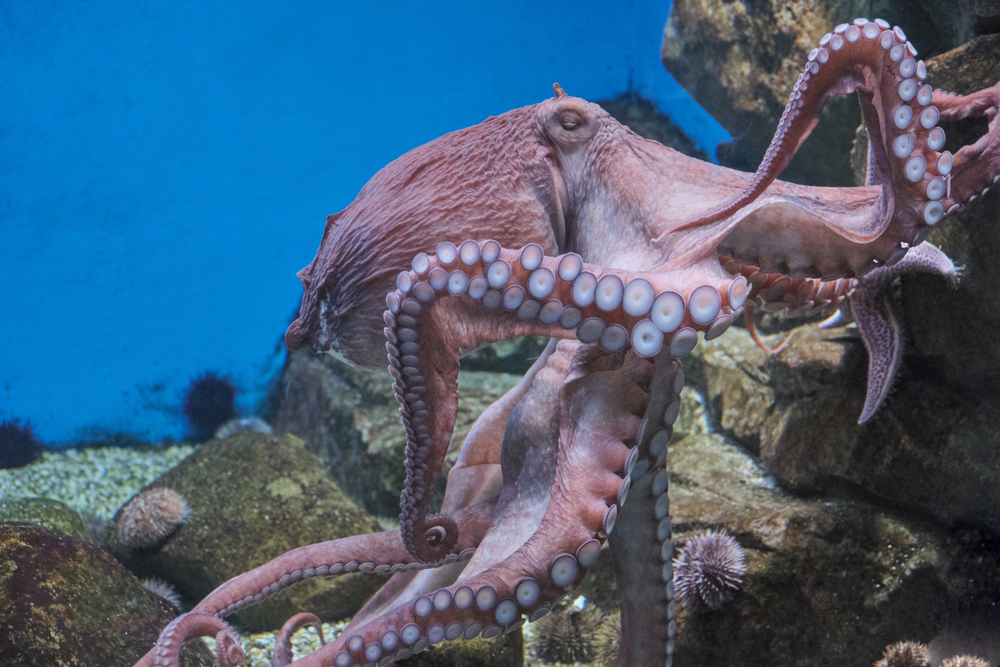
Aquarium workers worldwide report octopuses systematically disabling lights, unplugging heaters, disassembling filters, and flooding facilities by manipulating valves and equipment they shouldn’t be able to reach or understand. The octopuses aren’t randomly destructive; they’re targeting specific equipment that bothers them—bright lights get disabled, noisy filters get disassembled, and tanks get flooded by opening valves to eliminate annoying tankmates. The behavior demonstrates understanding of cause-effect relationships between human equipment and environmental conditions, plus the mechanical problem-solving to reverse-engineer and disable systems.
Famous cases include octopuses leaving tanks at night to raid neighboring tanks for food, then returning to their own tanks before morning—behavior requiring spatial memory, planning, understanding of human schedules, and physical problem-solving to remove tank lids and navigate obstacles. Aquariums now use weighted lids, separate electrical systems, and 24-hour monitoring specifically because octopuses proved too intelligent for standard containment, routinely defeating security measures designed for fish. The cognitive sophistication required to understand that disconnecting a plug eliminates light, or that opening a valve drains water, reveals problem-solving and mechanical understanding that many adult humans would struggle to demonstrate in reverse—figuring out how to manipulate unfamiliar equipment to achieve specific outcomes.
4. Squirrels Using Deceptive Caching to Fool Human Observers

Squirrels aware they’re being watched perform elaborate fake caching behaviors—digging holes, appearing to bury food, covering holes carefully—while actually retaining the food and caching it elsewhere once the observer leaves. Researchers studying caching behavior find that squirrels adjust deception frequency based on observer persistence, using more fake caches when watched closely and fewer when unobserved. The behavior demonstrates theory of mind—understanding that observers have knowledge and intentions that can be manipulated through false information—cognitive sophistication humans rarely attribute to rodents.
The deception extends to creating multiple fake cache sites to confuse thieves, with ratios of real to fake caches adjusted based on competition levels and observer attention. Squirrels in high-competition urban areas create more elaborate deception schemes than rural squirrels, suggesting they’ve learned that human-dense environments require more sophisticated information security. The cognitive load of maintaining accurate memory of real cache locations while creating convincing fake ones demonstrates working memory and executive function capabilities that challenge assumptions about what brains squirrel-sized can accomplish, revealing intelligence specifically evolved to defeat observers—including humans—trying to track and steal their resources.
5. Dolphins Creating Mud-Ring Fishing Tools
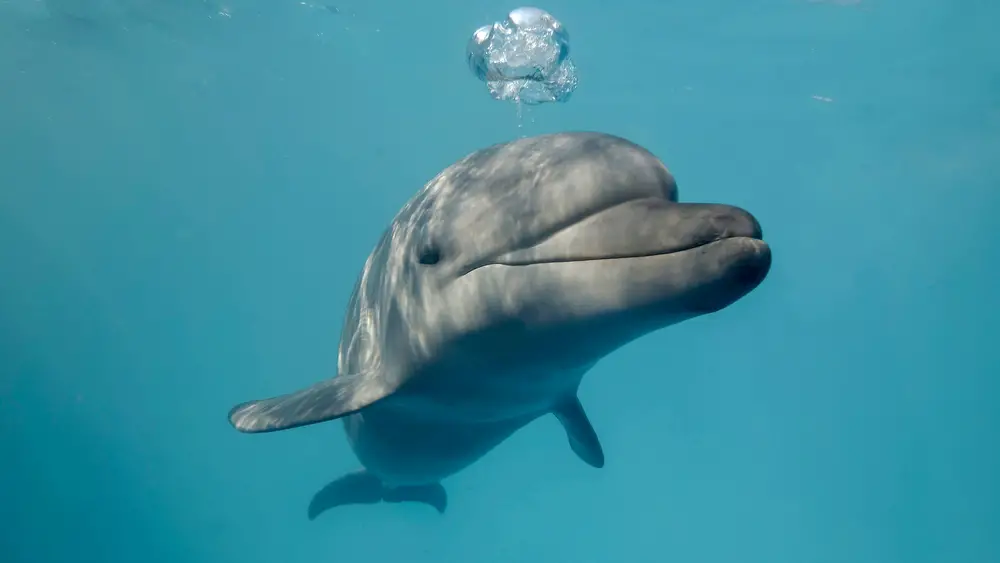
Bottlenose dolphins in Florida create circular mud clouds by tail-slapping the seafloor, then position themselves with mouths open as panicked fish jump over the mud ring directly into their mouths. The technique requires understanding that fish avoid opaque barriers, that mud creates temporary barriers, that specific tail movements create appropriate mud distributions, and that positioning outside the ring with mouth open intercepts jumping fish. The multi-step tool creation and use demonstrates planning, understanding of fish behavior, and sophisticated use of environmental materials to solve hunting problems more efficiently than direct pursuit.
Researchers studying the behavior find it’s culturally transmitted from mothers to daughters but not to sons, revealing not just intelligence but cultural learning with gender-specific traditions. The dolphins aren’t just smart enough to invent the technique; they’re maintaining cultural knowledge through teaching that requires assessing learner capability and adjusting instruction—capabilities humans consider hallmarks of advanced intelligence. The tool use is more sophisticated than many human fishing techniques, requiring precise motor control, environmental understanding, prey behavior prediction, and timing that produces success rates exceeding traditional chase hunting, demonstrating problem-solving that outperforms human fishing methods in efficiency and innovation.
6. Raccoons Solving Complex Lock Mechanisms
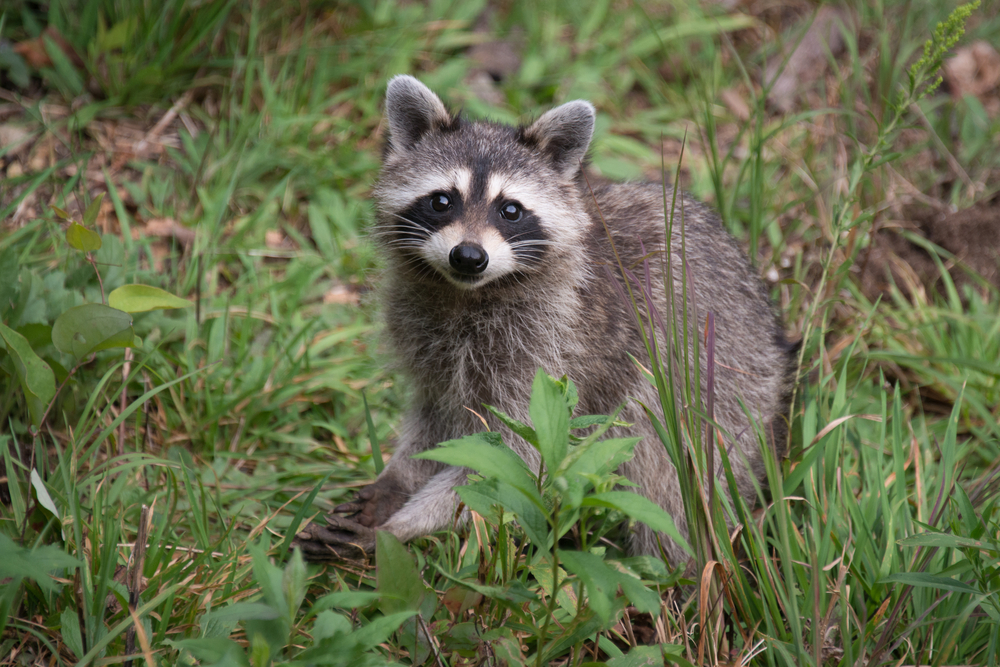
Raccoons open “raccoon-proof” garbage cans, unlock gates, disable security systems, and solve puzzle boxes designed to test primate cognition, often faster than the primates they were designed for. The manual dexterity combined with persistence and problem-solving means raccoons defeat most mechanical security through systematic exploration of possibilities. Researchers testing raccoon problem-solving find they remember solutions for years, share techniques with others, and innovate new approaches when familiar methods fail—cognitive flexibility that outperforms many humans facing novel mechanical puzzles.
The success against human-designed locks stems from raccoons exploring more systematically than humans expect, trying combinations and movements that seem random but actually constitute thorough investigation of all mechanical possibilities. Time-lapse videos show raccoons methodically testing every moving part, applying different forces and directions until they identify the sequence that opens locks. The approach defeats security designed assuming users will try a few obvious solutions then give up, but raccoons persist through hundreds of attempts, eventually solving locks that humans would abandon as too difficult, demonstrating that persistence combined with systematic exploration defeats human assumptions about what constitutes sufficient security against animal intelligence.
7. Coyotes Using Humans as Hunting Partners Against Dogs

Urban coyotes have learned to lure dogs away from owners toward waiting pack members, using the lone coyote as bait while others ambush the pursuing dog. The strategy demonstrates understanding of human-dog relationships, predicting that dogs will chase lone coyotes, and coordinating multi-individual attacks that exploit that predictable response. Researchers documenting the behavior find coyotes adjust lure distance and route based on owner proximity and dog size, revealing sophisticated assessment of risk and opportunity that requires understanding human protective behaviors and dog capabilities.
The tactic exploits human cognitive limitations—owners see one coyote and their dog chasing it, not recognizing the coordinated pack strategy until too late. The coyotes have identified a vulnerability in human-dog dynamics and weaponized it through coordinated group hunting that uses human presence as part of the hunting strategy rather than avoiding humans. The behavior appears in urban coyote populations worldwide within years of urbanization, suggesting either rapid cultural transmission of successful strategies or independent invention of similar tactics, both of which indicate intelligence adapting to human-modified environments faster than humans can adjust safety protocols to counter the new threats.
8. Parrots Manipulating Humans Through Learned Vocalizations
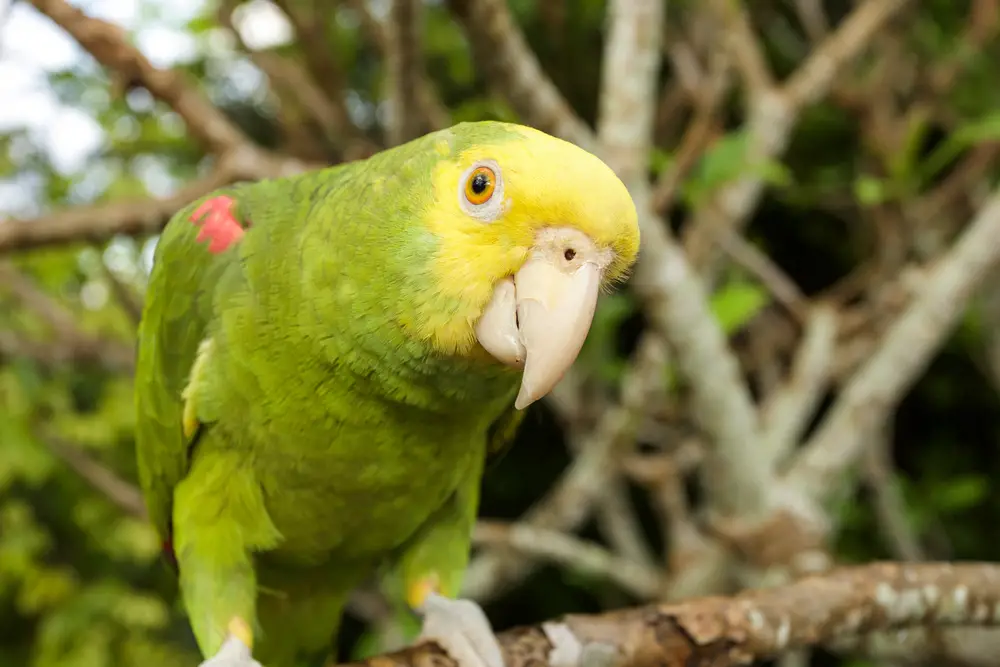
Captive parrots learn which vocalizations trigger specific human responses, then use those sounds strategically to get food, attention, or freedom. African Greys particularly demonstrate understanding that specific phrases produce predictable human behaviors, using words like “hello” to summon humans, alarm sounds to investigate perceived dangers, or phrases associated with treats to receive food. The sophisticated use of learned vocalizations as tools to manipulate human behavior demonstrates understanding of human cognition—that specific sounds trigger specific responses—and strategic deployment of that knowledge to achieve goals.
Research on parrot cognition reveals they’re not just mimicking; they’re using language pragmatically with understanding of cause-effect relationships between vocalizations and human responses. Parrots caught swearing learn that profanity produces strong reactions and use it specifically when wanting attention, demonstrating they understand emotional valence and salience of different word categories. The manipulation extends to birds learning to make sounds mimicking smoke alarms, phones, or door bells specifically to make humans investigate, demonstrating creativity in applying vocal learning to achieve new goals that weren’t part of their training, revealing language use as a tool for social manipulation rather than just communication.
9. Pigeons Outperforming Humans in Pattern Recognition
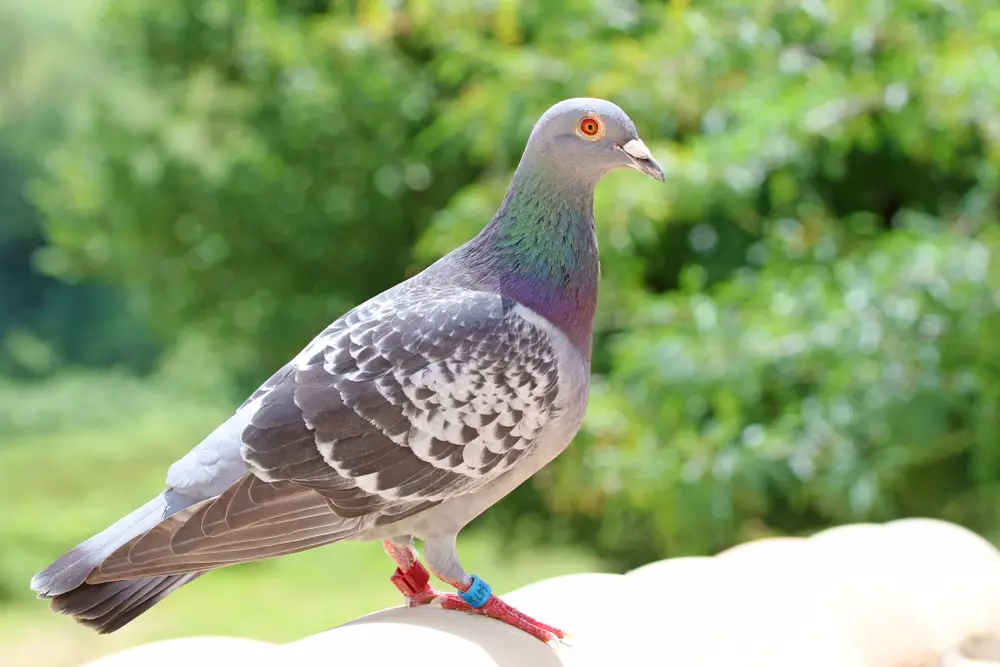
Pigeons trained in pattern recognition tasks frequently outperform humans, particularly in medical imaging analysis where they identify cancerous tissue in mammograms with accuracy matching human radiologists. Researchers find pigeons excel at tasks requiring discrimination of subtle visual patterns, learning classification tasks in hours that take humans weeks to master. The superior performance stems from visual processing systems optimized for pattern detection and categorization without the cognitive biases and assumptions that impair human visual analysis.
The pigeons achieve expert-level performance in medical imaging through simple operant conditioning, learning to identify cancer indicators through trial and error far faster than human medical students learn the same discriminations. The bird brain architecture processes visual information differently than mammalian brains, apparently providing advantages for certain pattern recognition tasks where human cognitive processing creates interference. The implications challenge human cognitive supremacy assumptions—if pigeons can perform medical diagnosis at expert human levels, what does that reveal about the nature of intelligence and the assumptions humans make about cognitive tasks requiring advanced reasoning being uniquely human capabilities?
10. Ants Creating Living Bridges With Mathematics Humans Can’t Match
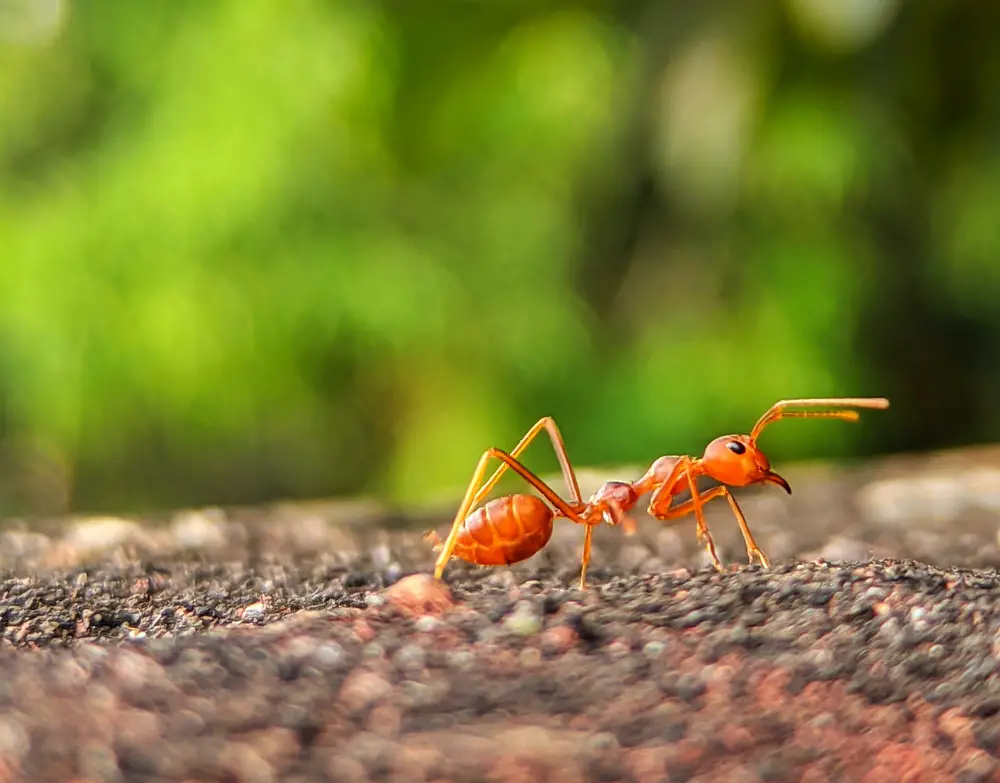
Army ants create living bridges from their own bodies to cross gaps, with individual ants making split-second decisions about joining the bridge based on algorithms that produce mathematically optimal structures humans can’t replicate without computer modeling. The bridges form through distributed decision-making where each ant responds to local information, yet the collective produces structures that perfectly balance crossing speed against number of ants removed from foraging—an optimization problem requiring calculus that no individual ant understands yet the colony solves perfectly through emergent intelligence.
Researchers studying ant bridge formation find the structures achieve optimal cost-benefit ratios that human engineers can only match through complex mathematical modeling and computation. The ants accomplish this through simple individual rules that aggregate into sophisticated collective problem-solving, demonstrating that intelligence and optimization don’t require individual understanding of the problems being solved. The mathematical optimization that emerges from ant colonies challenges human assumptions about what constitutes intelligence—the ants are solving problems humans need computers to solve, using distributed processing that outperforms individual human intelligence through collective algorithms humans are still working to understand and replicate.
11. Bears Associating Car Types With Food Storage
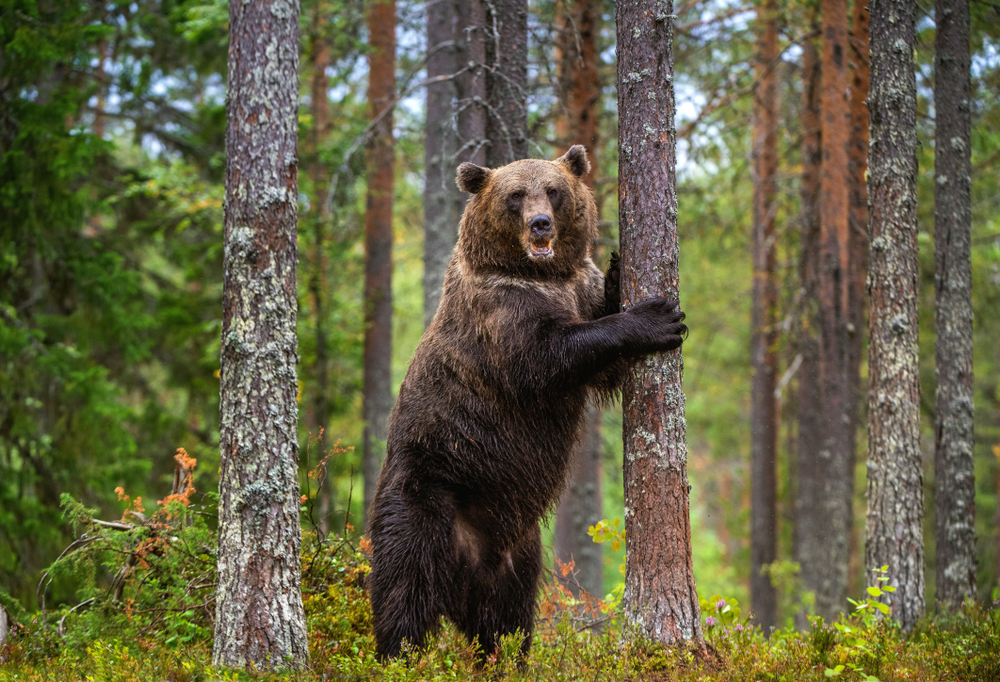
Bears in Yosemite and other parks have learned to recognize specific vehicle types and models associated with food storage, targeting minivans and SUVs while ignoring sedans because they’ve learned which vehicles typically contain food. The discrimination requires visual categorization of vehicle types, memory associations between vehicle categories and food probability, and decision-making that optimizes effort by targeting high-probability vehicles. Researchers documenting the behavior find bears across different parks independently learning similar vehicle-food associations, suggesting the cognitive task is within normal bear capabilities when properly motivated.
The sophistication extends to bears learning that certain human behaviors—like people loading vehicles after hiking—predict food availability, creating temporal as well as visual associations that guide foraging decisions. The bears are reading human behavioral cues and vehicle characteristics to make probabilistic judgments about where food is likely, cognitive tasks requiring observation, pattern recognition, memory, and decision-making that constitute genuine intelligence solving complex real-world problems. The ability to categorize human artifacts based on food-probability associations demonstrates learning and reasoning that defeats human assumptions about what security measures will deter bears—the animals are actively learning and adjusting to human countermeasures faster than humans implement new protections.
12. Cats Training Humans Through Operant Conditioning

Domestic cats systematically train their owners through operant conditioning, using specific vocalizations to trigger feeding, attention, or door-opening behaviors with success rates exceeding 80%. Researchers studying cat-human interaction find cats modify their vocalizations based on owner responsiveness, developing personalized sounds that effectively manipulate their specific humans. The behavior demonstrates understanding of cause-effect relationships, individual human differences, and systematic shaping of human behavior through reinforcement—cats are literally training humans using the same operant conditioning principles humans think they’re using to train cats.
The manipulation extends to cats learning optimal timing for requests, identifying when humans are most susceptible to vocalizations, and escalating tactics when initial requests fail. Studies using sound analysis reveal cats incorporate infant cry frequencies into their solicitation vocalizations, exploiting human parental response instincts to increase effectiveness—demonstrating not just learning but innovation that weaponizes human psychology. The systematic behavior modification cats perform on their owners reveals that the presumed pet-owner hierarchy is backwards in many households—the cats have trained the humans to respond to vocal cues, provide food on demand, and offer attention when requested, making the humans the trained animals responding to their feline operant conditioning specialists.