
Wildlife sightings can feel like magical moments when you spot a fuzzy creature in your yard or hear rustling in the bushes. These animals look harmless, even charming, as they scurry across your lawn or perch on your fence. But behind those cute faces and seemingly innocent behaviors, many common backyard visitors are causing thousands of dollars in property damage, creating health hazards, and turning your home’s structure into their personal playground.
1. Raccoons – Masked Bandits Destroying Your Attic
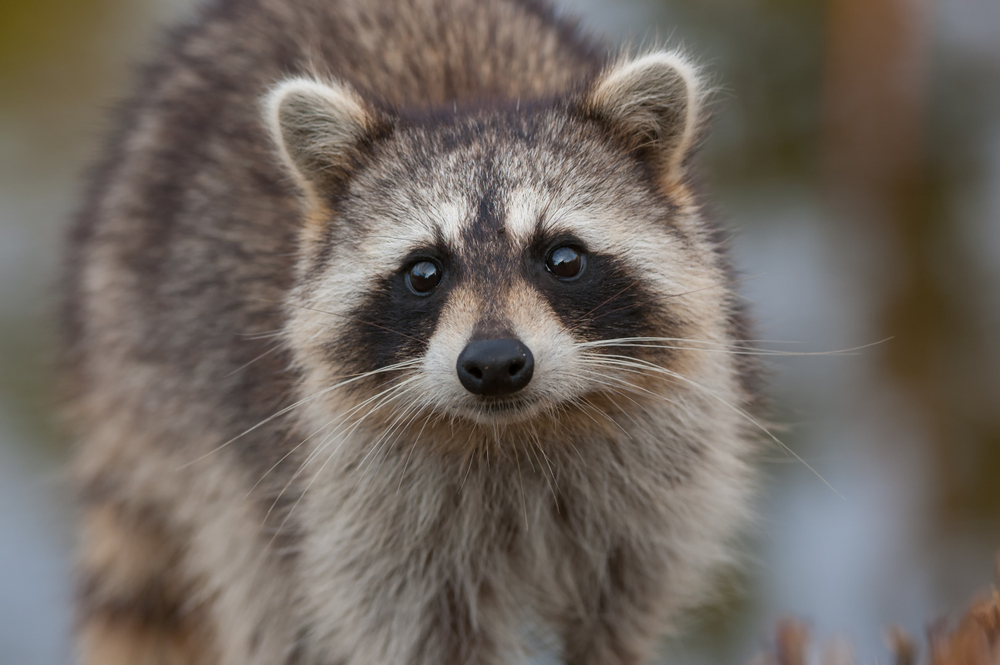
Raccoons are incredibly intelligent and dexterous, which makes them excellent at breaking into homes through weak points you didn’t know existed. They tear off roof shingles, pry open soffit vents, and exploit gaps around chimneys to access attics where they establish dens for raising their young. Once inside, they shred insulation for nesting material, leave behind enormous amounts of feces that can collapse ceilings, and create entry points for water damage during storms.
The destruction continues beyond just the initial break-in—raccoons are messy tenants who destroy anything in their path and have no respect for your belongings. They’ve been known to tear through ductwork, chew electrical wiring creating fire hazards, and soil large areas with urine and droppings that carry diseases like raccoon roundworm. A single raccoon family can cause $10,000-$30,000 in damage during one nesting season, and they often return to the same location year after year if not properly excluded.
2. Squirrels – Energetic Acrobats Gnawing Through Everything
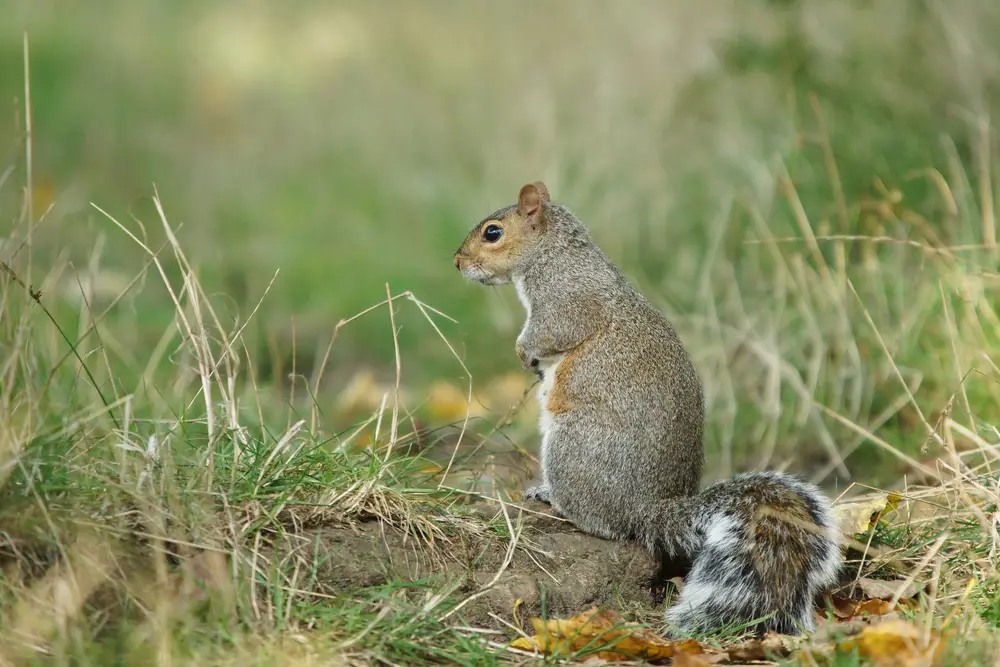
Squirrels seem harmless as they chase each other through trees and bury acorns in your yard, but they’re relentless chewers who can devastate your home’s exterior and interior. Their teeth grow continuously, driving them to gnaw on wood siding, fascia boards, and window frames to wear them down. They squeeze through openings as small as 1.5 inches and immediately start enlarging entry points, creating gaps that let in rain, snow, and other pests.
Once squirrels move into your attic or walls, the damage escalates quickly as they build nests and establish highways through your insulation. They chew through electrical wires with alarming frequency—some estimates suggest squirrels cause 10-20% of all house fires where the source is unknown. Their constant gnawing can damage plumbing pipes, destroy stored belongings, and compromise structural wood, all while they chirp and scramble around at dawn, making sleep impossible.
3. Woodpeckers – Rhythmic Drillers Poking Your Siding
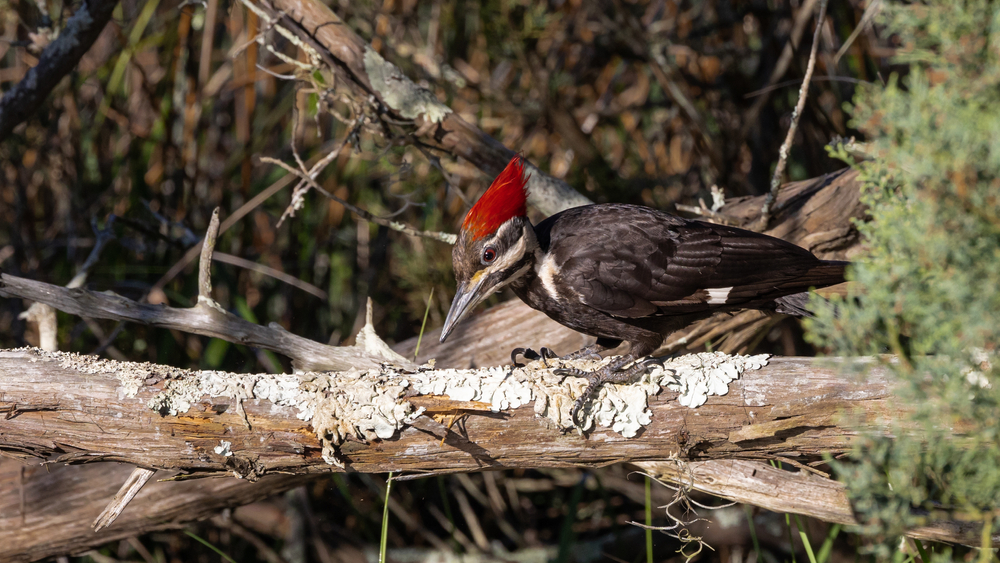
Woodpeckers are fascinating birds to watch in nature, hammering away at dead trees in search of insects, but when they target your house, they create surprisingly extensive damage. They drill neat rows of holes called sap wells in wood siding, stucco, and even synthetic materials, sometimes creating hundreds of holes across a single wall. The drumming noise during mating season can start before sunrise and continue all day intermittently, driving homeowners to distraction.
The holes themselves create pathways for water infiltration, wood rot, and insect infestations that attract even more woodpeckers in a vicious cycle. Cedar siding, log homes, and houses with decorative wood elements are particularly vulnerable to attack. Repairing woodpecker damage often requires replacing entire sections of siding, and the birds frequently return to the same spots despite deterrent efforts, meaning the damage can compound year after year.
4. Chipmunks – Tiny Tunnelers Undermining Your Foundation
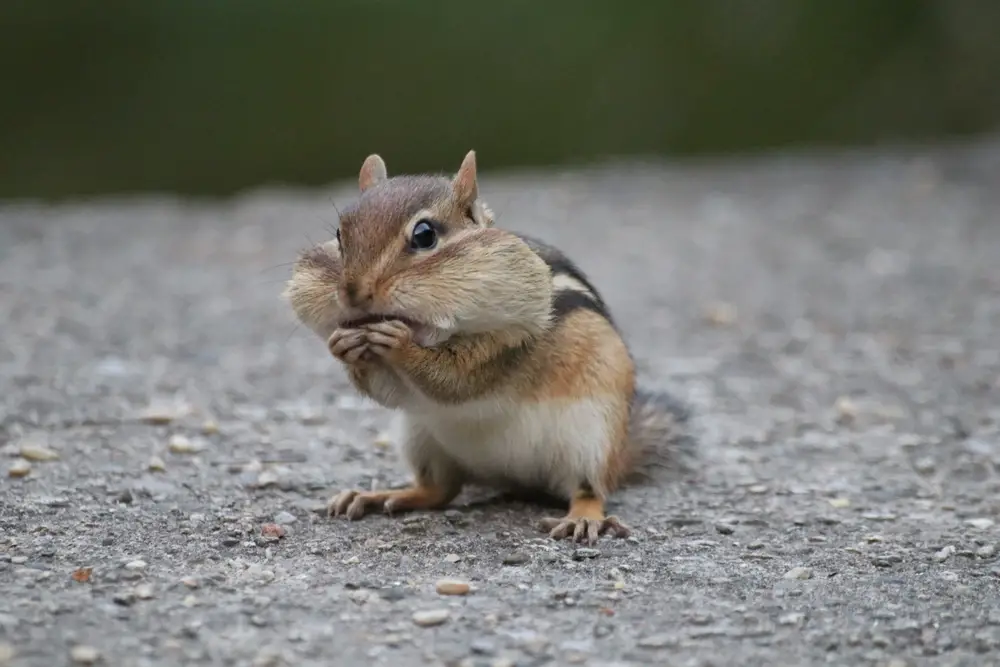
Chipmunks look adorable stuffing their cheeks with seeds, but these industrious rodents are excavation experts who dig extensive tunnel systems that can compromise your home’s foundation. They burrow along foundation walls, under sidewalks, patios, and stoops, removing soil support that leads to cracking and settling. A single chipmunk can move several pounds of dirt daily, and colonies can create networks of tunnels spanning hundreds of feet.
The burrow entrances near your home’s foundation create pathways for water to flow toward and under your house rather than away from it, potentially causing basement flooding and moisture problems. Chipmunks also damage gardens and landscaping, strip bark from ornamental trees and shrubs, and can chew through window screens and weather stripping to access garages and basements. Their extensive tunneling under driveways and walkways causes pavement to sink and crack, requiring expensive repairs that don’t address the ongoing underground activity.
5. Opossums – Nocturnal Tenants With Terrible Hygiene

Opossums waddle through yards looking endearingly goofy with their rat-like tails and startled expressions, but they’re messy opportunists who cause significant damage when they take up residence under homes. They commonly den in crawlspaces, under decks, and beneath sheds, where their poor hygiene creates foul odors and attracts other pests. Opossums defecate in concentrated areas called latrines, and a single animal can produce several pounds of waste weekly that seeps into soil and insulation.
These marsupials tear insulation while creating nests, potentially exposing pipes to freezing temperatures and reducing your home’s energy efficiency. They knock over garbage cans with impressive determination, scattering trash across yards and attracting rats and flies. While generally non-aggressive, opossums carry fleas, ticks, and lice that can infest your property, and their presence often indicates other structural issues since they’re exploiting existing gaps and weaknesses in your home’s foundation or skirting.
6. Skunks – Striped Excavators With Chemical Weapons
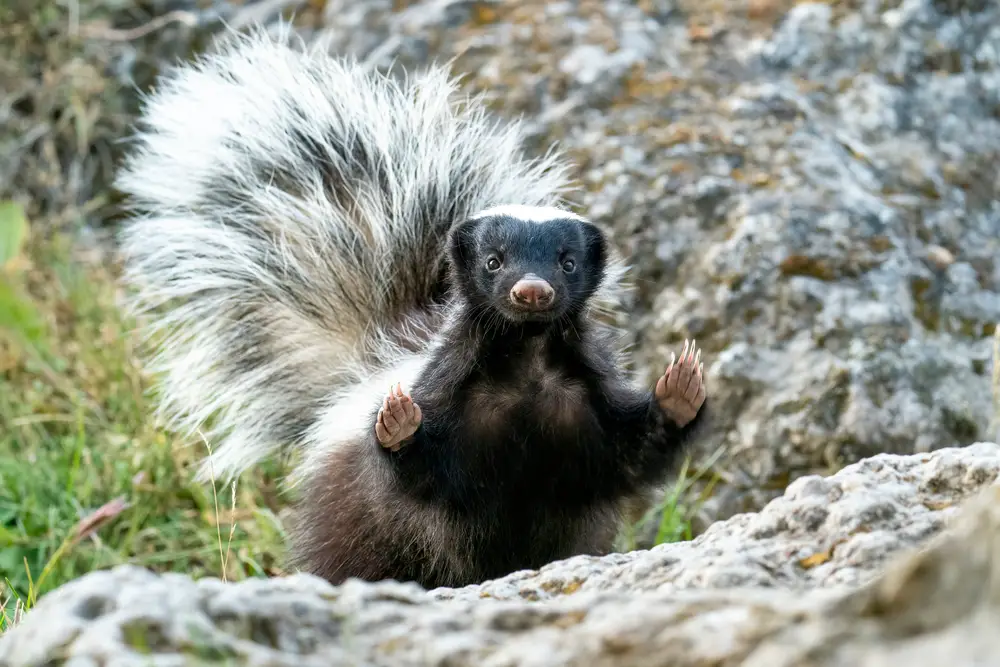
Skunks are recognizable and generally calm animals that most people try to avoid, but they’re destructive diggers who create chaos while hunting for grubs and insects. They tear up lawns in geometric patterns overnight, leaving behind divots and holes that destroy grass and create tripping hazards. Skunks commonly den under porches, decks, and sheds, excavating soil that can cause these structures to shift or settle unevenly.
The real nightmare scenario happens when skunks feel threatened near or under your home and spray in defense, releasing an oily musk that permeates everything it touches. The smell can infiltrate your home through vents and gaps, making rooms uninhabitable for weeks despite cleaning efforts. Removing the odor from foundation areas, crawlspaces, or beneath decks is nearly impossible without professional help, and the scent attracts other skunks to the same territory, perpetuating the problem.
7. Bats – Beneficial Flyers Creating Toxic Waste Zones
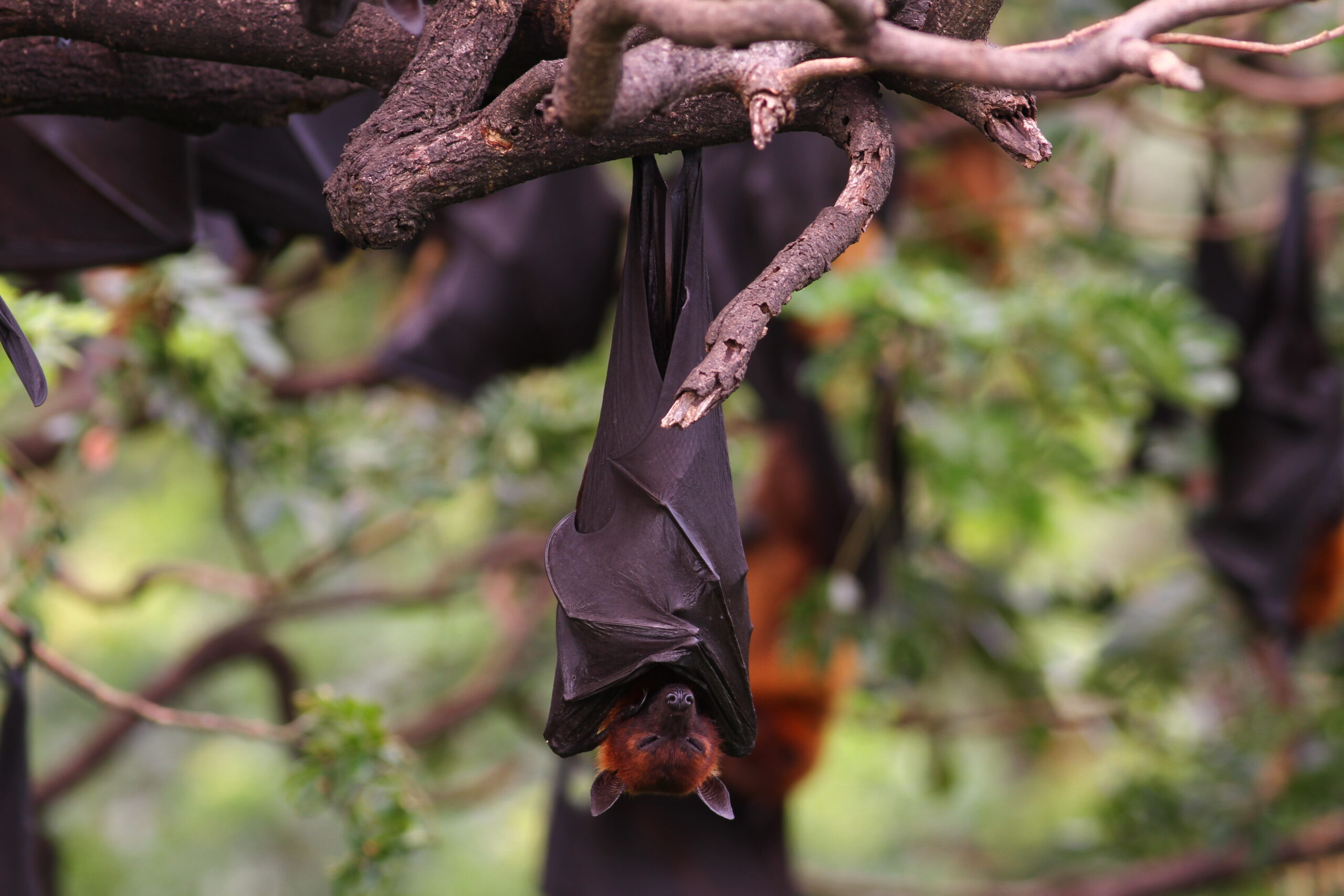
Bats are incredible pest controllers that consume thousands of mosquitoes nightly, making them welcome in the sky but disastrous when they roost in your attic or walls. They squeeze through openings as small as 3/8 of an inch, often gaining access through loose shingles, gable vents, or gaps where different building materials meet. Once established, bat colonies can number in the hundreds, and their guano accumulates rapidly in concentrated piles.
Bat droppings contain histoplasmosis spores that become airborne when disturbed, causing serious respiratory illness in humans who inhale them. The acidic guano corrodes wood and drywall, stains ceilings, and creates overwhelming odors that permeate living spaces. The urine also causes structural damage and attracts insects, while the constant scratching and squeaking from hundreds of bats makes sleeping difficult.
8. Groundhogs – Suburban Engineers Collapsing Structures
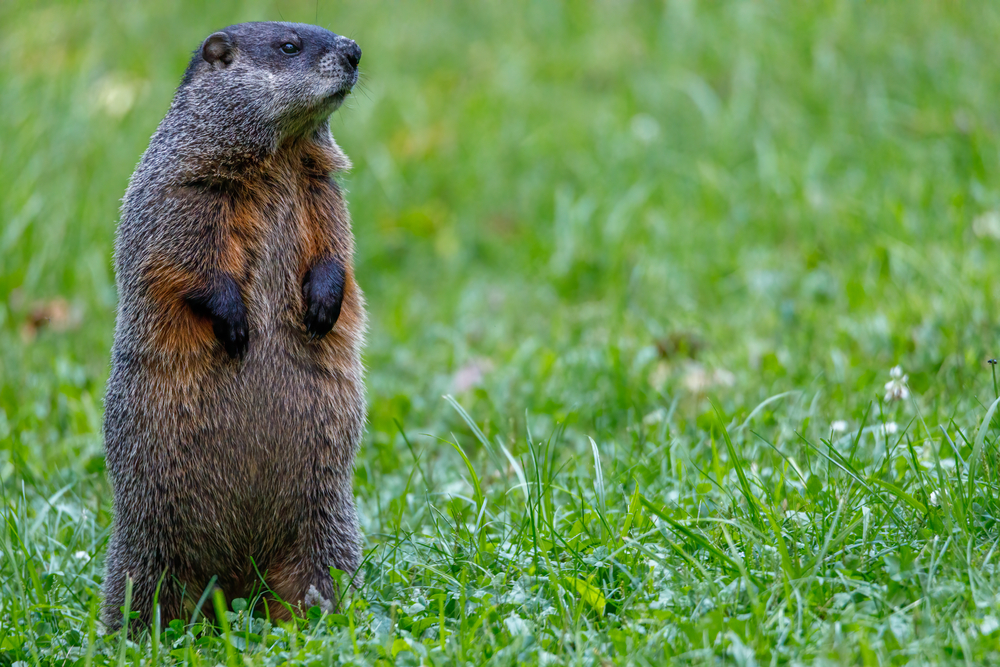
Groundhogs (or woodchucks) look charmingly portly as they munch on clover, but they’re master excavators who create burrows that can extend 50 feet or more with multiple chambers. When these tunnel systems run beneath sheds, garages, or home foundations, they remove crucial soil support that leads to settling, cracking, and even partial collapse of structures. Their burrow entrances are large—6-12 inches in diameter—creating significant voids in your yard that pose injury risks.
These rodents are also voracious garden destroyers who can decimate vegetable gardens and ornamental plantings in days. A single groundhog eats about 1.5 pounds of vegetation daily, favoring expensive landscape plants and crops over weeds. They’re surprisingly bold around humans and will repeatedly return to food sources despite deterrent efforts, establishing territories that include your property whether you like it or not.
9. Birds – Feathered Friends Blocking Essential Systems
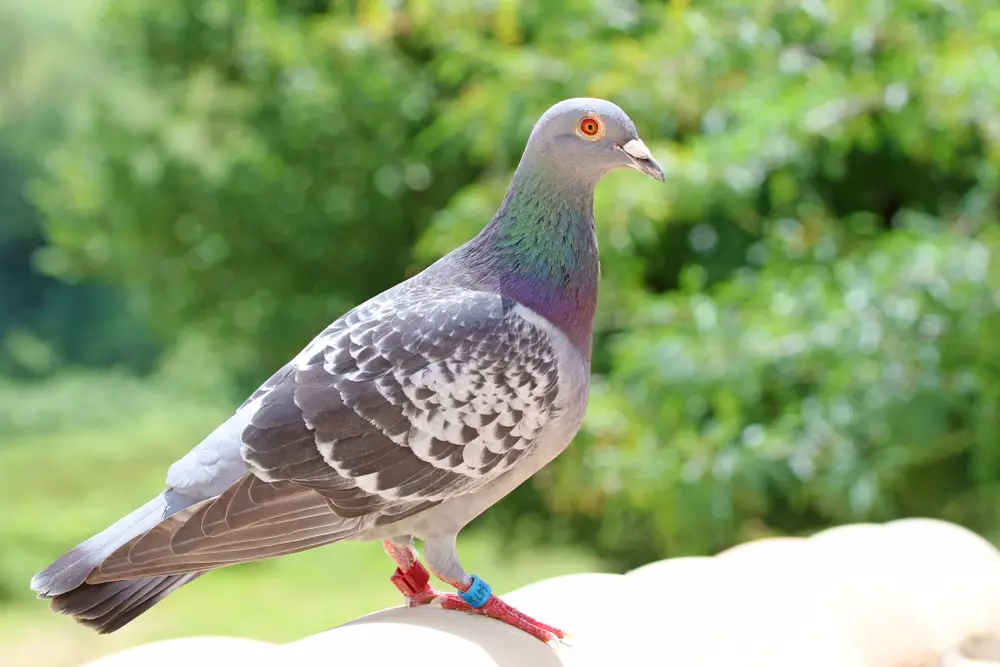
Most birds are delightful additions to your yard, but certain species become serious problems when they nest in or on your home. Starlings, sparrows, and pigeons wedge nests into dryer vents, bathroom exhaust fans, and attic vents, blocking airflow and creating fire hazards when dryer lint accumulates. These nests can cause carbon monoxide to back up into homes when they block furnace or water heater vents, creating potentially fatal situations.
Bird droppings are highly acidic and corrode roofing materials, gutters, siding, and painted surfaces wherever birds congregate. The accumulation of feces under roosting sites creates health hazards, destroys paint, and stains surfaces permanently. Nesting materials in gutters prevent proper drainage, leading to water overflow that damages foundations, and the parasites birds carry—mites, lice, and ticks—can infest your home even after the birds leave.
10. Mice – Tiny Invaders With Massive Consequences

Mice look almost cute with their twitching noses and tiny paws, and many people don’t realize a serious problem exists until the damage is extensive. These rodents chew constantly to manage their ever-growing teeth, targeting electrical wiring, plumbing pipes, insulation, and stored belongings with equal enthusiasm. They can squeeze through openings the size of a dime, giving them access to virtually any structure with even minor gaps.
A single pair of mice can produce 50-60 offspring annually, turning a small problem into an infestation within months. They contaminate food stores, leave droppings and urine throughout your home, carrying diseases like Hantavirus, and create nests in walls and appliances using shredded insulation and personal items. The smell of mouse urine permeates homes and attracts more mice through pheromone signals, while their gnawed wiring causes thousands of house fires each year.
11. Rabbits – Fluffy Herbivores Destroying Landscapes
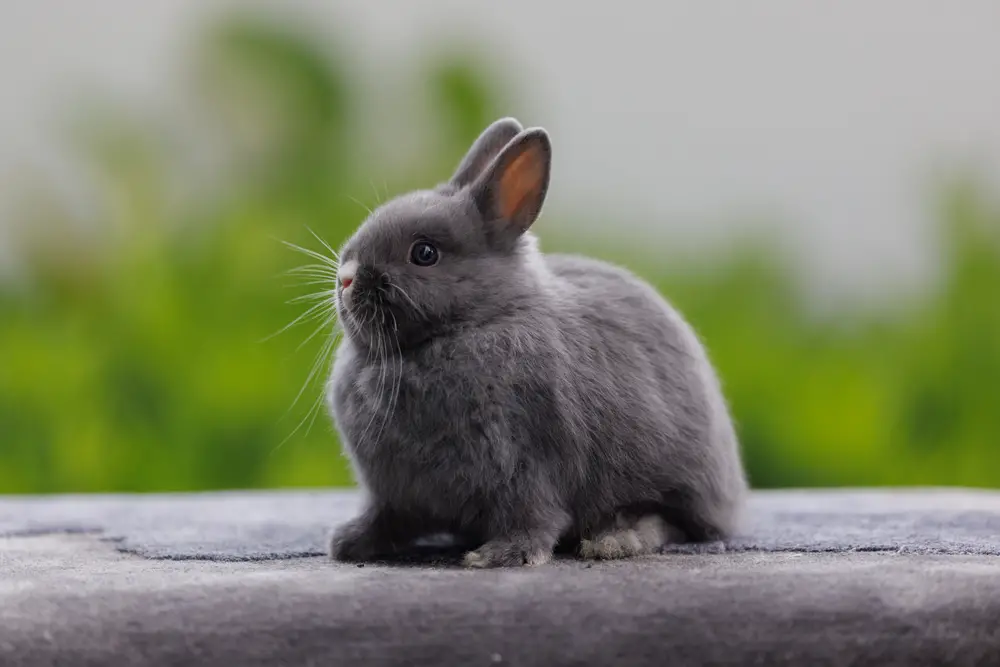
Rabbits are undeniably cute as they hop across lawns with their cotton-ball tails, but they’re destructive herbivores who can devastate gardens and landscaping with remarkable efficiency. They eat flowers, vegetables, and ornamental plants down to nubs, often targeting expensive specimens first. During winter, rabbits gnaw bark from young trees and shrubs in a ring around the base, a practice called girdling that kills the plant by cutting off nutrient flow.
The damage rabbits cause extends beyond just eating plants—their digging for food and creation of shallow nests destroys lawns and flowerbeds. They reproduce prolifically with multiple litters per year, meaning a couple of rabbits in spring can become a dozen or more by fall, all feeding on your property. Their presence also attracts predators like foxes, coyotes, and hawks that can pose threats to small pets or create additional disturbances in residential areas.
12. Deer – Majestic Browsers Decimating Everything Green
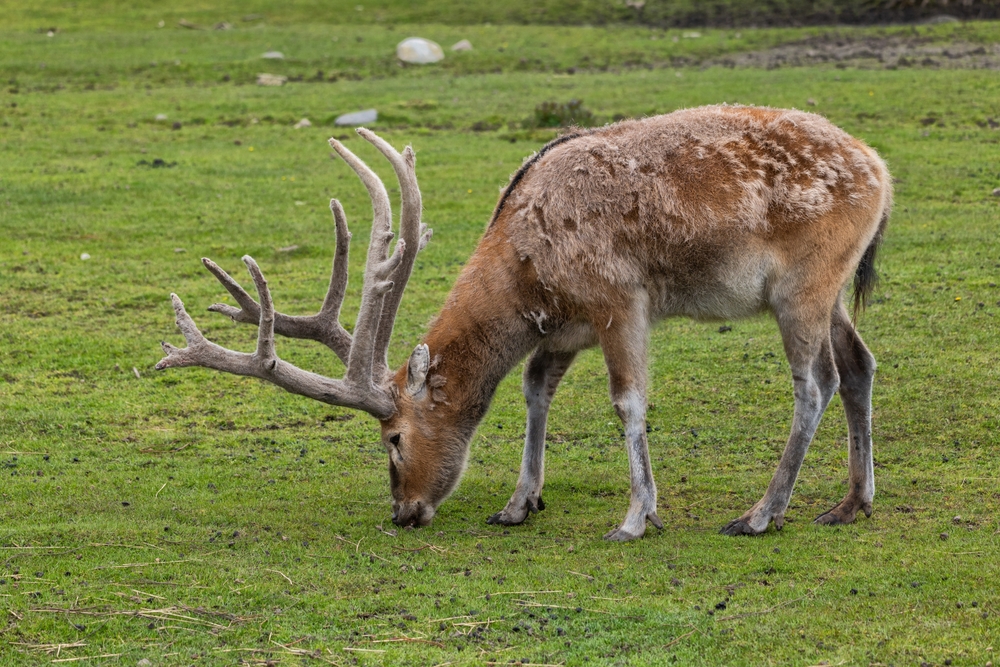
Deer are graceful and beautiful when glimpsed from a distance, but they’re incredibly destructive when they visit yards regularly to browse. A single deer eats 6-8 pounds of vegetation daily, and they show particular fondness for expensive landscape plants, roses, hostas, and vegetable gardens. They strip bark from trees, destroy shrubs by browsing them into unnatural shapes, and trample gardens and flowerbeds, causing damage far beyond just what they consume.
The problems escalate during rutting season when bucks rub their antlers on young trees, shredding bark and often killing valuable ornamental specimens. Deer carry ticks that spread Lyme disease and other illnesses to humans and pets, and their presence in yards increases tick populations significantly. They also pose collision risks when they bolt across roads near residential areas, and their droppings throughout yards create unpleasant conditions and can spread parasites and E. coli.