
Stories about children raised by animals usually live in the realm of myth, fantasy, or feel-good cinema. But this one is real—and far more unsettling than any fairytale. For over a decade, a boy named Marcos Rodríguez Pantoja lived entirely outside human society, surviving alongside wolves in the mountains of Spain. His life challenges everything we think we know about language, identity, belonging, and what it actually means to be human. This isn’t a story about magic or miracles. It’s a story about adaptation, loneliness, instinct, and what happens when nature—not civilization—becomes your teacher.
1. This Sounds Like Fiction—But It Happened
Marcos Rodríguez Pantoja’s life trajectory sounds like a dark folk legend rather than a modern biographical record. Born into the brutal poverty of 1940s Spain, he was sold by his father to a shepherd and eventually abandoned in the Sierra Morena mountains. By age seven, the small boy was forced to navigate the unforgiving wilderness with zero human guidance or tools. His survival defied every biological expectation as he moved from a state of terror to one of primal mastery.
Gabriel Janer Manila, a psychologist who produced a 2025 academic retrospective on the case, noted that Marcos’s survival was an extraordinary feat of cognitive plasticity. The study detailed how the young boy substituted human social structures with the hierarchical order of a wolf pack. This forced adaptation allowed him to bypass the traditional developmental milestones of a civilized child. Instead of learning to read or write, he learned to interpret the nuances of the forest floor.
2. The Wolves Didn’t Raise Him—They Accepted Him
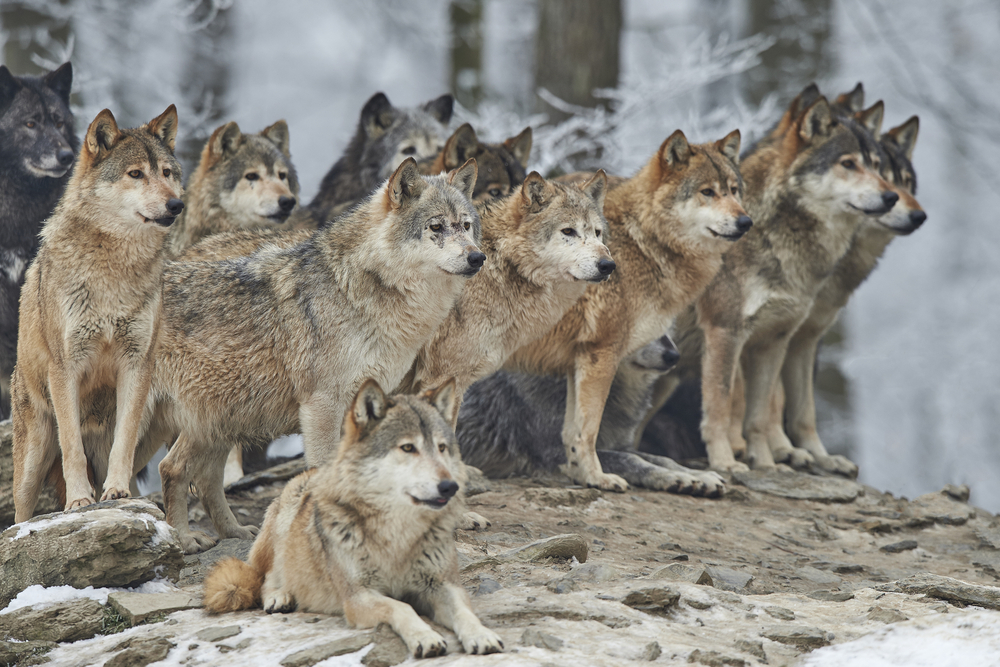
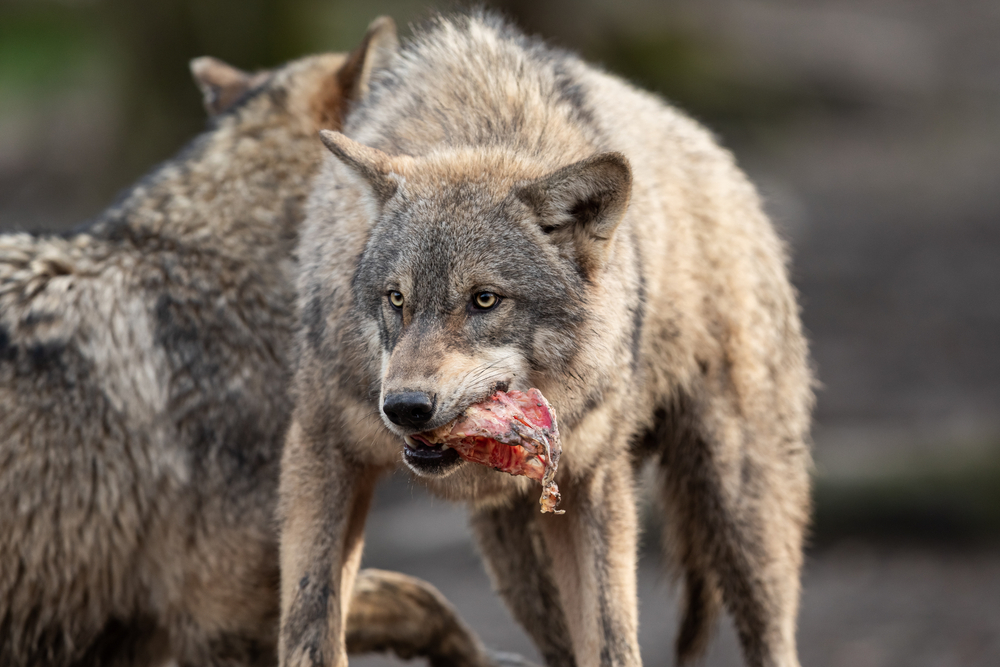
The relationship between Marcos and the pack was built on a foundation of mutual utility and cold respect rather than sentimental affection. He initially observed the predators from a distance, mimicking their hunting patterns and scavenged remains to stay alive. Eventually, a female wolf shared meat with him, signaling a threshold of acceptance that allowed him to sleep in their caves. He was not a wolf, but he became a tolerated appendage of their collective unit.
In the wild, social acceptance is a survival mechanism rather than an emotional choice made by the animals. Marcos learned that by adhering to the pack’s rules, he could share in the warmth and protection they provided. He began to perceive the world through their sensory lens, prioritizing movement and scent over abstract thought. This integration meant that the wolves were his primary source of social feedback for over twelve years. His identity became a strange hybrid of primate intelligence and lupine instinct.
3. Language Disappeared—Instinct Took Over
As the years passed in the mountains, the Spanish language slowly withered and died in Marcos’s mind. Communication was stripped down to its most functional and primal components, such as grunts, barks, and specific howls. Meaning was no longer found in syntax but in the vibration of a warning growl or the silence of a hunt. He discovered that the forest had its own vocabulary of sounds that humans had long since forgotten.
A 2025 report from the Linguistic Anthropology Society examined how Marcos’s loss of speech affected his long-term perception of time. The analysis suggested that without the structure of language, his memory became a series of sensory flashes rather than a chronological narrative. He lived in a permanent present where the only thing that mattered was the immediate environment. This total immersion in instinct rewired his brain to prioritize non-verbal cues over complex social symbols. When he was eventually found, human words felt like heavy, unnecessary burdens on his tongue.
4. Survival Became Second Nature
Food was never a guarantee, and the young boy became a master of opportunistic foraging and efficient hunting. He learned to catch rabbits with his bare hands and forage for roots that were safe to consume. Every meal was a direct result of his ability to read the landscape with a hunter’s precision. Hunger was the primary teacher that sharpened his senses to a razor’s edge.
The lack of a safety net meant that his awareness of danger was constantly turned to its highest setting. He learned to navigate the mountains in total darkness, relying on a mental map of scents and textures. His body became a finely tuned instrument that reacted to the weather and terrain without conscious effort. There was no room for error in a world where a single injury could lead to a slow death. This brutal self-reliance created a version of Marcos that was physically superior to any urban dweller.
5. The Human World Felt More Dangerous
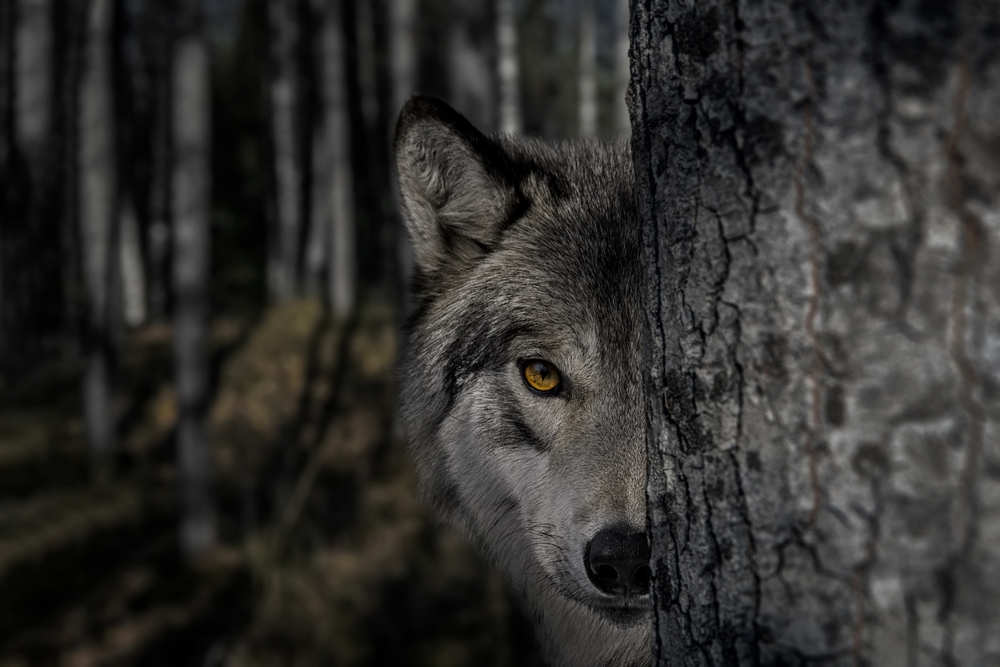
When the Civil Guard finally captured Marcos at age 19, his reintroduction to civilization was a traumatic assault on his senses. The textures of clothing felt like sandpaper against his skin, and the concept of sleeping in a bed caused intense claustrophobia. He found the noise and smell of the city to be far more terrifying than any mountain storm. To Marcos, the “rescue” felt like an abduction into a hostile, alien world.
The BBC’s 2025 documentary on feral children noted that Marcos frequently attempted to escape back to the mountains during his first months of “freedom.” The report highlighted his profound confusion regarding money, social hierarchy, and the concept of a job. He found human behavior to be riddled with deception and unnecessary aggression that lacked the honesty of the wild. The betrayal he felt from his father was only compounded by the coldness of a society that viewed him as a freak. He remained a stranger in his own species, longing for the simplicity of the pack.
6. His Senses Changed Permanently
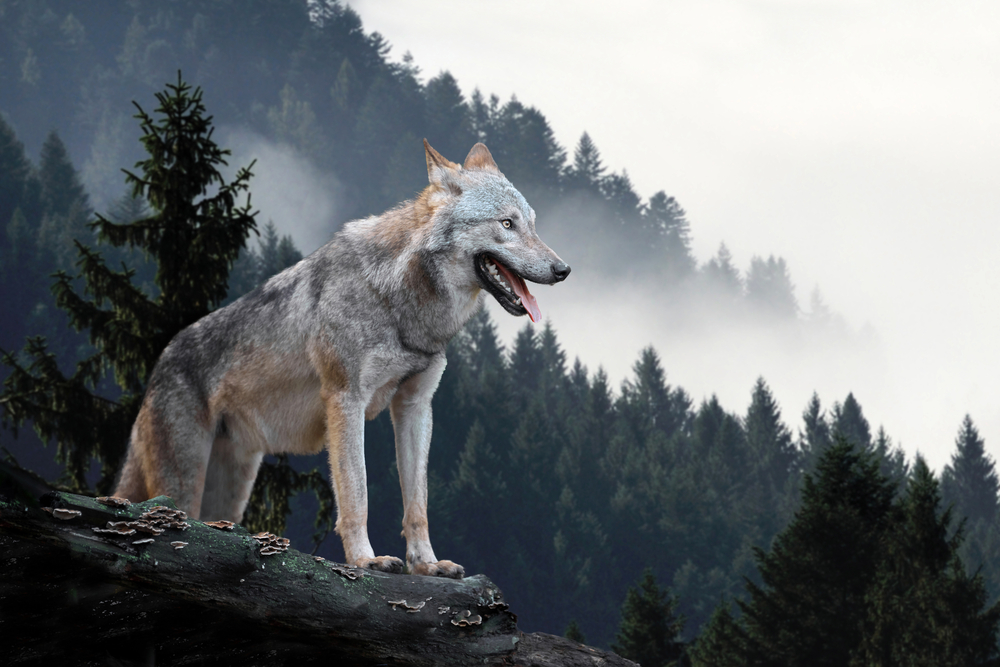
Living in the wild for over a decade permanently altered the way Marcos’s nervous system processed the world around him. His sense of smell remained hyper-sensitive, allowing him to detect changes in the air that others ignored. Crowds of people and the roar of traffic triggered a primal fight-or-flight response that never fully dissipated. The high-definition input of nature had set a baseline that modern life could only scramble.
Even decades after his return, he struggled to filter out background noise that humans naturally ignore. The artificial lights of the city felt invasive and disrupted his internal circadian rhythms for years. He described the feeling of being in a room as being trapped in a box without an exit. His body was a relic of the wilderness, tuned to a frequency that did not exist in urban settings. This sensory mismatch meant that he was always slightly “out of sync” with his peers.
7. He Rarely Got Sick in the Wild

Marcos often recalled that during his twelve years in the mountains, he almost never suffered from common illnesses. His diet of raw meat, berries, and clean spring water provided a rugged health that civilization seemed to erode. The constant physical movement and exposure to the elements hardened his immune system against the wild. In the mountains, he felt invincible and physically integrated with his environment.
A 2025 health analysis by the Spanish Institute of Evolutionary Biology examined the “feral health” phenomenon reported in the Marcos case. The study noted that upon his return to society, he was immediately bombarded by viruses and respiratory infections he had never encountered. The stress of social integration further weakened his physical resilience, leading to a period of frequent hospitalization. This paradox suggests that the “harsh” wild was actually a safer environment for his specific biology. He traded the raw vigor of the forest for the fragile security of modern medicine.
8. The Mountains Still Pull Him Back
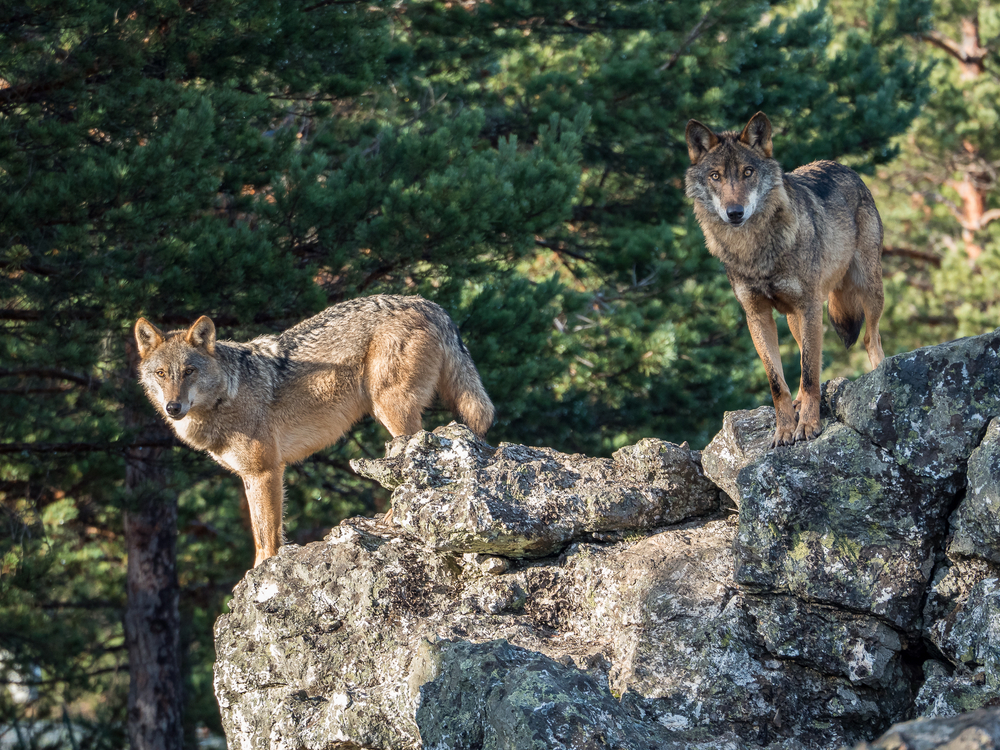
Despite living in a traditional house and having human friends, Marcos never lost his spiritual connection to the Sierra Morena. He frequently retreats to the wilderness to find a sense of peace that the human world cannot provide. The silence of the trees serves as a restorative balm for the overstimulation of contemporary life. He remains a man who is most at home where the roads end and the shadows begin.
The mountains are the only place where his body feels truly “right” and the weight of social expectations vanishes. He has noted that the cold mountain air feels like a familiar embrace rather than a hardship. In the wild, he doesn’t have to explain his history or navigate the complexities of human etiquette. He simply exists as a part of the ecosystem, reclaiming the identity he forged as a boy. This pull back to the earth is a permanent part of his psychological makeup.
9. His Story Makes People Uncomfortable
Marcos’s existence is a direct challenge to the comforting idea that civilization is the ultimate peak of human achievement. His story suggests that we are far more flexible and animalistic than we care to admit to ourselves. People find it unsettling that a human could thrive in a state that we typically associate with tragedy or death. He represents the wild “other” that lives just beneath the surface of our social masks.
By refusing to be a “miracle” or an inspirational trope, he forces people to confront the darker aspects of our history. He is a living reminder of the failures of family and the coldness of bureaucratic rescue. His preference for the company of animals over humans is a stinging critique of modern social bonds. The story doesn’t end with a happy integration, but with a man who is perpetually torn between worlds. This ambiguity makes his narrative difficult for the public to digest comfortably.
10. He Struggled to Belong Anywhere
Belonging is a luxury that Marcos has spent the majority of his life chasing without ever fully capturing. In the pack, he was an accepted subordinate, but in the human world, he was always an outsider. He lacked the shared cultural context and childhood experiences that form the basis of most human relationships. This void created a sense of isolation that no amount of social work could bridge.
He often spoke about the unique loneliness of being surrounded by people who cannot understand your fundamental nature. His relationships were often marred by the fact that he viewed the world through a lens of survival rather than social fluff. While he found some kinship with other outcasts, the sense of a true “home” remained elusive. He moved through society like a ghost, tethered to a mountain range that no longer held his pack. This lack of belonging is the most enduring scar of his wild years.
11. Trust Came Easier With Animals
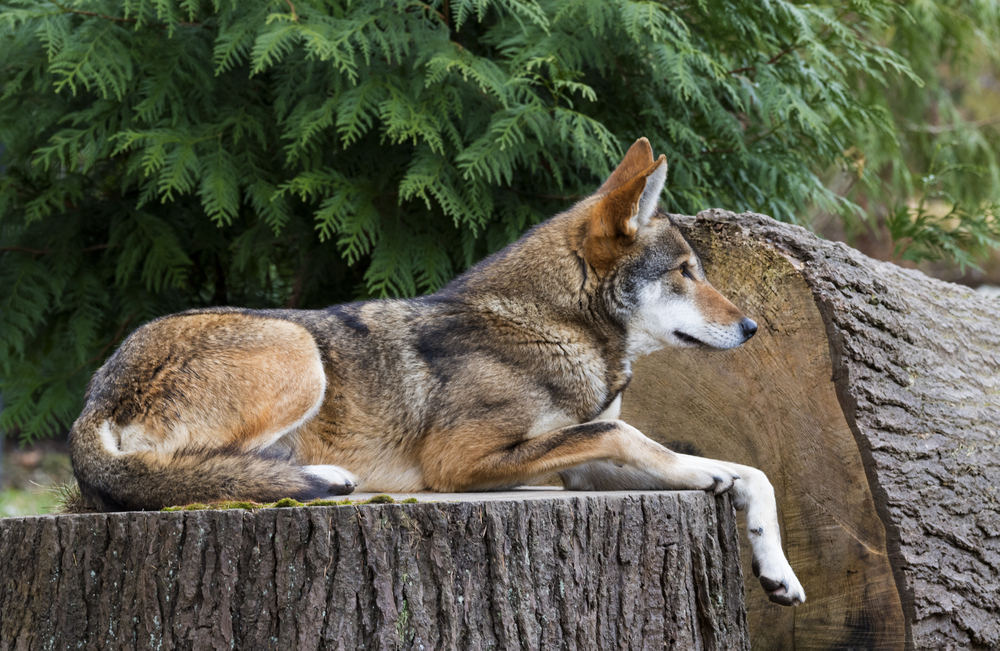
For Marcos, the honesty of animal behavior was far more comforting than the layered deceptions of human interaction. A wolf’s snarl or a wagging tail offered a clear, unambiguous message that he could trust implicitly. Humans, on the other hand, often said one thing while feeling another, a contradiction he found exhausting. His formative years taught him that truth is found in action and physical presence.
He spent much of his adult life working with animals, finding a level of communication there that he couldn’t replicate with people. The lack of judgment in an animal’s gaze allowed him to lower his defenses in a way he never could in a city. He remained suspicious of the complex motives and hidden agendas that seemed to drive human society. To him, a wolf was a reliable ally, while a person was a potential source of betrayal. This preference for animal companionship was a direct result of his mountain upbringing.
12. He Lives Between Two Identities

Marcos is a permanent inhabitant of a liminal space, neither fully “man” nor fully “beast” in the eyes of society. He carries the memories of the caves while navigating the reality of rent and taxes. This duality defines his every interaction and informs his unique perspective on what matters in life. He is a bridge between two worlds that usually never meet.
This existence isn’t a romantic adventure; it is a complex and often painful negotiation of self. He has had to learn to perform “humanity” in a way that feels like a costume he can never take off. Inside, the echoes of the mountain howls still resonate more loudly than any television broadcast. He accepts his human role out of necessity, but his heart remains in the Sierra Morena. He is a living paradox that defies simple categorization.
13. His Life Forces Uncomfortable Questions
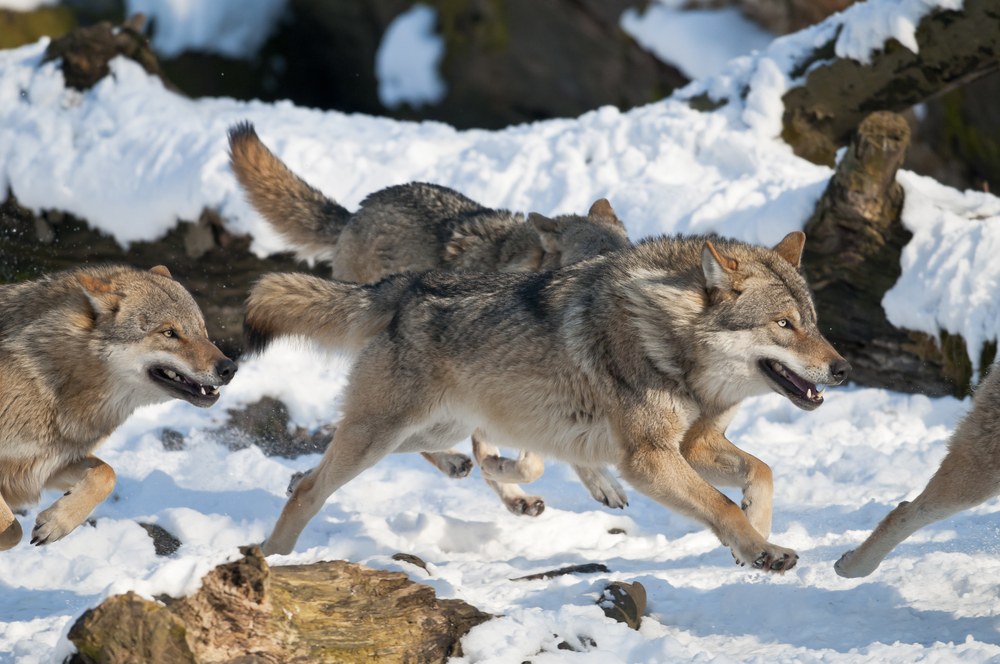
Marcos’s journey forces us to ask what truly constitutes the core of our humanity. Is it the language we speak, the clothes we wear, or the empathy we show to our own kind? He suggests that many of the things we consider essential are actually just decorative layers added by civilization. His survival proved that a human can exist without any of the trappings we consider vital.
His life is a case study in the power of the human spirit to endure even the most extreme isolation. It questions whether society’s “safety” is worth the loss of the raw, instinctive connection to the natural world. There are no easy answers to the questions his life raises, and he doesn’t offer any. He simply exists as a witness to a different way of being that most of us will never understand. His story remains an open wound in our understanding of ourselves.
14. He Became an Accidental Witness for the Wild
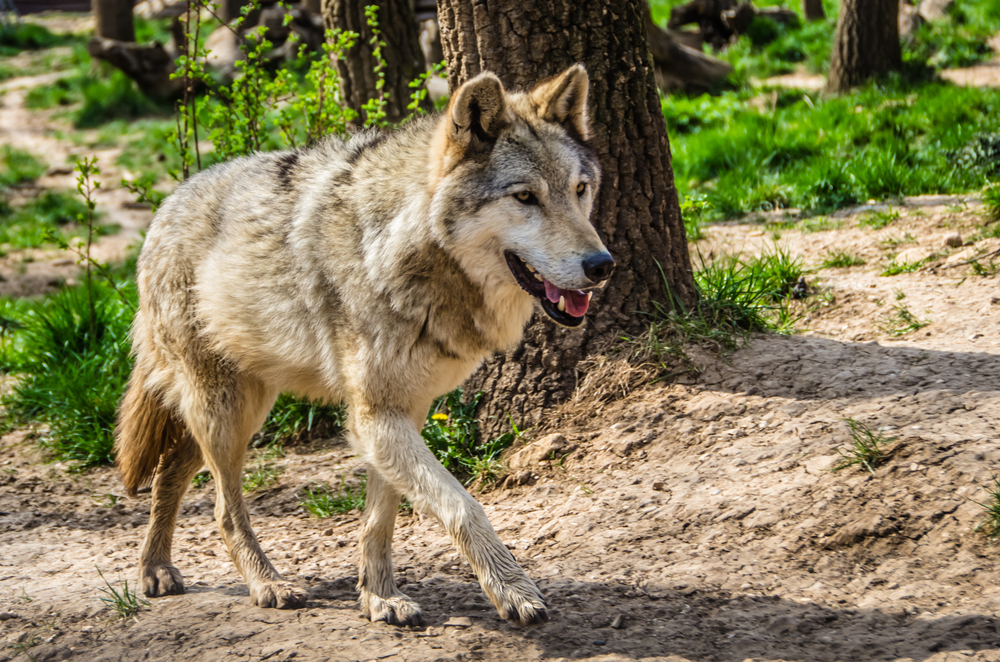
By sharing his story later in life, Marcos became an unlikely spokesperson for the intelligence and complexity of wolves. He demystified the “big bad wolf” trope by describing them as a sophisticated and protective family unit. His firsthand accounts provided a rare glimpse into a hidden world that few humans have ever seen. He didn’t set out to be an advocate, but his life made him one.
He has spent his later years educating young people about nature, hoping to foster a respect that he feels is missing in modern life. His message is one of cohabitation rather than dominance over the animal kingdom. He speaks with an authority that comes from lived experience rather than academic study. For those who listen, he offers a perspective on the wild that is both terrifying and beautiful. He is a bridge of understanding for a species we often fear.
15. His Journey Isn’t Over

Even in his older age, Marcos Rodríguez Pantoja remains a figure of profound mystery and quiet strength. He lives a modest life in Galicia, surrounded by friends who accept his unique history without judgment. His story continues to be studied and retold, serving as a permanent fixture in the study of feral children. He has moved beyond the trauma of his youth to find a fragile kind of peace.
He doesn’t view himself as a hero or a victim, but as a man who simply did what was necessary to survive. The echoes of the wolves still follow him, but he has learned to live with their presence in a world of humans. His journey is a reminder of the incredible resilience of the human brain and the deep, ancient bond we share with the earth. He remains a man of two worlds, waiting for the final return to the silence of the mountains. His story is far from over—it is a part of our collective human history now.