
Pet intelligence rarely looks like solving math problems or following complex commands on cue. It shows up in adaptability, emotional awareness, and problem-solving that fits everyday life. Many of the smartest behaviors are subtle and easy to overlook because they blend into routine. Here are fourteen behaviors that often reveal a pet is thinking more deeply than you realize.
1. Anticipating Your Routine Before You Move
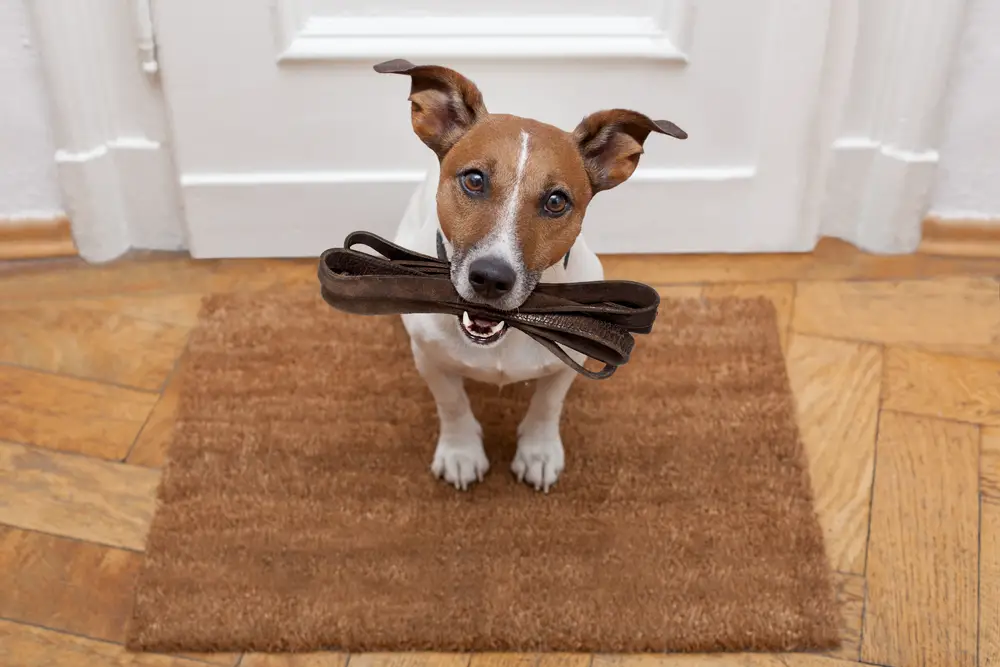
If your pet heads to the door before you grab your keys, they are reading patterns rather than reacting randomly. They recognize sequences of behavior and connect small cues to predictable outcomes. That kind of anticipation reflects memory and pattern recognition.
Pets who do this consistently are tracking more than time. They notice the sound of a certain drawer, the way you shift your posture, or the pace of your steps. Intelligence often shows up in these quiet predictions.
2. Solving Physical Obstacles Without Help
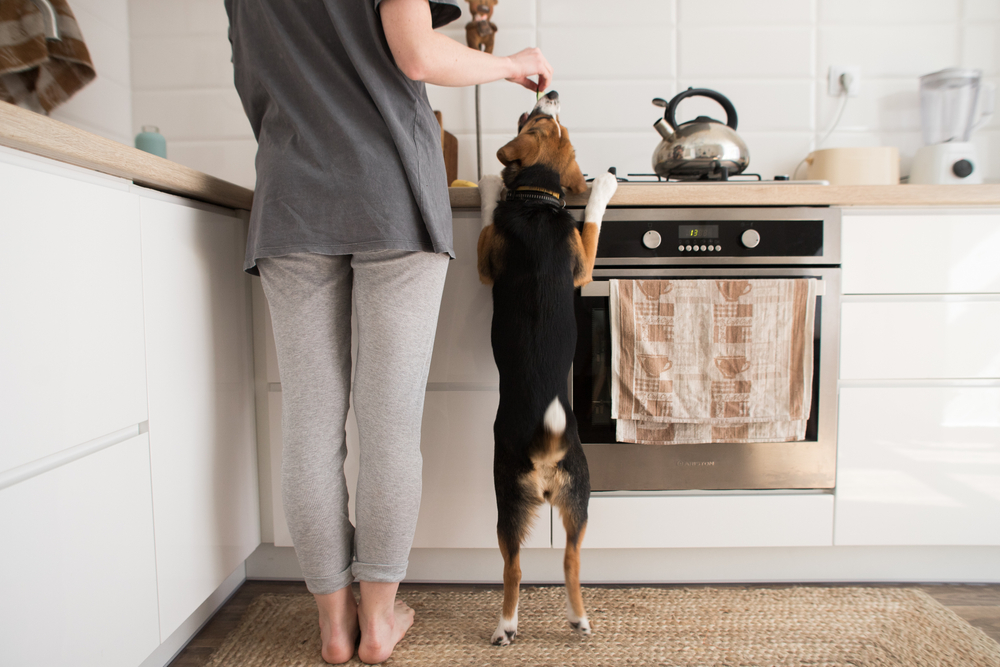
Some pets test gates, nudge latches, or reposition objects to reach something they want. They experiment with their environment instead of giving up when blocked. Trial-and-error learning is a classic sign of cognitive flexibility.
If your pet adjusts strategy after a failed attempt, that signals real problem-solving. They are not simply reacting; they are evaluating outcomes. Repeated innovation reveals adaptable thinking.
3. Using Eye Contact Strategically
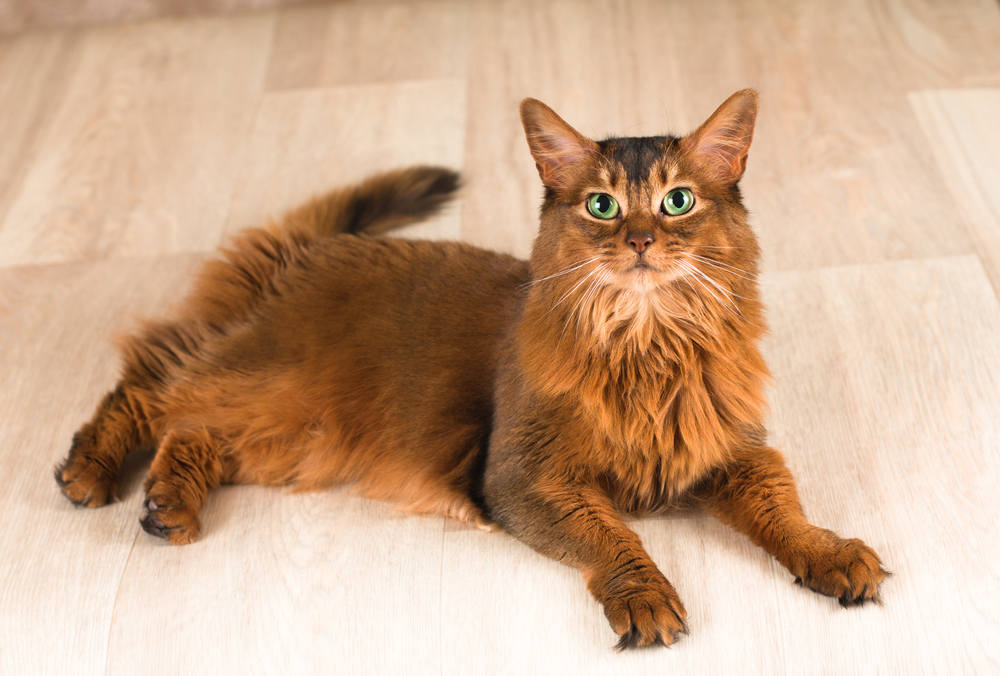
Intelligent pets often use deliberate eye contact to communicate intent. They will look at an object, then at you, as if inviting collaboration. This “referential gaze” reflects an understanding that you can assist them.
Rather than barking or pawing randomly, they attempt directed communication. They recognize you as a partner in problem resolution. That level of social cognition is sophisticated.
4. Adjusting Behavior Based on Your Mood
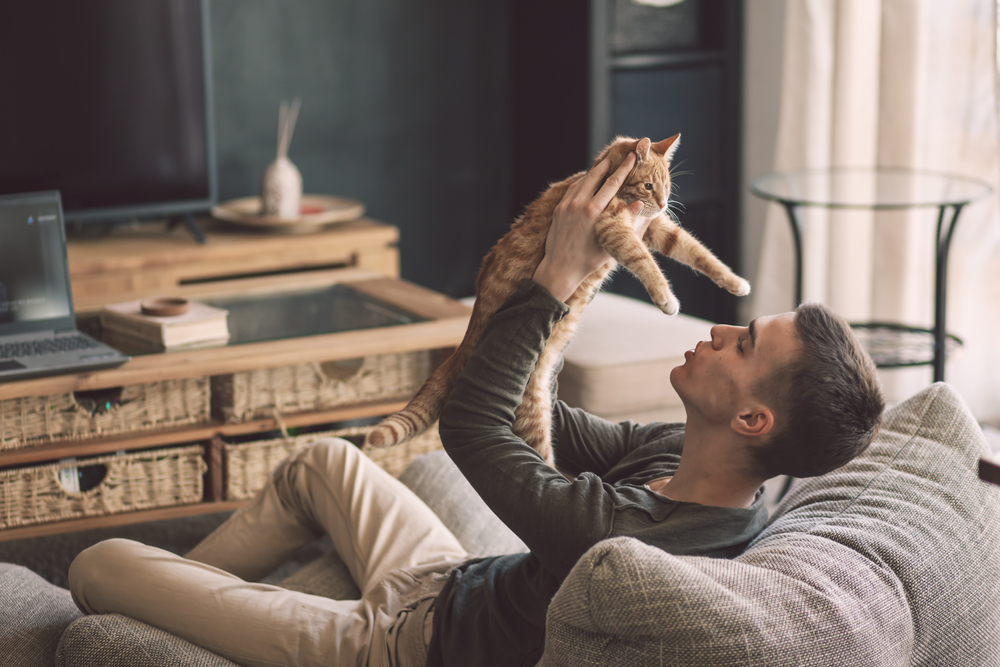
Some pets soften their movements when you appear upset. Others bring toys or sit quietly beside you without prompting. Emotional sensitivity suggests advanced social awareness.
They are reading tone of voice, posture, and facial expression. That responsiveness requires interpreting subtle signals. Emotional attunement is a powerful marker of intelligence.
5. Learning New Commands Faster Over Time
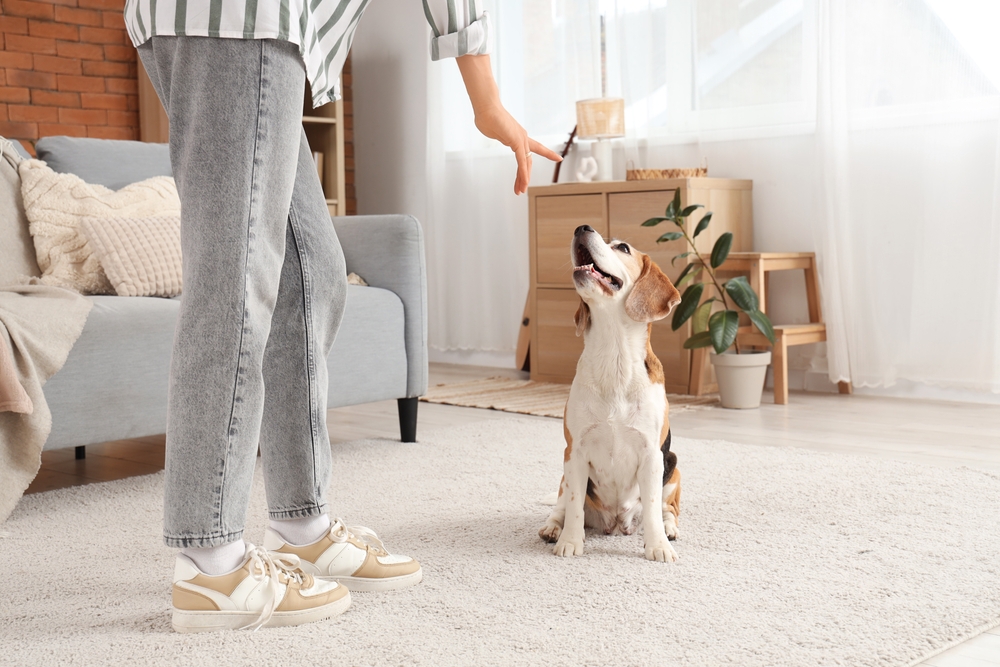
When pets grasp new cues more quickly than previous ones, they are building learning frameworks. They understand that sounds or gestures carry meaning. That meta-learning reflects growing cognitive efficiency.
The speed of generalization matters. If they transfer knowledge from one command to another context, they are thinking conceptually. Repetition alone does not explain that shift.
6. Choosing Delayed Rewards
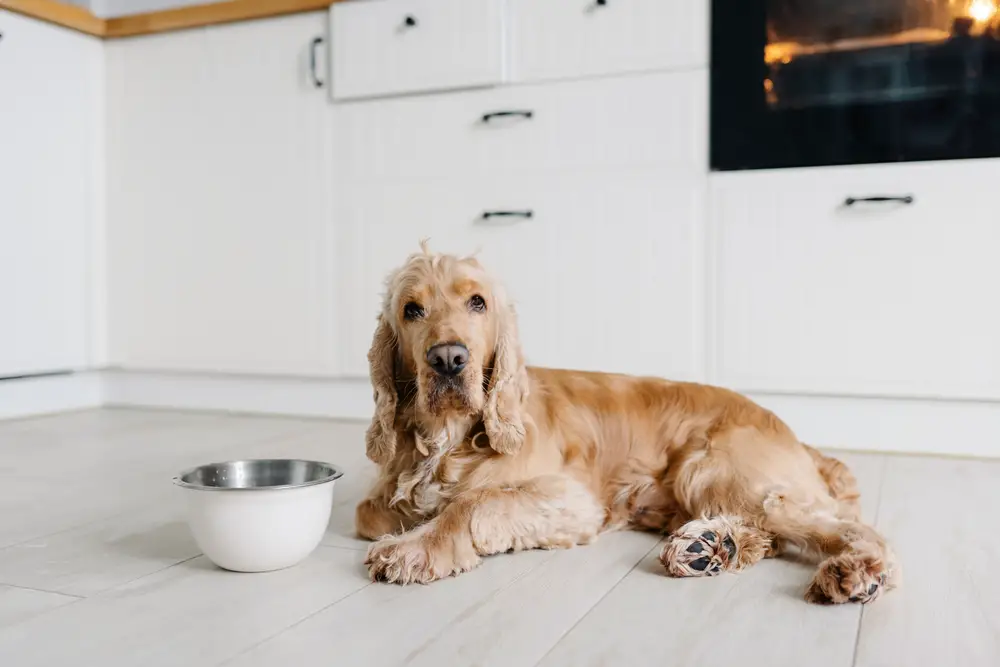
Some pets will wait patiently if they know a better reward is coming. Delayed gratification requires impulse control and future-oriented thinking. Not all animals demonstrate this ability easily.
Waiting reflects internal regulation. It shows they can inhibit immediate urges for longer-term gain. That balance suggests cognitive maturity.
7. Navigating Complex Spaces Confidently
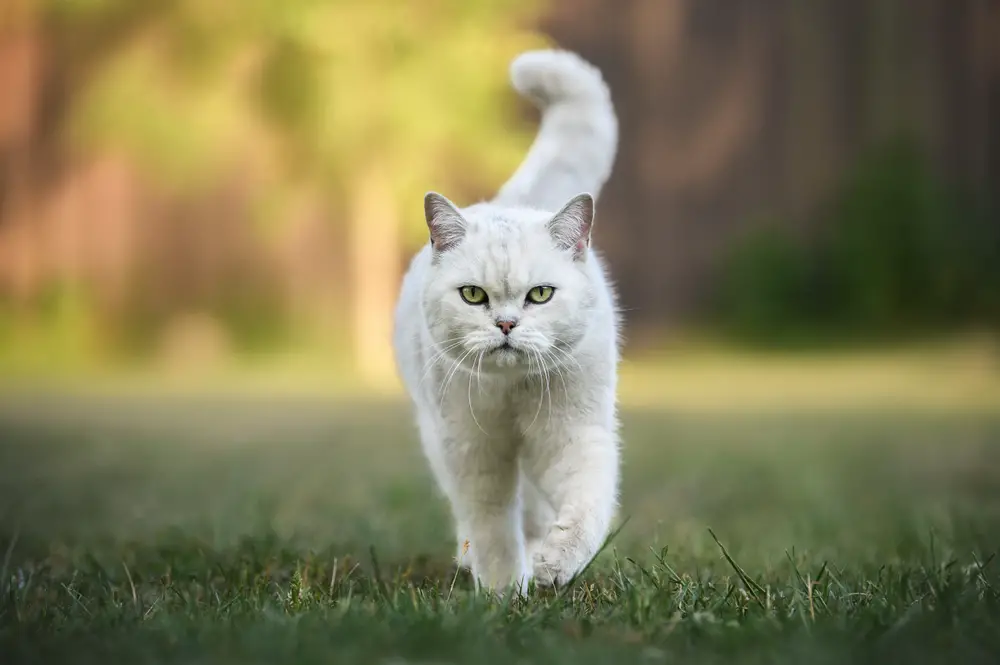
Pets that map out rooms, yards, or new environments quickly display spatial intelligence. They remember routes, shortcuts, and safe hiding spots. Orientation skills rely on memory and environmental awareness.
If your pet revisits a previously hidden treat location days later, they are recalling specific spatial details. That memory retention goes beyond instinct. It signals mental mapping.
8. Manipulating Humans Subtly
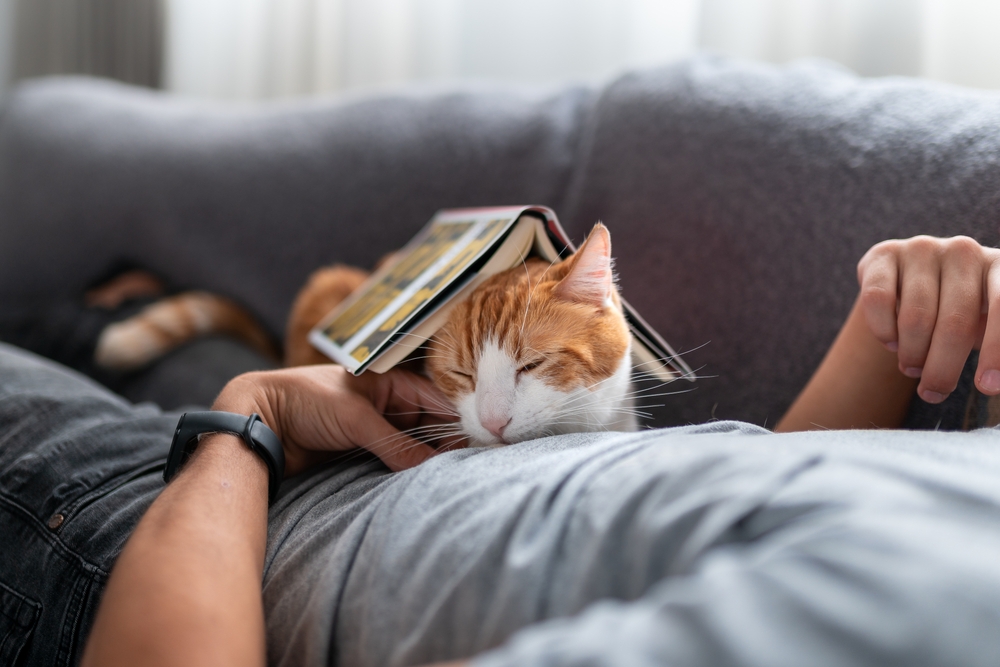
Intelligent pets often figure out which family member responds fastest to requests. They may approach different people depending on the outcome they seek. That strategic targeting reflects observational learning.
They are analyzing cause and effect. If one person gives treats more often, they adjust accordingly. That flexibility shows adaptive thinking.
9. Modifying Play to Suit Context
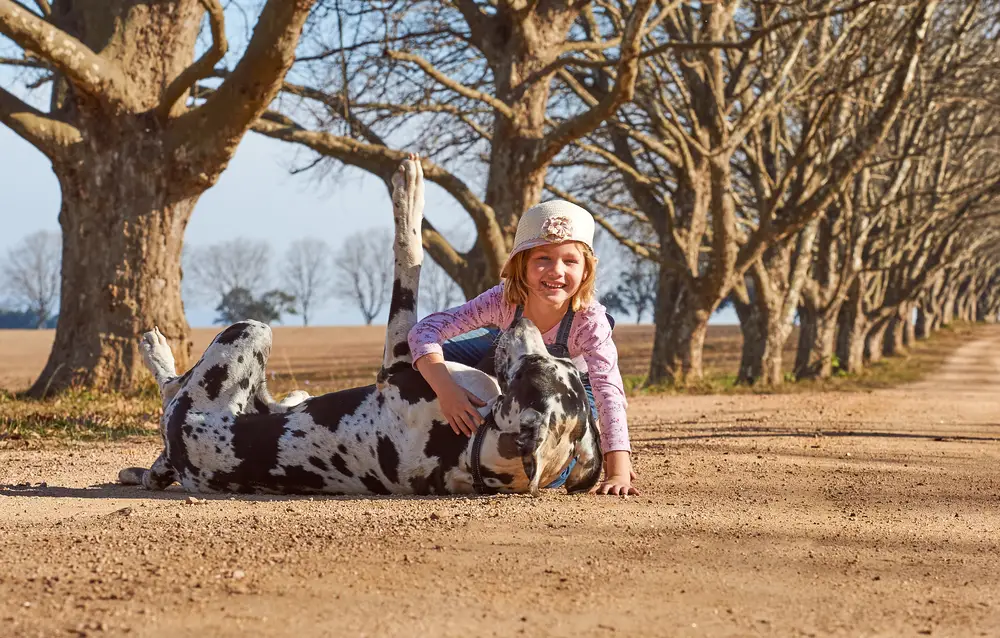
Some pets shift their play style around children versus adults. They reduce force, change pacing, or alter intensity. Behavioral modulation demonstrates social calibration.
This self-adjustment is not random. It shows awareness of others’ physical limitations and emotional cues. That sensitivity reflects cognitive control.
10. Remembering Past Negative Experiences

If your pet avoids a specific location after a stressful event, they are retaining contextual memory. That memory guides future decisions. Learning from experience is foundational intelligence.
They are not merely reacting to present stimuli. They are integrating past outcomes into current behavior. Memory-based adjustment indicates higher processing.
11. Creating Novel Solutions to Get Attention

Some pets invent new behaviors when ignored. They may nudge objects, make specific sounds, or bring unusual items to you. Creativity in communication often reflects cognitive flexibility.
When previous strategies fail, they innovate. That experimentation suggests they understand behavioral consequences. Intelligence thrives in adaptive problem-solving.
12. Observing Before Acting
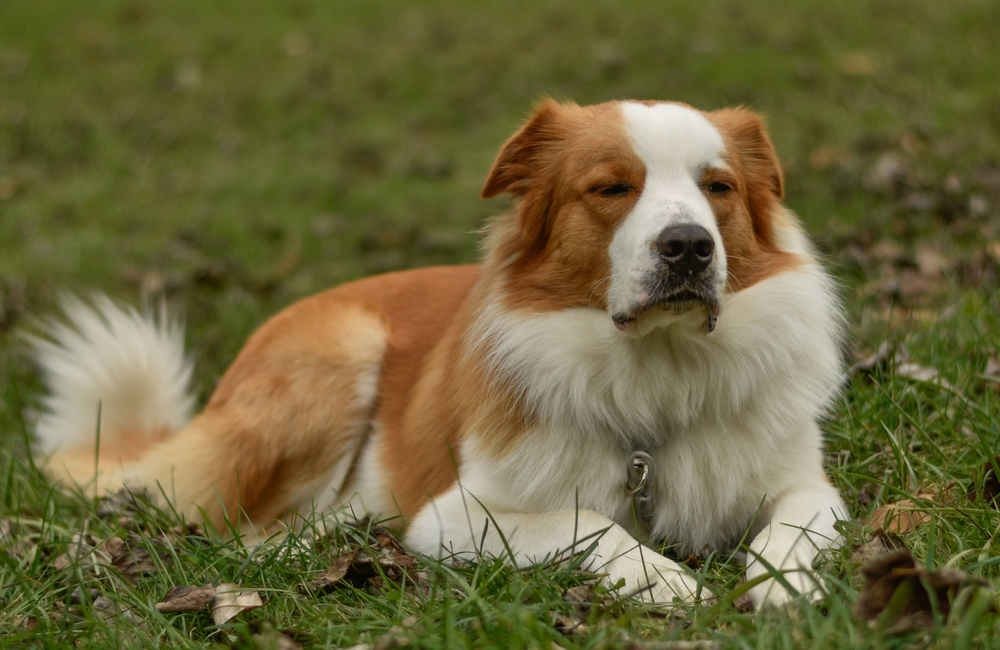
Highly intelligent pets often pause before entering unfamiliar situations. They scan environments rather than rushing in. That caution indicates evaluation rather than impulse.
Assessment requires processing information before movement. The ability to gather data first reflects thoughtful engagement. Measured responses often signal awareness.
13. Differentiating Between Words and Tones
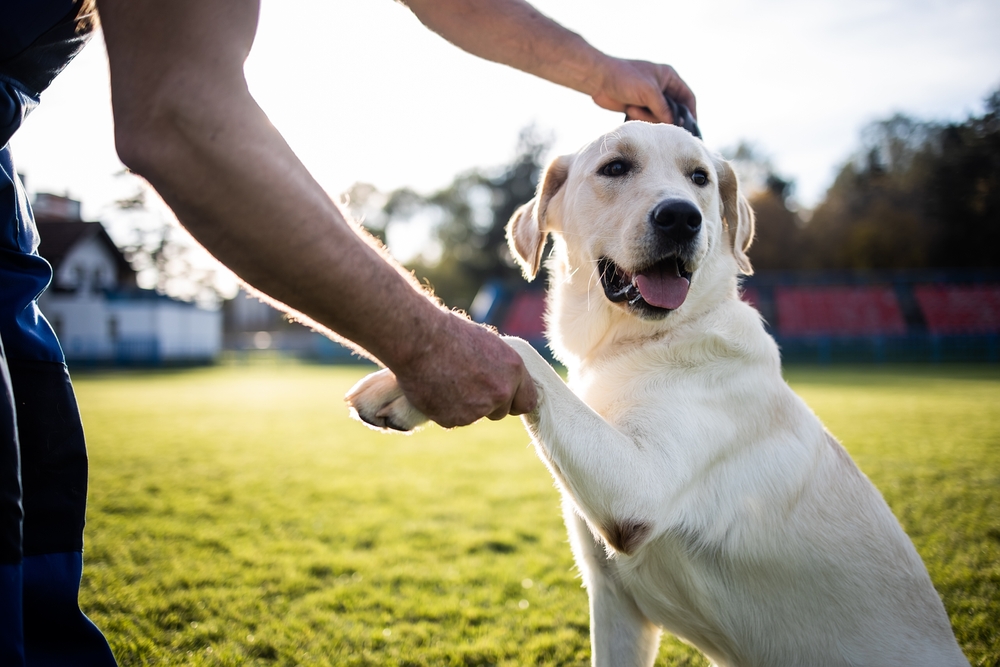
Pets that respond differently to similar words spoken in different tones demonstrate nuanced listening skills. They process both vocabulary and emotional inflection. This layered interpretation shows auditory discrimination.
Some pets recognize dozens of object names or cues. Others detect emotional context even without clear commands. That complexity points to advanced sensory processing.
14. Teaching Other Pets Through Modeling
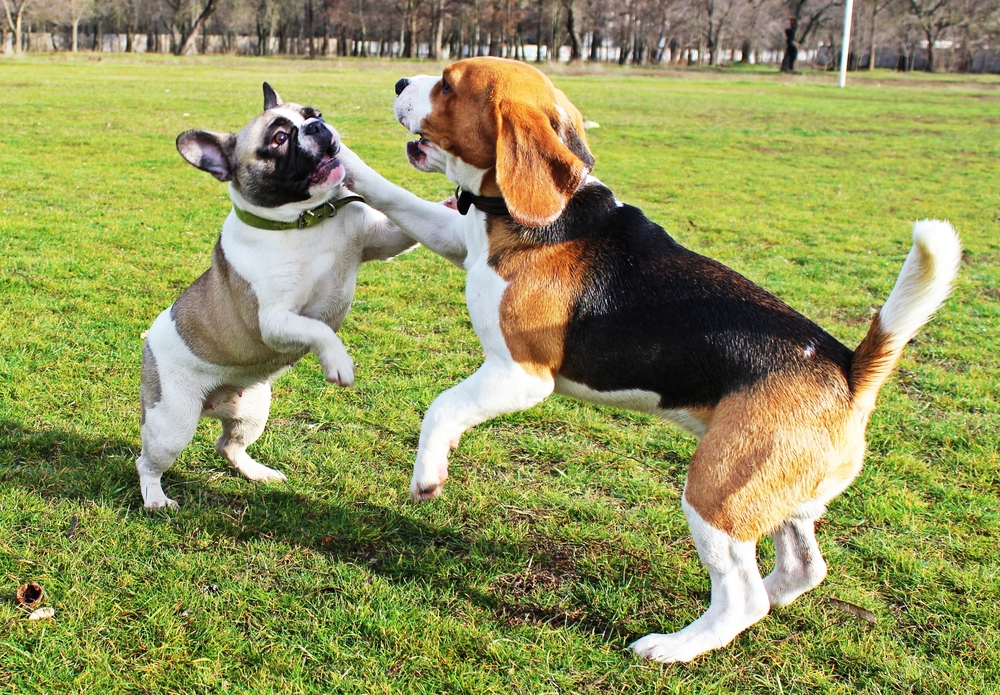
When one pet demonstrates a learned behavior and another copies it, social learning is occurring. Intelligent pets often become models for younger or newer animals. That transfer of behavior reflects observation and imitation.
They recognize patterns worth repeating. Modeling accelerates learning in group settings. Intelligence spreads socially in multi-pet households.
Intelligence in pets does not always look dramatic or flashy. It appears in memory, emotional awareness, adaptability, and thoughtful response. If you recognize several of these behaviors, your pet may be thinking far more deeply than you realized.