
Urban life promises opportunity, culture, and momentum, but it also carries invisible weight. Rising housing costs, longer commutes, climate risks, and economic pressure are quietly pushing stress levels higher in many major metros. Public health surveys, cost-of-living data, and commuting patterns all point to the same trend: daily strain is building. Here are twelve major cities where stress indicators have been climbing in recent years.
1. New York City, New York
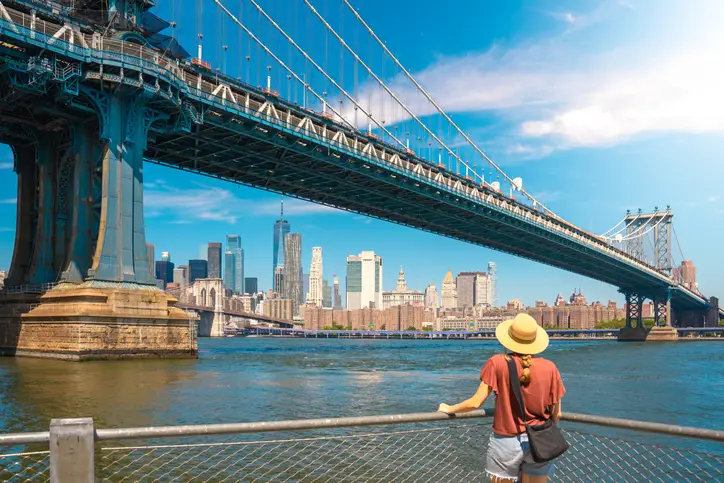
New York consistently ranks near the top in cost-of-living indexes, and housing remains the largest pressure point. Median rents and home prices continue to strain middle-income households, even for dual earners. Add in long commutes and packed public transit, and the daily cognitive load is significant.
Work hours in finance, media, and tech sectors often extend well beyond the traditional nine-to-five. Competition for space, schools, and jobs adds another layer of pressure. Even for high earners, the constant pace can lead to burnout.
2. Los Angeles, California

Los Angeles faces a combination of housing shortages, wildfire risk, and heavy traffic congestion. Commute times regularly rank among the longest in the country. Housing affordability continues to lag far behind wage growth.
Environmental stressors also play a role. Wildfire smoke, drought concerns, and earthquake awareness contribute to background anxiety. The entertainment and gig economies add income instability for many residents.
3. Miami, Florida
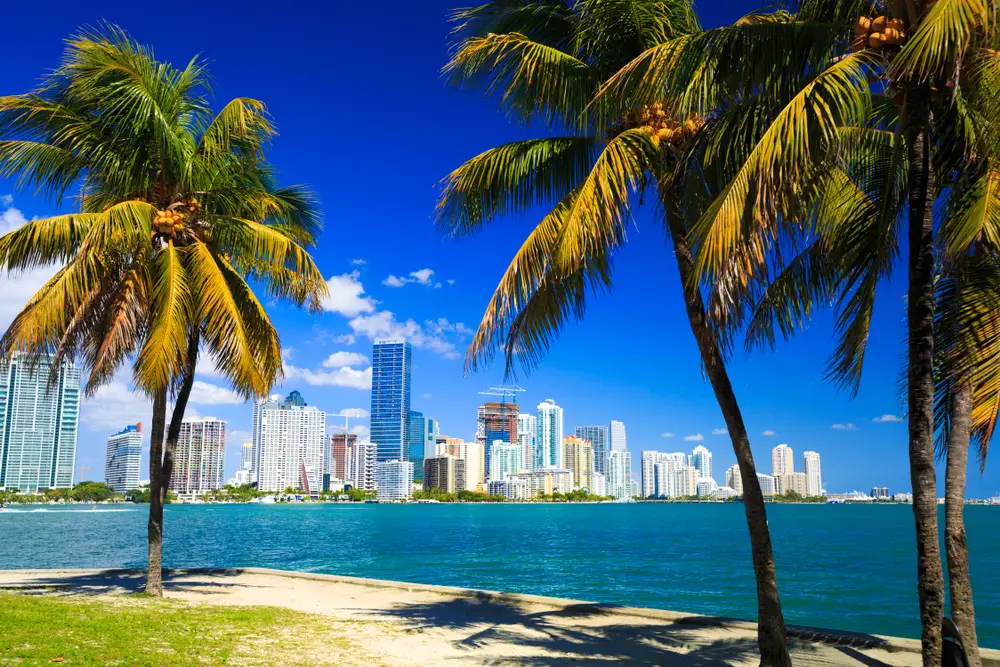
Miami has seen rapid population growth paired with soaring housing prices. Insurance costs related to hurricanes and flooding have risen sharply in recent years. Climate risk adds uncertainty to long-term planning.
The local economy relies heavily on tourism and real estate, which can fluctuate quickly. Wage growth has not kept pace with rising rents in many neighborhoods. That mismatch creates sustained financial pressure.
4. Chicago, Illinois

Chicago residents face rising property taxes and crime concerns in certain neighborhoods. Housing is more affordable than coastal cities, but tax burdens and pension liabilities create fiscal uncertainty. Many families feel squeezed despite stable employment.
Winter weather adds seasonal strain. Harsh conditions lengthen commutes and limit outdoor activity for months. Economic inequality between neighborhoods contributes to uneven stress levels across the city.
5. San Francisco, California
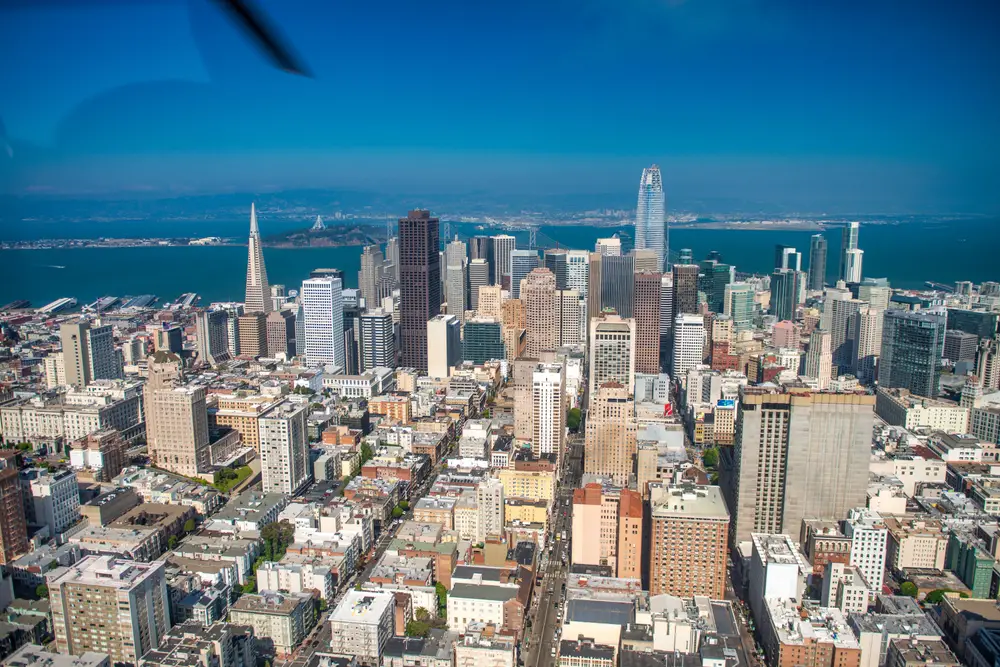
San Francisco remains one of the most expensive housing markets in the country. Even high-income tech workers report financial strain due to real estate costs. Remote work shifts have added uncertainty to job stability.
Homelessness and visible urban challenges affect daily quality of life. The cost of childcare and services compounds stress for families. Market volatility in the tech sector further increases economic anxiety.
6. Austin, Texas
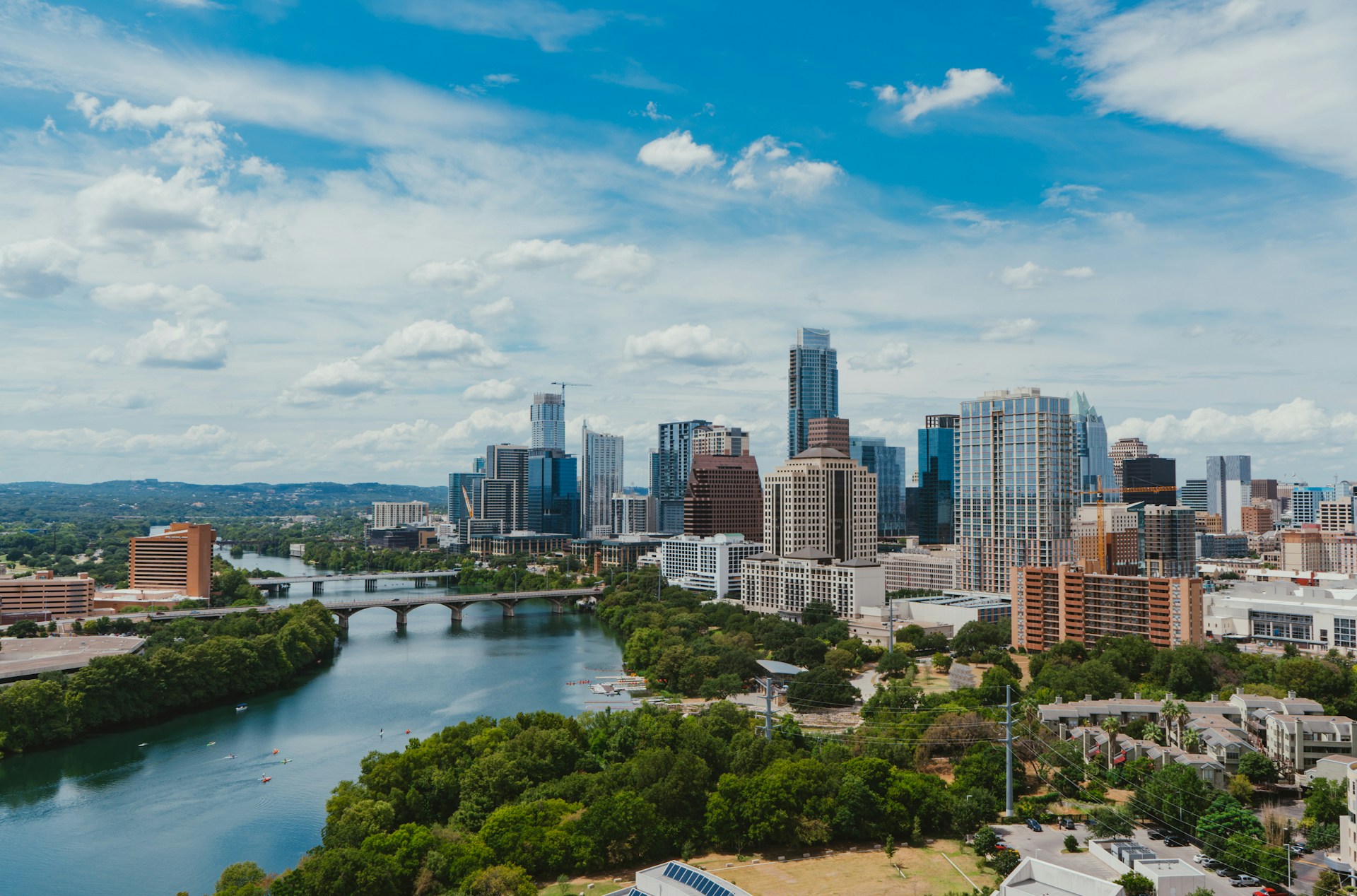
Austin has experienced explosive growth in the past decade. Home values surged rapidly, pricing out many longtime residents. Infrastructure has struggled to keep up with population expansion.
Traffic congestion has worsened as development outpaces road capacity. Rising property taxes impact both homeowners and renters indirectly. The rapid pace of change itself creates adjustment stress.
7. Phoenix, Arizona
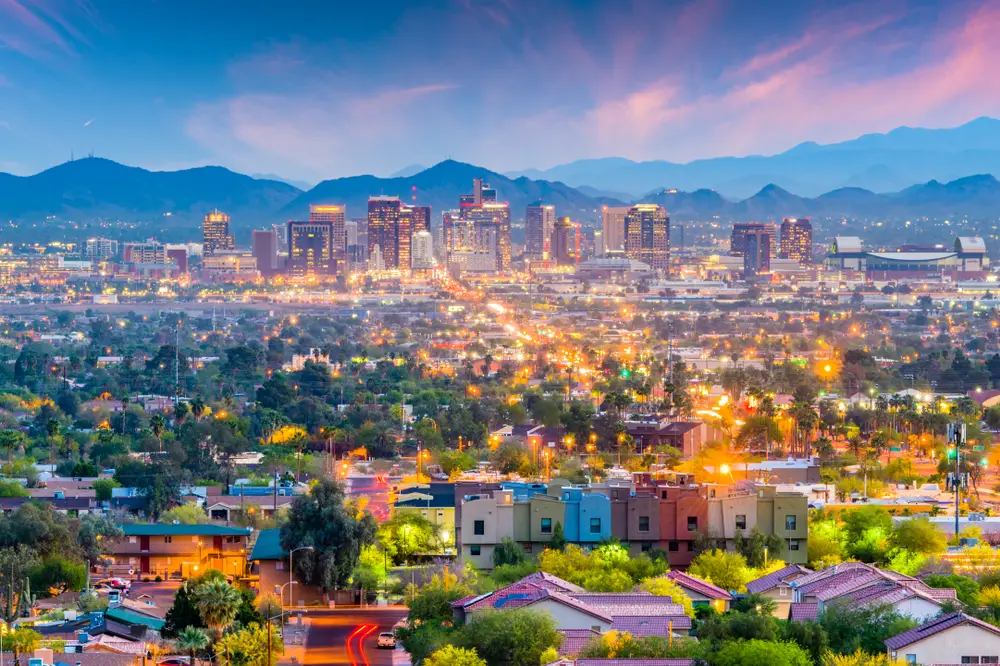
Phoenix faces extreme summer heat that limits outdoor activity for much of the year. Energy bills spike during prolonged heat waves. Water scarcity concerns continue to grow across the Southwest.
Rapid housing appreciation has reduced affordability. Migration from higher-cost states increased demand, raising prices. Residents often cite climate and cost uncertainty as ongoing stress factors.
8. Seattle, Washington
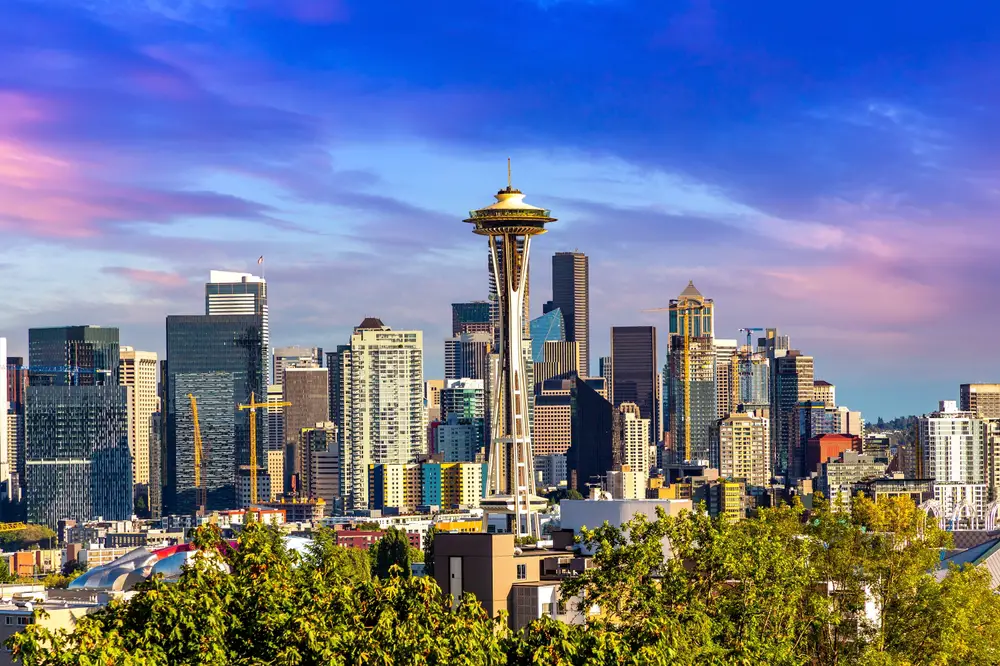
Seattle’s tech-driven economy produces high incomes for some and affordability challenges for others. Housing prices remain elevated despite some cooling from pandemic highs. Income inequality contributes to social tension.
Overcast weather patterns can affect mood for certain individuals. Long work hours in technology and corporate sectors add to mental fatigue. Urban growth has outpaced infrastructure in several neighborhoods.
9. Atlanta, Georgia
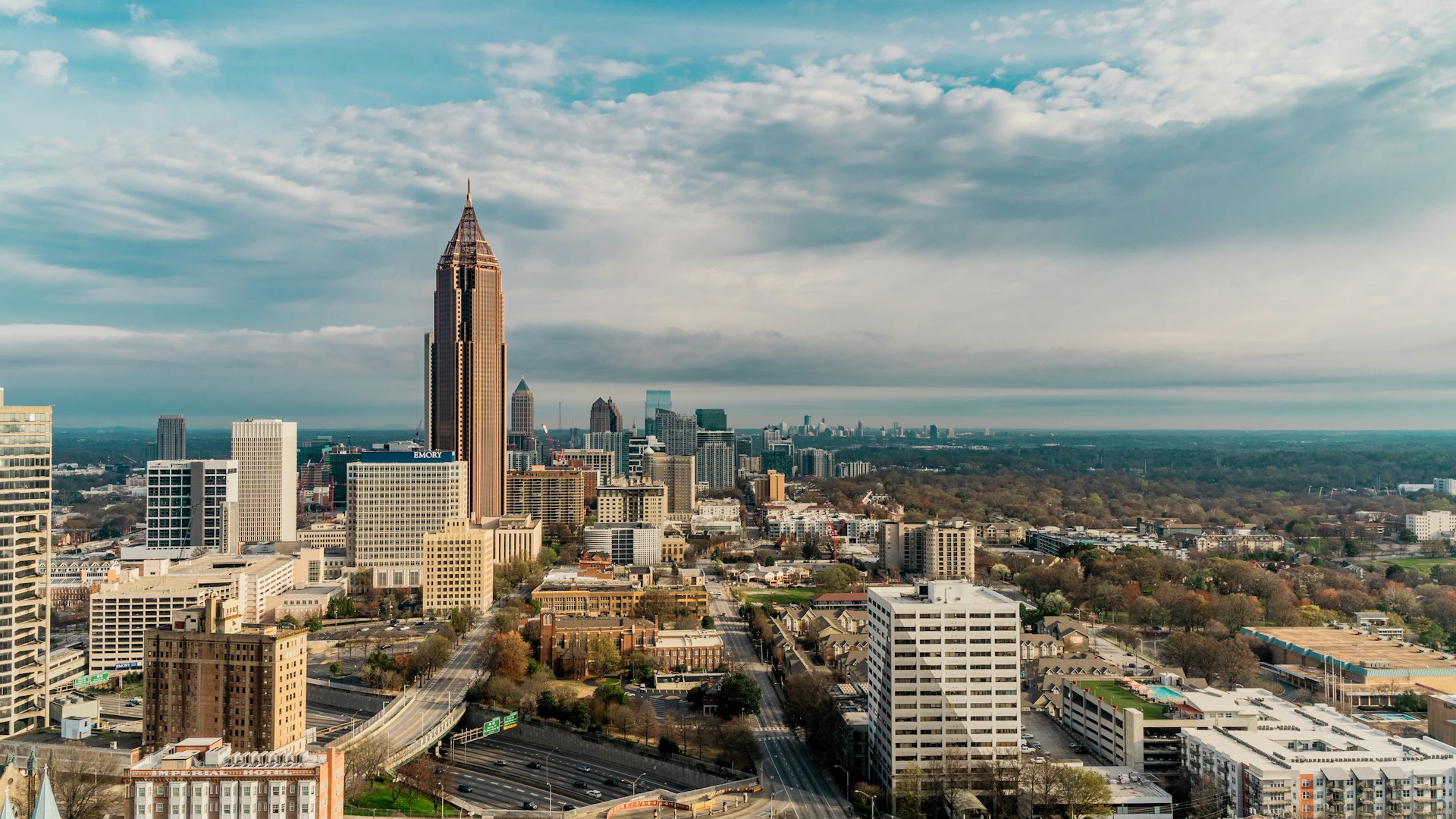
Atlanta has grown quickly, leading to rising housing costs and expanding traffic congestion. Commute times have increased as suburban development spreads outward. Infrastructure strain contributes to daily frustration.
Income inequality remains significant across the metro area. Healthcare access and wage disparities add economic pressure. Rapid population growth has intensified competition for housing and services.
10. Denver, Colorado
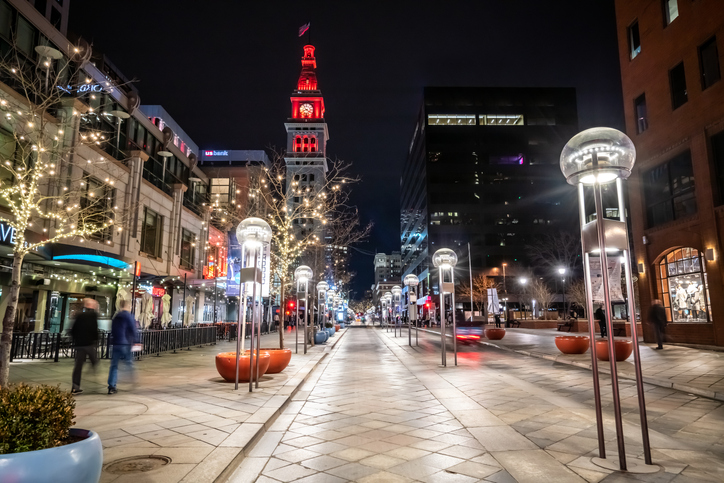
Denver has seen steady population growth alongside rising home values. Outdoor recreation attracts residents, but housing demand has increased faster than supply. Rental costs remain elevated compared to local wages.
Climate variability, including wildfire smoke and drought concerns, adds environmental stress. Commuting from expanding suburbs increases travel times. For many residents, affordability pressures continue to mount.
11. Boston, Massachusetts
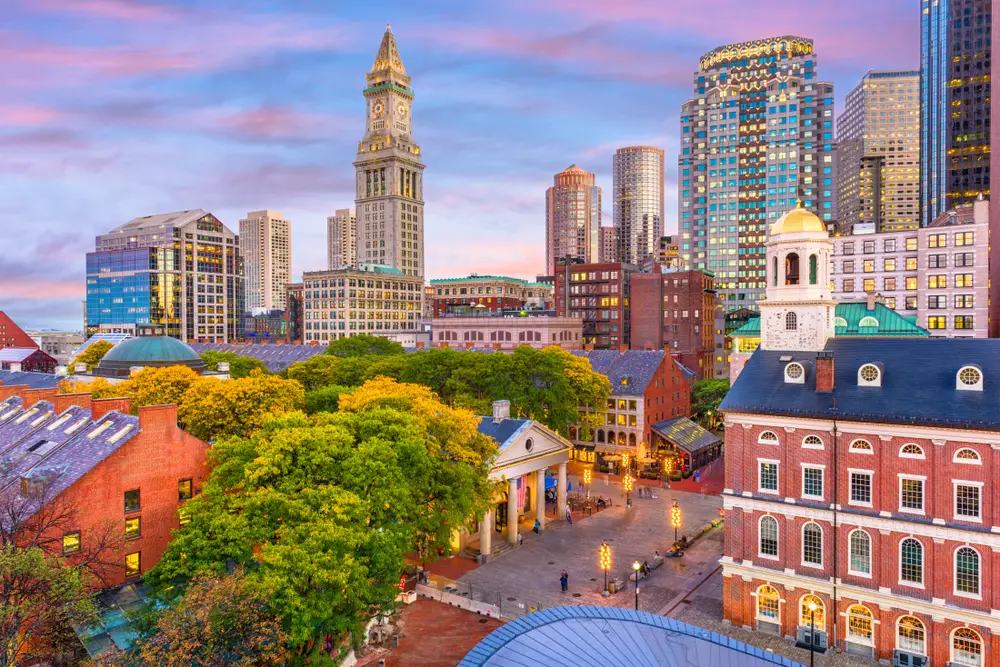
Boston combines high housing costs with one of the most competitive job markets in the country. Education, biotech, and finance sectors demand long hours and high performance. Rent and home prices remain among the highest nationally.
Historic infrastructure creates congestion challenges. Aging transit systems require frequent maintenance and delays. Financial pressure is amplified by student loan burdens common in a highly educated population.
12. Washington, D.C.
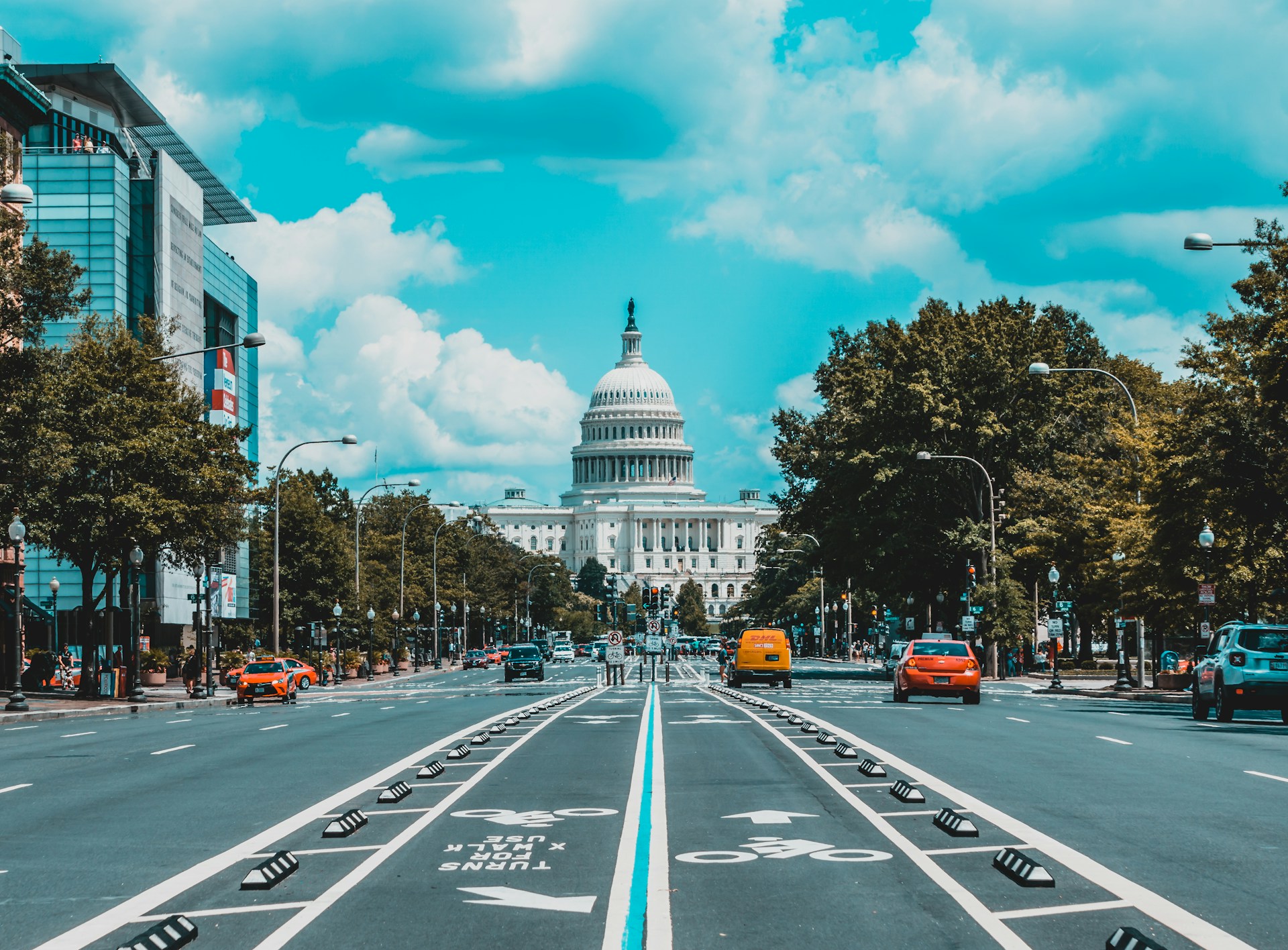
Washington, D.C. operates within a high-pressure political and policy environment. Government employment can involve long hours and intense scrutiny. Housing prices in both the city and surrounding suburbs remain steep.
Policy shifts and election cycles create periodic employment uncertainty. Commuting from outer suburbs adds time strain. The combination of cost, pace, and occupational stress contributes to rising tension levels across the region.