
Snake bites in the United States are relatively rare compared to many parts of the world, but they still send thousands of people to emergency rooms each year. Most bites occur during outdoor recreation, yard work, or accidental encounters in warm weather. The majority are not fatal, but certain states consistently report higher numbers due to climate, habitat, and population growth into snake territory. These are the states where snake bites are most commonly reported.
1. Texas
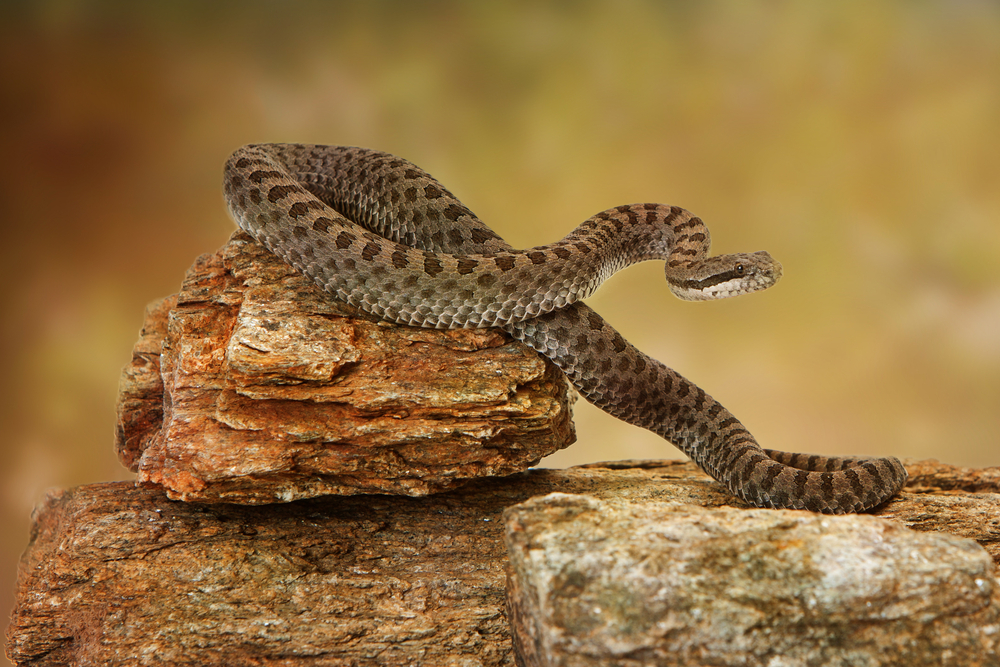
Texas consistently reports the highest number of snake bites in the country. The state is home to numerous venomous species, including several types of rattlesnakes, copperheads, and cottonmouths. Its large rural population and year-round warm climate increase human-snake encounters.
Rapid suburban expansion into natural habitats has also raised contact rates. Outdoor activities like ranching, hiking, and hunting contribute to exposure. Emergency rooms in Texas treat hundreds of venomous bites annually.
2. Florida
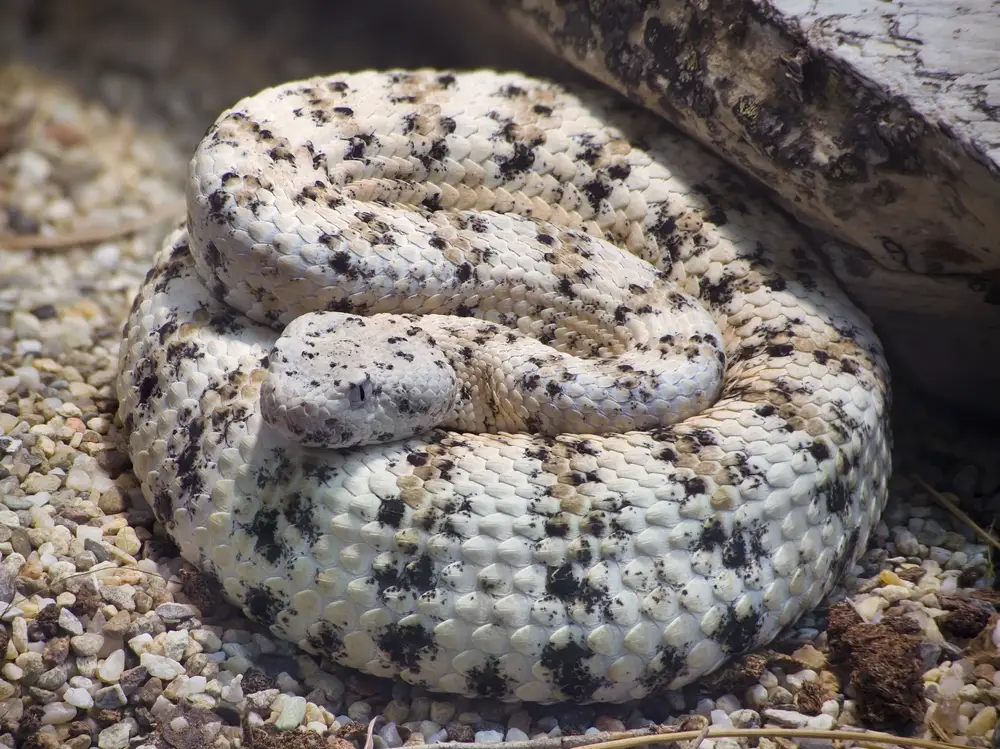
Florida ranks near the top for snake bite incidents each year. The state hosts six venomous species, including eastern diamondback rattlesnakes and cottonmouths. Its warm, humid climate allows snakes to remain active for most of the year.
Dense vegetation and expanding residential development bring people into close proximity with snakes. Many bites occur during yard work or while walking near wetlands. Florida’s wildlife diversity makes encounters more common than in cooler states.
3. Georgia
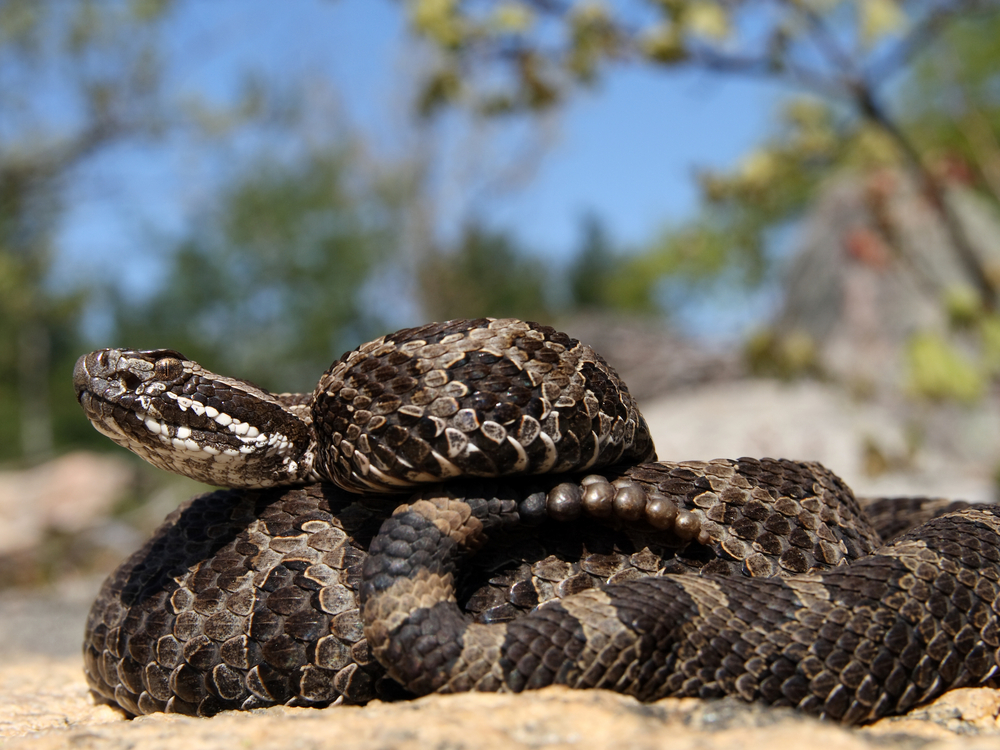
Georgia reports a high number of snake bites, particularly from copperheads and rattlesnakes. The state’s forests, wetlands, and rural areas provide ideal habitat for venomous species. Warm weather extends the active season for snakes.
Suburban growth into wooded areas increases accidental encounters. Outdoor recreation such as hiking and farming also contributes to risk. Most bites occur when people step on or attempt to handle snakes.
4. North Carolina
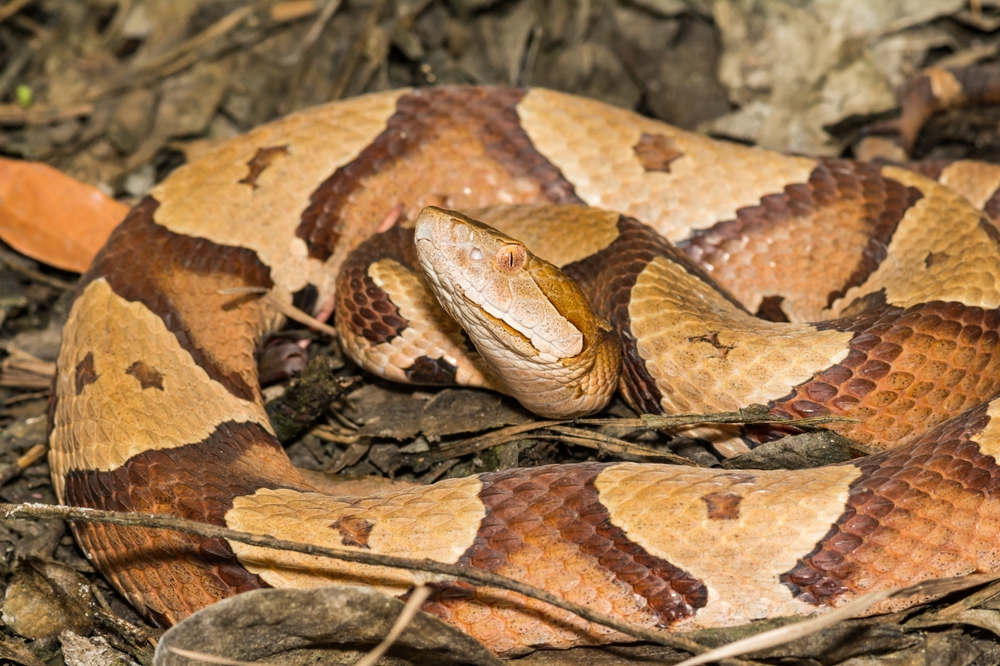
North Carolina consistently records a significant number of venomous snake bites. Copperheads are responsible for most incidents in the state. Their camouflage makes them difficult to see in leaf litter and suburban yards.
The state’s mix of forested land and expanding housing developments raises interaction rates. Many bites happen in spring and summer when both snakes and people are active outdoors. While rarely fatal, medical treatment is often required.
5. South Carolina
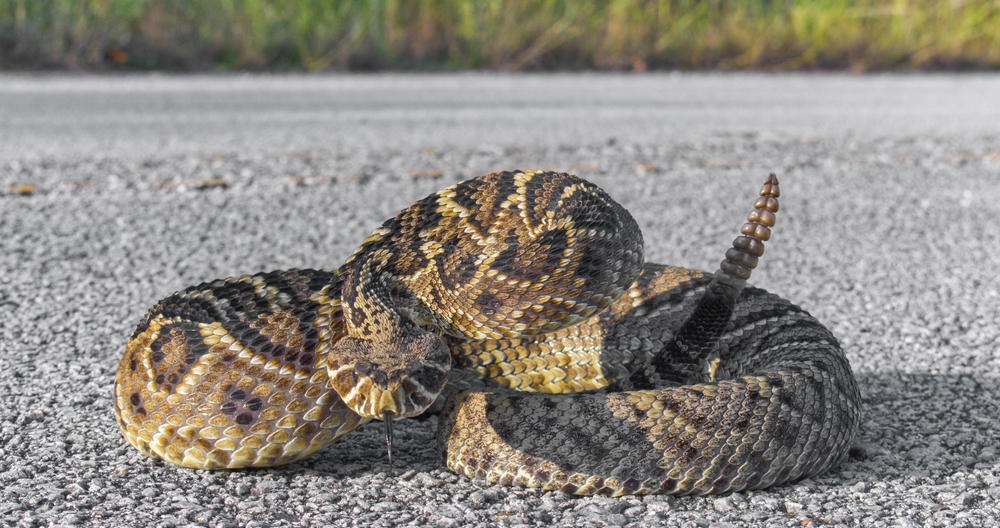
South Carolina’s warm climate supports multiple venomous snake species. Copperheads and rattlesnakes are commonly involved in bite cases. The state’s rural and coastal environments both contribute to exposure risk.
Many incidents occur during landscaping, hiking, or outdoor work. Snakes often seek shelter in woodpiles or debris near homes. Increased population growth in wooded areas has led to more reported encounters.
6. Arizona
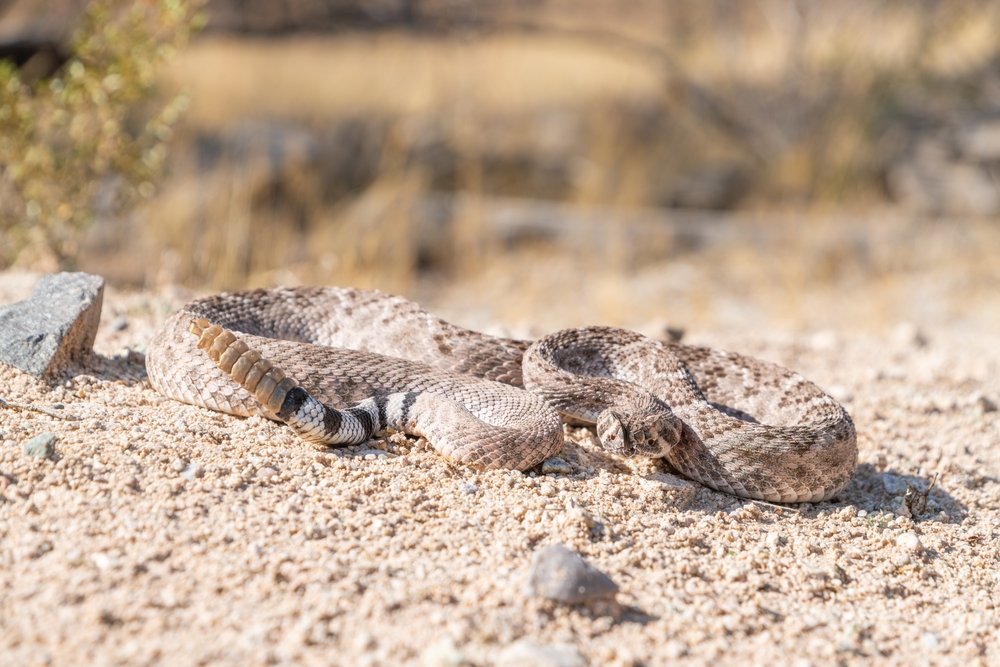
Arizona has one of the highest rates of rattlesnake bites in the country. The desert environment is home to more than a dozen rattlesnake species. Dry, rocky terrain creates ideal habitat for these snakes.
Hiking and outdoor recreation bring residents and tourists into contact with them. Many bites occur when individuals accidentally step near a hidden snake. Hospitals in Arizona are well-equipped to handle venomous snake emergencies.
7. California
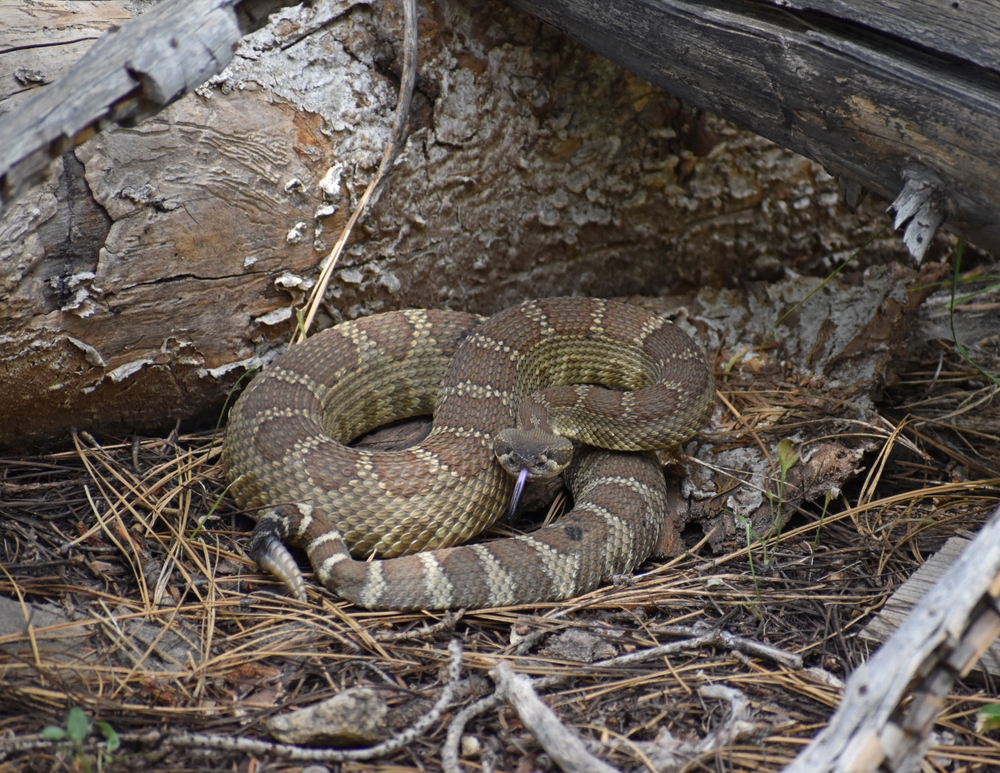
California reports a high number of rattlesnake bites annually. The western rattlesnake is widespread across the state, especially in foothills and rural areas. Urban sprawl into wildlife corridors increases human encounters.
Outdoor recreation in parks and open spaces contributes to exposure. Most bites happen during warmer months. Prompt medical care has kept fatality rates very low despite frequent incidents.
8. Oklahoma
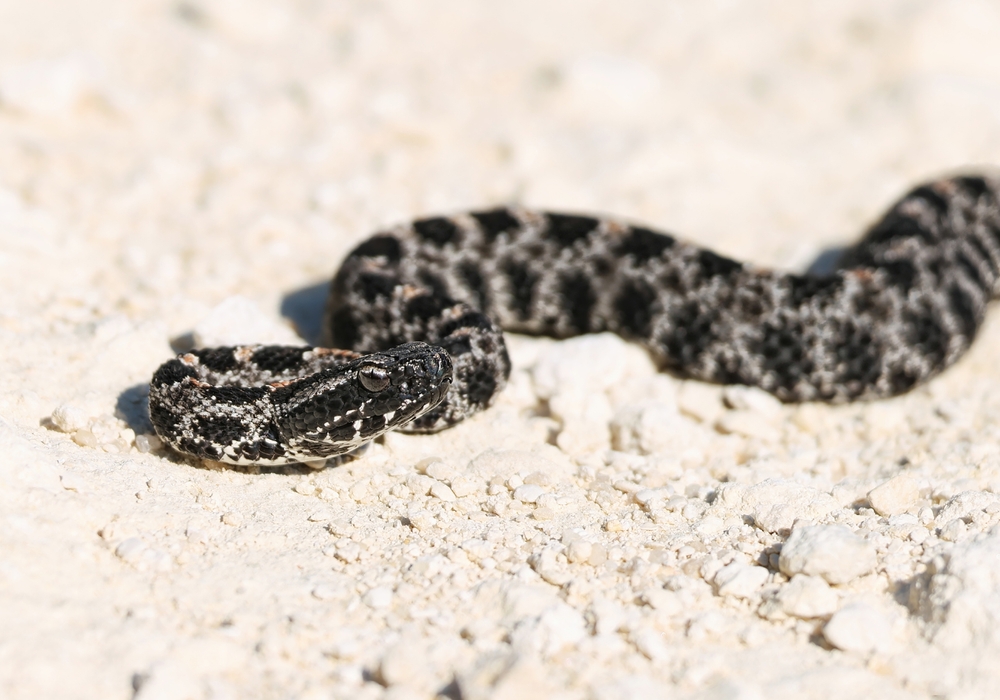
Oklahoma’s mix of prairie, woodland, and rocky terrain supports multiple venomous species. Rattlesnakes and copperheads are the primary causes of bites. The state’s rural population increases occupational exposure.
Farmers and outdoor workers account for many cases. Warm weather and seasonal activity patterns raise risk in spring and summer. Public awareness campaigns emphasize avoidance and safety practices.
9. Louisiana
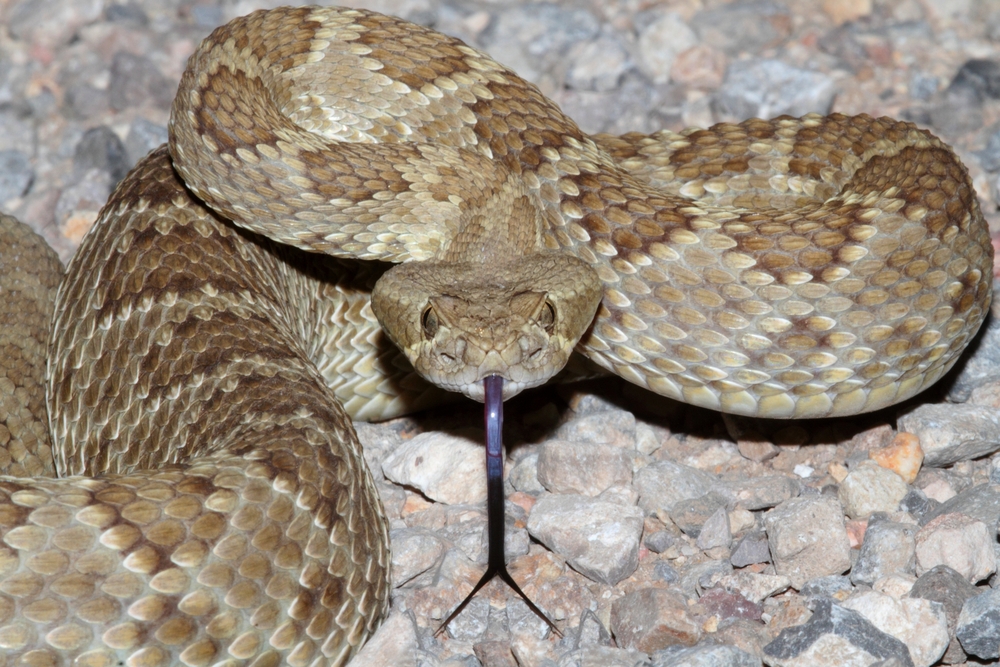
Louisiana’s wetlands and forests create ideal habitat for cottonmouths and copperheads. The state’s humid climate allows snakes to remain active for extended periods. Outdoor fishing and hunting increase contact opportunities.
Many bites occur near water sources. Snakes often hide in vegetation along bayous and ponds. Rapid treatment availability has reduced serious outcomes in most cases.
10. Arkansas
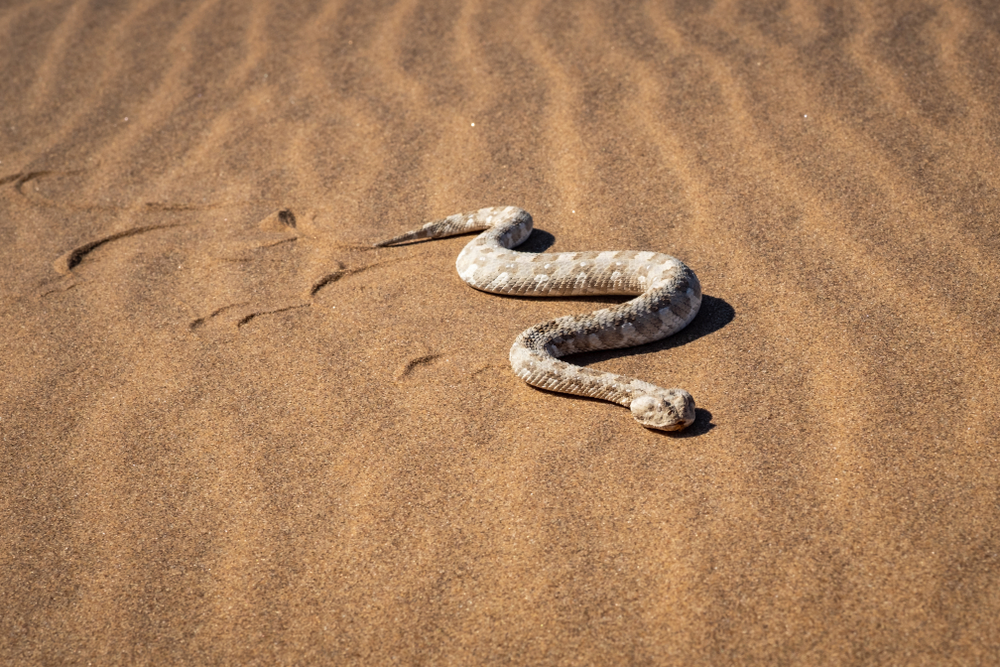
Arkansas reports frequent snake bites, especially from copperheads and rattlesnakes. Its wooded hills and rural communities create natural overlap between humans and snakes. Seasonal outdoor activities raise risk.
Copperheads account for the majority of reported incidents. Many bites happen when people accidentally disturb snakes while walking or working outside. Education about identifying venomous species has improved prevention.
11. Tennessee
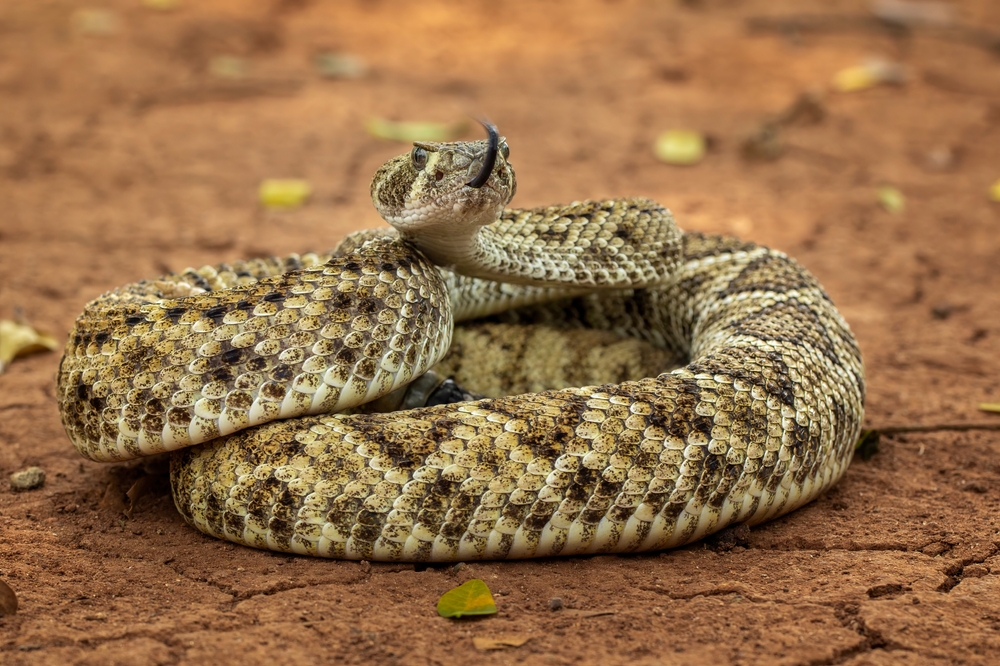
Tennessee sees a steady number of snake bite cases each year. The state is home to copperheads, cottonmouths, and timber rattlesnakes. Forested landscapes increase habitat overlap.
Many bites occur during yard maintenance or hiking. Copperheads are especially common in suburban areas. Most cases are treated successfully with antivenom when necessary.
12. Mississippi
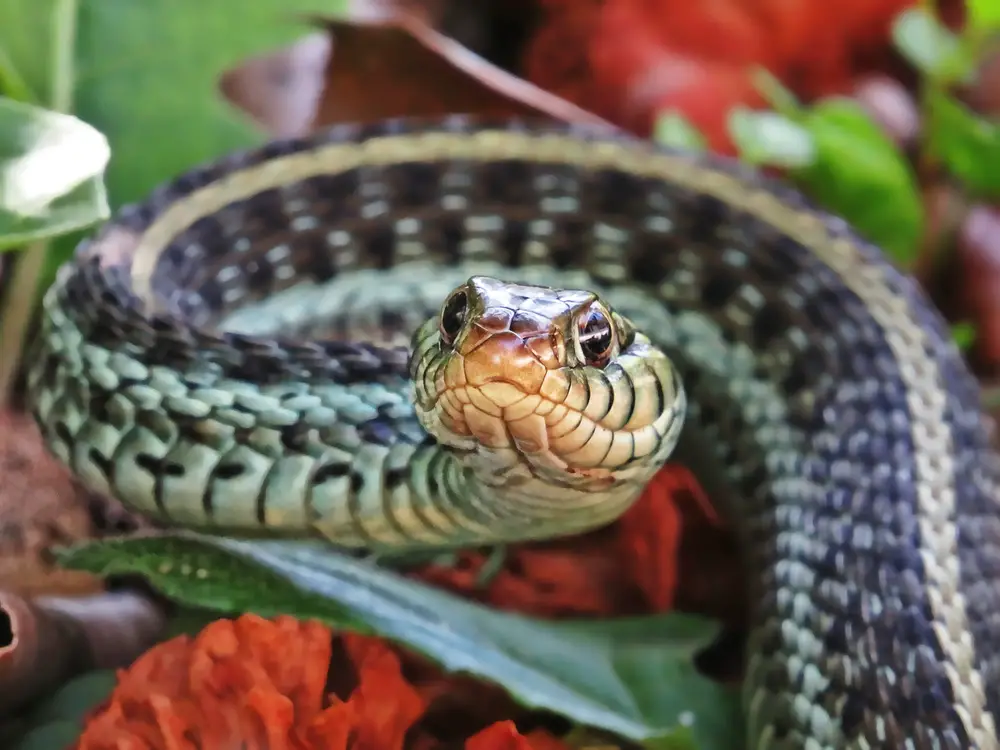
Mississippi’s warm climate and abundant wetlands support venomous snake populations. Cottonmouths and copperheads are commonly implicated in bite incidents. Rural living and outdoor recreation raise exposure rates.
Snakes frequently inhabit wooded property edges and near water. Accidental contact remains the primary cause of bites. While most incidents are not fatal, medical evaluation is essential to prevent complications.