
Dogs do not read résumés or social status, but they are exceptionally skilled at reading emotional signals. Long before humans consciously notice subtle changes in posture, breathing, or tone, dogs are already responding. What some people interpret as a dog sensing “weakness” is usually a dog detecting stress, anxiety, uncertainty, or inconsistency. These are the ways dogs tune in to emotional shifts faster than most people realize.
1. Changes in Your Voice Tone

Dogs are highly sensitive to tone, pitch, and rhythm in speech. Even when your words remain calm, a slight tremor, sharpness, or higher pitch can signal anxiety or frustration. Research shows dogs process emotional tone separately from vocabulary, meaning how you say something matters more than what you say.
If your voice tightens under stress, your dog often reacts immediately. They may become clingy, hyper-alert, or restless. To them, vocal shifts signal that something in the environment has changed.
2. Body Posture and Tension
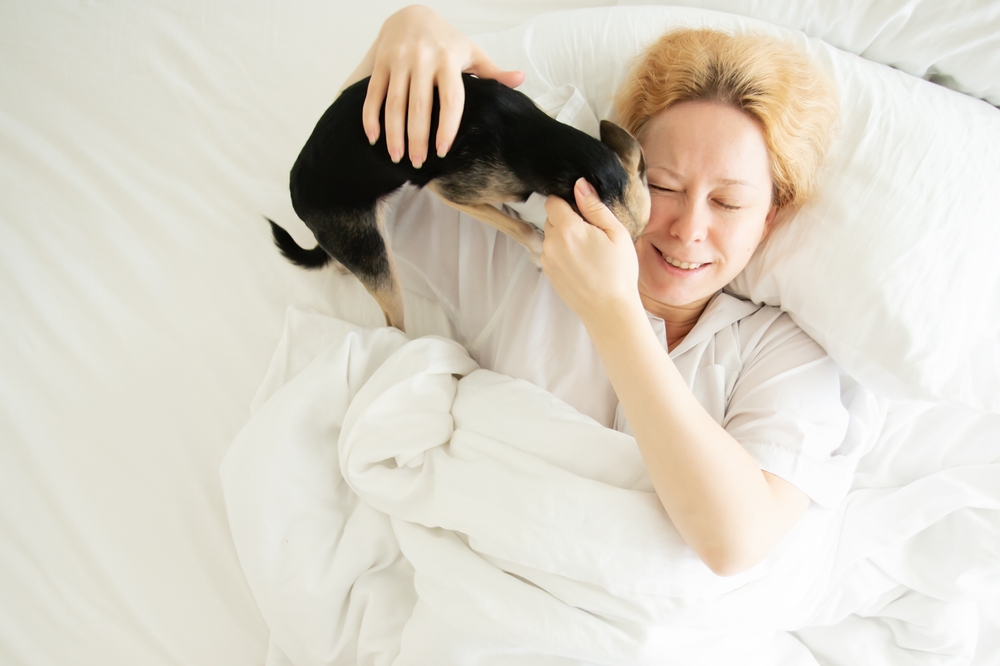
Dogs constantly scan posture for information about safety and leadership. Slumped shoulders, stiff movements, or erratic gestures communicate internal tension. They do not interpret this as weakness in a moral sense, but as instability in the environment.
A confident, relaxed posture signals predictability. Sudden rigidity or defensive body language may trigger concern or even guarding behaviors. Dogs rely on these physical cues more than verbal reassurance.
3. Breathing Patterns
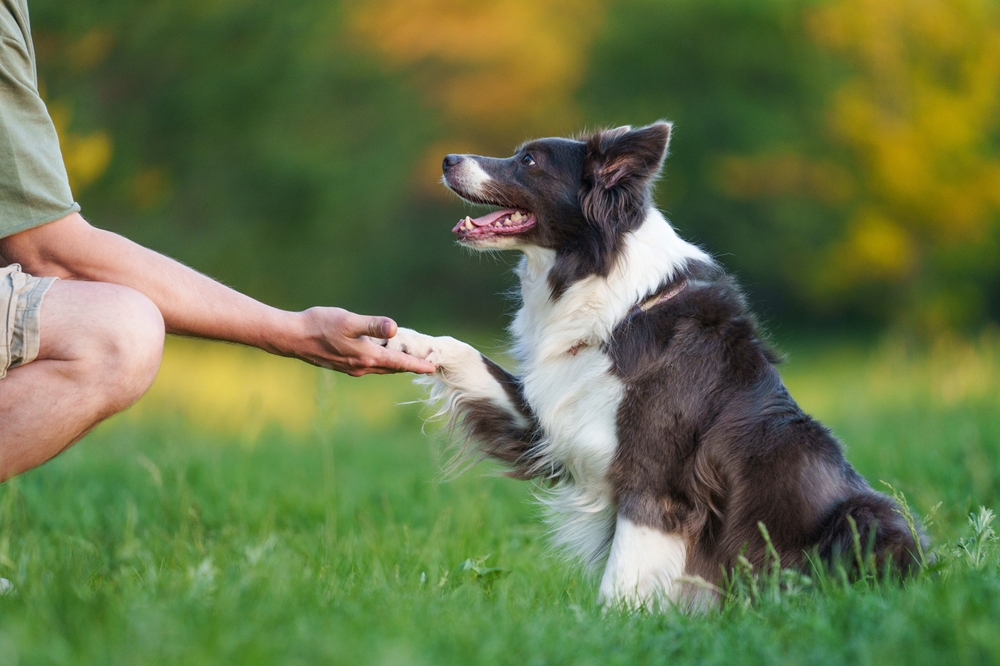
Rapid, shallow breathing often accompanies anxiety. Dogs are acutely aware of breathing rhythms because they naturally synchronize with their social group. Changes in your breathing can alter their nervous system state.
When your breath speeds up, your dog may become more vigilant. Some dogs approach to investigate, while others increase scanning behavior. They are responding to physiological cues rather than visible events.
4. Facial Micro-Expressions
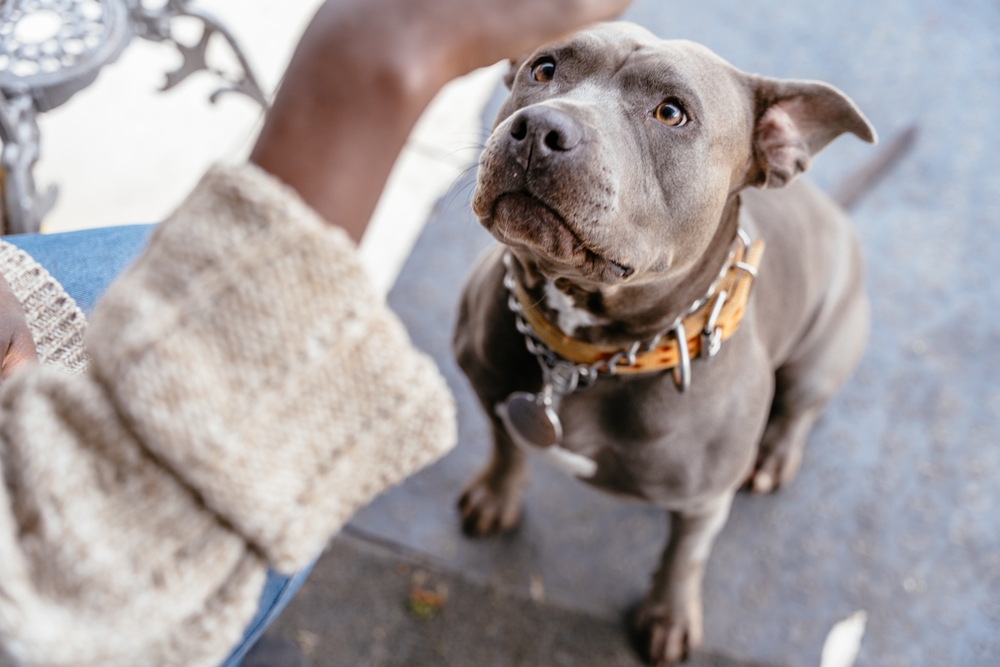
Dogs are skilled at reading subtle facial movements. Raised eyebrows, tightened lips, and widened eyes all communicate emotional shifts. Studies using eye-tracking technology show dogs focus heavily on human faces.
A fleeting look of fear or uncertainty may prompt a dog to reposition or seek reassurance. These expressions often register before you are aware of them yourself. Dogs treat facial tension as meaningful environmental data.
5. Inconsistent Commands
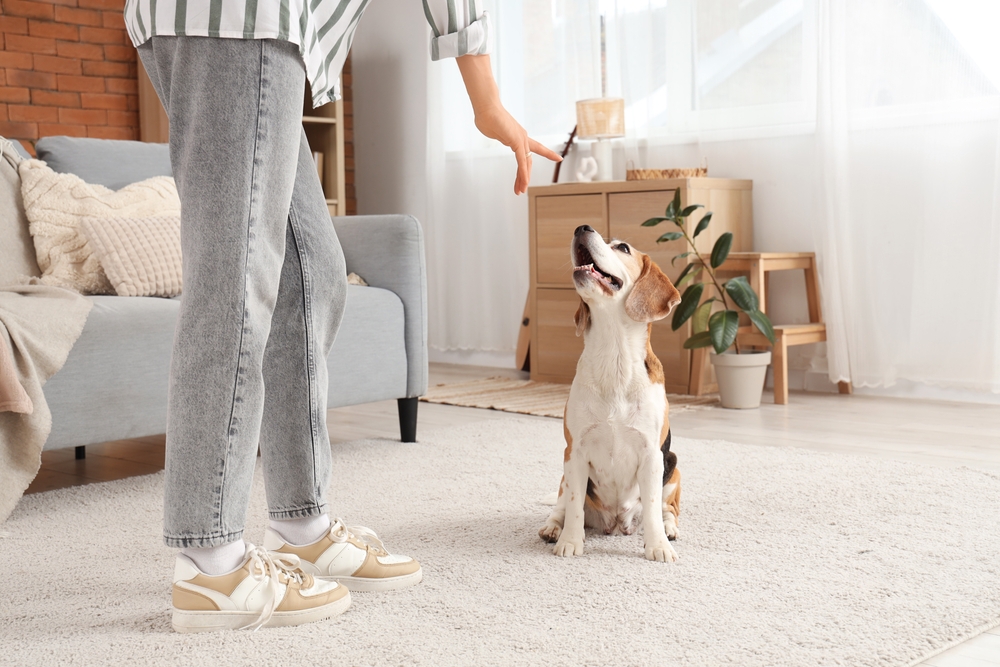
When a person feels unsure, their commands often lose clarity. Tone softens, volume drops, or instructions become repetitive without follow-through. Dogs notice inconsistency quickly.
They may test boundaries when they sense uncertainty. Not because they seek dominance, but because unclear leadership creates confusion. Clear, calm communication reduces this response.
6. Increased Fidgeting or Restlessness
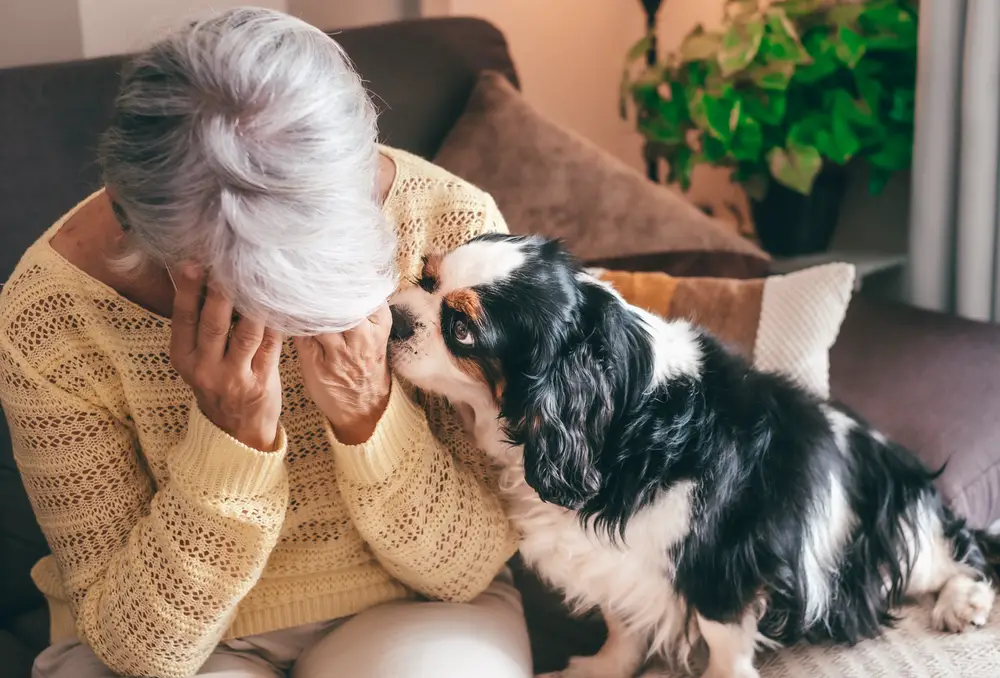
Stress often shows up as pacing, tapping, or frequent position changes. Dogs are sensitive to movement patterns within their household. Sudden restlessness can elevate their alertness.
They may mirror your behavior by pacing as well. This is a form of emotional contagion, where one individual’s state influences another. Dogs are especially prone to synchronizing with human anxiety.
7. Scent Changes Linked to Stress
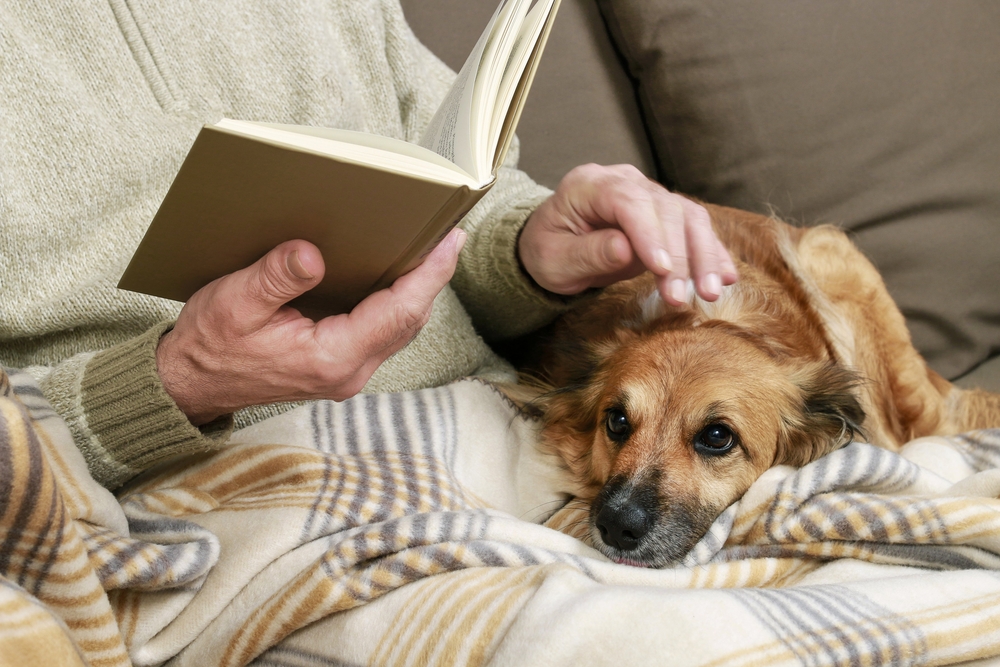
Humans emit different chemical signals when stressed. Research suggests dogs can detect hormonal changes, including those related to cortisol. Even subtle scent shifts communicate emotional states.
A dog may respond by becoming attentive or protective. They are not judging the emotion, but reacting to biological cues. To them, scent changes are information about safety.
8. Eye Contact Patterns

Avoiding eye contact or maintaining prolonged, tense staring both communicate emotional instability. Dogs interpret direct, rigid staring as a sign of threat. On the other hand, avoiding gaze entirely can signal discomfort.
Balanced, relaxed eye contact supports trust. Dogs respond best to calm engagement. Dramatic shifts in eye behavior often cause them to reassess the situation.
9. Changes in Routine
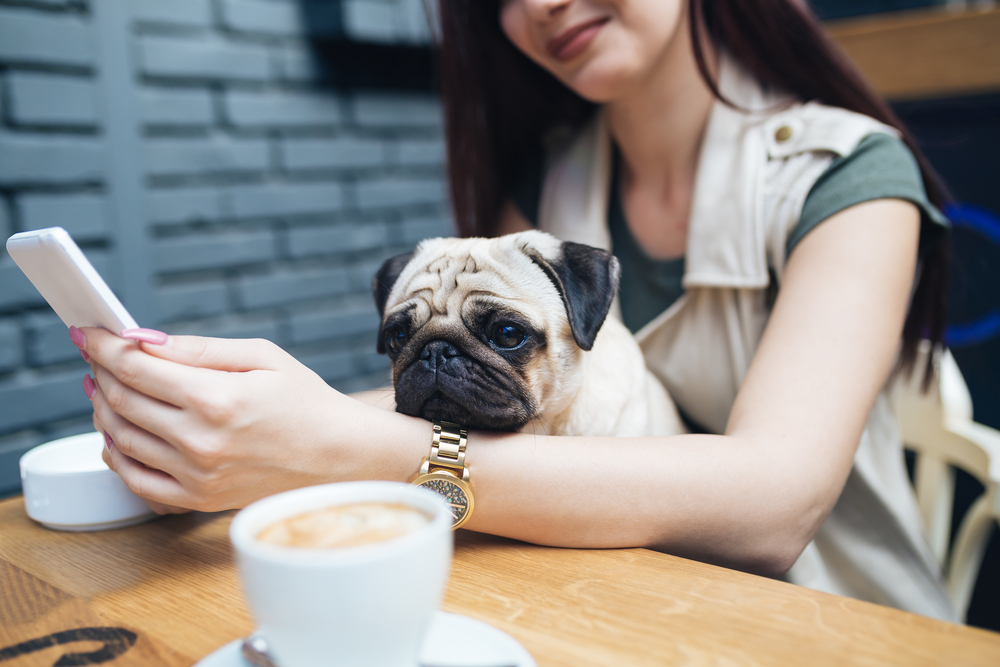
Stress frequently disrupts daily routines. Feeding times, walk schedules, and bedtime patterns may shift when someone feels overwhelmed. Dogs rely heavily on predictability.
When routine changes abruptly, dogs may exhibit anxiety or clinginess. They interpret environmental inconsistency as a sign something is wrong. Stability reassures them more than verbal explanations.
10. Physical Touch Differences
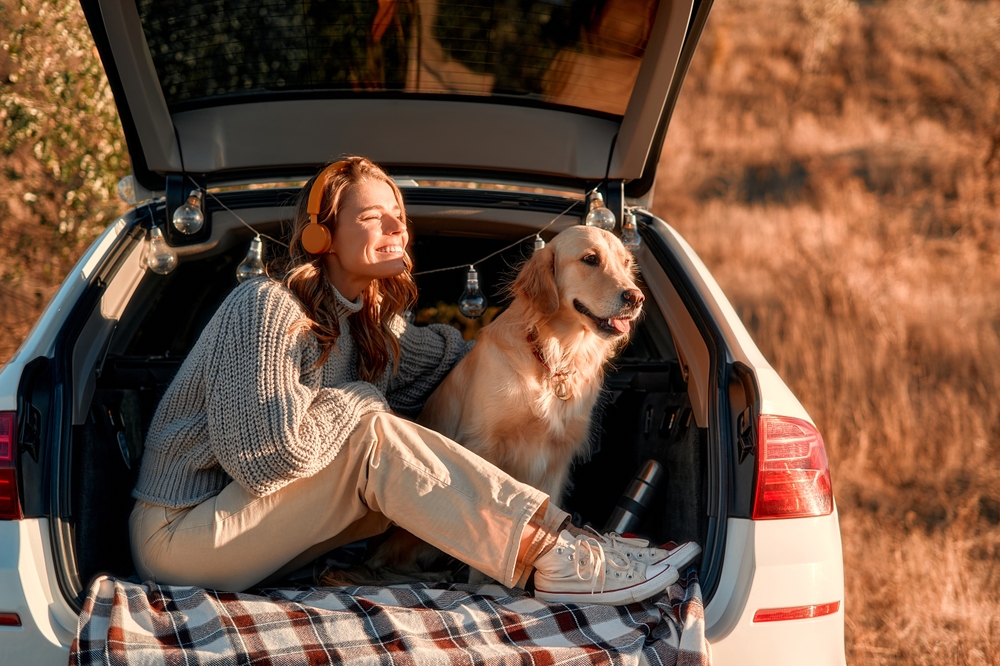
The way you touch your dog changes when you are stressed. Petting may become absent-minded, rushed, or overly tight. Dogs distinguish between relaxed contact and distracted handling.
If touch becomes tense, they may withdraw or respond cautiously. Gentle, consistent pressure communicates safety. Emotional strain often shows up in the hands first.
11. Movement Speed and Energy
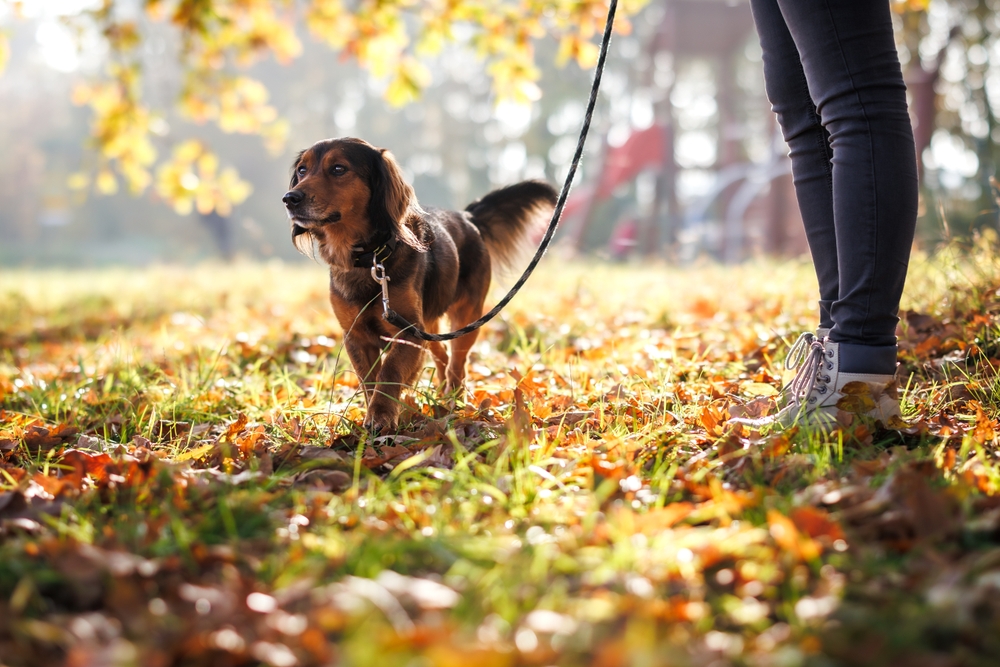
Stress alters movement speed. Some people move faster and more abruptly, while others slow down dramatically. Dogs adjust their behavior based on this shift in pace.
Rapid, sharp movements can trigger alertness. Sluggish, withdrawn movement can prompt concern or proximity-seeking. Dogs constantly calibrate to your energy level.
12. Social Withdrawal

When humans withdraw socially, dogs notice. Reduced interaction, shorter play sessions, or limited engagement affect their sense of connection. Dogs are highly attuned to relational shifts.
They may attempt to reinitiate contact more frequently. Alternatively, some become subdued in response. The change itself is what they respond to, not the reason behind it.
13. Emotional Contagion During Conflict
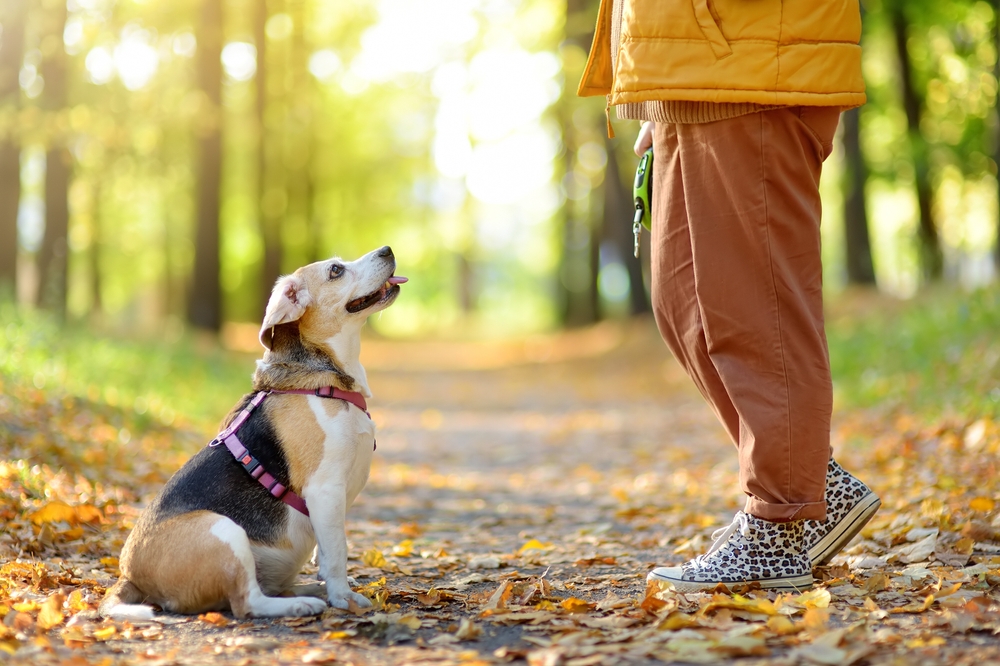
Dogs often react strongly during arguments or tense conversations. Raised voices, abrupt gestures, and sudden emotional spikes are clear signals. Even if conflict does not involve them, they experience it as environmental instability.
Some dogs attempt to intervene by placing themselves between people. Others retreat to a safe space. They are responding to heightened emotional energy that feels unpredictable.