
Pets rarely get credit for the mental gymnastics they perform every day. We tend to measure intelligence by tricks or obedience, but animals show problem-solving ability, emotional awareness, and memory in quieter ways. The signs are subtle, and they often look like personality quirks rather than brainpower. If you notice these behaviors, your pet may be operating on a much higher level than you realized.
1. They Learn Routines Faster Than You Teach Them

Some pets seem to predict events before you even move. They head to the door when you grab certain shoes or wait by the kitchen at exactly the right time each evening. That is not coincidence but pattern recognition at work.
Animals that quickly map out daily schedules are processing environmental cues and connecting them to outcomes. They are not just reacting; they are anticipating. That level of forecasting requires memory and cognitive flexibility.
2. They Solve Problems Without Being Shown
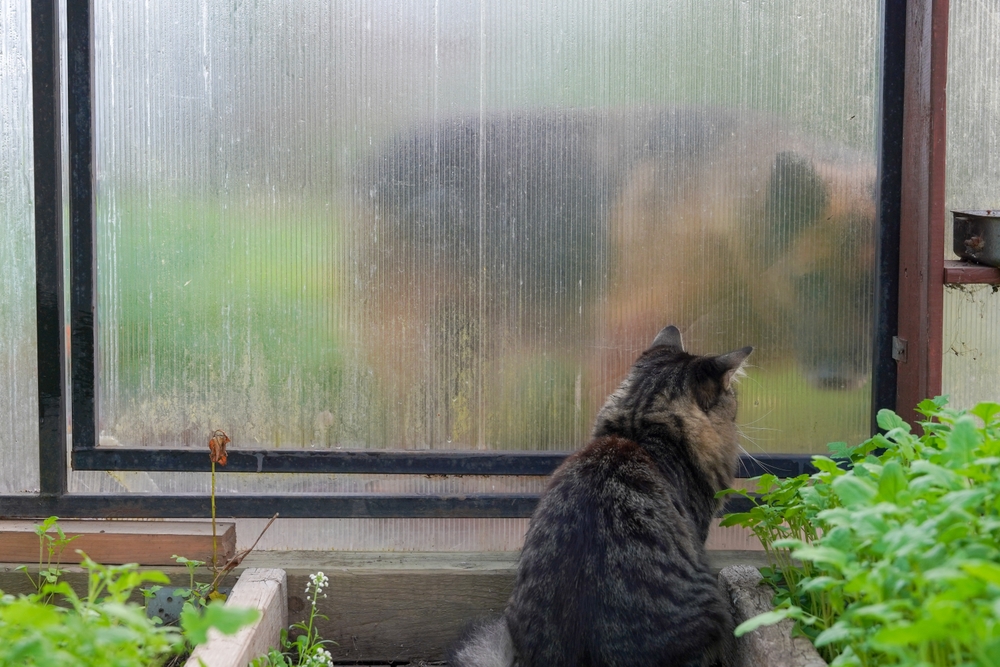
If your dog figures out how to open a latch or your cat discovers how to reach a high shelf by dragging a chair, you are witnessing applied reasoning. Trial-and-error learning is a strong indicator of intelligence. It shows the ability to adjust behavior based on results.
Many highly intelligent pets repeat successful strategies and refine them over time. They experiment until they find what works. That persistence reflects more than curiosity; it signals problem-solving skill.
3. They Communicate Specific Needs Clearly

Some pets use distinct sounds, gestures, or behaviors to request particular things. One bark may mean outside, another may signal hunger, and a different one might mean attention. That differentiation shows intentional communication.
Animals capable of adjusting signals based on response are thinking strategically. They are observing what works and modifying their approach. That kind of targeted communication requires awareness and learning.
4. They Read Human Emotions Accurately

Pets that respond differently when you are sad, stressed, or excited demonstrate emotional intelligence. They may approach gently when you are upset or become playful when energy shifts. This sensitivity suggests advanced social awareness.
Research shows many animals detect subtle facial expressions and tone changes. When your pet adjusts behavior based on your mood, it reflects interpretation rather than instinct alone. That ability to read emotional cues is a sophisticated trait.
5. They Remember People After Long Absences
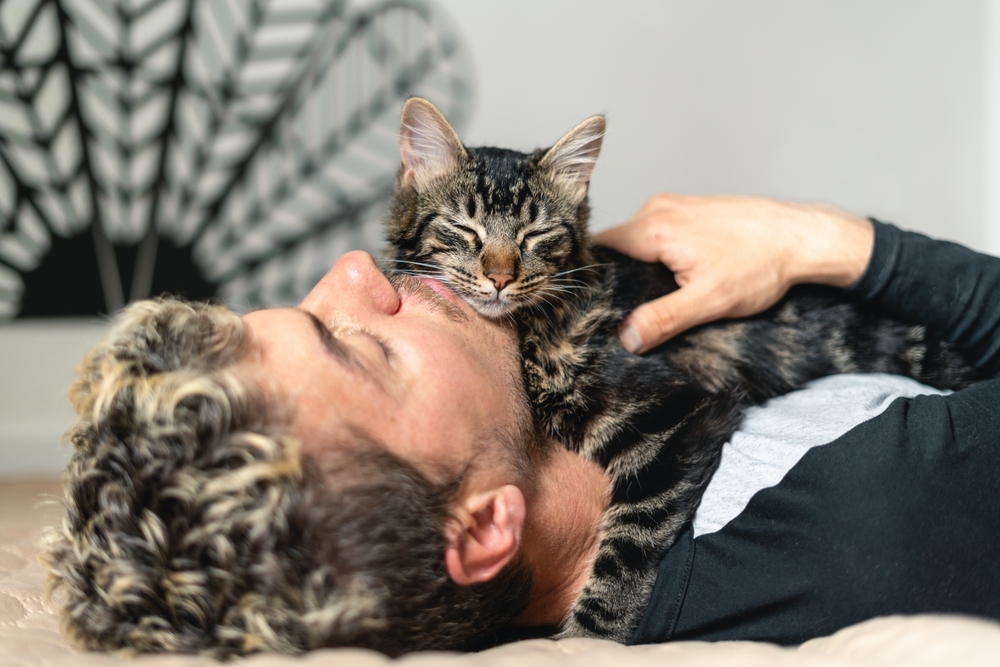
If your pet instantly recognizes someone who has not visited in months or years, it highlights long-term memory. Recognition beyond scent familiarity suggests deeper recall of past interactions. Memory retention is a core marker of intelligence.
Animals with strong memory can store social information and retrieve it accurately later. This ability strengthens bonds and improves survival in social species. It is more than loyalty; it is cognitive recall.
6. They Modify Behavior Based on Consequences

Pets that stop certain behaviors after clear feedback demonstrate cause-and-effect understanding. They recognize which actions lead to positive outcomes and which lead to correction. That connection reflects learning through experience.
More impressively, some animals generalize lessons to similar situations. They apply rules beyond a single instance. That transfer of knowledge signals higher-level cognitive processing.
7. They Show Strategic Patience

An intelligent pet may wait quietly instead of reacting immediately. They might sit calmly when they know a reward is coming or watch for the right moment to approach. Delayed gratification requires impulse control.
Impulse control is closely tied to advanced cognitive development. It indicates the ability to override instinct for long-term gain. Not every animal demonstrates that level of restraint.
8. They Invent Games

Pets that create their own forms of play are displaying creativity. A dog might toss a toy to initiate chase or a cat may develop elaborate hunting simulations. Self-directed play requires imagination and experimentation.
Inventive play shows cognitive flexibility. The animal is not simply repeating taught behavior. They are generating new sequences and adapting them in real time.
9. They Outsmart Basic Barriers

If your pet repeatedly bypasses gates, crates, or cabinets, it signals analytical thinking. They study weaknesses and test solutions. Success often comes after multiple attempts.
Persistence combined with observation points to intelligence. The animal evaluates structure and adjusts tactics. That process mirrors problem-solving seen in highly cognitive species.
10. They Understand Words Beyond Commands

Some pets respond to conversational language even when not directly addressed. They perk up at specific nouns like park, treat, or car ride within normal speech. That suggests vocabulary recognition rather than simple tone reaction.
Research indicates many dogs can learn dozens or even hundreds of words. Recognizing context beyond commands requires associative learning. It reflects mental mapping between language and experience.
11. They Mirror Your Behavior

Pets that copy routines, gestures, or emotional states demonstrate observational learning. They may match your sleep schedule or react to situations similarly. Mimicry shows attention to environmental modeling.
Imitation is a complex learning tool. It requires watching, processing, and replicating behavior. Animals capable of this are absorbing information in sophisticated ways.
12. They Navigate New Environments Quickly

When introduced to unfamiliar spaces, intelligent pets explore methodically. They map layouts, identify exits, and locate resources efficiently. Rapid spatial learning is a key cognitive indicator.
Animals with strong spatial memory adapt faster and feel secure sooner. They do not wander aimlessly. Instead, they observe and strategize.
13. They Anticipate Training Patterns

Some pets begin offering behaviors before you ask. They may cycle through known tricks trying to predict which one earns a reward. That anticipation reflects pattern detection and strategic thinking.
They are not guessing randomly. They are analyzing previous sequences and adjusting accordingly. This forward-thinking behavior suggests mental agility.
14. They Display Social Manipulation
Highly intelligent pets sometimes influence household dynamics. They may approach the most lenient family member for treats or behave differently depending on who is present. That adaptability shows awareness of individual behavior patterns.
Strategic social behavior requires understanding cause and response. When a pet adjusts approach based on audience, it signals flexible cognition. That kind of awareness often goes unnoticed but reflects advanced intelligence.