
Coyotes have never been strictly wilderness animals, but something has shifted in recent years. Across the country, they are adapting faster than cities are expanding, slipping quietly into neighborhoods that once felt far removed from wildlife corridors. Suburban growth, shrinking habitats, and easy food sources have created ideal conditions for these highly intelligent predators. In the following states, coyotes are not just passing through—they are establishing steady suburban presence.
1. California
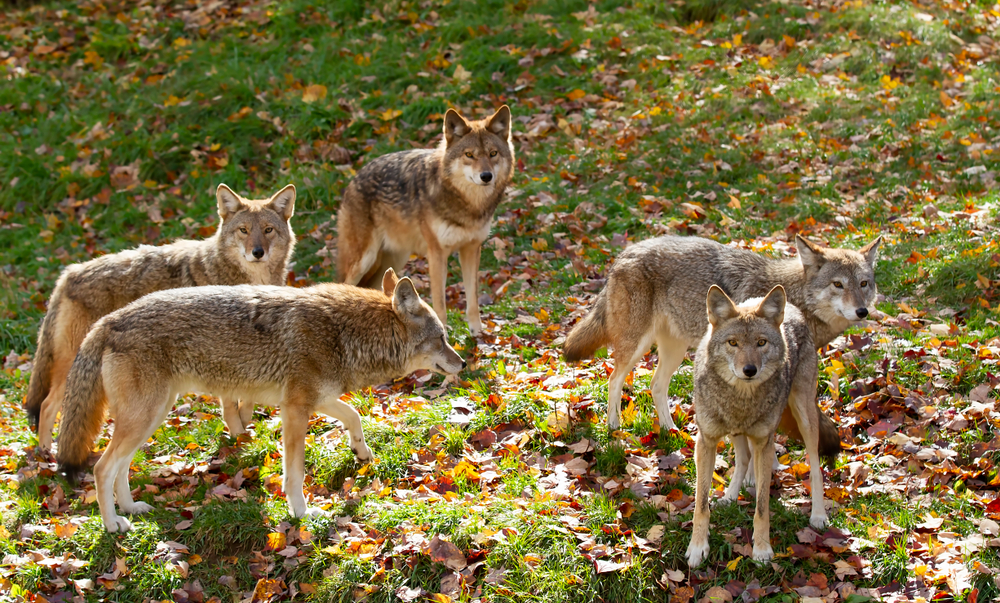
California has long had one of the largest coyote populations in the country, but suburban sightings have increased dramatically in places like Los Angeles, Orange County, and the Bay Area. Drought conditions and wildfire displacement have pushed wildlife into residential zones more frequently. Coyotes have learned to navigate greenbelts, drainage channels, and even busy streets with surprising confidence.
Suburbs provide steady food sources, from unsecured trash bins to small pets left unattended. Residents report daytime sightings, which were once rare and now feel routine. Wildlife agencies emphasize that the animals are not new, but their visibility and boldness have grown.
2. Texas
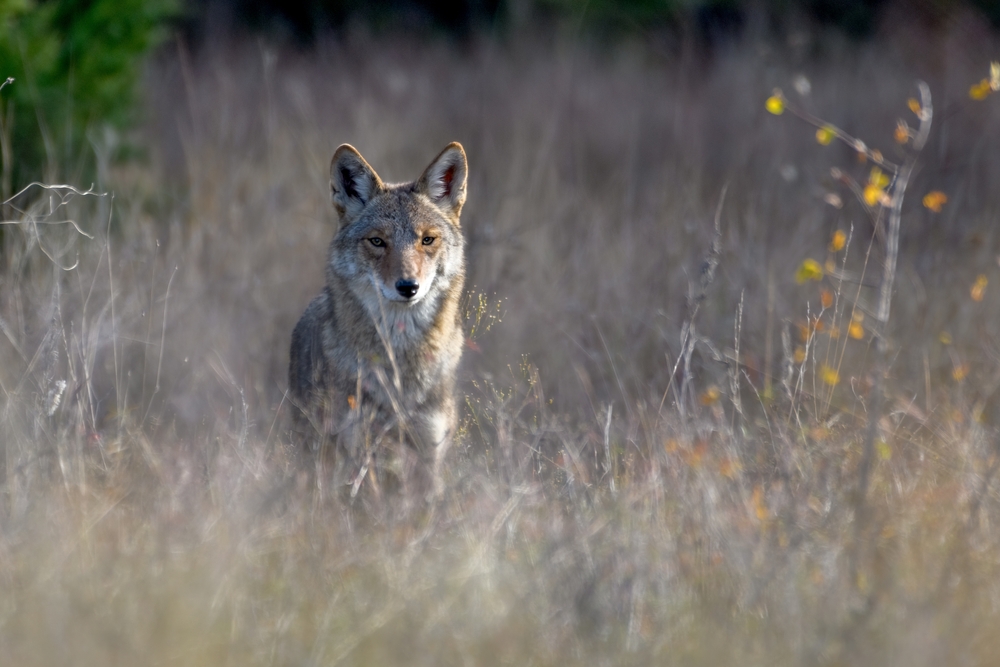
In Texas, coyotes are thriving along the edges of expanding metropolitan areas such as Dallas-Fort Worth, Houston, and Austin. Rapid housing development has fragmented traditional habitats, creating patchwork environments ideal for adaptable predators. Green spaces between subdivisions function like highways for wildlife movement.
Suburban residents increasingly report howling at night and sightings near parks and retention ponds. Texas Parks and Wildlife notes that coyotes are highly opportunistic and adjust quickly to human presence. Their comfort near neighborhoods reflects adaptability more than aggression.
3. Illinois
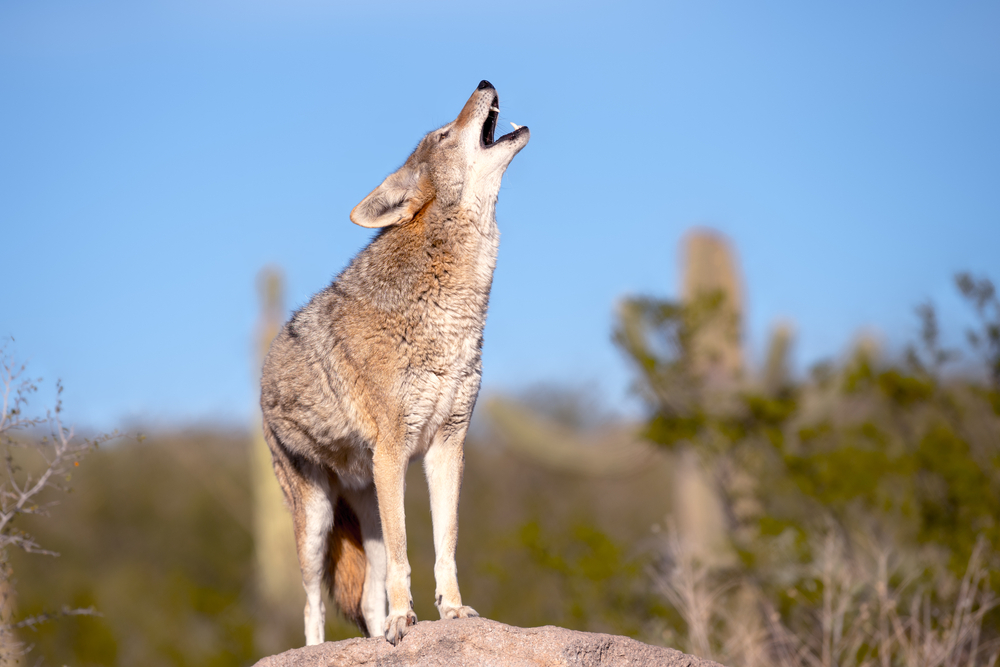
The Chicago metropolitan area has become one of the most studied urban coyote populations in the country. Research projects tracking coyotes in Cook County have documented stable populations living within city limits. These animals use rail lines, forest preserves, and river corridors to move through densely populated zones.
Suburban communities surrounding Chicago now report frequent encounters in backyards and golf courses. Coyotes often remain unseen despite living close to people, emerging primarily at dawn and dusk. Their quiet integration into suburban life has surprised many residents.
4. Arizona
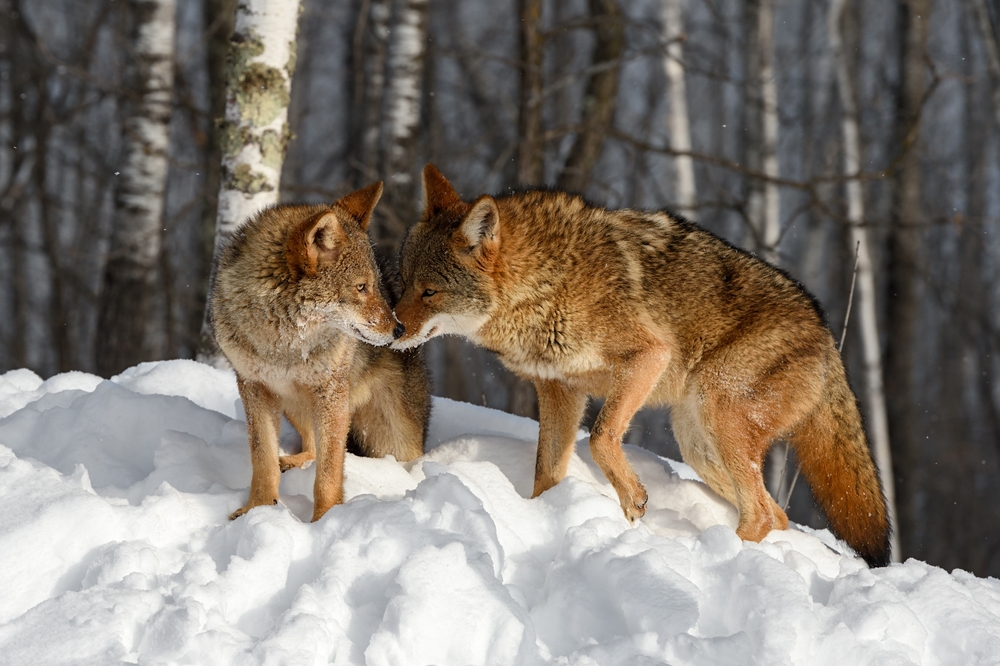
Phoenix and Tucson suburbs have experienced noticeable increases in coyote activity. Ongoing drought and urban sprawl have pushed wildlife into residential neighborhoods where water sources and pet food are more accessible. Desert-adapted coyotes are particularly resilient in arid environments.
Home security cameras frequently capture coyotes trotting through cul-de-sacs at night. Arizona Game and Fish officials encourage residents to secure garbage and avoid feeding pets outdoors. The animals are not invading so much as adjusting to a shifting landscape.
5. Colorado
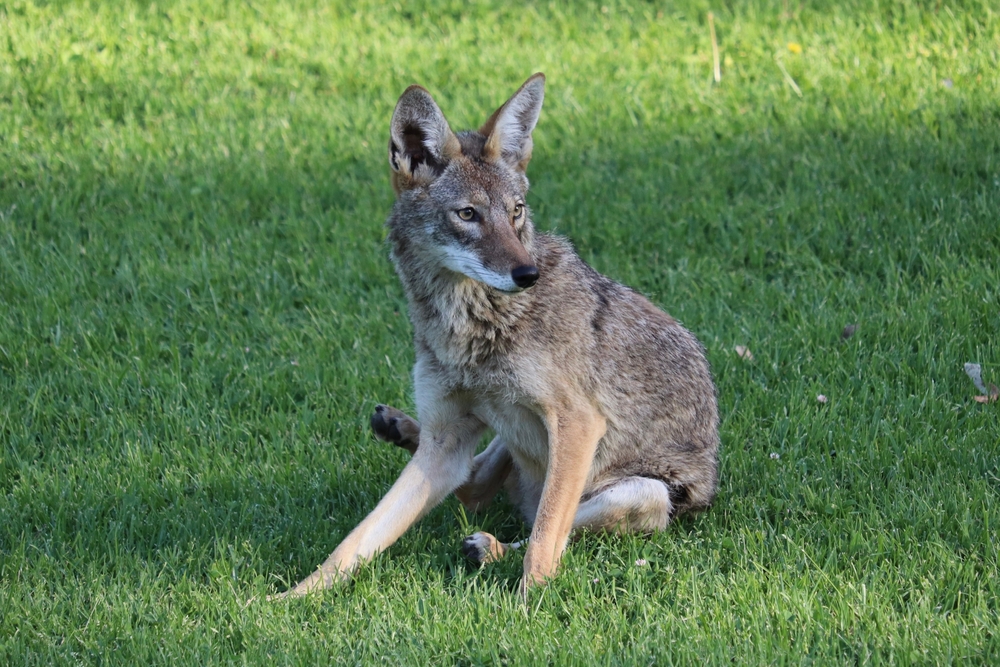
Front Range communities including Denver and Colorado Springs have seen coyotes establish steady suburban presence. As housing developments expand into foothills and prairie ecosystems, wildlife corridors narrow. Coyotes use open space parks and drainage systems to navigate between neighborhoods.
Residents report increased sightings in daylight hours, especially during pup-rearing season. Colorado Parks and Wildlife stresses that coyotes are highly territorial but rarely pose danger to humans. Their growing suburban presence reflects shrinking wild buffer zones.
6. Florida

While Florida is often associated with alligators and panthers, coyotes have quietly expanded across the state. Suburbs around Orlando, Tampa, and Jacksonville report more frequent encounters. The species has steadily moved southward over decades, adapting to both rural and urban settings.
Suburban retention ponds, golf courses, and wooded developments provide excellent habitat. Wildlife officials note that Florida’s mild climate supports year-round activity. Coyotes here are blending into neighborhoods rather than remaining on the outskirts.
7. Georgia
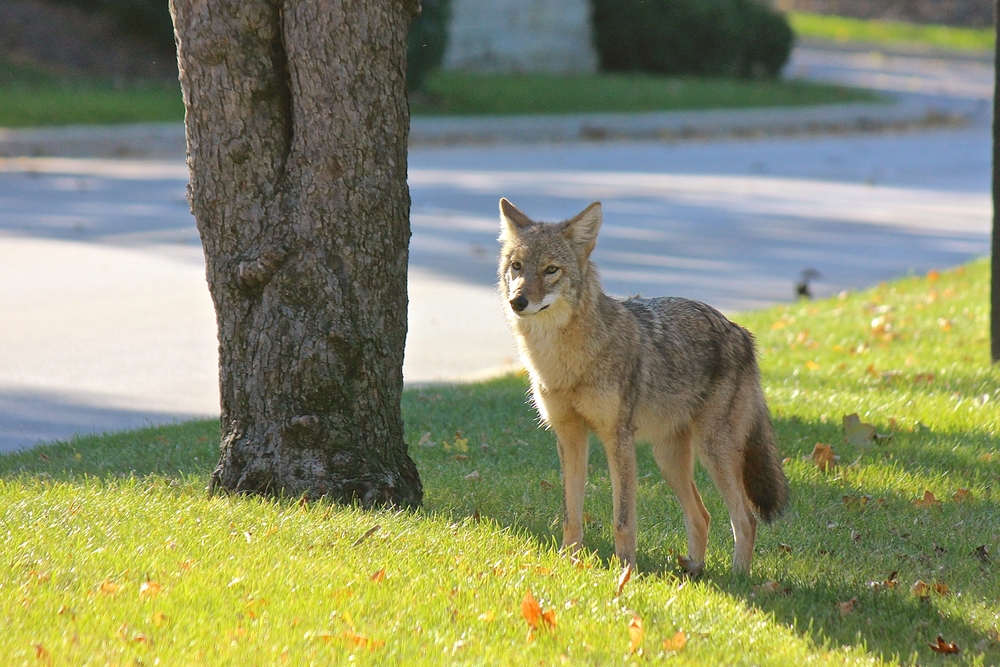
Metro Atlanta suburbs have reported a steady rise in coyote sightings over the past decade. Expanding housing developments overlap with wooded areas that once supported undisturbed wildlife. Coyotes use green spaces and creek beds as travel corridors.
Homeowners often first notice them through missing outdoor pet food or nighttime howling. Georgia wildlife experts emphasize that coyotes are highly adaptable generalists. Suburbs offer abundant rodents and unsecured garbage, making them attractive environments.
8. Ohio
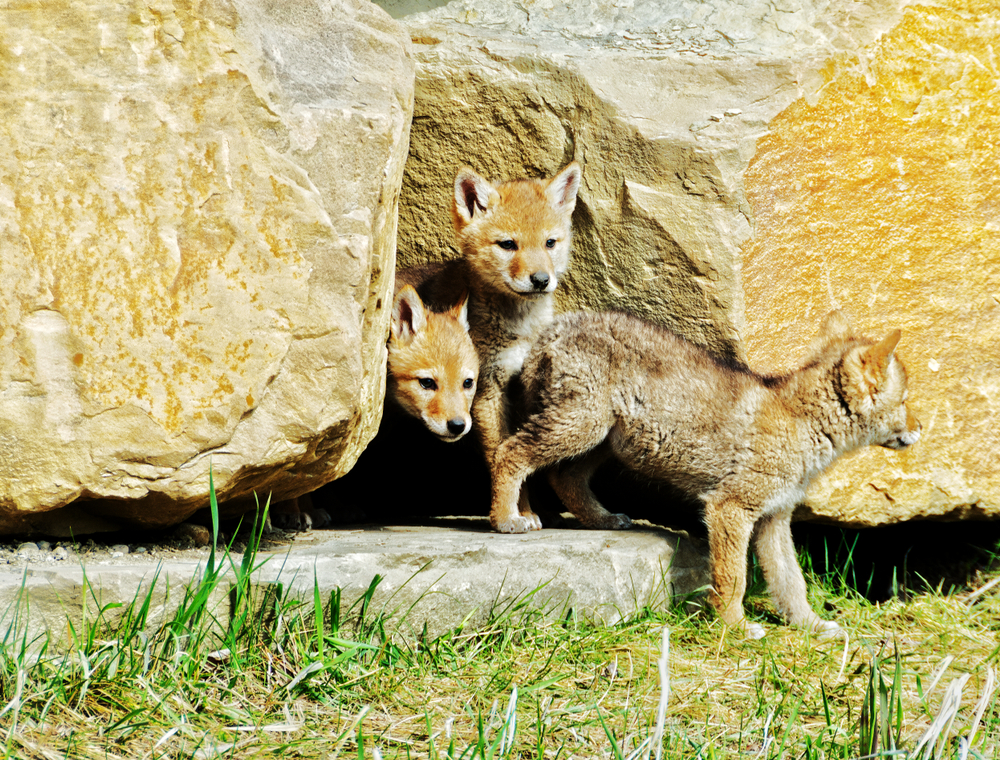
Suburban communities around Columbus, Cincinnati, and Cleveland have documented growing coyote activity. Fragmented farmland and suburban sprawl create ideal edge habitats. Coyotes thrive in these transition zones between wooded areas and residential streets.
Daytime sightings in parks and schoolyards have increased awareness among residents. Ohio wildlife officials explain that coyotes are territorial and tend to avoid confrontation. Their presence often goes unnoticed until populations become well established.
9. New York
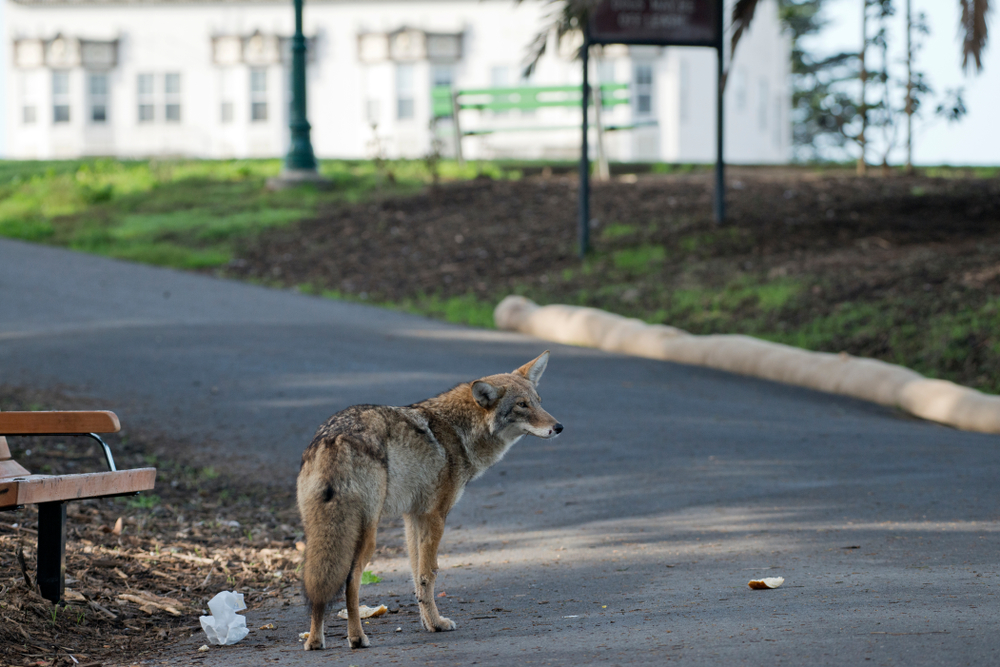
In both upstate suburbs and areas surrounding New York City, coyotes have steadily expanded their range. Sightings in Westchester County and Long Island reflect long-term adaptation rather than sudden invasion. Coyotes have even been documented moving through heavily urbanized boroughs.
Suburban backyards provide shelter and reliable food opportunities. New York State environmental officials highlight that coyotes primarily target small mammals, not people. Their increasing comfort in suburban spaces demonstrates remarkable behavioral flexibility.
10. North Carolina
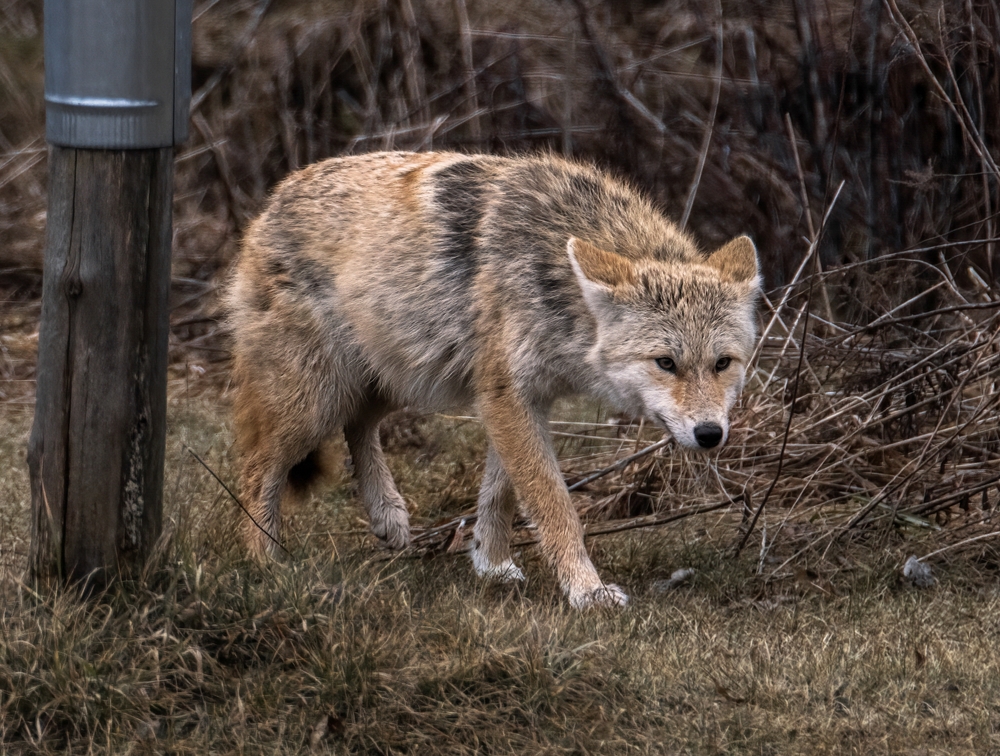
Raleigh, Charlotte, and surrounding suburbs report growing coyote encounters. Expanding development has pushed residential zones into wooded and agricultural lands. Coyotes take advantage of fragmented forests and greenways to establish territory.
Residents frequently report hearing howls during breeding season. North Carolina Wildlife Resources Commission encourages proactive measures like removing attractants. The animals are adjusting to suburban ecosystems that closely resemble their natural edge habitats.
11. Pennsylvania
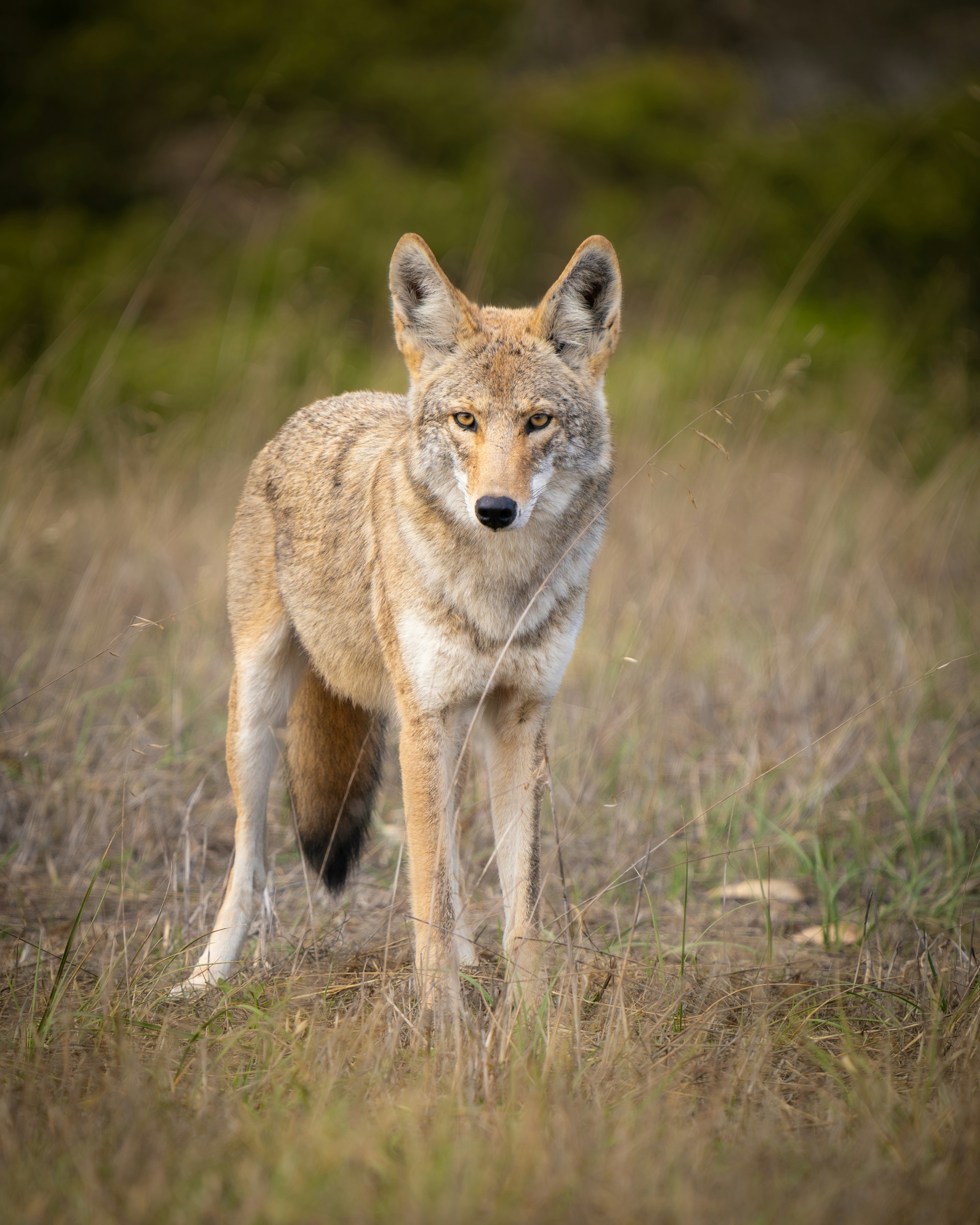
Suburbs outside Philadelphia and Pittsburgh have experienced noticeable increases in coyote sightings. Abandoned industrial corridors and wooded greenbelts provide natural travel routes. Coyotes often remain undetected until trail cameras capture their presence.
Pennsylvania Game Commission officials explain that coyotes are extremely adaptable and intelligent. Suburban neighborhoods offer consistent prey populations such as rabbits and rodents. Their expansion into these areas reflects opportunity rather than displacement alone.
12. Washington
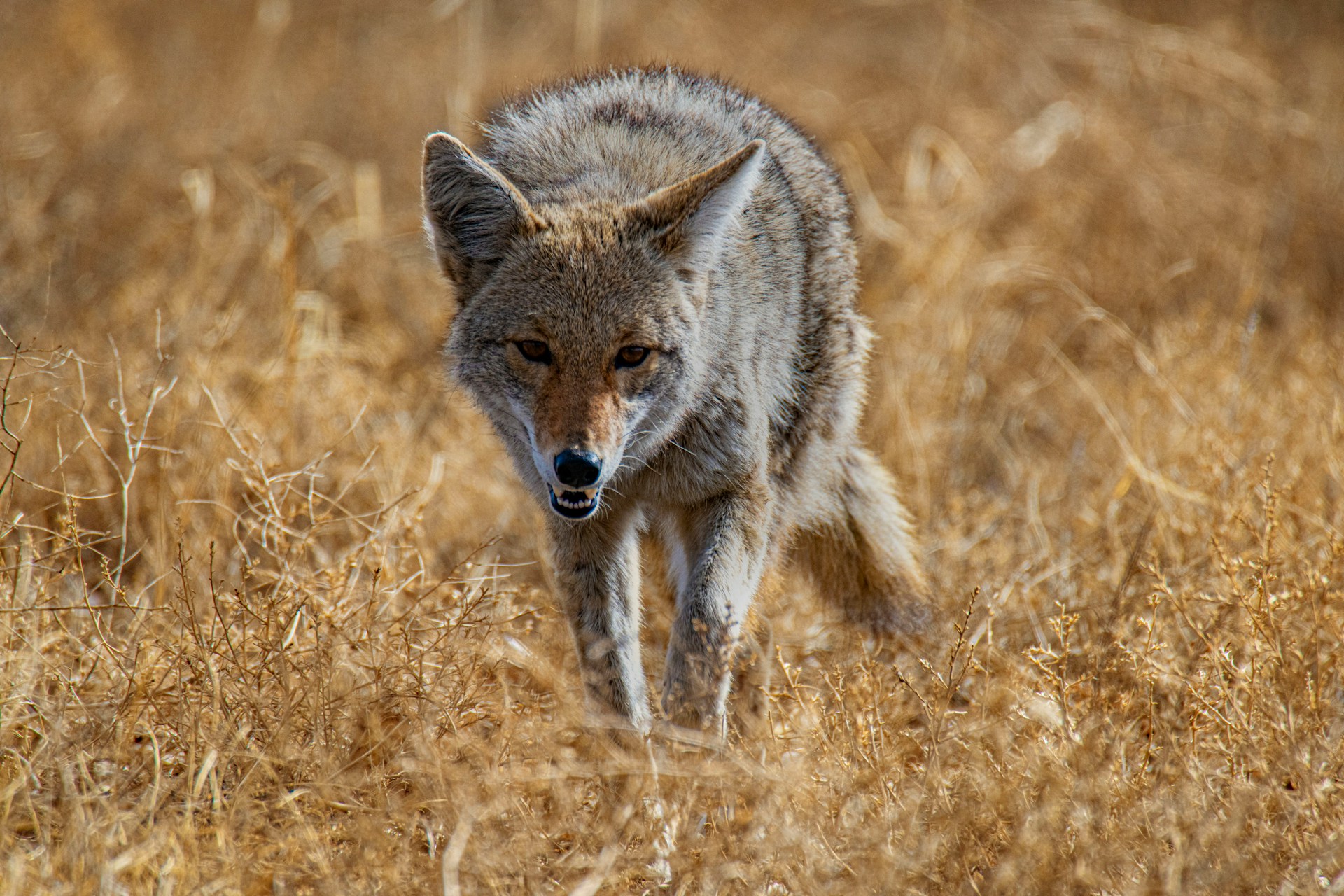
Suburbs around Seattle and Tacoma have reported growing coyote presence. Urban growth along Puget Sound has encroached on forested habitat, narrowing natural buffers. Coyotes use parks, ravines, and shoreline corridors to navigate residential areas.
Washington Department of Fish and Wildlife notes that coyotes are highly successful in mixed environments. Suburban residents increasingly encounter them during early morning walks. Their presence underscores how quickly wildlife adapts to human-altered landscapes.
13. Massachusetts
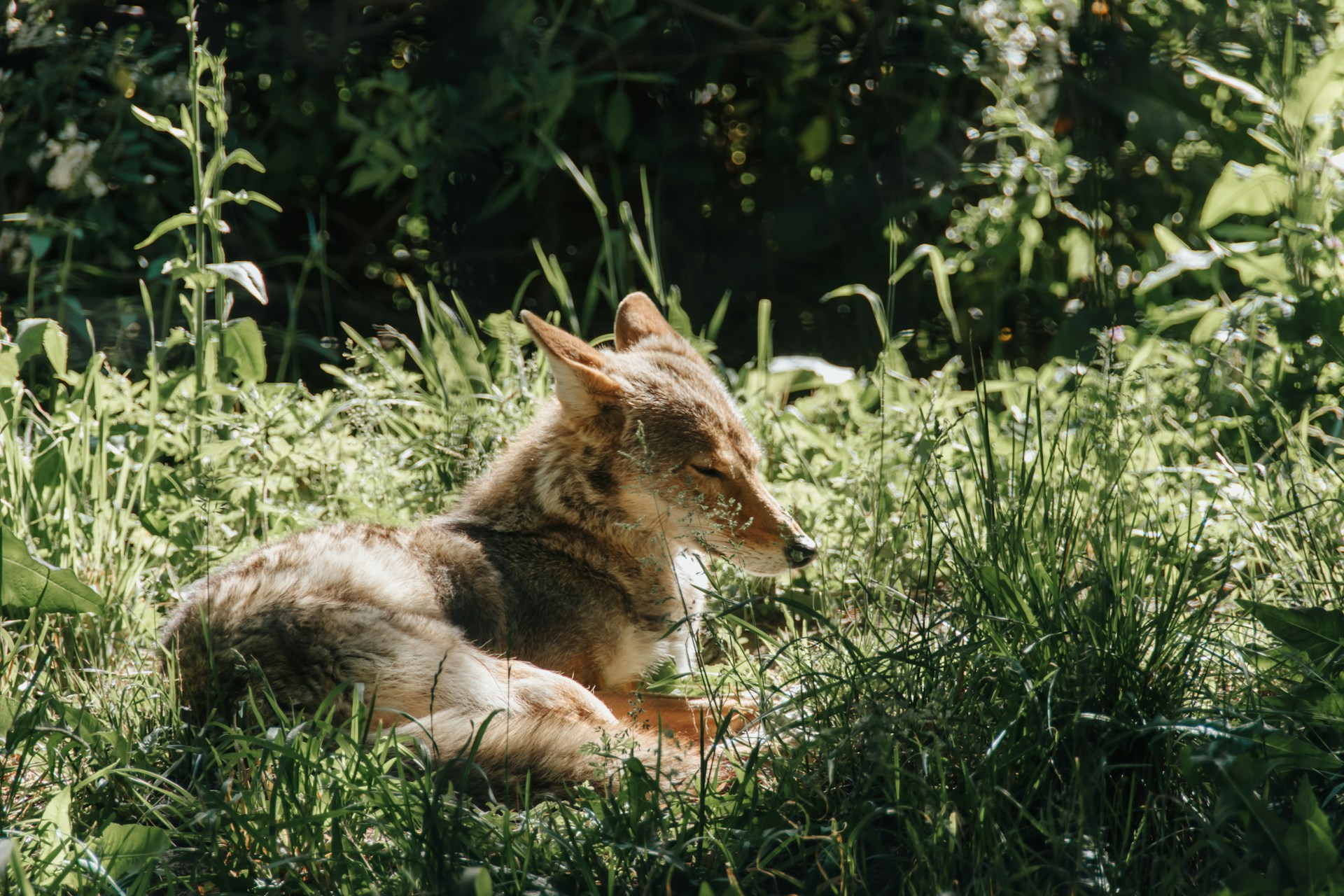
Greater Boston suburbs have documented a steady rise in coyote sightings. Coyotes use wooded conservation lands and suburban green spaces to move discreetly through neighborhoods. They are particularly active during dawn and dusk hours.
Massachusetts wildlife officials emphasize that coyotes rarely pose threats to people. Their growing suburban presence is tied to expanding development and accessible food sources. As landscapes continue to shift, these adaptable predators are likely to remain part of the suburban ecosystem.