
Modern humans often think of ourselves as radically different from our early ancestors. But beneath the technology, cities, and social norms, our bodies and instincts still carry ancient blueprints. Many of the traits that helped early humans survive harsh environments remain embedded in us today. These shared traits are not relics of the past. They actively shape how we move, think, react, and connect with one another. Evolution moves slowly, and in many ways, we are still wired for a world that no longer exists.
1. Strong Fight-or-Flight Response

Early humans depended on rapid threat detection to survive predators and rival groups. The surge of adrenaline and cortisol prepared the body for immediate action. That same stress response still activates today, even if the “threat” is an email or traffic jam.
Our nervous system has not caught up with modern life. The physiological response remains nearly identical to what it was tens of thousands of years ago. It is a survival mechanism built for danger that now activates for inconvenience.
2. Preference for Calorie-Dense Foods

High-calorie foods were rare and valuable in prehistoric environments. Early humans who craved fat and sugar had a survival advantage during times of scarcity. That wiring still exists in modern brains.
Today, calorie-dense foods are abundant rather than scarce. The instinct to seek them out is ancient, not accidental. It reflects a survival system that once ensured energy storage during unpredictable food cycles.
3. Social Bonding Instincts

Humans evolved in small, cooperative groups. Strong social bonds improved survival, protection, and resource sharing. Our deep need for connection traces directly to those ancestral dynamics.
Isolation once meant vulnerability or death. The brain still treats prolonged loneliness as a threat. Social belonging remains biologically protective, just as it was in early human communities.
4. Tool-Using Hands
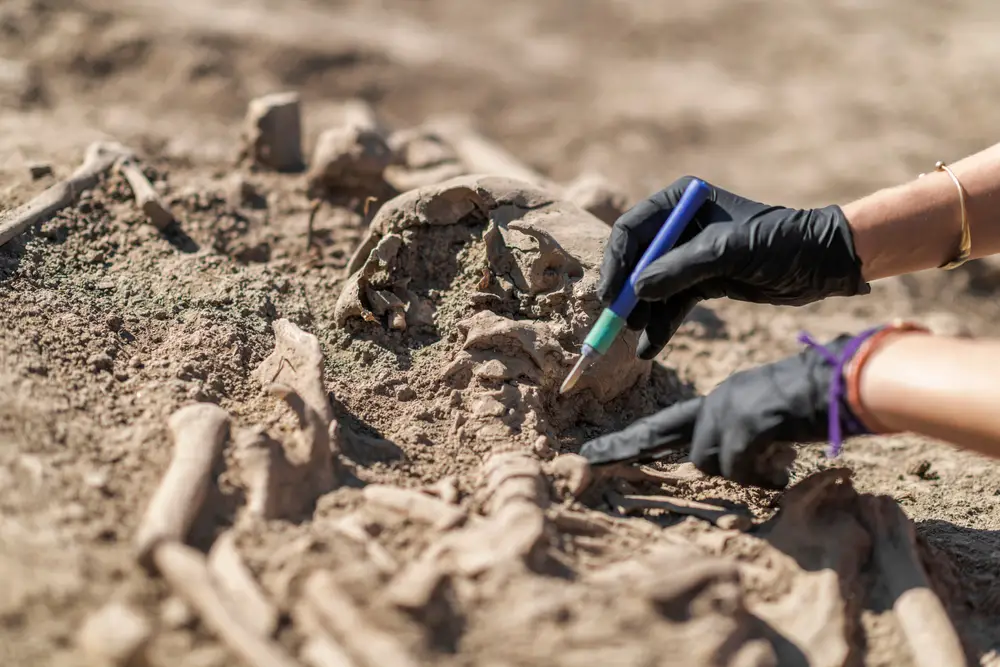
Opposable thumbs and fine motor control allowed early humans to craft tools and manipulate their environment. This anatomical advantage fueled innovation and survival. Our hands still reflect that evolutionary milestone.
Modern devices may look different from stone tools, but the dexterity required to use them stems from the same structure. Precision grip and coordination are ancient strengths. They remain central to how we interact with the world.
5. Endurance Walking and Running Ability

Early humans were endurance hunters and long-distance walkers. Our skeletal structure and sweat-based cooling system support sustained movement. Unlike many mammals, humans can regulate body temperature efficiently during prolonged exertion.
This capacity remains embedded in our physiology. The ability to walk long distances without overheating reflects deep evolutionary adaptation. It is one reason walking remains such a natural form of exercise.
6. Fear of Snakes and Spiders
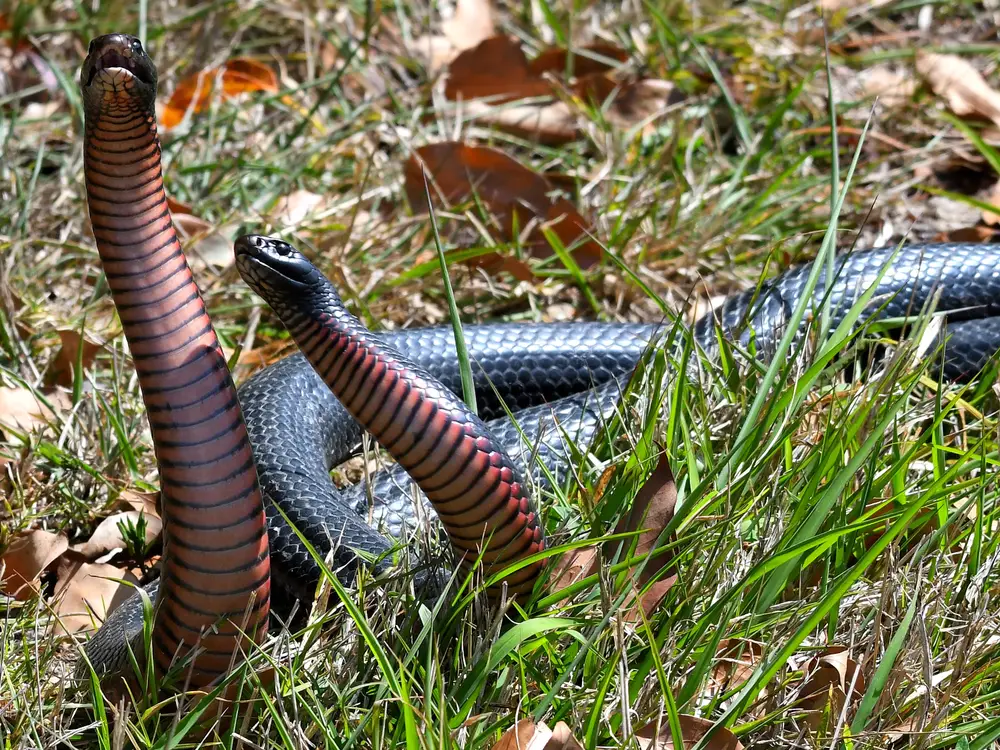
Research suggests humans may have an inherited sensitivity to certain threats like snakes and spiders. These dangers posed real risks in early environments. Quick detection increased survival odds.
Even individuals who have never encountered these animals often react instinctively. The response is faster than learned behavior alone would explain. It reflects ancient pattern recognition shaped by risk.
7. Emotional Facial Expressions

Early humans relied heavily on nonverbal communication. Facial expressions conveyed fear, anger, joy, and trust rapidly across group members. These signals were essential for coordination and safety.
Modern humans still recognize core emotional expressions across cultures. The universality of these expressions suggests deep evolutionary roots. Our faces remain social instruments shaped by ancient needs.
8. Circadian Rhythms Aligned With Daylight

Early human activity patterns were governed by natural light cycles. Exposure to daylight regulated sleep, hormone production, and alertness. Our internal clocks still respond strongly to light cues.
Artificial lighting can disrupt this ancient rhythm. Yet the underlying system remains the same. The body continues to anticipate wakefulness with sunrise and rest with darkness.
9. Curiosity About Novel Environments

Exploration was a survival advantage. Groups that investigated new territories found resources, shelter, and opportunity. Curiosity increased adaptability.
Modern humans still show a drive to explore unfamiliar places and ideas. This instinct fuels innovation and migration. It reflects the same adaptive trait that once expanded human range across continents.
10. Protective Instinct Toward Offspring

Human infants are highly dependent at birth. Early survival required intense caregiving and protective behavior. Strong parental bonding increased the likelihood of offspring survival.
This instinct remains powerful today. Hormonal shifts reinforce attachment and vigilance. The biological impulse to protect children is deeply rooted in our evolutionary past.
11. Capacity for Cooperative Hunting and Teamwork

Early humans succeeded not because of individual strength, but because of coordinated effort. Cooperation allowed groups to hunt larger animals and defend territory. Shared strategy was essential.
Modern teamwork reflects the same social wiring. Whether in workplaces or sports, coordinated collaboration taps into ancient neural patterns. Collective effort remains a core human advantage.
12. Sensitivity to Social Hierarchy

Early groups had informal status structures that influenced access to resources and mates. Awareness of social ranking helped individuals navigate group dynamics. This sensitivity remains present.
Modern humans still monitor social cues about status and belonging. Competition, reputation, and influence continue to shape behavior. The awareness of hierarchy is an inherited survival strategy.
13. Strong Visual Pattern Recognition

Recognizing patterns in landscapes helped early humans locate food, track animals, and identify threats. Rapid visual processing improved decision-making in uncertain environments. This skill remains highly developed.
Humans are still adept at spotting patterns, sometimes even when none exist. The brain evolved to prioritize detection over hesitation. That bias toward recognition once prevented fatal delays.
14. Desire for Shelter and Enclosed Spaces

Early humans sought caves, rock overhangs, and constructed shelters for protection from predators and weather. The instinct to secure a safe, enclosed environment was critical. That desire persists today.
Many people feel more at ease in spaces with solid walls and limited exposure. Interior design often favors defined boundaries and protected vantage points. Our comfort in enclosed shelter reflects ancient survival needs.