
Dogs constantly assess who provides structure, makes decisions, and controls resources, and specific interactions determine whether they view you as a leader worth following or someone they can ignore when convenient. These aren’t one-time tests but ongoing evaluations where inconsistency or permissiveness signal that you’re not reliably in charge. Understanding the specific moments when dogs mentally demote you from leadership reveals how subtle interactions shape the entire relationship and why some owners struggle with obedience despite extensive training while others achieve effortless compliance through consistently passing tests they didn’t know they were taking.
1. When You Let Them Pull You Through the Doorway First
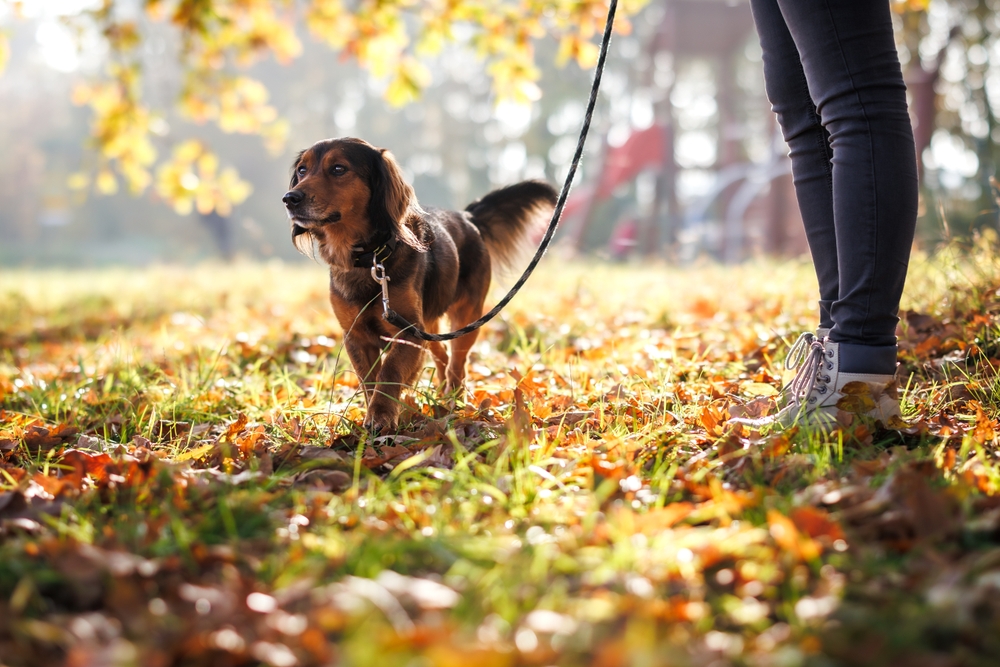
The moment your dog charges through doorways ahead of you while pulling on the leash, they’ve decided that door passage isn’t something you control. Dogs who lead through doorways have concluded that they make movement decisions and you follow. Allowing this consistently signals that you don’t control space, transitions, or when and where the dog moves.
Leadership in dog social structures involves controlling group movement—who goes where and when. Every doorway is a test of whether you direct movement or the dog does. Owners who consistently allow dogs to explode through doors first are teaching that movement decisions belong to the dog, not the human.
2. When Recall Becomes Optional Based on What’s More Interesting

The first time your dog looks at you during a recall, evaluates the situation, and chooses to ignore the command because something else is more interesting, they’ve determined your directives are suggestions rather than requirements. This critical moment—the calculation where the dog decides whether compliance is mandatory—permanently alters the relationship unless immediately addressed. Dogs who successfully ignore recalls learn that your commands are negotiable based on their assessment of alternatives.
Allowing ignored recalls without consequence teaches that obedience is optional when the dog has better options. The relationship fundamentally changes from “I do what you say” to “I do what you say when it suits me.” Every successful recall refusal where nothing happens reinforces that you’re not actually in charge of the dog’s behavior.
3. When They Resource Guard and You Back Away Instead of Addressing It
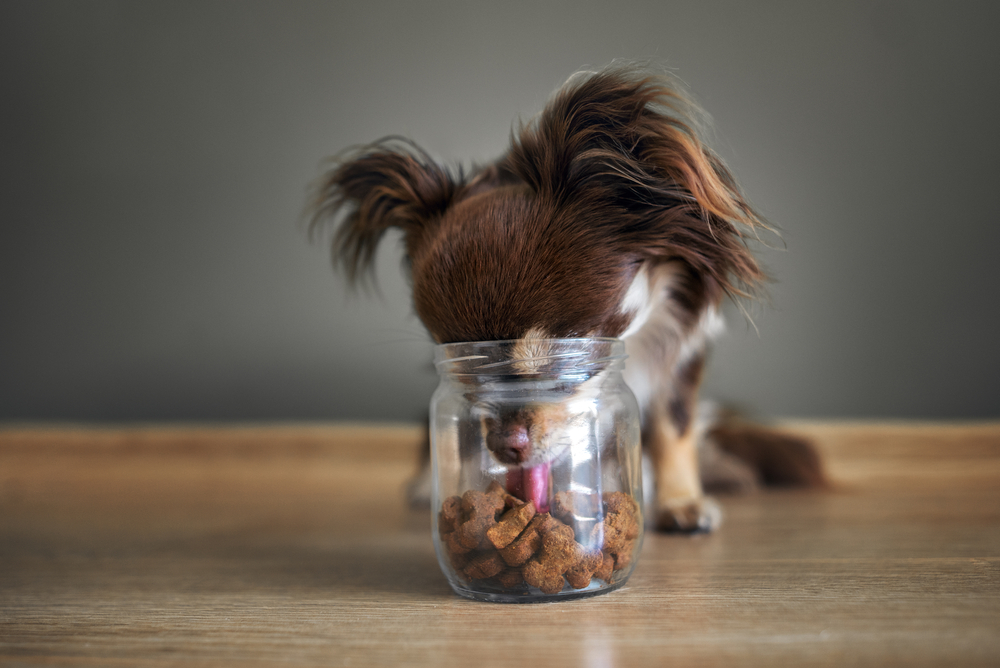
The moment your dog growls over food, toys, or space and you back away to avoid confrontation, you’ve signaled that the dog controls resources and you respect their claim to defend them. This interaction explicitly establishes that the dog owns resources and has authority to exclude you. Dogs who successfully guard resources have decided you’re not entitled to access what they’ve claimed.
Leadership includes the right to control and access all resources without challenge. Allowing resource guarding cements the dog’s belief that they own things and you don’t have authority over them. Every instance where growling makes you back away reinforces that the dog’s threat display controls your behavior, which is the opposite of leadership.
4. When You Feed Them Before Earning Calm Behavior
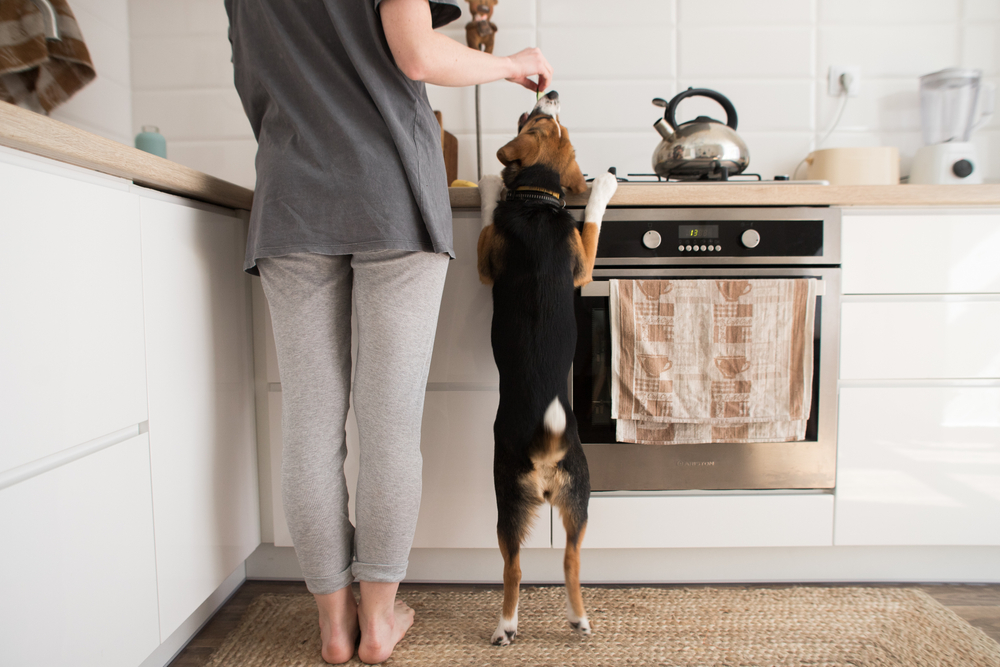
Feeding a dog who’s jumping, barking, and demanding food teaches that excited, pushy behavior gets resources. The moment you put the bowl down while the dog is being demanding and obnoxious, you’ve communicated that you respond to pressure and provide resources without requiring respectful behavior. Dogs who successfully demand food by being obnoxious have learned you’re reactive to their pressure rather than requiring standards.
Leaders control when and how resources are provided and require appropriate behavior before giving them. Feeding excited, demanding dogs teaches that pushy behavior works and that you’ll cave to pressure. This single interaction repeated daily for years creates dogs who view you as a resource dispenser they can manipulate rather than a leader who sets behavioral expectations.
5. When They Claim Your Furniture and You Work Around Them

The moment you sit somewhere else because your dog is occupying your preferred seat and won’t move, you’ve established that the dog controls space and you defer to their choices. Dogs who successfully claim furniture and refuse to move have decided they own space and you’ll accommodate them. This spatial dominance is among the clearest signals that the dog doesn’t view you as being in charge.
Leadership in dog social structures involves controlling valuable resting locations and requiring subordinates to yield space on request. Sitting elsewhere to avoid displacing your dog teaches that space belongs to whoever gets there first and that the dog doesn’t need to yield to you. Every instance reinforces that spatial decisions are the dog’s to make, not yours to direct.
6. When You Repeat Commands They’re Ignoring
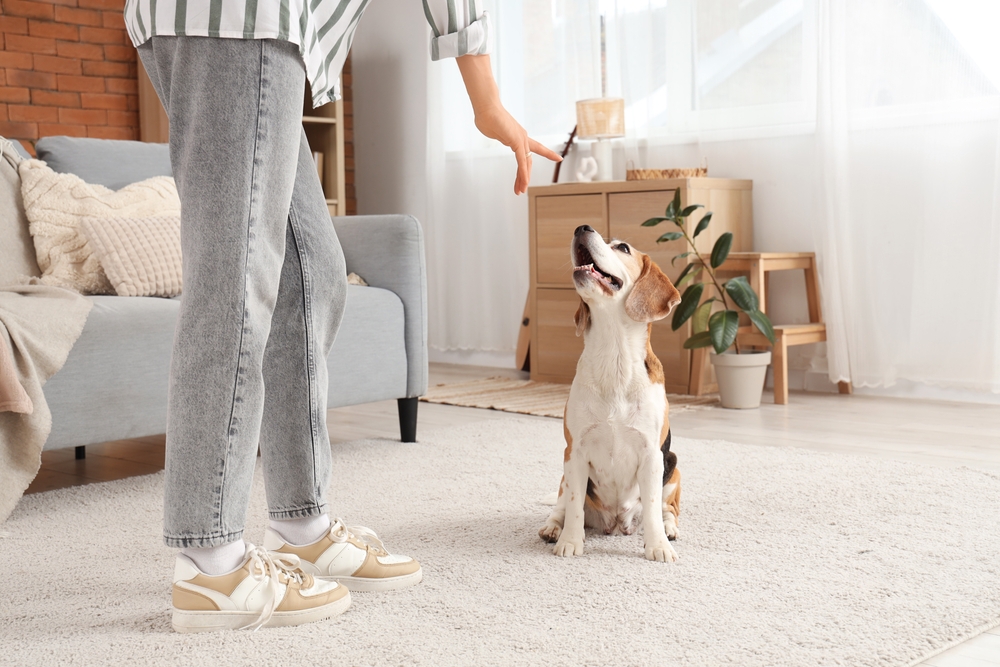
The first time you repeat a command multiple times before the dog complies, you’ve taught that initial commands don’t require immediate response. Dogs learn that “sit” means nothing but “sit, sit, SIT!” means actually do it. The repetition signals that you don’t expect compliance on the first command and that the dog can ignore you until you escalate.
Leaders give information once and expect immediate compliance—repetition indicates uncertainty and lack of authority. Dogs who successfully ignore commands until the third or fifth repetition have learned that early commands are just noise. The relationship becomes one where the dog decides when you’re serious based on volume and repetition rather than viewing every command as requiring immediate compliance.
7. When They Pull on Leash and Determine the Walking Route
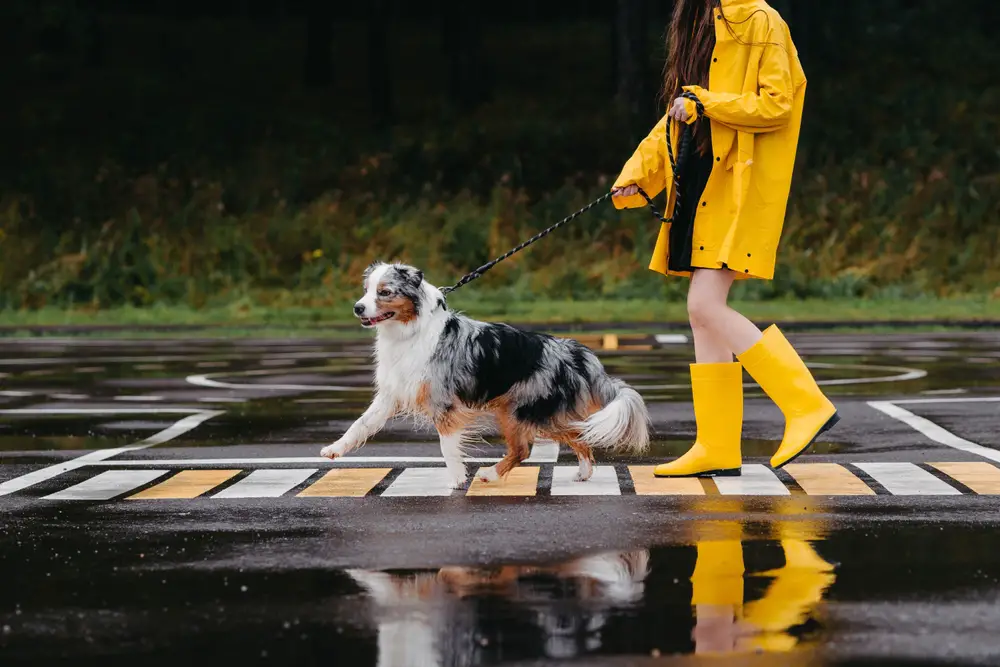
The moment you follow where your dog pulls rather than choosing the route yourself, the dog has decided they control where the pack goes. Leash walking is continuous negotiation about who makes directional decisions. Dogs who successfully pull you where they want to go have concluded that they lead the walk and you follow.
Pack leaders determine travel routes and subordinates follow—this is fundamental to dog social structure. Allowing the dog to drag you on their chosen path teaches that movement decisions are theirs to make. Every walk where the dog’s pulling determines the route reinforces that you’re not leading—you’re being led by a dog who’s decided they’re in charge of navigation.
8. When You Can’t Touch Them for Grooming or Medical Care Without Struggle
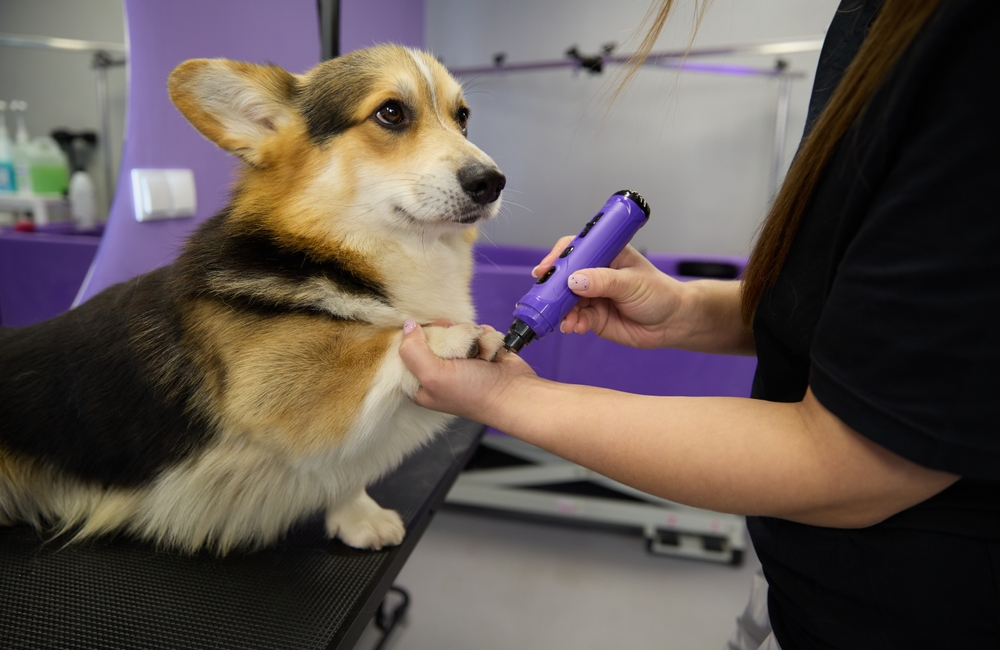
The moment your dog successfully resists handling for nail trims, ear cleaning, or medication by struggling until you give up, they’ve established that you can’t override their choices about their own body. Dogs who successfully resist necessary handling have decided that body autonomy belongs to them and you can’t enforce compliance. This is profound loss of leadership—you literally can’t make them accept necessary care.
Leaders can handle subordinates’ bodies for grooming, medical care, and inspection without resistance. Dogs who resist handling and win have determined you lack authority to override their preferences. Every successful resistance to handling reinforces that the dog controls what happens to their body and you must negotiate or give up rather than being able to simply require compliance.
9. When They Demand Attention and You Immediately Provide It
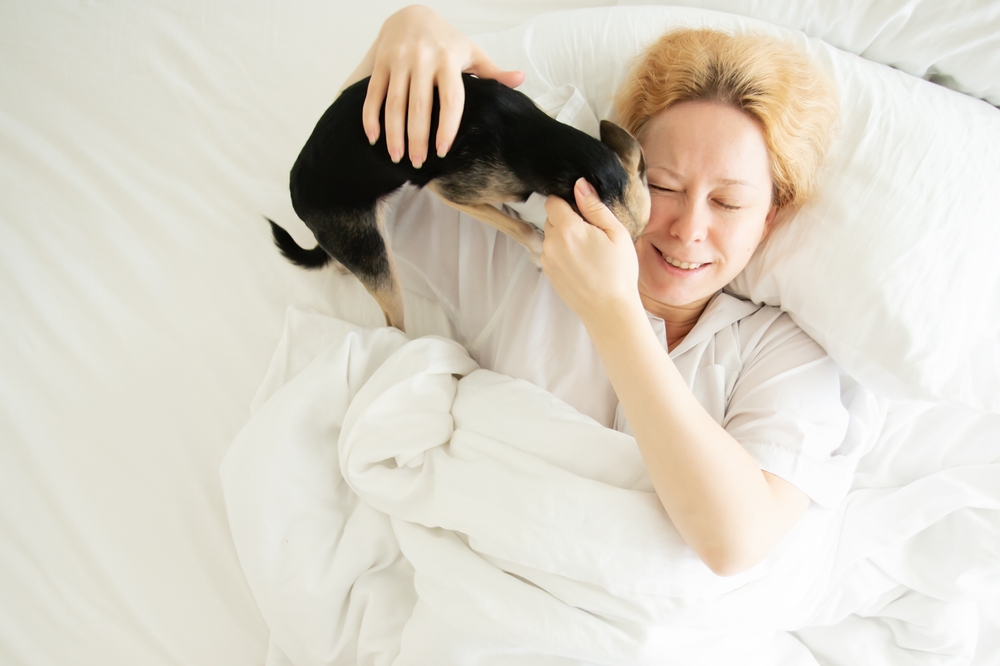
The moment your dog paws at you, barks, or shoves their nose under your hand and you immediately pet them, you’ve reinforced that they control interaction and you respond to demands. Dogs who successfully demand attention whenever they want it have learned you’re reactive to their requests rather than being the one who initiates and controls interaction. This reversal of who controls social engagement is a clear leadership loss.
Leaders initiate interaction on their terms while subordinates wait to be engaged. Responding immediately to attention demands teaches that the dog can summon your engagement at will. Every successful demand for attention that you fulfill reinforces that the dog controls when and how you interact rather than you being the one who decides when attention happens.
10. When You Adjust Your Schedule Around Their Demands
The moment you consistently stop what you’re doing to feed, walk, or play with your dog at the times they demand it, you’ve established that their preferences control the household schedule. Dogs who successfully demand activities on their timeline have decided that you accommodate their needs rather than them adapting to your schedule. This time-based control is subtle but powerful evidence that the dog runs the household rather than you.
Leaders determine when activities happen and subordinates accept that timing. Feeding exactly when the dog demands, walking on their schedule rather than yours, and playing when they insist teaches that their preferences override your plans. The accumulation of these schedule concessions creates a dog who views you as existing to meet their needs on their timeline rather than as a leader who makes decisions about when things happen.
11. When They Successfully Ignore the “Off” Command on Counters
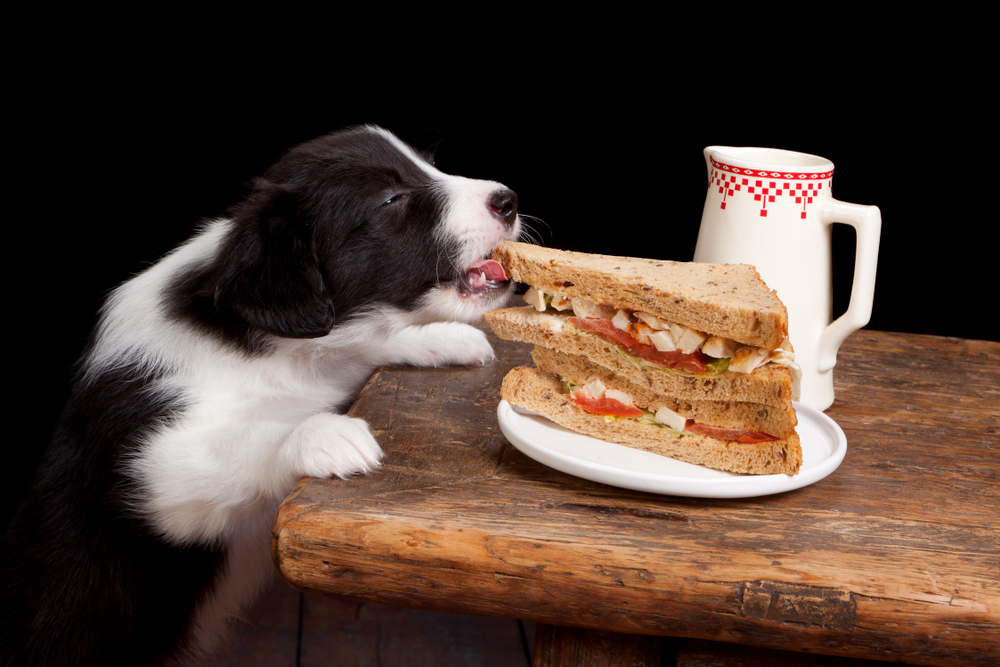
The moment your dog successfully counter-surfs, gets food, and either escapes consequence or receives ineffective reprimand that doesn’t prevent future surfing, they’ve learned that food acquisition rules are unenforceable. Dogs who successfully steal food without meaningful consequence have decided that food access rules are suggestions they can violate. This specific context of successfully breaking food rules demonstrates that your rules don’t actually govern behavior.
Leaders control food access and enforce rules about how food is acquired. Successful counter surfing—especially repeatedly—teaches that food acquisition rules don’t apply when you’re not actively preventing violation. The dog learns that rules exist only when enforced in the moment rather than being internalized standards they follow whether you’re watching or not.
12. When You Can’t Move Them Off the Bed or Couch On Command

The moment you ask your dog to get off furniture and they refuse, requiring you to physically lift or push them, you’ve failed a fundamental leadership test. Dogs who won’t vacate furniture on verbal command have decided that you can’t control their location with just words. This is explicit rejection of your authority—they’re refusing to comply with a simple directive to move.
The inability to verbally direct a dog off furniture without physical intervention demonstrates complete leadership failure in that dog’s eyes. Leaders move subordinates with communication alone without needing physical force. Every instance where words fail and you must physically move the dog reinforces that you can’t control them through authority—only through superior size and strength.
13. When They Successfully Train You to Stop Activities They Dislike
The moment your dog whines, barks, or acts stressed during nail trims, baths, or vet visits and you stop the activity to comfort them, they’ve learned they can control what happens by displaying distress. Dogs who successfully halt activities they dislike through behavioral resistance have trained you to respond to their emotional displays by stopping what you’re doing. This is the dog controlling you through behavior—the complete reversal of leadership.
Leaders persist through necessary activities regardless of subordinate protests—the activity continues until the leader decides it’s complete. Stopping grooming, medical care, or training because the dog seems upset teaches that their emotional displays control your behavior. Every successful protest that stops an activity reinforces that the dog can manipulate your choices through their reactions, making them the functional leader who controls whether activities continue or stop.