
Wildlife encounters are increasing as human development encroaches on animal habitats, but most people interpret animal behavior through anthropomorphic lenses that dangerously misread what animals are actually communicating. The cute or friendly behaviors that humans perceive are often warning signs, stress indicators, or predatory assessments that mean the exact opposite of what untrained observers believe. These misinterpretations create dangerous situations where people approach animals that are signaling threats, feed animals displaying stress behaviors, or fail to retreat when animals are clearly communicating danger. Wildlife biologists and park rangers see the same misreadings repeatedly, watching tourists endanger themselves and animals because human cultural conditioning interprets animal body language through completely inappropriate frameworks designed for reading human emotions rather than animal communication.
1. Misinterpreting “Smiling” as Friendliness
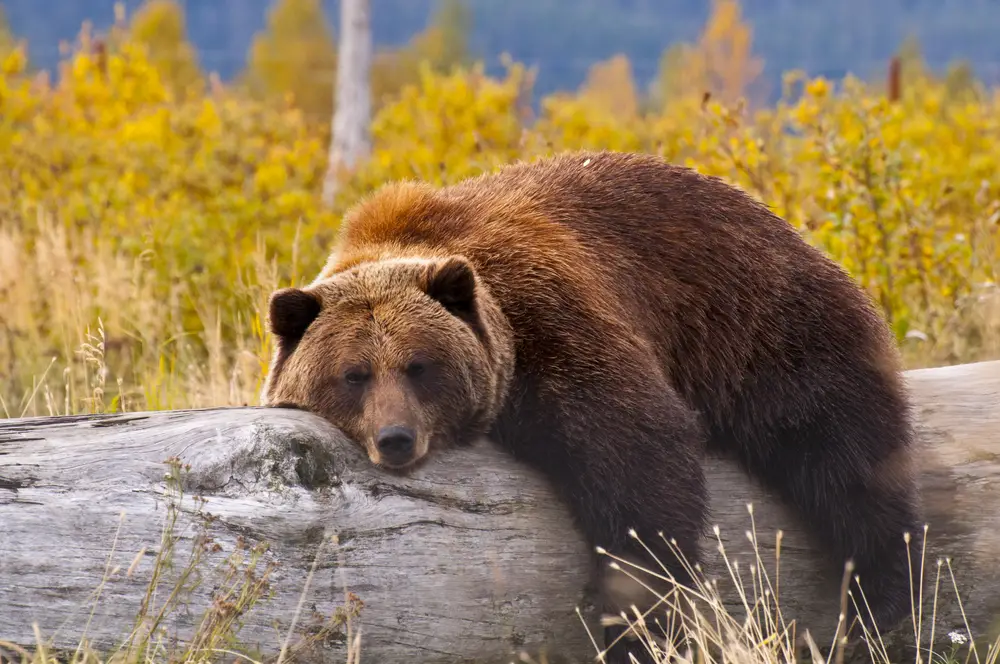
Humans see bared teeth and interpret it as a smile indicating friendliness, when in almost all wild animals this is a threat display warning of imminent attack. Primates bare teeth to signal aggression and establish dominance, bears show teeth when preparing to charge, and even dolphins displaying what looks like constant smiles are actually showing a fixed facial structure that has nothing to do with emotional state. The anthropomorphic projection of human smile meanings onto animals creates dangerous situations where people approach animals actively threatening them because the threat display looks friendly to human eyes.
The “smiling” misinterpretation is particularly dangerous with primates where bared teeth mean fear-based aggression and an attack is seconds away, not that the animal wants interaction. Tourists photograph “smiling” monkeys that are actually displaying extreme stress and warning of bites, interpreting fear grimaces as happiness. Wildlife experts cringe at photos of people near “smiling” chimps or bears, knowing the animal was clearly communicating danger that humans completely failed to recognize.
2. Reading Stillness as Calm Rather Than Predatory Assessment
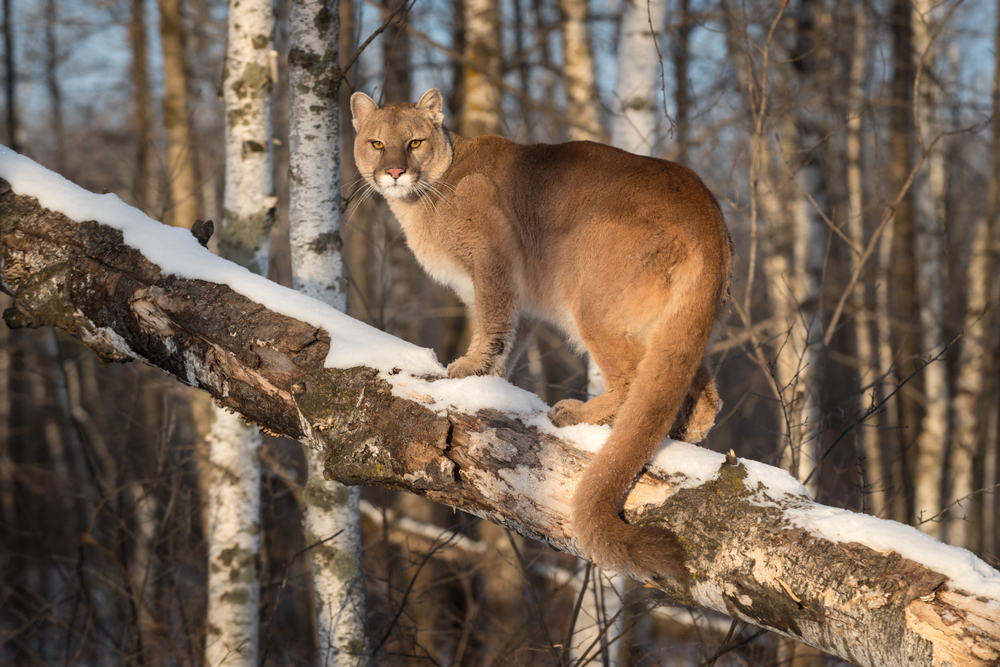
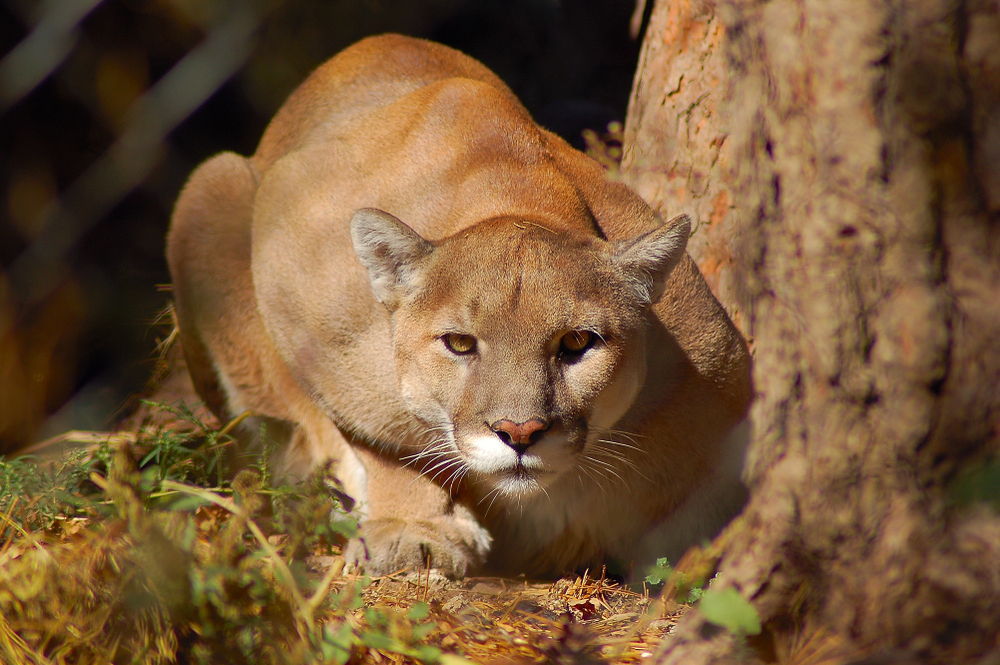
Humans interpret animal stillness and staring as calm curiosity when it’s often predatory assessment where the animal is determining if the human is prey, threat, or can be ignored. Cougars, bears, and wolves demonstrate intense stillness and fixed stares before attacks, behaviors that freeze prey and allow predators to assess vulnerabilities and plan attack strategies. The motionless staring that humans interpret as peaceful observation is actually the most dangerous moment of an encounter when the predator is deciding whether to attack.
The stillness misinterpretation causes people to remain near animals and even approach for photos when they should be backing away immediately and making themselves appear larger and more threatening. A still, staring bear isn’t peacefully coexisting—it’s assessing threat level and considering options, with attack as one possibility. The human instinct to interpret stillness as non-aggressive is exactly backward from the reality that most predators go still before striking.
3. Thinking Direct Eye Contact Shows Interest Rather Than Challenge
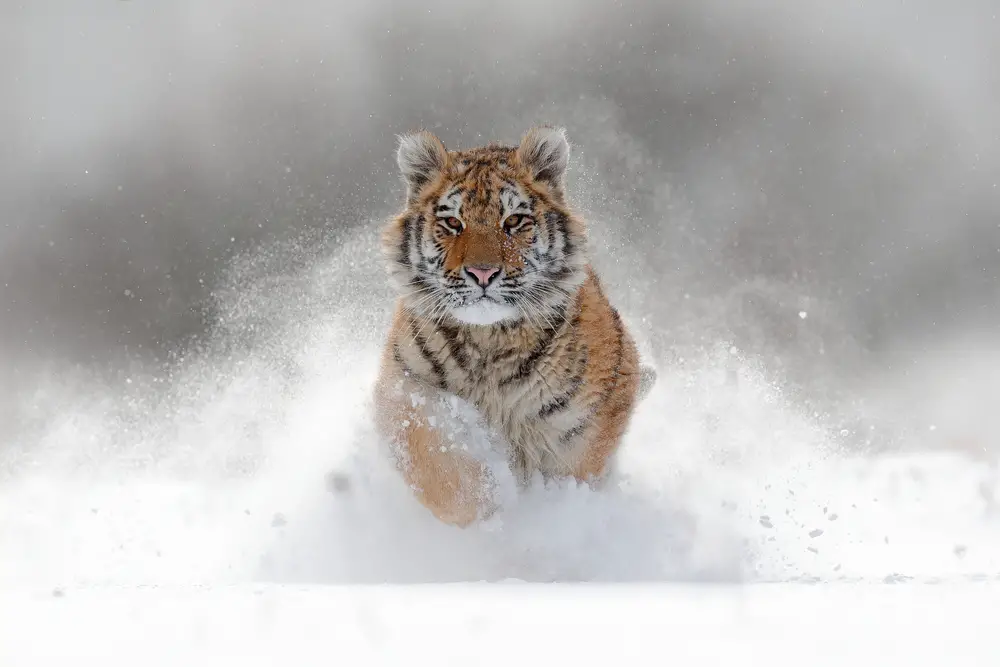
Making eye contact with wild animals is a dominance challenge and an aggression signal in most species, yet humans interpret it as establishing connection and showing interest. Primates, bears, large cats, and many other animals perceive direct eye contact as threat behavior requiring response—either fleeing or attacking, depending on the animal’s assessment of relative threat. Tourists staring at wildlife to “connect” or get good photos are actually challenging the animals to fights, creating dangerous situations from behavior meant to be friendly.
The eye contact misinterpretation leads to avoidable attacks where animals respond to perceived challenges from humans who thought they were establishing rapport. Wildlife photography guides emphasize avoiding direct eye contact with dangerous animals, but casual observers don’t know this and stare directly at bears, big cats, and primates, thinking they’re showing interest. The animal experiences this as aggressive threat behavior and responds accordingly, while the human remains confused about why the “friendly” animal attacked.
4. Interpreting Vocalizations as Playfulness
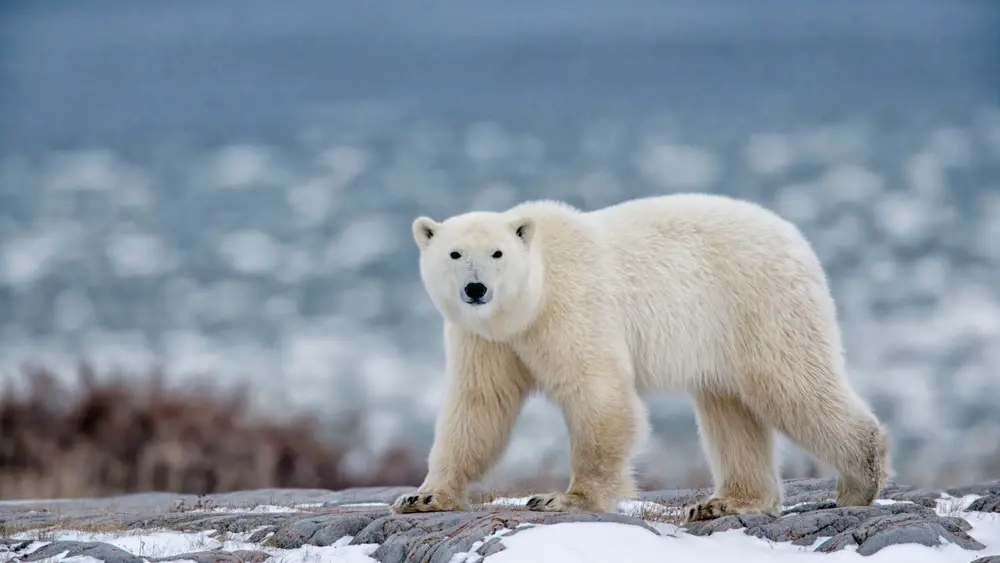
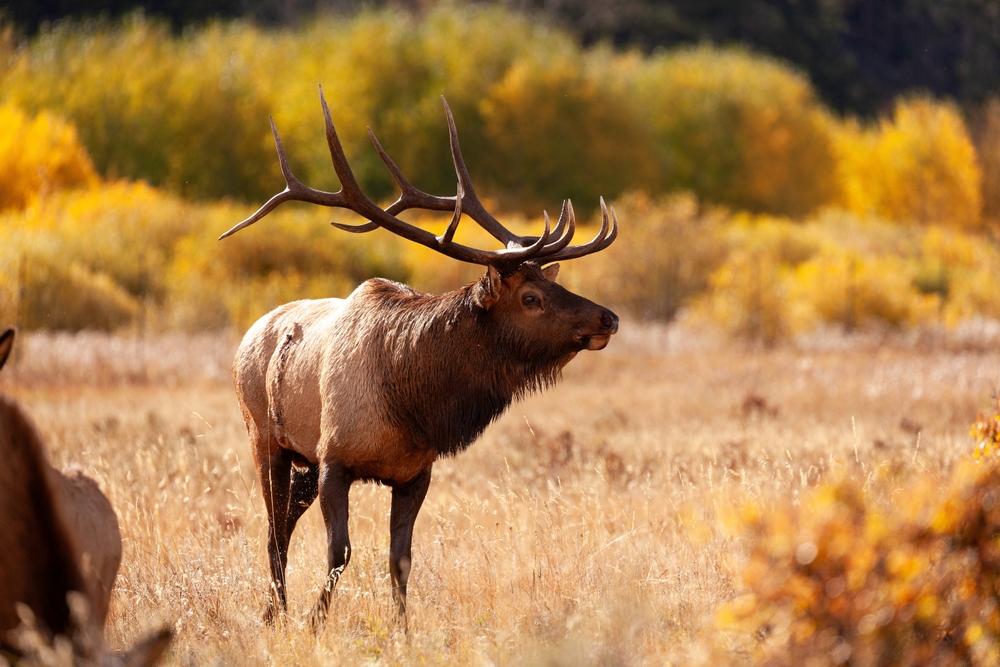
Humans hear animal vocalizations—growls, roars, barks, trumpets—and interpret them as playful or communicative rather than recognizing them as warnings or threat displays. Bears woofing at approaching humans are warning them away, but people interpret the sound as curiosity and continue approaching. Elk bugling can mean they’re announcing their willingness to fight and defend territory, but tourists think it’s a mating call and approach to hear it better.
The vocalization misreading is particularly dangerous because animals often vocalize before attacking, giving warnings that humans should heed by backing away immediately. Instead, people move closer to record videos of “talking” animals, interpreting aggressive vocalizations as entertainment rather than threat warnings. Wildlife rescuers routinely treat injuries from people who heard clear warning vocalizations and completely misunderstood what they meant.
5. Confusing Tolerance for Habituation With Friendliness
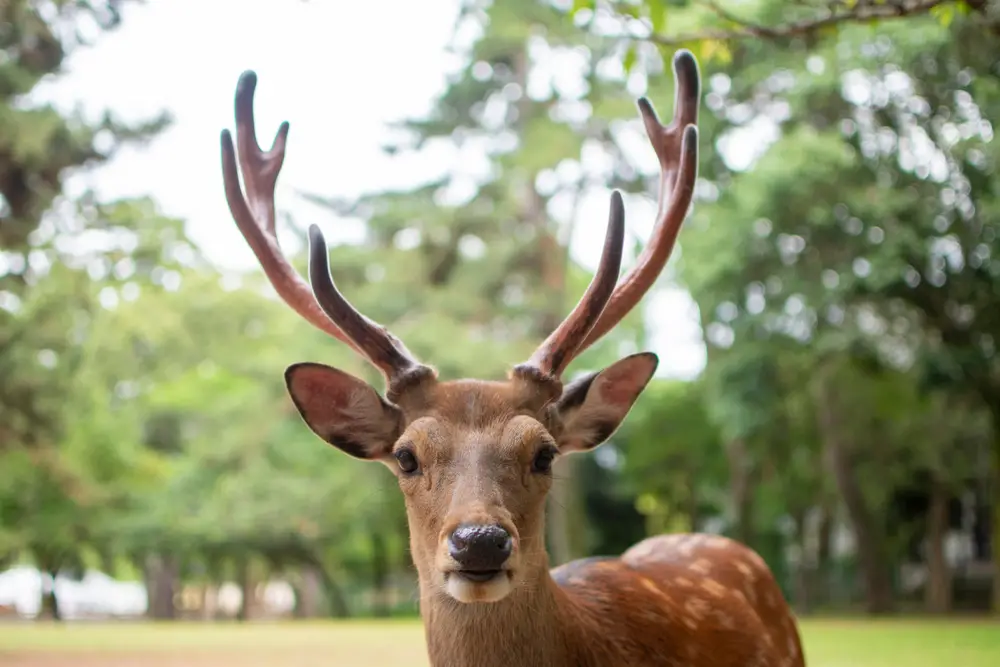
Animals that tolerate human presence in areas where they’ve become habituated to people are simply cost-benefit calculating that the effort to flee isn’t worth it, not being friendly or trustworthy. Urban coyotes, park bears, and beach-dwelling wildlife that allow relatively close human proximity aren’t tame—they’re still fully wild animals that have learned humans often don’t attack. The tolerance ends immediately if the animal feels threatened or sees an opportunity for food, with attacks happening suddenly from animals that seemed peaceful moments before.
The habituation misreading causes people to approach wildlife as if they’re domesticated, treating tolerant animals like pets and getting bitten, clawed, or gored. A deer that allows someone within 10 feet isn’t friendly—it’s tolerating the presence, and that tolerance disappears instantly if the person moves wrong or the deer feels cornered. The false sense of safety from habituation creates the majority of wildlife encounter injuries as people completely misread tolerance for trust.
6. Believing Young Animals Are Safe to Approach
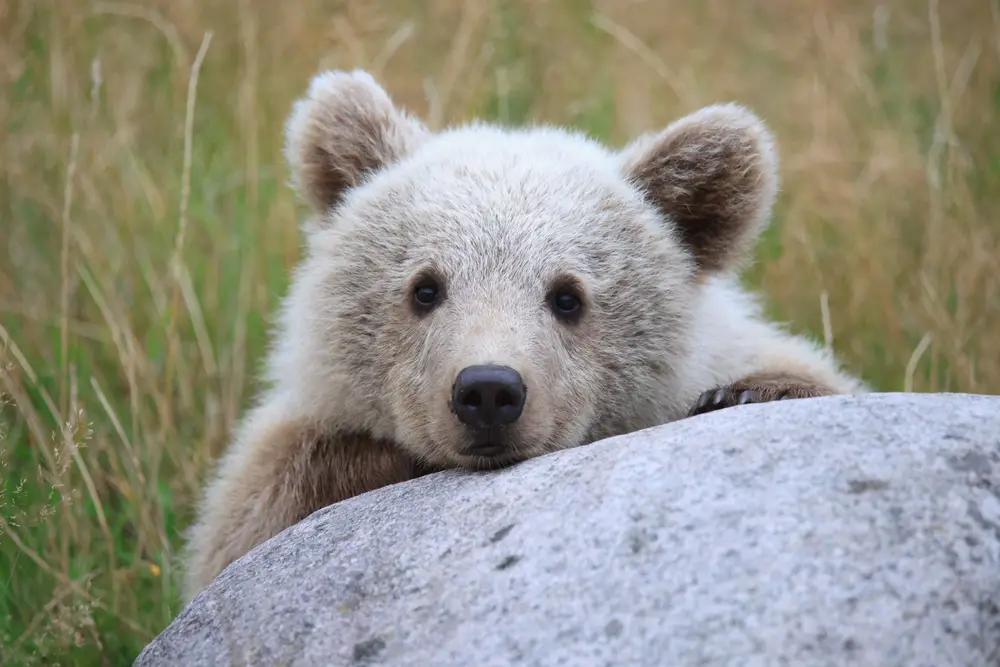
Humans see cute baby animals and interpret them as harmless, not recognizing that mothers are nearby and will attack anything approaching offspring, and that even young animals have defensive capabilities. Baby bears, moose calves, elk calves, and even young birds have protective mothers who will charge and attack any perceived threat regardless of the approacher’s intentions. People photograph “abandoned” baby animals who aren’t abandoned at all, triggering defensive attacks from mothers watching from cover.
The baby animal misreading causes severe injuries every year as people approach for photos or to “rescue” animals that aren’t in distress. Moose cows with calves are among the most dangerous animals in North America, more aggressive than bears, yet tourists approach calves thinking they’re safe because there’s no visible adult. The cuteness response that humans have to baby animals completely overrides threat assessment, creating situations where people endanger themselves around some of the most defensively aggressive animals.
7. Mistaking Bluff Charges for Actual Attacks
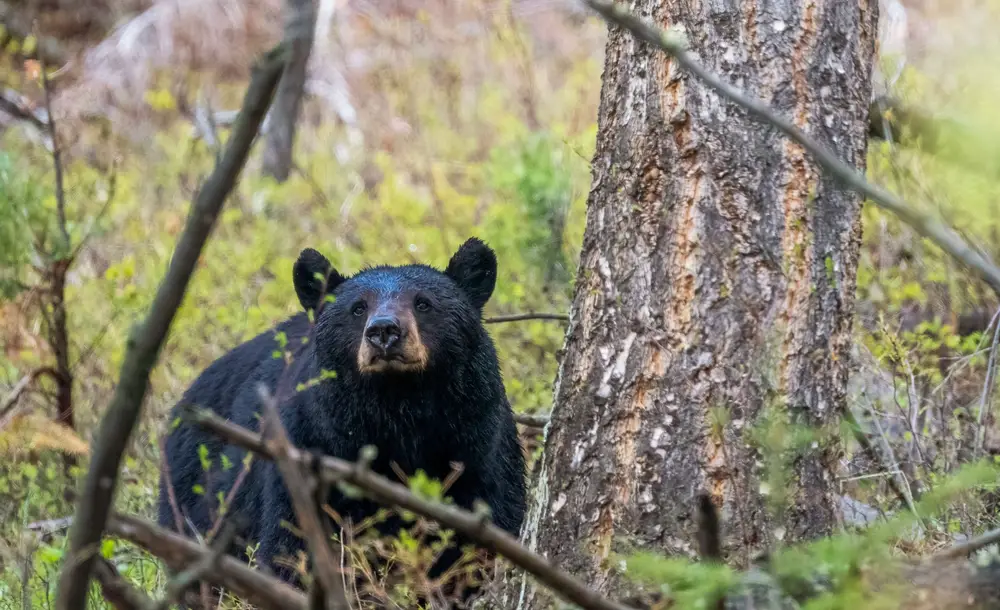
Some species—particularly bears and elephants—perform bluff charges where they run at threats to test responses, often stopping or veering away if the target stands ground, but humans interpret these as committed attacks. The appropriate response to a bluff charge is often standing ground and appearing large, but people run, triggering the chase instinct and turning bluff into actual attack. The running response converts what would have been a warning into a pursuit because the animal’s instincts activate when prey runs.
The bluff charge misinterpretation causes people to make exactly the wrong response—running instead of standing firm—converting manageable encounters into dangerous ones. Wildlife guides teach that black bear charges are usually bluffs that work if people stand their ground, but untrained tourists run and get attacked. The misunderstanding turns defensive warnings into attacks because human instincts to flee from charging animals override the counterintuitive appropriate response.
8. Reading Ears Forward as Curiosity Rather Than Alert Tension
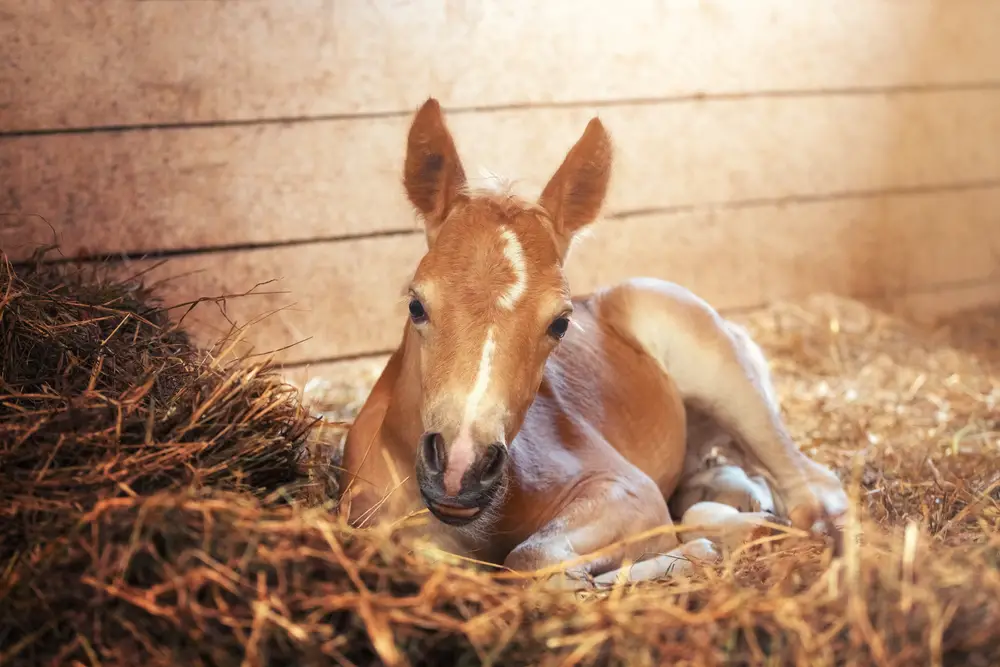
Animals with forward-facing ears are on high alert and assessing threat, not curiously interested in friendly ways. Horses, deer, canines, and many mammals point ears forward when focusing on potential threats, yet humans interpret this body language as curious interest inviting approach. The ear position indicates the animal is intensely focused and evaluating, often a precursor to flight or fight responses.
The ear position misreading encourages an approach when animals are signaling they’re on edge and ready to respond to threats. A deer with ears forward isn’t interested in you—it’s trying to determine if you’re dangerous and preparing to bolt or attack. People approach animals showing clear alertness signals, mistaking tension for friendly interest, and are surprised when the animals flee or defend themselves.
9. Thinking Food Offerings Create Friendly Bonds
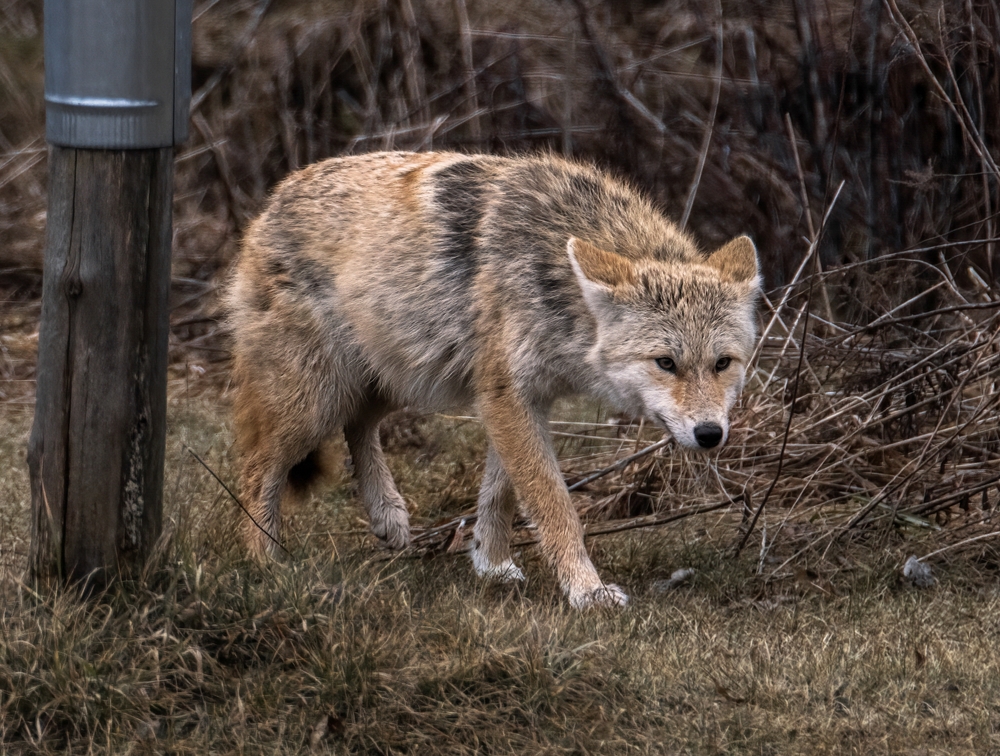
Humans believe feeding wildlife creates positive relationships when it actually creates dangerous food-conditioning, where animals associate humans with food and become aggressive when food isn’t offered. Fed bears, coyotes, and other wildlife become bolder and more aggressive, eventually requiring euthanization because they’re too dangerous around humans. The food offering that seems like kind bridge-building actually signs the animal’s death warrant by making it unable to distinguish between humans and food sources.
The feeding misinterpretation creates generations of dangerous animals as fed animals teach offspring to approach humans, and the learned behavior spreads through populations. What starts as one person feeding a cute animal becomes an area-wide problem with aggressive wildlife approaching hikers and campers demanding food. Wildlife managers must then kill animals whose only crime was learning from humans that people equal food, deaths directly caused by misguided feeding from people who thought they were being kind.
10. Misreading Submission Postures as Invitations to Interact
Some animals display submission through crouching, lowering heads, or rolling over—behaviors humans misread as inviting petting or play when they’re actually appeasement gestures indicating fear. Canines rolling over in submission aren’t asking for belly rubs—they’re demonstrating they’re not threats and hoping the larger animal won’t attack. Approaching animals showing submission postures increases their stress as they’re already fearful, and the approach confirms their fears.
The submission misreading is particularly common with wolves and coyotes, where people see crouching or lowered postures and think the animals are friendly. The submissive animal is showing fear-based appeasement, and approaching increases that fear, potentially triggering defensive aggression. Wildlife that’s submissive isn’t safe to approach—it’s an animal in a high-stress state trying to avoid confrontation that humans misinterpret as an invitation.
11. Interpreting Slow Movement as Non-Threatening
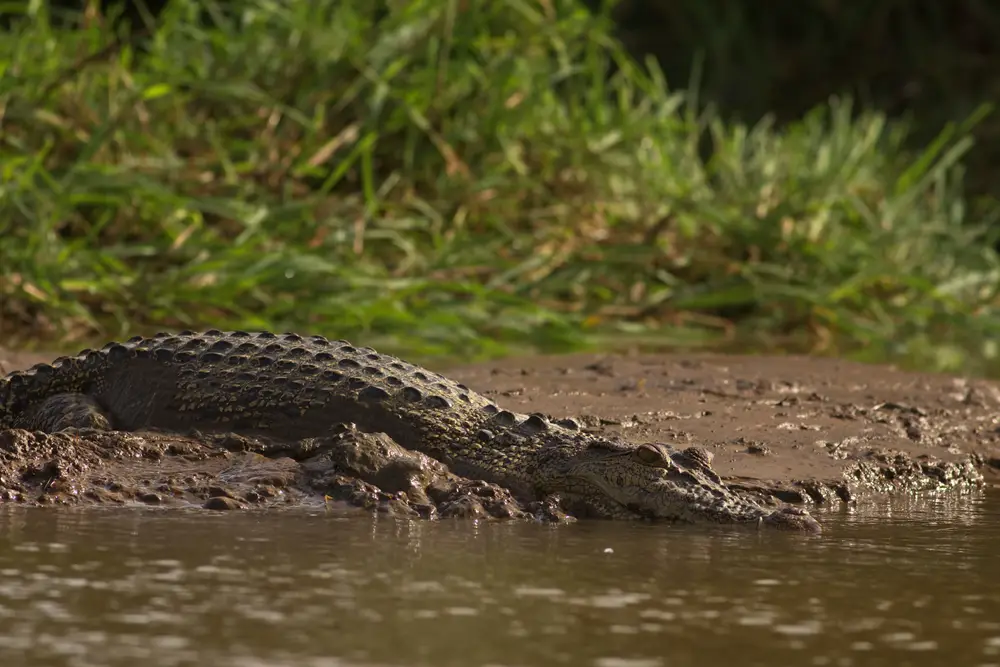
Humans see animals moving slowly and interpret it as peaceful non-aggression when slow deliberate movement often precedes attacks as predators close the distance while maintaining visual lock on prey. Big cats, bears, and crocodilians all demonstrate slow stalking movement before explosive strikes, using the slow approach to get within attack range without triggering flight responses. The slow movement that seems non-threatening is actually the most dangerous phase of the predatory sequence.
The slow movement misreading causes people to remain in place or continue photography while animals are literally stalking them, closing the distance for attacks. A slowly approaching bear isn’t curious or peaceful—it’s closing to attack distance while monitoring your responses. The human tendency to interpret slow movement as non-aggressive allows predators to close within striking distance before prey recognition triggers.
12. Believing Animals Understand Human Boundaries and Intentions
Humans fundamentally misread animal intelligence and consciousness, believing that animals understand property boundaries, recognize rescue intentions, or comprehend human communication when animals simply respond to immediate stimuli without conceptual understanding of human systems. People believe animals know they’re being rescued or helped, not recognizing that the animal experiences intervention as an attack, regardless of intentions. Wildlife “understanding” that humans won’t hurt them or that certain areas are protected is pure projection—animals respond to immediate costs and benefits without a conceptual framework for understanding human rules or intentions.
The boundary misunderstanding causes people to expect wildlife to respect property lines, trail boundaries, or park regulations when animals have no concept of these human constructs. Tourists are shocked when animals cross into “people areas” or don’t stay in “wildlife zones,” revealing a complete misunderstanding of how animals perceive space. The projection of human cognitive frameworks onto animals creates false expectations that animals will recognize and respect human organizational systems they have no awareness of or capacity to understand.