
Choosing a dog’s name feels personal, playful, and sometimes even hilarious. But professional trainers often hear certain names and quietly brace themselves for what might follow. It is not about judging owners or the dog itself. It is about patterns, expectations, and the subtle psychology behind what we name our pets.
1. Killer

When a trainer hears the name “Killer,” it immediately sets a tone that is hard to ignore. Even if the dog is sweet and harmless, the name suggests toughness or intimidation. That framing can shape how owners handle the dog in subtle ways.
Names tied to aggression sometimes correlate with rougher play or looser boundaries. Owners may unintentionally reinforce behaviors that match the tough persona. The concern is not that the dog will live up to the name. The concern is that humans might encourage it.
2. Chaos
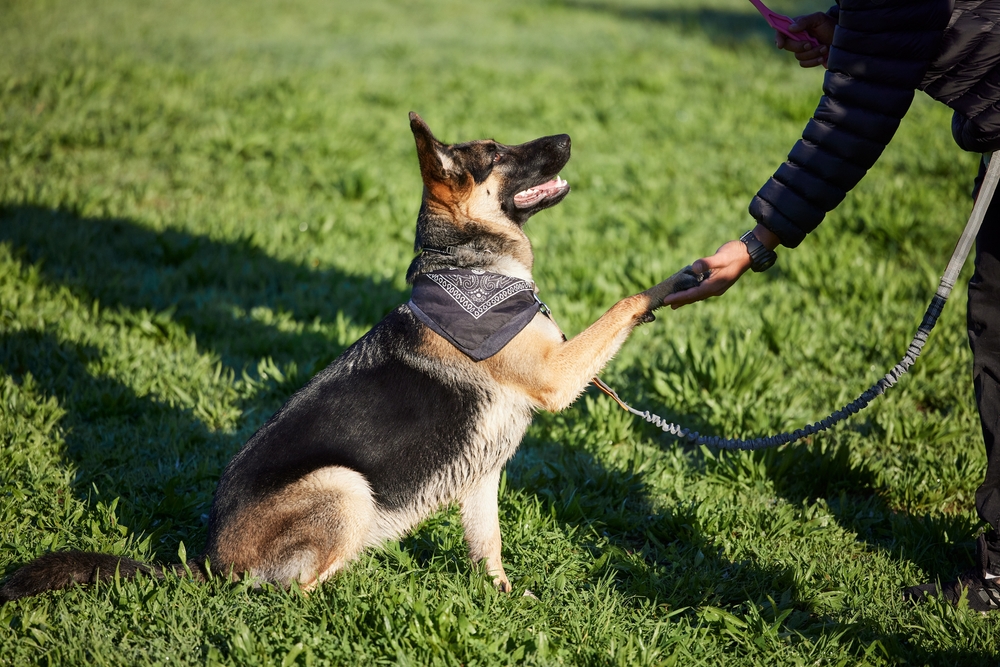
“Chaos” sounds funny at first, especially for a high-energy puppy. But trainers often see that the name becomes a self-fulfilling label. When a dog misbehaves, the owner laughs and says the name fits.
Over time, that lowers expectations for impulse control. Instead of training through the wild stage, the behavior becomes part of the brand. The dog does not know its name means disorder. The humans do, and they may lean into it.
3. Princess

On the opposite end of the spectrum, “Princess” can signal overindulgence. Trainers sometimes notice that dogs with this name struggle with boundaries. They are carried, catered to, and rarely corrected.
The issue is not affection. It is the absence of structure. When a dog is treated like royalty, rules often become optional, and that leads to behavioral confusion.
4. Boss

A dog named “Boss” might receive mixed signals from day one. The name itself implies authority. Trainers sometimes see owners unintentionally cede leadership by reinforcing that dynamic.
When structure is unclear, dogs naturally test limits. A name like “Boss” can blur the psychological roles in subtle ways. The trainer’s job becomes resetting expectations on both ends of the leash.
5. Cujo
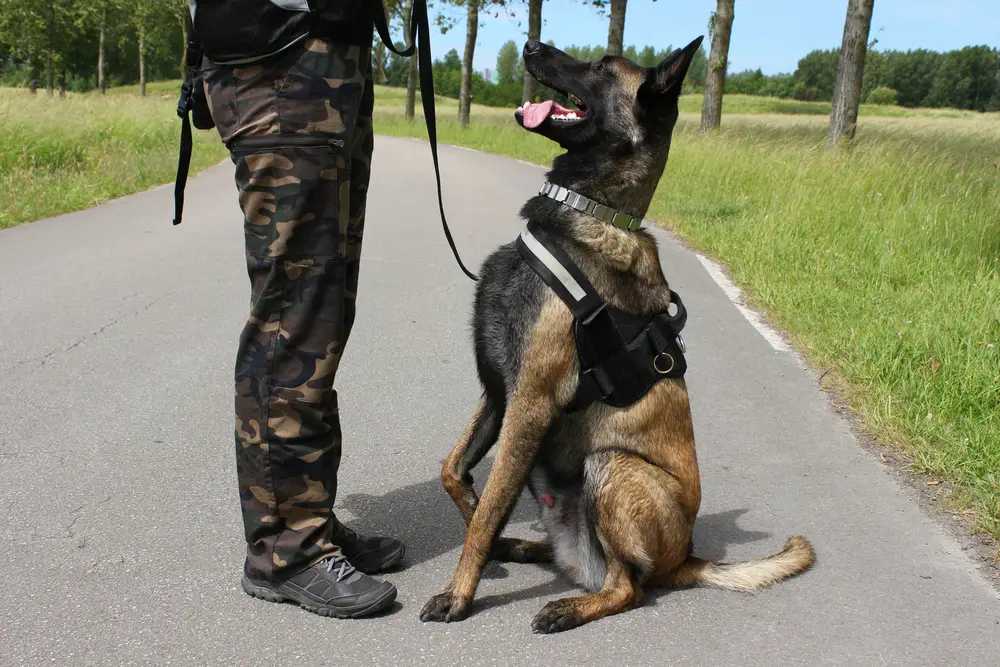
Referencing a famous fictional menace may feel ironic. But trainers worry that normal fear responses from others get amplified by the name. Neighbors and strangers react differently before the dog even moves.
That tension can transfer to the dog. Dogs read body language and tone quickly. If people approach nervously because of the name, the dog may mirror that energy.
6. Baby
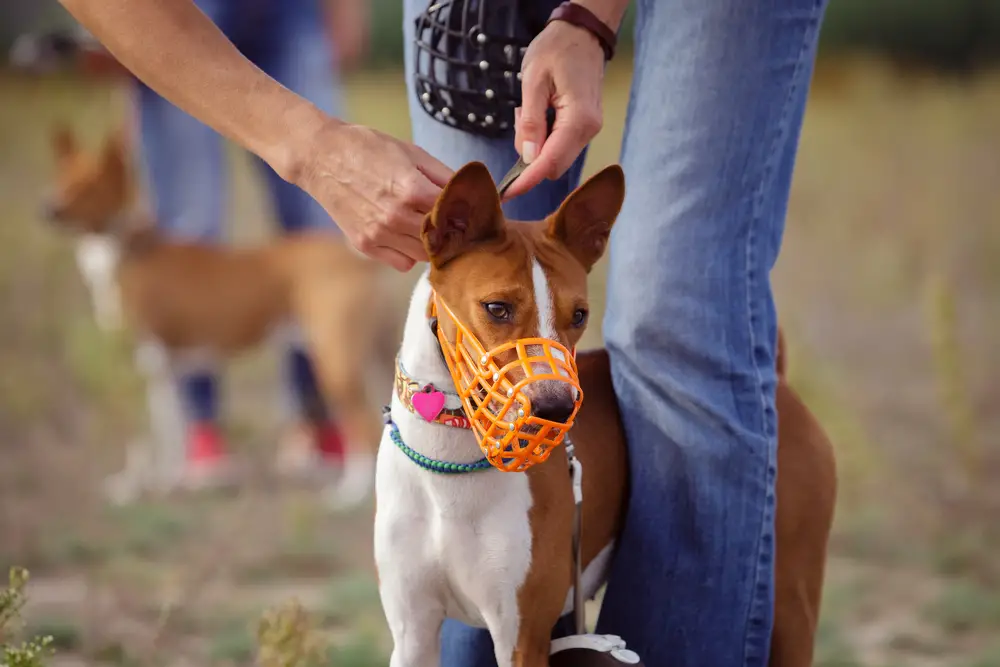
While affectionate, “Baby” can signal infantilizing behavior. Trainers often see delayed independence in dogs constantly treated like fragile toddlers. The name can reinforce overprotection.
Dogs thrive on clear communication and gradual confidence building. When they are overly shielded, anxiety sometimes increases. The name itself is harmless, but the mindset behind it can create hurdles.
7. Tank

“Tank” suggests strength and immovability. Trainers sometimes notice that owners tolerate leash pulling or bulldozing behavior because it matches the image. The dog becomes known for brute force instead of manners.
That framing can slow corrective training. Instead of addressing pulling or jumping, it becomes part of the personality. Strength without structure can become problematic as the dog grows.
8. Bandit

“Bandit” is charming but implies sneakiness. Trainers often see dogs with this name who get away with stealing socks or counter-surfing. Owners laugh at the mischief rather than correcting it early.
Repeatedly rewarding that narrative reinforces the behavior. What starts as cute theft can become a habit. The concern is long-term consistency, not the name alone.
9. Demon
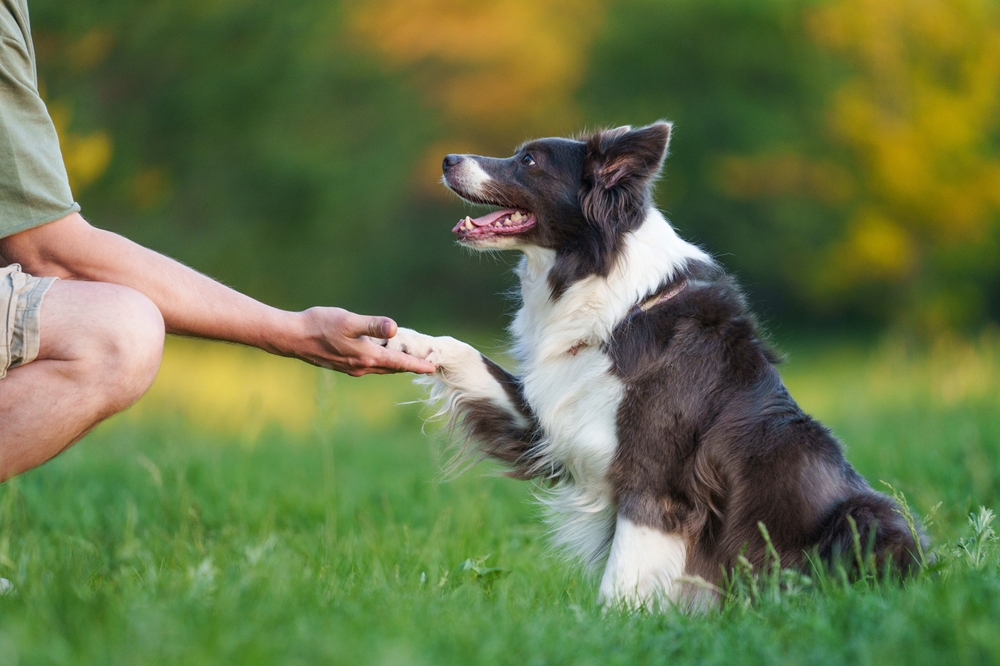
A dramatic name like “Demon” can create a lowered behavioral bar. Trainers sometimes encounter owners who shrug off reactivity or hyperactivity because the name fits. It becomes branding instead of behavior.
Dogs respond to consistency and clarity. When chaos is normalized, improvement slows. The trainer must shift the narrative before shifting the behavior.
10. Human Names That Are Also Commands
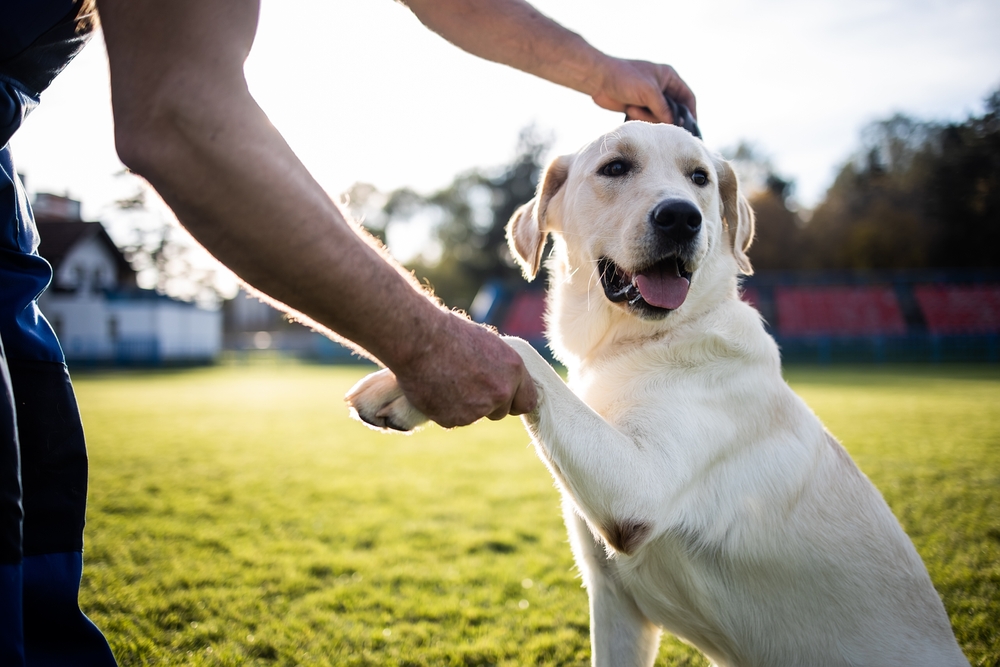
Names like “Kit,” “Bo,” or “Ray” can sound similar to common cues. Trainers worry about confusion during recall or obedience work. Clear sound distinction matters more than most people realize.
If a name overlaps with commands or other household words, training consistency suffers. Dogs rely heavily on tone and phonetics. Clean, distinct sounds support clearer communication.
11. Sir Barks-a-Lot

Humorous names referencing unwanted behaviors often signal resignation. Trainers sometimes see excessive barking dismissed because the joke was built in from the start. It frames the issue as inevitable.
When behavior becomes part of the dog’s identity, change feels less urgent. That delays intervention. Humor is harmless, but expectations shape outcomes.
12. Loki

Named after the trickster god, “Loki” is surprisingly common. Trainers often see this name attached to clever but boundary-testing dogs. Owners sometimes expect mischievous behavior and unconsciously reward it.
Intelligence requires structure to channel properly. When trickery is celebrated, impulse control may lag behind. The name itself is not the problem, but the narrative around it can be.
13. Monster
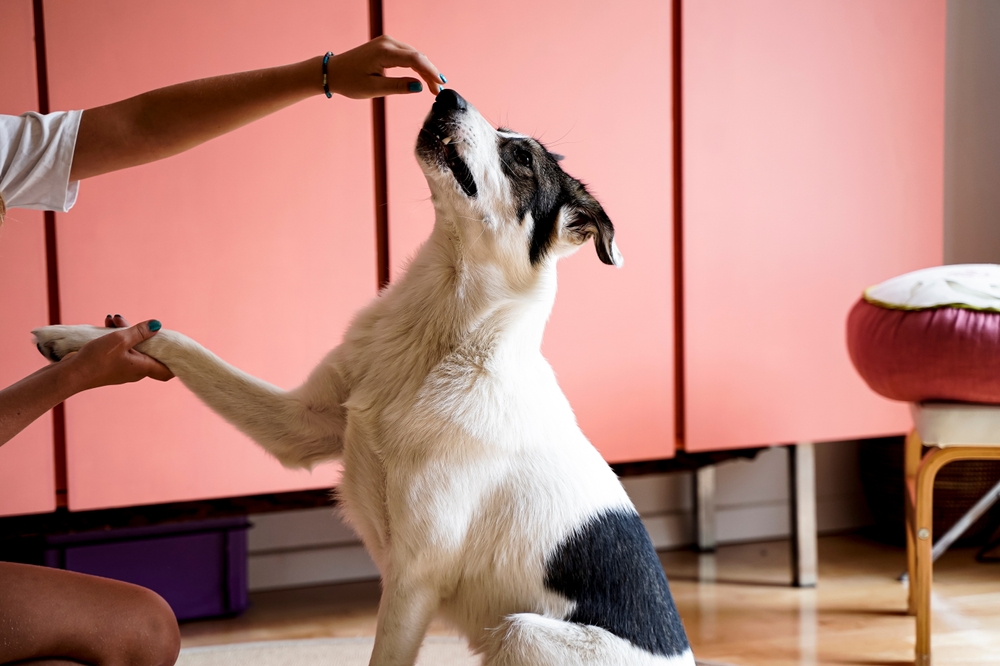
“Monster” may be said affectionately, but it carries weight. Trainers sometimes see rough play, jumping, or intimidation brushed off because it matches the name. The label lowers urgency around correction.
Dogs respond to patterns more than titles. When humans frame behavior as monstrous but amusing, clarity suffers. Trainers quietly hope for names that inspire balance rather than extremes.