
Dogs form genuine preferences for specific individuals that go far beyond whoever feeds them or holds the leash, and the selection process involves sophisticated assessments that most people never realize are happening. These preferences develop through accumulated experiences, emotional associations, personality compatibility, and subtle behavioral cues that dogs process and weigh continuously. Understanding how dogs actually make these choices often reveals why the family member who tries hardest to win the dog’s affection sometimes comes last while someone who barely acknowledges the dog becomes the clear favorite.
1. Socialization During Critical Development Windows
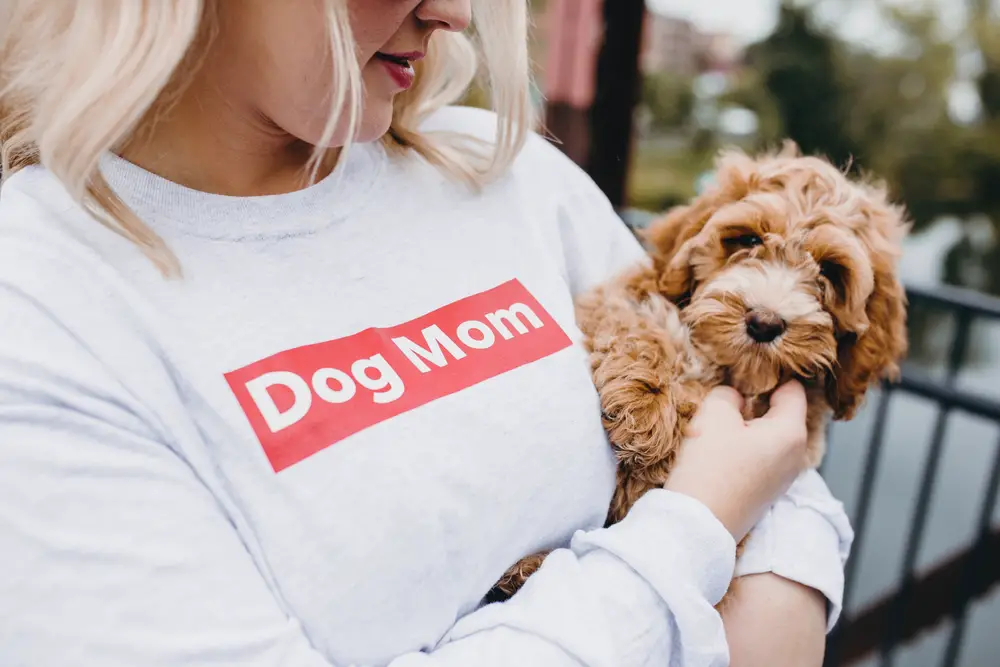
The humans a dog has the most positive contact with during their socialization period—roughly 3-14 weeks—create neurological templates that influence attachment patterns throughout their lives. Puppies who bond with specific humans during this window develop deeply ingrained positive associations that can persist for life even after long separations. The advantage this creates is nearly impossible to overcome for humans who enter the dog’s life later, explaining why childhood family members often retain special status decades later.
Dogs adopted in adolescence or adulthood still form strong preferences, but the foundational neurological patterning of early socialization is absent. They rely more heavily on ongoing experience and consistency rather than the deep imprinting that early socialization creates. This explains why rescue dogs sometimes seem unpredictably bonded—their early socialization experiences may have involved different humans than their current owners.
2. Whoever Provides the Most Positive Associations
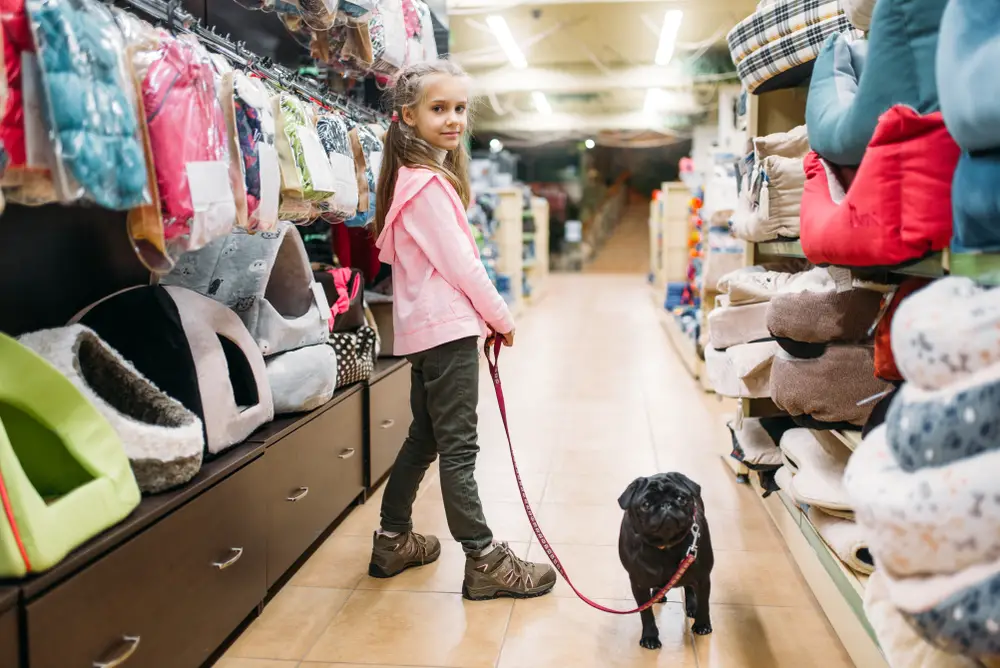
Dogs form preferences through association learning that accumulates over thousands of interactions, and the person who consistently predicts positive experiences becomes the preferred human regardless of their formal role in the household. This isn’t just about treats—it includes play sessions, exciting outings, comfortable physical contact, and relief from distress. The accumulation is continuous and unconscious, with dogs essentially running a mental ledger of which human consistently produces positive outcomes.
The association extends to subtle cues like the sound of a specific car in the driveway, a particular footstep pattern, or a distinctive smell predicting good things are coming. Dogs who begin showing excited anticipatory behavior before a person is even visible have essentially pre-loaded the association so strongly it activates at the earliest possible cue. The person who associates most reliably with positive outcomes wins the preference contest regardless of who formally “owns” or feeds the dog.
3. Reading Emotional Energy and Personality Match
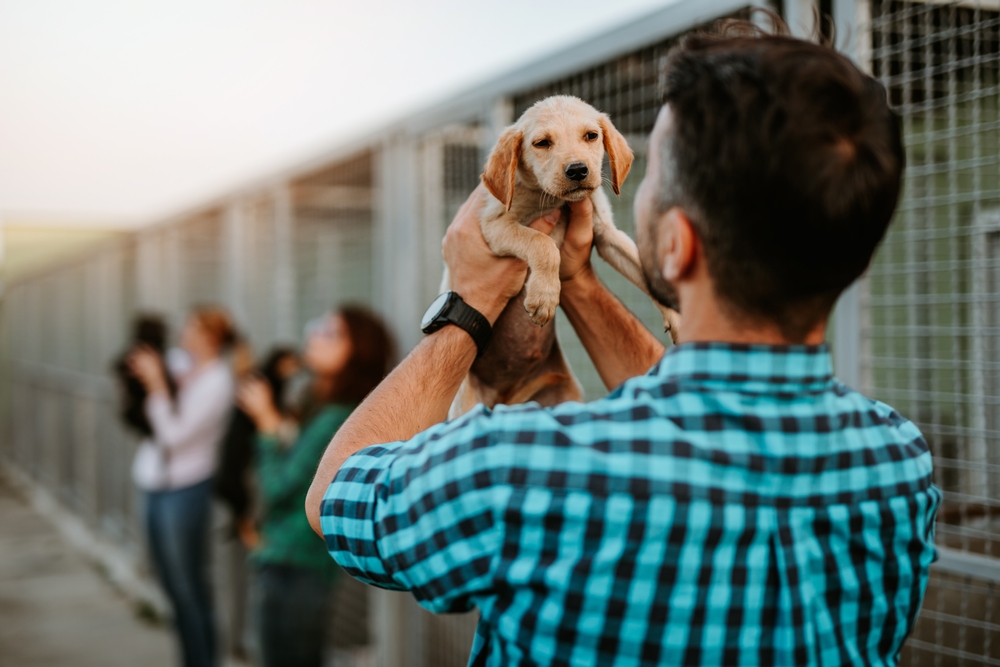
Dogs assess human emotional energy continuously and show strong preferences for personalities that match their own temperament or that provide what their temperament needs. High-energy dogs typically prefer energetic, active humans, while anxious dogs often bond most strongly with calm, steady individuals who provide the emotional regulation they need. The matching isn’t always obvious—sometimes anxious dogs seek calm humans precisely because they provide something different rather than mirroring.
The energy reading happens faster than conscious human interaction, with dogs assessing baseline emotional states through scent, body language, and heartbeat within seconds of someone entering a room. A human who projects genuine calm confidence creates a different neurological response in dogs than someone projecting anxious energ,y regardless of surface behavior. Dogs who seem to “just like” certain people are often responding to deep personality compatibility that operates below conscious awareness.
4. Physical Interaction Style and Touch Preference
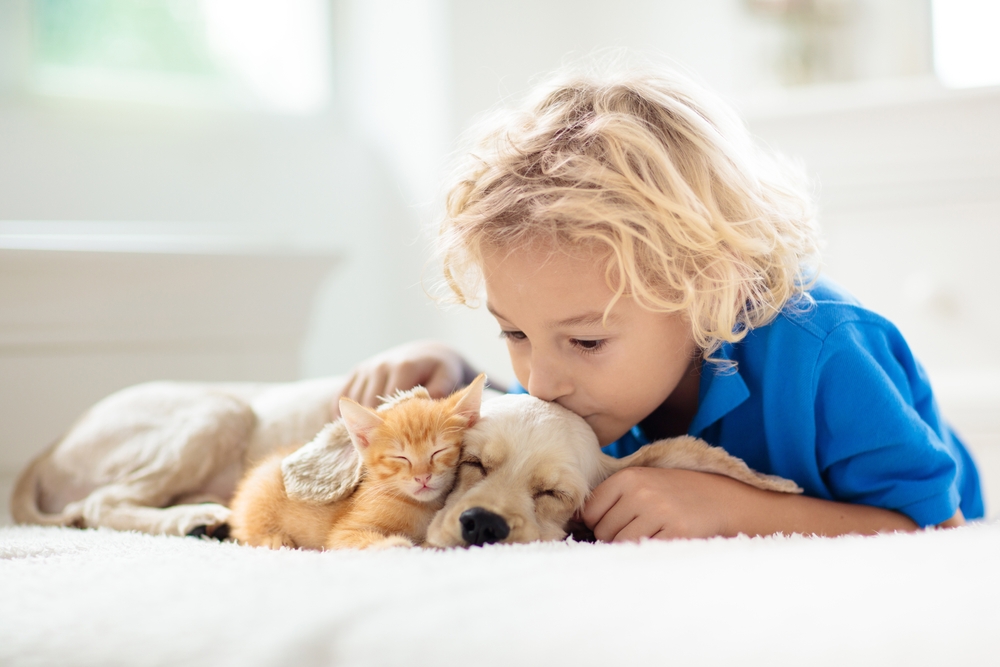
How a human touches a dog matters enormously to preference formation, with dogs strongly favoring people whose physical interaction style matches their individual preferences. Some dogs prefer gentle, slow contact while others prefer vigorous play-based interaction, and the human who instinctively matches the dog’s preference wins significant preference points without knowing it. The mismatch—a person who hugs when the dog prefers side contact, or who pets tentatively when the dog wants enthusiastic roughhousing—creates negative associations that accumulate over time.
Dogs communicate touch preferences through subtle signals most humans miss—small postural adjustments, weight shifting, and micro-tension changes that indicate discomfort before obvious signals appear. The human who intuitively reads and responds to these signals by adjusting their interaction style demonstrates a kind of attunement that dogs find deeply compelling. Consciously learning to read these signals and adjust accordingly can shift a dog’s preference toward someone who was previously losing the competition.
5. Time and Consistent Presence
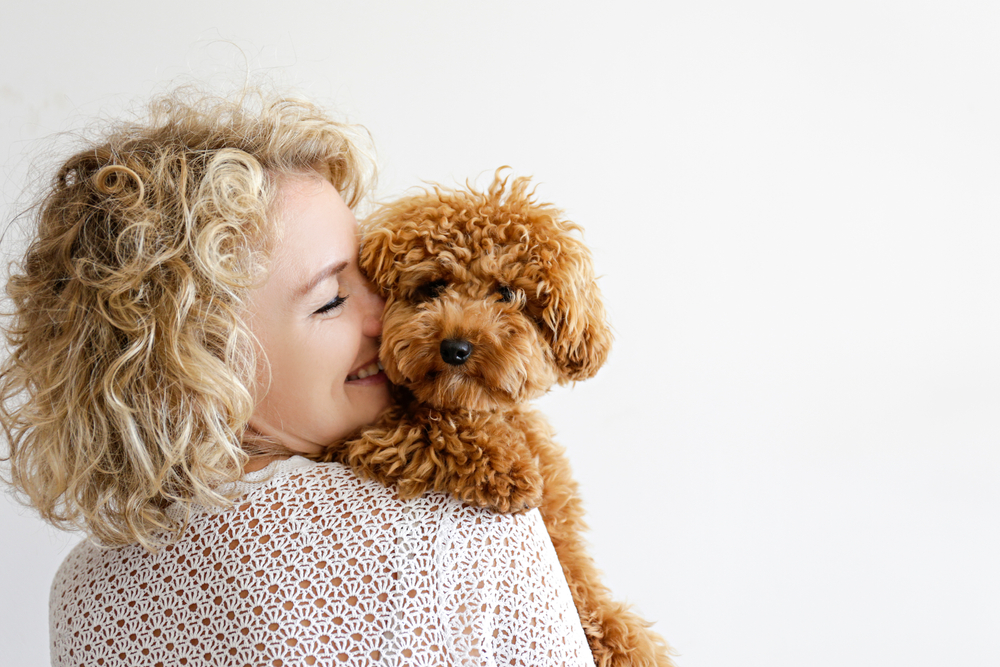
Raw time spent together creates familiarity and comfort that forms the foundation of preference, with dogs generally favoring the person whose presence is most reliably woven into their daily experience. The consistency matters as much as quantity—a person who is predictably present at the same times creates more security than someone who spends intense time together intermittently. Dogs find predictability inherently comforting and associate the person who provides routine presence with the security that routine creates.
This explains why stay-at-home parents or remote workers often become dogs’ primary attachment figures even when other family members are more exciting or provide more treats during their presence. The sheer accumulation of calm daily co-existence builds attachment that occasional intense interaction can’t replicate. Dogs essentially measure the reliability of presence as a proxy for social dependability.
6. Who Communicates Most Clearly

Dogs develop strong preferences for humans whose communication is consistent, readable, and follows predictable patterns rather than those who send mixed or confusing signals. A person who uses the same words, tones, and body language consistently for the same messages creates a communication system the dog can decode reliably, and the ability to understand and be understood is deeply rewarding. The human whose communication feels clear and comprehensible becomes associated with the cognitive satisfaction of successful communication.
Conversely, humans who give commands in constantly changing ways, whose body language contradicts their verbal communication, or who respond inconsistently to the same behaviors create confusion that dogs find mildly aversive. The dog isn’t choosing the person who trains them most expertly but rather the person who makes sense most reliably. Clear communication creates the experience of being understood, which is fundamentally different from the frustration of persistent miscommunication.
7. Positive Training Experiences and Collaborative Learning
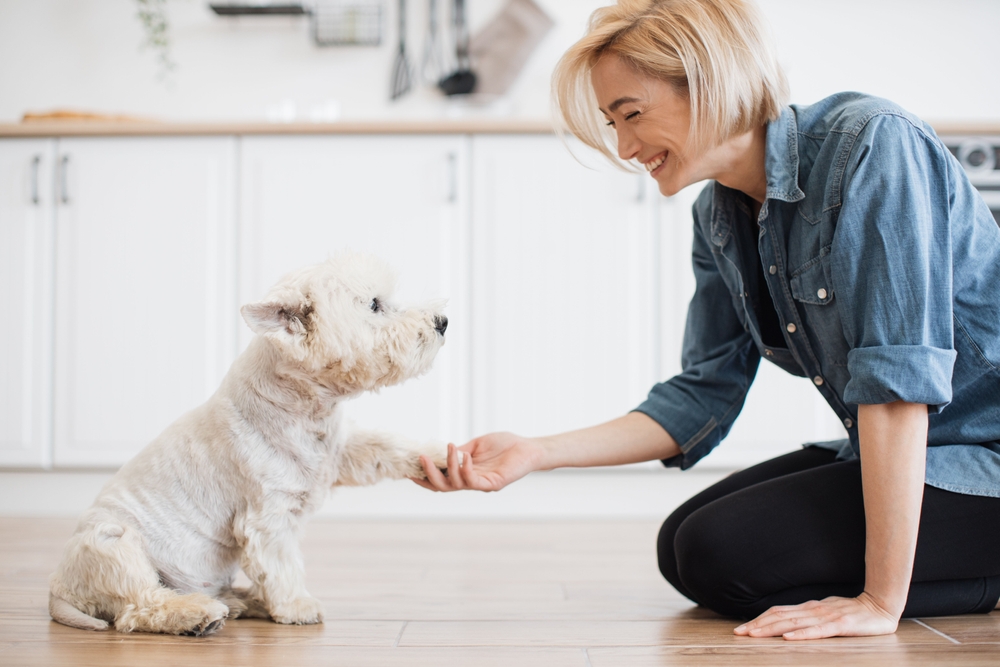
Dogs develop intense preferences for humans who’ve engaged them in positive training, not because of the treats but because successful training creates genuine collaborative experiences where both parties feel understood. The focused attention, clear communication, and shared success of training sessions create neurological rewards that associate the trainer with positive arousal and satisfaction. This is why professional trainers often see dramatic bonding from dogs they’ve worked with briefly—training is extraordinarily relationship-dense.
The effect is strongest with reward-based training that creates positive emotional experiences rather than correction-based approaches that create anxiety and avoidance. Dogs who’ve learned things with a specific person associate that person with the pleasure of successful learning and competence. Even five minutes of daily positive training can shift preference significantly toward whoever conducts it.
8. Respect for Their Signals and Boundaries
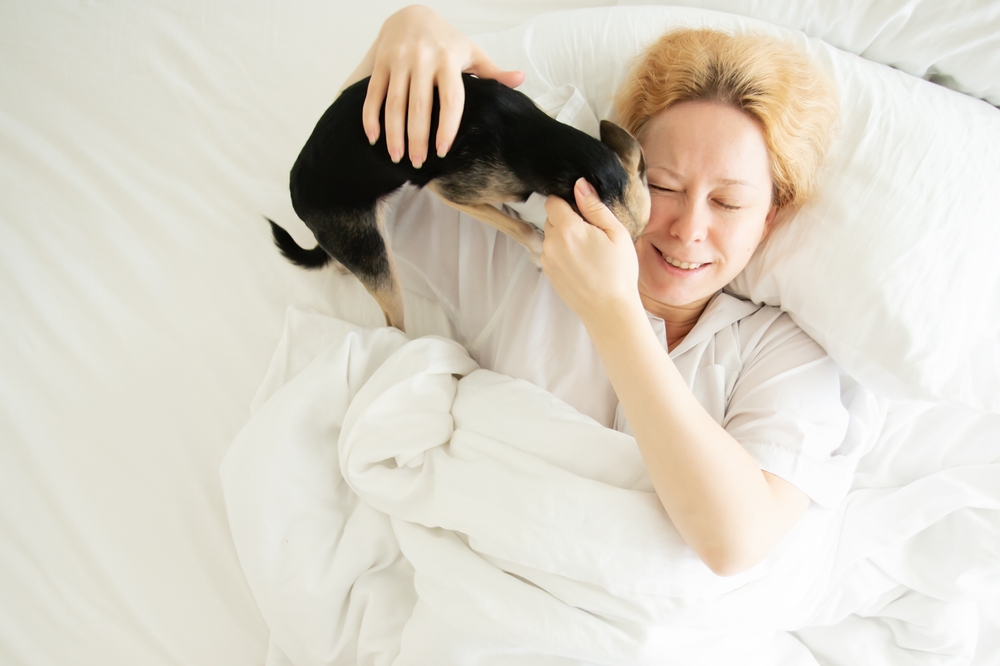
Dogs form strong preferences for humans who consistently read and respect their communication signals, creating an experience of being heard that’s genuinely compelling. The person who stops petting when the dog shows subtle discomfort signals, who doesn’t force interaction when the dog is uncertain, and who adjusts their behavior based on the dog’s feedback becomes associated with safety and control over their own experience. This sense of agency around the preferred human creates deep trust.
The preference development is essentially Pavlovian—being around someone who respects your signals means your signals work, and successful communication is intrinsically rewarding. Dogs whose signals are consistently ignored or overridden by certain humans learn that they can’t control their experience around those people, creating avoidance and reduced bonding. The human who seems to “just get” the dog is usually the one paying most careful attention to their communication and adjusting accordingly.
9. Shared Activities That Match Natural Drives
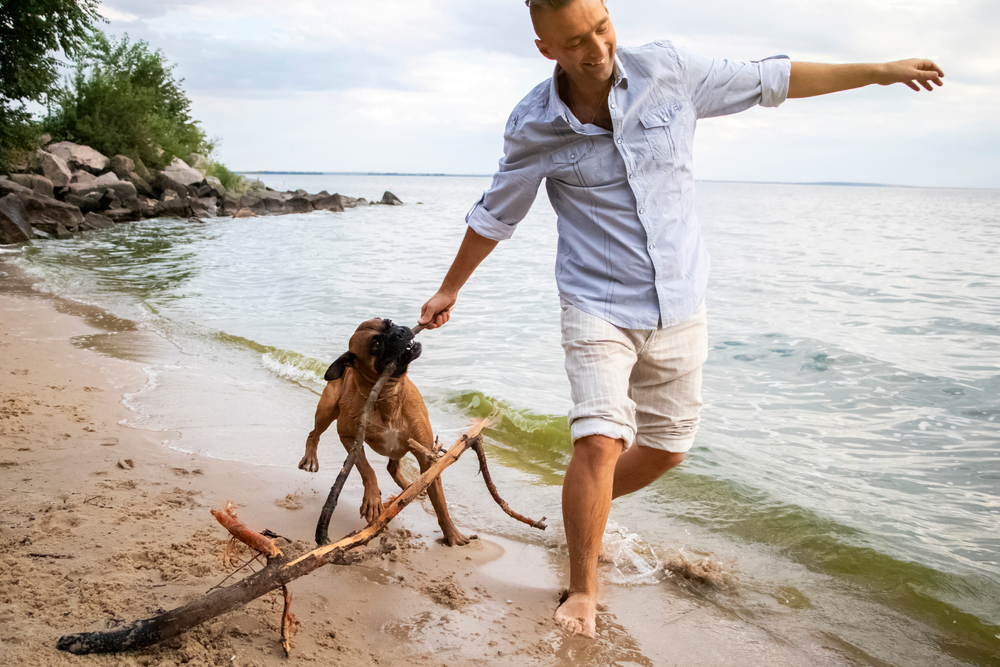
Dogs form strong preferences for people who engage them in activities that satisfy their natural drives—herding breeds bond intensely with people who provide chasing activities, retrieving breeds prefer people who throw things, scent hounds prefer people who let them sniff and explore. The connection between a human and the satisfaction of deep natural drives creates powerful positive association that transcends other factors. The person who makes a border collie feel like a border collie is almost certain to become that dog’s favorite human.
The matching of activities to drives explains preferences that seem puzzling from outside—a dog might prefer the person who takes them on slow, sniff-heavy walks over someone who provides longer but faster walks, because the sniffing satisfies something deeper than physical exercise. Understanding your specific dog’s drives and finding ways to engage them creates preferential attachment that food rewards alone can’t produce. The human who sees and satisfies what the dog fundamentally is creates an incomparable bond.
10. Absence of Fear and Negative Experiences
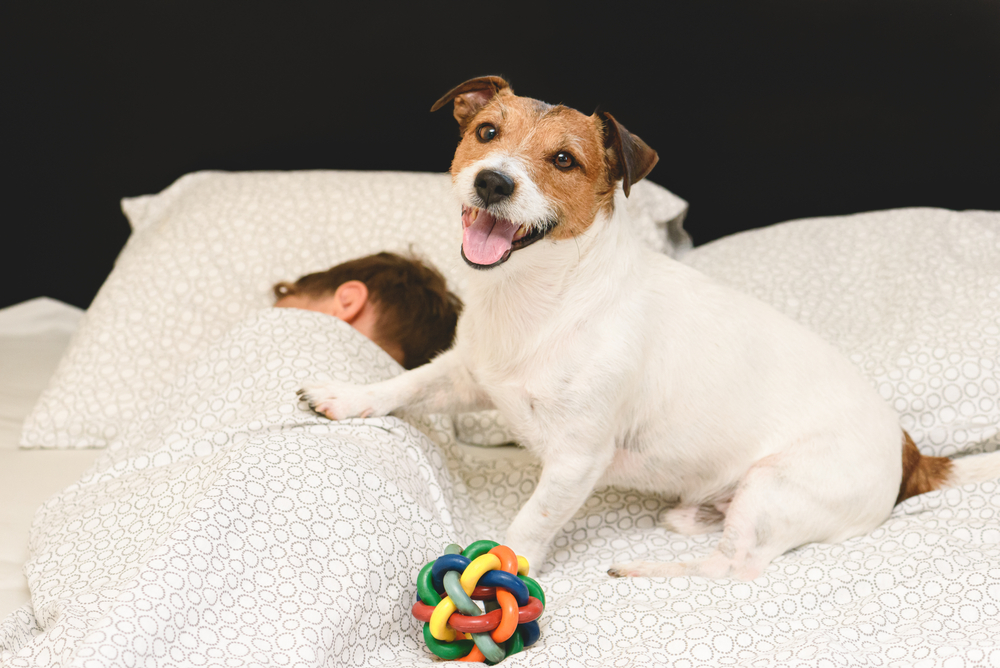
Dogs form lasting preferences partly through the absence of negative experiences, with certain humans becoming safe harbors specifically because interactions with them have never included pain, fear, or coercion. The safety association accumulates through all the times nothing bad happened around that person, creating a baseline prediction of safety that underlies all other positive associations. A single frightening experience with a person can undermine months of positive association building, revealing how asymmetric the learning process is.
The human who has never caused fear—even accidentally—has a foundational advantage that’s difficult for others to replicate after negative experiences have occurred. This explains why being gentle and predictable matters so much even when you’re not actively trying to bond with a dog. Simply never being scary creates accumulated safety associations that translate directly into preference.
11. Who Makes Eye Contact Appropriately
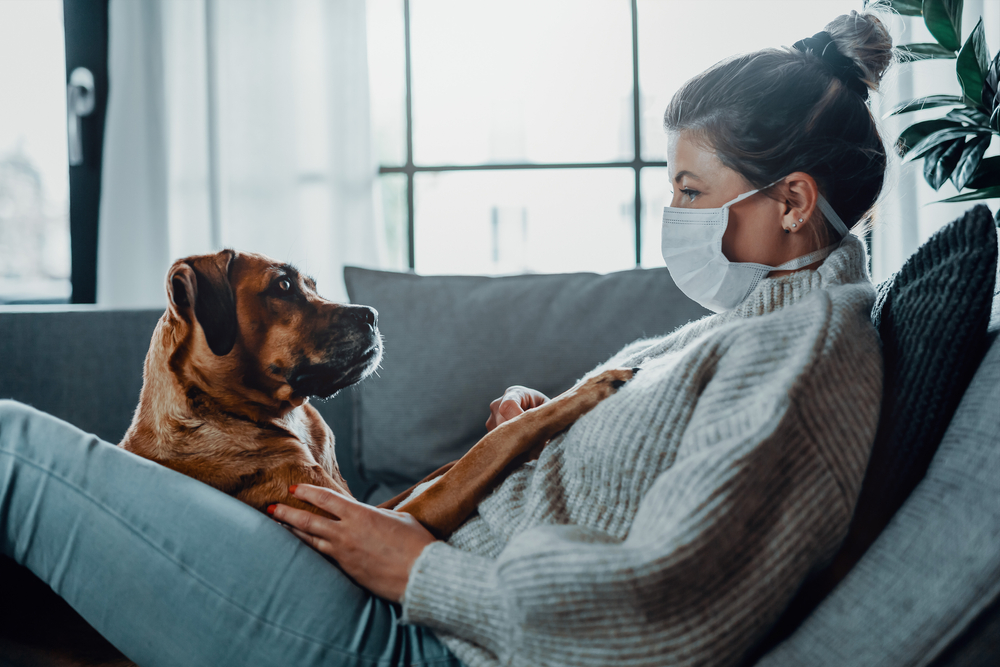
The quality and pattern of eye contact a person makes with a dog powerfully influences preference formation, with dogs strongly preferring humans who make soft, warm eye contact over those who stare hard or avoid eye contact entirely. Appropriate eye contact signals social engagement and attunement without the threatening quality of hard staring, creating a communication that dogs respond to with oxytocin release—the same bonding hormone released between mothers and infants. Research has shown mutual soft gazing between dogs and humans creates genuine neurochemical bonding responses in both species.
The human who instinctively makes eye contact in the way dogs prefer—soft, brief, warm—is essentially triggering neurochemical bonding responses without knowing it. Hard staring creates arousal and potential challenge responses that undermine preference, while avoiding eye contact communicates social disengagement that dogs interpret as indifference. The natural quality of your eye contact may be creating or preventing bonding faster than any deliberate relationship-building strategy.
12. Household Position and Resource Control
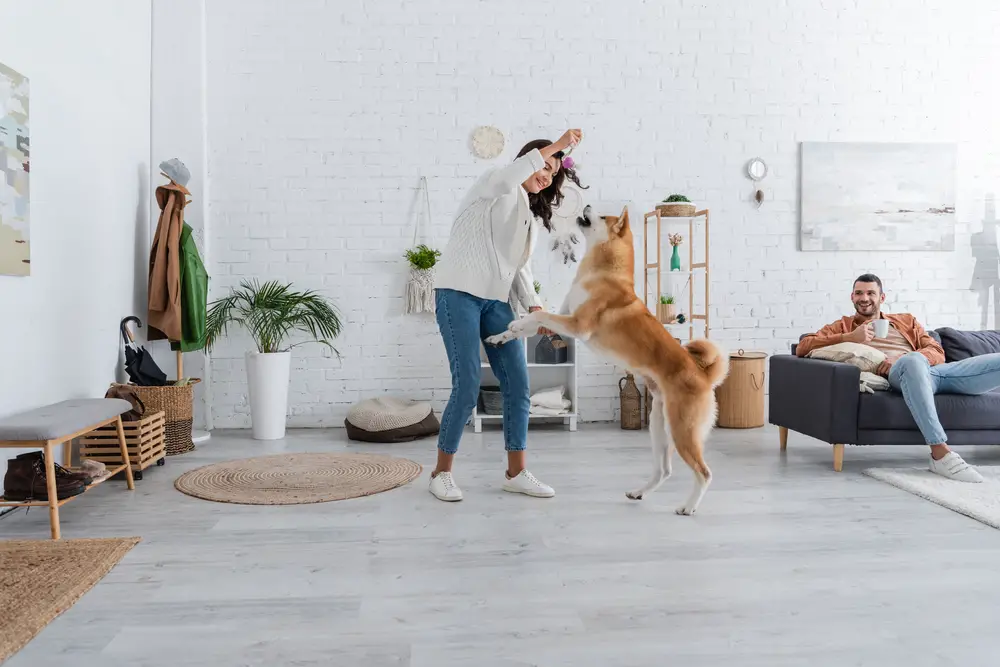
Dogs assess household hierarchies continuously and factor social position into their preference calculations in ways that aren’t always consciously obvious. The person who controls access to important resources—meals, walks, play, going outside—holds a position in the household structure that dogs register and weigh in their relationship assessments. This doesn’t mean dogs simply prefer the person who feeds them, but rather that controlling important resources creates a social significance that factors into the overall preference calculation.
The effect is complicated by personality—a submissive dog might prefer a confident, authoritative person who provides clear structure while a more dominant dog might prefer someone softer who doesn’t challenge them. The household position a person occupies intersects with personality compatibility in ways that make predicting preferences based on resource control alone unreliable. Understanding that resource control factors into the assessment without being the only factor explains many otherwise puzzling preference patterns.
13. Mirroring and Behavioral Synchrony
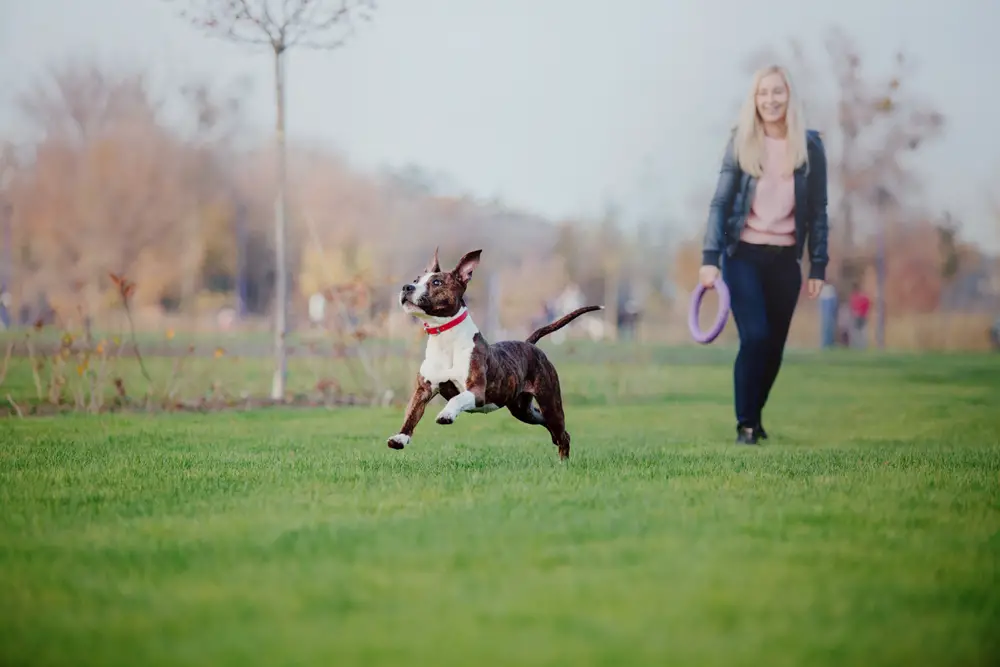
Dogs form preferences for humans whose behavior naturally synchronizes with their own, including matching activity levels, naturally pausing when dogs pause, moving at compatible speeds, and breathing in patterns that create comfortable social rhythm. The behavioral synchrony that develops between well-matched pairs happens largely unconsciously as both parties adjust to each other’s rhythms. Dogs who experience synchrony with a specific human find their presence comfortable in a foundational way that other humans find difficult by comparison.
The synchrony preference explains why some people seem to be “dog people” even without any particular knowledge or training—their natural behavioral patterns happen to create synchrony with dogs generally. Others must consciously develop synchrony by slowing down, pausing appropriately, and adjusting their movement patterns to create the comfortable rhythm dogs prefer. Intentional behavioral synchrony, learned and practiced, can shift preferences significantly toward someone who naturally moves differently than dogs find comfortable.
14. Cumulative Micro-Interactions Over Time
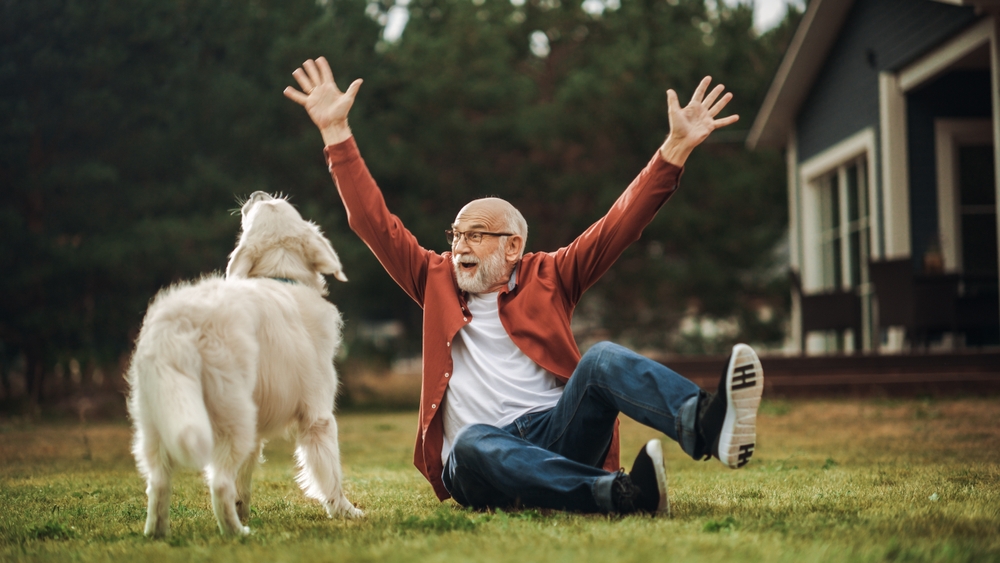
The preference a dog shows for their favorite human is ultimately the sum of thousands of tiny interactions—moments of acknowledged presence, brief touches, eye contact exchanges, shared attention to something interesting—that accumulate into an overall relationship assessment. These micro-interactions matter as much as major experiences because they represent the texture of daily life that determines how consistently good it feels to be around a specific person. A human who acknowledges the dog with a brief word or touch every time they pass creates a fundamentally different cumulative experience than one who only interacts during formal play or training sessions.
The accumulation is continuous and never resets—every micro-interaction either builds or maintains the preference that all previous interactions created. This means the ongoing texture of daily life matters more than any single memorable experience, and relationships that feel close can be maintained or improved through consistent small acknowledgments that cost almost nothing. Understanding that you’re always either building or maintaining your dog’s preference through micro-interactions transforms how you think about casual daily contact with your dog.