
The relationship between aging and appetite is more complex than most people realize, involving hormonal shifts, sensory changes, medications, and psychological factors that accumulate gradually and often go unnoticed until they’ve significantly altered eating patterns. These changes aren’t inevitable signs of decline—many can be managed effectively once understood—but they do represent real physiological and psychological shifts that affect nearly everyone as they age. Understanding why appetite changes can help older adults and their families distinguish between normal aging and warning signs that warrant medical attention.
1. Taste and Smell Receptors Gradually Diminish

The number of taste buds humans have peaks in childhood and declines steadily throughout adulthood, with significant reduction becoming noticeable after age 60. Smell, which accounts for the majority of what we perceive as flavor, also diminishes with age, meaning food that once tasted vibrant and appealing loses much of its sensory impact. When eating becomes less pleasurable because food literally tastes less intense, motivation to eat naturally declines.
This sensory decline explains why many older adults gravitate toward stronger-flavored, saltier, or sweeter foods as they try unconsciously to compensate for diminished receptor sensitivity. It also explains why appetite decreases across the board rather than just for specific foods—when nothing tastes as good as it used to, eating less becomes the natural outcome. People often interpret this as pickiness or fussiness in older relatives without realizing the food genuinely tastes different to them than it did decades earlier.
2. Hunger Hormones Become Less Responsive

Ghrelin, the hormone that signals hunger to the brain, tends to decrease with age, meaning the biological prompt to eat becomes quieter and less insistent. Simultaneously, cholecystokinin—the hormone that signals fullness—remains active and may increase, causing older adults to feel full faster and longer than they did when younger. This hormonal imbalance creates a situation where hunger rarely feels urgent and fullness arrives quickly and lingers.
The practical effect is that older adults can genuinely forget to eat, not because of cognitive decline but because the biological reminders that prompted eating throughout their lives have become unreliable. Someone who spent 50 years guided by predictable hunger signals suddenly has no reliable internal clock telling them when or how much to eat. Establishing regular meal schedules becomes critically important for this reason, as external timing replaces internal cues that can no longer be trusted.
3. The Stomach Empties More Slowly

Gastric motility—the rate at which the stomach processes and passes food to the small intestine—slows significantly with age, meaning older adults feel full for longer periods after eating. A meal that would have been digested and cleared in 3-4 hours in a younger person might take 6-7 hours in an older adult. This prolonged sense of fullness reduces interest in the next meal and can create a feedback loop where smaller meals lead to less hunger, which leads to even smaller meals.
This physiological change means advice that works for younger people—eat smaller meals more frequently to maintain appetite—can backfire for older adults whose slower gastric emptying means frequent small meals keep them in a constant state of fullness. Timing of meals matters more as the body ages, and what feels like “not hungry yet” often reflects digestive timing rather than adequate nutrition. The body may be nutritionally depleted while still feeling physically full.
4. Medications Suppress or Alter Appetite

The average older adult takes multiple prescription medications, many of which affect appetite as a primary or secondary effect. Antibiotics, certain blood pressure medications, antidepressants, pain medications, and dozens of common prescriptions can cause nausea, alter taste perception, suppress hunger signals, or make certain foods unappealing. When multiple medications interact, the appetite effects can be compounded significantly.
This pharmaceutical dimension of appetite change is frequently overlooked because appetite suppression is often listed as a minor side effect rather than a significant concern. Families and healthcare providers focus on whether medications are managing the primary condition while gradual weight loss from appetite suppression goes unaddressed. Regular medication reviews specifically evaluating appetite and nutrition effects can catch these issues before they lead to significant weight loss and nutritional deficiency.
5. Reduced Physical Activity Lowers Caloric Demand

Exercise and physical activity are among the strongest natural appetite stimulants, so as mobility decreases with age, hunger naturally follows. Older adults who were physically active throughout their lives and ate accordingly often find appetite declining as activity levels drop, sometimes without fully recognizing the connection. The body accurately calibrates caloric need to energy expenditure, meaning less movement genuinely requires less fuel.
The problem arises when caloric intake drops proportionally with activity but micronutrient needs remain constant or increase. Eating less means consuming fewer vitamins, minerals, and other nutrients that aging bodies need in adequate quantities. The challenge is maintaining nutrient density when overall food volume decreases—eating less but needing as much or more nutritional value from each meal than at any previous life stage.
6. Dental Issues Make Eating Uncomfortable

Tooth loss, dentures, gum disease, and dental pain make eating many foods uncomfortable or impractical, quietly reshaping what older adults choose to eat and how much. Someone who previously enjoyed steak, raw vegetables, crusty bread, and nuts may eliminate these foods one by one as dental issues make them difficult. The resulting diet becomes softer and often less varied and nutritious, while overall appetite may decline as eating becomes associated with discomfort.
Poorly fitting dentures are a particularly common culprit that receives less attention than it deserves. People adapt to discomfort by eating less or choosing only the most manageable foods, and this gradual dietary narrowing goes unnoticed until significant nutritional changes have occurred. Regular dental care and properly fitting dental appliances represent a significant but frequently neglected factor in maintaining adequate nutrition in older adults.
7. Social Eating Opportunities Diminish

Humans are fundamentally social eaters—we eat more, more varied food, and with greater enjoyment when sharing meals with others. As people age, social networks contract through death, relocation of friends and family, and reduced mobility, meaning more meals are eaten alone. Research consistently shows that older adults eating alone consume significantly fewer calories and less nutritional variety than those eating with others, not because of physical factors but purely social ones.
The loss of a spouse often produces the most dramatic appetite decline, as people who spent decades cooking for two and sharing meals find little motivation to prepare proper meals for themselves alone. The kitchen transforms from a space of connection and purpose to a reminder of loss and solitude. Addressing appetite in bereaved or isolated older adults often requires social interventions—meal programs, communal dining, family involvement—rather than medical ones.
8. Depression and Anxiety Suppress Hunger

Depression is more prevalent among older adults than commonly recognized and has pronounced effects on appetite, typically suppressing hunger significantly. Anxiety can cause nausea and digestive discomfort that makes eating feel aversive. Both conditions often go undiagnosed in older populations because symptoms get attributed to aging itself or to the losses that commonly accompany later life. The result is appetite loss that has psychological roots but gets treated as a physical problem.
This distinction matters because treating the underlying depression or anxiety often restores appetite more effectively than any dietary intervention. Encouraging an older adult with undiagnosed depression to eat more is like encouraging someone with a broken leg to walk more—addressing the symptom while ignoring the cause. Mental health screening should be a routine part of evaluating appetite changes in older adults rather than an afterthought after physical causes have been ruled out.
9. Reduced Sense of Thirst Mimics Loss of Appetite

Older adults experience a well-documented decline in thirst sensation, meaning chronic mild dehydration is extremely common in aging populations. Dehydration causes fatigue, nausea, and general malaise that can closely mimic loss of appetite, and a dehydrated older adult may genuinely feel uninterested in eating when the actual problem is inadequate fluid intake. The two issues compound each other, as dehydration slows digestion and intensifies fullness sensations.
This connection means that improving hydration sometimes dramatically improves appetite without any other intervention. Simply drinking a glass of water 30 minutes before meals can improve appetite and comfort during eating in ways that seem disproportionate until you understand the dehydration-appetite connection. Like hunger cues, thirst cues become unreliable with age, requiring deliberate hydration habits rather than relying on the body’s increasingly inaccurate signals.
10. Changes in Metabolism and Body Composition

Metabolic rate declines steadily with age as muscle mass decreases and is often replaced by fat tissue, meaning the body genuinely requires fewer calories than it did decades earlier. This is a real physiological change, not a failure—the body accurately adjusting intake signals to match reduced caloric needs. However, this legitimate reduction in caloric requirement doesn’t correspond to a reduction in nutrient requirements, creating a nutritional challenge of getting adequate vitamins and minerals from less food.
The muscle loss component is significant because muscle tissue is metabolically active and contributes to hunger signals. As muscle mass declines, one of the mechanisms that drives appetite decreases with it. Maintaining muscle mass through resistance exercise is one of the most effective ways to preserve healthy appetite in older adults, creating a feedback loop where activity sustains muscle, muscle sustains appetite, and appetite sustains nutrition.
11. Cognitive Changes Affect Meal Planning and Preparation

Early cognitive decline, even before it meets the threshold of dementia diagnosis, can affect the complex executive functions involved in planning, shopping for, and preparing meals. Someone experiencing mild cognitive impairment might forget they haven’t eaten, lose interest in the multi-step process of cooking, or have difficulty making decisions about what to prepare. The result is simplified eating patterns, skipped meals, and nutritional deficiencies that compound cognitive challenges.
This relationship between cognition and eating creates a difficult feedback loop—poor nutrition contributes to cognitive decline, while cognitive decline impairs the ability to maintain adequate nutrition. Families often notice changes in diet before recognizing them as potential signs of cognitive change. An older adult who previously cooked elaborate meals suddenly subsisting on toast and cereal may be signaling early cognitive changes rather than simple loss of interest in cooking.
12. A Lifetime of Eating Patterns Creates Rigid Preferences
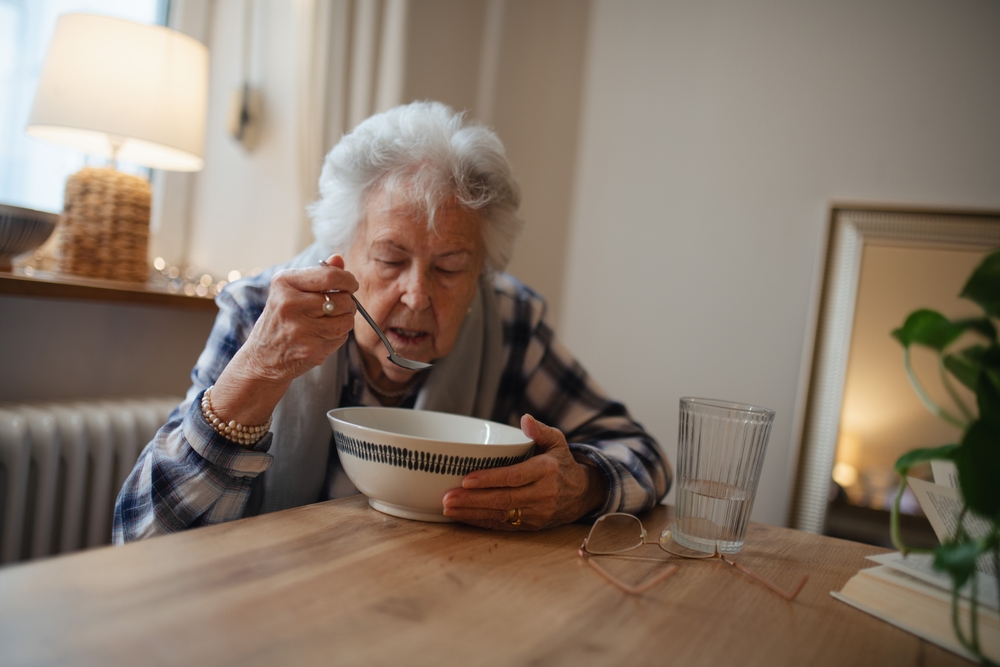
Decades of eating habits create deeply entrenched food preferences and aversions that become more rigid with age, limiting dietary variety and sometimes overall intake. Someone who disliked certain foods at 30 may find those aversions have intensified at 70, further narrowing the range of acceptable foods. Cultural and generational food preferences also play a role, particularly for older adults whose food preferences formed around very specific regional or traditional cuisines that may be difficult to access or prepare.
This entrenchment isn’t simply stubbornness—it reflects how food preferences become deeply embedded in identity and comfort over a lifetime. Trying to introduce new foods or dramatically alter long-established eating patterns in older adults often backfires, creating food refusal rather than nutritional improvement. Working with existing preferences, finding nutrient-dense versions of familiar foods, and respecting food identity while making incremental adjustments tends to produce better outcomes than wholesale dietary overhauls that conflict with a lifetime of established eating habits.