
When the Martinez family moved their coffee maker from the kitchen counter to a cabinet underneath, they expected no consequences beyond slightly less convenient morning coffee. What they didn’t anticipate was that this minor spatial change would completely upend their Golden Retriever Max’s entire daily routine, triggering a cascade of behavioral modifications that baffled the family and their veterinarian. The case, now documented by animal behaviorists, reveals how profoundly domestic dogs structure their lives around human household patterns and how even minimal environmental changes can destabilize routines built through years of observation and conditioning. Max’s response to one small shift has become a case study in how dogs perceive and organize their worlds in ways their owners don’t recognize until something breaks the invisible structure.
1. Morning Wake-Up Timing Shifted By 45 Minutes
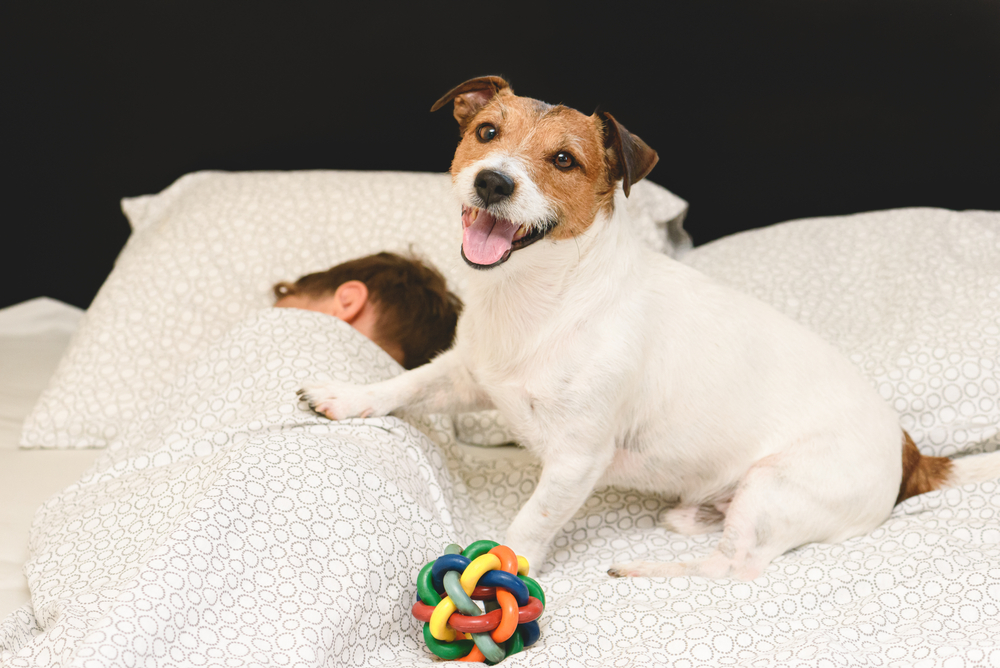
Max had woken the family at 6:15 AM for seven years, a precision so reliable they’d stopped using alarm clocks. After the coffee maker moved, Max began waking them at 5:30 AM instead, a shift that persisted despite the family’s attempts to ignore him and reset the pattern. The family eventually realized Max had been timing his wake-up to the automatic coffee maker’s brewing sounds, which started at 6:10 AM with its preliminary heating cycles. The brewing sound had served as Max’s cue that morning was officially beginning and humans would soon wake, allowing him to initiate his morning routine at the optimal moment.
With the coffee maker relocated to a cabinet where sounds were muffled, Max lost his reliable timing cue and defaulted to waking earlier to ensure he didn’t miss the morning transition. The behavior revealed that Max hadn’t been waking them at 6:15 AM because he needed anything at that time—he’d been using the coffee maker’s sounds as his signal to begin the day, timing that allowed the family to wake naturally within minutes of his gentle nudging. Without that audio cue, Max’s entire morning framework collapsed, forcing him to guess at appropriate timing based on ambient light and other less reliable signals, resulting in earlier waking that seemed random but actually represented his attempt to reconstruct his lost routine using whatever cues remained.
2. Mealtime Anticipation Rituals Disappeared
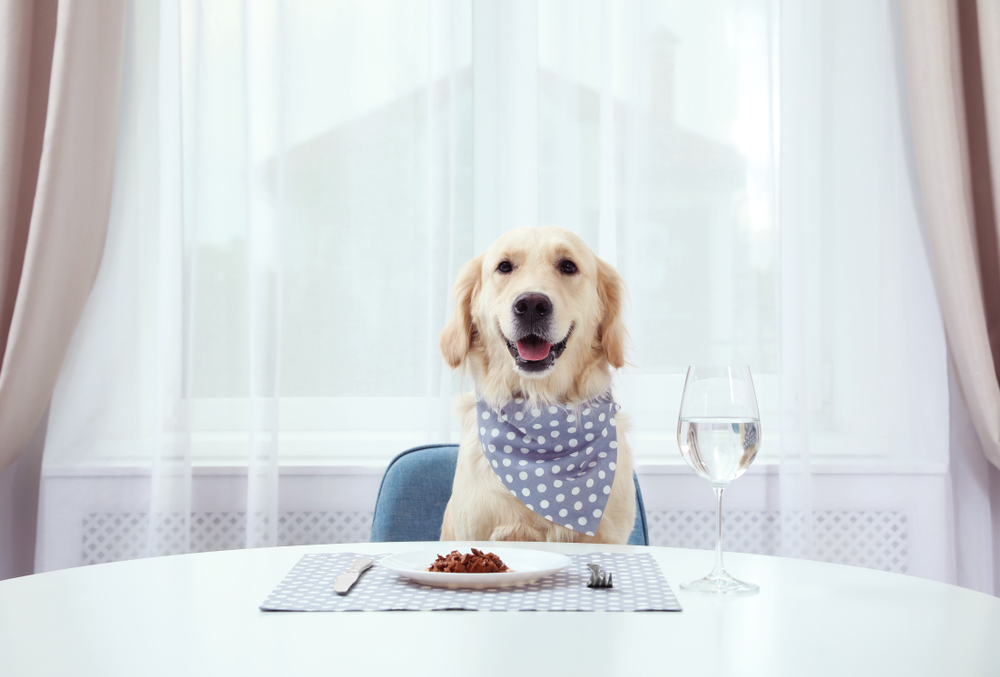
Max had performed an elaborate pre-feeding ritual for years—specific play patterns, sitting in particular spots, and bringing his bowl to the kitchen exactly five minutes before feeding time. After the coffee maker moved, these anticipatory behaviors vanished completely, with Max appearing surprised when food appeared and showing no preparation behaviors. The family eventually connected Max’s feeding anticipation to the coffee maker’s second brewing cycle, which happened to run at 5:55 PM, five minutes before his 6:00 PM dinner time.
The evening brewing sound had served as Max’s five-minute warning, triggering his preparation ritual that seemed like natural hunger anticipation but was actually Pavlovian conditioning to an audio cue. When the coffee maker’s sound became inaudible from Max’s usual locations, he lost the signal that had structured his evening routine for years. The disappearance of anticipatory behavior revealed that Max hadn’t been tracking time or hunger independently—he’d been responding to environmental cues that happened to correlate perfectly with feeding time, creating the illusion of internal time-keeping when he was actually reacting to household soundscapes in ways the family never recognized.
3. Afternoon Nap Location Changed Completely
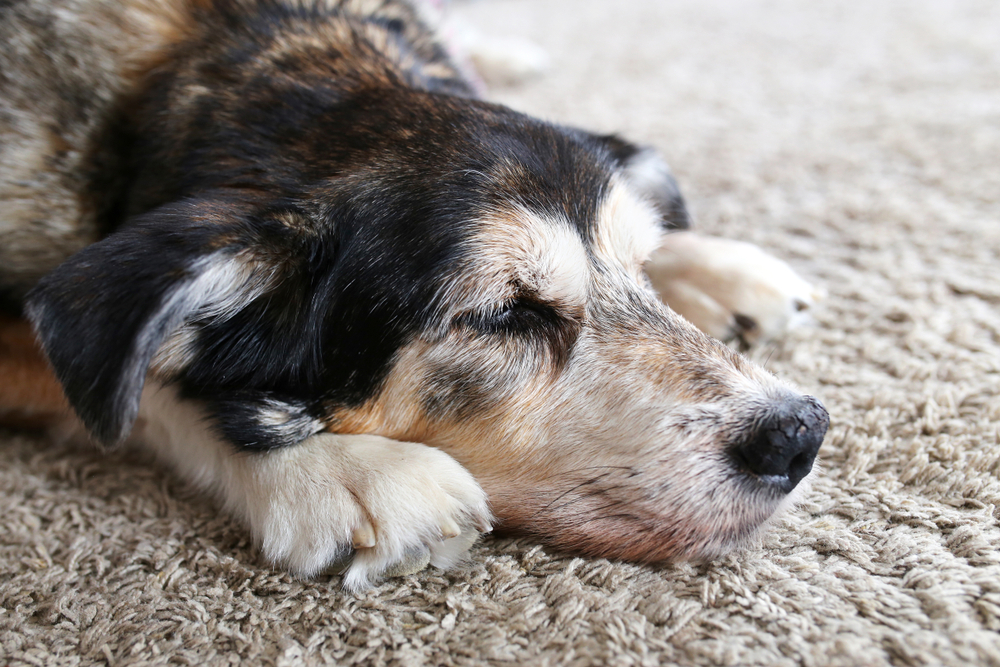
Max had napped in the sunbeam on the living room floor every afternoon from 2:00-3:30 PM for his entire adult life. After the coffee maker moved, he suddenly began napping in the hallway outside the bathroom instead, a location with no sunlight and less comfortable flooring. The family was baffled until they realized the cabinet now housing the coffee maker was directly below Max’s new nap location, placing him above the machine rather than across the room from it as before.
The location change revealed Max’s afternoon nap had never been about the sunbeam—it had been about positioning himself where he could hear the coffee maker’s intermittent sounds throughout the afternoon as family members brewed cups. The sounds apparently provided comfort or security that Max associated with household normalcy and human presence. When the coffee maker moved, Max relocated his nap to maintain proximity to those sounds, sacrificing sunlight and comfort to preserve the audio environment that had accompanied his naps for years. The behavioral shift demonstrated that dogs structure their space usage around sensory experiences humans don’t consciously notice, building routines around environmental features that seem irrelevant to human observers.
4. Evening Walk Initiation Became Owner-Dependent
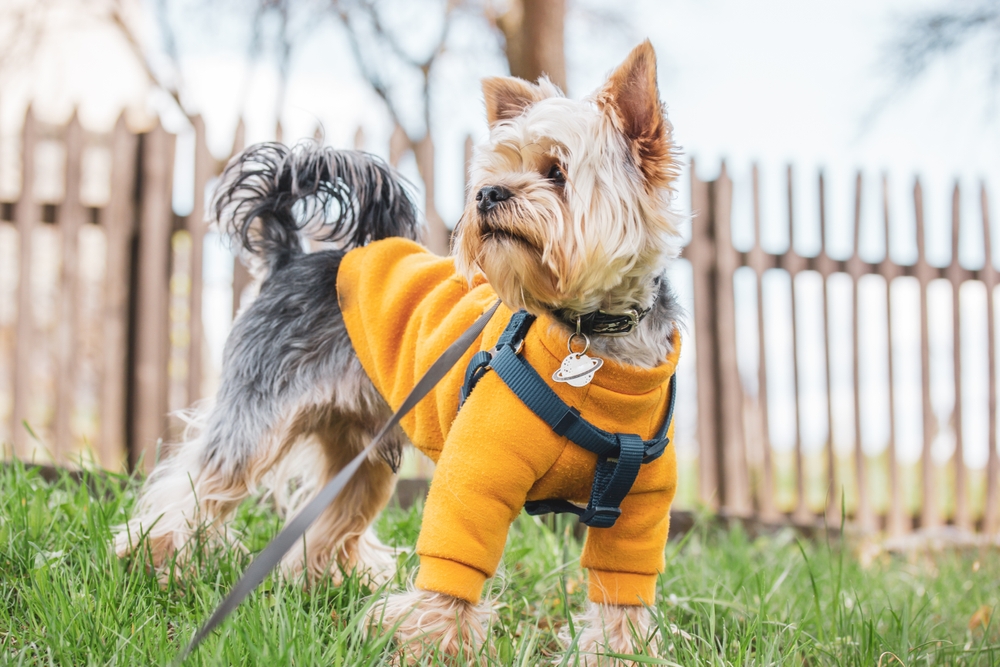
Max had initiated the family’s evening walk for years by bringing his leash at precisely 7:00 PM, a timing so accurate visitors remarked on it. After the coffee maker moved, Max stopped initiating walks entirely, instead waiting passively until family members suggested walking, sometimes as late as 9:00 PM. The Martinez family eventually realized Max’s walk initiation had been triggered by the coffee maker’s automatic cleaning cycle, which ran at 6:55 PM with distinctive gurgling sounds that served as Max’s cue to prepare for the evening walk.
Without the cleaning cycle audio cue, Max had no trigger for walk initiation and defaulted to waiting for human direction rather than taking initiative. The behavior change revealed that Max’s apparent time-sense and routine-keeping were actually environmental cue responses so well-calibrated they seemed like internal motivation. The family had attributed agency and decision-making to Max based on his walk initiation, when in reality he was responding to household sounds in a conditioned pattern. The shift forced recognition that much of what appeared to be Max’s independent routine-keeping was actually sophisticated responsiveness to environmental cues the family wasn’t consciously aware of producing.
5. Greeting Behavior at the Door Intensified
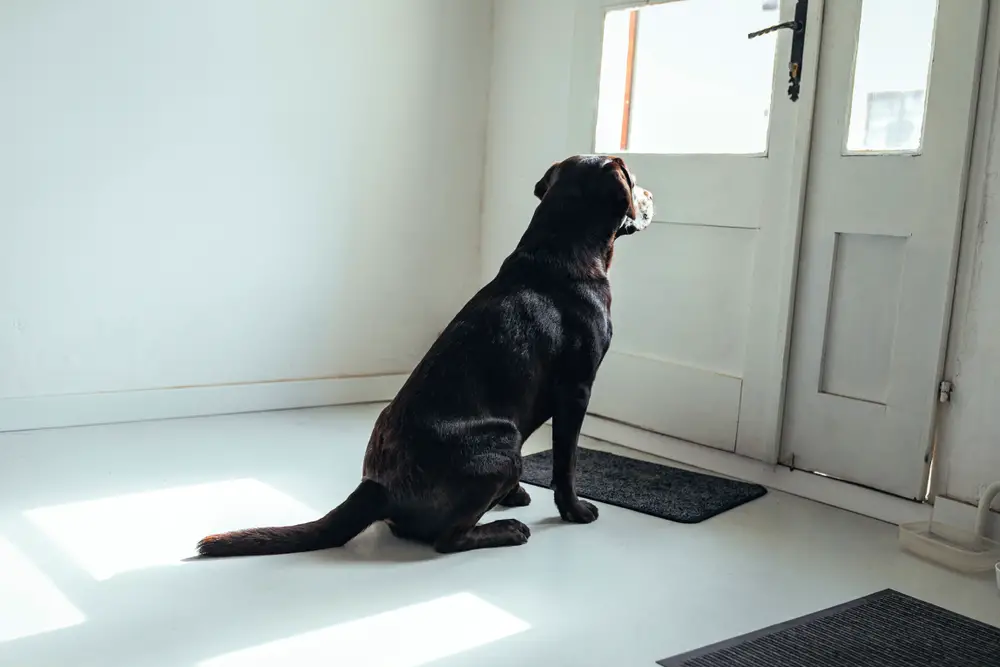
Max had always greeted returning family members enthusiastically but proportionally—tail wagging and a minute of attention before settling. After the coffee maker moved, his greetings became frantic and prolonged, sometimes lasting 10-15 minutes with jumping, vocalization, and inability to calm down. The family initially attributed this to separation anxiety until a behaviorist identified that Max had been using coffee maker sounds throughout the day as indicators that humans were home and the household was normal.
The coffee maker’s periodic sounds from its visible counter location had served as “humans are here” signals throughout Max’s alone time, providing reassurance even when people were in other rooms or briefly gone. The muffled cabinet sounds didn’t provide the same reassurance, leaving Max genuinely uncertain about human presence and household status during alone time. The intensified greetings reflected genuine relief at seeing family members after hours of uncertainty about whether they were actually home, a anxiety the coffee maker’s audible presence had previously prevented. The change revealed that background household sounds provide critical environmental information to dogs about security and normalcy in ways humans don’t recognize until those sounds disappear.
6. Water Consumption Patterns Changed Dramatically
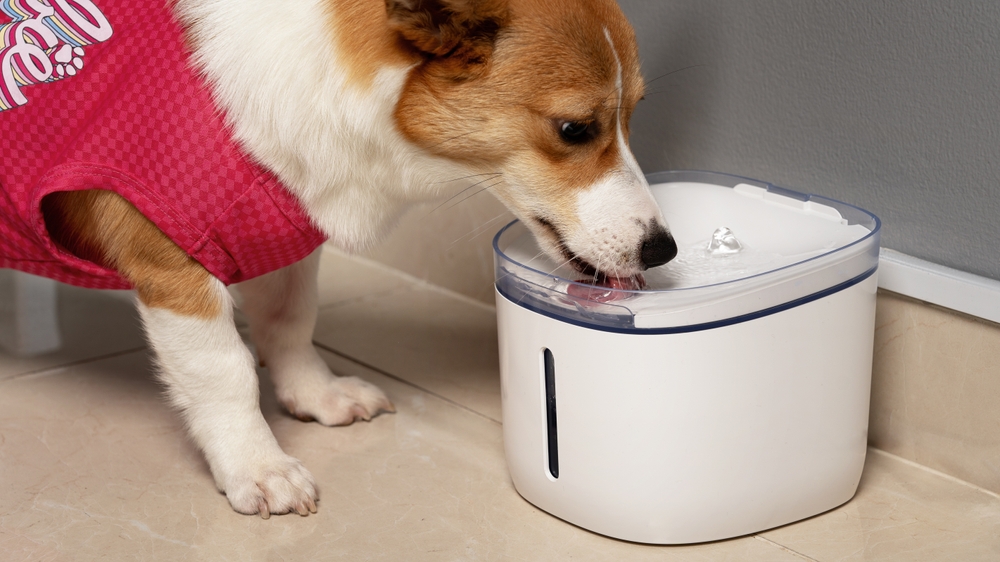
Max had drunk water at predictable times—after walks, after meals, mid-afternoon—maintaining hydration patterns his veterinarian considered ideal. After the coffee maker moved, Max began drinking erratically, sometimes consuming his daily water in two large sessions rather than spacing it throughout the day. The connection seemed impossible until the family realized the coffee maker’s water reservoir filling sounds had been occurring throughout the day when they added water for various brews.
The reservoir filling sounds apparently served as drinking reminders for Max, who associated the sound of water flowing with his own hydration needs. When that audio cue disappeared into the cabinet, Max lost the environmental prompts that had structured his water intake for years. The behavioral change demonstrated how ambient household sounds create invisible schedules that animals follow without conscious awareness, and how removing those sounds destabilizes routines that seemed biologically driven but were actually environmentally cued. Max’s veterinarian noted that erratic water consumption can lead to health issues, illustrating how a small household change can have cascading effects on basic biological maintenance behaviors.
7. Playtime Initiation Became Unpredictable

Max had initiated play sessions at consistent times—morning after breakfast, late afternoon, and evening before bed—with such reliability the family scheduled around it. After the coffee maker moved, play initiation became random and sometimes didn’t occur at all for days. The family discovered Max’s play initiatives had been triggered by the coffee maker’s various cycle completion sounds—the morning brew ending, the afternoon carafe warming shutting off, the evening cleaning cycle finishing—sounds that signaled transition points in household activity that Max associated with human availability for interaction.
Without these transition markers, Max couldn’t identify appropriate times to initiate play and defaulted to waiting for human initiation rather than requesting play himself. The behavioral change revealed that Max’s play timing wasn’t based on energy levels or independent decision-making but on learned associations between specific sounds and human responsiveness. The family had interpreted Max’s play initiation as him expressing needs, when actually he was responding to environmental cues indicating when humans were likely to be receptive. The shift illustrated how much of what owners interpret as pet agency and communication is actually sophisticated pattern recognition and response to household rhythms marked by sounds humans don’t consciously attend to.
8. Position During Family TV Time Changed

Max had always settled at the father’s feet during evening TV watching, a position he’d claimed since puppyhood. After the coffee maker moved, Max began settling near the kitchen entrance instead, oriented toward the cabinet rather than the TV. The family realized Max’s previous position had provided sight lines to the kitchen counter where the coffee maker had been, allowing Max to monitor it visually while appearing to watch TV with the family.
The coffee maker’s lights and occasional sounds during evening hours had apparently provided Max with environmental feedback he monitored as part of his household security assessment. Relocating to the kitchen entrance allowed him to hear and occasionally check the cabinet location, attempting to maintain monitoring capabilities even though the visual component was now impossible. The position change demonstrated that dogs’ spatial choices during family time aren’t purely about proximity to humans—they’re strategic positions that allow monitoring of environmental features the dog considers important for household security or routine maintenance, features humans don’t recognize as significant until the dog’s monitoring behavior becomes visible through position changes.
9. Response to Doorbell Changed to Delayed Reaction
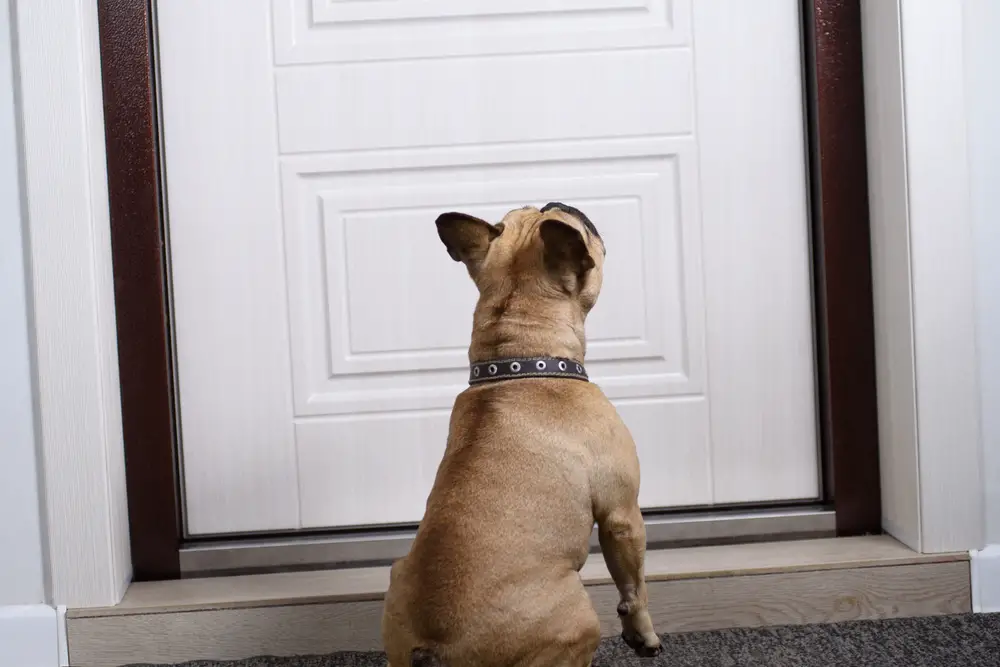
Max had responded to the doorbell instantly for years, barking and rushing to the door within seconds of the sound. After the coffee maker moved, his doorbell response became delayed by 10-15 seconds, as if he needed time to process the sound before responding. A canine behavioral specialist explained that Max had been in a constant state of environmental monitoring anchored by the coffee maker’s sounds, maintaining alertness that allowed immediate response to unusual sounds like the doorbell.
Without the coffee maker’s audio anchor providing consistent environmental feedback, Max’s overall alertness level decreased and his response time to irregular sounds increased. The change revealed that the coffee maker had been functioning as an auditory baseline that kept Max in a monitoring state, allowing rapid response to deviations from normal household sounds. The removal of that baseline reduced Max’s overall alertness, explaining the delayed doorbell response that initially seemed like hearing loss but actually represented a shift in baseline monitoring state triggered by the loss of familiar environmental sounds structuring Max’s sensory attention.
10. Bathroom Following Behavior Intensified
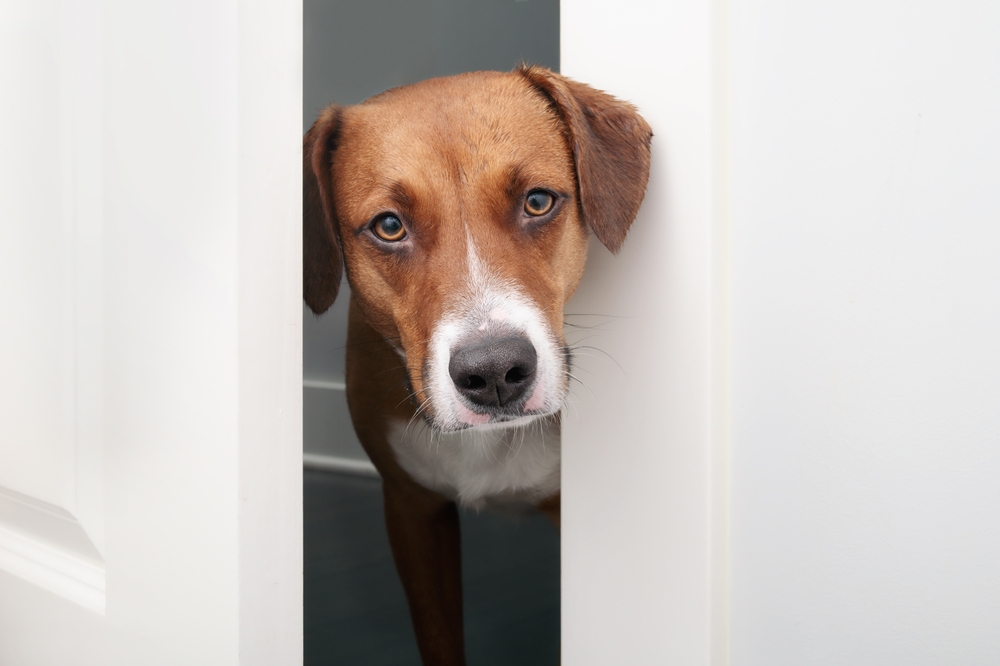
Max had occasionally followed family members to the bathroom but generally respected privacy. After the coffee maker moved, he began insisting on bathroom accompaniment, scratching at doors and showing distress when excluded. The family connected this to Max’s loss of auditory household monitoring—the coffee maker’s sounds from the counter had allowed Max to track general household activity and occupancy even when people were in closed rooms.
Without those sounds, Max lost confidence in his ability to track family members’ locations and activities, creating anxiety when people disappeared into bathrooms where he couldn’t monitor them. The following behavior represented Max’s attempt to maintain visual tracking since auditory tracking was no longer reliable. The change illustrated how dogs build comprehensive awareness of household activity through multiple sensory channels, and how disrupting one channel—in this case audio monitoring via coffee maker sounds—causes compensatory behaviors in other channels as the dog attempts to maintain the same level of environmental awareness through different means.
11. Food Pickiness Emerged for the First Time
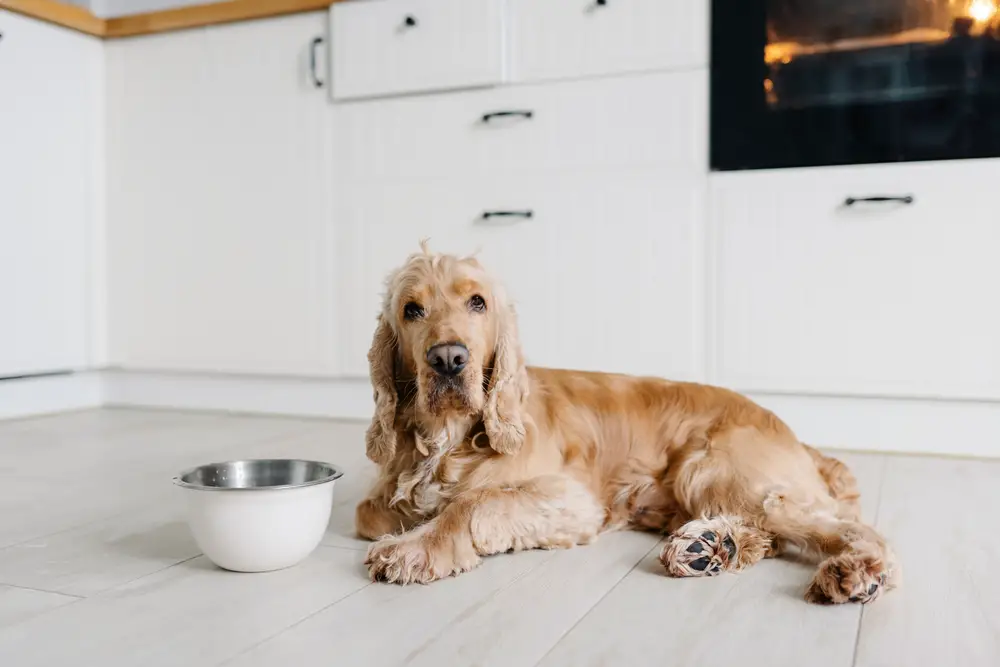
Max had been an enthusiastic eater his entire life, finishing meals immediately upon serving. After the coffee maker moved, he began eating slowly, sometimes leaving food uneaten, and showing apparent selectivity about kibble versus wet food. The vet ruled out medical issues, leading a behaviorist to investigate environmental factors. They discovered that the coffee maker’s brewing aroma had been functioning as an appetite stimulant, with Max’s meal times historically coinciding with coffee brewing that created olfactory cues signaling feeding time.
Without the coffee aroma marking meal times, Max’s appetite responses weren’t triggered with the same intensity, making food less appealing and eating less urgent. The change demonstrated how dogs’ eating behaviors can be environmentally scaffolded by sensory cues that create anticipation and appetite, and how removing those cues doesn’t just change timing but reduces the physiological responses that make eating rewarding. The food pickiness represented not a change in Max’s food preferences but a change in his physiological preparation for eating, which had been cued by coffee aromas his system associated with meal times.
12. Anxiety During Thunderstorms Worsened Significantly

Max had always been mildly anxious during storms but manageable with basic comfort. After the coffee maker moved, his storm anxiety escalated to destructive panic, requiring medication and intensive management. The family and behaviorist eventually theorized that the coffee maker’s mechanical sounds—gurgling, heating, steaming—had been functioning as white noise that partially masked storm sounds and provided familiar comfort sounds during stressful events.
The coffee maker’s relocation to a cabinet muffled those sounds to inaudibility, removing an environmental buffer that had been mitigating Max’s storm anxiety for years without the family realizing it served that function. Without the familiar sounds providing comfort and masking some storm noise, Max experienced thunderstorms with full sensory intensity and without his usual coping mechanism. The worsened anxiety revealed how household appliances can inadvertently provide therapeutic benefits through their sounds and presence, benefits that become obvious only when the appliances are moved or removed, creating anxiety spikes that seem disproportionate to the change but actually represent loss of critical environmental support the dog had been relying on.
13. Overall Activity Level Decreased Noticeably
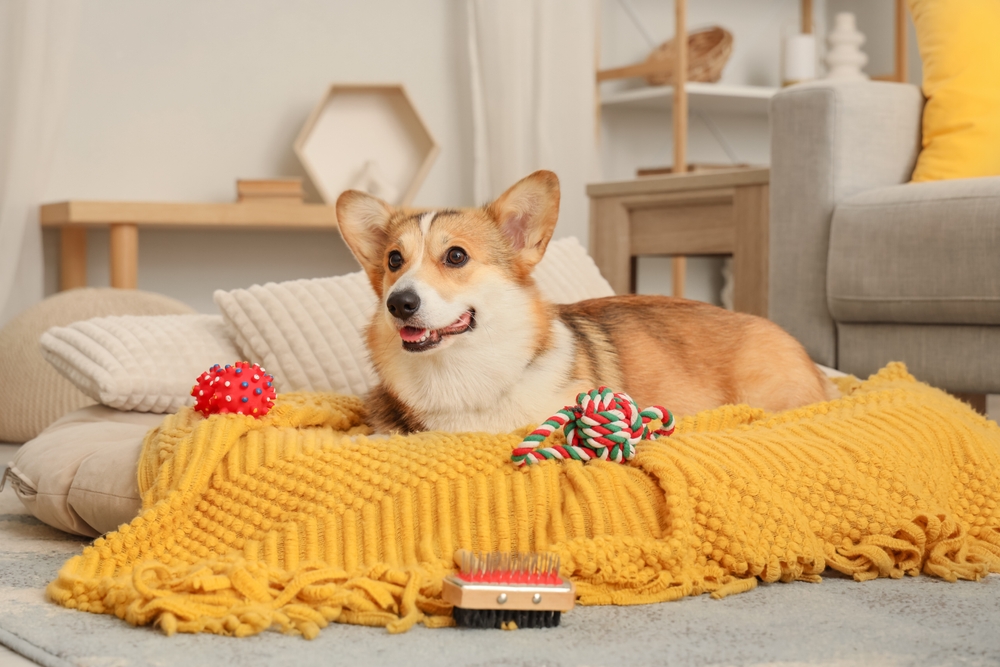
Max had been a moderately active dog, engaging in play, exploration, and household movement throughout the day. After the coffee maker moved, his activity level dropped noticeably—more time sleeping, less spontaneous play, reduced exploratory behavior around the house. The family worried about depression until they realized that Max’s activity patterns had been structured by the coffee maker’s various sounds throughout the day, which had served as markers dividing the day into segments with different activity expectations.
The morning brew signaled active time, the afternoon warmings indicated rest periods punctuated by activity, and the evening cycles marked transition to nighttime routines. Without these temporal markers, Max lost the structure that had been organizing his activity patterns, resulting in undifferentiated time that defaulted to rest rather than activity. The activity decrease demonstrated how profoundly dogs depend on environmental cues to structure not just specific behaviors but overall energy expenditure and engagement throughout the day. What appeared to be internal motivation and circadian rhythms were actually responses to household soundscapes that the family had never consciously registered but that Max had built his entire daily routine around, creating a complex behavioral architecture that collapsed when one small household appliance moved a few feet from its previous location.